
Financial services work best when people understand their choices, compare costs, and know how their money is handled. Yet financial products can be difficult to navigate, especially when fees, eligibility rules, risks, or technical language are unclear. Accessible information supports informed decisions; transparency alone, however, does not guarantee fair outcomes. Responsible lending, clear pricing, consumer protections, inclusive design, and reliable systems all contribute to confidence. Digital tools can widen access, but they also make accountability and data protection essential. What does meaningful trust look like in practice, and which decisions make financial services easier to use? These contributors share perspectives on the people and practices shaping finance for everyday consumers everywhere while technology changes how people manage money every day.
Honest Lenders Build Durable Trust
The leader who stands out most clearly to me is not a household name in consumer finance. It is the network of independent equipment lessors and brokers who built the AACFB into a genuine educational and advocacy organization over decades. I served as chairman of the Education Committee for four years. The work that organization does, training brokers on responsible deal structuring, educating borrowers on their rights at end of term, and advocating in Washington for policies that keep equipment finance accessible to mid-market companies, is trust-building at an institutional level that rarely gets credited publicly.
On the broader fintech landscape, the leaders who have earned my respect are those who were transparent about what they could not do rather than overpromising on speed and automation. The lenders who told borrowers clearly what their product was, who it was right for, and who it was not right for built more durable trust than the ones who chased volume with approvals that did not serve the borrower’s actual situation.
Buddy Zarbock, CEO/Founder, Equipment Leases
——————————————-
Strong Credit Standards Earn Lasting Trust
The leaders who stand above their peers in building trust in finance are the ones who maintained their credit standards when the pressure to relax them was greatest. That is not a glamorous answer but it is an honest one. During periods of aggressive growth in any lending market, the organizations that kept saying no to deals that did not meet their standards protected their borrowers from overleveraging and protected their portfolios from the losses that follow easy credit cycles.
Within our specific industry, the recognition programs run by Monitor and the Leasing News Top Women in Leasing acknowledgment have done meaningful work in making the equipment finance industry more visible and more accessible to professionals who might not have seen a clear path into it. Trust in finance is built over time through consistent behavior, not through campaigns or technology launches. The leaders and organizations that understand that distinction and operate accordingly are the ones whose reputations compound rather than erode.
Traci Dolphin, President, Equipment Leases
——————————————-
Vanguard Proves Low Fees Build Trust
My pick is Vanguard (and its founder John Bogle), a shining example of how to build trust in finance.
In 1976 Bogle introduced the first index mutual fund targeted towards everyday investors. Dubbed “Bogle’s Folly” by critics, the fund offered investors an opportunity to own the market at minimal cost instead of paying someone else to try (and probably fail) to beat the market. For the first time, everyday Americans (i.e. teachers, nurses, etc.) could own a piece of the S&P 500 for just a few dollars a year in fees.
Beyond low-cost index investing, what makes Vanguard unique (and so trusted) is who actually owns it. Vanguard is owned by its funds, which are in turn owned by investors like you and me! Since it doesn’t have to answer to shareholders who would encourage higher prices/fees, as Vanguard has grown it’s actually lowered them, forcing the rest of the investment world to do the same. So whether or not you invest with Vanguard, you can thank Bogle and his company for saving you tons in fees!
Which brings me to my last point. Fees matter! You may not think that 1% sounds like much, but over the course of 30 years it can lower your ending balance by close to a quarter! Try entering 7% for one return and 6% for the other in a compound interest calculator (https://www.bina.capital/tools/compound-interest-calculator) and, assuming everything is equal except fees, you’ll see what I mean.
The lesson for builders today: make sure your costs are low AND transparent!
Mehdi Zare CFA, Founder, Bina Capital
——————————————-
Vanguard Aligns Ownership With Investor Value
Vanguard gets my vote. It’s owned by its funds, which are owned by their shareholders, aligning the business with the people it serves. Its long-standing focus on lowering investment costs makes building wealth more accessible. What stands out to me is that customer value is built into its ownership model.
Michael Gargiulo, Founder, CEO, VPN.com
——————————————-
Ethis Builds Trust Through Open Islamic Investing
What Ethis does with Islamic crowdfunding stands out. They show every detail of a deal and put it through strict Sharia oversight. This means even small investors can see exactly what they’re backing and what the risks are. It got me thinking about my own work at Akinda, so now we focus on detailed reporting so our halal investors have all the information. It’s a good reminder that being open isn’t just about rules, it’s what makes people comfortable investing.
Nurmukhammad Ismoilov, CEO, Akinda
——————————————-
OCC Opens Options Data to All
The company I’d point to is the Options Clearing Corporation. It is the central clearinghouse behind every U.S. listed option, and it publishes daily volume and open-interest data openly instead of behind a paywall, so independent analysts can check the market rather than take anyone’s word for it. That matters more as retail participation grows: OCC reported roughly 15.2 billion contracts cleared in 2025. I run VolRadar, a bootstrapped options analytics platform, and our statistics hub builds on that public data.
Aigars Pilmanis, Founder, VolRadar
——————————————-
Wise Makes Transfer Fees Clear
One company I would point to is Wise. What stands out is that they made transparency part of the product rather than just part of the marketing. Customers can see the fee upfront and understand the exchange rate being used, which removes much of the uncertainty that has traditionally surrounded international money transfers.
That matters because trust in finance often comes down to making costs and choices easy to understand. Wise has shown that accessibility is not only about making a service easier to use; it is also about giving customers enough clarity to make an informed decision without needing to decode the pricing first.
Paul Sharpe, CEO, Easy Business App
——————————————-
Fidelity Treats Accessibility as Product Discipline
Honest Answer: As an advisor on Accessibility and Compliance Risk in Financial Services, my recommendations will be limited to the areas I am seeing through the lens of Procurement.
I would ignore the glossy Transparency Reports. Instead, it is the companies which have built real Trust by having their products work for Blind users, Deaf Users and Users with Cognitive Disabilities prior to a Regulator asking that really matter among the larger Players. Amongst these large Players, Fidelity has been a standout in treating Accessibility as Product Discipline rather than Legal Patch – Published Conformance Documentation, Internal Staffed Accessibility Team and Consistent Alignment across Retail and Workplace Platforms via WCAG.
Why does this Matter Commercially?: When Government Plan Sponsors or Enterprise HR Teams run Procurements; a Current VPAT and Credible Remediation Roadmap Shorten Sales Cycle. Those peers that are scrambling to Retrofit Lose Deals Quietly.
David LoPresti, Founder and CEO, CompliCorp
Have Your Say
- What makes you trust a financial service?
- Which matters most: clear fees, accessibility, or customer protection?
- What financial innovation has made your life easier?
Alignment with the UN SDGs
- SDG 1 – No Poverty: Supports financial inclusion and access to services.
- SDG 8 – Decent Work and Economic Growth: Highlights responsible lending and accessible finance.
- SDG 9 – Industry, Innovation and Infrastructure: Examines inclusive financial technology.
- SDG 10 – Reduced Inequalities: Promotes accessible services for underserved communities.
Note: The views and opinions expressed in the content provided on this page are those of the individual authors and do not necessarily reflect the official policy or position of any organizations mentioned. The information provided is for educational and informational purposes only and should not be interpreted as professional advice. Readers should consult with relevant experts or professionals for guidance specific to their circumstances. The examples used are for illustrative purposes and results may vary depending on various factors. Any external links provided are for convenience, and we do not endorse or take responsibility for the content, products, or services available through these links.
⭐⭐⭐⭐⭐
Other Highlights

Looking for something?
Type in your keyword(s) below and click the “Search” button.
Helpful Shortcuts
More Stories























Print and Digital Magazine
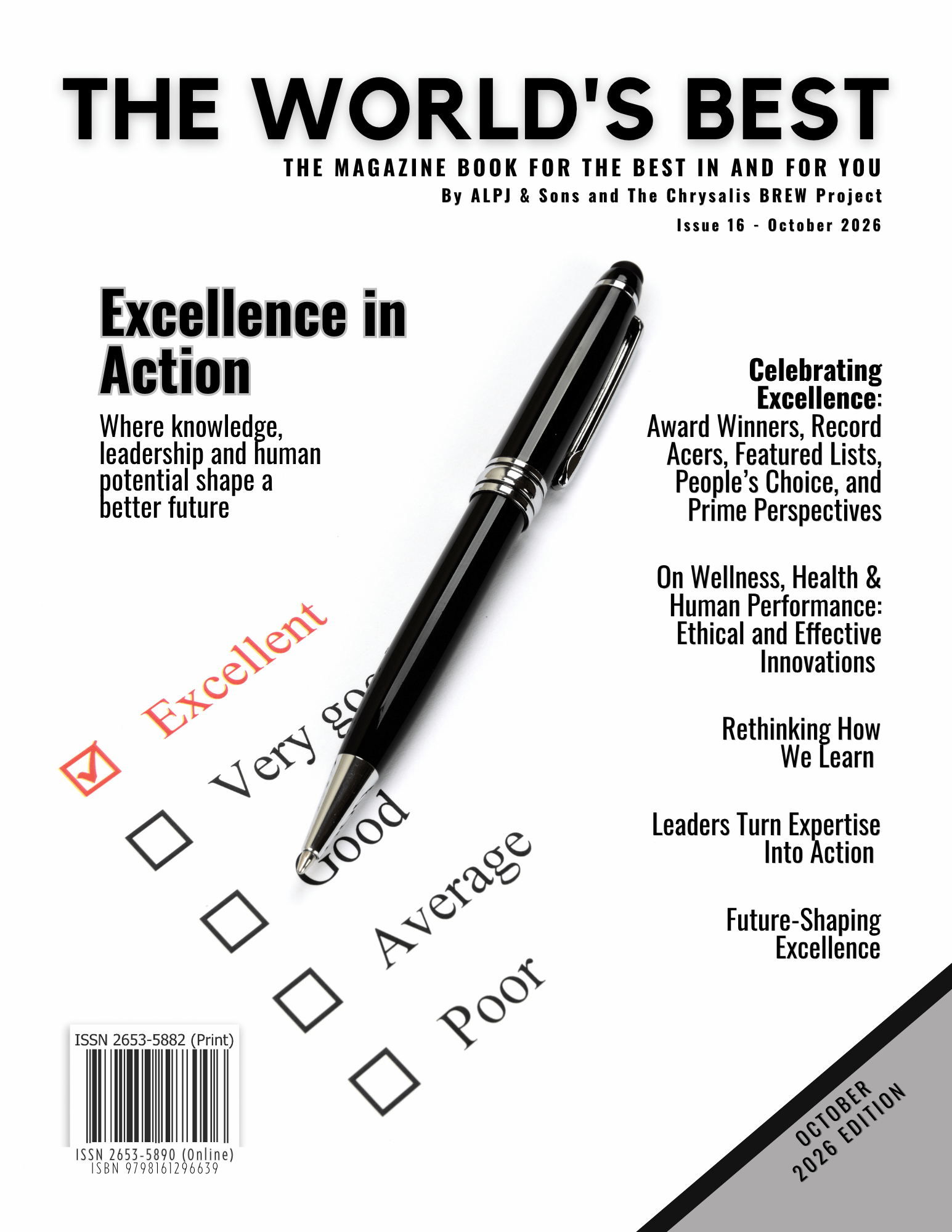
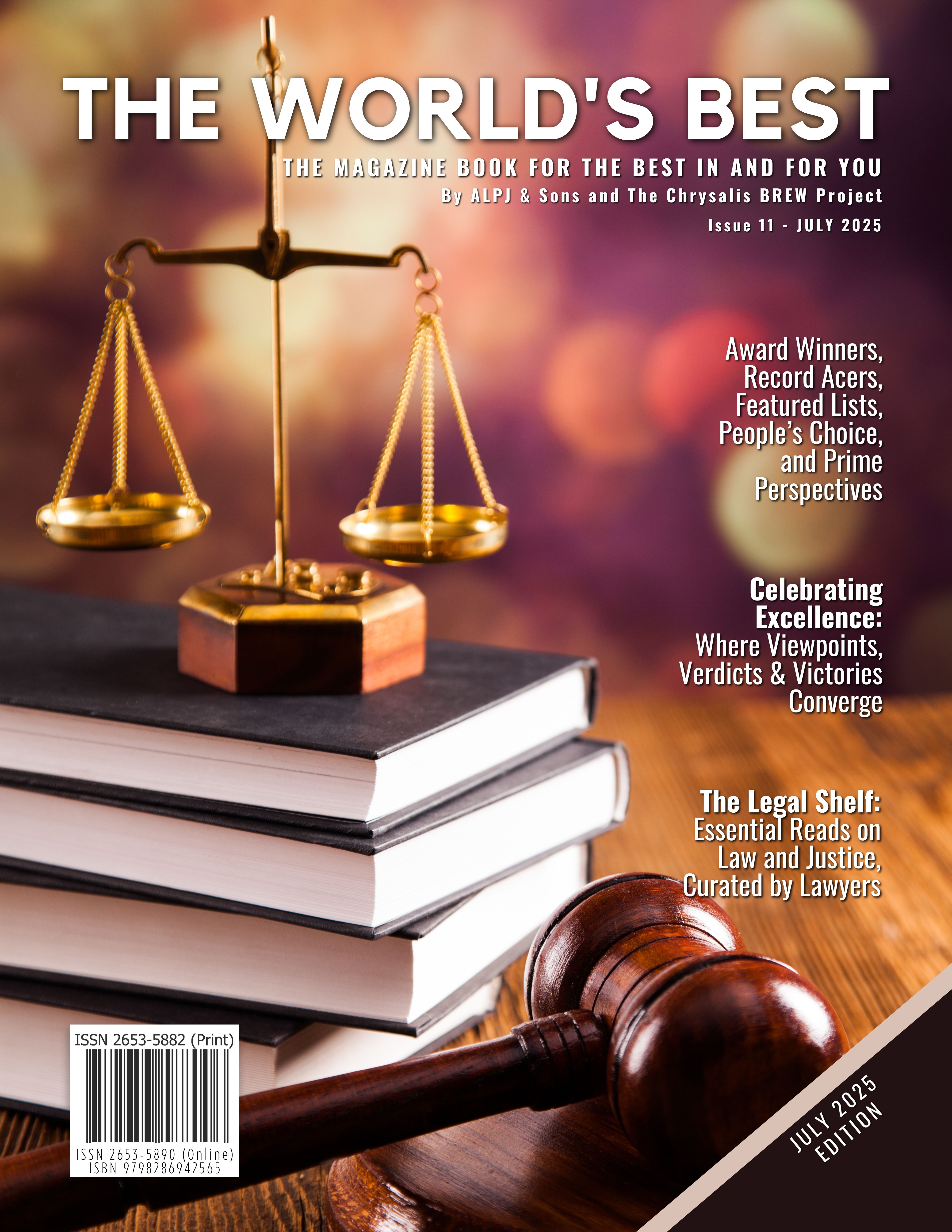
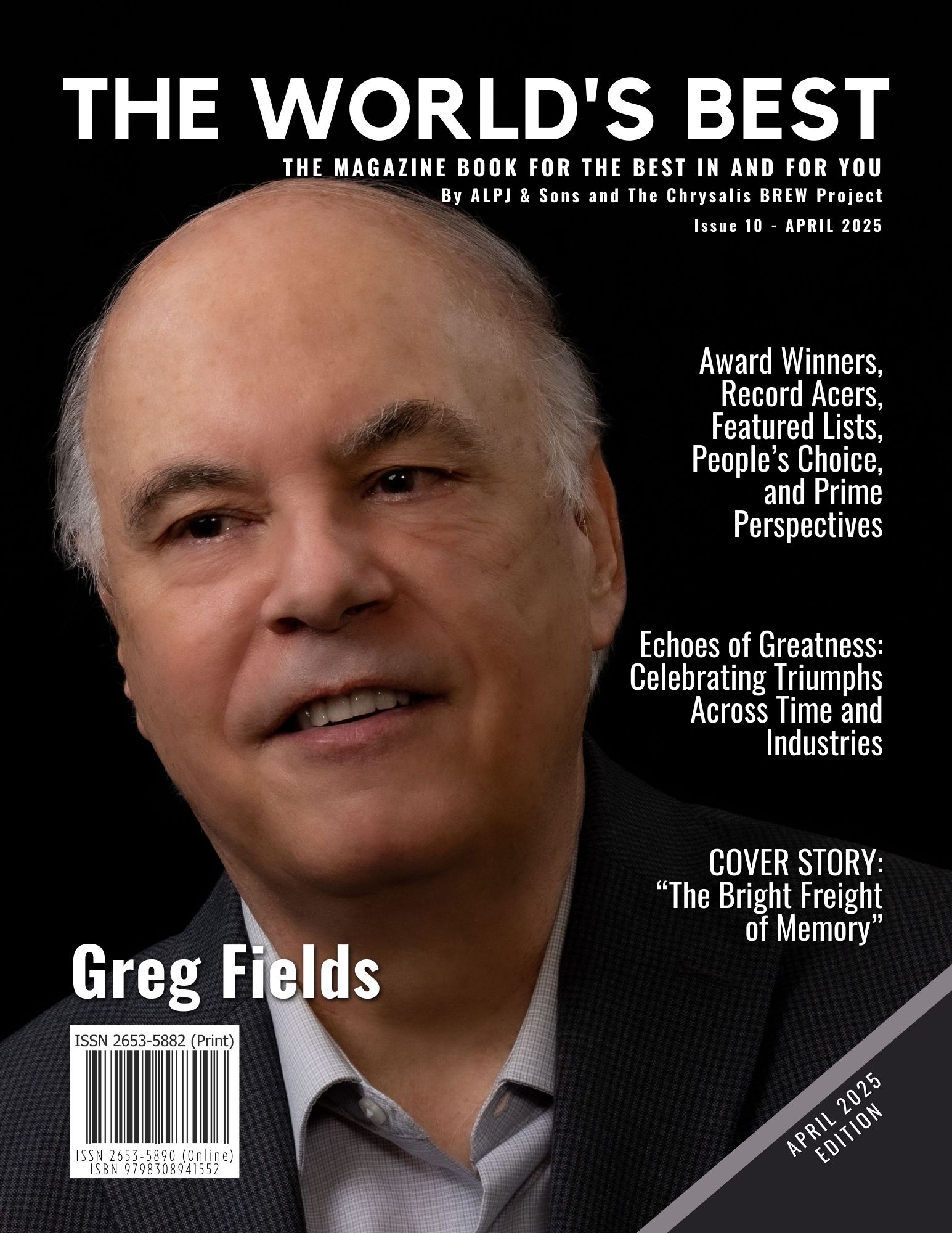
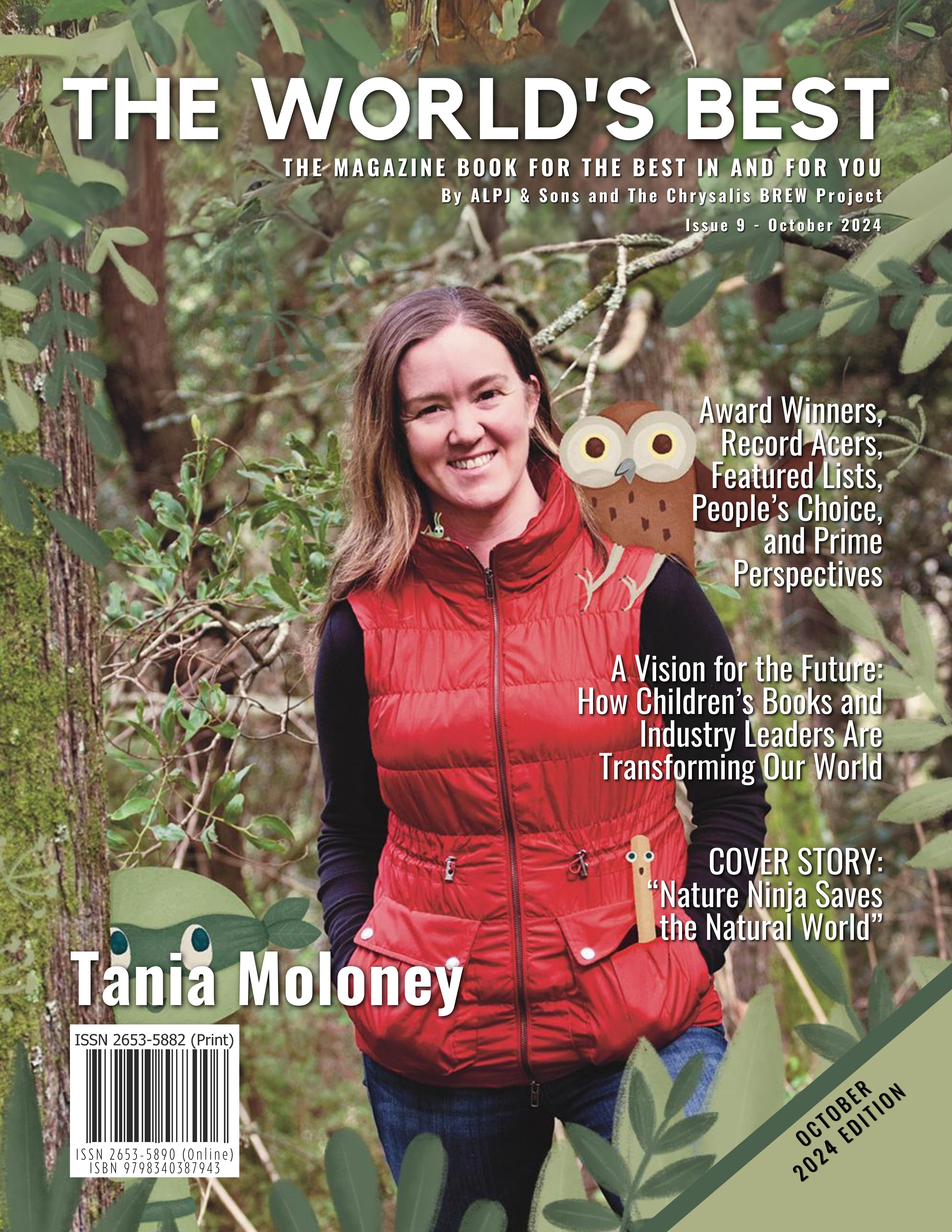
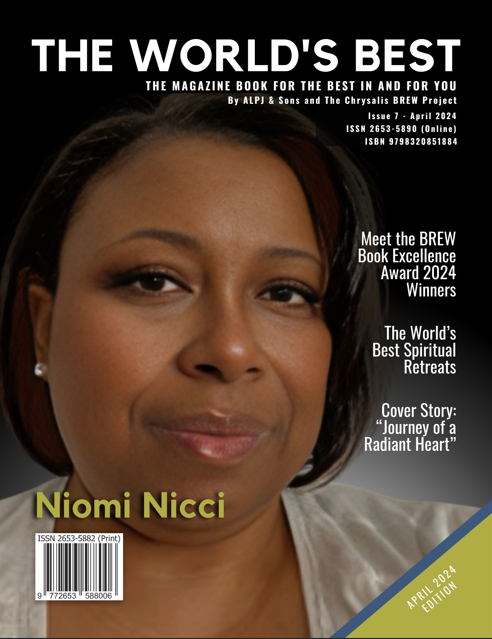
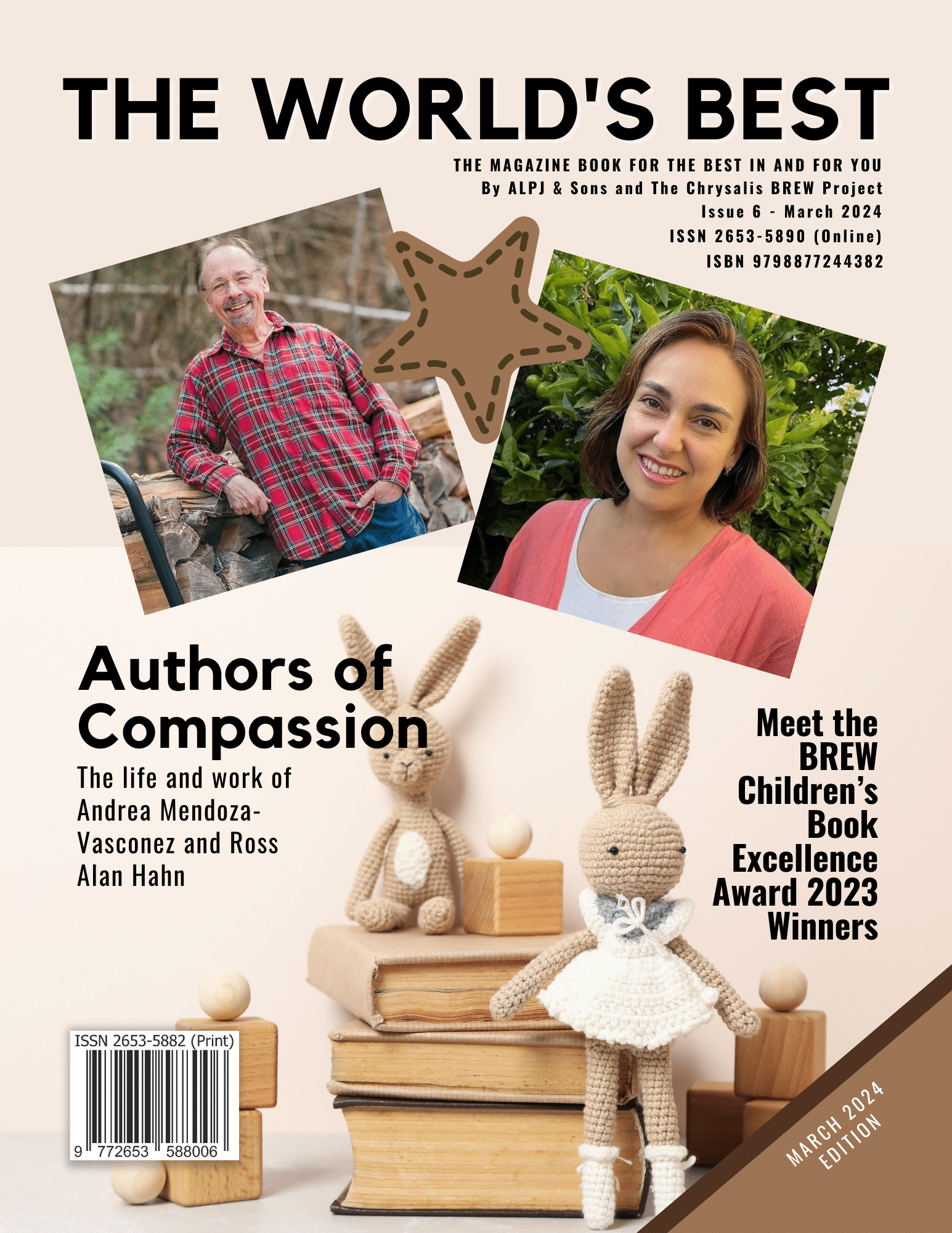
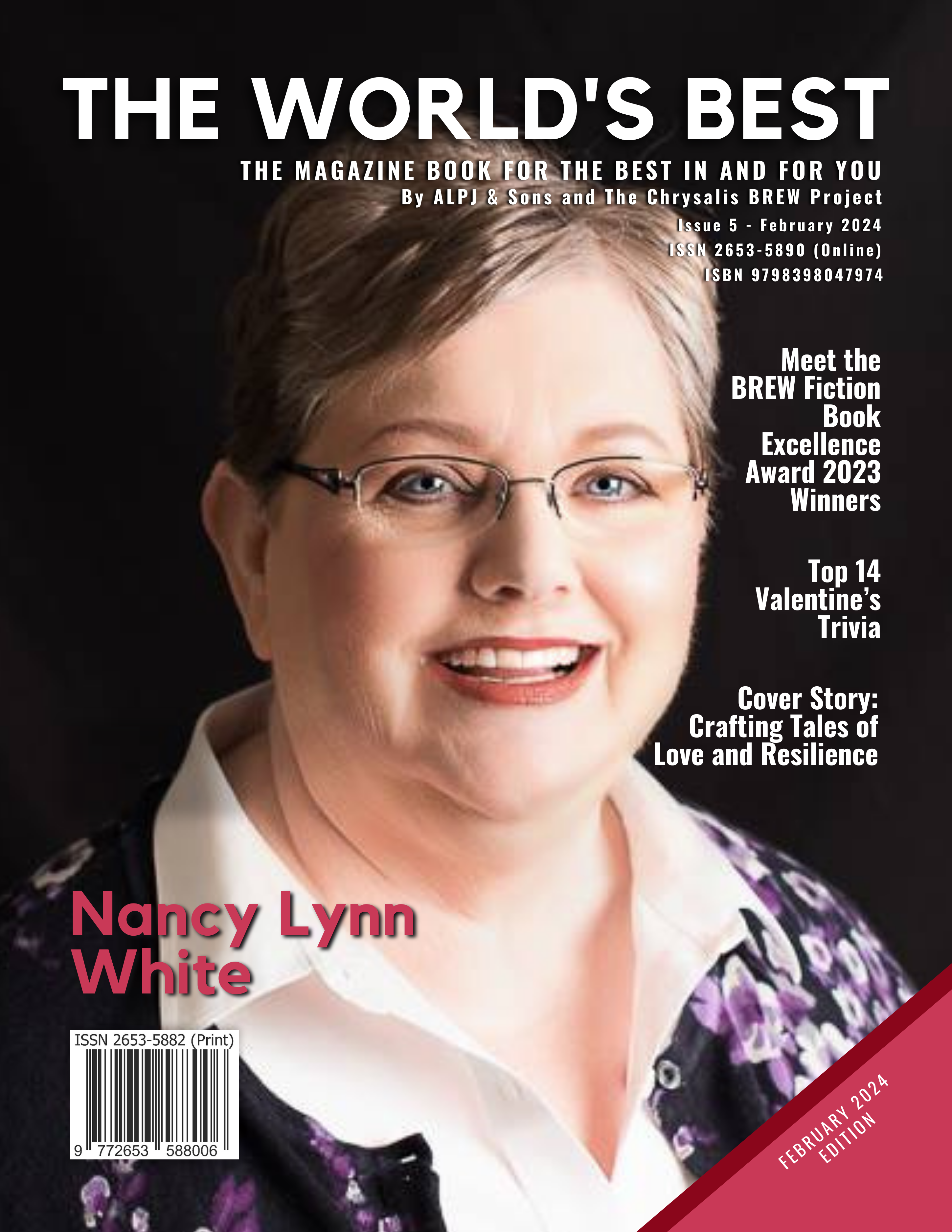
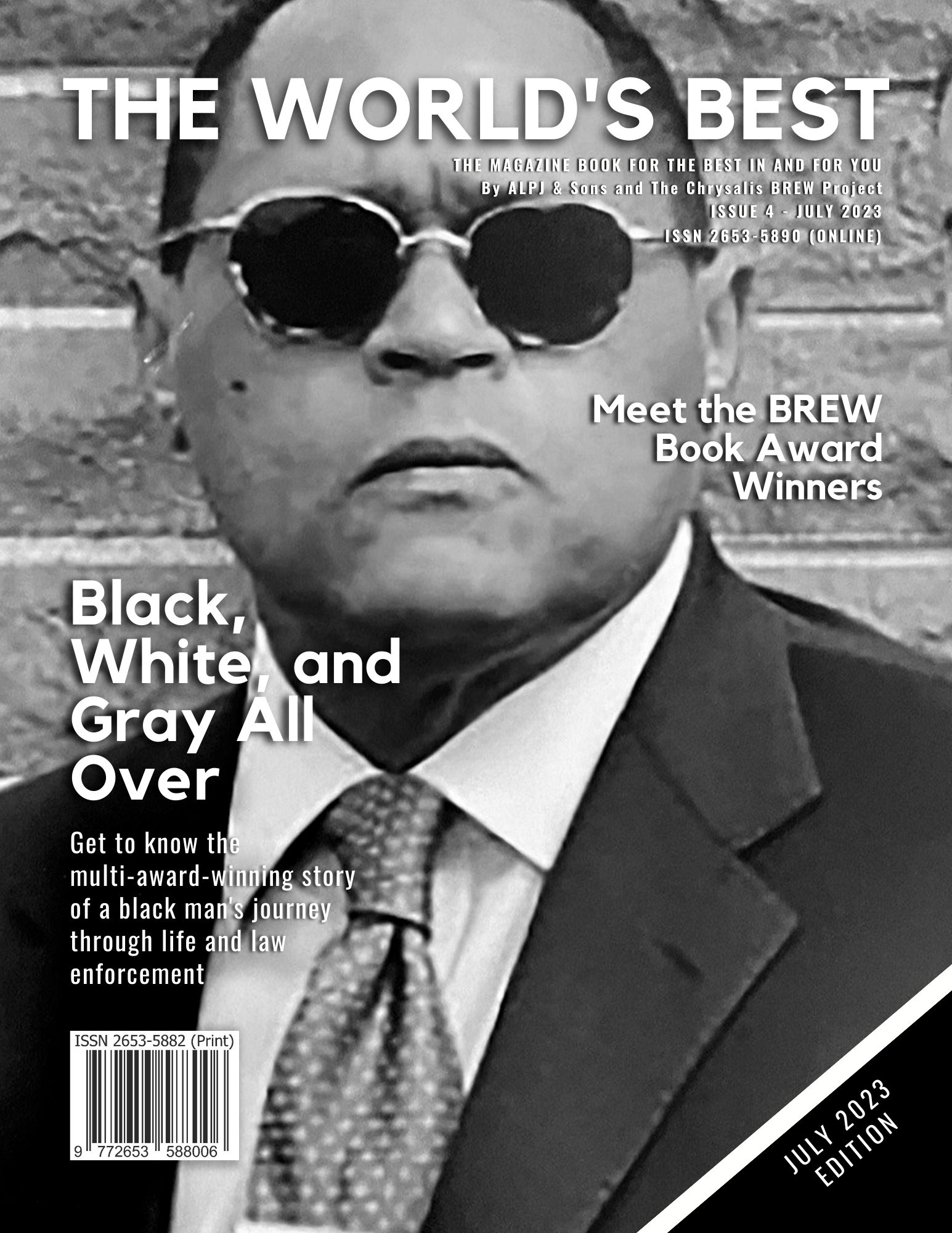

Don’t just read about greatness. Own it!

About Us
The World’s Best Magazine is a print and online publication that highlights the extraordinary. It is your passport to a universe where brilliance knows no bounds. Celebrating outstanding achievements in various fields and industries, we curate and showcase the exceptional, groundbreaking, and culturally significant. Our premier laurels, The World’s Best Awards, commend excellence through a unique process involving subject matter experts and a worldwide audience vote. Explore with us the pinnacle of human achievement and its intersection with diversity, innovation, creativity, and sustainability.
We recognise and honour the Traditional Owners of the land upon which our main office is situated. We extend our deepest respects to Elders past, present, and emerging. We celebrate the stories, culture, and traditions of Aboriginal and Torres Strait Islander Elders from all communities who also reside and work on this land.
Disclaimer: The World’s Best does not provide any form of professional advice. All views and opinions expressed in each post are the contributor’s own. Whereas we implement editorial policies and aim for content accuracy, the details shared on our platforms are intended for informational purposes only. We recommend evaluating each third-party link or site independently, as we cannot be held responsible for any results from their use. In all cases and with no exceptions, you are expected to conduct your own research and seek professional assistance as necessary prior to making any financial, medical, personal, business, or life-changing decisions arising from any content published on this site. All brands and trademarks mentioned belong to their respective owners. Your continued use of our site means you agree with all of these and our other site policies, terms, and conditions. For more details, please refer to the links below.
About | Advertise | Awards | Blogs | Contact | Disclaimer | Submissions | Subscribe | Privacy | Publications | Terms | Winners
The World’s Best: A Magazine That’s All About What’s Great | theworldsbestmagazine.com | Copyright ⓒ 2022-2026
Let’s connect
Discover more from The World's Best
Subscribe to get the latest posts sent to your email.


