
Well-being is shaped by more than a workout, product, or daily habit. Sleep, movement, stress, social connection, and access to appropriate care all influence how people feel and function. Research-backed approaches tend to focus on practical, sustainable changes rather than quick fixes, while recognising that individual needs differ. Technology can help people notice patterns and organise support, but measurements and digital tools have limits; they work best when people understand what the information can and cannot tell them. Ethical wellness also depends on privacy, transparency, accessibility, and respect for personal choice. From everyday routines to specialised healthcare, the question is how to support healthier lives without overpromising results. This roundup explores perspectives on what responsible, effective well-being can look like.
Oura Redefines Wellness Through Recovery and Readiness
One organization that stands out in redefining wellness and human performance is Oura, the company behind the Oura Ring. What makes Oura particularly compelling is its shift away from the traditional fitness industry’s obsession with appearance, calorie burning, and performance metrics toward a more comprehensive understanding of long-term health.
Oura uses wearable technology to provide personalized insights into sleep quality, recovery, stress, activity, and overall physiological readiness. Rather than encouraging users to constantly push harder, it helps them recognize when their bodies need movement, rest, or recovery. This represents an important evolution in wellness: measuring progress through sustainable health improvements rather than unrealistic expectations.
What differentiates Oura is its combination of research-informed technology, accessible health insights, and an emphasis on preventive wellness. Its approach empowers individuals to make informed decisions without relying exclusively on restrictive diets, extreme exercise routines, or short-term transformations.
From an ethical perspective, I believe the strongest wellness companies are those that prioritize transparency, responsible data practices, accessibility, and measurable outcomes. Oura demonstrates considerable promise in this area, although subscription costs, data privacy, and the limitations of wearable measurements remain important considerations.
Ultimately, I consider Oura a leader in the wearable wellness category because it promotes a fundamental principle that the broader health industry should embrace true human performance isn’t about maximizing output every day. It’s about understanding your body, improving recovery, and building sustainable habits that support a healthier, more productive life.
Dmitriy Lyubarskiy, Owner, Fortira Fit
——————————————-
SleepioRx Delivers Evidence-Based Insomnia Care
My pick is SleepioRx from Big Health, because the wellness industry has a bad habit of selling people more stuff to track when what they really need is something that actually works. SleepioRx takes cognitive behavioral therapy for insomnia, a proven treatment, and makes it accessible through a digital program. It’s FDA-cleared, backed by randomized clinical trials, and has demonstrated meaningful improvements in sleep compared with usual care and basic sleep education. That’s a refreshing change from the endless parade of wellness apps promising to optimize your life with prettier graphs and more notifications. What makes it stand out ethically is that it stays in its lane: it’s a clinician-prescribed treatment for a specific condition, not some magical app claiming to fix your entire existence. As someone who works in marketing, I’m especially impressed when a health brand lets clinical evidence do the heavy lifting instead of clever copywriting. My rule? If your wellness product has more celebrity endorsements than peer-reviewed studies, maybe it’s time to rethink what you’re actually selling.
Justin Belmont, Founder & CEO, Prose
——————————————-
Vagaro Supports Personalized, Consistent Wellness Care
I own Lang Ocean Spa Thai Bodywork in Chicago, and since 2016 I’ve seen that better well-being usually comes from consistency, not hype. The platform I’d name is Vagaro, because it makes ethical wellness care easier to book, personalize, and repeat.
What makes it effective is simple: same-day booking, clear service choices, intake notes, reminders, and gift cards reduce friction. For a desk worker with neck tension or a couple trying to schedule together, removing phone tag can be the difference between “I should go” and actually going.
What makes it ethical is the record-keeping and personalization. In Thai bodywork, knowing injuries, pressure limits, posture habits, and mobility concerns helps a therapist avoid unsafe stretches and tailor the session instead of giving everyone the same routine.
My bias is that the practitioner still matters most. But the best wellness platform supports privacy, informed care, and long-term habits instead of turning self-care into a random one-off purchase.
June Liu, Owner, Lang Ocean Spa Thai Bodywork
——————————————-
MD Anderson Centers Care on Individual Patients
I’m a dentist who has placed over 10,000 implants and completed more than 1,000 full-arch reconstructions, so I think about well-being through a pretty specific lens — what happens to someone’s health, confidence, and daily function when they get their teeth back after years without them.
The organization I’d point to is MD Anderson Cancer Center, specifically the way they’ve built oncology dental clearance into the cancer care pathway. I work directly with MD Anderson and Texas Oncology referrals to clear patients for chemotherapy and radiation, and the coordination model they’ve built is genuinely patient-centered — it moves people toward treatment faster without cutting corners on safety. That’s rare in healthcare.
What makes it ethical and effective is the same thing: they treat the whole person. A cancer patient on antiresorptive medications isn’t the same case as someone on a low-dose oral osteoporosis prescription, and the best oncology care accounts for that nuance rather than applying a blanket protocol. I see the downstream benefit of that thinking every time a referred patient walks in with their full medication list and we can have a real conversation about what’s actually safe for them.
The lesson that applies everywhere in health and performance: the most effective interventions are the ones that start with the individual’s actual situation, not a template. Whether it’s cancer care or rebuilding someone’s ability to eat a real meal again after years of missing teeth — you treat the patient, not just the problem.
Justin Wright, Founder & Clinical Director, Just Wright Dental and Implant Center
——————————————-
Miracle Botanicals Builds Trust Through Transparency
In natural wellness products, the brands worth trusting are the ones that let you check their work, and that’s the standard we hold ourselves to at Miracle Botanicals. Every oil we sell is third-party tested for synthetics, pesticides and adulteration, and we post GC-MS reports on many of our product pages so customers can see the chemistry for themselves. We tell customers plainly where each oil comes from and how it was extracted, from Bulgarian rose otto to Omani frankincense, and our island hydrosols are steam distilled here on Hawai`i Island using pure rain water. Ethical sourcing, to us, means choosing distillers who harvest at the right time and craft with care, some of whom have worked the same plants for generations. For me, ethical means respecting the plants and the people who grow them, not just putting a word on a label.
Hope Johnson, Founder, Miracle Botanicals
Have Your Say
What does responsible well-being look like to you? Share your thoughts in the comments.
- Which daily habit makes the biggest difference to your well-being?
- How do you decide whether a wellness tool is trustworthy?
- What should organisations prioritise when designing well-being support?
Alignment with the UN SDGs
- SDG 3: Promotes health and well-being through responsible care and sustainable habits.
- SDG 9: Examines evidence-informed wellness technology.
- SDG 10: Highlights accessibility and individual needs.
Note: The views and opinions expressed in the content provided on this page are those of the individual authors and do not necessarily reflect the official policy or position of any organizations mentioned. The information provided is for educational and informational purposes only and should not be interpreted as professional advice. Readers should consult with relevant experts or professionals for guidance specific to their circumstances. The examples used are for illustrative purposes and results may vary depending on various factors. Any external links provided are for convenience, and we do not endorse or take responsibility for the content, products, or services available through these links.
⭐⭐⭐⭐⭐
Related
Rethinking How We Learn
Can a five-minute conversation teach you more than a hundred-page manual? This roundup explores how people turn knowledge into insight; read the full piece to discover approaches for yourself.
Leaders Turn Expertise Into Action
If leadership were a household object, would it be a compass, a toolbox, or something unexpected? Read the roundup to explore the perspectives and discover why.
Future-Shaping Excellence
If your refrigerator could predict a bad day, would you trust it—or still wait for the breakdown? Read the full roundup to see how experts approach tomorrow’s excellence in practice.
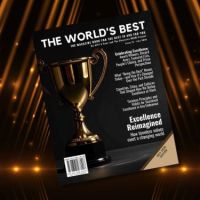
The World’s Best Magazine Launches Issue 16: October 2026 Edition Themed Excellence in Action
The latest edition of The World’s Best Magazine is now available, bringing together interviews and cover stories that examine leadership, learning, innovation, wellness and human potential under the theme Excellence in Action.
Something went wrong. Please refresh the page and/or try again.
Other Highlights

Looking for something?
Type in your keyword(s) below and click the “Search” button.
Helpful Shortcuts
More Stories



















Print and Digital Magazine
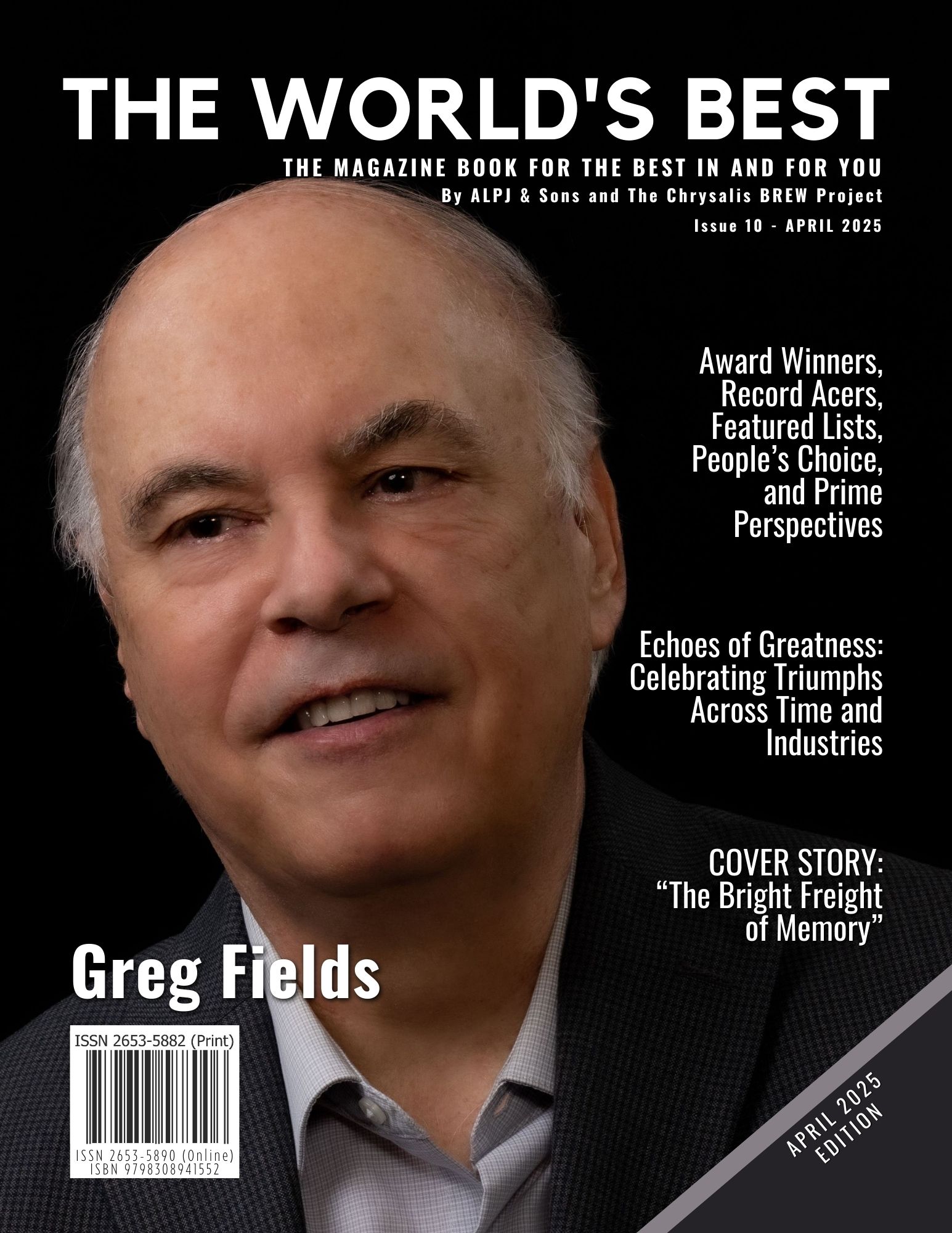
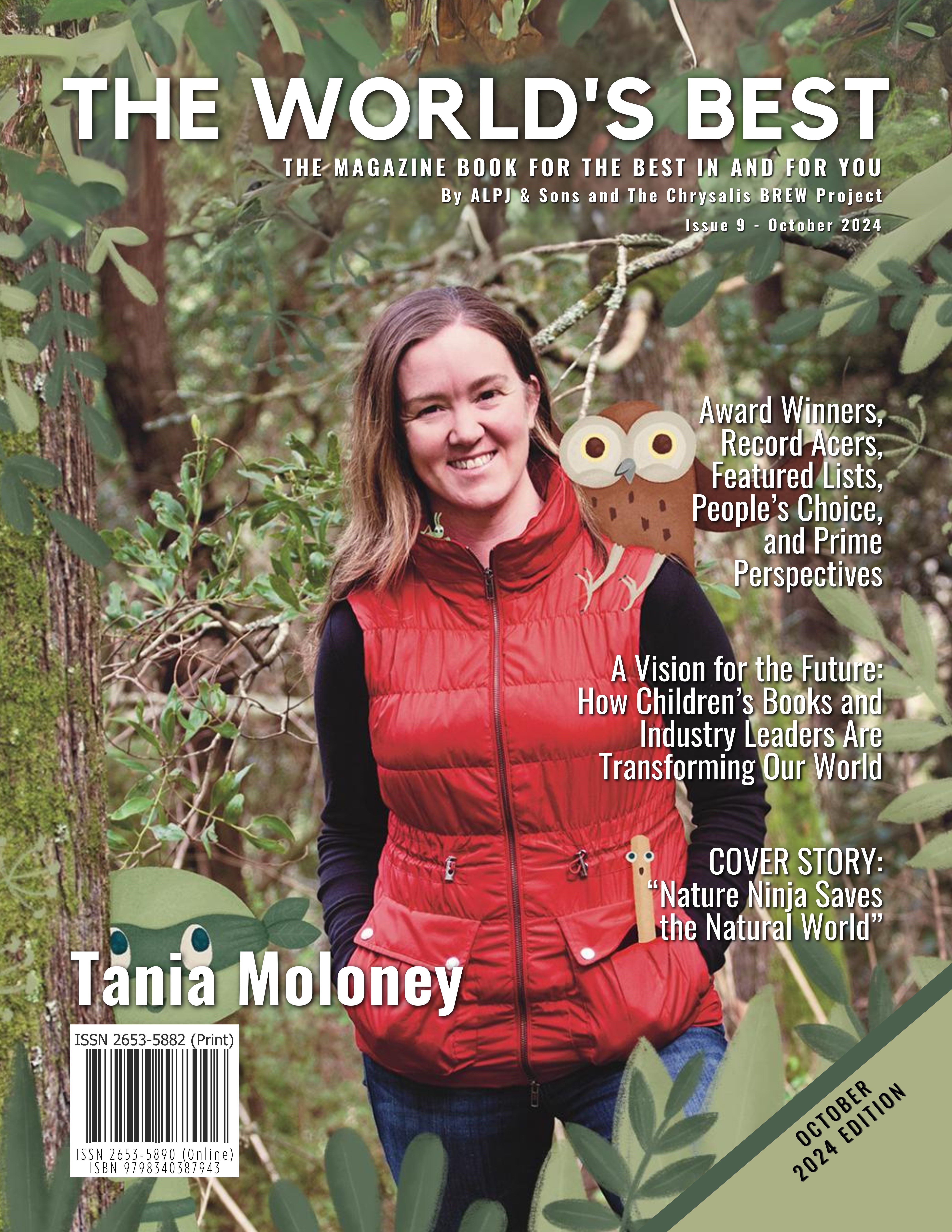


Don’t just read about greatness. Own it!

About Us
The World’s Best Magazine is a print and online publication that highlights the extraordinary. It is your passport to a universe where brilliance knows no bounds. Celebrating outstanding achievements in various fields and industries, we curate and showcase the exceptional, groundbreaking, and culturally significant. Our premier laurels, The World’s Best Awards, commend excellence through a unique process involving subject matter experts and a worldwide audience vote. Explore with us the pinnacle of human achievement and its intersection with diversity, innovation, creativity, and sustainability.
We recognise and honour the Traditional Owners of the land upon which our main office is situated. We extend our deepest respects to Elders past, present, and emerging. We celebrate the stories, culture, and traditions of Aboriginal and Torres Strait Islander Elders from all communities who also reside and work on this land.
Disclaimer: The World’s Best does not provide any form of professional advice. All views and opinions expressed in each post are the contributor’s own. Whereas we implement editorial policies and aim for content accuracy, the details shared on our platforms are intended for informational purposes only. We recommend evaluating each third-party link or site independently, as we cannot be held responsible for any results from their use. In all cases and with no exceptions, you are expected to conduct your own research and seek professional assistance as necessary prior to making any financial, medical, personal, business, or life-changing decisions arising from any content published on this site. All brands and trademarks mentioned belong to their respective owners. Your continued use of our site means you agree with all of these and our other site policies, terms, and conditions. For more details, please refer to the links below.
About | Advertise | Awards | Blogs | Contact | Disclaimer | Submissions | Subscribe | Privacy | Publications | Terms | Winners
The World’s Best: A Magazine That’s All About What’s Great | theworldsbestmagazine.com | Copyright ⓒ 2022-2026
Let’s connect
Discover more from The World's Best
Subscribe to get the latest posts sent to your email.


