I felt Freedom with the English language.
– Laima Gulbe Testa
Laima Gulbe Testa’s relationship with English has shaped how she approaches poetry, from experimenting with form to exploring words and sounds. Her traditionally published chapbook, Regrowing Wings, was released by Bainbridge Island Press in August 2025, and her poem “Selenophile” was named a Community’s Pick finalist in the 2026 BREW Poetry Award. In this interview, she discusses language, experimentation, and how poetry connects writers with readers.
Editor’s Note: Views expressed in this interview are those of the interviewee.
Laima, thank you for taking part in this interview. To begin, could you introduce yourself in your own words, tell us about what you do, your journey as a writer so far, and what you hope your creative work contributes to readers?
My country of origin, Latvia, is small and has a complicated history. People in my generation, those born in and after 1991, had an especially complicated youth, growing up in post-Soviet nostalgia. I wrote my first poems in my native language, of course, and published in a couple of magazines. What I found after being published there—you could not say all you thought. As a woman, I received personal threat messages from strangers ’cause I dared to write “dark stuff”. Women were supposed to write family- and happiness-themed pieces. Somebody was going to the police to report my poems as propaganda.
I love metal music. And metal music is mostly in English. I had international friends who were interested in my poetry and asked me to translate my texts for them. The Western people were different. They loved a rebel. I felt Freedom with the English language. I could write whatever I wanted without my family condemning my content, without anyone at work knowing about it. It was such a liberation. I took the English language for my second, or I dare say even the first tongue.
The English language is about including everyone, Walt Whitman’s dream. Yeah, I want to be included, and I want my readers to feel included and liberated, too.
What first led you to write “Selenophile,” and what were you exploring when the poem began to take shape?
It was out of the blue with “Selenophile.” I was working on poetry completely unrelated to this, and I saw the word somewhere and stared at it in amazement. It often happens; I worship the word.
What does the title “Selenophile” mean to you, and how did you arrive at it?
It was about a seven-year-old draft; the poem felt clumsy, so I gave it up. Then one evening, while searching for words in online dictionaries, I found “Selenophile”, and I knew it was this draft I could finally finish. This had to be the poem that adores the nighttime; the poem that embodies the fast pace of creative time.
How do you usually move from an initial observation, feeling, image, or idea toward a completed poem?
I like working hard and challenging myself. And the forms are challenges in my poetry: meter, exciting rhymes, and syllabic forms. I’ve never struggled with what to write. I love poetry because it’s short. Take a memory, a flashback, a bitter emotion, a worry, a conversation, a bother, and you’ll have poetry.
What role do language, imagery, rhythm, and structure play in the way you develop your poetry?
My poetry takes many drafts to reach the needed rhythm, structure, and certainty of imagery. As a poet whose mother tongue is not English, I get to explore dictionaries (even English poets do), and I get impressed by words. Sometimes it’s how the word looks, sounds, or moves me. Each word has syllables, stressed and unstressed, which is often the reason why I pick THAT word, not the other.
Poetry, in fact, can be anything. Take William Carlos William’s refrigerator note, for example. I am willing to experiment. I read Bernadette Mayer’s writing experiments and try some, for example, transforming prose into a poetic form, writing in meter but only from very basic English words, leaving my dictionaries closed.
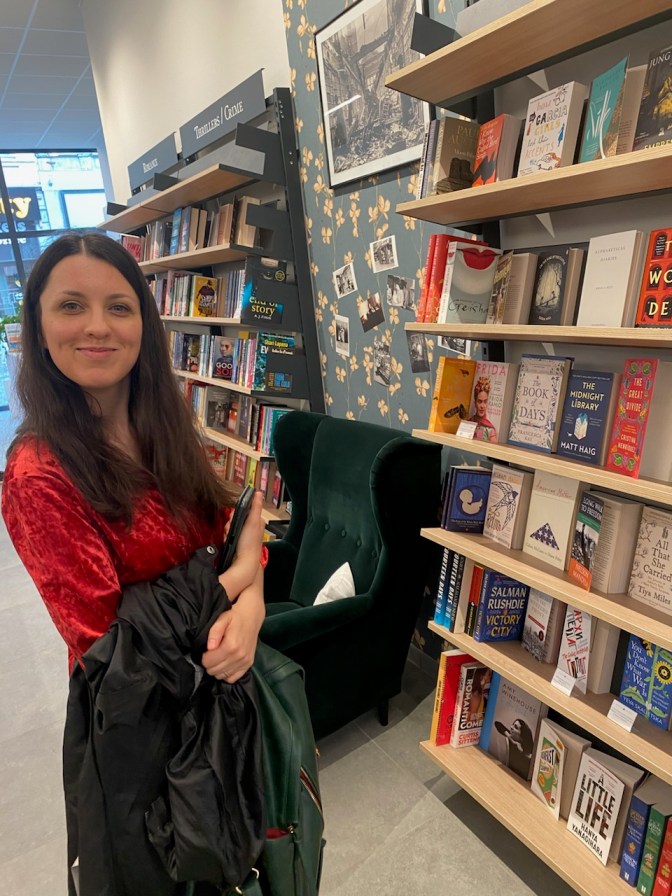
Your public profile identifies you as a writer and records your studies in cultural education and participation in a poetry workshop. How have your education and creative learning experiences influenced the way you approach writing?
Studying poetry has been very mind-blowing. An editor asked me if I knew American contemporary poetry. I did not, so I wanted to study it. I enrolled in a free poetry course: ModPo. In ModPo, you write essays about the selected poems. And you explore the poems together with the other poetry people. Knowing how others might interpret the same poems stretched my mind. I’ve changed a lot of things about my writing since then. I dare to be more experimental about the content, language, and grammar, too (laughs).
Looking across your creative journey, what publications, opportunities, milestones, awards, or other accomplishments would you like to share with readers, and what has each meant to you?
My first English publication happened here, in Belgium, with The Brussels Review. I had written a formal rhyming poem, “Regrowing Wings”, accompanied by a free verse micro poem, “In Caves”. Both these poems were included in my first chapbook, “Regrowing Wings”, published by Bainbridge Island Press in August 2025. All these poems were a poignant dedication to Freedom. Publishing this chapbook had been a dream for years.
I was also very happy about Larina’s Lit Lounge publication “Literary Movement Against Oppression”, which moved from the abstract Freedom to the political Freedom-fighting act.
A very nice publication I had in Chicago was with Litbop: a poem called “Cyclic”, which expresses my view on modern people’s psyche.
Speaking of a form, my very formal attempt, “A Working Poet”, was published in The Fringe Poetry Magazine in May 2026. I felt very grateful because I had worked hard for this poem.
The Shallot’s publication of my “Keenly Want” is a poem written in strict meter and rewritten as free verse. The poems I work the hardest on are the ones that get published.
And I can’t silence a critique that has been written about my political poem, “Knowing A Language”, in The Submission Fetish. It is a plain, informal poem, but I experimented with the line breaks. Every young poet should read The Submission Fetish. This magazine writes critiques about each accepted piece. It’s a deep reading of each poem, which is very cool. We usually deep-read only dead poets (laughs).
What have you learned from sharing your writing with readers and participating in literary or creative communities?
I’ve discovered that communicating with other poetry people is like going to therapy for me, and that being me, being “that poet” (condemning fingers pointing), is very liberating and makes my life wonderful.
As your writing continues to develop, what themes, forms, or creative directions would you like to explore further?
I want to practice more attention to seemingly meaningless details. In my poetry, I have been bold and abstract until now. That’s why I take creative writing lessons. I want to think more descriptively and notice moments that point to the changes. Maybe I’ll write a memoir, who knows?
“Selenophile” received finalist recognition in the 2026 BREW Poetry Award. What does this recognition mean to you, and what does it mean to have readers and judges connect with this particular poem?
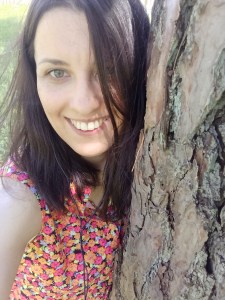
First, I discovered that I had real fans. I never believed so many people would actually read my poem. With my nomination, I found people to whom my poetry mattered. I took it as a big compliment. “Selenophile” is a poem I worked hard on, drafting from free verse to form and back to free verse. Wow! I’m stunned! I’m glad the judges appreciated my hard work because this was hard work. I worked.
If you were to write your own bio, what would you say? And as your work evolves, what kind of impact do you hope it has?
Poetry is my chronic disease: I’ve tried to fight it off, act like it does not exist, agree with people who told me that poetry’s worthless, yet the symptoms persist, and I gotta live with poetry. Like with every chronic condition—admitting it is liberation. So with each published piece, I get liberated more. It’s being sick and healing at the same time. And I hope those who read my poems get liberated, too, and that we’re all liberated together on the pages by words.
⭐⭐⭐⭐⭐
I want my readers to feel included and liberated, too.
– Laima Gulbe Testa
Links
- Regrowing Wings published by The Brussels Review
- Regrowing Wings chapbook published by Brainbridge Island Press
- Know more about the BREW Book, Blog, and Poetry Awards here
Share Your Insights
Share your thoughts in the comments:
- What helps you express your individuality?
- What makes a word memorable to you?
- How does language influence your creativity?
Alignment with the UN SDGs
- SDG 4: Encourages literary learning and creative expression.
- SDG 5: Addresses gender-based expectations and women’s expression.
- SDG 10: Explores inclusion and cultural perspectives.
Other Highlights

Looking for something?
Type in your keyword(s) below and click the “Search” button.
Helpful Shortcuts
More Stories

Print and Digital Magazine
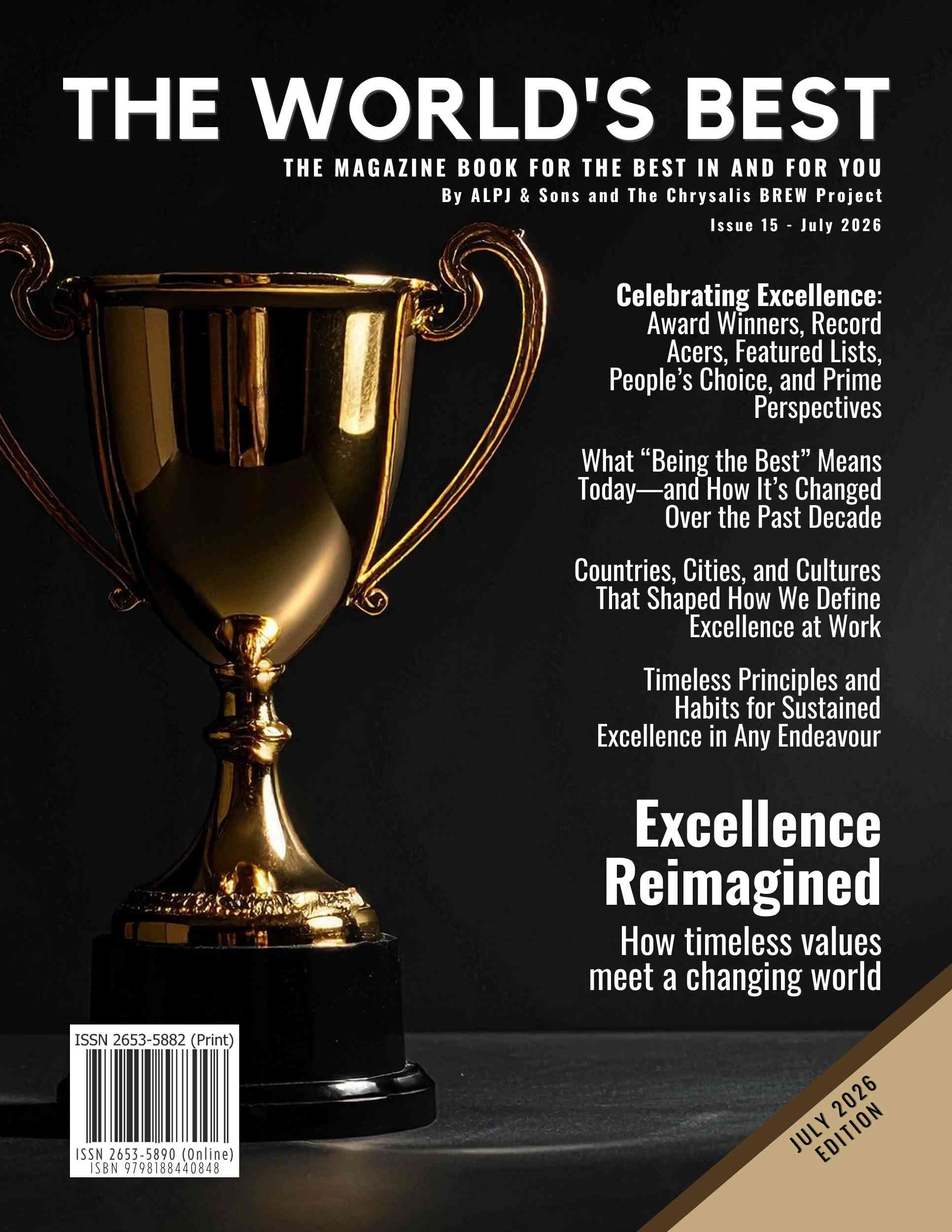
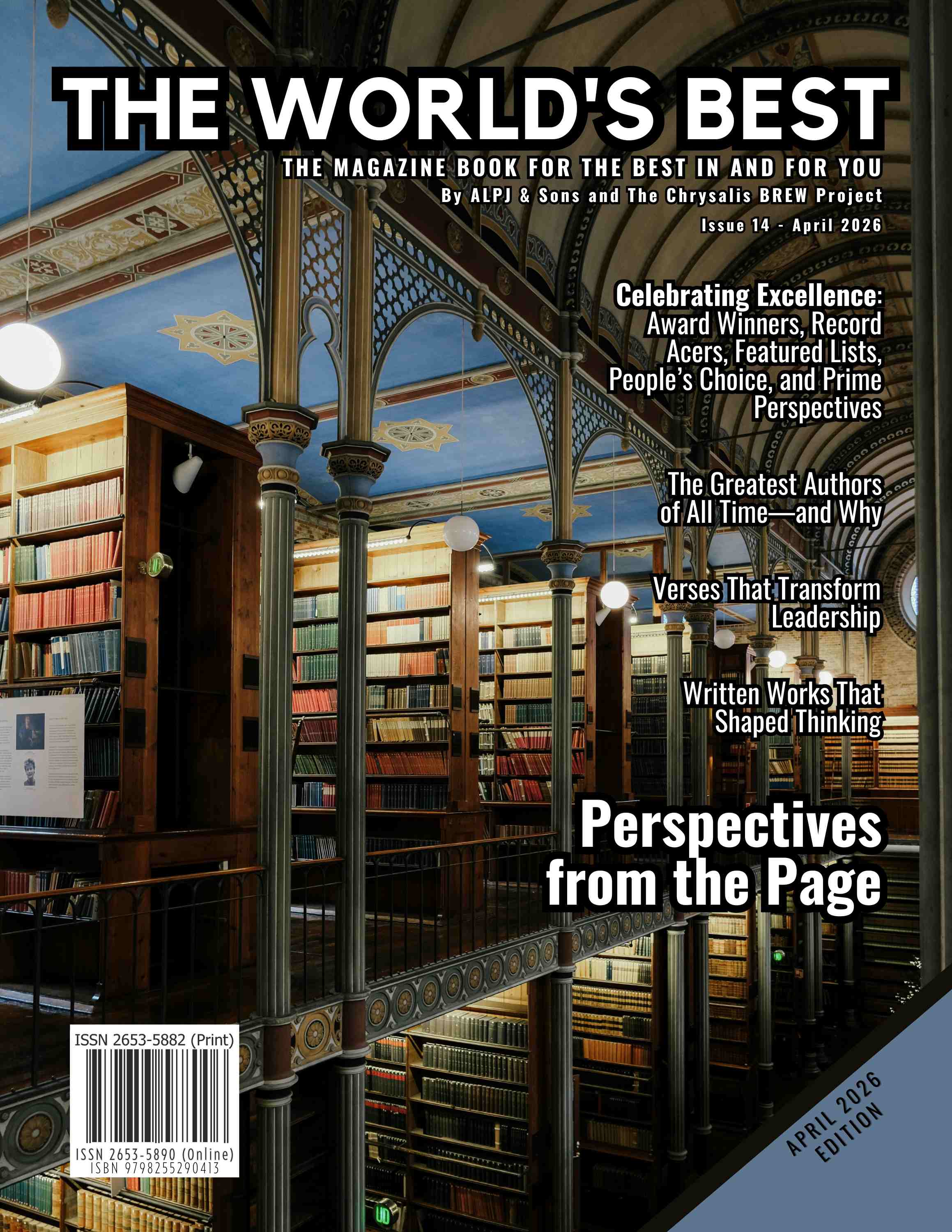
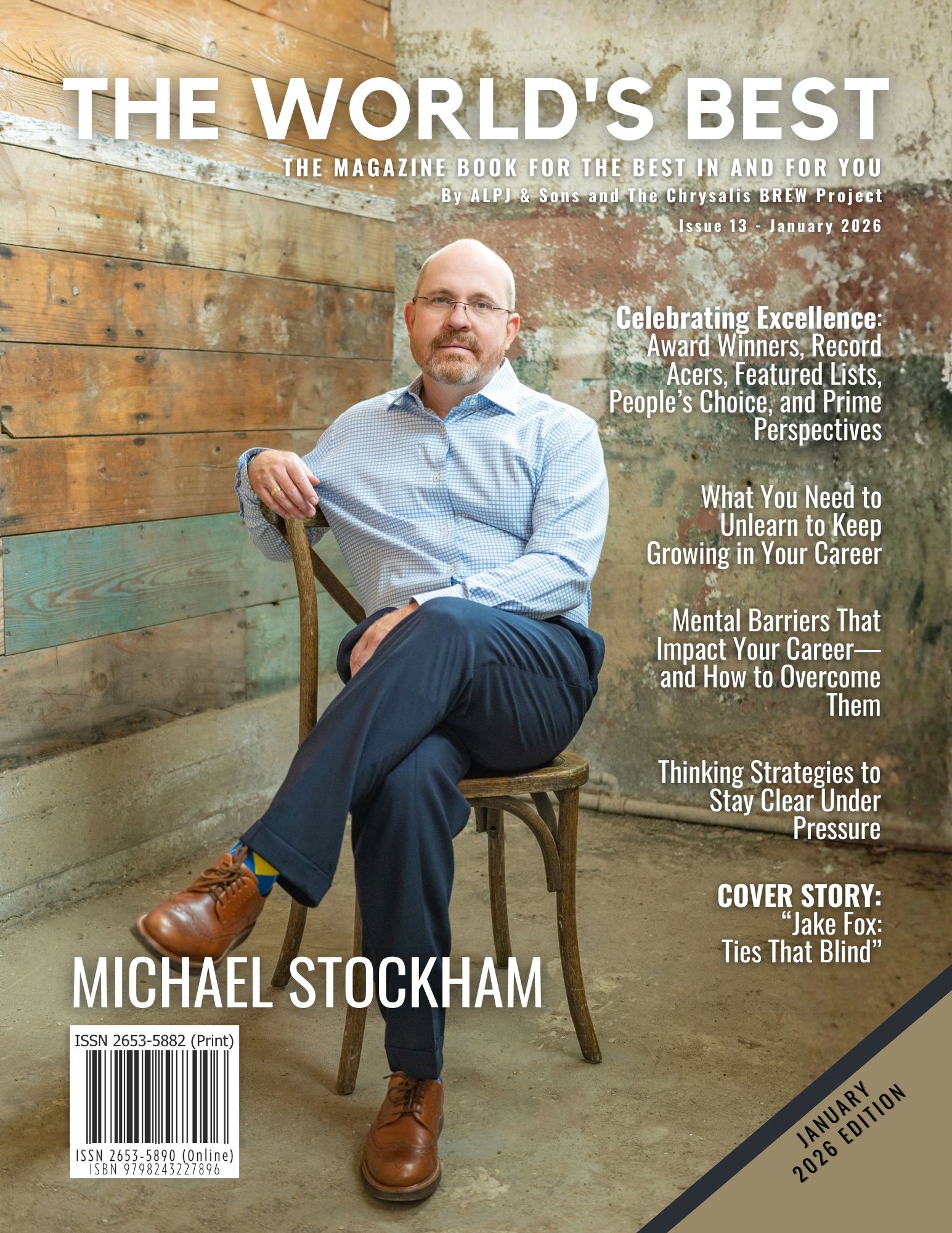
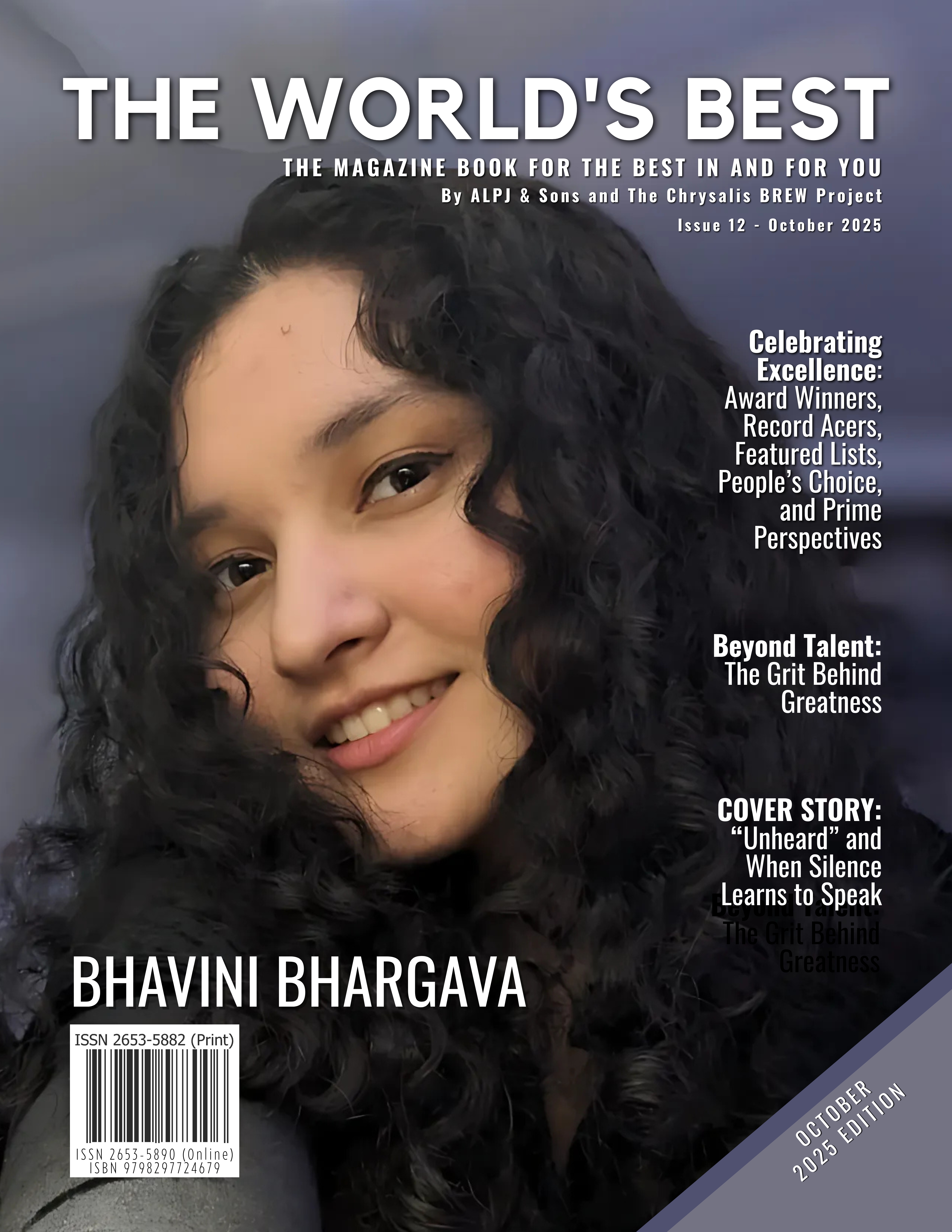

Don’t just read about greatness. Own it!

About Us
The World’s Best Magazine is a print and online publication that highlights the extraordinary. It is your passport to a universe where brilliance knows no bounds. Celebrating outstanding achievements in various fields and industries, we curate and showcase the exceptional, groundbreaking, and culturally significant. Our premier laurels, The World’s Best Awards, commend excellence through a unique process involving subject matter experts and a worldwide audience vote. Explore with us the pinnacle of human achievement and its intersection with diversity, innovation, creativity, and sustainability.
We recognise and honour the Traditional Owners of the land upon which our main office is situated. We extend our deepest respects to Elders past, present, and emerging. We celebrate the stories, culture, and traditions of Aboriginal and Torres Strait Islander Elders from all communities who also reside and work on this land.
Disclaimer: The World’s Best does not provide any form of professional advice. All views and opinions expressed in each post are the contributor’s own. Whereas we implement editorial policies and aim for content accuracy, the details shared on our platforms are intended for informational purposes only. We recommend evaluating each third-party link or site independently, as we cannot be held responsible for any results from their use. In all cases and with no exceptions, you are expected to conduct your own research and seek professional assistance as necessary prior to making any financial, medical, personal, business, or life-changing decisions arising from any content published on this site. All brands and trademarks mentioned belong to their respective owners. Your continued use of our site means you agree with all of these and our other site policies, terms, and conditions. For more details, please refer to the links below.
About | Advertise | Awards | Blogs | Contact | Disclaimer | Submissions | Subscribe | Privacy | Publications | Terms | Winners
The World’s Best: A Magazine That’s All About What’s Great | theworldsbestmagazine.com | Copyright ⓒ 2022-2026
Let’s connect
Discover more from The World's Best
Subscribe to get the latest posts sent to your email.


