
Sometimes, while building a life for those we love, we overlook the very moments that make life worth living.
– Anselm Eme
For writer and poet Anselm Eme, pressures of work can raise questions about what gets overlooked outside the workplace. His poem “ÌRÒKÒ ÀKÓKÒ (The Iroko Tree of Time)” was named a Community’s Pick finalist in the 2026 BREW Poetry Award, while his short story “AKALA AKA” won Litro Magazine’s The Odds Are In flash fiction competition. The interview explores his approach to time, family, and writing.
Editor’s Note: Views expressed in this interview are those of the interviewee.
Anselm, thank you for taking part in this interview. To begin, could you introduce yourself in your own words, tell us about what you do, your journey as a writer and poet so far, and what you hope your creative work contributes to readers?
I am Anselm Eme, a professional banker, independent financial consultant, poet, and author. My life brings together two worlds: the discipline of finance and the freedom of creative expression. While my profession deals with value, risk, and the future, my writing explores identity, memory, love, humanity, and the questions that shape our lives.
My literary journey is driven by a simple belief: stories and poems can help us see ourselves and one another more clearly. Through poetry, fiction, folklore, mythology, and social reflection, I draw inspiration from African experiences while exploring emotions and truths that cross cultural boundaries.
I hope my work entertains, inspires reflection, preserves meaningful cultural ideas, and encourages people to question injustice, embrace their humanity, and discover courage in difficult moments. Above all, I want readers to find something of themselves in my words. If a poem makes someone pause, a story changes how someone sees another person, or a single line remains in a reader’s heart, then my writing has served a purpose.
What first led you to write “ÌRÒKÒ ÀKÓKÒ (The Iroko Tree of Time),” and what were you exploring when the poem began to take shape?
ÌRÒKÒ ÀKÓKÒ grew from reflecting on the quiet ways time changes us. We spend much of our lives working, providing, meeting expectations, and pursuing success. Sometimes, while building a life for those we love, we overlook the very moments that make life worth living.
I wanted to explore that tension: the difference between being busy and being truly present. The poem became a conversation with myself about work, family, identity, and the parts of us that can become neglected while we fulfil our responsibilities.
The iroko tree offered a powerful way to express these thoughts. Its strength and longevity invite us to consider our roots, the passage of time, and what remains after individual moments have passed. I wanted the poem to remind readers that a meaningful life is not measured by achievement alone, but also by the relationships we nurture and the person we become along the way.
The poem reflects on the relationship between professional responsibilities, family, time, and personal identity. What drew you to explore these ideas through poetry?
These themes interest me because they touch almost every human life. We carry responsibilities as professionals, parents, spouses, children, and members of society. Yet beneath these roles is an individual who also needs time to think, dream, love, and understand themselves.
Poetry allows me to explore these experiences honestly without forcing easy answers. A few carefully chosen words can reveal the weight of an unspoken sacrifice or the beauty of an ordinary family moment.
I am especially interested in the things people rarely say aloud: the dreams postponed, the memories neglected, the people we love but sometimes fail to notice, and the identities we struggle to preserve. Through ÌRÒKÒ ÀKÓKÒ, I wanted to encourage readers to examine their priorities before time makes those choices for them.
The poem uses the image of the iroko tree and the idea of time as recurring points of reflection. How did these images develop, and what role do cultural or personal references play in your writing?
The iroko tree is a powerful image in the African imagination. Its height, strength, age, and deep roots make it a natural symbol of endurance, heritage, and the relationship between generations. I saw in it a way to reflect on time: what we inherit, what we build, and what we leave behind.
My African background influences my writing through our proverbs, oral traditions, folklore, mythology, and understanding of community. These traditions carry wisdom in simple images and memorable expressions. However, I do not want cultural references to become barriers to understanding. I want readers from different backgrounds to appreciate their beauty and understand their meaning.
For me, the strongest writing begins with something particular but reaches towards something universal. A tree may belong to a particular landscape, yet its roots, branches, growth, and eventual decline speak to human experiences everywhere.
Your professional life and your creative work involve very different forms of expression. How do these two parts of your life influence one another?
My professional and creative lives may appear different, but each strengthens the other. Finance teaches me discipline, patience, careful analysis, and the importance of understanding consequences. Writing asks me to observe, question, imagine, and look beyond what is immediately visible.
My professional experience also brings me into contact with human ambition, uncertainty, responsibility, and the pursuit of security. These are not merely financial concerns; they are human experiences that often find their way into my writing.
Creativity, in turn, reminds me that people cannot be understood through figures and outcomes alone. Every person carries a private history, a hope, a fear, or a dream.
I believe these two worlds teach me to balance precision with empathy. One helps me examine how people make decisions; the other helps me explore why those decisions matter.
How do you find time for writing alongside your professional responsibilities, and has your experience of managing different priorities affected the way you write?
I have learned that writing does not always require perfect conditions; it requires attention and commitment. Professional responsibilities and family life can make time scarce, so I have learned to value the moments available to think, observe, record an idea, or develop a piece of writing.
Sometimes, a single thought stays with me until I find the words to express it. At other times, a story demands research, patience, and repeated revision. I try to respect both processes rather than force every idea to arrive on schedule.
Managing different responsibilities has also made me more conscious of time as a subject. I understand how easily important things can be postponed in the name of duty. That awareness has encouraged me to write with greater honesty about sacrifice, priorities, and the need to remain connected to the people and values that give life meaning.
Looking across your creative journey, what publications, books, milestones, opportunities, awards, or other recognitions would you like to share with readers, and what has each meant to you?
My literary journey has grown through poetry, fiction, and works that explore African identity, human relationships, cultural memory, and the mysteries of existence.
Among my published books are WHISKERS, a collection of inspirational and fantasy love poems; WHISKERS2: Drumbeat of Blood; OUR KIDS AND US: A Paradox of Our Tainted Innocence; AWAKE AFRICA! Wake-Up Africans; SAGES IN PURSUIT, which draws on myths, cultures, and legends; and SHRIEKS AND GIGGLES, a mystical horror anthology.
Each book has allowed me to explore a different part of the human experience, from love and innocence to cultural wisdom, social responsibility, and the unknown.
A particularly meaningful milestone is the selection of my poem ÌRÒKÒ ÀKÓKÒ (The Iroko Tree of Time) as a Community’s Pick finalist in the 2026 BREW Poetry Award from The Chrysalis BREW Project. This recognition is encouraging because the poem addresses experiences that are deeply personal yet widely shared.
For me, every publication is an opportunity to begin another conversation with readers. Recognition is welcome, but its greatest value lies in helping the work reach people who might find meaning in it.
Your writing appears across poetry and other literary forms. What do you enjoy about moving between different forms, and how do you decide which form best suits an idea?
I enjoy moving between literary forms because different experiences demand different ways of telling them. Poetry can capture an emotion or a difficult truth in a few lines. Short fiction allows me to develop characters, build suspense, and reveal what lies beneath ordinary appearances. Longer narratives offer room to examine the consequences of choices and the complexity of human relationships.
My work also draws on folklore, mythology, horror, romance, and social commentary. Each form opens a different door into the human experience.
I usually begin with the idea rather than the form. If the heart of an idea is a moment of recognition, poetry may serve it best. If it depends on a secret, a conflict, or an unexpected revelation, fiction may offer greater possibilities.
Ultimately, I want the form to serve the truth of the work, not the other way around.
As your writing develops, what subjects, forms, or creative directions would you like to explore further?
I want to continue exploring the meeting point between African consciousness and universal human experience. Our myths, traditions, histories, and social realities contain powerful stories, but they also raise questions that matter far beyond their places of origin.
I am interested in identity, memory, family, moral choices, social change, spirituality, and the hidden fears that influence human behaviour. I also want to keep experimenting with suspense, psychological fiction, speculative storytelling, and poetry that makes complex ideas accessible without losing their depth.
Another important direction is the preservation and reinterpretation of cultural wisdom. I believe our inherited stories should not remain trapped in the past; they can be retold in ways that speak meaningfully to new generations.
My ambition is to keep growing as a writer while remaining faithful to the central purpose of my work: to tell compelling stories, ask necessary questions, and leave readers with something worth thinking about.
“ÌRÒKÒ ÀKÓKÒ (The Iroko Tree of Time)” received Community’s Pick finalist recognition in the 2026 BREW Poetry Award from The Chrysalis BREW Project. What does this recognition mean to you, and what does it mean to have readers connect with this particular poem?
Being named a Community’s Pick finalist in the 2026 BREW Poetry Award is both an honour and an encouragement. I am grateful that a poem born from personal reflection on time, work, family, and identity has found a place in a wider literary conversation.
What makes this recognition especially meaningful is the possibility that readers have recognised something of their own lives in the poem. Although our circumstances differ, we all understand the passing of time, the demands of responsibility, and the desire to remain connected to what matters most.
For me, poetry becomes truly alive when it moves beyond the writer’s private thoughts and enters another person’s experience. A reader may interpret a poem differently from the way its author intended, and that is part of literature’s beauty.
The recognition encourages me to continue writing with honesty and purpose. Awards are milestones, but the lasting reward is knowing that words can help people pause, reflect, and see their lives differently.
If you were to write your own bio, what would you say? And as your work evolves, what kind of impact do you hope it has?
Anselm Eme is a Nigerian poet, author, professional banker, and independent financial consultant whose creative work explores identity, love, memory, cultural heritage, social transformation, and the mysteries of human existence. Rooted in African consciousness and open to the wider world, his writing spans poetry, fiction, folklore, mythology, romance, and mystical horror. His published books include WHISKERS, WHISKERS2: Drumbeat of Blood, OUR KIDS AND US: A Paradox of Our Tainted Innocence, AWAKE AFRICA! Wake-Up Africans, SAGES IN PURSUIT, and SHRIEKS AND GIGGLES. His poem ÌRÒKÒ ÀKÓKÒ (The Iroko Tree of Time) was selected as a Community’s Pick finalist in the 2026 BREW Poetry Award from The Chrysalis BREW Project.
Through his writing, Eme seeks to connect cultures, preserve meaningful stories, challenge assumptions, and illuminate the experiences that unite humanity.
His hope is that his work will outlive the moment of its creation not simply as words on a page, but as a source of reflection, understanding, courage, and renewed appreciation for the human experience.
⭐⭐⭐⭐⭐
A reader may interpret a poem differently from the way its author intended, and that is part of literature’s beauty.
– Anselm Eme
Links
Share Your Insights
Share your thoughts in the comments:
- How can poetry change your perspective?
- How do you balance work and personal life?
- What symbols help you reflect on time?
Alignment with the UN SDGs
- SDG 3: Reflects on personal balance and well-being.
- SDG 4: Explores cultural heritage and storytelling.
- SDG 8: Considers work and life priorities.
Other Highlights

Looking for something?
Type in your keyword(s) below and click the “Search” button.
Helpful Shortcuts
More Stories











Print and Digital Magazine
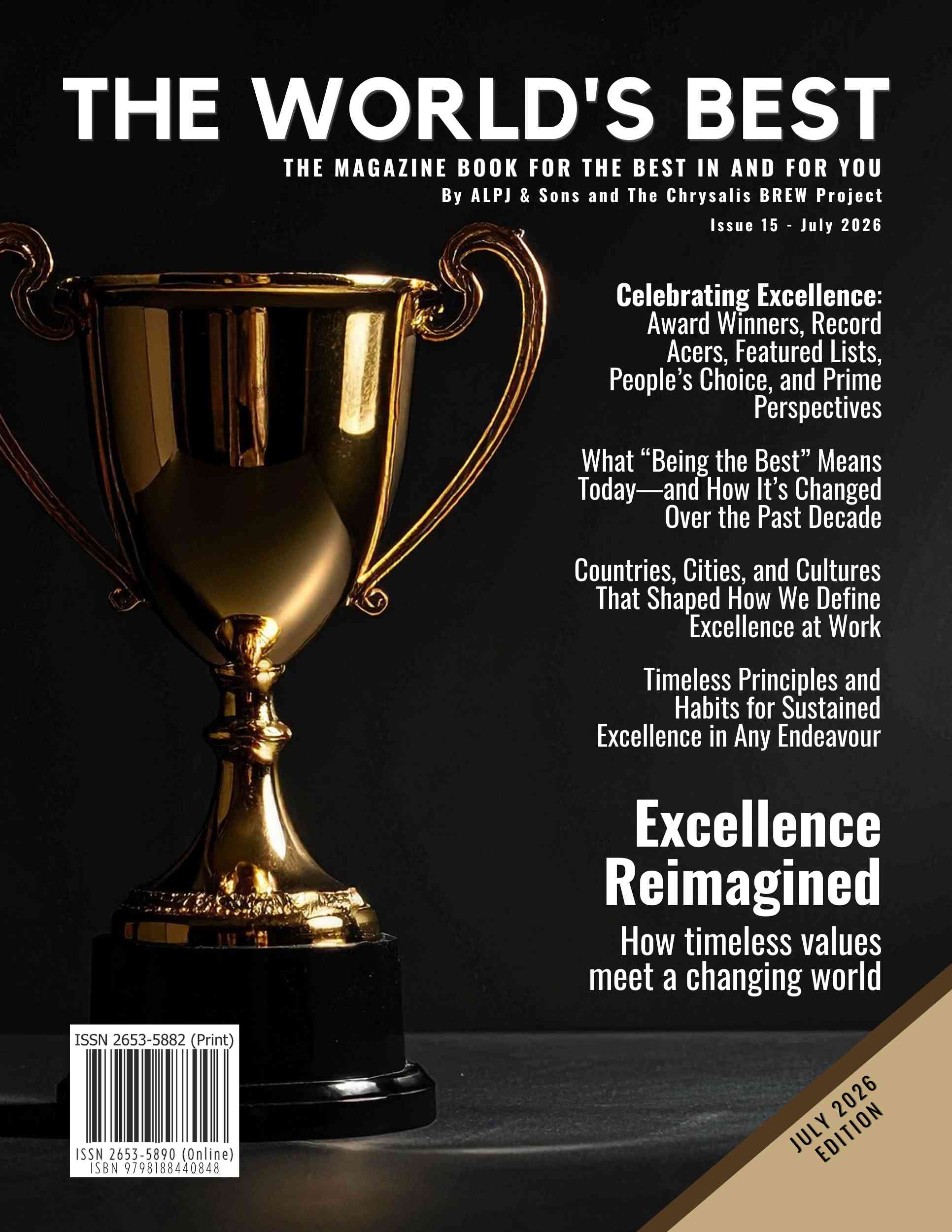
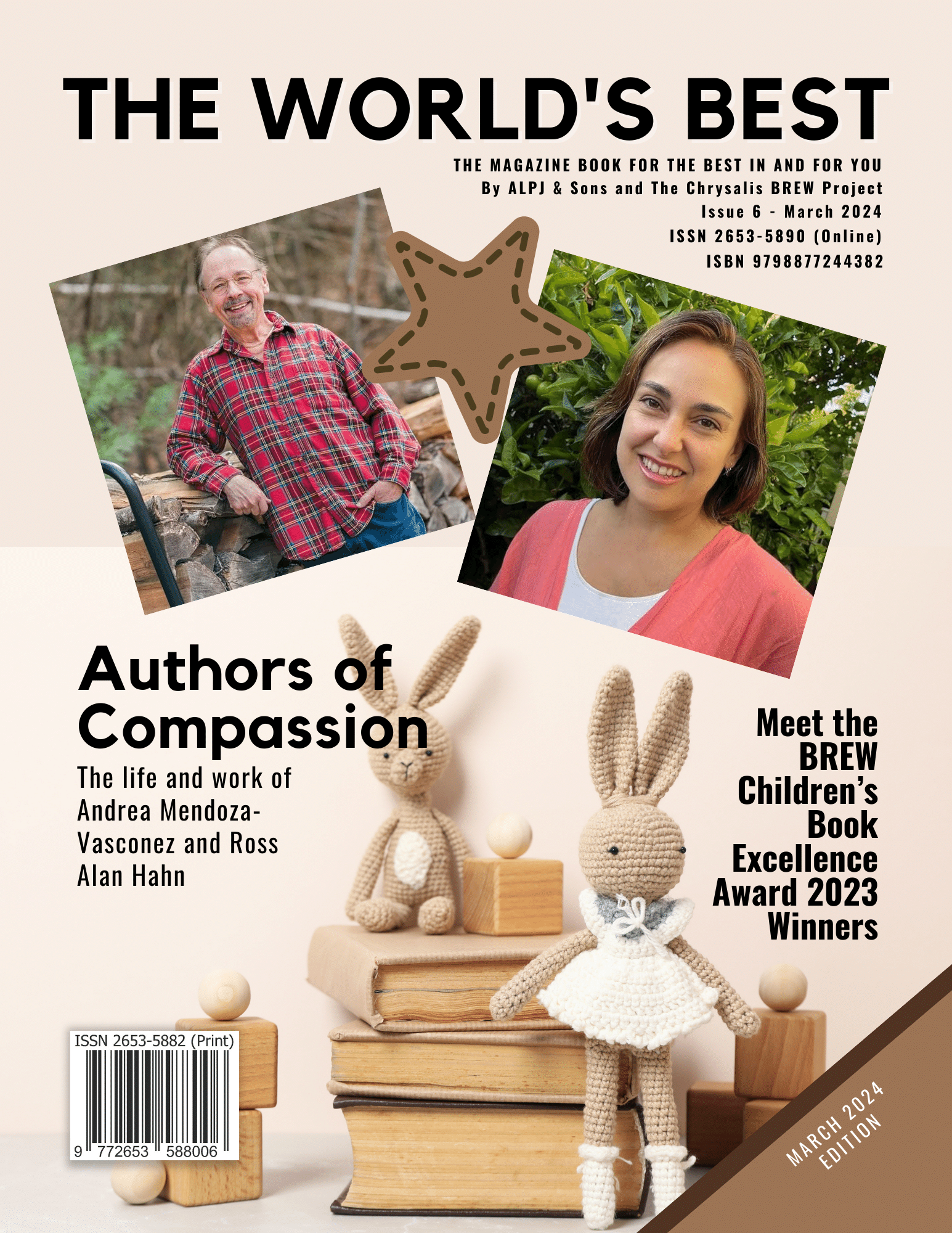
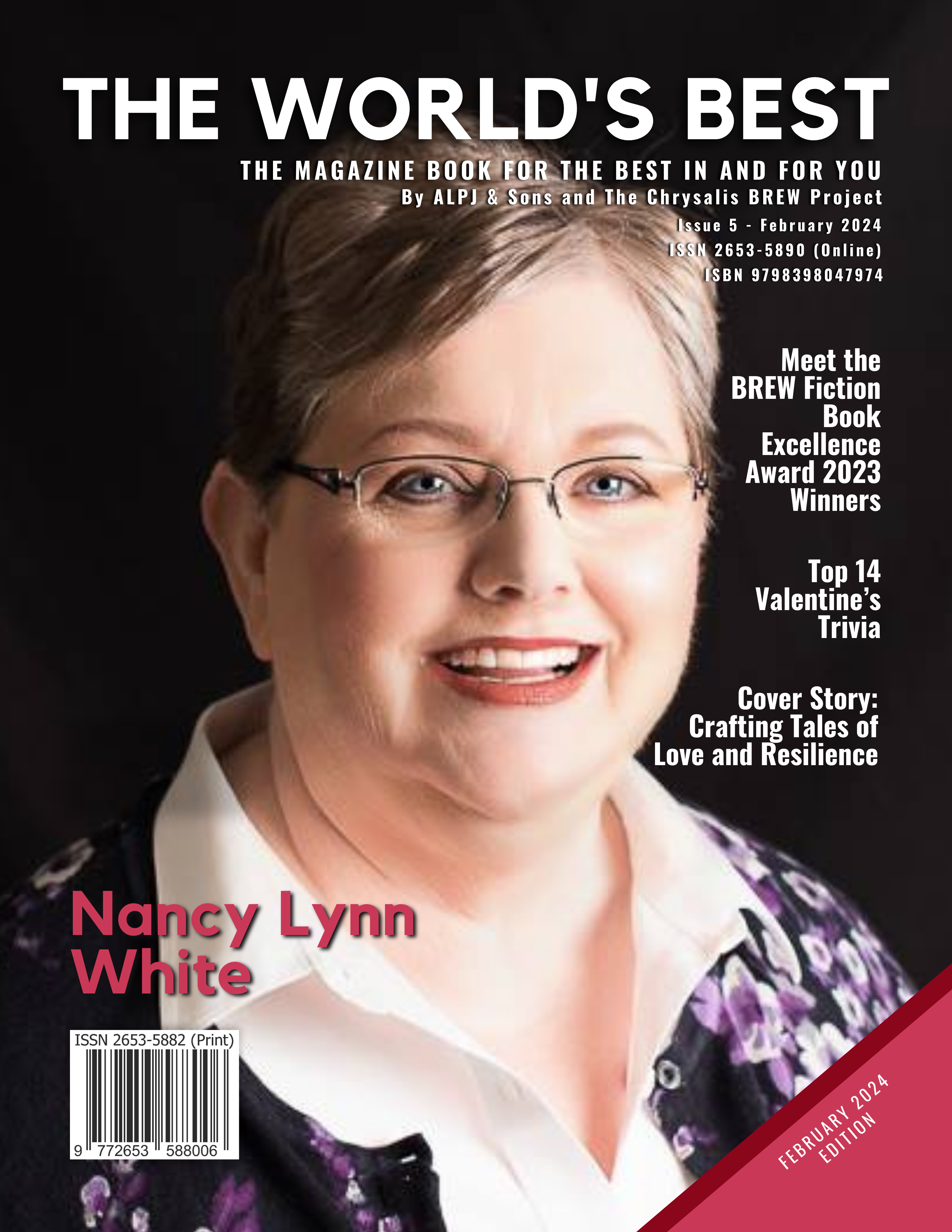
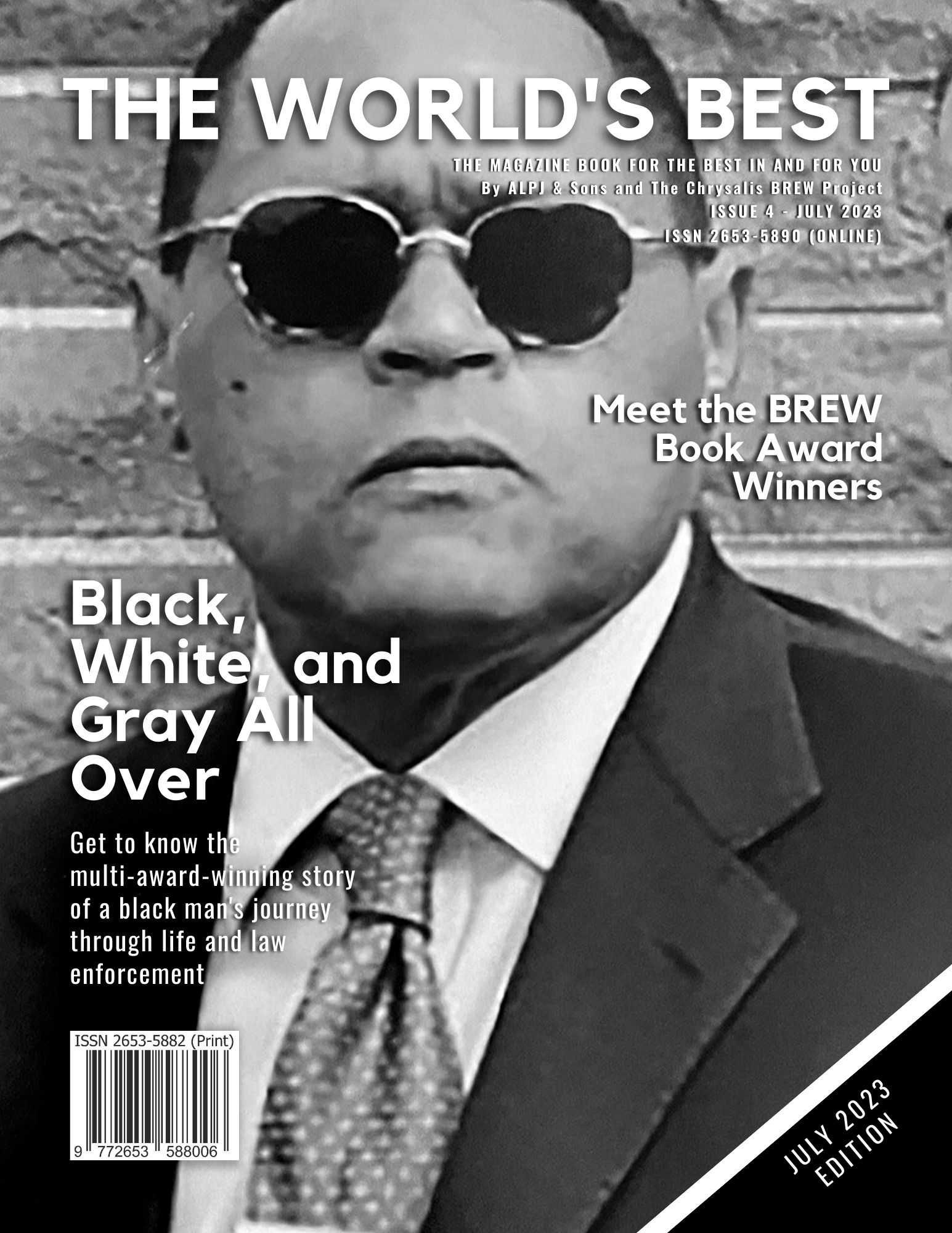
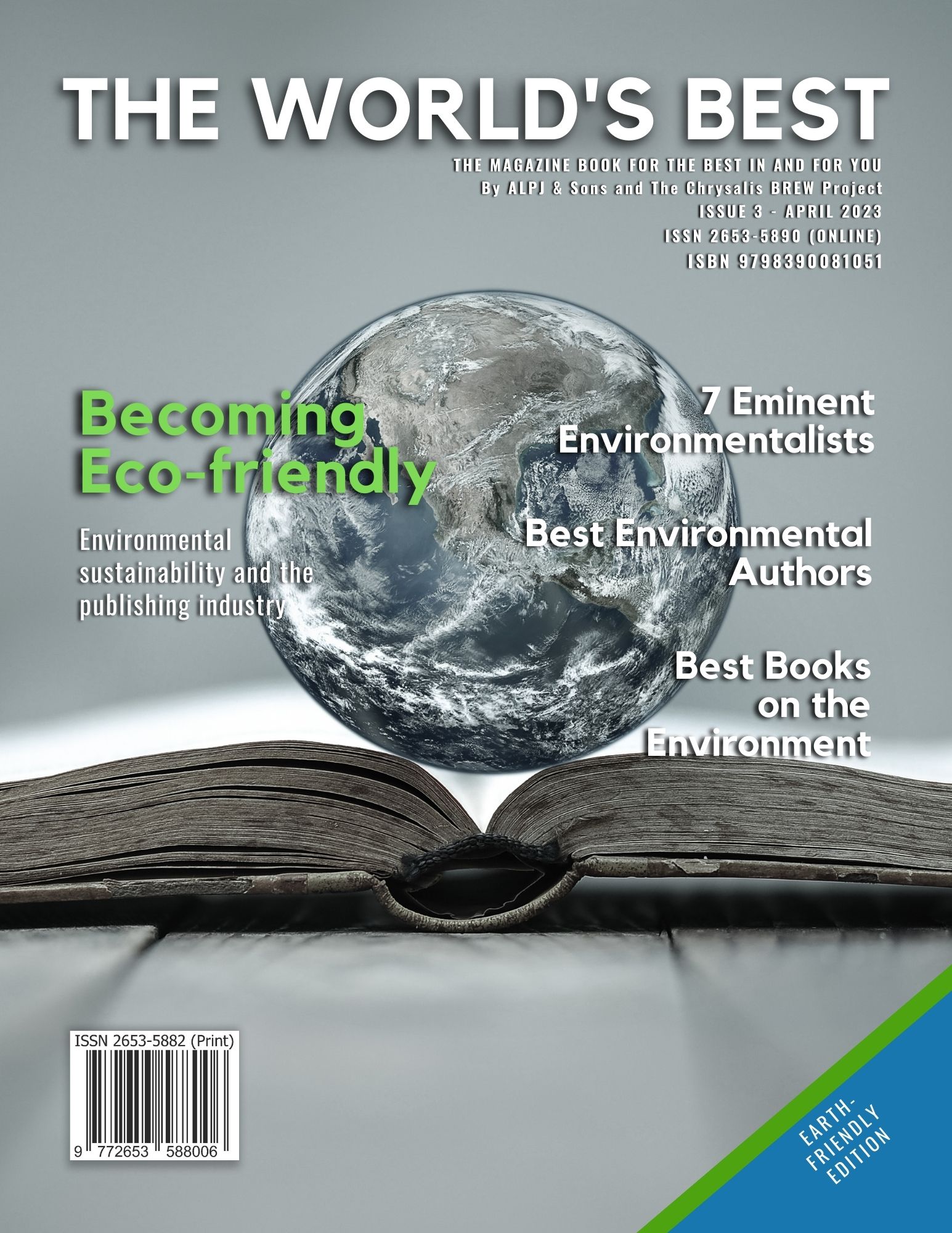

Don’t just read about greatness. Own it!

About Us
The World’s Best Magazine is a print and online publication that highlights the extraordinary. It is your passport to a universe where brilliance knows no bounds. Celebrating outstanding achievements in various fields and industries, we curate and showcase the exceptional, groundbreaking, and culturally significant. Our premier laurels, The World’s Best Awards, commend excellence through a unique process involving subject matter experts and a worldwide audience vote. Explore with us the pinnacle of human achievement and its intersection with diversity, innovation, creativity, and sustainability.
We recognise and honour the Traditional Owners of the land upon which our main office is situated. We extend our deepest respects to Elders past, present, and emerging. We celebrate the stories, culture, and traditions of Aboriginal and Torres Strait Islander Elders from all communities who also reside and work on this land.
Disclaimer: The World’s Best does not provide any form of professional advice. All views and opinions expressed in each post are the contributor’s own. Whereas we implement editorial policies and aim for content accuracy, the details shared on our platforms are intended for informational purposes only. We recommend evaluating each third-party link or site independently, as we cannot be held responsible for any results from their use. In all cases and with no exceptions, you are expected to conduct your own research and seek professional assistance as necessary prior to making any financial, medical, personal, business, or life-changing decisions arising from any content published on this site. All brands and trademarks mentioned belong to their respective owners. Your continued use of our site means you agree with all of these and our other site policies, terms, and conditions. For more details, please refer to the links below.
About | Advertise | Awards | Blogs | Contact | Disclaimer | Submissions | Subscribe | Privacy | Publications | Terms | Winners
The World’s Best: A Magazine That’s All About What’s Great | theworldsbestmagazine.com | Copyright ⓒ 2022-2026
Let’s connect
Discover more from The World's Best
Subscribe to get the latest posts sent to your email.


