
You can learn something new from the same content if you take a fresh look at it further along in your own journey.
– Nicole O’Connor
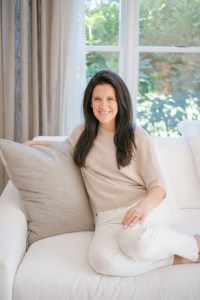
Nicole O’Connor creates children’s books through Boundless Wonder Books, drawing on travel and stories designed to introduce young readers to places around the world. Her book Kiera & Lamby: Tokyo won the 2026 BREW Children’s Book Excellence Award in Travel Fiction. In this interview, she discusses illustration, cultural discovery, and shared reading.
Editor’s Note: Views expressed in this interview are those of the interviewee.
Nicole, thank you for joining us. To begin, could you introduce yourself to our readers in your own words, including the different roles that have shaped your professional life, what you are working on today, and what you hope to continue developing in the years ahead?
Thanks so much for the opportunity to share! My name is Nicole O’Connor, and I currently live in southern Connecticut with my husband and two daughters. I’ve always loved to travel and have had the opportunity to visit dozens of countries for school, work and play—from studying in Costa Rica and Spain to event planning in cities like Cairo, Seoul, and Lima. This passion led me to pursue a master’s degree in international education from New York University and spend over a decade in fundraising and marketing for Save the Children, a global children’s non-profit. I’ve now turned my attention to writing and publishing books for kids through my imprint Boundless Wonder Books. My first series, Kiera & Lamby, takes kids on magic blanket adventures to three iconic cities: New York City, Madrid, and Tokyo. In the years ahead, I’m excited to continue creating stories that inspire kids to dream big, stay curious, and explore the world with wonder.
Taking a step back from any one book, what have you learned about turning an initial creative idea into a finished children’s book, and which parts of that journey have changed the way you approach your work today?
I didn’t originally appreciate how critical illustrations are to telling a picture book’s story. So many of the playful details that hook a child live in the pictures, so an author needs to plan for the illustrations from the very start. I’ve also learned to focus on read-aloud strength, since picture books are mostly read to kids: How do the words sound when spoken aloud? Where should a child want to pause? Is every spread earning its place?
The other big lesson has been to always lead with the audience. For children’s books, that means two audiences: the kids themselves and the grownups choosing books for them. A book needs the right mix of relatability, humor, and fun to earn repeat reads, but first it has to get discovered—by the parent searching for a new bedtime story, the grandparent shopping for a gift, the preschool director booking an author visit. I didn’t prioritize marketing enough when I started; now I put more energy into sharing my books’ story from early in the creative process, not just once the book has launched.
What have creating and publishing children’s books taught you about learning itself—both your own learning as a creator and the ways young readers can learn through stories?
Through this process, I’ve come to appreciate how you can learn something new from the same content if you take a fresh look at it further along in your own journey. For younger kids, my books teach them that the world is filled with so many interesting things to discover and that their stuffie will always be by their side as they explore. As they get older, they can better appreciate the cultural elements in the books—how the landscape, architecture, food and dress vary from book to book and what that says about the world. I saw this evolution unfold when reading the books to my own children over the years. Early on, they focused on how exciting it was to see a stuffed animal come to life. More recently, they’ve asked more questions about what Kiera and Lamby actually see in each of the places they visit.
This same growth in understanding applied to me as I learned about the children’s book industry. For my first book, it was all about the basics: trim size, book layout, publishing and distribution options. With a deeper understanding of those things, I can now revisit some of the early resources that shaped my initial work and focus more on the finer aspects of creating a memorable children’s book, from endpapers to back matter.
Children’s books bring together many decisions about language, structure, visual presentation, audience, and overall experience. How do you decide which ideas deserve a place in a finished book and which ones are better left for another project?
With a book about a real place like Madrid or Tokyo, there’s the potential to cover so much ground in terms of language, culture, food, and landscape. However, I noticed that when I read travel-themed books to my children, they quickly lost interest when confronted with too many facts. To appeal to younger kids, I decided to focus more on the joy of discovery, including only select aspects of the culture one might come across when traveling to that city. Not every cultural element I choose to include even makes it into the main story. Some live elsewhere in the book, like the origami, bonsai trees, and koi fish featured on the endpapers of the Tokyo book. For kids wanting to dig deeper, they can always research with their caregivers after reading. This allows my books to focus on sparking curiosity to explore the world rather than providing a textbook-style introduction to a place, helping keep young readers engaged.
How do you keep your creative work fresh as you become more experienced, particularly when returning to a familiar series or developing a new project?
For my current series, I want each book to feel familiar in structure while introducing a new place and culture. To keep that rhythm without feeling repetitive, I regularly reference previous books as I create the next one. If you were to walk in on me creating the Tokyo book, you would have found me surrounded by New York and Madrid books opened to various pages, with the manuscripts of each up on my screen. It’s easy to forget what you did before when you are engrossed in something new, so seeing the earlier books side by side helps keep each new one familiar but fresh.
For books outside my existing series, I plan to keep a global discovery theme but change the focus to everyday aspects of life that kids can relate to, such as play, snacks, and bedtime rituals. My next project will also use a different narration approach and introduce new characters and settings. These changes will allow me to explore new ways of telling stories and engaging kids.
Your work brings together several forms of creativity, from writing and storytelling to shaping the overall presentation of a children’s book. What have you discovered about moving between those different creative roles, and which skills have become especially important to you?
While each of those tasks is distinct and has certain best practices, they are also intricately connected. You can’t finalize the manuscript without considering how you’d lay those words out in a physical book. And you can’t focus solely on the way the words will be laid out without considering how the illustrations will bring those words to life—especially for younger readers just developing their literacy skills. My original manuscript for Kiera & Lamby: New York City, the first book in the series, included far more detail about everything the pair saw around the city, and it ran too long. I edited (and edited, and edited some more) and ultimately let illustrator Anika Tasnim’s artwork show more of the details. That taught me that a book can spark curiosity without over-explaining, and it’s something I will bring with me into future projects. Editing, in particular knowing when to let the illustrations carry the story, has become as important to me as writing. So has big picture thinking about how the whole package of the book comes together across subject, characters, words, illustrations, and layout.
As children increasingly encounter stories through many different formats and technologies, what qualities do you think remain essential in a good children’s book, and where do you see opportunities for new forms of creativity in children’s storytelling?
The qualities most essential in a good children’s book are stories that are relatable to a child while introducing them to something new. But most importantly, the stories need to be fun for kids to read, keeping them engaged from start to finish.
While children may encounter stories in different formats, one of the best things about children’s books is how they create a moment of connection between a child and the grown-up reading with them. It’s not just about the book itself; it’s also about the conversation that happens after. So it remains essential that children’s books can be read together rather than just consumed independently in digital formats.
That said, there are so many opportunities for the impact of children’s books to be extended through new creative applications, such as digital companion content and multi-sensory formats. When thinking about the books I write, for example, I’d love for kids to step into the pages and visit a place, extending the physical book through digital storytelling, like hearing the bustle of the Tokyo fish market or wandering the halls of the Prado Museum in Madrid. Ideally, these would be experiences families can explore together, so the digital side deepens shared reading rather than replacing it.
Looking across your creative journey so far, what recognitions, milestones, or moments of progress would you most like readers to know about, and what did each of them teach you about the kind of creator you want to become?
It can take years to go from the initial idea for a children’s book to the finished product, and along the way you can lose sight of the original purpose: to engage and inspire kids. Completing the three-book Kiera & Lamby series, something I once thought was a stretch with no publishing experience, taught me that I can see a big creative project through. Earning a Purple Dragonfly Honorable Mention for the New York City book and now the Travel Fiction category winner for the BREW Children’s Book Excellence Award were signs that the series is resonating beyond family and friends. But the moment I will never forget is reading my first book to my daughter’s preschool class and seeing the pride on her face. It reminded me to keep kids at the center of everything I create. A lesson should be there in the book, but it shouldn’t overshadow the magic and playfulness that keep children coming back to read a book over and over again.
Kiera & Lamby: Tokyo was named a winner of the BREW Children’s Book Excellence Award 2026 in the Travel Fiction category. What did this recognition mean to you at this stage of your creative journey, and did receiving it influence how you think about your work or your future projects?
It was the best feeling to open up my inbox and see “You are a winner!” in the subject line. That’s because, as an independent author and publisher, so much of my work to date has been self-directed, from writing and designing the book to publishing and marketing it. Being recognized in the Travel Fiction category was a meaningful validation of my efforts. Imposter syndrome can easily creep in when you’re forging a new path, and this recognition helps quiet it. It has made me more confident that I’ve created a high-quality, engaging book for young readers, and that confidence is already shaping what comes next. I’m now more willing to promote my work to new audiences and to put time and energy into developing my next book.
As your work continues to develop, what kinds of stories, creative challenges, or opportunities would you like to explore next, and what principles would you like to carry with you as you do so?
Since I created a book series for my older daughter, Kiera, I had to write a book for my younger daughter, Avery, too! My next project will feature her and her stuffed bunny, and it will have similar themes to my first series: cultural discovery, stuffed-animal friendship, and fantasy. However, I’m challenging myself to structure the book differently by not writing in rhyme, using a first-person narrator, and including more educational content in the back matter. Despite changing my approach, I will always keep two principles at the core of everything I do: create with kids in mind, and distill the wonder of our diverse and beautiful world into something magical and accessible that families will want to read on repeat.
⭐⭐⭐⭐⭐
I will always keep two principles at the core of everything I do: create with kids in mind, and distill the wonder of our diverse and beautiful world into something magical and accessible that families will want to read on repeat.
– Nicole O’Connor
Links
Share Your Insights
Share your thoughts in the comments:
- How can books encourage family conversations?
- What book sparked your curiosity as a child?
- Which city would you explore through a story?
Alignment with the UN SDGs
- SDG 4: Supports children’s literacy and learning.
- SDG 10: Encourages cultural awareness and inclusion.
- SDG 17: Connects storytelling, education, and cultural exchange.
Other Highlights

Looking for something?
Type in your keyword(s) below and click the “Search” button.
Helpful Shortcuts
More Stories













Print and Digital Magazine

Don’t just read about greatness. Own it!

About Us
The World’s Best Magazine is a print and online publication that highlights the extraordinary. It is your passport to a universe where brilliance knows no bounds. Celebrating outstanding achievements in various fields and industries, we curate and showcase the exceptional, groundbreaking, and culturally significant. Our premier laurels, The World’s Best Awards, commend excellence through a unique process involving subject matter experts and a worldwide audience vote. Explore with us the pinnacle of human achievement and its intersection with diversity, innovation, creativity, and sustainability.
We recognise and honour the Traditional Owners of the land upon which our main office is situated. We extend our deepest respects to Elders past, present, and emerging. We celebrate the stories, culture, and traditions of Aboriginal and Torres Strait Islander Elders from all communities who also reside and work on this land.
Disclaimer: The World’s Best does not provide any form of professional advice. All views and opinions expressed in each post are the contributor’s own. Whereas we implement editorial policies and aim for content accuracy, the details shared on our platforms are intended for informational purposes only. We recommend evaluating each third-party link or site independently, as we cannot be held responsible for any results from their use. In all cases and with no exceptions, you are expected to conduct your own research and seek professional assistance as necessary prior to making any financial, medical, personal, business, or life-changing decisions arising from any content published on this site. All brands and trademarks mentioned belong to their respective owners. Your continued use of our site means you agree with all of these and our other site policies, terms, and conditions. For more details, please refer to the links below.
About | Advertise | Awards | Blogs | Contact | Disclaimer | Submissions | Subscribe | Privacy | Publications | Terms | Winners
The World’s Best: A Magazine That’s All About What’s Great | theworldsbestmagazine.com | Copyright ⓒ 2022-2026
Let’s connect
Discover more from The World's Best
Subscribe to get the latest posts sent to your email.


