
Learning is not simply the transfer of information; it also involves testing ideas, connecting knowledge with experience, and deciding what evidence supports a conclusion. Research on learning supports active practice and feedback as useful ways to build skills. People learn through study, observation, discussion, and mistakes, then adapt when new information challenges an earlier assumption. The challenge is distinguishing a persuasive explanation from a reliable one and turning insight into action. That matters in workplaces, classrooms, and communities, where knowledge has value when people understand it and apply it responsibly. Which sources deserve our attention in an information-rich world, and how can we tell whether an idea helps? This roundup explores approaches to learning, sharing knowledge, and thinking more critically.
Tallamy Empowers Gardeners Through Native Landscaping
In horticulture, some of the most valuable information available today is provided by university extension professionals and other educators trying to educate home gardeners. An educator I respect is Dr. Doug Tallamy of the University of Delaware. His work has helped change the views of many people about native insects, birds, and other environmental topics. Landscaping has traditionally been an aesthetic endeavor, but Dr. Tallamy’s extension programs have helped educate home gardeners about the environmental benefits of their landscapes. This is a positive trend. I also respect Dr. Tallamy’s other efforts to reach a broader audience, including authoring books and speaking at events and participating in projects such as Homegrown National Park. Based on my years of experience working at a retail nursery, I believe the most valuable educators in horticulture are those who can educate home gardeners about landscaping options for their yards. One measure of value is how people apply information, and I see this as an emerging trend in horticulture.
Tammy Sons, Founder/CEO, TN Nursery
——————————————-
Practitioners Turn Learning Into Measurable Action
In my view, the most valuable knowledge today comes from practitioners who translate theory into a single, testable change tied to a real business problem. They change learning by requiring that new ideas lead to specific actions and measurable outcomes rather than just course completion. At Skills 2 Grow I start by identifying one relevant idea, designing one change, and deciding what improvement I expect and how to measure it. After running the change I review results, document what worked, and then scale or adjust the approach so the learning becomes practical and repeatable.
Julian Frincu FIOEE • MCMI • MIC • MABM • MABP • MIoL, Founder & Business consultant, Skills 2 Grow
——————————————-
Fundraising Data and Experience Guide Retention
I pay attention to both industry research and the people running fundraising campaigns. The Fundraising Effectiveness Project, a collaboration between the Association of Fundraising Professionals and GivingTuesday, tracks donor giving and retention. Its reports have shown that donor numbers can fall even when total dollars hold steady. That makes it important to track how many supporters return, not just whether an organization hits its target.
Practitioners bring another perspective. Someone running her organization’s walk for the fifth year knows which reminder emails bring teams back and when sponsors are ready to commit. At small nonprofits, one or two people often run the entire event, and much of that knowledge stays with them.
Comparing this year’s results with last year’s helps teams understand what’s working. Our Customer Success Managers support them throughout the campaign so they can use those insights to plan ahead. Industry data shows the trends. People working on the ground help explain them.
Scott Shirley, Founder & CEO, Pledge It
——————————————-
Rand Fishkin Redefines Modern Marketing Visibility
For me, it’s Rand Fishkin, co-founder of SparkToro and before that Moz.
What makes his work valuable is that he backs up what he says with real data instead of opinion. His research on how many Google searches now end without anyone clicking a website changed how a lot of marketers think about traffic. It made it obvious that chasing clicks alone is a shrinking game, and that being visible and trusted where your audience already spends time matters more.
That idea shaped how we work. Instead of judging success only by website visits, we look at where people actually discover businesses, like forums, videos, communities and now AI assistants, and make sure we show up there. He’s pushed a lot of marketers to stop following the same playbook and start looking at what their audience actually does.
Om Yadav, Co-Founder, Yavi Media
——————————————-
Practitioners Make Leadership Learning Practical
Honestly, it’s not one big name. It’s the practitioners running HRDQ-U workshops every week who are actually in the trenches with real teams.
They’re not selling theory. They’re showing what worked last Tuesday with an actual group of managers who were struggling.
That’s the shift our whole field needs. Less talking about leadership in the abstract, more showing the exact conversation that fixed a broken team.
I’d also point to people like Brene Brown and Adam Grant for bringing rigor back into soft skills. They made it okay to say culture and communication are measurable things, not just nice ideas.
The people changing how we learn are the ones making it practical again. Give someone a tool they can use Monday morning, not a framework they’ll forget by Friday.
Have Your Say
Join the conversation:
- Where do you find your most valuable insights?
- What makes you trust a source of information?
- How do you turn new knowledge into action?
Alignment with the UN SDGs
- SDG 4: Promotes lifelong learning and knowledge-sharing.
- SDG 8: Encourages practical skills and workplace learning.
- SDG 9: Highlights innovation and evidence-informed problem-solving.
- SDG 15: Supports environmental education and biodiversity awareness.
Note: The views and opinions expressed in the content provided on this page are those of the individual authors and do not necessarily reflect the official policy or position of any organizations mentioned. The information provided is for educational and informational purposes only and should not be interpreted as professional advice. Readers should consult with relevant experts or professionals for guidance specific to their circumstances. The examples used are for illustrative purposes and results may vary depending on various factors. Any external links provided are for convenience, and we do not endorse or take responsibility for the content, products, or services available through these links.
⭐⭐⭐⭐⭐
Related
Leaders Turn Expertise Into Action
If leadership were a household object, would it be a compass, a toolbox, or something unexpected? Read the roundup to explore the perspectives and discover why.
Future-Shaping Excellence
If your refrigerator could predict a bad day, would you trust it—or still wait for the breakdown? Read the full roundup to see how experts approach tomorrow’s excellence in practice.
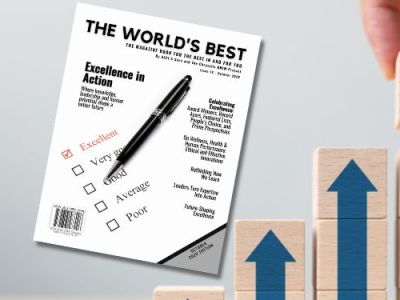
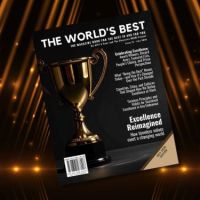
The World’s Best Magazine Launches Issue 16: October 2026 Edition Themed Excellence in Action
The latest edition of The World’s Best Magazine is now available, bringing together interviews and cover stories that examine leadership, learning, innovation, wellness and human potential under the theme Excellence in Action.

Mar Andersons: From Creative Ideas to Stories That Connect with Young Readers
What happens when a childhood-sized imagination meets decades of creative experience? Mar Andersons explores that unusual journey, and readers can discover where it leads by reading the full interview below.
Continue reading Mar Andersons: From Creative Ideas to Stories That Connect with Young Readers
Something went wrong. Please refresh the page and/or try again.
Other Highlights

Looking for something?
Type in your keyword(s) below and click the “Search” button.
Helpful Shortcuts
More Stories









Print and Digital Magazine
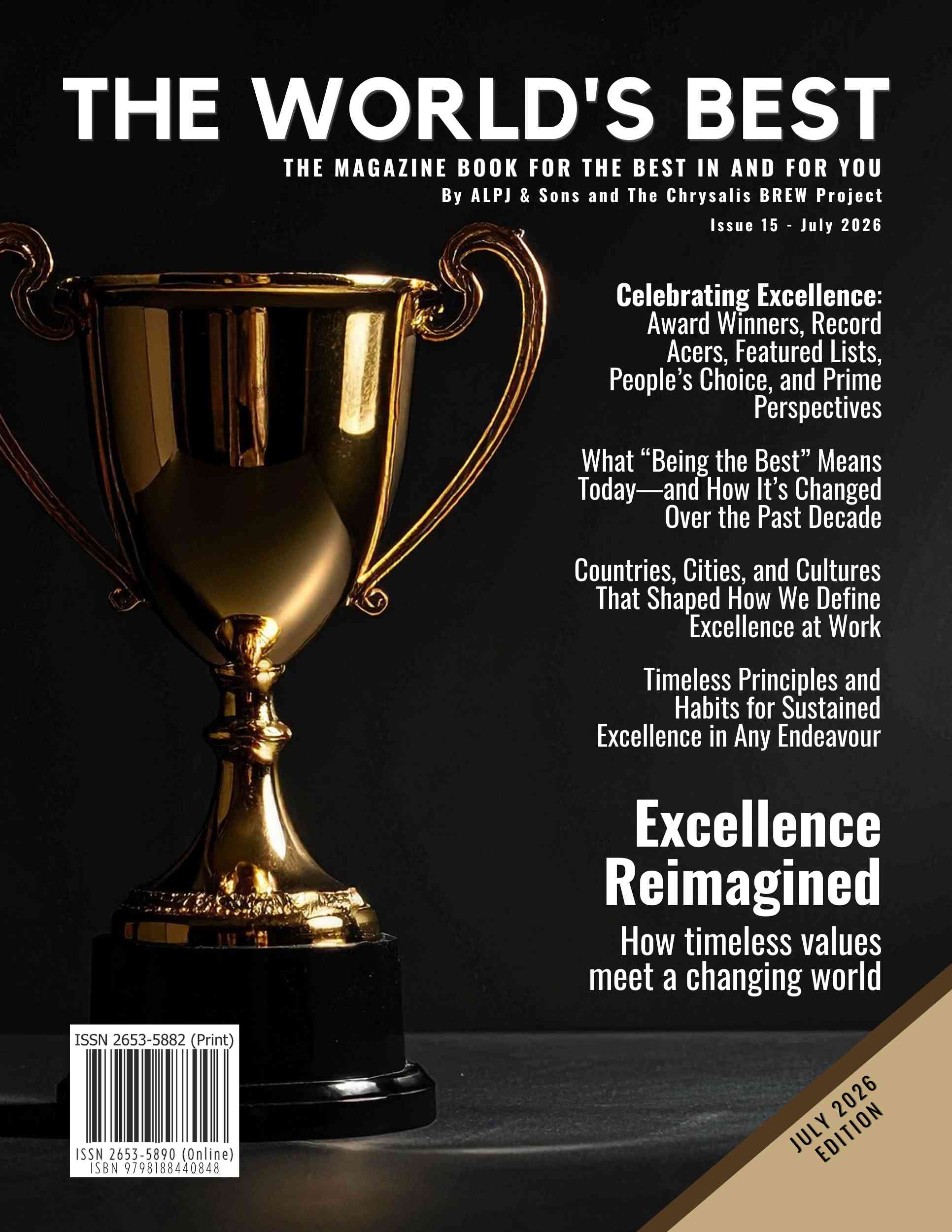
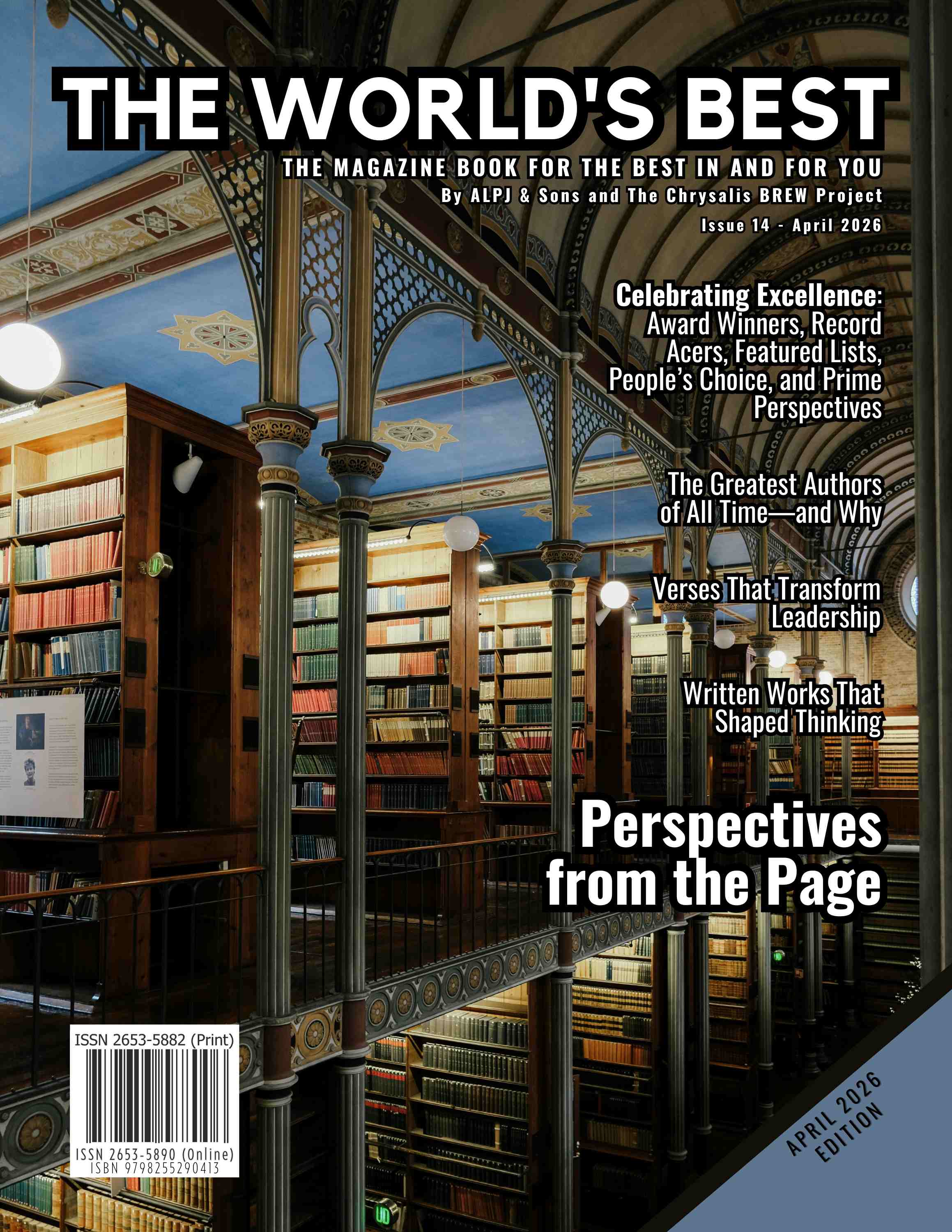
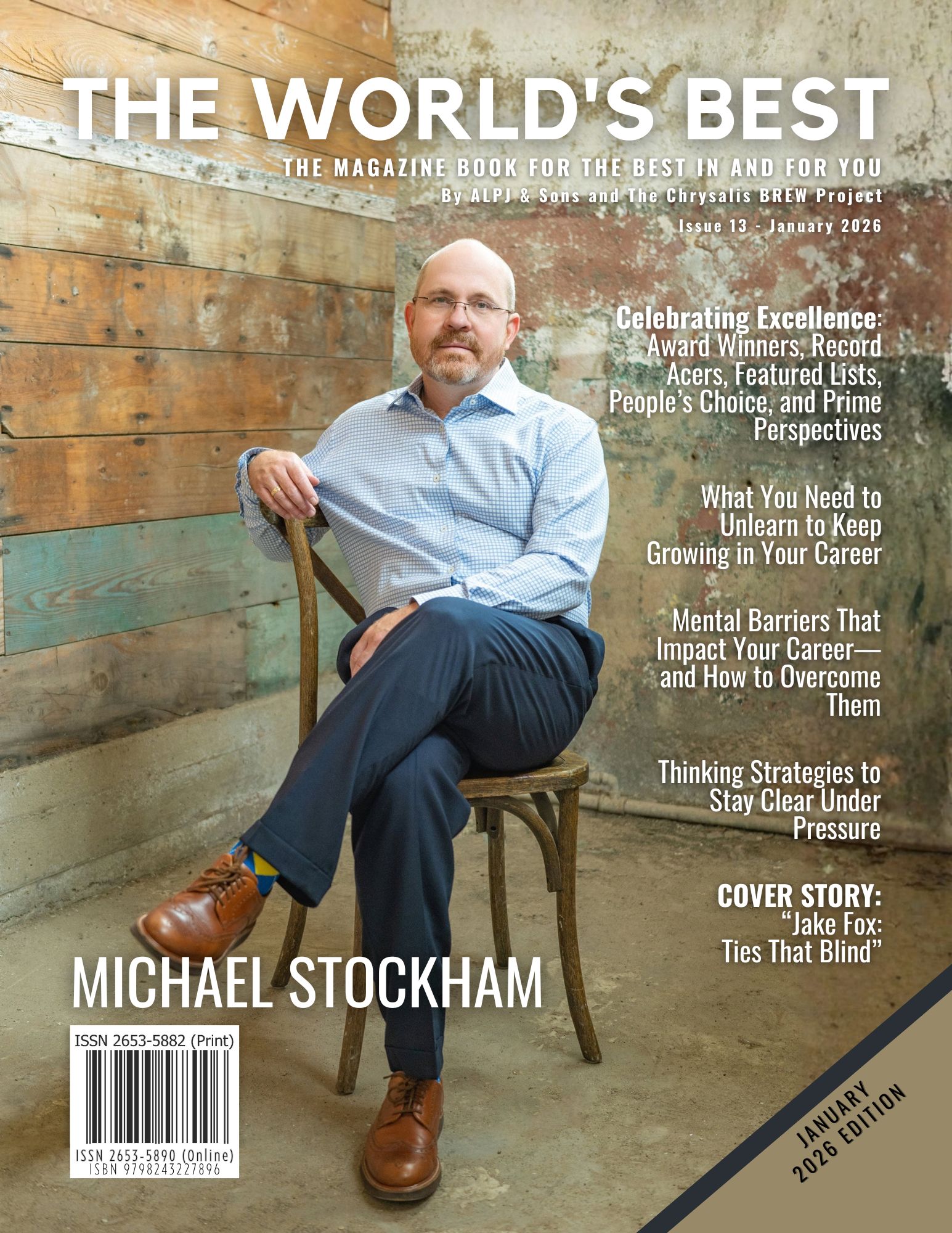
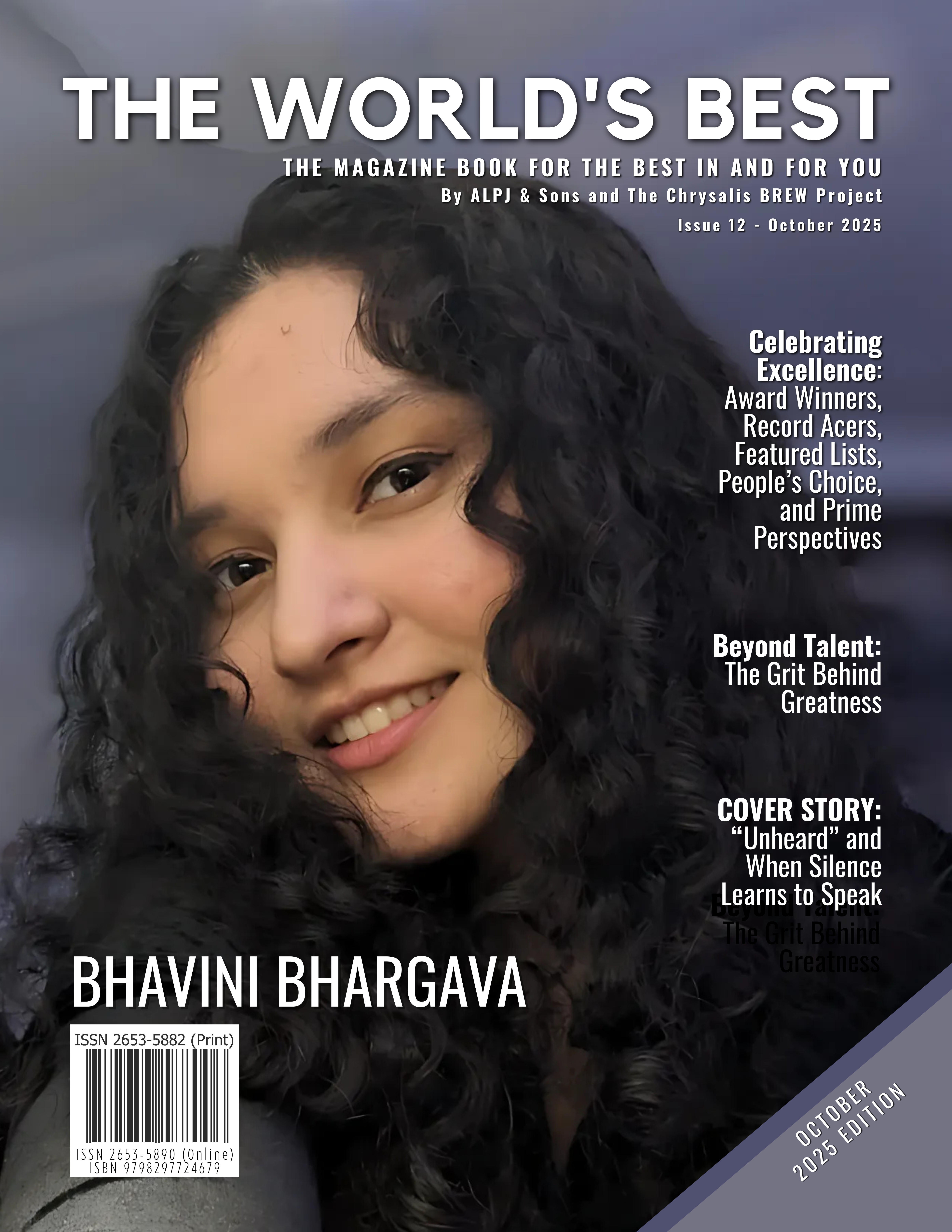

Don’t just read about greatness. Own it!

About Us
The World’s Best Magazine is a print and online publication that highlights the extraordinary. It is your passport to a universe where brilliance knows no bounds. Celebrating outstanding achievements in various fields and industries, we curate and showcase the exceptional, groundbreaking, and culturally significant. Our premier laurels, The World’s Best Awards, commend excellence through a unique process involving subject matter experts and a worldwide audience vote. Explore with us the pinnacle of human achievement and its intersection with diversity, innovation, creativity, and sustainability.
We recognise and honour the Traditional Owners of the land upon which our main office is situated. We extend our deepest respects to Elders past, present, and emerging. We celebrate the stories, culture, and traditions of Aboriginal and Torres Strait Islander Elders from all communities who also reside and work on this land.
Disclaimer: The World’s Best does not provide any form of professional advice. All views and opinions expressed in each post are the contributor’s own. Whereas we implement editorial policies and aim for content accuracy, the details shared on our platforms are intended for informational purposes only. We recommend evaluating each third-party link or site independently, as we cannot be held responsible for any results from their use. In all cases and with no exceptions, you are expected to conduct your own research and seek professional assistance as necessary prior to making any financial, medical, personal, business, or life-changing decisions arising from any content published on this site. All brands and trademarks mentioned belong to their respective owners. Your continued use of our site means you agree with all of these and our other site policies, terms, and conditions. For more details, please refer to the links below.
About | Advertise | Awards | Blogs | Contact | Disclaimer | Submissions | Subscribe | Privacy | Publications | Terms | Winners
The World’s Best: A Magazine That’s All About What’s Great | theworldsbestmagazine.com | Copyright ⓒ 2022-2026
Let’s connect
Discover more from The World's Best
Subscribe to get the latest posts sent to your email.


