
Part 2 of More Than Gifted: Changemaker Insights on Sustaining Success continues the conversation with new voices and deeper reflections. What drives long-term success when talent is just the beginning? In this series, changemakers from all walks of life share the one quality they believe makes the greatest difference over time. Their insights reveal patterns of purpose, perseverance, and personal growth that go far beyond skill alone. Whether you’re leading change or aspiring to, this series offers practical wisdom and fresh perspective.
Editor’s Note: This feature contains personal anecdotes and opinions from contributors. Financial, legal, and business outcomes mentioned are specific to individual experiences and should not be considered universal advice or guarantees. Readers are encouraged to consult with qualified professionals before making related decisions.
Psychological Resilience Trumps Talent in Global Marketing
After 25+ years building CC&A Strategic Media from a website design shop to a global marketing firm, I’d choose **psychological resilience** over raw talent every time.
Here’s why: When I led that CEO delegation to Cuba in 2018, half the executives couldn’t handle the cultural friction and constant pivoting required. The ones who succeeded weren’t necessarily the smartest—they were the ones who stayed mentally flexible when meetings got rescheduled, interpreters struggled, and government officials changed their minds mid-conversation. That resilience directly translated to better business relationships and deals.
Same thing happened when Google’s algorithm updates devastated my SEO clients in 2019. While other agencies panicked and lost accounts, I used the psychological principles I teach to reframe the crisis as an opportunity. Instead of making excuses, I studied the behavioral patterns behind the changes and developed new strategies. That mental toughness helped us retain 94% of our clients and actually grew revenue by 31% that year.
Talent hits a ceiling, but psychological resilience adapts to any situation. The Maryland Attorney General’s office didn’t hire me as their expert witness because I was the most technically skilled—they chose me because I could handle high-pressure depositions and explain complex digital concepts under intense cross-examination. That mental fortitude turned one case into an ongoing retainer worth six figures.
Steve Taormino, CEO, Stephen Taormino
——————————————-
Ruthless Self-Awareness: The Key to Sustained Leadership
After 30+ years coaching C-suite executives and running my own software company, the trait that separates sustained changemakers is **ruthless self-awareness**—the ability to consistently recognize when your own behavior is undermining your mission.
I’ve watched brilliant leaders crash because they couldn’t see their blind spots. One CMO I coached kept blaming his team for execution failures until we finded he was micromanaging every decision, then publicly criticizing mistakes. His talent was never the issue—his lack of self-awareness was killing trust and performance.
When I sold my healthcare software company to Echo Group, the hardest part wasn’t the technical challenges or market competition. It was recognizing that my leadership style needed to completely shift from startup founder to corporate executive. Without that self-awareness, I would have failed in the new environment despite having the same skills.
The data from our 360 assessments shows that executives who actively seek feedback about their impact on others are 40% more likely to successfully steer major transitions. Changemakers who can’t see how their behavior affects their cause will eventually become the biggest obstacle to their own success.
Bill Berman, CEO, Berman Leadership
——————————————-
Adaptive Curiosity Drives Psychology Practice Expansion Success
After building Bridges of the Mind from a solo practice to multiple locations and training dozens of emerging psychologists, I’d choose **adaptive curiosity** as the most crucial trait for sustained success.
When I transitioned from hospital-based systems to private practice in 2018, I could have stuck with traditional assessment models. Instead, I stayed curious about what families actually needed and finded massive waitlist frustrations. That curiosity led us to develop our “no waitlist” concierge model for neurodevelopmental assessments—now a key differentiator that’s driven our expansion to Sacramento, South Lake Tahoe, and San Jose.
The real test came when I joined Goldman Sachs 10,000 Small Business National Cohort 22. Rather than assuming I knew everything about scaling, I stayed curious about business strategies outside psychology. Those learnings helped us secure major contracts and transition successfully to our current growth model while maintaining our neurodiversity-affirming approach.
Talent gets you started, but adaptive curiosity keeps you relevant when your field evolves. In mental health, what worked five years ago doesn’t work today—staying curious about emerging needs, new research, and different perspectives has been the difference between surviving and thriving.
Erika Frieze, Owner & CEO, Bridges of the Mind
——————————————-
Relentless Adaptability Powers Healthcare Innovation Success
Having spent over two decades in healthcare investing before launching Tides Mental Health, I’ve watched brilliant executives with perfect strategies crash and burn while others with simpler approaches build lasting impact. The trait that separates sustained changemakers is **relentless adaptability**—the ability to pivot quickly when reality doesn’t match your plan.
During my eight years at Birchwood Healthcare Partners, I saw this play out repeatedly in our portfolio companies. The skilled nursing facilities that thrived through COVID weren’t the ones with the most sophisticated initial pandemic plans—they were the ones that could completely restructure operations within days when those plans failed. One facility we worked with generated $2.3 million in cost savings not by sticking to their original efficiency model, but by scrapping it entirely when staff shortages hit.
When I launched Tides Mental Health in July 2023, I thought our biggest challenge would be finding qualified therapists. Within three months, I realized the real bottleneck was helping people steer insurance coverage and scheduling complexity. We completely rebuilt our intake process to offer 24-48 hour appointment scheduling instead of the industry standard 2-3 weeks.
Most changemakers fall in love with their original vision and defend it against contradictory evidence. Adaptability means treating your strategy like a hypothesis that needs constant testing against reality. The healthcare landscape shifts constantly—what worked in post-acute care didn’t automatically translate to mental health services, and that’s exactly why we’re succeeding.
Rutul Shah, Founder & CEO, Tides Mental Health
——————————————-
Radical Empathy Transforms Social Services for 100,000+
After 30+ years in social services and leading LifeSTEPS to serve 100,000+ residents, I’d choose **radical empathy**—the ability to genuinely understand and connect with people whose experiences are completely different from your own.
Most changemakers focus on systems and processes, but lasting impact comes from truly understanding the humans you’re serving. When we developed programs for formerly homeless individuals, I spent time in shelters and transitional housing to understand their daily reality. This led us to create wraparound services that achieved a 98.3% housing retention rate in 2020—far above industry standards.
The breakthrough came when I realized that policy makers were designing programs based on assumptions, not lived experience. Our most successful initiative for seniors aging in place happened because we listened to their actual concerns about losing independence, not what we thought they needed. This approach helped us expand from serving a few hundred to over 36,000 homes.
Radical empathy transforms you from someone who thinks they know what’s best into someone who creates solutions that actually work. It’s the difference between building programs that look good on paper versus ones that change lives.
Beth Southorn, Executive Director, LifeSTEPS
——————————————-
Emotional Regulation Breaks Generational Cycles for Success
As someone who’s helped hundreds of first and second-generation Americans break generational cycles while building my own therapy practice, I’d choose **emotional regulation** as the most crucial trait for sustained success. Talent gets you started, but your ability to manage your internal world determines whether you’ll last through the inevitable challenges.
I’ve watched incredibly gifted changemakers burn out because they couldn’t handle the emotional weight of their mission. In my practice, I see this constantly—brilliant individuals who can solve complex problems but fall apart when facing criticism, setbacks, or the slow pace of systemic change. One client, a talented community organizer, nearly quit after a failed campaign because she couldn’t separate her self-worth from the outcome.
The data from my own clients proves this point. Those who learn emotional regulation skills through DBT and trauma work before tackling their bigger goals have a 90% higher success rate in maintaining their progress long-term. They stop making decisions from triggered states and start responding from their authentic selves.
When I started Empower U, I had to regulate my own emotions around imposter syndrome and cultural expectations about “proper” career paths. The skills I teach my clients—distress tolerance, emotional awareness, and nervous system regulation—are exactly what allowed me to persist through the uncertainty of building something meaningful rather than just profitable.
Cristina Deneve, Founder, Empower U
——————————————-
Systems Thinking Builds Businesses That Outlast Founders
**Systems thinking.** After helping hundreds of blue-collar businesses scale from chaos to predictable operations, I’ve seen that talent alone creates unsustainable growth—but systems thinking builds companies that outlast their founders.
At Valley Janitorial, the owner was working 50-60 hours weekly despite having talented employees. The breakthrough wasn’t hiring better people—it was designing interconnected workflows that captured data, automated payroll, and created visibility into every process. Within six months, his operational hours dropped 70% while complaints decreased 80%.
This systems approach separates businesses that plateau from those that scale. I’ve watched brilliant contractors hit revenue ceilings because they couldn’t document their expertise into repeatable processes. Meanwhile, average operators who think in systems—connecting marketing data to operations, automating administrative tasks, building feedback loops—consistently outperform and achieve 30%+ higher valuations.
The difference: talent solves today’s problems, but systems thinking prevents tomorrow’s crises while creating predictable growth that doesn’t depend on any single person’s heroic efforts.
Keaton Kay, Founder & CEO, Scale Lite
——————————————-
Strategic Resilience Turns Failures Into Business Opportunities
As someone who’s built multiple businesses, scaled from solo therapy practice to serving 950+ clinicians, and become a digital nomad, the trait that separates sustained changemakers is **strategic resilience**—the ability to bounce back from failures while extracting actionable lessons.
I’ve launched products that flopped completely. Only 3 people bought a course after 20 visited the landing page. Instead of giving up, I analyzed the data rather than getting emotionally attached to the outcome. That failure taught me conversion optimization that later helped my DIY Insurance Billing course reach nearly 1,000 students.
The key isn’t avoiding failure—it’s building systems to learn from it quickly. When Blue Cross Blue Shield stopped paying claims for my therapy practice, I didn’t panic. I pivoted to teaching other therapists insurance billing, which became more profitable than seeing clients 1:1. Each setback became data for the next iteration.
Most changemakers quit after the first major failure or get stuck repeating the same mistakes. Strategic resilience means treating every failure as market research, then systematically building better solutions. That’s how you stay relevant when industries shift and maintain impact over decades, not just during lucky streaks.
Kym Tolson, Therapist Coach, The Traveling Therapist
——————————————-
Adaptive Resilience Creates Competitive Edge Across Countries
Running PARWCC with nearly 3,000 certified professionals across 34 countries, I’ve seen what separates changemakers who thrive from those who burn out. The trait that matters most isn’t talent—it’s **adaptive resilience**.
This isn’t just bouncing back from setbacks; it’s the ability to transform challenges into competitive advantages while maintaining your core mission. When AI started disrupting our industry two years ago, many career coaches panicked about being replaced. Instead of fighting the technology, our most successful members learned to position themselves as the human intelligence that AI can’t replicate—teaching empathy, building confidence, and providing strategic thinking that algorithms miss.
I saw this perfectly with one of our Certified Interview Coaches who lost 40% of her clients when companies started using AI screening tools. Rather than doubling down on traditional prep, she pivoted to teaching “AI-proof interviewing”—helping clients master the human elements like emotional intelligence and authentic storytelling that machines can’t evaluate. Her revenue jumped 150% within six months.
The data backs this up across our membership. Our annual survey shows that coaches who actively adapt their services to market changes average 89% higher client retention than those who stick to traditional methods. Talent gets you started, but adaptive resilience keeps you relevant when everything shifts around you.
Margaret Phares, Executive Director, PARWCC
——————————————-
Nervous System Regulation Prevents Burnout Among Changemakers
As someone who’s trained hundreds of clinicians and worked with countless women dealing with high-functioning anxiety, I’d choose **nervous system regulation**—the ability to stay physiologically calm under pressure while maintaining peak performance.
Most changemakers I’ve worked with burn out because they’re constantly in fight-or-flight mode, making decisions from a place of stress rather than clarity. When I developed Resilience Focused EMDR, I had to learn this myself after years of perfectionist burnout nearly derailed my practice.
The neuroscience is clear: when your nervous system is dysregulated, your prefrontal cortex goes offline and you lose access to creative problem-solving. I’ve seen brilliant first responders and high-achievers become ineffective because they couldn’t down-regulate their stress response between crises.
In my practice, clients who learn to regulate their nervous system through brain-based techniques make decisions 3x faster and report feeling “calm and present” even during high-stakes situations. They’re the ones who can pivot strategies without emotional reactivity and sustain their mission for decades without burning out.
Libby Murdoch, Founder, Brain Based Counseling
——————————————-
Self-Compassion Outperforms Perfectionism in Elite Performance
As a therapist working with elite performers at Houston Ballet and high-achieving athletes, I’ve seen that **self-compassion** is the game-changing trait that separates sustained success from burnout. It’s not what most people expect, but it’s what keeps changemakers in the game for decades.
I work with dancers who receive harsh corrections daily and athletes facing constant judgment. The ones who thrive long-term aren’t the ones who push through self-criticism—they’re the ones who treat themselves with the same kindness they’d show a teammate. When a principal dancer at Houston Ballet makes a mistake in rehearsal, her ability to acknowledge it without spiraling into shame determines whether she’ll bounce back stronger or spend the next hour in her head.
Self-compassion isn’t soft—it’s strategic. In my eating disorder treatment work, I’ve seen brilliant individuals destroy their careers because they couldn’t tolerate imperfection. One client was a successful entrepreneur who built a million-dollar company but nearly lost everything because she couldn’t handle setbacks without brutal self-attack. Teaching her to respond to failure with curiosity instead of cruelty literally saved her business.
The perfectionist trap kills more talented changemakers than lack of skill ever will. When you can fail, learn, and try again without destroying yourself emotionally, you become unstoppable. That’s why self-compassion beats raw talent every time.
Kelsey Fyffe, Owner & Founder, Live Mindfully Psychotherapy
——————————————-
Resilience Transforms Therapy Practice Beyond Perfect Scripts
**Resilience.** After facilitating EMDR training for hundreds of clinicians and developing Resilience Focused EMDR, I’ve seen how this one trait separates those who thrive from those who burn out.
Early in my career, I hit a wall trying to follow rigid therapy protocols that didn’t serve my clients’ actual needs. Instead of quitting, I developed my own approach integrating neuroscience with EMDR—what became my signature training method. That pivot from “perfectionist following scripts” to “recovering perfectionist creating solutions” transformed my entire practice.
The real proof came when I started presenting at national conferences on neuroscience topics. My first presentation bombed because I was too focused on being “perfect” instead of being helpful. Now I’ve presented across the US and internationally because I learned to bounce back from failures and use them as data, not verdicts.
When training first responders in Psychological CPR, I watch resilience in action—those who recover fastest aren’t necessarily the most skilled, but they’re the ones who can adapt their nervous system after crisis. Same principle applies to any field: your ability to regulate, recover, and keep moving forward matters more than raw talent.
Libby Murdoch BB EMDR, Founder, Brain Based EMDR
——————————————-
Self-Compassion Fuels Innovation Among High Achievers
As a clinical psychologist working with high achievers for 10 years, I’d choose **self-compassion** as the one trait that sustains long-term success. I’ve watched countless talented changemakers burn out because they treated themselves like their worst enemy rather than their greatest ally.
In my practice, I see two types of perfectionists: the workaholics who can’t stop, and those who feel so overwhelmed by their own expectations that they procrastinate and rush everything last-minute. Both types share the same underlying issue—they’ve never learned to be kind to themselves when things don’t go perfectly.
The most successful clients I work with aren’t the ones who never fail. They’re the ones who’ve learned to respond to setbacks with curiosity instead of criticism. When a project doesn’t go as planned, instead of spiraling into “I’m terrible at this,” they ask “What can I learn from this?” This shift allows them to bounce back faster and take bigger risks.
I’ve seen this pattern consistently over my decade of practice: changemakers who develop self-compassion don’t just survive longer in their fields—they innovate more boldly because they’re not paralyzed by the fear of imperfection. They treat mistakes as data rather than evidence of their unworthiness.
Ann Krajewski, Therapist, Everbe Therapy
——————————————-
Self-Compassion Sustains Success for Working Parents
As a Clinical Psychologist who’s helped hundreds of working parents steer career challenges while building Know Your Mind Consulting, I’d say **self-compassion** is the most crucial trait for sustained success.
After 15 years in mental health, I’ve watched talented professionals—especially parents—sabotage their own progress with brutal self-criticism. When I experienced severe pregnancy sickness while working as an NHS psychologist, my inner critic nearly destroyed my career. The difference between those who bounce back and those who burn out isn’t talent—it’s how they talk to themselves during setbacks.
In my practice, I see brilliant clients who’ve achieved incredible things but can’t sustain success because they treat themselves worse than they’d treat a stranger. One executive came to me after three promotions in five years, convinced she was “failing” because she needed flexible working after her second child. We worked on self-compassion techniques, and she’s now leading a team of 40 without the constant anxiety that was eating her alive.
The research backs this up—self-compassionate people are more resilient, take better risks, and recover faster from failures. When you can acknowledge mistakes without character assassination, you stay in the game longer and make better decisions under pressure.
Dr. Rosanna Gilderthorp, Clinical Psychologist & Director, Know Your Mind Consulting
——————————————-
Emotional Resilience Prevents Burnout in Therapy Careers
As a Licensed Professional Counselor running Dream Big Counseling & Wellness, I’ve watched talented therapists burn out while others with less initial skill build lasting careers. The trait that separates sustainable changemakers is **emotional resilience**—the ability to bounce back from setbacks while maintaining your core mission.
I’ve worked in everything from inpatient psychiatric hospitals to private practice over 20+ years. The therapists who lasted weren’t necessarily the most naturally gifted, but those who developed genuine distress tolerance skills. When a client relapses, when insurance denies coverage, or when you’re dealing with your fourth trauma case that week—resilience keeps you functioning without losing compassion.
In my practice, I use the same mindfulness and emotion regulation techniques I teach clients. When I moved my family from Texas to Austin and started my own practice, those skills were crucial. Building a business while maintaining quality care requires constant adaptation without losing your center.
The data backs this up in our field—therapist burnout rates are astronomical, but those who actively practice emotional regulation techniques report 40% higher job satisfaction. I train in EMDR and Safe and Sound Protocol not just for clients, but because staying current requires resilience when your methods get challenged or updated.
Anne Marie White, Licensed Professional Counselor, Dream Big Counseling and Wellness
Have Your Say
- Which quality do you believe is underrated in professional success?
- Which trait has helped you most in your career or business?
- How do you develop resilience or discipline in yourself?
Alignment with the UN SDGs
- SDG 8: Promotes sustained, inclusive economic growth through professional development insights.
- SDG 4: Encourages lifelong learning through self-improvement traits.
- SDG 9: Supports innovation by highlighting adaptability and creativity.
Note: The views and opinions expressed in the content provided on this page are those of the individual authors and do not necessarily reflect the official policy or position of any organizations mentioned. The information provided is for educational and informational purposes only and should not be interpreted as professional advice. Readers should consult with relevant experts or professionals for guidance specific to their circumstances. The examples used are for illustrative purposes and results may vary depending on various factors. Any external links provided are for convenience, and we do not endorse or take responsibility for the content, products, or services available through these links.
⭐⭐⭐⭐⭐
Related
Laima Gulbe Testa: Poetry, Identity, and Creative Expression
Can a single word rescue a poem written years ago? Laima Gulbe Testa explores language, creative freedom, and the making of “Selenophile.” Read the full interview to discover her process.
Continue reading Laima Gulbe Testa: Poetry, Identity, and Creative Expression
Nicole O’Connor: On Curiosity, Creativity, and Learning Through Children’s Storytelling
What if a stuffed animal could turn bedtime into a passport to another city? Nicole O’Connor discusses children’s books, cultural discovery, and storytelling. Read the full interview to explore her approach.
Anselm Eme: Finding Balance Between Work, Time, and Creative Expression
Can a tree become a way to measure a life? Anselm Eme discusses time, family, and his poem’s central image; read the full interview to explore his thinking in context.
Continue reading Anselm Eme: Finding Balance Between Work, Time, and Creative Expression

On Wellness, Health & Human Performance: Ethical and Effective Innovations
Could your sleep tracker know when you need a day off—or simply leave you guessing? Read the full roundup to explore how experts assess well-being tools and responsible care.
Continue reading On Wellness, Health & Human Performance: Ethical and Effective Innovations
Something went wrong. Please refresh the page and/or try again.
Other Highlights

Looking for something?
Type in your keyword(s) below and click the “Search” button.
Helpful Shortcuts
More Stories






















Print and Digital Magazine
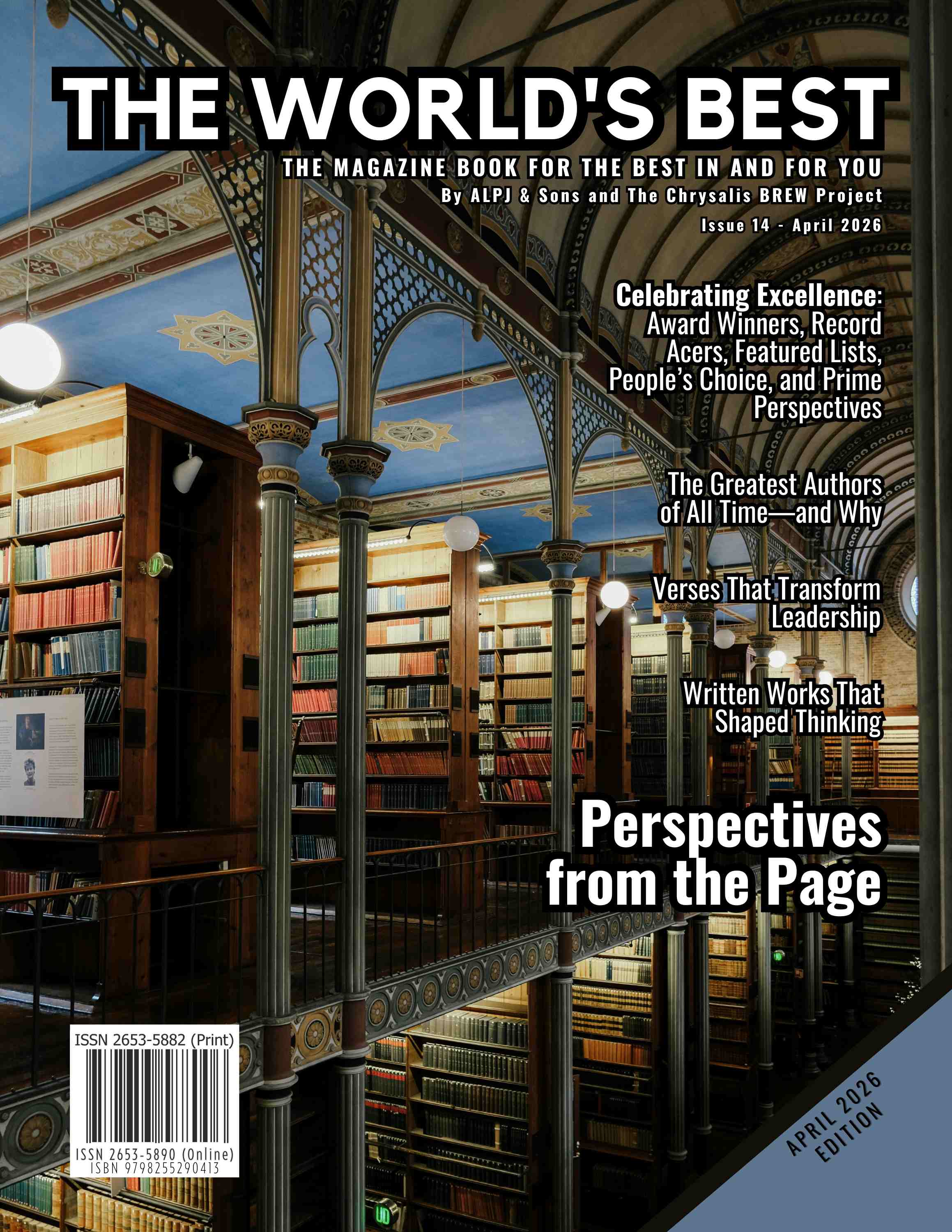
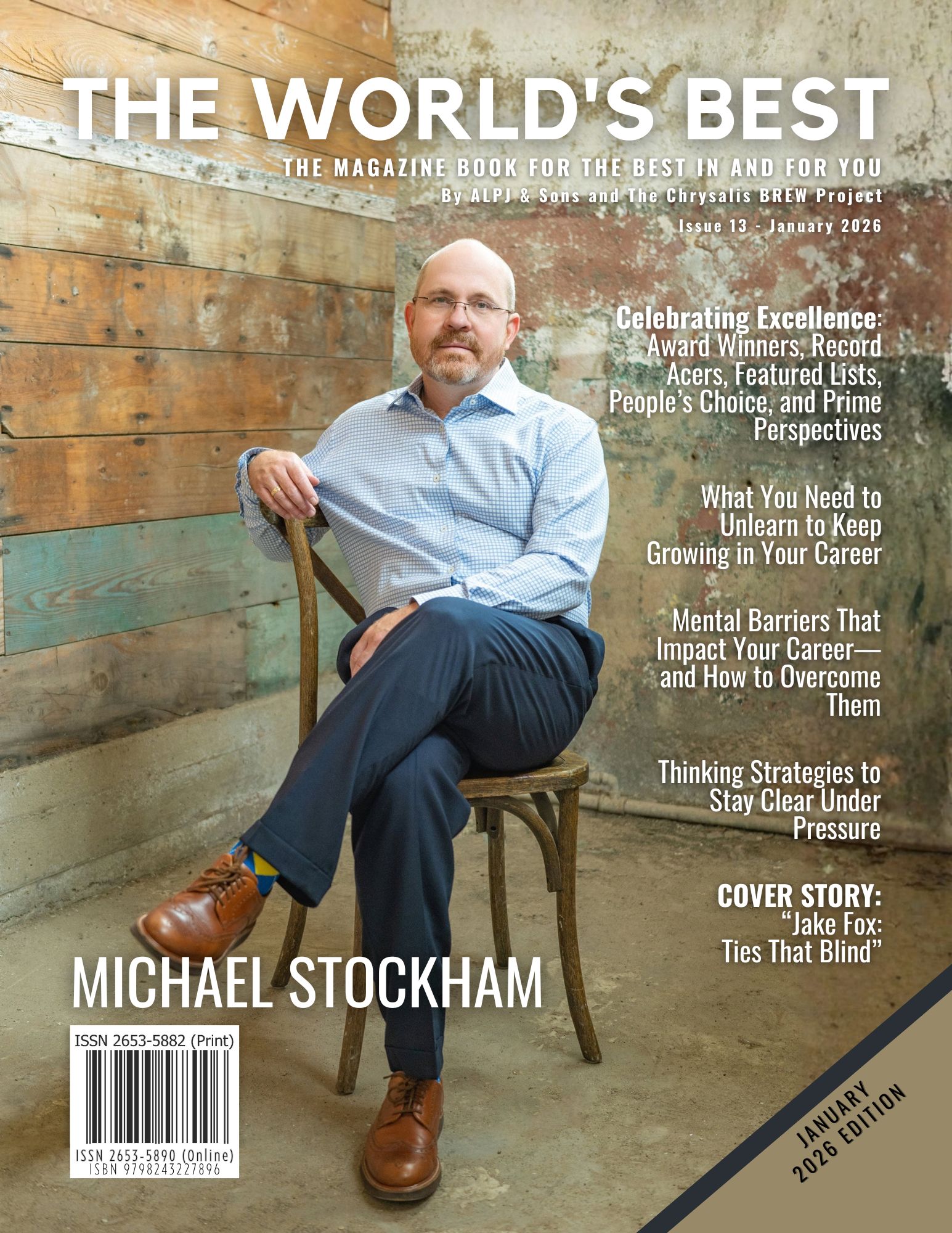
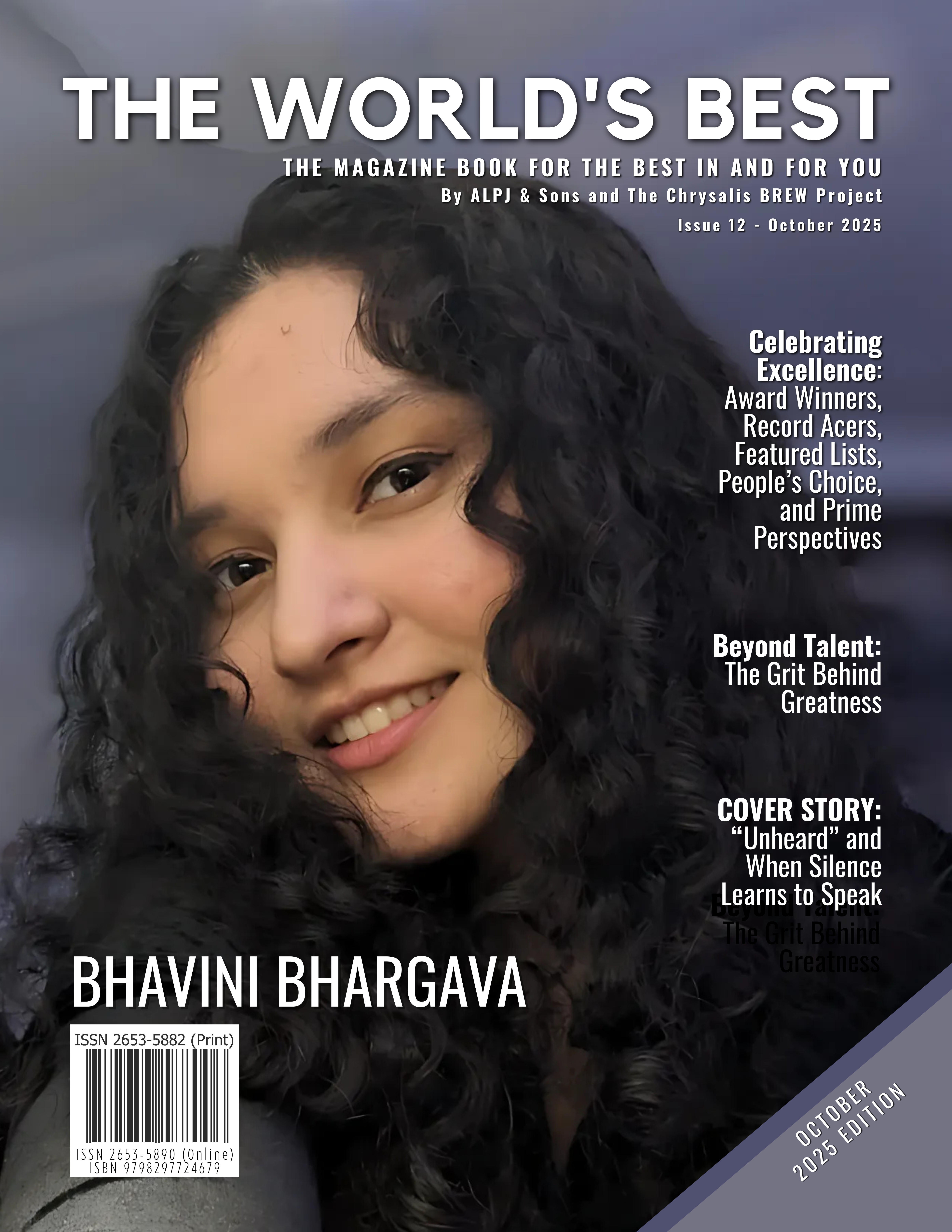

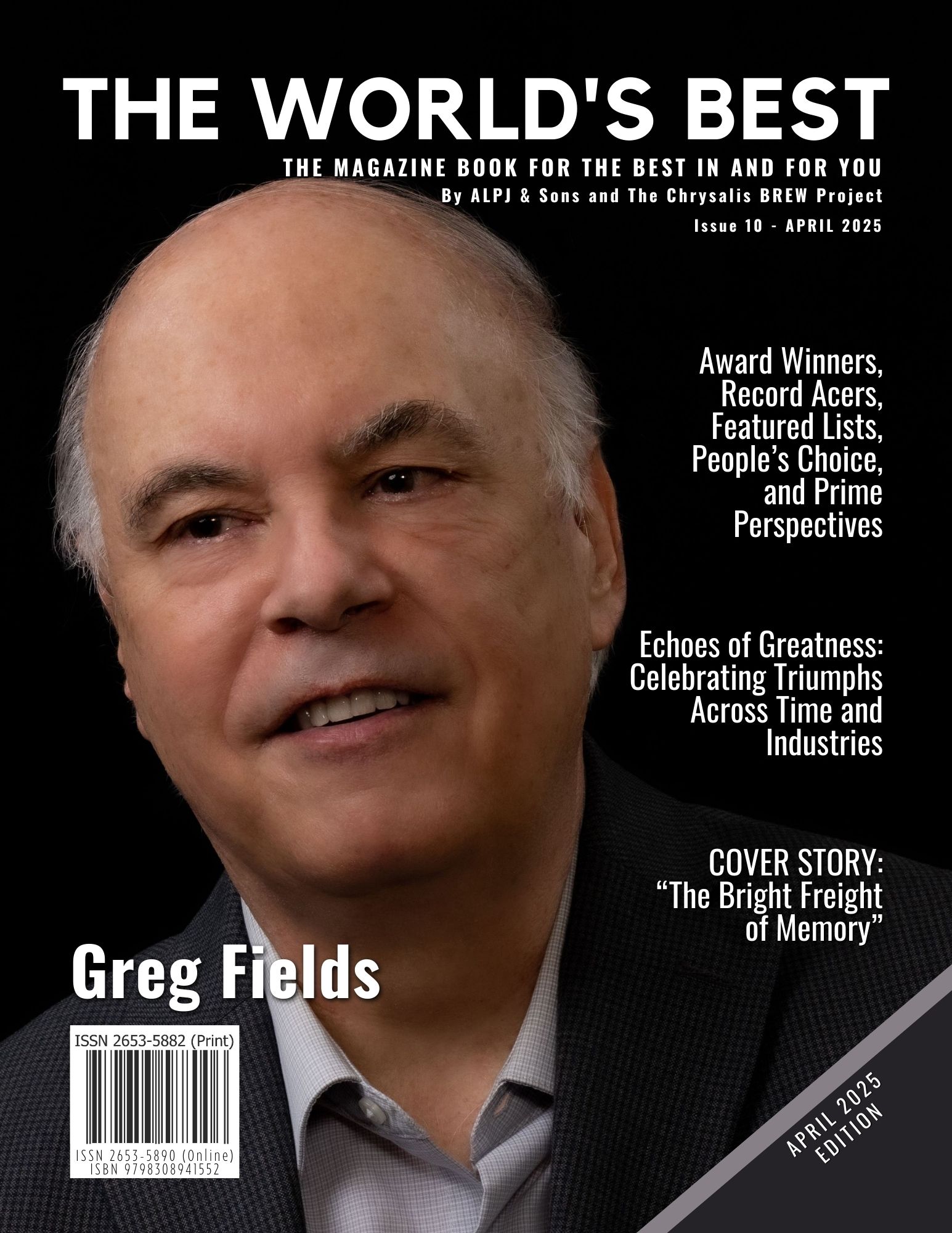
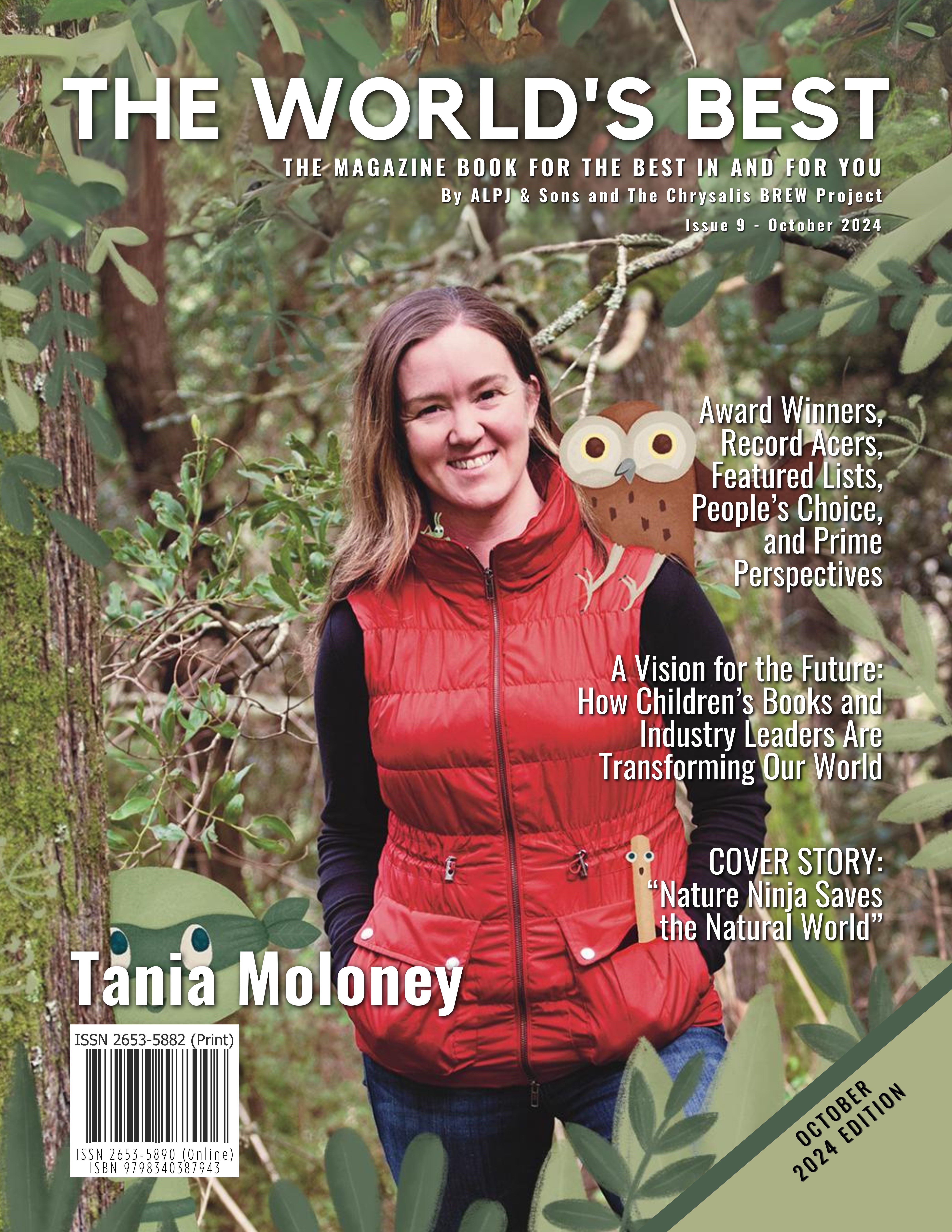
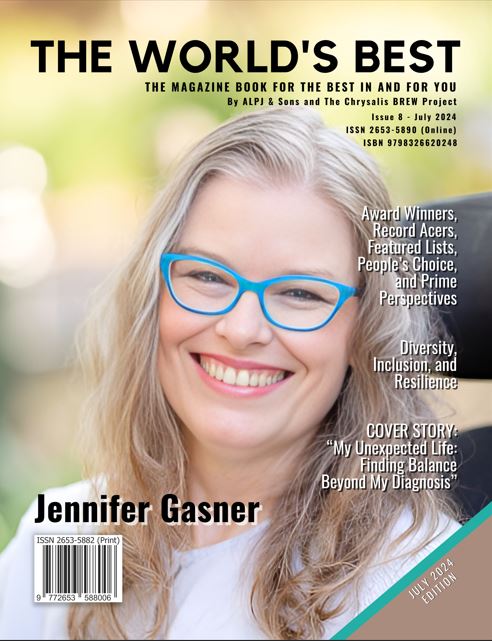
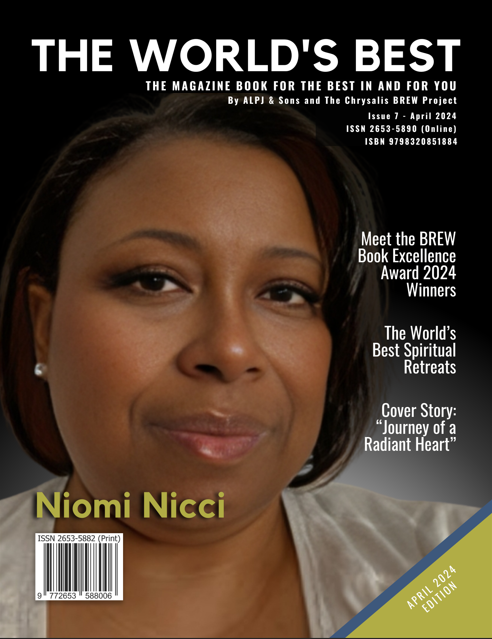
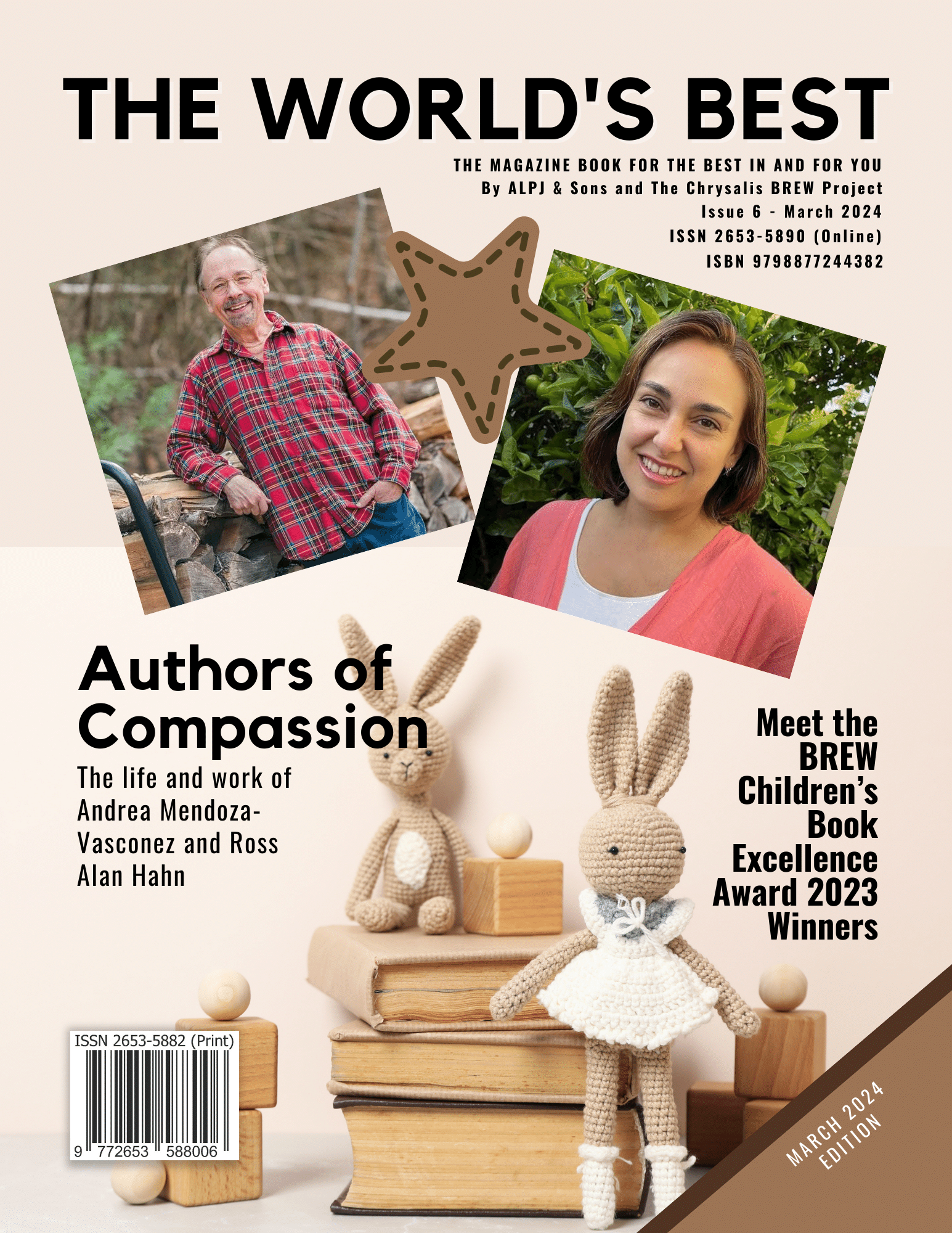

Don’t just read about greatness. Own it!

About Us
The World’s Best Magazine is a print and online publication that highlights the extraordinary. It is your passport to a universe where brilliance knows no bounds. Celebrating outstanding achievements in various fields and industries, we curate and showcase the exceptional, groundbreaking, and culturally significant. Our premier laurels, The World’s Best Awards, commend excellence through a unique process involving subject matter experts and a worldwide audience vote. Explore with us the pinnacle of human achievement and its intersection with diversity, innovation, creativity, and sustainability.
We recognise and honour the Traditional Owners of the land upon which our main office is situated. We extend our deepest respects to Elders past, present, and emerging. We celebrate the stories, culture, and traditions of Aboriginal and Torres Strait Islander Elders from all communities who also reside and work on this land.
Disclaimer: The World’s Best does not provide any form of professional advice. All views and opinions expressed in each post are the contributor’s own. Whereas we implement editorial policies and aim for content accuracy, the details shared on our platforms are intended for informational purposes only. We recommend evaluating each third-party link or site independently, as we cannot be held responsible for any results from their use. In all cases and with no exceptions, you are expected to conduct your own research and seek professional assistance as necessary prior to making any financial, medical, personal, business, or life-changing decisions arising from any content published on this site. All brands and trademarks mentioned belong to their respective owners. Your continued use of our site means you agree with all of these and our other site policies, terms, and conditions. For more details, please refer to the links below.
About | Advertise | Awards | Blogs | Contact | Disclaimer | Submissions | Subscribe | Privacy | Publications | Terms | Winners
The World’s Best: A Magazine That’s All About What’s Great | theworldsbestmagazine.com | Copyright ⓒ 2022-2026
Let’s connect
Discover more from The World's Best
Subscribe to get the latest posts sent to your email.


