
(Video credit: John Daze Books)
“Azoria’s journey of self-discovery mirrors the challenges many of us face—questions of who we are, where we belong, and what we stand for.”
– John Daze
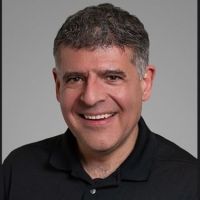
To start off, could you introduce yourself to our readers? What’s your background, what do you do, and what inspired you to become a writer?
First, thank you to The Chrysalis BREW Project for reading “Azoria’s Blade” and honoring my first novel with the BREW Fiction Book Excellence Award Young Adult Fiction of the Year.
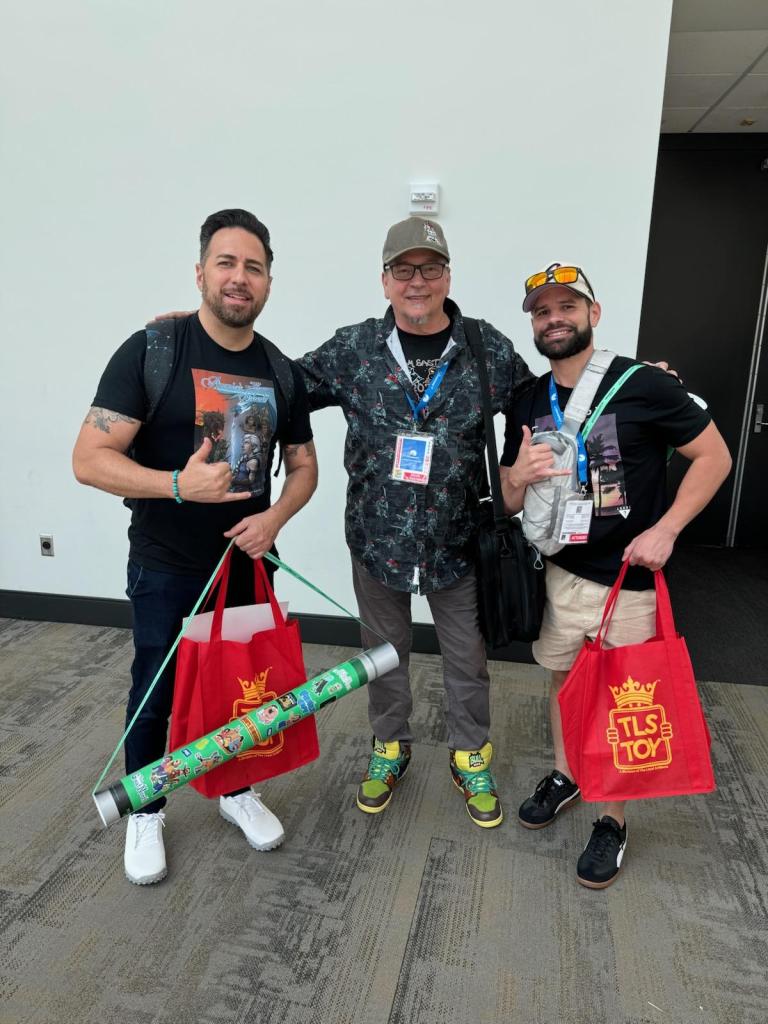
I never imagined this level of success when I wrote it. I’m sitting here today, still in disbelief that I finished a novel, a tangible item with the possibility of fandom and to unexpected acclaim! Now that “Azoria’s Blade” received such a warm reception, I envision this as just the beginning. The sequel to “Azoria’s Blade” will be out soon. I’ve also expanded into a comic book, which recently premiered at Comicon in San Diego. I’m a one-person marketing team pitching to local comic shops in California, U.S. My ultimate dream is an animated series!
My background does not include writing fantasy novels! I’m a workaholic in the project management field and a student-aholic working towards a PhD. As a child, I’d type on my mom’s electric typewriter with no clue what to write. Most times, I would regurgitate a cartoon episode I had watched. Growing up, I knew I wanted to do something in Performance Arts, but I was so insecure that I squeezed it into a ball and hid it for decades. Deep inside, however, my hunger for creating was brewing (no pun intended!). I thought I found my calling as a songwriter, but my career kept me too busy to pursue it.
Fast forward to just a few years ago, I inadvertently discovered a passion for playing tabletop games. By default, I became the game master, leading teams of adventurers through vast and mysterious lands. Friends drove hundreds of miles just to play, and sometimes, we’d play for 20 hours per session. During COVID, however, we shut the games down and players found their passion in other things. I was left with a world I had created but no one to share it with. That’s when I decided to write it down. Things have a way of working out, and to my surprise, here we are!
“Rogues of the Crosslands: Azoria’s Blade” has earned acclaim, including several prestigious awards. What do these achievements mean to you, and how do they reflect your journey as an author?
My journey and where I am as a storyteller resemble Azoria’s perseverance. Nobody held my hand, and I forged my own path, much like Azoria. For every success I achieved came twice the lessons learned. For example, I spent a lot of money advertising the book for presales on Amazon. Due to a technical issue (and lack of understanding of the process), Amazon canceled the book release, and I lost all of my presales. I had to go back and fix a submission issue and then quickly relaunch, which wasn’t very successful. Starting from scratch was extremely disheartening, but I believed in the story so much that I regrouped and pushed forward. Even though this is my first attempt at writing fiction, creating a solid product is imperative. If your name is on something, it should be high quality. What you create in life is a reflection and extension of yourself.
Your novel features Azoria, a brave young protagonist, and weaves in themes of revenge, growth, and self-discovery. What inspired you to create such a complex character, and how does she reflect your own experiences or beliefs?
One of my favorite fantasy movies growing up was Conan the Barbarian. It’s about a boy who loses his family during a village raid (sound familiar?) and fights against overwhelming odds for vengeance. But he grows into Arnold Schwarzenegger! Whoever took a look at him and seriously thought, ‘Yep, that guy’s going to fail!’? For Azoria, however, everything is truly stacked against her, from her age, size and lack of experience to the world of enemies around her, she’s not supposed to succeed, let alone survive. In fact, those characteristics create a path of continuous failure. There’s been a slew of ‘Mary Sues’ in recent years, and I didn’t want Azoria associated with them. She’s in her own category, and it’s obvious that she can’t achieve any level of success without her friends, even with the abilities handed down. Azoria’s the protagonist, but on a deeper level, it’s more about the people around her and how her decisions affect their lives. My experiences are certainly intertwined with Zorie’s, from understanding her place in the world to questions about death and self-meaning, I believe it’s things we all struggle with throughout our lifetime.
As a fantasy writer, world-building is crucial. How did you approach creating the rich and immersive world of the Crosslands, and how do you balance detailed mythology with keeping the story engaging for readers?
This is my first novel, and I have quite a bit to learn. This interview will look different 5 or 10 years from now, but one thing that helps me is writing with empathy. If I can write in a manner that empathizes with the characters and their situations, then the readers empathize as well. Just writing a story about elves, dragons, and magic swords means nothing unless you can connect with readers in a way that they can imagine being alongside or even the characters themselves. Don’t just write an impactful, pivotal scene and then move on. I think about how these situations personally impact the characters. Readers are complex, no matter their age. If I lost my family in a raid, how would that change me psychologically? Would that change the way I interact with others? Would I be more hardened to the world, or would I hide from it? Would I seek revenge or give up? Did my upbringing influence my decisions? Even if I’m infusing typical tropes of a fantasy story, 95% of it is how the characters cope and interpret them. Realistic reactions to imaginary situations bridge that connection.
Your book touches on themes like duty, family, and personal growth. How do you approach writing about these universal experiences while maintaining the excitement of a fantasy adventure?
Those are all basic themes of human life. Everyone’s trying to find purpose, and our purpose changes throughout different stages in our lives. That’s what makes things interesting in Azora’s saga. We’re witnessing interactions between children and adults, but they all see things from their different perspectives and ages, just like in real life.
With your diverse international background, having lived in various countries, how has your exposure to different cultures influenced your writing and storytelling style?
Thousands of years of culture and tradition are embedded into every single society. I believe that having the opportunity to experience some of them firsthand, not just as a ‘passerby’, but someone living and conforming to another country’s social customs and policies engraved in me to ‘write with respect’. That respect translates into framing the importance of tradition, family and social structures in my books while giving small nods to various cultures worldwide.
Diversity and inclusivity are important values for many authors. In your view, how can the fantasy genre evolve to be more inclusive and representative of diverse voices?
You can’t have a fantasy environment without inclusivity. The attraction to the genre is that you can create a limitless world for anything and everything. The great part about writers in the fantasy genre is that we know the real world isn’t as inclusive, so we rely on our own imaginations for world or universe-building. It’s a perfect place for anyone who feels marginalized in any way to find a comfortable safe space. Everyone should have the opportunity to feel like a hero!
In addition to your work in fiction, do you advocate for any causes, particularly those related to sustainability or creative innovation? How do these values inform your approach to both writing and life?
I do, I give to charities related to homelessness, animal shelters, veterans, minority businesses and children medical centers. I also dedicated twenty years of service to my country. I previously opened a small business that relied on and encouraged innovation and creativity. Those who we partnered with helped create designs and processes that streamline business and community goals.
The Rogues of the Crosslands series showcases a combination of humor, adventure, and deep emotional arcs. How do you balance these elements to ensure that your writing resonates with a wide range of readers?
You’re too kind! Ideally, because the fantasy genre creates a space for everyone, it’s very important that every reader feels included. Therefore, creating elements that resonate with a wide range of readers should be a priority. Even readers who do not read fantasy or fiction have told me that they enjoyed “Azoria’s Blade” because of the personal relationships they build with the characters or situations. It’s important that readers receive a wide variety of responses from my characters. The humor is very important because it breaks up uncomfortable or dangerous moments. Comedy is a very disciplined art form, so if I can successfully deliver a comedic punchline during an intense scene, I feel like I’ve accomplished something equally as big as the book itself.

Finally, as the winner of the BREW Fiction Book Excellence Award, what would you say to aspiring writers who hope to make an impact in the literary world? What advice can you share about staying true to one’s creative vision?
Write! Like, right now! What are you doing reading this? Go write! Seriously, I’ve had a lot of friends who are impressed that I released a book. Their typical statement is, ‘My goal is to write a book, but I’m not sure where to start. Plus, I don’t have the time.’ I understand; I have three children. I’m a full-time PhD student and a full-time worker. I didn’t take the traditional path to writing. Like my fantasy genre, I made it up as I went. My main piece of advice is that you don’t need to follow the traditional path. For example, I started writing without a beginning or end to my story. I literally wrote a random scene of something in my brain. I didn’t have character names, or backgrounds, or anything! Then, a few days later, I had another scene in my head. None of it made any sense. Soon, I connected a bunch of random scenes into a story. It took a lot to organize them, but that was so much fun! if you can’t write them down, record your ideas on a phone. Countless obstacles may slow you down, but don’t let yourself be one of them. In closing, I’d like to say ‘thank you’ to BREW and many of the self-publishing organizations that are encouraging us to continue writing. Twenty years ago, independent authors were shut out of the industry. Now, thanks to so many online services, we have the opportunity to create, print, and distribute across the globe. Organizations such as BREW help spread the word, for which we’re very grateful!
⭐⭐⭐⭐⭐
“If you’re passionate about your world and characters, that enthusiasm will shine through and resonate with readers.”
-John Daze
Links
Share Your Insights
We’d love to hear your thoughts! Share your reflections in the comments:
- Which part of John Daze’s creative process resonated with you the most?
- How do you connect with stories that explore identity and belonging?
- What themes or topics do you hope to see in future works from John Daze?
Alignment with the UN SDGs
Here are the ways the interview aligns with the UN Sustainable Development Goals (SDGs):
- Goal 4: Quality Education
- The interview highlights John Daze’s commitment to storytelling as a means of fostering understanding and education, particularly on themes of identity and cultural awareness.
- Goal 10: Reduced Inequalities
- By addressing issues of identity and belonging, the interview underscores the importance of reducing social and cultural inequalities through literature.
- Goal 16: Peace, Justice, and Strong Institutions
- The discussion promotes inclusive societies by encouraging narratives that build empathy and understanding among diverse communities.
- Goal 17: Partnerships for the Goals
- Through his collaborative approach to storytelling and outreach, John Daze exemplifies how creative partnerships can contribute to achieving shared social and cultural objectives.
Other Highlights

Looking for something?
Type in your keyword(s) below and click the “Search” button.
Helpful Shortcuts
More Stories










Print and Digital Magazine

Don’t just read about greatness. Own it!

About Us
The World’s Best Magazine is a print and online publication that highlights the extraordinary. It is your passport to a universe where brilliance knows no bounds. Celebrating outstanding achievements in various fields and industries, we curate and showcase the exceptional, groundbreaking, and culturally significant. Our premier laurels, The World’s Best Awards, commend excellence through a unique process involving subject matter experts and a worldwide audience vote. Explore with us the pinnacle of human achievement and its intersection with diversity, innovation, creativity, and sustainability.
We recognise and honour the Traditional Owners of the land upon which our main office is situated. We extend our deepest respects to Elders past, present, and emerging. We celebrate the stories, culture, and traditions of Aboriginal and Torres Strait Islander Elders from all communities who also reside and work on this land.
Disclaimer: The World’s Best does not provide any form of professional advice. All views and opinions expressed in each post are the contributor’s own. Whereas we implement editorial policies and aim for content accuracy, the details shared on our platforms are intended for informational purposes only. We recommend evaluating each third-party link or site independently, as we cannot be held responsible for any results from their use. In all cases and with no exceptions, you are expected to conduct your own research and seek professional assistance as necessary prior to making any financial, medical, personal, business, or life-changing decisions arising from any content published on this site. All brands and trademarks mentioned belong to their respective owners. Your continued use of our site means you agree with all of these and our other site policies, terms, and conditions. For more details, please refer to the links below.
About | Advertise | Awards | Blogs | Contact | Disclaimer | Submissions | Subscribe | Privacy | Publications | Terms | Winners
The World’s Best: A Magazine That’s All About What’s Great | theworldsbestmagazine.com | Copyright ⓒ 2022-2026
Let’s connect
Discover more from The World's Best
Subscribe to get the latest posts sent to your email.


2 thoughts on “John Daze on Mastering Fantastical Worlds”