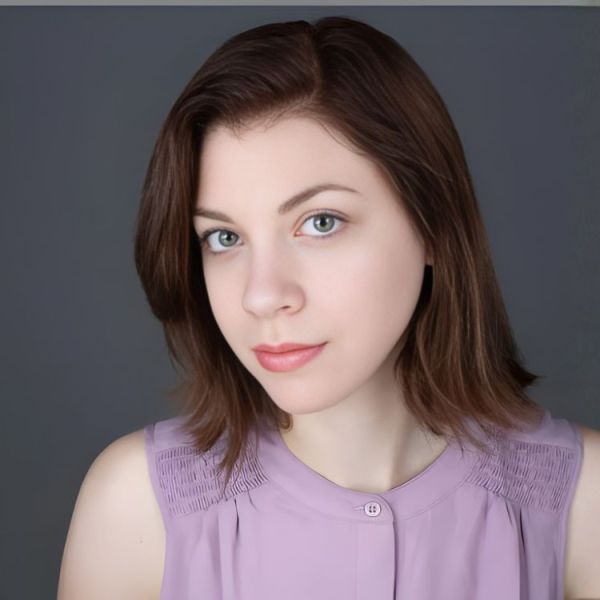
“I wanted to craft something that makes people empathize with the subjects of my literary pieces, which are centered on marginalized groups, especially the helpless.”
– Yvette Prado Rejuso
Editor’s Note: This interview discusses sensitive themes, including grief, loss, and trauma, which may be difficult for some readers.
Yvette, thank you for taking the time to speak with us. To begin, could you introduce yourself, share a bit about your background, and what led you to start writing?
I hated writing when I was a kid. I was always wary and conscious of how I composed my ideas and tried to follow the strict guidelines in writing. Growing up with so many emotions and changing views of the world, I wanted to craft something that makes people empathize with the subjects of my literary pieces, which are centered on marginalized groups, especially the helpless.
Your poem Portrait After Breath received a BREW Poetry Award from The Chrysalis BREW Project. What does this recognition mean to you personally and as a young writer?
I didn’t expect to win such an award, but it wasn’t easy either. I was always writing. I joined so many literary competitions while balancing my academics.
The poem uses strong imagery of ritual, memory, and loss. What was the process like for you in bringing these emotions and images to the page?
While I was writing this, I was thinking about how parents would feel if they lost a child. I know I couldn’t capture the emotions perfectly, but I imagined it from a mother’s perspective, having one final moment with her son and taking pictures with him. I felt this needed a detailed expression of grief and the mother’s struggle to accept what happened. Since there was a historical practice where loved ones took pictures with the deceased, I added that to my poem.
You’ve said that you write daily, drawing from both personal experience and imagination. What motivates you to sustain such a consistent creative practice?
I do write daily. I have a deep love for language and for expressing emotions through short stories or poems. This was also the reason why I took a course focused on discussing various literary pieces from around the world. And I was right, I did get a lot of motivation from them.
Your work spans fiction, nature, romance, and themes that some might call eerie. What draws you to these different subjects, and how do you balance them in your writing?
Knowing that I’m a huge advocate for a sustainable environment, a fan of complex romance stories, and also interested in disturbing contexts in literary pieces that are unpredictable and unique, I wanted to craft those themes as well, sometimes combining them, just to capture what I feel is right for me.
As a student of English education, how has your academic journey influenced your literary aspirations?
For almost four years of studying in college, I never missed a year of studying literature, from Philippine to Asian to World Literature. I’m always in awe of how authors craft their pieces so well, with such unique writing styles, and how they use this medium to fight for their country and give a voice to people who need it.
What milestones, whether in publication, recognition, or personal achievement, have stood out to you in your writing so far?
I was previously shortlisted in an essay competition that was open to all writers worldwide. The piece was entitled “Welcome to a Home Built in Fleeting Glamourized Desperation” and was hosted by The Fountain, a bimonthly magazine of scientific and spiritual thought, published in New Jersey and distributed globally.
Specifically, this is the piece that stood out the most for me, as it was filled with raw and honest emotion. I didn’t shy away from discussing difficult topics for me like family conflict, trauma, and the feeling of not belonging. I added several poetic lines like “the air was smothering me” and “clandestinely walking on the sand like its fragments of glass,” which, for me, evoked a strong sense of discomfort and pain.
Many writers look for ways to transform personal experiences into universal resonance. How do you approach writing about intimate or difficult topics while still opening them up for readers to connect with?
When I write, I don’t think about whether my pieces will be accepted by everyone. I usually focus on what needs to be discussed in our society like the stories of victims in unfortunate circumstances.
Do you see your writing as a way of preserving memory or as a way of exploring new imaginative landscapes—or perhaps both?
Both.
Looking ahead, what themes, projects, or goals are you excited to pursue in your poetry and fiction?
I want to lean more into themes that are very personal and spark discussions that are vital for marginalized people and the environment as well.

If you were to write your bio in your own words, what would you say? What legacy would you like to leave?
Just someone who took a risk in writing the unpredictable but whose words cling and linger in the heart.
⭐⭐⭐⭐⭐
“I want to lean more into themes that are very personal and spark discussions that are vital for marginalized people and the environment as well.”
– Yvette Prado Rejuso
Links
- Yvette on Facebook
- Know more about the BREW Book, Blog, and Poetry Awards here
Share Your Insights
We’d love to hear your thoughts after reading this interview.
- What themes in Yvette’s reflections resonated most with you?
- How do you connect personal experiences to creative expression?
- Which writers or works have inspired your own perspective on storytelling?
Alignment with the UN SDGs
- SDG 4: Promotes quality education through literary study and creative practice.
- SDG 10: Amplifies marginalized voices and advocates for inclusion.
- SDG 13: Encourages awareness of environmental sustainability through writing themes.
Other Highlights

Looking for something?
Type in your keyword(s) below and click the “Search” button.
Helpful Shortcuts
More Stories







Print and Digital Magazine
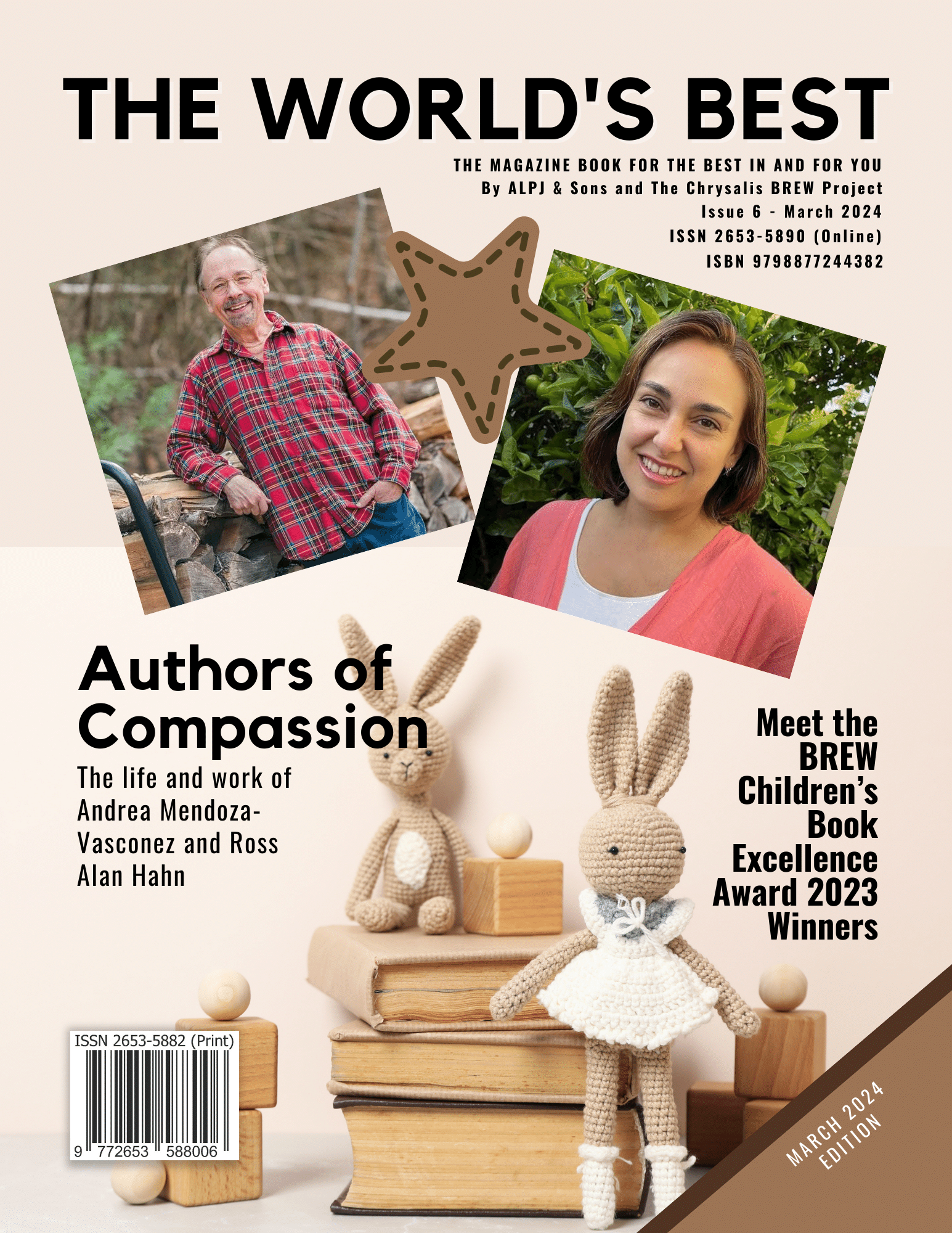
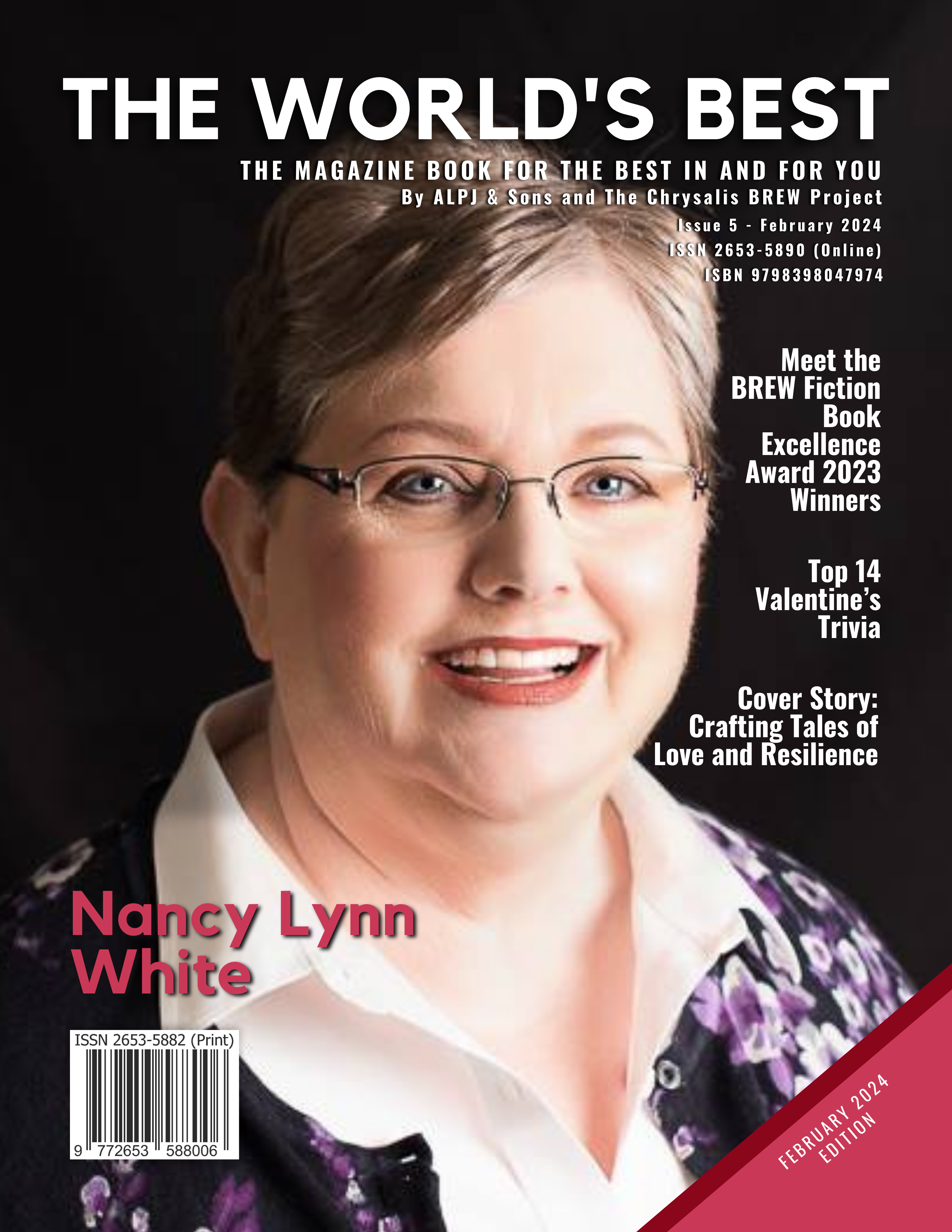
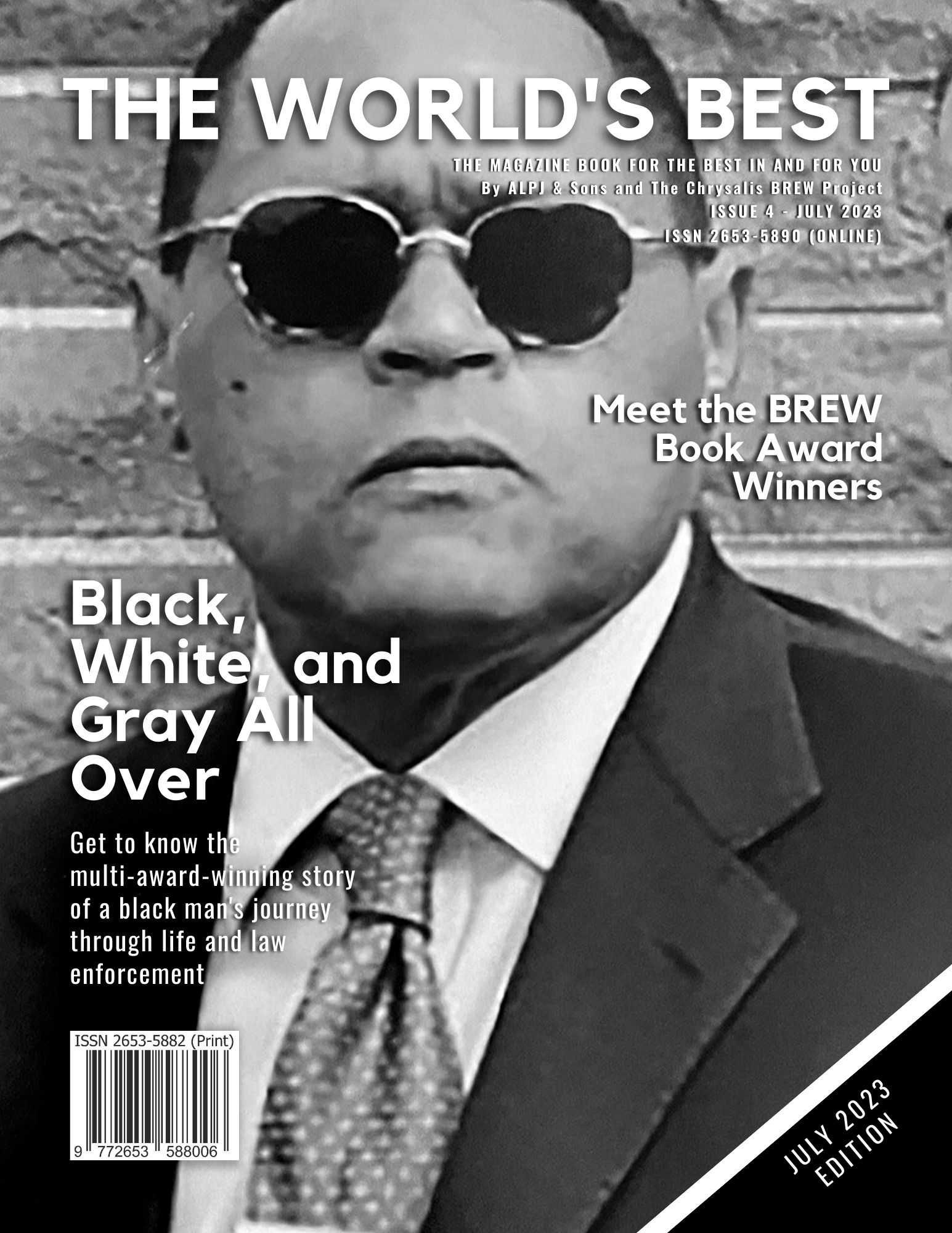
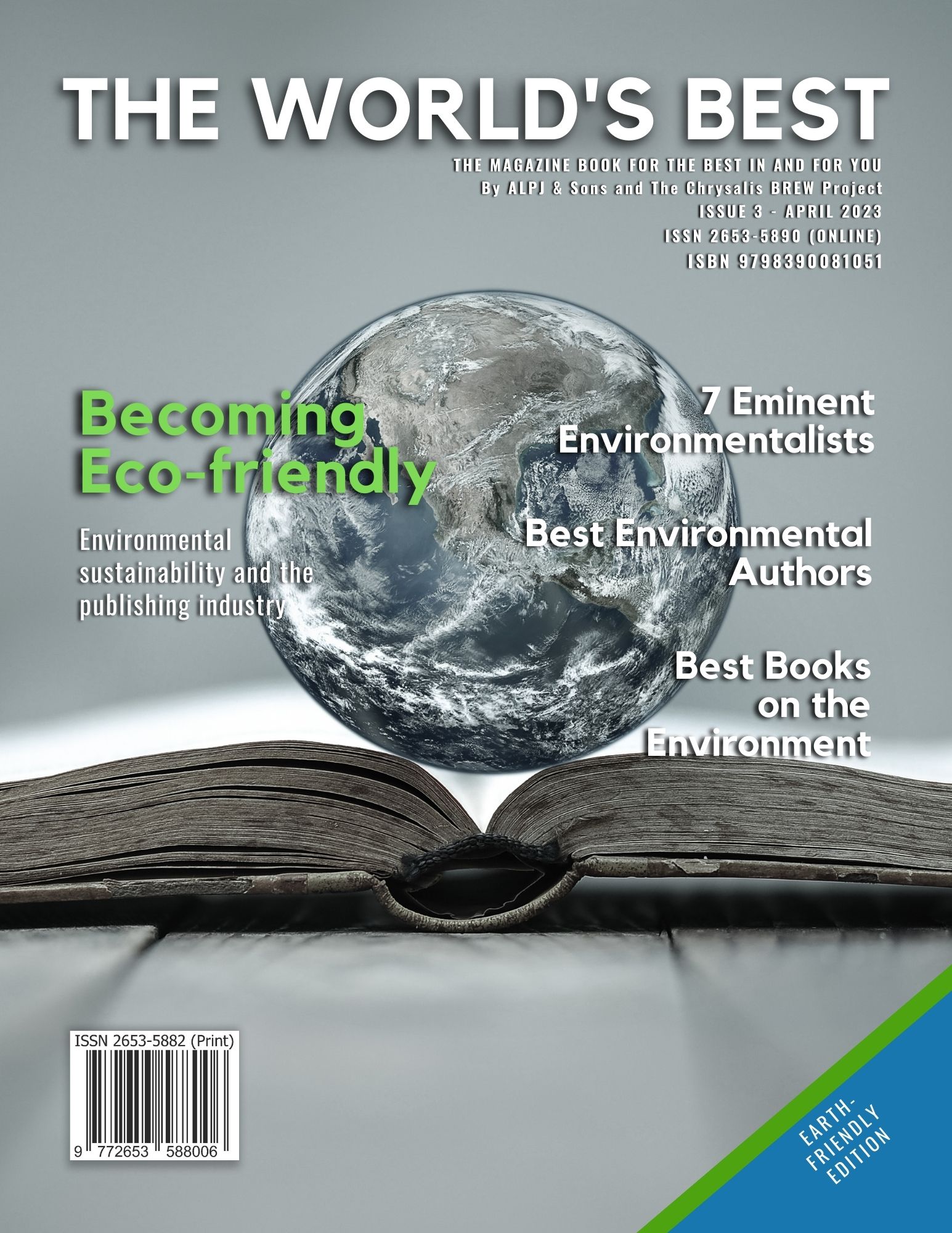

Don’t just read about greatness. Own it!

About Us
The World’s Best Magazine is a print and online publication that highlights the extraordinary. It is your passport to a universe where brilliance knows no bounds. Celebrating outstanding achievements in various fields and industries, we curate and showcase the exceptional, groundbreaking, and culturally significant. Our premier laurels, The World’s Best Awards, commend excellence through a unique process involving subject matter experts and a worldwide audience vote. Explore with us the pinnacle of human achievement and its intersection with diversity, innovation, creativity, and sustainability.
We recognise and honour the Traditional Owners of the land upon which our main office is situated. We extend our deepest respects to Elders past, present, and emerging. We celebrate the stories, culture, and traditions of Aboriginal and Torres Strait Islander Elders from all communities who also reside and work on this land.
Disclaimer: The World’s Best does not provide any form of professional advice. All views and opinions expressed in each post are the contributor’s own. Whereas we implement editorial policies and aim for content accuracy, the details shared on our platforms are intended for informational purposes only. We recommend evaluating each third-party link or site independently, as we cannot be held responsible for any results from their use. In all cases and with no exceptions, you are expected to conduct your own research and seek professional assistance as necessary prior to making any financial, medical, personal, business, or life-changing decisions arising from any content published on this site. All brands and trademarks mentioned belong to their respective owners. Your continued use of our site means you agree with all of these and our other site policies, terms, and conditions. For more details, please refer to the links below.
About | Advertise | Awards | Blogs | Contact | Disclaimer | Submissions | Subscribe | Privacy | Publications | Terms | Winners
The World’s Best: A Magazine That’s All About What’s Great | theworldsbestmagazine.com | Copyright ⓒ 2022-2026
Let’s connect
Discover more from The World's Best
Subscribe to get the latest posts sent to your email.

 The World's Best
Very nice
LikeLike