
“Kids don’t need a TED Talk—they need a story that gives them language for what they’re feeling.”
-Keith Stoeckeler
Editor’s Note: The following feature includes discussion of children’s self-expression, identity, and individuality as explored through storytelling. While the content is lighthearted and suitable for general audiences, parents and educators may wish to preview for themes involving peer acceptance and emotional development.
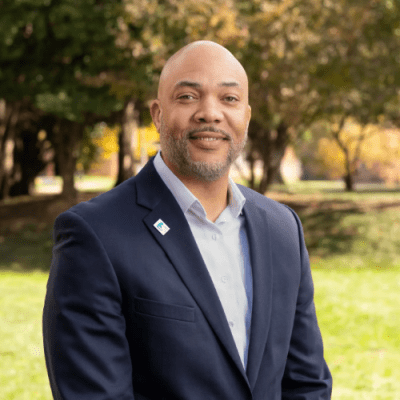
Keith, thank you for taking time for this conversation. To begin, please introduce yourself in your own words—tell us what you do, a bit about your background, and what your creative or professional focus is these days.
I’m Keith. I run a creative studio called Heartlent Group, where we make content for brands, sports teams, and media companies. Think videos, campaigns, animation—the stuff that fills your feed and hopefully makes you pause for more than half a second.
In 2023, I wrote my first children’s book, The Sparkly Bun. It wasn’t part of some lifelong plan to enter kid lit, but I did love the idea of making something physical that could be a lasting gift for my two kids.
Creative focus these days? Telling stories that connect. Whether it’s through content we make at the agency or (maybe) another kids’ book, I like things with heart, some humor, and a little spark people remember.
The Sparkly Bun is delightfully whimsical but also incredibly real in its themes. Can you walk us through the origin of the story? What inspired you to center the narrative around a character who dresses as a sparkly hamburger bun?
Honestly, it started with a single idea: how do I make a prevalent theme for kids stand out? Taking the “clothes” entirely out of the equation and combining my lifelong love of cheeseburgers led me to an idea: what if, instead of “clothes,” it was different burgers, buns, and toppings? I couldn’t shake it. From there, it spiraled into a story about self-expression, rejection, and one resilient bun.
It’s whimsical because that’s what I like. But underneath the sparkle, there’s a message about identity and acceptance.
Your book encourages children to adopt individuality, even when facing pressure to blend in. From your perspective, why is it so important to nurture confidence and imagination during early childhood?
Because the world tries to flatten that stuff out of you pretty quickly.
If a kid feels free to be themselves, to be creative, dream big, dress wild, and speak up, they’re building muscles for life. Not just creative ones, but emotional ones as well. Imagination leads to empathy. Confidence helps them bounce back when someone tells them their idea is “too much.”
The Sparkly Bun was recently honored as a winner of a BREW Book Award from The Chrysalis BREW Project. Can you share what this recognition means to you and how it fits into your broader journey as a writer?
It’s very cool. I wrote The Sparkly Bun primarily for fun, a gift for my kids and a total surprise to everyone I know, including my wife and kids! There was no expectation of accolades. It’s pretty nice to see something I created has meant something to people.
If you’ve received other recognitions or awards, would you mind sharing them with us? And what role does recognition—whether formal or informal—play in motivating your work or affirming your creative direction?
The book has garnered numerous awards and honors, which is excellent. But the best recognition? A parent messaging me to say their kid asked to read it three nights in a row. Or a teacher saying the book sparked a discussion in class about being different. Or my kids saying the book is not available in their school library because kids keep checking it out one after the other!
Awards are nice. But if the book sparks a good conversation or a laugh at bedtime, that’s the real win.
Storytelling for children often involves simplifying big ideas into accessible moments. How do you approach writing stories that are both fun and meaningful, without becoming overly didactic or predictable?
I don’t think you need to dumb anything down. Kids are sharp. I think kids want a story that makes sense and doesn’t lecture them.
I use humor, rhythm, and strong creative illustrations and visuals to convey the message. If it feels like an adult is standing at the front of the room giving a speech, it’s not going to land. But if a sparkly bun is dancing across the page and kids are laughing, you’ve got a shot at planting something deeper.
Your book touches on peer acceptance, creativity, and self-expression—topics that can support inclusive thinking in children. Have you had experiences where your writing opened up conversations around celebrating differences? What feedback have you received from families, educators, or young readers?
Yes, and that’s been one of the best parts.
I’ve had parents tell me that their kids saw themselves in the story or felt braver for being “a little different” after reading it. Some classrooms used it to talk about identity and acceptance without making it too heavy.
Kids don’t need a TED Talk. They need a story that gives them language for what they’re feeling. That’s what I hoped this book might do, and it’s cool to see it happening.
Children’s literature can influence habits of empathy and imagination. Are there any particular books or authors that influenced you in that regard—especially ones that shaped how you think about storytelling for younger audiences?
Shel Silverstein. Funny, strange, and a little emotional around the edges.
However, it was more about reading different books to my kids at bedtime and noticing how they were all approached in terms of writing, length, cadence, and visual elements. Making mental notes of what I liked, what I thought didn’t work particularly well, and what I might consider if I wrote my book.
Many creative professionals are finding new ways to contribute to sustainability and inclusive thinking through their work. Is there any way your creative process, publication choices, or messaging supports these ideas—directly or indirectly?
I didn’t set out with a checklist, but the themes are naturally inclusive. The book is about being different and still feeling a sense of belonging. It doesn’t scream “message,” but it leans into that space.
For many reasons, a print-on-demand solution was the best choice for me. However, in terms of sustainability, it maintained tight print runs and avoided unnecessary waste. I also decided against glitter (the real kind).
Looking ahead, what are you most excited about in your creative work? Are there new stories, projects, or themes you hope to explore next—and what keeps you motivated to write for young readers in today’s world?
My kids are watching. That’s a pretty good reason to keep creating.
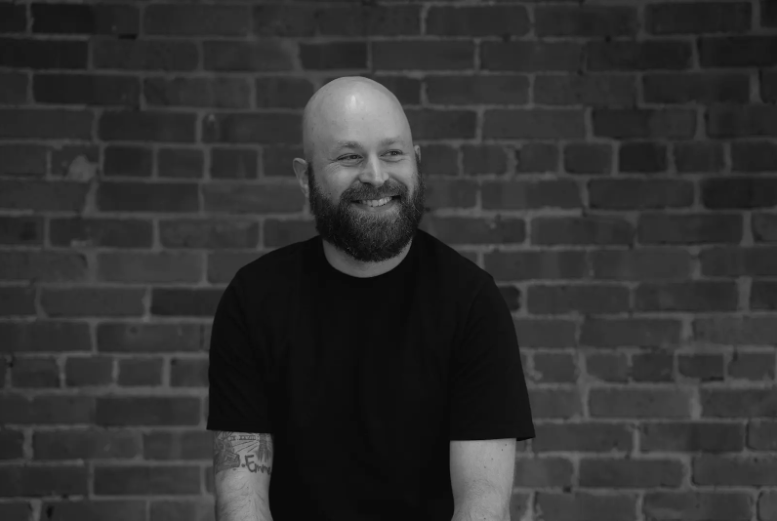
If you were to write your bio in your own words, what would you say? What legacy do you hope to leave?
Keith Stoeckeler (stĕk‑lər)
Founder & Head of Strategy + Operations, HEARTLENT Group • Author, The Sparkly Bun
Keith is a storyteller at his core. He spent nearly two decades at top ad firms, including Dentsu, IPG, Omnicom, and Publicis, leading strategy and creative for blue-chip brands such as AT&T, Citi, Harley-Davidson, IBM, Procter & Gamble, and Subaru.
In 2020, he launched HEARTLENT Group, a nimble creative studio that thrives in fast-paced environments, delivering brand campaigns, video, animation, and social content under tight deadlines.
In 2023, Keith combined his passion for cheeseburgers and typography by writing The Sparkly Bun, a children’s book about Emme, his daughter. As the book’s protagonist, Emme is a child who confidently wears a sparkly hamburger bun she designed herself to school.
The book resonated widely. It earned the Chrysalis BREW Book Award, Gold from Readers’ Favorite, two Purple Dragonfly Awards, a Difference Maker Award, and a Book Excellence Award, amongst others. It garnered glowing reviews on Amazon, Goodreads, NetGalley, and blogs—praised for its humor, heart, and clever message on individuality.
Local media praised Keith’s work. News 12 Connecticut featured him for his back-to-school message: “Be yourself and be kind”
Parents and educators report that the book sparks meaningful conversations about self‑esteem in classrooms and homes.
Keith lives in Fairfield, Connecticut, with his wife, Jessica, and their two children, Emme and Arlo. He wants to be remembered as someone who built with heart and talent. Whether turning around a creative campaign in 48 hours or encouraging a child to embrace their individuality, he aims to leave a sense of possibility behind. He hopes his work inspires others—young or old—to take a creative leap. You never can predict where it will take you.
Links:
Readers’ Favorite Review
LBB Online Feature
Amazon Author Page
Purple Dragonfly Award Winners
⭐⭐⭐⭐⭐
“My kids are watching—that’s a pretty good reason to keep creating.”
-Keith Stoeckeler
Share Your Insights
We’d love to hear your thoughts. Join the conversation in the comments:
- What stories helped you or your children feel seen?
- How do you encourage creativity and individuality at home or in the classroom?
- What makes a children’s book truly memorable for you?
Alignment with the UN SDGs
- SDG 4: Promotes inclusive, quality education through storytelling.
- SDG 10: Encourages acceptance and reduced inequality.
- SDG 12: Supports sustainable publishing via print-on-demand.
Other Highlights

Looking for something?
Type in your keyword(s) below and click the “Search” button.
Helpful Shortcuts
More Stories
















Print and Digital Magazine
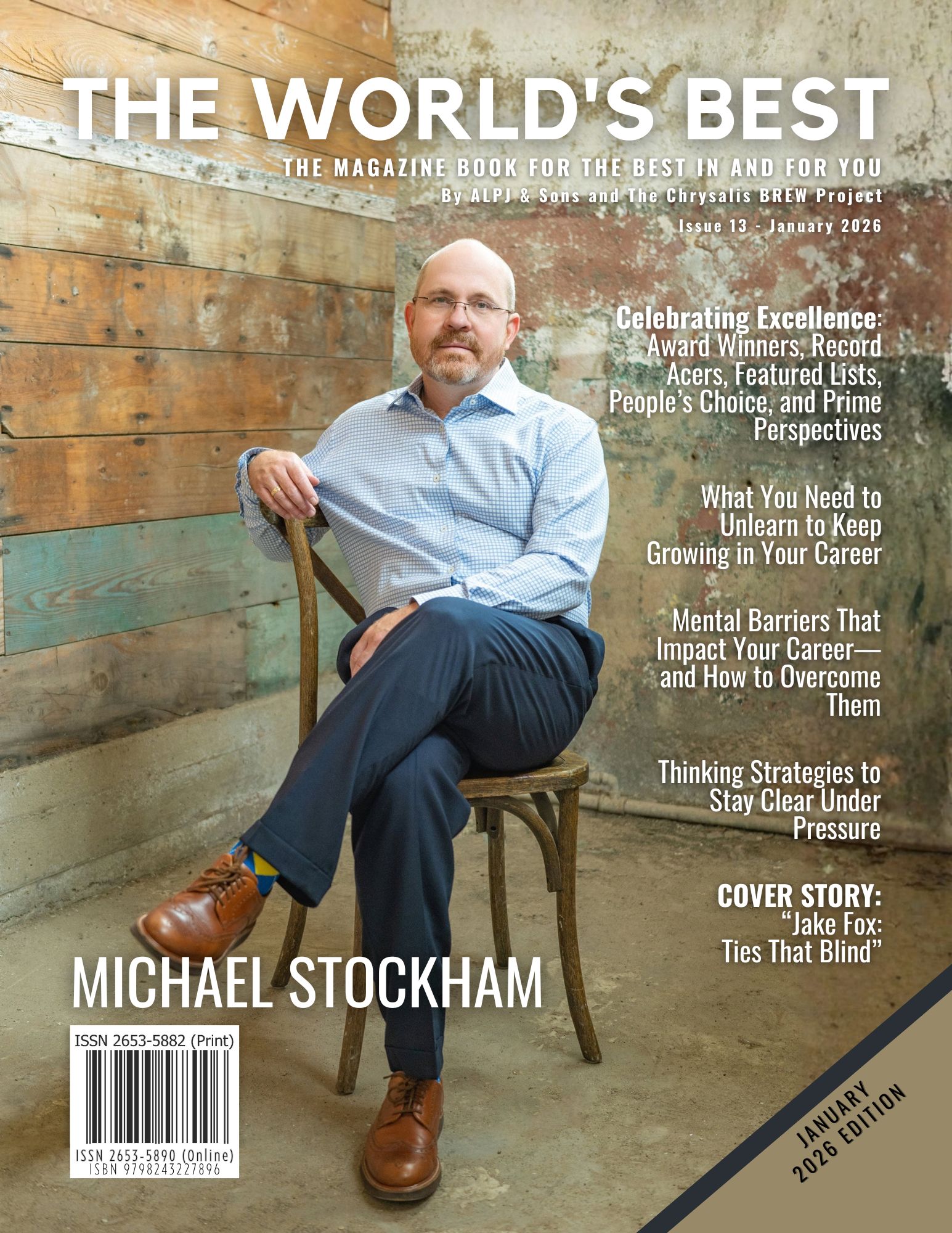
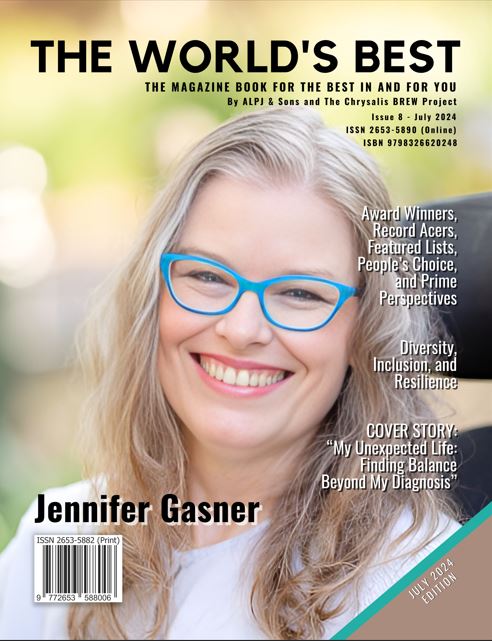
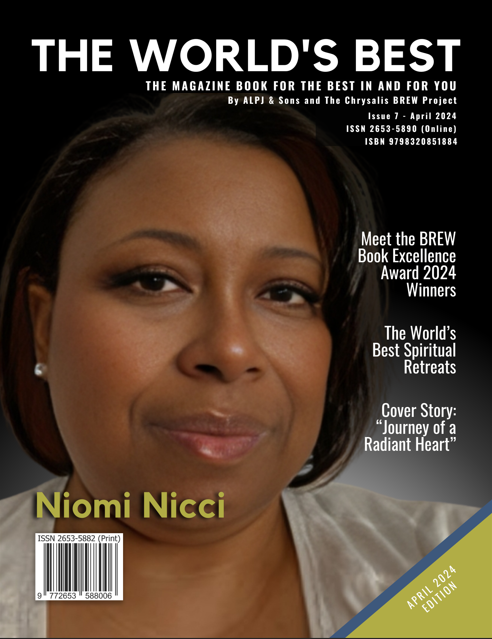
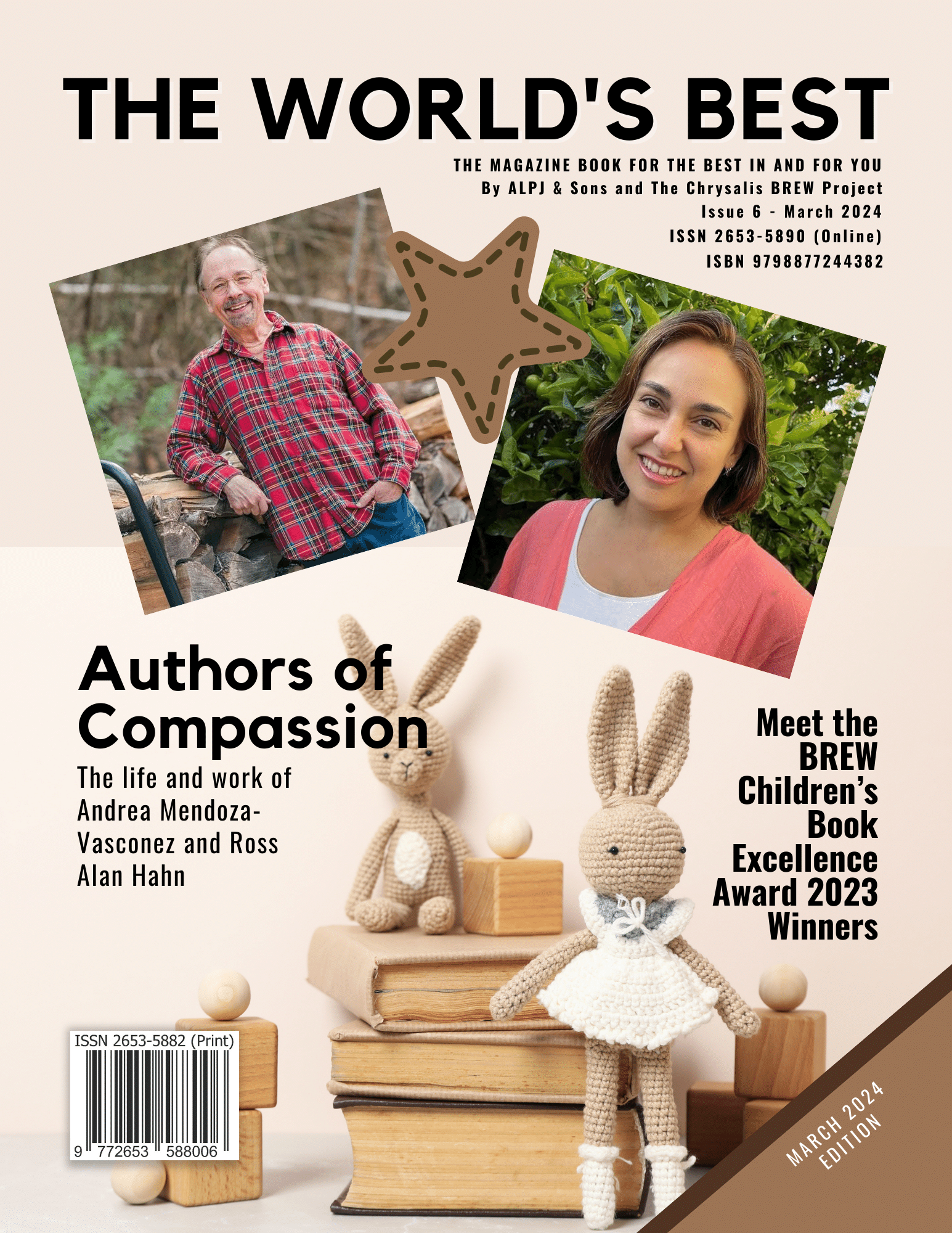
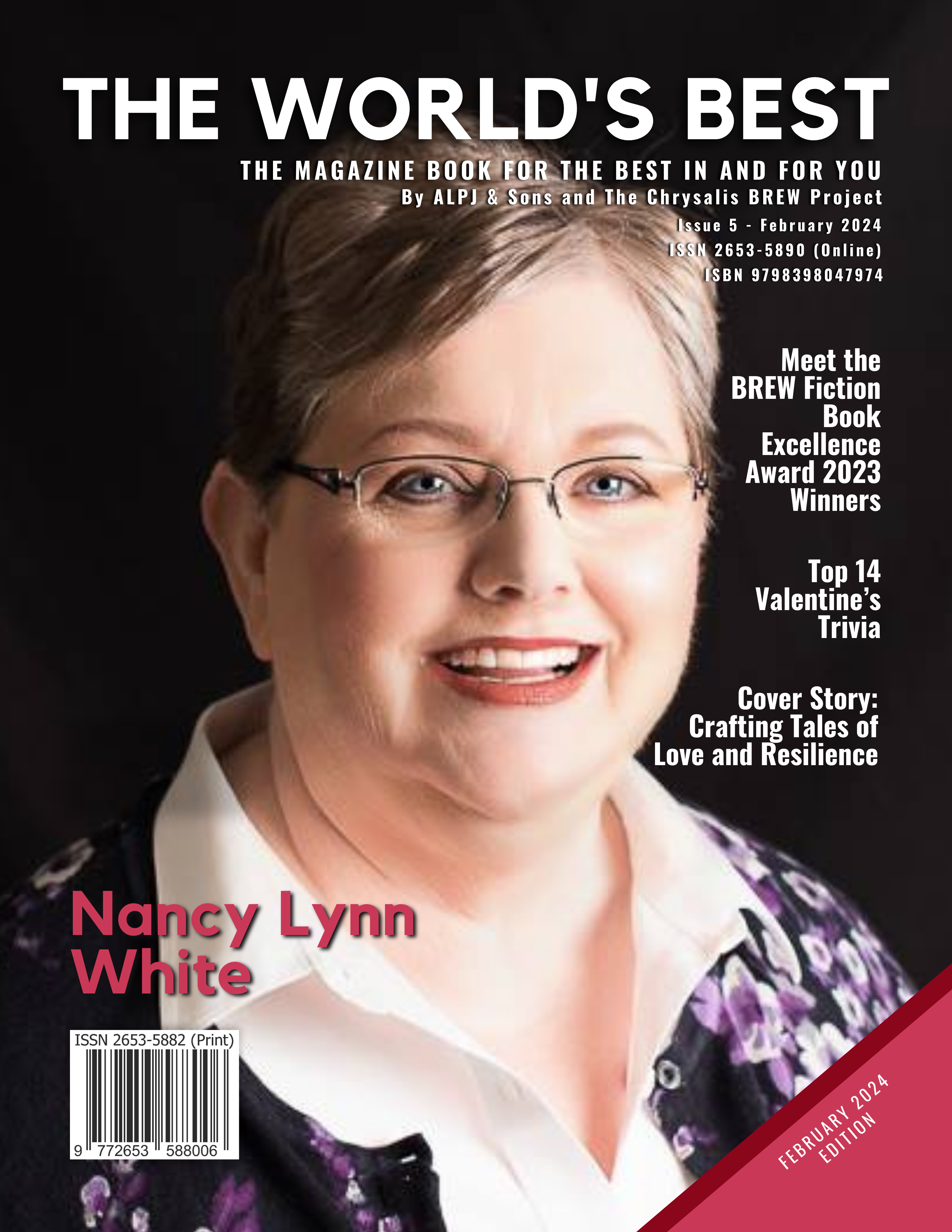

Don’t just read about greatness. Own it!

About Us
The World’s Best Magazine is a print and online publication that highlights the extraordinary. It is your passport to a universe where brilliance knows no bounds. Celebrating outstanding achievements in various fields and industries, we curate and showcase the exceptional, groundbreaking, and culturally significant. Our premier laurels, The World’s Best Awards, commend excellence through a unique process involving subject matter experts and a worldwide audience vote. Explore with us the pinnacle of human achievement and its intersection with diversity, innovation, creativity, and sustainability.
We recognise and honour the Traditional Owners of the land upon which our main office is situated. We extend our deepest respects to Elders past, present, and emerging. We celebrate the stories, culture, and traditions of Aboriginal and Torres Strait Islander Elders from all communities who also reside and work on this land.
Disclaimer: The World’s Best does not provide any form of professional advice. All views and opinions expressed in each post are the contributor’s own. Whereas we implement editorial policies and aim for content accuracy, the details shared on our platforms are intended for informational purposes only. We recommend evaluating each third-party link or site independently, as we cannot be held responsible for any results from their use. In all cases and with no exceptions, you are expected to conduct your own research and seek professional assistance as necessary prior to making any financial, medical, personal, business, or life-changing decisions arising from any content published on this site. All brands and trademarks mentioned belong to their respective owners. Your continued use of our site means you agree with all of these and our other site policies, terms, and conditions. For more details, please refer to the links below.
About | Advertise | Awards | Blogs | Contact | Disclaimer | Submissions | Subscribe | Privacy | Publications | Terms | Winners
The World’s Best: A Magazine That’s All About What’s Great | theworldsbestmagazine.com | Copyright ⓒ 2022-2026
Let’s connect
Discover more from The World's Best
Subscribe to get the latest posts sent to your email.

 The World's Best
One thought on “Keith Stoeckeler on Writing for Young Minds: Imagination, Impact, and the Spark of Storytelling”