
“Heartfelt gratitude to be recognized that my stories/writings can have a positive impact on my readers.”
– Zivile Cecilia Brubeck
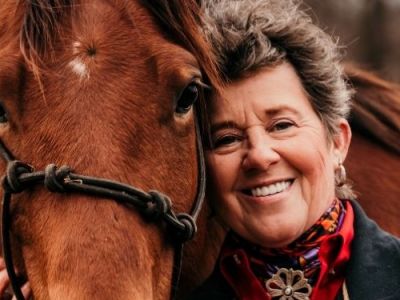
Sammy the Flying Squirrel, Brubeck’s critically acclaimed debut novel, marked the beginning of her writing career. She explores the subtleties of being misinterpreted in further detail in Thomas the Terrible Tomcat Needs a Friend, a tale that appeals to readers of all ages. A lonely and scarred tomcat named Thomas sets out on a trip that shows how love and connection can soften even the hardest hearts.
Through this lens of empathy and friendship, Brubeck continues to celebrate the unseen and overlooked, inviting readers to reflect on the power of human connection. Her heartfelt gratitude for being able to make a positive impact on her readers serves as the foundation for her work, as she continues to craft stories that resonate with children and families alike.
TWB: Congratulations on winning the BREW Children’s Book Excellence Award 2024 for Thomas the Terrible Tomcat Needs a Friend! How does it feel to have your work recognized in this way?
ZCB: Regarding your first question about how I feel having Thomas the Terrible Tomcat Needs a Friend winning the BREW Children’s Book Excellence Award for 2024, I feel “heartfelt gratitude to be recognized that my stories/writings can have a positive impact on my readers.”
TWB: Your book beautifully explores themes of acceptance and the power of kindness. What inspired you to tell Thomas’s story in this way?
ZCB: Having taught kindergarten many years ago to help pay for college and having six grandchildren—spending numerous hours reading to them—was a remarkable experience. Seeing a story light up their imagination would encourage talking and sharing their thoughts on accepting others as they are, and showing kindness and understanding about our differences.
TWB: Thomas is a one-eyed, battle-scarred tomcat who faces life with a tough exterior. How did you develop his character, and what message do you hope young readers take away from his journey?
ZCB: Thomas started out as an outcast, looking on from a distance and being unhappy, in my first book Sammy the Flying Squirrel Who Was Afraid to Fly. He was misunderstood because of how scary he looked. No one bothered to try to get to know him. Everyone smaller than Thomas stayed away from him because they were afraid. Thomas, to me, was a non-threatening way to develop the concept—how someone looks shouldn’t be how they are defined. Thomas’s story needed to be told because he didn’t want to be one-dimensional, and he was lonely.
TWB: Fiona, The Spirited Fox, plays a crucial role in helping Thomas open his heart to friendship. What can you tell us about her character and the importance of her role in the story?
ZCB: In a group of children, there’s always one who’s a leader, free-spirited, generous, and kind. Fiona personified the best there is in us. Fiona is open, friendly, and encompasses everyone. She gets others to join in.
TWB: As a former kindergarten teacher with a master’s degree in psychology, how do your professional experiences influence the themes and characters in your books?
ZCB: As a former Kindergarten teacher, then later obtaining an M.A. in psychology, observing and interacting not only with my students but more recently with my grandchildren over the past years showed me that it was less threatening to talk about difficult subjects in story form, in an entertaining way, with subtle lessons to be learned. It’s so much harder being a kid in today’s world.
TWB: Your writing has been praised for its fluid and descriptive style, creating emotionally resonant scenes. Can you share your process for crafting these vivid and engaging narratives for children?
ZCB: Thank you for saying that my writing is fluid and descriptive. My imagination is quite active, and there are stories and animals tumbling around in my mind that want to come alive in a story. First come the animals, then their names, and then what story needs to be told.
TWB: The book touches on serious themes but does so in a way that is accessible to children. What challenges do you face when addressing complex issues in your stories, and how do you overcome them?
ZCB: The challenges include how to address complex issues while staying true to the story and conflicts, all while writing in such a way that the story would capture a child’s imagination and the lessons to be learned in a subtle way.
TWB: You mentioned the potential for exploring the backstories of supporting characters in future works. Can you give us a glimpse into your thoughts on expanding the world of Thomas the Terrible Tomcat Needs a Friend?
ZCB: Basing the majority of the story in a forest gives me a treasure trove of ways to explain different topics through the eyes of the forest dwellers. By not being specific as to where the forest is, I can introduce many different animals who can live there.
TWB: Your debut book, Sammy the Flying Squirrel, won four prestigious awards. How did the success of your first book influence your approach to writing Thomas the Terrible Tomcat Needs a Friend?
ZCB: Sammy the Flying Squirrel was alive in my imagination and needed to be shared. You know how you feel after you read a book and say to yourself, “That was really good,” or “I can do better than that.” After I wrote Sammy, I thought it could be good. Then it won four awards, which had me thinking, “How could I write anything else that could measure up to it?” But Thomas was there, saying, “My story needs to be told also!” So, after at least 12 rewrites, he came to life.
TWB: Looking ahead, what new themes or stories are you excited to explore in your future books? Are there any upcoming projects you can share with us?
ZCB: Right now, there are several critters that pop into my mind when I can’t sleep. They’re clamoring to share their stories, and each one wants to be next. To name a few: Timmy the Timid Turtle and his friend Tara Turtle; Gerti the Gangly, Gawky, and Confused Goose and her friend Danny the Dashing Dandy Duck. It’ll be interesting to see who shows up next, since it takes me about two years to put it all together.
⭐⭐⭐⭐⭐
“It’ll be interesting to see who shows up next, since it takes me about two years to put it all together.”
– Zivile Cecilia Brubeck
Useful Links
- Read the full book review of Thomas the Terrible Tomcat Needs a Friend.
- Know more about the BREW Book, Blog, and Poetry Awards.
Share Your Insights
We’d love to hear your thoughts on Zivile Cecilia Brubeck’s journey and her approach to children’s literature. Join the conversation by sharing your comments below!
- How do you think kindness and acceptance in children’s books can impact young readers?
- What qualities do you believe make a character like Thomas relatable to children?
- Have you ever read a story that changed the way you see others? What was it, and why?
Alignment with the UN SDGs
Zivile Cecilia Brubeck’s work, particularly through her novel Thomas the Terrible Tomcat Needs a Friend, embodies values and themes that align with several UN Sustainable Development Goals (SDGs). Here’s how her storytelling contributes to these goals:
- Quality Education (SDG 4)
Brubeck’s emphasis on teaching empathy, acceptance, and kindness in children’s literature promotes a holistic approach to education. Her stories encourage critical thinking and emotional development, enhancing young readers’ understanding of complex social issues through accessible narratives. - Reduced Inequalities (SDG 10)
By focusing on themes of acceptance and friendship, Brubeck’s narratives help challenge stereotypes and societal norms that contribute to inequality. Her character Thomas, a misunderstood tomcat, exemplifies how literature can address feelings of exclusion and promote inclusivity, encouraging children to appreciate diversity. - Gender Equality (SDG 5)
The representation of strong, supportive characters, like Fiona the fox, reinforces positive gender roles and equality. Brubeck creates female characters who are kind, empathetic leaders, promoting gender equality and empowering young readers to recognize the strength in diverse perspectives. - Sustainable Cities and Communities (SDG 11)
Through her stories, Brubeck cultivates a sense of community and belonging among her characters. By addressing themes of connection and friendship, her work fosters social cohesion and encourages children to build supportive environments in their communities. - Partnerships for the Goals (SDG 17)
Brubeck’s collaborative approach as a former educator and child psychologist reflects the importance of partnerships in achieving broader educational goals. Her storytelling connects families, educators, and children, fostering a community of support and shared learning experiences. - Good Health and Well-Being (SDG 3)
The themes of kindness and empathy in Brubeck’s books contribute to emotional well-being. By exploring emotional and psychological themes through relatable characters, her stories can help children navigate their feelings, promoting mental health and resilience.
In summary, Zivile Cecilia Brubeck’s children’s literature not only provides engaging stories but also serves as a vital tool for fostering essential social values. By embedding themes of kindness, empathy, and acceptance in her work, she contributes to the broader objectives of the UN Sustainable Development Goals, encouraging young readers to embrace diversity and cultivate understanding in their communities.
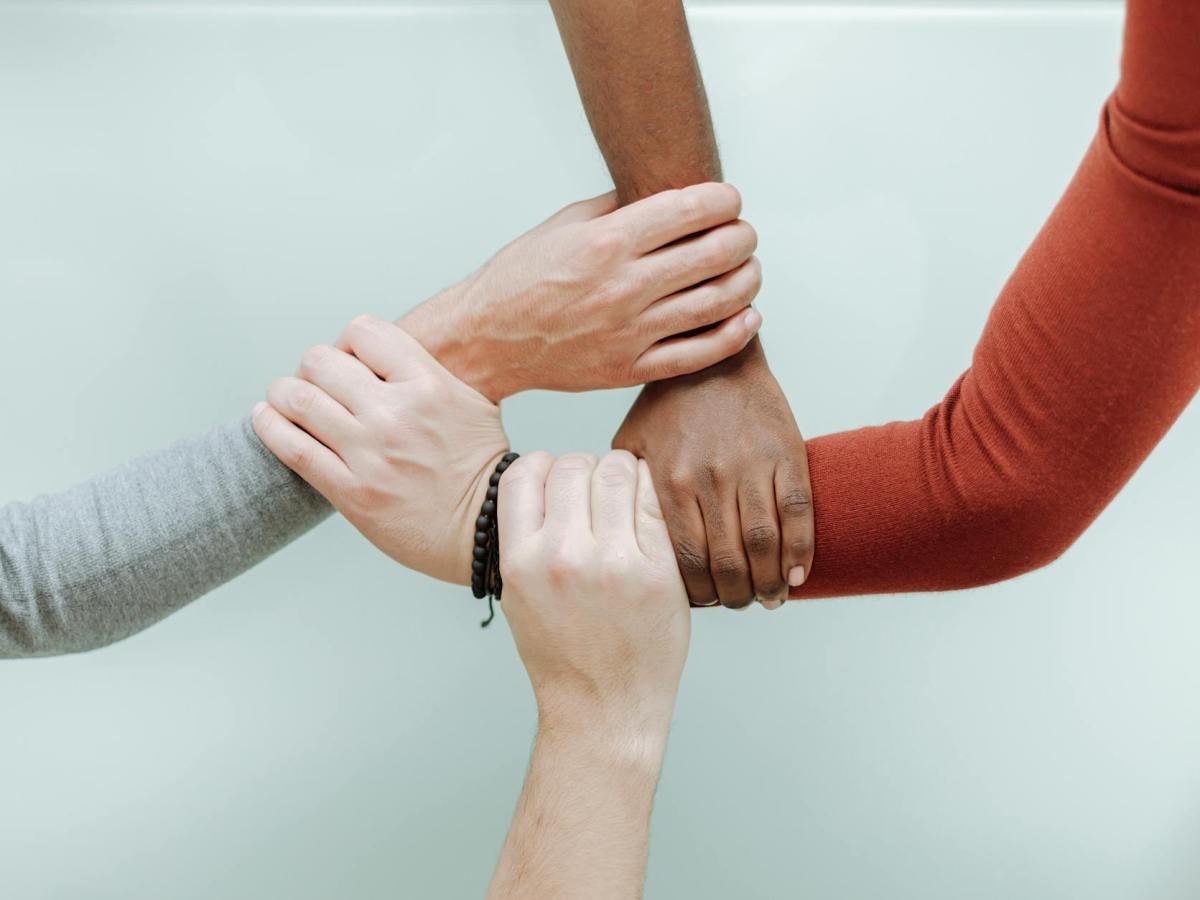
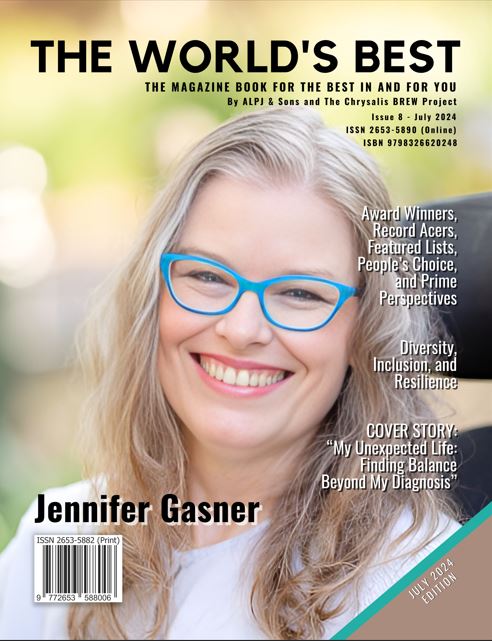
July 2024 marked a special milestone at The World’s Best Magazine as we proudly declare it as our Diversity, Resilience, and Inclusion Month. Throughout the month – and moving forward – we officially dedicate a special series of posts in our platform to celebrating the richness of diversity, the strength of resilience, and the power of inclusion.
Join us as we spotlight stories that showcase the myriad facets of diversity, from cultural heritage to individual identities. Through our features, we aim to amplify voices that demonstrate resilience in the face of adversity, inspiring others to persevere and thrive.
Moreover, we pledge to champion inclusion in all aspects of our work, ensuring that every story, perspective, and experience is welcomed and valued. By embracing diversity, resilience, and inclusion, we strive to foster a more equitable and compassionate world.
Let’s come together to honor the beauty of our differences, celebrate the triumphs of the human spirit, and reaffirm our commitment to building a society where everyone is seen, heard, and valued.
Related Posts





Something went wrong. Please refresh the page and/or try again.
Other Highlights

Looking for something?
Type in your keyword(s) below and click the “Search” button.
Helpful Shortcuts
More Stories
















Print and Digital Magazine

Don’t just read about greatness. Own it!

About Us
The World’s Best Magazine is a print and online publication that highlights the extraordinary. It is your passport to a universe where brilliance knows no bounds. Celebrating outstanding achievements in various fields and industries, we curate and showcase the exceptional, groundbreaking, and culturally significant. Our premier laurels, The World’s Best Awards, commend excellence through a unique process involving subject matter experts and a worldwide audience vote. Explore with us the pinnacle of human achievement and its intersection with diversity, innovation, creativity, and sustainability.
We recognise and honour the Traditional Owners of the land upon which our main office is situated. We extend our deepest respects to Elders past, present, and emerging. We celebrate the stories, culture, and traditions of Aboriginal and Torres Strait Islander Elders from all communities who also reside and work on this land.
Disclaimer: The World’s Best does not provide any form of professional advice. All views and opinions expressed in each post are the contributor’s own. Whereas we implement editorial policies and aim for content accuracy, the details shared on our platforms are intended for informational purposes only. We recommend evaluating each third-party link or site independently, as we cannot be held responsible for any results from their use. In all cases and with no exceptions, you are expected to conduct your own research and seek professional assistance as necessary prior to making any financial, medical, personal, business, or life-changing decisions arising from any content published on this site. All brands and trademarks mentioned belong to their respective owners. Your continued use of our site means you agree with all of these and our other site policies, terms, and conditions. For more details, please refer to the links below.
About | Advertise | Awards | Blogs | Contact | Disclaimer | Submissions | Subscribe | Privacy | Publications | Terms | Winners
The World’s Best: A Magazine That’s All About What’s Great | theworldsbestmagazine.com | Copyright ⓒ 2022-2026
Let’s connect
Discover more from The World's Best
Subscribe to get the latest posts sent to your email.

 The World's Best
I love the alliteration! The message is important for kids and adults alike, and I think we all respond to stories. Great interview!
LikeLike