
“When you see a need in your community, take steps to address it. Don’t wait for someone else to act – because it might never happen.”
– Judge Hiram E. Puig-Lugo
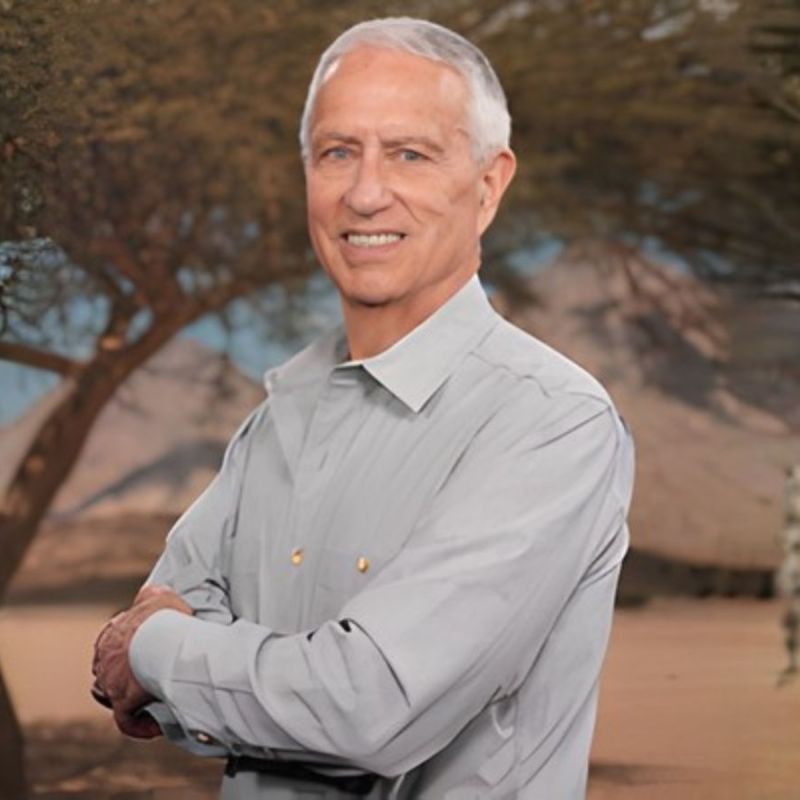
Hon. Judge Hiram E. Puig-Lugo has built a career focused on advancing fairness, equity, and inclusion within the judicial system. His early life, marked by his move from San Germán, Puerto Rico, to Troy, New York, exposed him to cultural and linguistic diversity and shaped a lifelong interest in understanding and representing under-served communities.
After earning his law degree at the University of Wisconsin, Judge Puig-Lugo worked with the Public Defender Service in Washington, D.C., representing individuals from a wide range of backgrounds. He later served as a trial attorney for the U.S. Department of Justice Civil Rights Division and, as a judge in the Superior Court of the District of Columbia, helped establish the Commercial Sexual Exploitation of Children (CSEC) Working Group and Hope Court.
As past president of the National Council of Juvenile and Family Court Judges (NCJFCJ) and throughout his career, Judge Puig‑Lugo has focused on strategies and programs to improve the judicial system’s accessibility, responsiveness, and fairness. In this interview, he reflects on the personal experiences, career milestones, and ongoing challenges that have shaped his approach to justice.
TWB: What early experiences or influences in your life shaped your passion for promoting diversity and inclusion within the legal system?
JHEPL: I began to develop an interest in diversity and a respect for different cultures at a young age.
I was born in San Germán, Puerto Rico. When I was nine years old, my family moved to Troy, New York. Overnight, I went from a society where everyone shared a common culture, to a world where classmates and friends came from diverse backgrounds and places. I was curious to learn about their different communities, but since I did not speak English well, I read as much as I could to understand their cultures and their histories.
The period was also a time of social ferment. As a child, I read and saw reports about the Young Lords and the Black Panthers. I followed news about the Vietnam War on television and in print. I also experienced the prejudice and rancor we Puerto Ricans encountered at the time.
My interest in diversity and inclusion focused on the legal system while I attended law school at the University of Wisconsin. I was fortunate to participate in a clinical program representing indigent persons charged with criminal offenses. As student attorneys, we were assigned some 20-30 misdemeanor and traffic cases at a time. Most of my clients came from diverse backgrounds. I needed to understand who they were and the challenges they faced to provide them with proper legal representation.
This process continued after law school when I joined the Public Defender Services for the District of Columbia in 1988. For eight years I represented adults and juveniles who came from different communities. Many clients came from Central America fleeing civil wars in their countries. Other clients struggled with the legacy of slavery in the United States. Seeing their challenges underscored the need for legal institutions, and for those who work in them, to better understand and to reflect the different communities which compose American society.
TWB: Can you highlight key milestones in your career that underscore your commitment to advancing diversity, inclusion, and resilience in the judiciary?
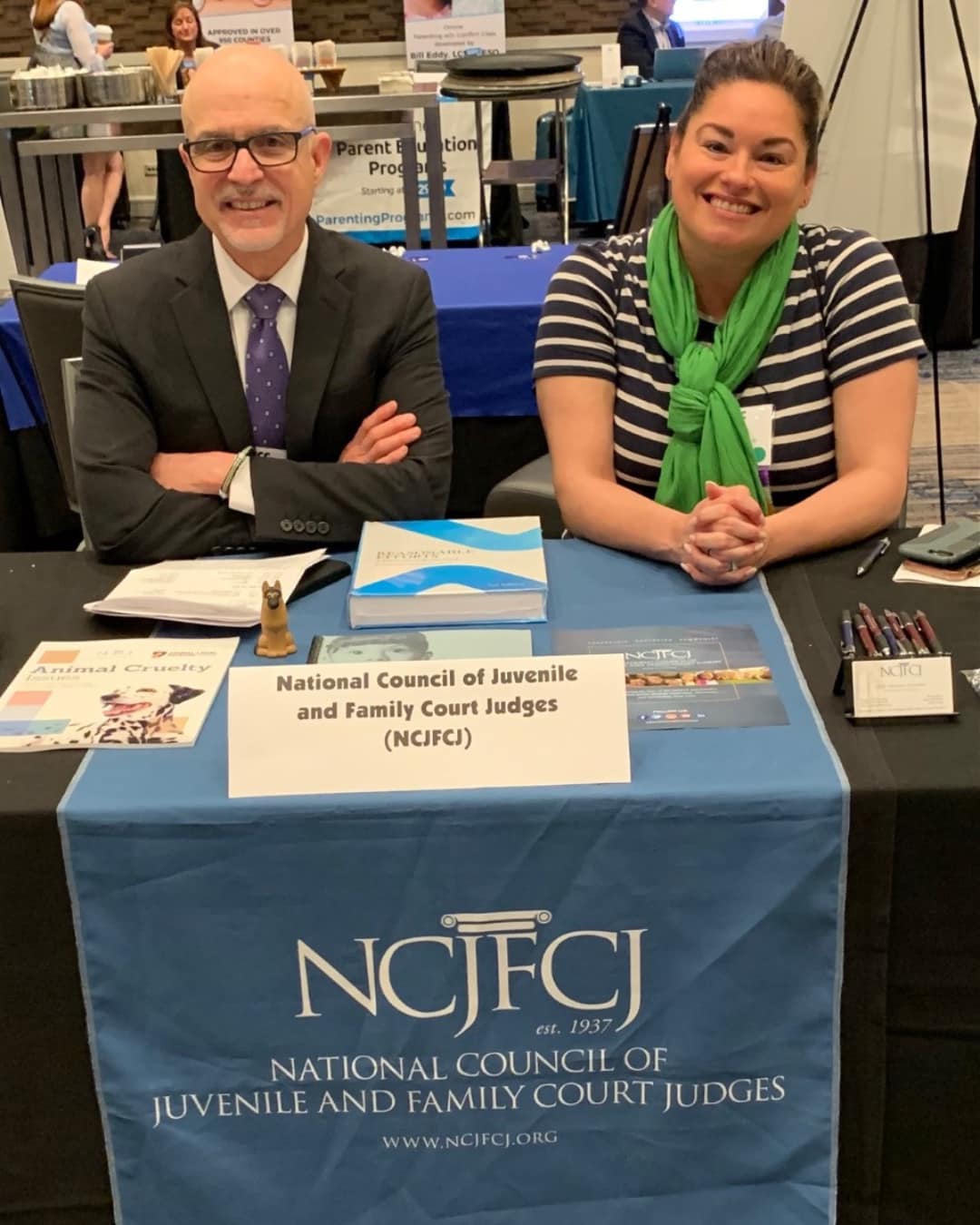
JHEPL: The National Council of Juvenile and Family Court Judges (NCJFCJ) has provided me with a space to work with other legal professionals to advance diversity, inclusion, and resilience in the judiciary.
The NCJFCJ is a wonderful organization committed to training and assisting court professionals to address juvenile delinquency, child welfare, family violence, domestic relations, and child sex trafficking cases in ways which increase positive outcomes. We provide up-to-date information and best practices through conferences, workshops, webinars, and technical assistance, and valuable written resources such as bench books and bench cards on our website ncjfcj.org.
At the NCJFCJ, I also chaired the board’s Diversity Committee for about five years. The committee organized events to increase diversity in our membership and to educate members about the history and challenges of the diverse communities we serve. We also convened the DEI Collaborative, a conversation between 14 national legal organizations committed to improving the judiciary’s response in a multicultural world. It is a conversation which began in 2019 and continues to this day.
One of my personal highlights will occur on July 21-24, 2024, when the NCJFCJ 87th Annual Conference takes place on Gila River Indian Community lands. Holding a conference on tribal lands was an idea I shared with Joey Orduña Hastings, the NCJFCJ CEO, to strengthen our commitment to tribal courts and to support their efforts around the country. The idea took time to manifest, given conference cycles and the recent pandemic, but I am excited the concept is becoming a reality.
Finally, I served on the committee convened to develop and design the curriculum for the Domestic Child Sex Trafficking Institute, a training program the NCJFCJ offers around the country several times a year. The program is designed to increase awareness of child sexual exploitation and to provide judges with skills and tools to address the situation when they see it.
TWB: As the chair of the DEI Collaborative, can you describe some of the most impactful initiatives and their outcomes in promoting fairness and inclusion in the courts?
JHEPL: There have been two impactful outcomes from the dialogue we maintain within the DEI Collaborative.
First, we share information with one another about the events each group sponsors to promote fairness and inclusion in the courts. This exchange of information serves to multiply the audiences that each of us can reach through our separate diversity and inclusion initiatives.
Secondly, we serve as resources for each other in programs we organize to promote fairness and inclusion. For example, I am honored to have contributed to recent events which the National Association for Court Management, the Association of Family and Conciliation Courts, and the Academy of Court Appointed Neutrals, all DEI Collaborative members, have hosted to advance diversity work within their individual organizations.
In addition, the NCJFCJ specifically released its DEI Toolkit, “Improving Diversity, Equity, Inclusion, and Belonging through a Race Equity Lens: A Toolkit for Juvenile and Family Court Judges.” The toolkit is designed to equip juvenile and family court judges with effective strategies and tangible action plans for enhancing diversity, equity, inclusion, and belonging within the court system.
Our hope is that collaborative work and coordination will result in more focused action while expanding our collective reach.
TWB: How has your leadership in the Superior Court Judicial Education Committee helped in advancing diversity and inclusion among judges and court staff?
JHEPL: The role of the Superior Court Judicial Education Committee is to help judges, court administrators, and staff understand the communities we serve and to improve the services we offer. It is a responsibility the Committee assumed well before I became its chair. I simply stepped into the path my predecessors had set.
We have offered training programs to educate ourselves about the history of the African American community in the District of Columbia, the incarceration of Japanese Americans during the Second World War, the experiences of the diverse immigrant communities in our city, and the challenges which LGBTQ+ community members face. We have examined the history of race relations in the United States, how implicit bias can impact the decisions we make, how the German legal system was complicit in the Holocaust, and how poverty affects the way people engage with the challenges we encounter in daily life.
The educational process never ends. The Committee collaborates with the Courts Center for Education and Training to periodically revisit these issues and to explore new ones, as we experience personnel changes for judicial officers, administrators, and court staff.
TWB: Can you discuss the creation and impact of the Commercial Sexual Exploitation of Children (CSEC) Working Group in fostering resilience and support for vulnerable youth?
JHEPL: In 1996, I left the Public Defender Service to become a trial attorney with the U.S. Justice Department, Civil Rights Division, Criminal Section. There, I handled cases involving police brutality, hate crimes, and what at the time we knew as involuntary servitude – now called human trafficking.
I worked on a human trafficking case involving Chinese women of Korean ethnicity who were recruited under false pretenses to the Commonwealth of the Northern Mariana Islands for work as escorts in a karaoke bar. We indicted the perpetrators and assisted those women who wanted to emigrate to the United States with visas reserved for crime victims. The investigation exposed me to the complicated control dynamics used to recruit and to maintain persons in commercial sexual activity.
Years later I was the Deputy Presiding Judge of the Family Court. One of my duties was to handle a courtroom for youth who were habitually truant or who frequently ran away from home. Again, I saw many of the dynamics I had seen while working with indigent clients at the Public Defender Service, and with victims of sex trafficking at the Justice Department. I understood the court system could improve its response and offer youth better outcomes and undertook the initiative.
I reached out to different organizations and convened the CSEC Working Group. The group provided a space for representatives from the juvenile justice system, the child welfare system, the court system, the behavioral health system, law enforcement, medical professionals, prosecutors, attorneys, and community-based groups to meet each other, to support one another, and to develop a unified response.
As part of the project, we conducted a strategic planning process. We developed and implanted protocols to coordinate our efforts. We convened multidisciplinary treatment team meetings at the DC Children’s Advocacy Center to review individual cases and coordinate efforts. Through the Court Social Services Child Guidance Clinic and its wonderful team of mental health professionals, we developed the first validated risk assessment tool in the country to identify children at risk for sexual exploitation, the Sex-Trafficking Assessment Review (STAR).
The process took time and required persistent effort, but the CSEC Working Group led to the establishment of Hope Court, a courtroom designed to assist young people who have experienced, or are at risk of experiencing, commercial sexual exploitation to find support and services to assist them in creating better futures.
TWB: During your time as Presiding Judge of the Family Court, what strategies did you implement to ensure a more inclusive environment for all stakeholders?
JHEPL: The Family Court had an internal training program for judicial officers, managers, court staff, and attorneys. We offered one Friday afternoon training program every quarter to discuss different aspects of our work, in addition to an annual training conference offered to a broader audience. We endeavored to include topics and programs to assist all stakeholders in creating a more inclusive environment in the courthouse.
We stressed the need to implement procedural justice across the Family Court. That concept calls for judges to give everyone their day in court, to manifest active listening skills, and to explain the reasons behind their decisions in plain language. The idea is to promote an inclusive environment and to make the legal system more transparent and comprehensible to all who come into the courthouse.
“Keep in mind we do not travel as individuals and as a society along a straight path. There will be accomplishments and there will be frustrations.”
– Judge Hiram E. Puig-Lugo
TWB: What innovative approaches have you employed to enhance fairness and access to justice for marginalized and underserved communities?
JHEPL: I have volunteered to participate in community outreach programs, visiting schools and engaging with community organizations. Indeed, for almost ten years until my change to Senior Judge status, I hosted multiple third grade classes from a local elementary school with a large immigrant population for a courthouse visit. We conducted a scripted mock trial in Spanish and discussed how the legal system works. Additionally, I hosted eight graders from another school where students prepared as attorneys to conduct mock bail hearings also in Spanish.
TWB: How has your involvement with the National Council of Juvenile and Family Court Judges influenced your approach to fostering a more inclusive and resilient judicial system?
JHEPL: My involvement with the NCJFCJ has influenced my approach in several ways.
I have benefited from the training programs the NCJFCJ offers to strengthen the judicial system. Our programs are grounded in research, data, and best practices. We use our conferences to discuss innovative responses to the challenges we encounter in the courts.
We include resilience and inclusiveness topics in all our training institutes and conferences. And we apply trauma-informed approaches to all dimensions of our work, from designing the use of courthouse space and expanding services and resources, to the individual interactions judges and court staff have with families and children.
I have also been privileged to meet and develop friendships with judicial colleagues from different states and from tribal courts. Learning from their experiences has expanded my sense of what is possible and has made me a better judge.

TWB: What are the emerging issues related to diversity, inclusion, and resilience in juvenile and family law that you believe will require focused attention in the near future?
JHEPL: There are two emerging issues related to diversity which transcend what is happening in juvenile and family courts.
One issue is the social and political backlash we have seen to our work. Initiatives to address diversity and inclusion at all levels have been defunded, limited, or terminated. I believe that laws which once protected everyone have been gutted to preserve privileged access for a few. Yet, although some insist that diversity is an affront to American values, for me, nothing could be further from the truth.
This country began as a multicultural society and has become more diverse over time. When we advance diversity and inclusion, we promote and respect the values this country represents. When we neglect diversity and inclusion, it is my opinion that we are taking the country back to a time where inequality and social divisions reigned supreme.
The notion that equality undermines individual liberty is a false dichotomy from my perspective. Only when everyone has an equitable and inclusive opportunity to participate in the justice system, along with other social institutions, will we all experience the liberty the Constitution promises to everyone.
Another issue is maintaining the focus and energy necessary to advance diversity, equity, and inclusion in our work. The way I see it, we saw a leap forward after the outrage the murder of George Floyd unleashed, but then lost momentum as we encountered challenges, fragmented our efforts, and frustrations set in.
This work started before the United States was born, in my view it will not end if we lose our focus and lose faith in our goals.

TWB: What advice would you give to young legal professionals who aspire to champion diversity, inclusion, and resilience in their careers within the legal field?
JHEPL: When you see a need in your community, take steps to address it. Don’t wait for someone else to act – because it might never happen.
Realize there is strength in numbers. Connect with others who share your interests and concerns. Joining organizations like the NCJFCJ can help you make those connections.
Keep in mind we do not travel as individuals and as a society along a straight path. There will be accomplishments and there will be frustrations. There will be starts and there will be roadblocks. But do not lose hope when the way seems unclear. The journey is long and never ends, but that is not a reason to avoid it.
And remember that small things matter. You can have a greater impact through your personal and individual interactions than through pursuing a master goal. After all, the path is about engaging with one another and discovering what we share. Only then will constructive and enduring change take place. ⭐
“And remember that small things matter. You can have a greater impact through your personal and individual interactions than through pursuing a master goal.”
– Judge Hiram E. Puig-Lugo
Useful Links
- Bio: Judge Hiram Puig-Lugo (ret.)
- LinkedIn profile URL: NCJFCJ
- Webpage
- Video
Share Your Insights
- What aspects in Judge Hiram E. Puig-Lugo’s story resonated with you the most?
- What are your thoughts about building resilient and inclusive organizations or communities?
July 2024 marked a special milestone at The World’s Best Magazine as we proudly declare it as our Diversity, Resilience, and Inclusion Month. Throughout the month – and moving forward – we officially dedicate a special series of posts in our platform to celebrating the richness of diversity, the strength of resilience, and the power of inclusion.
Join us as we spotlight stories that showcase the myriad facets of diversity, from cultural heritage to individual identities. Through our features, we aim to amplify voices that demonstrate resilience in the face of adversity, inspiring others to persevere and thrive.
Moreover, we pledge to champion inclusion in all aspects of our work, ensuring that every story, perspective, and experience is welcomed and valued. By embracing diversity, resilience, and inclusion, we strive to foster a more equitable and compassionate world.
Let’s come together to honor the beauty of our differences, celebrate the triumphs of the human spirit, and reaffirm our commitment to building a society where everyone is seen, heard, and valued.
Related Posts


Something went wrong. Please refresh the page and/or try again.
Other Highlights

Looking for something?
Type in your keyword(s) below and click the “Search” button.
Helpful Shortcuts
More Stories



















Print and Digital Magazine









Don’t just read about greatness. Own it!

About Us
The World’s Best Magazine is a print and online publication that highlights the extraordinary. It is your passport to a universe where brilliance knows no bounds. Celebrating outstanding achievements in various fields and industries, we curate and showcase the exceptional, groundbreaking, and culturally significant. Our premier laurels, The World’s Best Awards, commend excellence through a unique process involving subject matter experts and a worldwide audience vote. Explore with us the pinnacle of human achievement and its intersection with diversity, innovation, creativity, and sustainability.
We recognise and honour the Traditional Owners of the land upon which our main office is situated. We extend our deepest respects to Elders past, present, and emerging. We celebrate the stories, culture, and traditions of Aboriginal and Torres Strait Islander Elders from all communities who also reside and work on this land.
Disclaimer: The World’s Best does not provide any form of professional advice. All views and opinions expressed in each post are the contributor’s own. Whereas we implement editorial policies and aim for content accuracy, the details shared on our platforms are intended for informational purposes only. We recommend evaluating each third-party link or site independently, as we cannot be held responsible for any results from their use. In all cases and with no exceptions, you are expected to conduct your own research and seek professional assistance as necessary prior to making any financial, medical, personal, business, or life-changing decisions arising from any content published on this site. All brands and trademarks mentioned belong to their respective owners. Your continued use of our site means you agree with all of these and our other site policies, terms, and conditions. For more details, please refer to the links below.
About | Advertise | Awards | Blogs | Contact | Disclaimer | Submissions | Subscribe | Privacy | Publications | Terms | Winners
The World’s Best: A Magazine That’s All About What’s Great | theworldsbestmagazine.com | Copyright ⓒ 2022-2026
Let’s connect
Discover more from The World's Best
Subscribe to get the latest posts sent to your email.


The judicial field is one in which diversity is crucial. I’m thinking, for example, about the idea of how a “jury of our peers” can bias a decision if that jury doesn’t include people of diverse races, ethnic backgrounds, abilities, etc. We need more people like Judge Hiram to create a fair world.
LikeLike