
“Authentic resilience is about adapting and thriving through adversities while staying true to your core values and beliefs.”
– Nathan Andres
Research highlighted in Harvard Business Review reveals the remarkable benefits of high-trust organizations: 74% less stress, 106% higher energy levels, 50% greater productivity, 13% fewer sick days, 76% higher engagement, 29% greater life satisfaction, and 40% less burnout compared to low-trust environments. This underscores the pivotal role of trust in enabling employees to thrive amidst challenges.
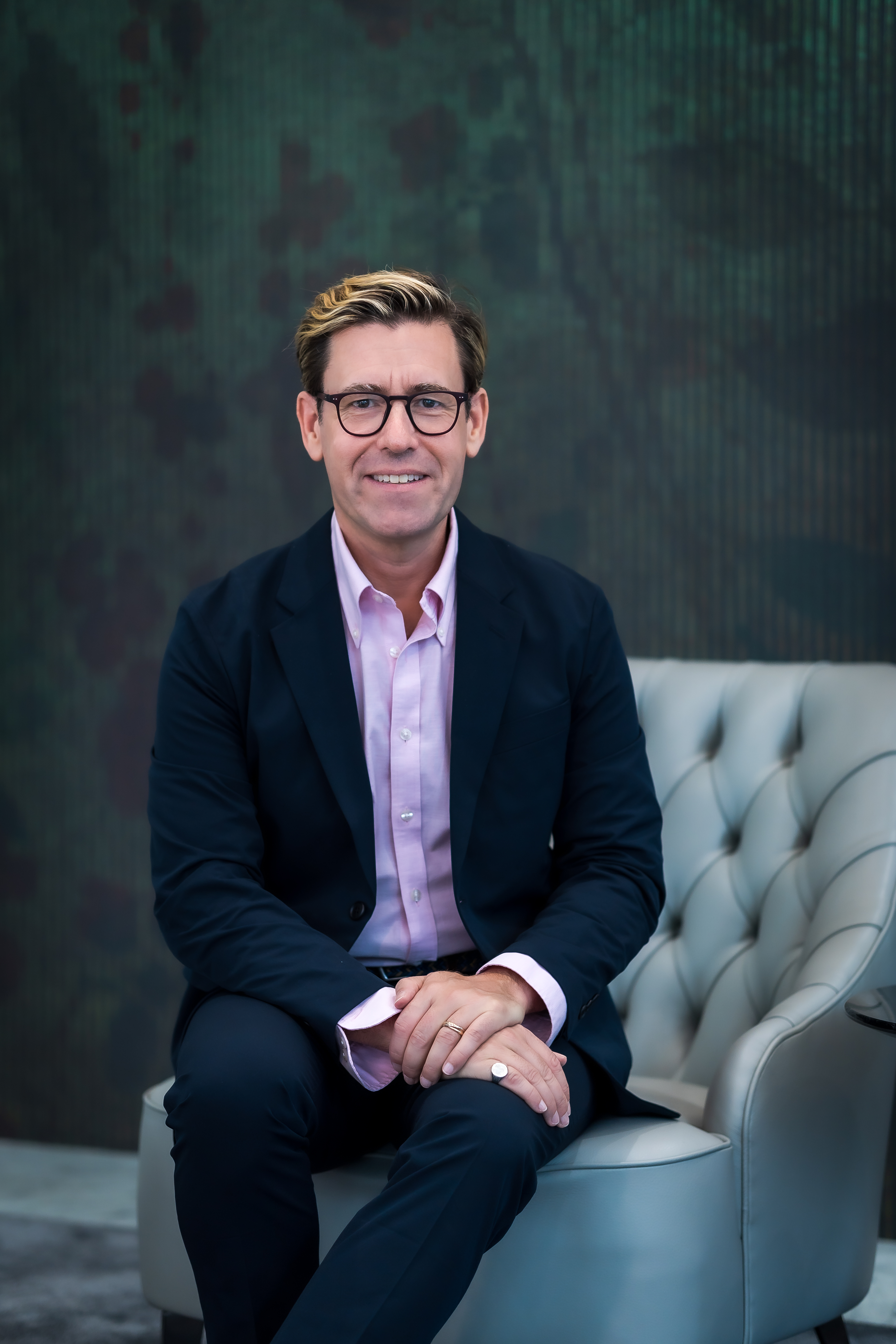
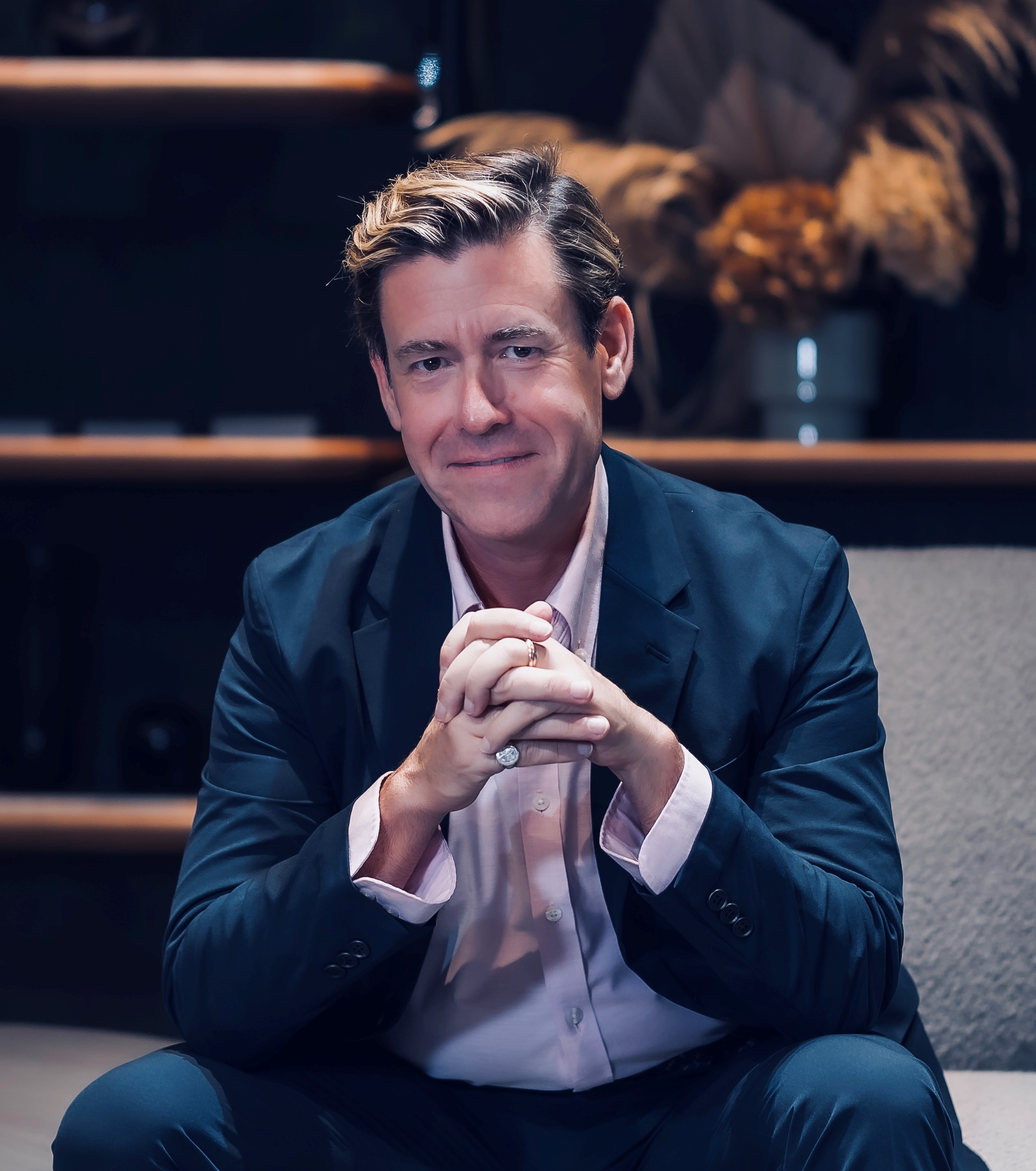
Award-winning author, HR executive, and resilience coach Nathan Y Andres brings decades of expertise to illuminate the significance of authentic resilience in overcoming adversity and fostering inclusion within organizational contexts. With a diverse background spanning industries and cultures, Nathan’s insights are deeply rooted in his professional journey.
Nathan succinctly captures his philosophy: “Authentic resilience is about adapting and thriving through adversities while staying true to your core values and beliefs.” This guiding principle underscores the importance of authenticity and values alignment in tackling life’s hurdles.
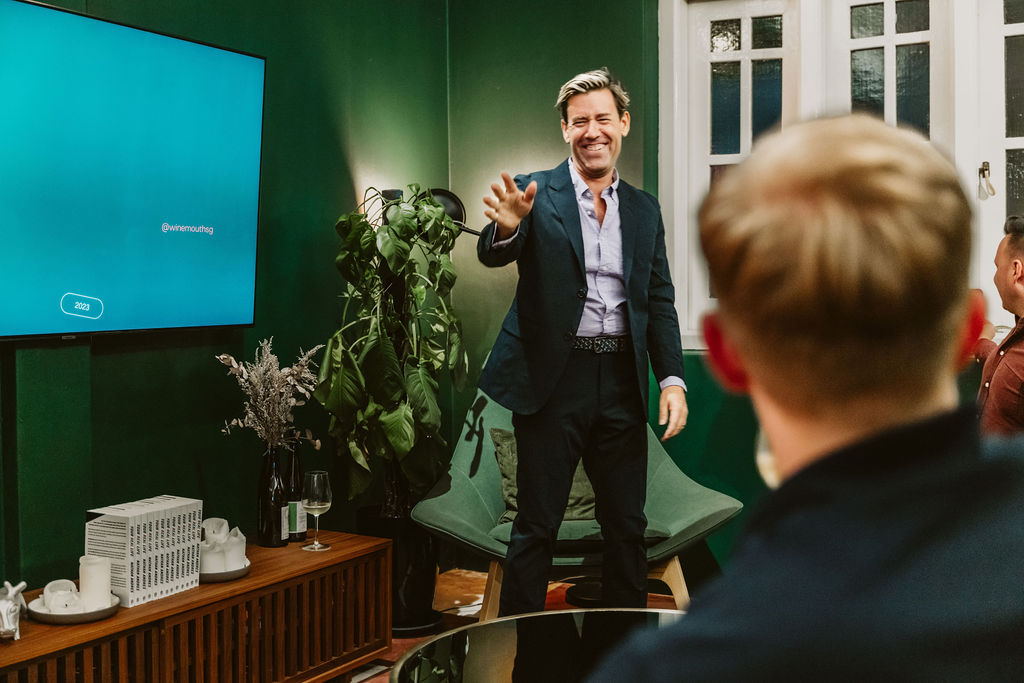
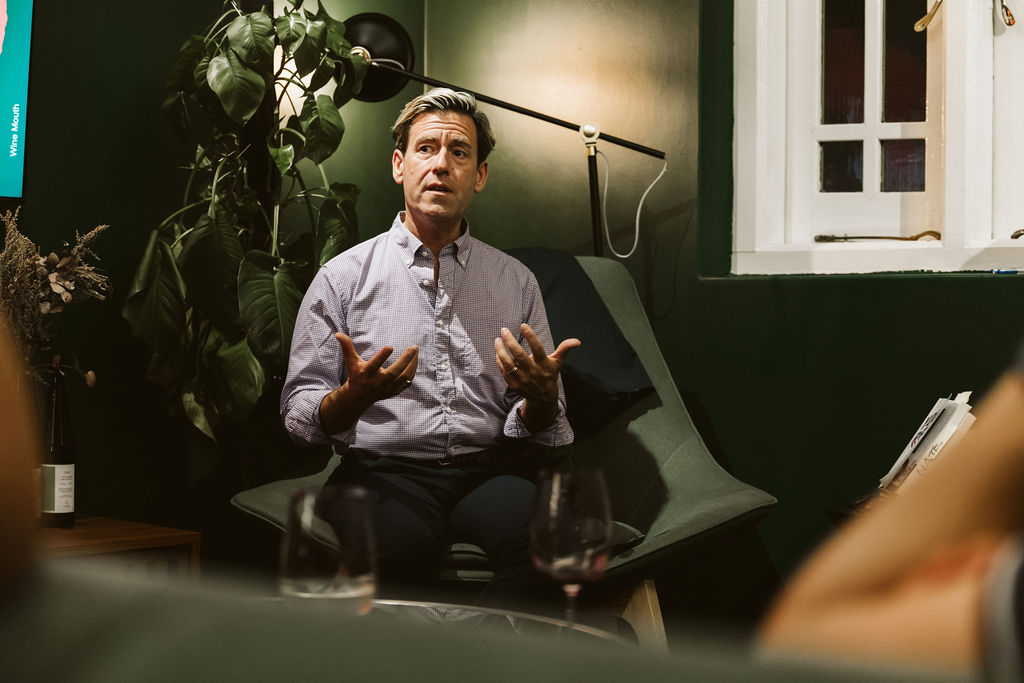
In this exclusive interview, Nathan shares invaluable wisdom drawn from his extensive experience. From his leadership roles in human resources to his impactful work as a resilience coach, author, and global speaker, Nathan offers profound insights on building resilience, creating inclusive environments, and embracing authenticity.
TWB: Your book “Your REAL Life” has been praised for its honest portrayal of personal struggles and triumphs. Can you tell us what inspired you to write it?
NYA: Life is full of adversity, and I’ve certainly had my fair share. Writing “Your REAL Life” was inspired by my journey through numerous challenges and my desire to share the tools and strategies that helped me overcome them. One pivotal moment was living in Japan, where I faced cultural adjustments and personal revelations that were transformative, including coming out as gay. Additionally, my experiences during events like September 11, 2001, in New York City profoundly shaped my understanding of resilience. These adversities, combined with my professional background in HR and coaching, underscored the importance of authenticity and resilience.
For instance, during my time working in HR, I dealt with the 2008 financial crisis, supporting employees through layoffs and organizational changes, which was both challenging and enlightening. Or in 2011 March when living in Tokyo I experienced the world’s largest three-peat disasters with the Tohoku Earthquake, Tsunami and Fukushima Nuclear plant meltdown. Working to manage 1,000 employees in Japan while we were cut off to the rest of the world was quite an event. These examples taught me the importance of empathy and tailored support, which became key components of my REAL model. The REAL model, focusing on Reality, Energy, Authenticity, and Love, was developed to provide a structured approach to building resilience.
Writing this book was my way of offering a blueprint for others to navigate their adversities, embrace their authentic selves, and ultimately build a more fulfilling life. I wanted to create a practical guide grounded in psychology and neuroscience to help others build their authentic resilience. The book is not just a collection of my stories, but a comprehensive resource filled with actionable strategies and real-life examples. It’s about bouncing beyond adversity, not just bouncing back.
TWB: You often speak about “authentic resilience.” Could you explain what this concept means and how it has shaped your life and career?
NYA: Authentic resilience is about adapting and thriving through adversities while staying true to your core values and beliefs. It means understanding who you are at a deep level and using that knowledge and your own life experiences you have that are unique and authentic to you, to navigate life’s challenges. The body does keep the score and the mind knows the difference, so there really is no power or use in the phrase people use all the time “just fake it until you make it.” You can’t. I challenge my teams and clients to just do the work of getting to know your authentic selves so that, when you step into life’s adversity, you’re drawing on solid experiences of learning and growth.
This concept has been the cornerstone of my life and career. For example, my decision to come out as LGBTQ (gay) while living in Japan was a significant test of my resilience and authenticity. Embracing my true self in a foreign culture like Japan –where social norms are still not overly welcoming for LGBTQ people– was challenging but ultimately empowering. Equally challenging was my decision to go back in the closet when I worked in Major League Baseball. The learnings I had while leading a double life were paralyzing and led to what I’ve coined, “no matter the closet, open the door principle.” We all have a closet of some sort (my goodness—that’s a potentially long list!) that we hide in and hiding can be not only demoralizing and sabotaging to our inner selves but in reality, it cheats us from living a whole and beautiful life of wellbeing and joy. I use this metaphor often when speaking about mental health in the workplace, too. When we consider the whole person shows up for work, we really need to enable all the doors at work to be open so that people can ‘bring their whole selves to work’ and really show up and do their best work. This kind of culture is where people thrive.
Professionally, working in HR and coaching has shown me the power of authenticity in connecting with people and helping them overcome obstacles. For instance, I once coached a high-level executive through a career transition, focusing on their authentic strengths and values, which led to a successful and fulfilling career change. Whether dealing with workplace conflicts or personal growth challenges, authentic resilience has enabled me to guide others effectively while staying true to my values.
TWB: Your background is quite diverse, including roles in HR, coaching, and mental health advocacy. How have these experiences influenced your approach to resilience and inclusion?
NYA: Each role along my career has taught me valuable lessons about the human experience and the importance of resilience.
In HR, I saw firsthand the diverse challenges people face in the workplace and learned the importance of creating inclusive environments. For instance, helping employees navigate career transitions and personal crises highlighted the need for tailored support and empathy. If I expand on this further, working across Asia-Pacific employee groups (often with Global HQ offices based in North America or Europe), I was constantly challenged to find ways of including everyone in key decisions of the businesses I worked. I sometimes call this ‘reverse education’ in that to be truly inclusive work culture, you have to reverse the flow of education BACK to the HQ to help decision makers and leaders understand the regional and local flavors that are important to employees. Diversity in Asia-Pacific is an entirely different package than in its more progressive North American and European market partners, so resilience (and its cousins – endurance and perseverance) are key factors to really help drive inclusion and equity. We can’t give up in these spaces; we can compromise and make concessions and help educate both directions, but we can’t give up. The world needs us to maintain this fight to understand how our differences are really powerful.
As a coach, I developed strategies to support individuals in their personal and professional growth, often using the REAL model to help them face reality, manage their energy, embrace authenticity, and foster love and community. The model was really born from people constantly asking me, “Nate, how did you get through all the sh*t you’ve been through? How do I do it?”
My work in mental health advocacy further emphasized the critical need for inclusivity and support for all individuals, particularly those facing mental health challenges. One notable experience was leading a workshop for a company undergoing major changes inside and outside the company, where I facilitated open discussions about mental health and provided tools for resilience, which significantly improved the employees’ morale and productivity. These experiences have shaped my holistic approach to resilience, emphasizing understanding, compassion, and tailored strategies to help individuals thrive.

TWB: Can you share a specific moment or challenge in your life that tested your resilience and how you overcame it?
NYA: One of the most significant challenges I faced was navigating the aftermath of the September 11 attacks while living in New York City. The chaos and uncertainty were immense, and it tested my resilience in profound ways. I overcame this by focusing on (what is now labeled as) the Reality anchor of the REAL model, which emphasizes acknowledging and accepting the present situation.
On September 11, 2001, the reality was stark and terrifying. The immediate need was to process what was happening and stay grounded. I had to confront the fear and confusion head-on, accepting the situation without denial or avoidance. This was not easy, as the emotional and psychological impact was overwhelming. However, acknowledging the reality of the situation allowed me to take practical steps toward accepting the terror and managing all of the collateral damage happening to me in my life at the time.
I started by setting small, manageable goals to regain a sense of control. Simple actions like contacting loved ones, helping neighbors, and finding safe spaces were crucial. My (late) Aunt and Uncle were part of this equation. Friends in the city—chosen family—were part of the support system, too. Additionally, I relied heavily on community support. Building and maintaining connections with friends, colleagues, and neighbors provided emotional strength and practical assistance. This sense of community is vital in facing reality, as it reminds us that we are not alone in our struggles. By focusing on what I could control, I began to navigate through the chaos and look for what I call “advertunity” – the proverbial “bright side.”
Over time, this experience reinforced the importance of the Reality anchor in my life and work. It taught me that acknowledging and then confronting acceptance of the present situation, no matter how difficult, is the first step toward resilience, and ultimately learning and growth. This principle has guided me in other challenging times, like Covid and the crisis around the pandemic. By embracing reality and taking proactive steps, I was able to turn adversity into an opportunity for growth and resilience.
The lessons learned from 9/11 are embedded in the REAL model and are shared in “Your REAL Life” to help others navigate their challenges. It’s about facing reality with courage and clarity, which ultimately paves the way for building authentic resilience.
TWB: As an advocate for the LGBTQ community, what are some of the most pressing issues you believe need more attention today?
NYA: There are still significant challenges around acceptance, mental health, and legal rights for the LGBTQ community. In the United States, issues such as trans-rights and access to healthcare are particularly pressing. Amid global Pride events, the U.S. Department of State has issued travel advisories for LGBTQ travelers, cautioning them to observe safety protocols due to potential terror threats. This highlights ongoing assaults on LGBTQ freedoms and protections. Additionally, in many parts of the world, persecution and criminalization of LGBTQ individuals remain severe, with extreme measures, including the death penalty, still in place.
This heaviness never escapes the hearts, minds and souls of our community. Many LGBTQ individuals face discrimination and lack access to supportive resources. Advocacy for comprehensive mental health support, legal protections, and inclusive environments is crucial. Issues such as workplace discrimination, mental health (and medical health) disparities, and the need for inclusive policies are pressing. For example, LGBTQ youth are particularly vulnerable to mental health issues and need better access to supportive services. Additionally, advocating for workplace policies that protect LGBTQ employees and foster inclusive environments can significantly impact their wellbeing. One of my focuses has been on promoting general education about trans people as well as mental health resources tailored to LGBTQ individuals, which are often lacking. Creating supportive workplace environments and advocating for policies that protect LGBTQ rights are essential steps toward inclusivity. These efforts include developing training programs for organizations to foster inclusivity and providing resources for LGBTQ employees to thrive both personally and professionally.
TWB: In your book, you mention the REAL model (Reality, Energy, Authenticity, and Love). How can individuals apply this model to their everyday lives to enhance their wellbeing?
NYA: The REAL model provides a structured approach to building resilience. To keep it REAL as I say, I will keep this high level, after all, that’s why I wrote the book! Cheekiness aside, start by facing your reality—acknowledge your challenges and accept them. Managing your energy involves identifying what drains and recharges you. Embrace your authenticity by understanding your core values and strengths. Finally, foster love by building supportive relationships and practicing self-compassion.
Integrating these principles into daily life can enhance overall wellbeing and resilience. For instance, setting boundaries to manage energy, engaging in self-reflection to embrace authenticity, and fostering a supportive community can lead to a more balanced and fulfilling life. Practical steps include journaling to understand your reality, practicing mindfulness to manage energy, and seeking out relationships that support your authentic self. One example from my coaching practice involved a client who was struggling with work-life balance. By applying the REAL model, they were able to identify energy drains, set healthier boundaries, and cultivate relationships that supported their goals, leading to significant improvements in their wellbeing.
In short, it’s really about building small, daily habits—those things that are non-negotiable to yourself—that enable you to build “authentic resilience” for yourself. When you think of this as like putting money into the bank and earning compound interest, these daily habits can really turbo charge authentic resilience into a superpower that makes you unstoppable when you encounter life’s challenges—you know, the big stuff like catastrophes, disasters and things you can’t control due to nature all the way to the little things like stepping in dog poop.
TWB: What role does authenticity play in fostering a more inclusive and diverse environment, both in the workplace and in society?
NYA: Authenticity is foundational for inclusivity and diversity. It’s truly the birthplace of wellbeing. And in my thinking, wellbeing is the birthplace of inclusivity and diversity. So Authenticity (+) Wellbeing of the whole person (=) workplaces that welcome inclusivity, diversity AND belonging. These all get tuned up like an orchestra playing together. When individuals feel safe to be their true selves, it creates an environment of trust and openness.
In the workplace, this leads to better collaboration, innovation, and employee satisfaction. For example, when organizations have built wellbeing and psychological safety into their working culture, it enables employees to bring their whole selves to work, in turn fostering a culture of respect and inclusion. In society, authenticity promotes mutual respect and understanding, encouraging us to value each other’s unique perspectives and experiences. This is essential for a cohesive and inclusive community.
Authenticity also helps break down barriers and stereotypes, paving the way for more meaningful connections and a more just society. One notable experience was facilitating a diversity and inclusion workshop where participants shared their personal stories, leading to a deeper understanding and stronger bonds among colleagues. Authenticity in these settings promotes empathy and drives positive change, making both the workplace and society more inclusive.

TWB: You’ve received several awards for your work. Could you share some details about these accolades and what they mean to you?
NYA: Thank you for mentioning this. “Your REAL Life” has been honored with the 1st place Gold Medal for Business Psychology and the Silver Medal for LGBTQ Inspiration/Self-Help at the Autumn 2023 Book Fest Awards, and a Literary Titan Gold Medal for Non-Fiction in May 2024. These accolades are a testament to the impact of my work and the importance of authenticity and resilience. They validate the experiences and stories shared in the book and motivate me to continue advocating for these principles. Receiving these awards means that my message is resonating with a broader audience and making a difference in people’s lives, which is incredibly fulfilling.
It also highlights the significance of the REAL model in helping people navigate their challenges and build authentic resilience. For example, the recognition from the Literary Titan Award underscores the book’s ability to transform complex concepts into accessible and engaging narratives, furthering its reach and impact. That was the goal of the book—to bring the hard science together into one place and make it accessible. These accolades are not just personal achievements but a reflection of the collective journey of “authentic resilience” that I share with my readers.
TWB: Mental health and wellbeing are central themes in your advocacy. What are some practical steps people can take to improve their mental health and build resilience?
NYA: Enhancing mental health and building resilience involves a holistic approach that includes several key practices. First, self-awareness is essential; recognizing your stressors and understanding their impact on you can significantly aid in managing them effectively. Incorporating self-care routines such as exercise, meditation, and engaging in hobbies that bring joy can also have profound effects on your well-being. It’s important to build a strong support network of friends, family, or professionals who can offer guidance and encouragement. Developing a growth mindset—seeing adversity as opportunities (as I call them, “advertunities”) for growth—further enriches this process.
Additionally, practicing mindfulness through exercises like deep breathing or progressive muscle relaxation can help maintain mental balance. Seeking professional help when necessary is also vital to address more complex mental health issues. I’m also a big advocate of talking openly about therapy, using psychologists, counselors and coaches to help normalize the conversations we need around mental health. Lastly, setting realistic goals and maintaining healthy lifestyle choices like good nutrition, hydration and sufficient sleep are fundamental steps that support mental health and resilience. These practices are not just theoretical but are backed by evidence-based science and real-life applications and success stories from my coaching experience, helping individuals navigate through life’s challenges more effectively and with greater emotional strength.

TWB: Looking ahead, what are your hopes for the future regarding diversity, inclusion, and resilience? What projects or goals are you currently working towards?
NYA: Looking ahead, my hope is to see a world where diversity is celebrated, inclusion is the norm, and everyone has the tools to build authentic resilience so they can belong to all that the world has to offer—hard times and all. I envision a future where individuals can live and work in environments that embrace their unique identities and experiences, fostering innovation and personal growth. To achieve this, I am actively working on several projects.
One of my primary goals is to expand my coaching practice to reach more individuals and organizations. This involves developing a series of workshops and online courses based on the REAL model, making these tools more accessible to a broader audience.
In particular I am appealing to executives and leaders who want to strengthen their teams by using Team Coaching and building resilience for teams that have no room to fail. These workshops focus on practical applications of resilience and authenticity in both personal and professional contexts, helping participants to navigate challenges and thrive.
I am also collaborating with organizations to create more inclusive workplaces. This includes developing and implementing training programs that promote wellbeing, mental health and diversity, equity, and inclusion (DEI). These programs aim to educate leaders and employees on the importance of a wellbeing culture and provide them with the tools to foster such an environment.
Furthermore, I am advocating for policies that support mental health and diversity. This involves working with policymakers and advocacy groups to push for legislation that protects the rights of marginalized communities and ensures access to mental health resources. An ongoing project includes partnering with mental health organizations to develop resources specifically tailored to LGBTQ individuals, addressing the unique challenges they face.
Another exciting goal is writing two follow-up books that go deeper into the principles of the REAL model and positive aging, providing more case studies and practical exercises. These projects aim to offer even more comprehensive guidance on building resilience and living authentically. I just want people to feel good in life! I mean, who doesn’t want to feel good, right?
In essence, my future projects and goals are centered around spreading the message of authenticity and resilience, helping people to navigate their challenges and live fulfilling lives. By continuing to promote diversity and inclusion, and by providing practical tools and strategies, I hope to contribute to a more resilient and inclusive world for everyone.⭐
“I envision a future where individuals can live and work in environments that embrace their unique identities and experiences, fostering innovation and personal growth.”
– Nathan Andres
Useful Links

Catch Nathan Andres through the following links:
Share Your Insights
Join the conversation! Comment below:
- Share a moment when you witnessed the power of trust in enhancing productivity and well-being.
- How do you define authentic resilience in your personal or professional life?
- What strategies have you found effective for fostering inclusion in your workplace?
July 2024 marked a special milestone at The World’s Best Magazine as we proudly declare it as our Diversity, Resilience, and Inclusion Month. Throughout the month – and moving forward – we officially dedicate a special series of posts in our platform to celebrating the richness of diversity, the strength of resilience, and the power of inclusion.
Join us as we spotlight stories that showcase the myriad facets of diversity, from cultural heritage to individual identities. Through our features, we aim to amplify voices that demonstrate resilience in the face of adversity, inspiring others to persevere and thrive.
Moreover, we pledge to champion inclusion in all aspects of our work, ensuring that every story, perspective, and experience is welcomed and valued. By embracing diversity, resilience, and inclusion, we strive to foster a more equitable and compassionate world.
Let’s come together to honor the beauty of our differences, celebrate the triumphs of the human spirit, and reaffirm our commitment to building a society where everyone is seen, heard, and valued.
Related Posts



Something went wrong. Please refresh the page and/or try again.
Other Highlights

Looking for something?
Type in your keyword(s) below and click the “Search” button.
Helpful Shortcuts
More Stories













Print and Digital Magazine


Don’t just read about greatness. Own it!

About Us
The World’s Best Magazine is a print and online publication that highlights the extraordinary. It is your passport to a universe where brilliance knows no bounds. Celebrating outstanding achievements in various fields and industries, we curate and showcase the exceptional, groundbreaking, and culturally significant. Our premier laurels, The World’s Best Awards, commend excellence through a unique process involving subject matter experts and a worldwide audience vote. Explore with us the pinnacle of human achievement and its intersection with diversity, innovation, creativity, and sustainability.
We recognise and honour the Traditional Owners of the land upon which our main office is situated. We extend our deepest respects to Elders past, present, and emerging. We celebrate the stories, culture, and traditions of Aboriginal and Torres Strait Islander Elders from all communities who also reside and work on this land.
Disclaimer: The World’s Best does not provide any form of professional advice. All views and opinions expressed in each post are the contributor’s own. Whereas we implement editorial policies and aim for content accuracy, the details shared on our platforms are intended for informational purposes only. We recommend evaluating each third-party link or site independently, as we cannot be held responsible for any results from their use. In all cases and with no exceptions, you are expected to conduct your own research and seek professional assistance as necessary prior to making any financial, medical, personal, business, or life-changing decisions arising from any content published on this site. All brands and trademarks mentioned belong to their respective owners. Your continued use of our site means you agree with all of these and our other site policies, terms, and conditions. For more details, please refer to the links below.
About | Advertise | Awards | Blogs | Contact | Disclaimer | Submissions | Subscribe | Privacy | Publications | Terms | Winners
The World’s Best: A Magazine That’s All About What’s Great | theworldsbestmagazine.com | Copyright ⓒ 2022-2026
Let’s connect
Discover more from The World's Best
Subscribe to get the latest posts sent to your email.


“Resilience” has become another buzzword, which is why I love the way Mr. Andres resignified it. It’s not about just powering through or, as he says, your body and mind will suffer. I also applaud the idea of acknowledging that our communities and work environments are key for us to thrive in our authenticity.
LikeLike