
“My goal is to create a world where diversity is celebrated, and equity is a fundamental value.”
– Jad-Évangelo Nasser
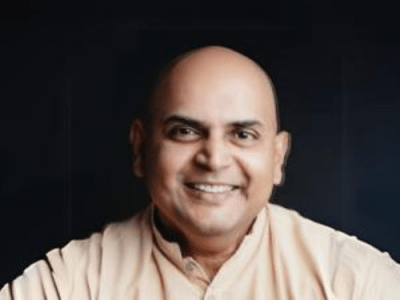
With a vision that resonates deeply with the essence of unity and equality, Jad-Évangelo Nasser embodies a commitment to creating a world where diversity is not just acknowledged but celebrated, and equity is revered as a fundamental value. His journey traverses continents, languages, and cultural landscapes, and transcends inclusivity and belonging in both corporate and academic realms.
In the words of Jad-Évangelo Nasser himself, “My goal is to create a world where diversity is celebrated, and equity is a fundamental value.” This is the essence of his mission and serves as a guiding principle in his multifaceted career. A Global Inclusion & Cross-Cultural Strategist, DEI Educator & Professor, Board Member of the National Center for Civil and Human Rights, and Prime Video Filmmaker, he has dedicated his life to fostering understanding, empathy, and inclusivity on a global scale.
With a background steeped in multicultural experiences and fluency in five languages—English, Arabic, French, Spanish, and Haitian Creole—Jad-Évangelo Nasser brings a unique perspective to the realms of DEI and media. His journey spans over nine years of experience in advertising, media production, marketing, and corporate communications across the Middle East, North Africa, and North America. Through his consultancy, J-É Cultural Consulting, he works on creative inclusion strategies that resonate with diverse communities and drive sustainable change.
Featured in esteemed publications such as Ad Age’s The List 2022 and Arab America’s Top 30 Under 30, Jad-Évangelo Nasser’s impact reverberates far and wide. His acclaimed film, “Once Upon A Color,” available on Amazon Prime Video, amplifies marginalized voices and celebrates the richness of intersectional identities. As an educator and board member, he spearheads initiatives that empower marginalized youth and promote multicultural learning in academic settings.
In this exclusive interview, Jad-Évangelo Nasser shares insights into his global journey, the significance of intersectionality in DEI practices, and his aspirations for advancing diversity and inclusion.
Question: Can you share the inspiration behind your acclaimed film “Once Upon A Color” and how it reflects your commitment to DEI?
Answer: “Once Upon A Color” was inspired by my passion for storytelling and my commitment to amplifying marginalized voices, as well as the exploration of my identities being born in Lebanon and having roots in Palestine and Haiti. The film narrates the lives of eight artists of color from different intersectional backgrounds, highlighting their struggles and triumphs. I wanted to create a platform where their stories could be seen and heard, showcasing the richness of their experiences and the resilience they embody. This project reflects my dedication to DEI by fostering understanding and empathy through the power of narrative. By sharing these diverse perspectives, the film aims to challenge stereotypes, break down barriers, and promote a more inclusive society, but most importantly, showcase how cross-cultural connections need to be amplified.
Question: How has your fluency in five languages influenced your approach to cross-cultural communication and DEI initiatives?
Answer: Being fluent in five languages—English, Arabic, French, Spanish, and Haitian Creole—has profoundly shaped my approach to cross-cultural communication and DEI initiatives. Language is a gateway to understanding different cultures and perspectives. It allows me to connect with people on a deeper level, respecting their cultural nuances and fostering genuine dialogue. This multilingual ability helps me tailor DEI strategies that resonate with diverse communities, ensuring inclusivity is not just a concept but a practice embedded in everyday interactions. By bridging language gaps, I can facilitate more effective and empathetic communication, promoting a culture of inclusion and mutual respect.
Question: Your career spans multiple regions, including the Middle East, North Africa, and North America. How have these diverse cultural experiences shaped your professional journey?
Answer: Working across the Middle East, North Africa, and North America has provided me with a rich kaleidoscope of cultural experiences that have deeply influenced my professional journey. These regions have unique histories, traditions, and social dynamics, which have taught me the importance of cultural sensitivity and adaptability. My exposure to different cultural contexts has enriched my understanding of global perspectives, allowing me to develop inclusive marketing strategies and DEI initiatives that are culturally relevant and impactful. These experiences have reinforced my belief in the power of diversity and the need for cross-cultural collaboration to drive innovation and social change.
Question: Can you describe a particularly impactful project or initiative you led at the National Center for Civil and Human Rights?
Answer: One of the most impactful projects I led at the National Center for Civil and Human Rights was a community engagement initiative focused on empowering marginalized youth through storytelling workshops. We provided a platform for young individuals from diverse backgrounds to share their stories, fostering a sense of belonging and empowerment. This initiative not only gave voice to underrepresented communities but also highlighted the importance of understanding and valuing diverse experiences. By creating a supportive space for these voices, we were able to promote empathy, awareness, and social cohesion, furthering the Center’s mission of advancing human rights and social justice.
Question: As a board member and educator, what strategies do you find most effective in promoting multicultural learning in academic settings?
Answer: As an educator and board member, I find that integrating real-world experiences and diverse perspectives into the curriculum is crucial for promoting multicultural learning. Encouraging open dialogue, fostering an inclusive classroom environment, and using storytelling as a tool for empathy are key strategies. It’s important to provide students with opportunities to engage with different cultures through collaborative projects, guest lectures, and cultural exchange programs. By highlighting the value of diversity and encouraging critical thinking about social issues, we can prepare students to become global citizens who appreciate and advocate for inclusivity in all aspects of life.
Question: You’ve been recognized in Ad Age’s The List 2022 and Arab America’s Top 30 Under 30. Tell us more about these accolades. How do they influence your work and advocacy in the DEI space?
Answer: Being recognized in Ad Age’s The List 2022 and Arab America’s Top 30 Under 30 has been incredibly rewarding and motivating. These accolades validate the impact of my work and provide a platform to reach a wider audience. They have opened doors for new collaborations and opportunities to advocate for DEI more effectively. Such recognition also serves as a reminder of the responsibility I have to continue pushing for meaningful change. It inspires me to innovate and persist in my efforts to create inclusive environments where everyone, regardless of their background, can thrive.
Question: What are some common challenges organizations face when implementing inclusive business strategies, and how do you help them overcome these obstacles?
Answer: Organizations often face challenges such as resistance to change, lack of awareness, and insufficient resources when implementing inclusive business strategies. To overcome these obstacles, I emphasize the importance of education and training to build understanding and commitment. I work with organizations to develop comprehensive DEI plans that include clear goals, measurable outcomes, and accountability mechanisms. By fostering a culture of inclusion from the top down and ensuring that DEI principles are integrated into all aspects of the business, we can address these challenges and create more equitable workplaces.
Question: Can you discuss the significance of intersectional experiences in shaping organizational behavior and why it’s important to address them in DEI practices?
Answer: Intersectional experiences are crucial in shaping organizational behavior as they highlight the multifaceted nature of identity and discrimination. Addressing intersectionality in DEI practices ensures that we consider how various aspects of identity—such as race, gender, sexuality, and socio-economic status—interact and impact individuals’ experiences. This approach leads to more comprehensive and effective strategies that acknowledge and address the unique challenges faced by marginalized groups. By embracing intersectionality, organizations can create more inclusive environments that recognize and value the complexity of their employees’ identities and experiences.
Question: Your consultancy, J-É Cultural Consulting, focuses on creative inclusion strategies. Can you share a success story where your unique approach made a substantial difference?
Answer: One notable success story from J-É Cultural Consulting involved working with a banking client based in Atlanta who wanted to explore the celebration of its international employees. I presented a workshop on Intersectionality and exploring Global Culture in order to understand how cultural cues can be implemented within HR and business practices. The room was filled with joy and eye-opening realizations when major executive leaders acknowledged that fostering an inclusive environment for its foreign employees can help enhance business profits and revenue.
Question: Looking ahead, what are your aspirations for advancing DEI and multicultural education in both the corporate and academic worlds?
Answer: Looking ahead, my aspirations for advancing DEI and multicultural education focus on creating systemic change both in corporate and academic settings. I aim to expand partnerships with educational institutions to integrate DEI principles into their curricula and foster inclusive learning environments. In the corporate world, I plan to continue working with organizations to develop innovative DEI strategies that drive sustainable change. My goal is to create a world where diversity is celebrated, and equity is a fundamental value, ensuring that everyone has the opportunity to succeed regardless of their background. ⭐
“Addressing intersectionality in DEI practices ensures that we consider how various aspects of identity interact and impact individuals’ experiences.”
– Jad-Évangelo Nasser
Useful Links
Catch Jad-Évangelo Nasser and his work through the following links:
Share Your Insights
Join the conversation and share your thoughts on Jad-Évangelo Nasser’s inspiring journey in DEI and media! We invite you to engage with the interview article by commenting below. Your insights and perspectives are invaluable in fostering a dialogue around diversity, equity, and inclusion.
- What aspect of Jad-Évangelo Nasser’s global journey resonated with you the most, and why?
- How do you envision incorporating intersectional experiences into your own organizational or academic practices?
- What steps can individuals take to promote multicultural learning and inclusive environments in their communities?
We look forward to hearing your insights and perspectives!
July 2024 marked a special milestone at The World’s Best Magazine as we proudly declare it as our Diversity, Resilience, and Inclusion Month. Throughout the month – and moving forward – we officially dedicate a special series of posts in our platform to celebrating the richness of diversity, the strength of resilience, and the power of inclusion.
Join us as we spotlight stories that showcase the myriad facets of diversity, from cultural heritage to individual identities. Through our features, we aim to amplify voices that demonstrate resilience in the face of adversity, inspiring others to persevere and thrive.
Moreover, we pledge to champion inclusion in all aspects of our work, ensuring that every story, perspective, and experience is welcomed and valued. By embracing diversity, resilience, and inclusion, we strive to foster a more equitable and compassionate world.
Let’s come together to honor the beauty of our differences, celebrate the triumphs of the human spirit, and reaffirm our commitment to building a society where everyone is seen, heard, and valued.
Related Posts





Something went wrong. Please refresh the page and/or try again.
Other Highlights

Looking for something?
Type in your keyword(s) below and click the “Search” button.
Helpful Shortcuts
More Stories




















Print and Digital Magazine
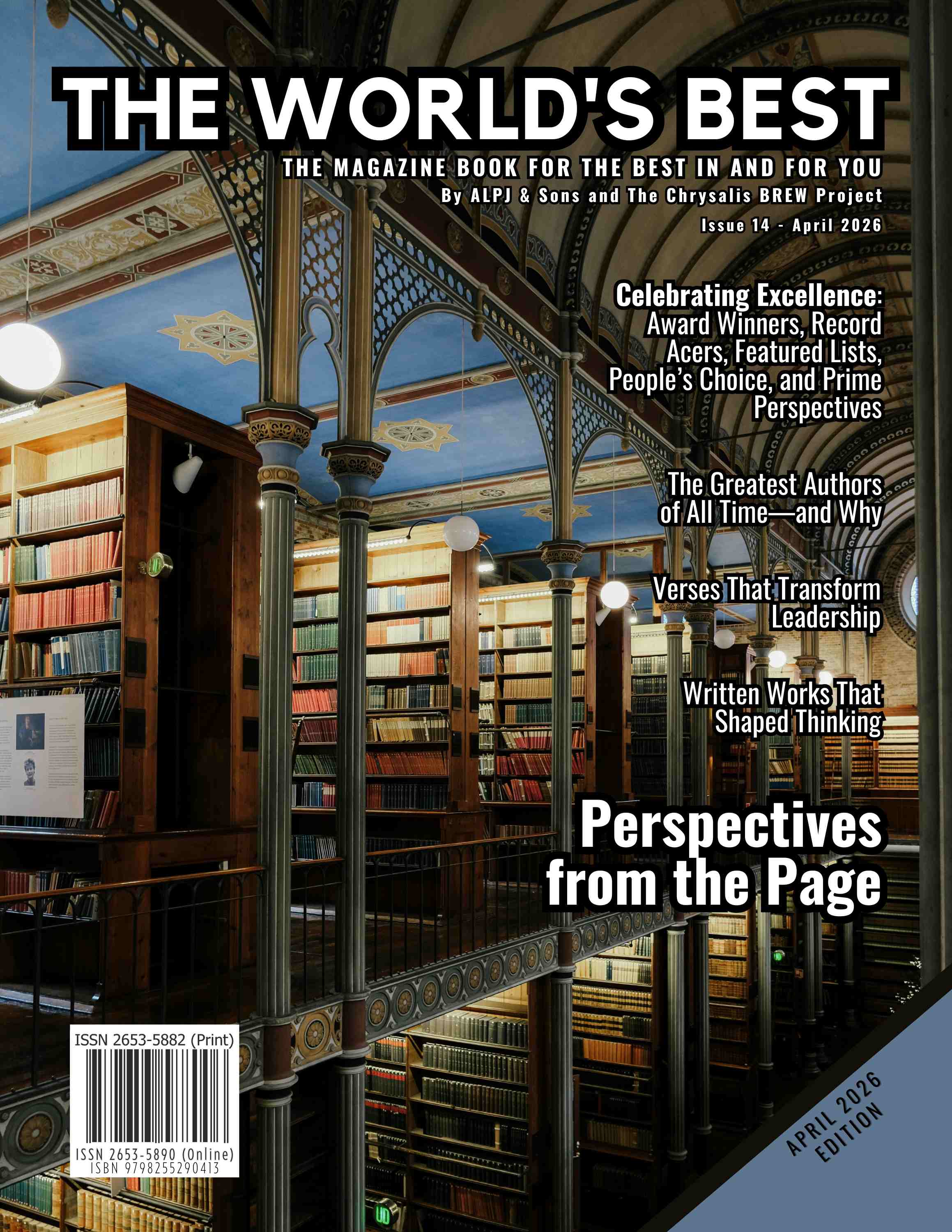
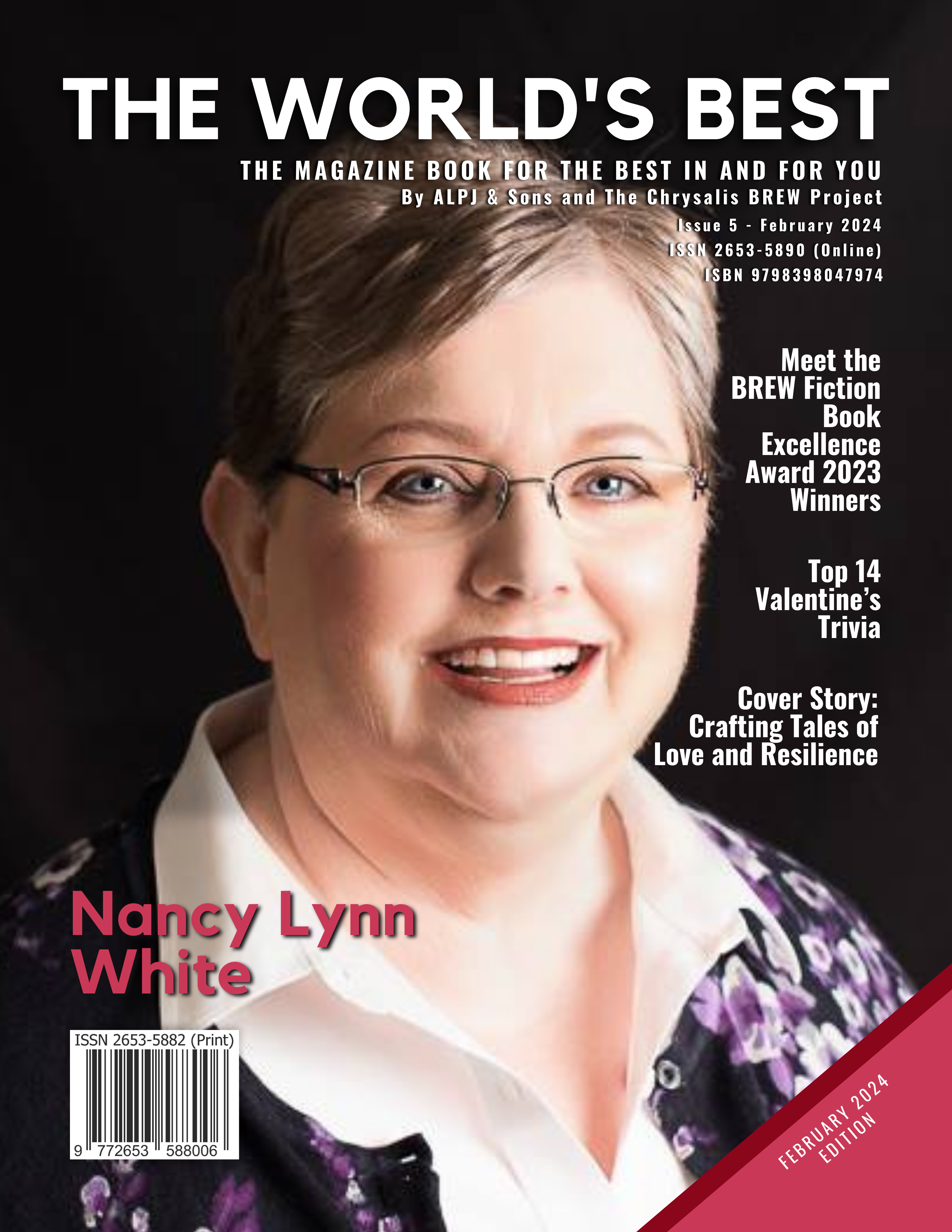
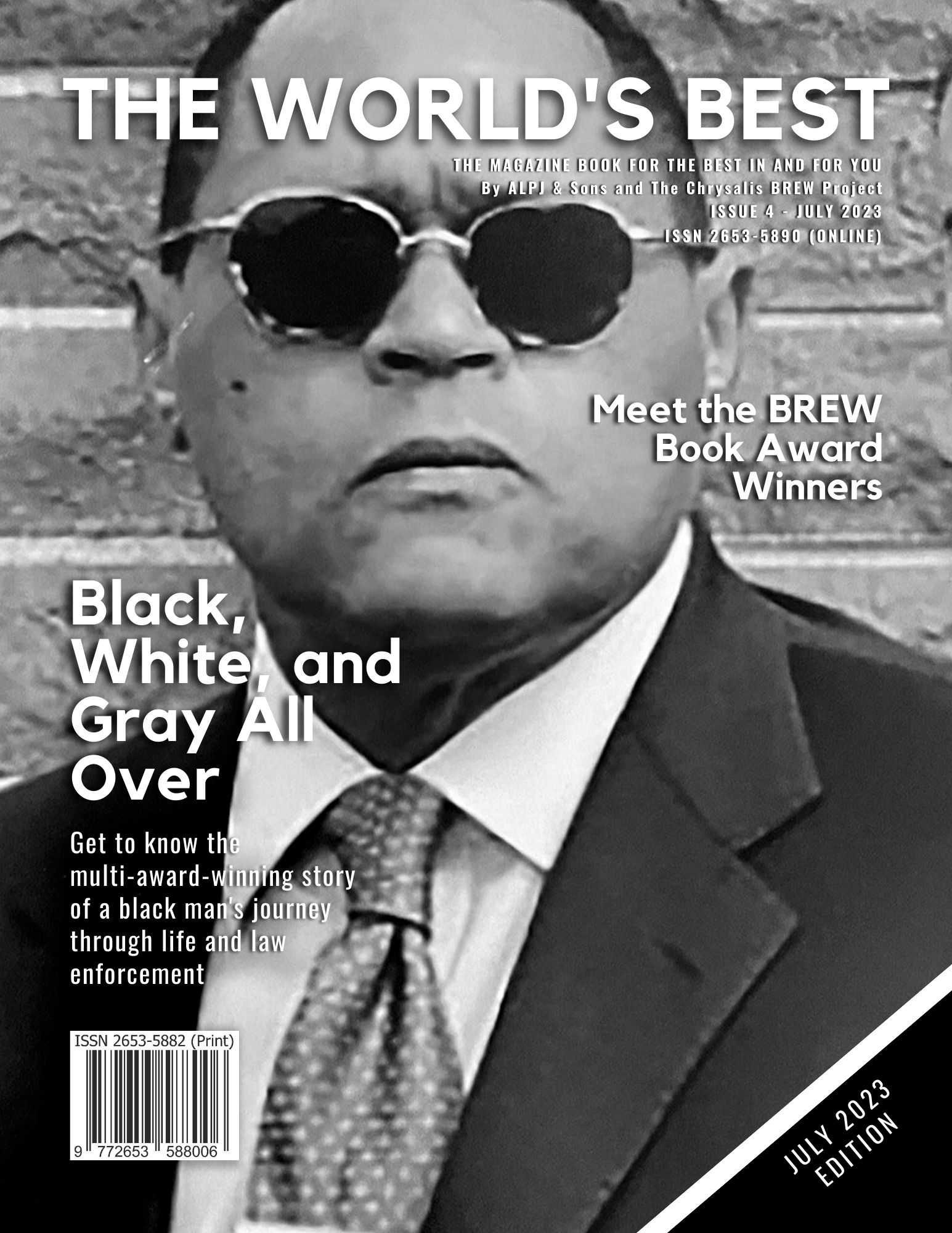
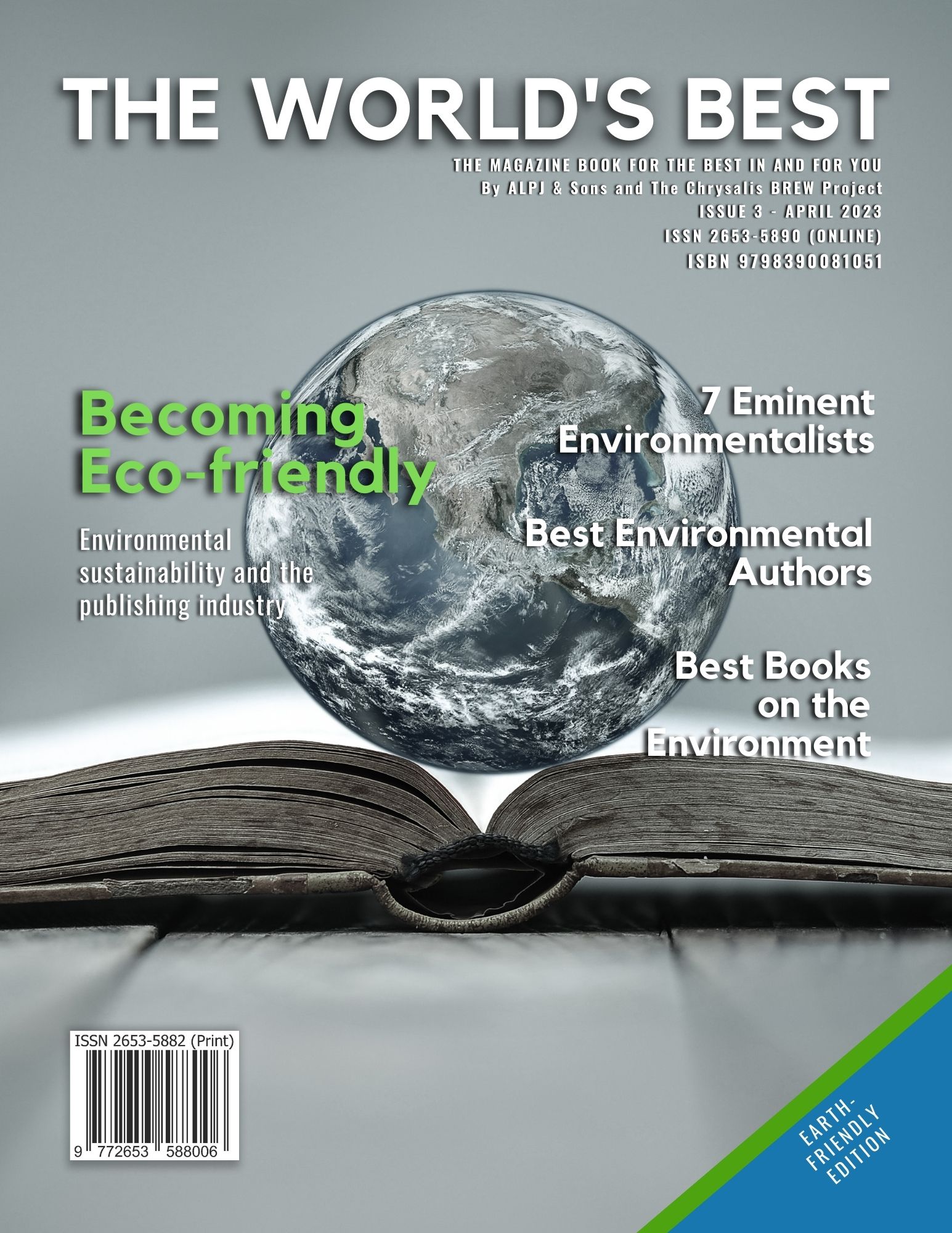

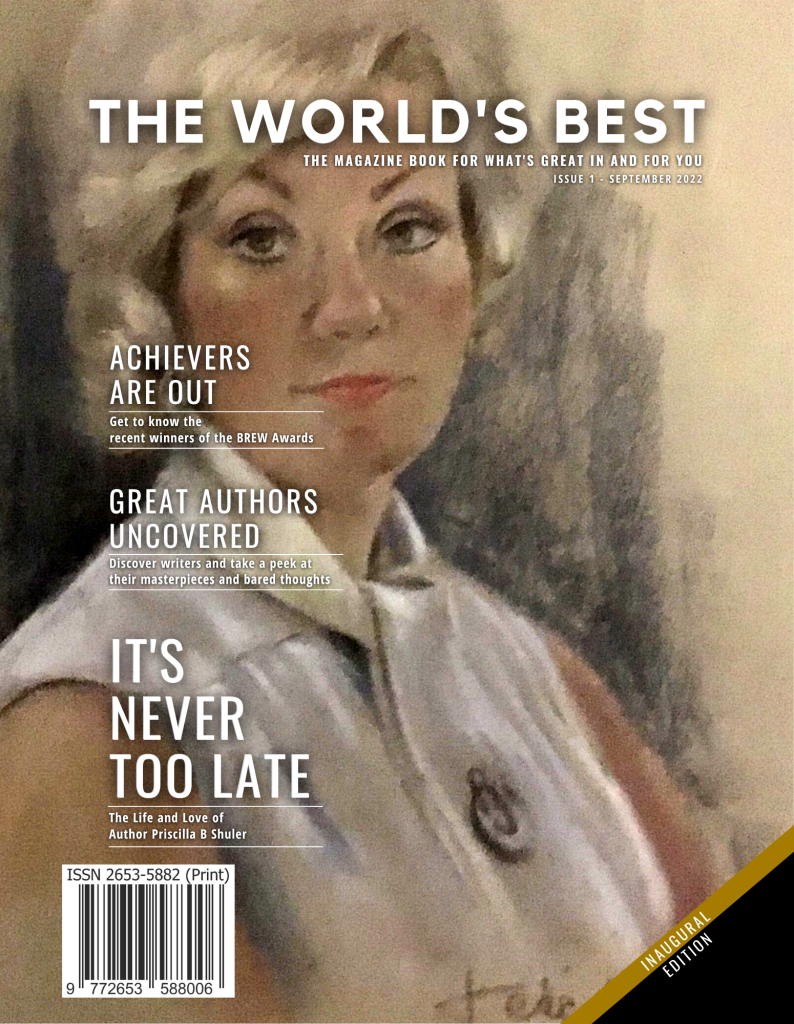
Don’t just read about greatness. Own it!

About Us
The World’s Best Magazine is a print and online publication that highlights the extraordinary. It is your passport to a universe where brilliance knows no bounds. Celebrating outstanding achievements in various fields and industries, we curate and showcase the exceptional, groundbreaking, and culturally significant. Our premier laurels, The World’s Best Awards, commend excellence through a unique process involving subject matter experts and a worldwide audience vote. Explore with us the pinnacle of human achievement and its intersection with diversity, innovation, creativity, and sustainability.
We recognise and honour the Traditional Owners of the land upon which our main office is situated. We extend our deepest respects to Elders past, present, and emerging. We celebrate the stories, culture, and traditions of Aboriginal and Torres Strait Islander Elders from all communities who also reside and work on this land.
Disclaimer: The World’s Best does not provide any form of professional advice. All views and opinions expressed in each post are the contributor’s own. Whereas we implement editorial policies and aim for content accuracy, the details shared on our platforms are intended for informational purposes only. We recommend evaluating each third-party link or site independently, as we cannot be held responsible for any results from their use. In all cases and with no exceptions, you are expected to conduct your own research and seek professional assistance as necessary prior to making any financial, medical, personal, business, or life-changing decisions arising from any content published on this site. All brands and trademarks mentioned belong to their respective owners. Your continued use of our site means you agree with all of these and our other site policies, terms, and conditions. For more details, please refer to the links below.
About | Advertise | Awards | Blogs | Contact | Disclaimer | Submissions | Subscribe | Privacy | Publications | Terms | Winners
The World’s Best: A Magazine That’s All About What’s Great | theworldsbestmagazine.com | Copyright ⓒ 2022-2026
Let’s connect
Discover more from The World's Best
Subscribe to get the latest posts sent to your email.

 The World's Best
I’ve always thought that learning about other (“other” understood as different from one’s own) cultures is the key to a more empathetic approach to differences, and what better way to do it than through languages? I love how Jad-Évangelo Nasser created something actionable and world-changing with these ideas that most of us just ponder.
LikeLiked by 1 person