
Despite being deaf and blind from a young age, Helen Keller overcame immense challenges to become a renowned author, speaker, and advocate for people with disabilities. With the help of her teacher, Anne Sullivan, Keller learned to communicate through sign language and braille, ultimately earning a bachelor’s degree and dedicating her life to promoting social justice and equality.
Imprisoned for 27 years for his anti-apartheid activism in South Africa, Nelson Mandela emerged as a global symbol of resilience and reconciliation. Upon his release, Mandela worked tirelessly to dismantle the apartheid regime and promote peace and democracy in South Africa, eventually becoming the country’s first black president.
Shot by the Taliban at the age of 15 for advocating for girls’ education in Pakistan, Malala Yousafzai refused to be silenced. Despite the trauma of her ordeal, Malala continued to speak out against injustice, becoming the youngest-ever Nobel Prize laureate for her activism. She has since become a leading advocate for girls’ education worldwide.
Diagnosed with amyotrophic lateral sclerosis (ALS) at the age of 21, Stephen Hawking defied all odds to become one of the world’s most renowned theoretical physicists. Despite his physical limitations, Hawking made groundbreaking contributions to our understanding of the universe, publishing numerous best-selling books and inspiring millions with his brilliance and determination.
Born without arms or legs, Nick Vujicic faced bullying and discrimination growing up. Despite the challenges he faced, Nick refused to let his physical limitations define him, becoming a motivational speaker and author who inspires millions with his message of hope, resilience, and self-love.
These individuals are just a few examples of people who have overcome great obstacles in their lives. Their stories serve as a reminder that no matter how daunting the challenges we face may seem, with perseverance, courage, and determination, anything is possible.
Yet, how do we really face challenges? How do we overcome obstacles to self-improvement?
We asked thought leaders of today, and here’s what they have to say.
Start with Small, Achievable Goals
“One effective strategy I’ve set for myself is to always start with small, achievable goals. Breaking down larger dreams into more manageable steps has helped prevent feeling overwhelmed and maintain my motivation.
For example, I wanted to work on my public-speaking skills, so I first started by speaking in smaller, more informal settings before addressing larger audiences. This gradual approach allowed me to see my progress and helped build confidence over time.
It also provided opportunities to reflect and adjust if needed, making sure that I keep growing without the pressure of achieving perfection.”

– Contributed by Bayu Prihandito, Founder, Psychology Consultant, and Life Coach for Men, Life Architekture
Cultivate a Strong Support Network
“An important strategy I’ve learned involves cultivating a strong support network. Surrounding myself with a team of mentors, colleagues, and friends who offer diverse perspectives and constructive feedback has been instrumental in navigating challenges.
This circle not only serves as a sounding board for ideas but also provides the encouragement and accountability needed when pursuing ambitious goals. Learning to actively seek and gracefully accept feedback has propelled our collective progress, reinforcing the concept that personal growth and professional innovation are collaborative journeys.”

– Contributed by Rohit Vedantwar, Co-Founder and Director, Supramind Digital
Break Tasks into Manageable Parts
“One effective strategy I’ve used to overcome obstacles on the path to self-improvement, particularly in the realm of procrastination, involves breaking tasks into smaller, more manageable parts. This method has not only been pivotal in my personal growth but also in the development of my mental health organization, Stay Here. Procrastination often stemmed from feeling overwhelmed by the scale of tasks ahead; however, subdividing them made progress tangible and less daunting.
For instance, while working on our website, StayHere.live, instead of undertaking the entire project at once, we broke it down into phases like content creation, design layout, and user interface testing. Each completed phase provided a sense of achievement that propelled us forward. This approach not only improved our project management skills but also significantly accelerated our overall productivity.
Implementing this strategy can be as simple as jotting down the main goal, dissecting it into actionable steps, and setting realistic deadlines for each. This practice not only clarifies what needs to be accomplished but also instills a routine of continuous progress, transforming overwhelming challenges into a series of achievable victories.”

– Contributed by Jacob Coyne, Founder, Stay Here
Combine Self-Education with Strategic Networking
“One effective strategy I’ve employed to conquer blocks in my journey of self-improvement stems from my experiences in transitioning from traditional business roles to the world of tech startups. Initially, I knew little about digital marketing, which posed a substantial hurdle in my career shift. My approach to overcoming this was immersive self-education coupled with strategic networking.
I dedicated hours to learning the ins and outs of digital marketing—everything from SEO tactics to advanced analytical tools. Concurrently, I reached out to industry experts, immersing myself in communities and forums where I could ask questions, exchange knowledge, and gain insights from experienced professionals. This not only enhanced my understanding but also kept me updated with the latest trends and technologies.
Moreover, I treated every mistake as a learning opportunity. When I faced setbacks, instead of allowing them to hinder my progress, I analyzed them to understand what went wrong and how I could avoid similar errors in the future. This mindset of embracing failures as stepping stones rather than stumbling blocks fundamentally changed my approach to self-improvement and was key in the successful exits from my entrepreneurial ventures.”

– Contributed by Joe Amaral, Founder and COO, Anthem Software
Implement Micro-Milestones and Flexibility
“One effective strategy that I’ve implemented in my journey toward self-improvement is the ‘micro-milestones’ approach. Instead of setting monumental goals that feel overwhelming, I break down my objectives into small, manageable tasks that can be achieved daily or weekly. This method transforms a daunting path into a series of achievable steps, keeping motivation high and making progress tangible.
When faced with obstacles, I’ve found that flexibility is my greatest ally. It’s essential to have a plan, but it’s just as important to adapt when unexpected challenges arise. By staying agile and willing to pivot, I turn roadblocks into learning opportunities that refine my approach and ultimately make my business and personal growth strategies more resilient. This mindset shift from seeing obstacles as setbacks to viewing them as chances to innovate has been a game-changer for me.”

– Contributed by Joshua Bartlett, Owner, Double Plus Marketing
Join Industry or Challenge-Specific Groups
“Joining a group of other professionals from your industry, or other people who are facing similar challenges, can be an excellent strategy for overcoming the roadblocks to self-improvement.
What makes these groups so powerful is that they can offer different kinds of support. If you’re stuck and not sure what to try next, you can ask for ideas from the other members. If you need someone to keep you accountable to your goals, they can help with that, too.
I also find that I learn a lot by helping other people in the group with the challenges they’re facing. Sometimes, you watch someone going through a similar situation and can realize things about yourself and your own actions that you’ve been blind to because you don’t have that objective outside view.
Something else that’s great about this kind of group is that they don’t just help you get past these blocks, but sometimes they can help you to anticipate them and avoid them entirely, because other members have had recent experience with the exact same kind of situation.”

– Contributed by Jon Hill, Chairman and CEO, The Energists
Celebrate Milestones and Seek Accountability
“I recommend setting small, achievable goals, then celebrating each milestone along the way. By breaking down larger objectives into manageable tasks, I avoid feeling overwhelmed and maintain a sense of progress. This approach allows me to focus on making incremental improvements, building momentum, and gaining confidence as I move forward.
Moreover, celebrating even small victories provides a boost of motivation and reinforces positive behaviors, making it easier to stay committed to my self-improvement journey. Additionally, I leverage the power of accountability by sharing my goals with trusted friends, family members, or mentors who can offer support and encouragement.
Having someone to be accountable to helps me stay disciplined and accountable, especially during challenging times when motivation may wane. Whether it’s through regular check-ins, shared progress updates, or mutual encouragement, the support of others strengthens my resolve and reminds me that I’m not alone in my journey toward self-improvement.”
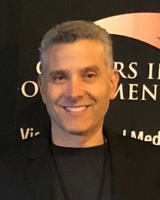
– Contributed by Michael Hurwitz, CEO and Co-Founder, Careers in Government
Focus on Incremental Habit Changes
“One strategy that has really helped me persist through the inevitable obstacles and blocks that arise when working on self-improvement is focusing on small, incremental habit changes rather than overwhelming myself with massive overhauls.
I’m sure we’ve all tried dramatically overhauling our lifestyles or taking on multiple big changes at once, only to have that initial burst of motivation fizzle out within a few weeks. Whether it was an extreme diet, vowing to wake up at 5 a.m., or restructuring our entire work routines—that ‘go big or go home’ approach often results in us just going home!
What I’ve found much more sustainable is concentrating on introducing one minor habit or routine at a time and allowing it to become fully ingrained before moving on to the next area of improvement.
For instance, maybe I’ll start by just committing to drinking the recommended amount of water each day for a couple of weeks straight. Once that’s locked in as an effortless daily practice, then I’ll layer on another small nutrition goal, like having a salad for lunch daily.
By stacking minor tweaks gradually, I’m able to make positive cumulative progress without it ever feeling like deprivation or an overwhelming burden of change. There’s no pressure for instant transformation.
And this method is flexible too—if I stumble on one micro-habit, like the early morning routine, I can simply reset and reintegrate it later once I’ve cemented other changes first. It’s so much lower stakes compared to feeling like I’ve failed on all fronts.
The small wins and minor accomplishments start compounding over time. That’s hugely motivating and creates momentum to keep stacking incrementally…
Thinking about the long-term, sustainable integration of habits is what really unlocks meaningful self-improvement. Even tiny 1% upgrades, embraced wholeheartedly, have vastly more sticking power than drastic overhauls we inevitably end up abandoning.”

– Contributed by Yash Gangwal, Founder, Urban Monkey
Practice Reverse Mentoring for Fresh Insights
“One unique strategy I’ve employed to overcome blocks or obstacles on the path to self-improvement is the practice of “reverse mentoring.” Instead of seeking guidance solely from mentors who are more experienced or senior, I actively seek input and advice from individuals who may be junior in terms of experience but possess unique perspectives or skills that I can learn from.
For example, I once faced a challenge in adapting to new technology within our company. Instead of relying solely on my own knowledge or seeking guidance from senior leaders, I sought out younger employees who were more familiar with the technology and asked them to mentor me in using it effectively. This not only helped me overcome the obstacle but also fostered a sense of collaboration and shared learning within the team.
This approach to mentoring has proven to be incredibly valuable, as it allows me to gain fresh insights, stay current with trends, and foster a culture of continuous learning within the organization. It also demonstrates to employees that learning is a two-way street, regardless of seniority, and encourages them to share their knowledge and skills openly.”

– Contributed by Aqeel Abbas, CEO, WorkStaff360
Embrace Failure as a Learning Opportunity
“Embracing failure as a learning opportunity has been pivotal for me. Instead of viewing obstacles as roadblocks, I see them as stepping-stones to growth. We foster a culture at Caption Easy where mistakes are not only accepted but encouraged as part of the innovation process.
By analyzing setbacks, we uncover valuable insights that drive continuous improvement. This mindset shift has not only propelled my personal development but also fueled the innovation engine of our company, enabling us to adapt and thrive in an ever-evolving market.”

– Contributed by Khurram Suhrwardy, CEO, Caption Easy
Adopt a Test-and-Learn Mindset
“Implementing a “test-and-learn” mindset has been instrumental in overcoming blocks. This approach involves experimenting with different strategies, analyzing the results, and then iterating based on what works best. It’s a strategy that not only applies to marketing campaigns but also to personal development.”

– Contributed by Arkadiy Ostrenko, CMO, BI-Box
Set Small Goals and Stay Flexible
“I’ve found that setting small, achievable goals is an effective strategy to overcome blocks or obstacles in the journey of self-improvement. When faced with a large, daunting goal, it’s easy to feel overwhelmed and stall out. However, breaking that big goal into smaller, manageable tasks can make the process feel less intimidating and more attainable. Each small victory not only boosts morale but also builds momentum, which is crucial for maintaining progress despite challenges.
I also believe in the importance of flexibility. If a particular approach isn’t working, I don’t hesitate to adjust my methods or redefine my goals. This adaptability helps to avoid frustration and stagnation. It’s all about finding what works for you and not being afraid to experiment or shift directions when necessary. This mindset keeps the path to self-improvement dynamic and responsive to personal growth and changes.”

– Contributed by Andrew Lee Jenkins, Owner, Catalyst RVA Marketing Agency
Use Visualization and Affirmation Techniques
“One effective strategy I have used to overcome blocks or obstacles on the path to self-improvement is the practice of visualization and affirmation. When faced with challenges or self-doubt, I take the time to visualize myself successfully overcoming the obstacle and achieving my desired outcome.
I create a vivid mental image of myself confidently navigating through the difficulty and accomplishing my goals. I reinforce this visualization with positive affirmations, repeating empowering statements to myself such as “I am capable,” “I am resilient,” and “I have the skills and resources to overcome this challenge.”
By consistently practicing visualization and affirmation, I can reprogram my mindset, boost my confidence, and develop a belief in my own abilities to overcome any obstacle that comes my way.”

– Contributed by Connor Ondriska, Co-Founder and CEO, SpanishVIP
Visualize Success for Effective Communication
“One strategy that has proven remarkably effective in overcoming obstacles on my path to self-improvement is visualization. There was a period when I struggled to effectively communicate the environmental impact of improper waste disposal to potential clients.
To tackle this, I began visualizing successful meetings before they occurred, picturing myself clearly articulating the benefits of sustainable recycling practices and the positive change they could bring.
This mental rehearsal not only boosted my confidence but also refined my presentation skills, significantly improving my ability to engage and persuade my audience. This personal approach helped me connect more deeply with clients, advancing both my professional goals and our company’s mission.”

– Contributed by Gil Dodson, Owner, Corridor Recycling
Develop Emotional Intelligence for Negotiations
“One effective strategy that has significantly aided my path to self-improvement, particularly in the realm of handling settlement negotiations and personal injury cases, involves cultivating emotional intelligence (EI). The acknowledgment and management of my emotions, as well as the emotions of others, have been paramount in navigating the often tense and challenging negotiations that come with my legal profession.
For instance, during a personal injury settlement where the emotions of the client were high due to the distress and impact of the injury, I actively practiced emotional awareness and regulation. This not only helped in maintaining a professional and calm demeanor but also allowed me to effectively empathize with the client, building trust and rapport which facilitated a more favorable settlement discussion.
Additionally, I found that developing EI empowered me to handle setbacks and disappointments with resilience, often turning potentially negative experiences into opportunities for learning and growth. Understanding and managing my emotions ensured that I didn’t make rushed decisions or let frustrations cloud my judgment, thus significantly enhancing my professional effectiveness.
Enhancing emotional intelligence may include mindfulness exercises, reflective practices, or even formal training in emotional and social competencies. It not only benefits personal and professional relationships but also leads to better self-management and decision-making under pressure. This strategy is not just limited to the legal field but is universally applicable, offering profound benefits in various dimensions of life and self-improvement.”

– Contributed by M. Denzell Moton, Esq, Owner, Moton Legal Group
Refine Business Model with Customer Feedback
“One strategy that has been pivotal in overcoming obstacles on my path to self-improvement, particularly in the entrepreneurial realm, revolves around constantly experimenting with and refining our business model. This approach was crucial when my husband and I expanded our small pottery business into Frostbeard Studio, specializing in creating candles with scents inspired by books and literature.
Initially, we faced considerable challenges in production scalability and market acceptance. We tackled these by continuously iterating our product lines based on customer feedback and our own creative direction. For example, we found that our customers were particularly drawn to scents that evoked specific literary scenes or characters, which led us to develop our unique niche of literary-inspired scents. By not being afraid to pivot or tweak our approach based on real-world feedback, we managed to transform potential stumbling blocks into stepping stones.
Turning this strategy of experimentation and feedback into a regular practice, we constantly introduced new scents and limited editions to gauge and adjust to customer preferences. This not only helped us in keeping the product offerings fresh but also in maintaining a strong connection with our customer base, letting them know that their opinions actively shape our creative process. This approach can be highly effective for others in fields requiring constant innovation and customer engagement.”

– Contributed by Roxie Lubanovic, Co-Founder, Frostbeard Studio
Address Limiting Beliefs to Unlock Potential
“For me, identifying and addressing limiting beliefs has been a powerful strategy in my journey of self-improvement. By recognizing and challenging the negative beliefs that undermine my confidence and hinder my progress, I’ve been able to unlock new levels of potential and performance. Whether it’s overcoming impostor syndrome, fear of failure, or self-doubt about my abilities, confronting these limiting beliefs head-on has allowed me to cultivate a more positive and empowering mindset.
Through techniques such as reframing negative thoughts, setting realistic expectations, and seeking feedback and support from mentors and peers, I’ve been able to break free from the constraints of these beliefs and propel myself toward greater success and fulfillment in both my professional and personal endeavors.”

– Contributed by Wayne Mills, Head of Operations, Seven Seas Worldwide
Reframe Cognitive Perspective on Events
“Decades ago, I learned about cognitive reframing, and everything changed. Building this skill allows us to focus on the positive aspects and the further potential of what would otherwise be negative events. Instead of “I lost my job,” it’s “I have a clear path to a new career.” What we often view as losses are events that allow us to grow. The scarier it is, the better I feel after it’s done.”

– Contributed by Bill Mann, Privacy Expert at Cyber Insider, Cyber Insider
July 2024 marked a special milestone at The World’s Best Magazine as we proudly declare it as our Diversity, Resilience, and Inclusion Month. Throughout the month – and moving forward – we officially dedicate a special series of posts in our platform to celebrating the richness of diversity, the strength of resilience, and the power of inclusion.
Join us as we spotlight stories that showcase the myriad facets of diversity, from cultural heritage to individual identities. Through our features, we aim to amplify voices that demonstrate resilience in the face of adversity, inspiring others to persevere and thrive.
Moreover, we pledge to champion inclusion in all aspects of our work, ensuring that every story, perspective, and experience is welcomed and valued. By embracing diversity, resilience, and inclusion, we strive to foster a more equitable and compassionate world.
Let’s come together to honor the beauty of our differences, celebrate the triumphs of the human spirit, and reaffirm our commitment to building a society where everyone is seen, heard, and valued.
Related Posts









Something went wrong. Please refresh the page and/or try again.
Other Highlights

Looking for something?
Type in your keyword(s) below and click the “Search” button.
Helpful Shortcuts
More Stories



























Print and Digital Magazine


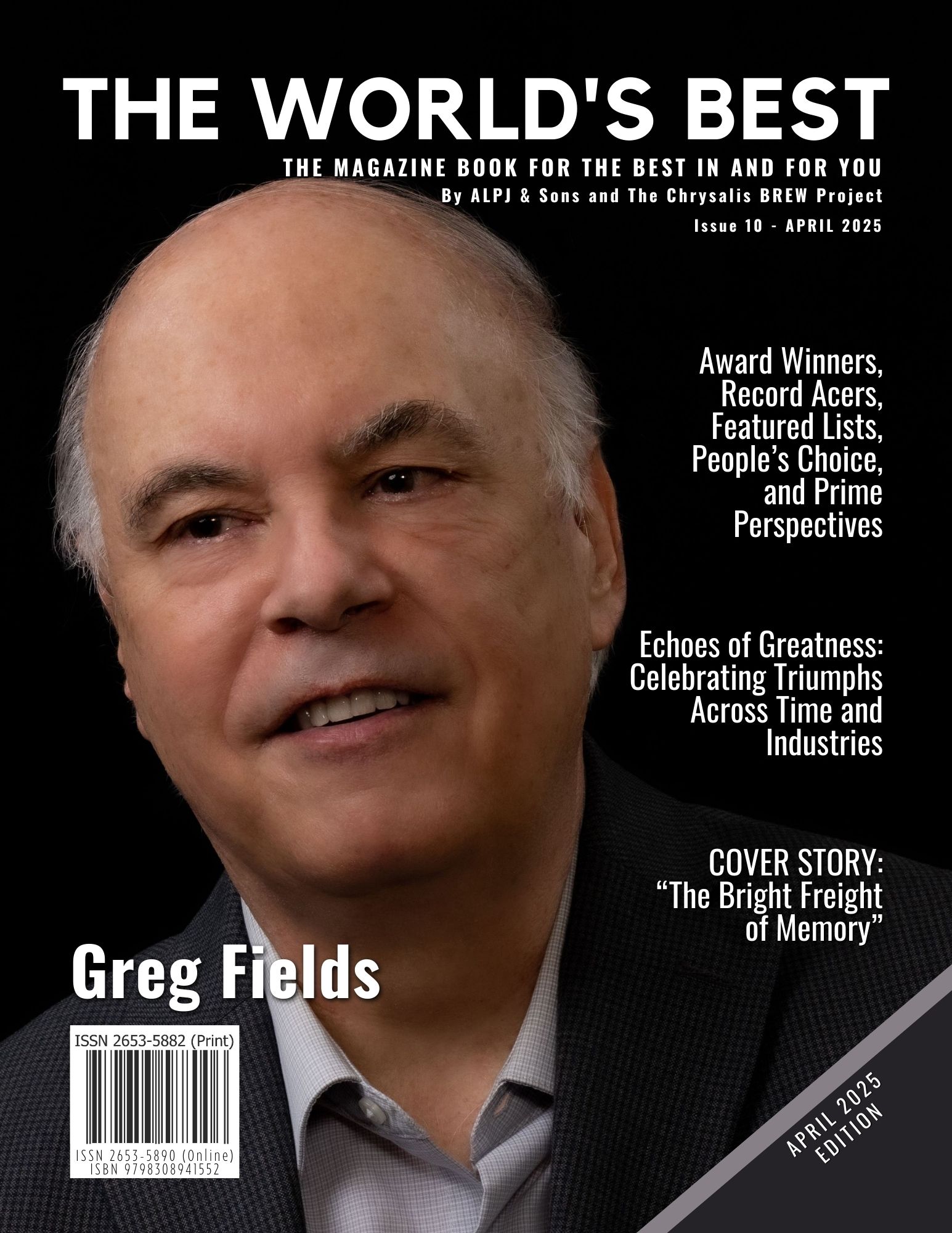


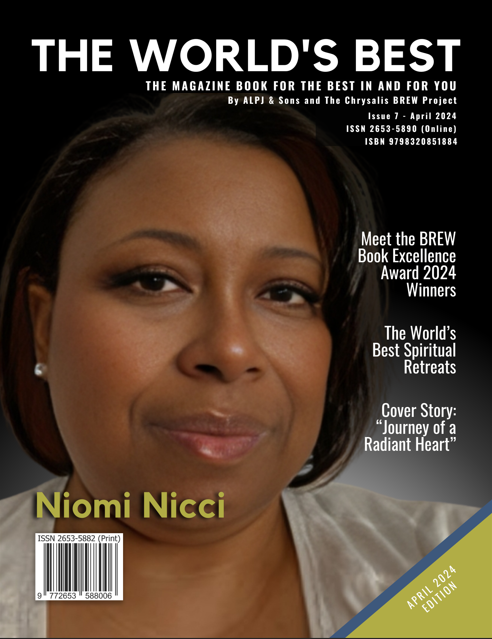

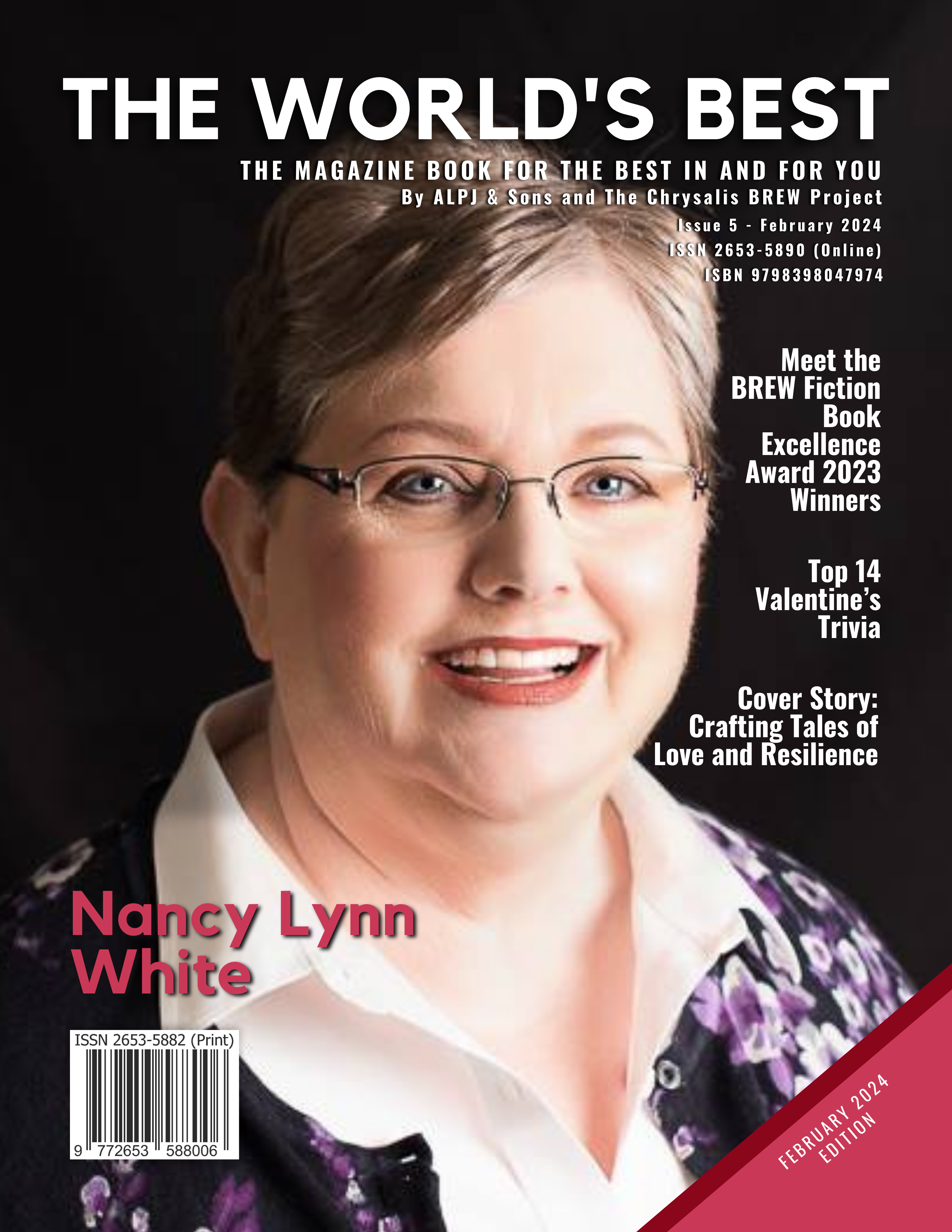




Don’t just read about greatness. Own it!

About Us
The World’s Best Magazine is a print and online publication that highlights the extraordinary. It is your passport to a universe where brilliance knows no bounds. Celebrating outstanding achievements in various fields and industries, we curate and showcase the exceptional, groundbreaking, and culturally significant. Our premier laurels, The World’s Best Awards, commend excellence through a unique process involving subject matter experts and a worldwide audience vote. Explore with us the pinnacle of human achievement and its intersection with diversity, innovation, creativity, and sustainability.
We recognise and honour the Traditional Owners of the land upon which our main office is situated. We extend our deepest respects to Elders past, present, and emerging. We celebrate the stories, culture, and traditions of Aboriginal and Torres Strait Islander Elders from all communities who also reside and work on this land.
Disclaimer: The World’s Best does not provide any form of professional advice. All views and opinions expressed in each post are the contributor’s own. Whereas we implement editorial policies and aim for content accuracy, the details shared on our platforms are intended for informational purposes only. We recommend evaluating each third-party link or site independently, as we cannot be held responsible for any results from their use. In all cases and with no exceptions, you are expected to conduct your own research and seek professional assistance as necessary prior to making any financial, medical, personal, business, or life-changing decisions arising from any content published on this site. All brands and trademarks mentioned belong to their respective owners. Your continued use of our site means you agree with all of these and our other site policies, terms, and conditions. For more details, please refer to the links below.
About | Advertise | Awards | Blogs | Contact | Disclaimer | Submissions | Subscribe | Privacy | Publications | Terms | Winners
The World’s Best: A Magazine That’s All About What’s Great | theworldsbestmagazine.com | Copyright ⓒ 2022-2026
Let’s connect
Discover more from The World's Best
Subscribe to get the latest posts sent to your email.


Personally, I need to embrace flexibility. I really like the idea of reverse mentoring. What a creative approach! It must take a humble person to take advice from people with less experience.
LikeLike