
“Once you understand it was no accident that ‘race’ was built into city planning and development—or the deliberateness of exclusion—you can begin to really understand why it’s important we break down those barriers.”
– Jawole Willa Jo Zollar
Jawole Willa Jo Zollar is a dancer, teacher, and choreographer known for integrating art and social activism. Trained by Joseph Stevenson, a student of Katherine Dunham, she founded the Urban Bush Women in 1984 to highlight African-American women’s experiences through dance. Her choreography combines modern dance, Afro-Cuban rhythms, and African-American folk traditions, addressing themes of race, community, and empowerment. Works such as Praise House and Walking with Pearl…Africa Diaries exemplify her impact, earning her numerous honors, including the 2021 MacArthur Fellowship, for advancing dance as a vehicle for social change.
TWB: Can you share the inspiration behind your latest work, “SCAT!”, and what message you hope it conveys to the audience?
JWJZ: As a part of my life’s work at Urban Bush Women and in the performing arts, being in relationship with the community is a part of our legacy. So, I’ve maintained a healthy skepticism that challenges the notion of conveying too specific of a message to the audience because it can be reductive. To us, our audience is our community who are in the process of becoming performers, facilitators, educators, and leaders.
SCAT!… The Complex Lives of Al & Dot, Dot & Al Zollar is about family, legacy, history, and culture. It’s about how we see the past, how we interpret the past to present, and how we can look at where our future can go. In relation to my own family history—and also the American cultural history of the Great Migration and the impact of racism—the odds were stacked against people of African descent. Like Sisyphus in Homer’s Iliad, each time they went up the mountain, they’d get hit and knocked back down.
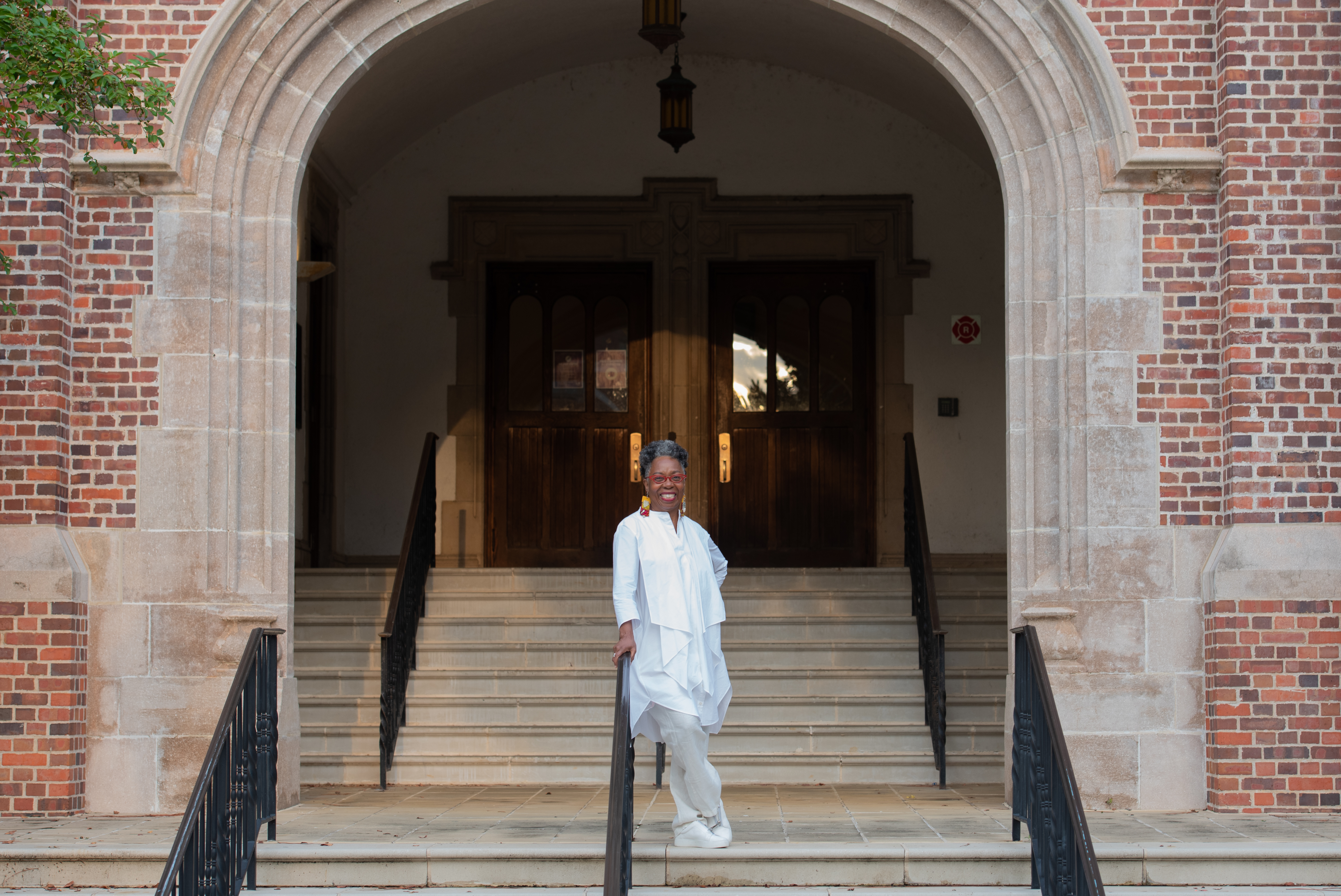
TWB: How does winning the 2024 Samuel H. Scripps/American Dance Festival lifetime achievement award and so many other awards feel, and what does the recognition mean to you personally and professionally?
JWJZ: Winning awards always feels great because it becomes an acknowledgment that people see you and your work in its fullness. In my case, the award is going to me, but I’m receiving it in a collective sense because of the multiple collaborations and contributors who help Urban Bush Women’s work catalyze social change.
TWB: The Urban Bush Women Dance Company is celebrating its 40th anniversary. Looking back, what are some of the most significant milestones or achievements that stand out to you?
JWJZ: Looking back over forty years, there are a lot of milestones and achievements, but creating the company stands out—it was something I had a vision of. Then, when it actually happened and continued, that was powerful.
Getting my first commissions was memorable because it really helped us ground ourselves in a research-based creative process with other collaborators. I had just under a dozen. Commissions were a far cry from the under or unfunded original tours and also using my own money and were a welcome sign of growth. Among my first commissions to do a work, and a milestone that felt like a real win, was Praise House.
Shelter, an original Urban Bush Women work in collaboration with Craig Harris, toured before being commissioned by Alvin Ailey American Dance Theater. This was an incredible milestone because it put Urban Bush Women on a larger stage (in terms of the work), a much larger platform, and also established my name.
Other milestones include the establishment of the Summer Leadership Institute (SLI), and the predecessors to that, which was a three-month New Orleans residency in 1991. In 1997, SLI founded BOLD—Builders, Leaders & Organizers through Dance. This was a major milestone because prior to that, all of our teaching and facilitation work didn’t yet have one cohesive vision. When I founded BOLD and Maria Bauman became the first director, it not only brought a new income stream into cohesion but it supported us to continue to deepen the values and the practices of Urban Bush Women internally with the company and also externally.
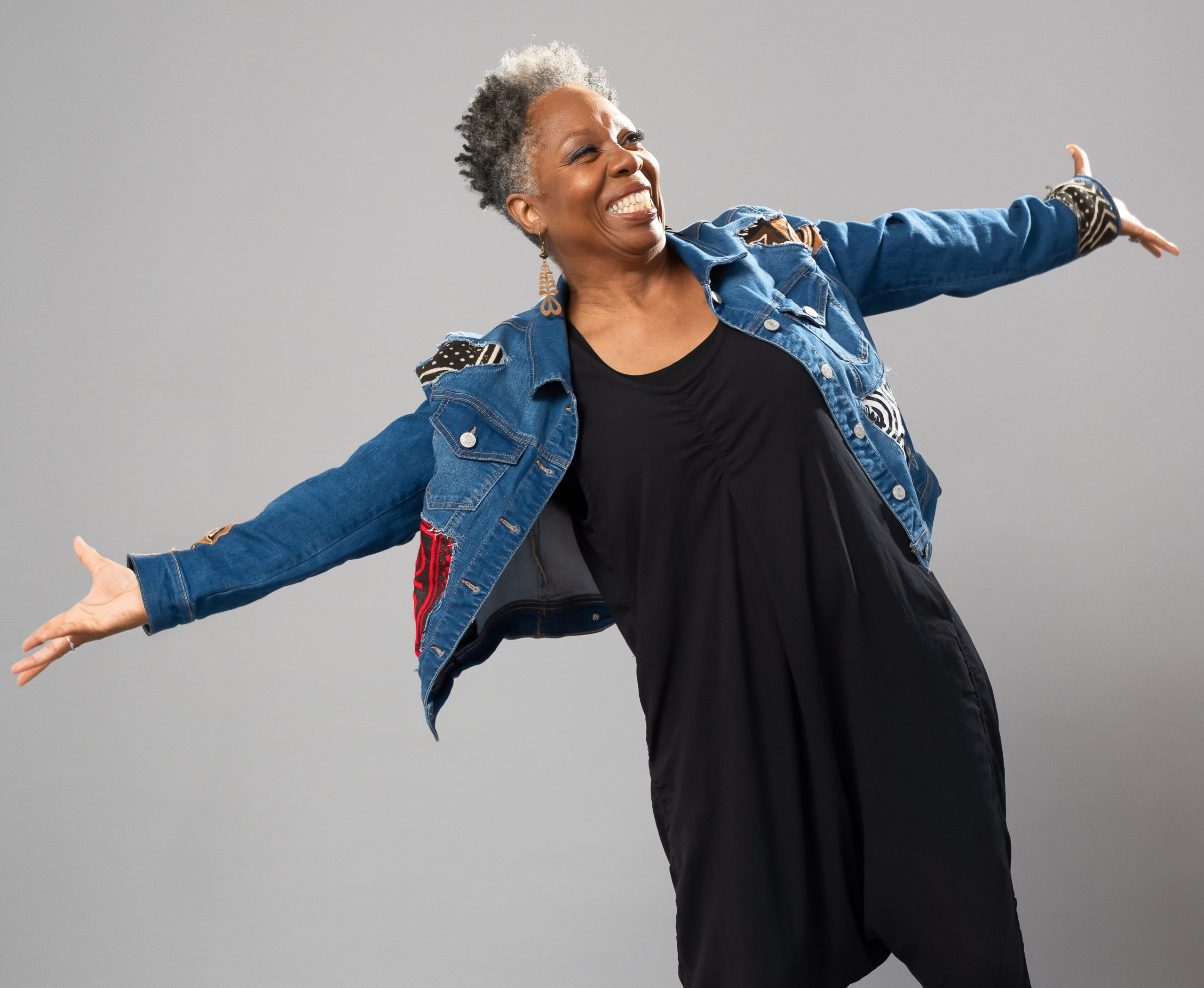
TWB: Your work has always emphasized inclusion and challenged exclusionary practices. Can you talk about some of the challenges you faced early in your career and how you overcame them?
JWJZ: As an African-American person who grew up in an all-Black community, because of racism, I was aware that once I stepped outside of my community, I was stepping into a world that I really didn’t know much about. One I didn’t really have any direct contact with that I’d only seen on television.
Experiencing the ways people, structures, and systems had deliberately cut out was eye-opening. Even doing the research for SCAT! … The Complex Lives of Al & Dot, Dot & Al Zollar early on, I discovered how the inner city of Kansas City was created prior to 1910. Segregation was very intentionally created in Kansas City, and many communities like it.
Initially, people lived together by class, not by “race”. This meant poor folks who were citizens were together with immigrants as well as the middle class—everyone was all together. A developer by the name of J.C. Nichols in Kansas City at the time who was of European descent, put forth and made into practice what became called racially restrictive covenants. Nichols was celebrated for laying the early groundwork for the harmful exclusionary and practice of marginalization that separated people and communities by “race” and national origin rather than class.
Once you understand it was no accident that “race” was built into city planning and development—or the deliberateness of exclusion—you can begin to really understand why it’s important we break down those barriers. Eventually, J.C. Nichols Parkway was named after them.
“I don’t want someone who’s just like me, who thinks like me. I’m attracted to people who have something different, who bring a different perspective, but that can find something together beyond comfort because that’s where I think the learning occurs.”
– Jawole Willa Jo Zollar
TWB: You’ve been a powerful advocate for using dance as a tool for social change. What do you believe are the most crucial elements for creating impactful, socially conscious art?
JWJZ: We deliberately avoid labels in the important work we do at Urban Bush Women because we feel they are reductive. I think that you just have to do your work as an artist, stay connected to what is true to you and what’s important to you as an artist, and be present in the world; the rest will emerge. This work becomes so much more than what we say. Looking at what is affecting me as an artist and how I want to bring it into an artistic state, into work, is how I began.
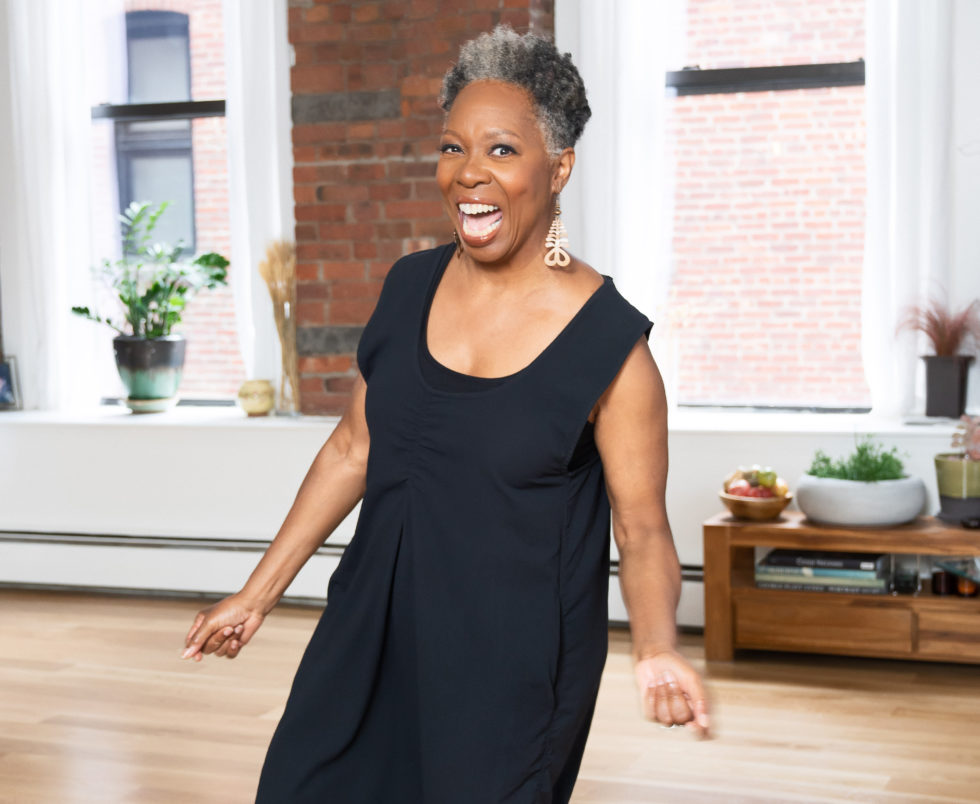
TWB: Your choreography often incorporates diverse dance traditions, from Afro-Cuban to modern dance. How do these influences shape your creative process and the stories you tell through dance?
JWJZ: My creative perspective is whatever you are, whoever you are, and whatever you’ve experienced, goes into your work. Environments we’re constantly in and things that we constantly do affect our work in known and unknown ways. Imagine looking out of the window of your childhood home each day and seeing thick trees all the time, or an urban, city landscape of buildings taller than giants, in some ways that’s going to affect your work. For me, that also includes things that are a part of my movement background. That’s everything from drill teams to Afro-Cuban dance to authentic jazz dance. That’s what Pepsi Bethel would sell. All of those experiences influenced my ballet, modern dance, and contemporary dance. Anything that I make; it all goes into the pot.
TWB: You mentioned the transition to new Co-Artistic Directors Chanon Judson and Mame Diarra Speis. What are your hopes for the future direction of Urban Bush Women with this move?
JWJZ: I think there’s a lineage and that lineage didn’t start with me; it started before me, and it has an origin story. That’s the historic lineage that will always stay important because we build upon that which is around us. Nothing springs out as purely original, but the way we put things together might be original.
Lineage and how that then becomes defined for the two new artistic leaders is important. I trust they’ll thoughtfully reflect on rhetoric the organization’s legacy is deeply founded on: What ground is Urban Bush Women standing on? What is the future ground that is built for others to stand on?
TWB: You have a rich history of collaboration in your performances. How do you approach collaboration and what you look for in your artistic partners?
JWJZ: I look for discovery and what I’m going to be able to learn in collaborations.
I don’t want someone who’s just like me, who thinks like me. I’m attracted to people who have something different, who bring a different perspective, but that can find something together beyond comfort because that’s where I think the learning occurs. Heat was my first collaboration of its kind for a visual art project with a lighting designer and our first time working together. We worked with projections and words, something that I had not done previously. All because we both pushed each other to discover something we didn’t know and stayed curious about friction as it arose, it opened a whole new visual language for Urban Bush Women and we discovered something we didn’t know that can inform our artistic practice.
I love it. The hidden magic inside of creative tension is like a back and forth tennis match. Sometimes you don’t know where it’s going to go. It’s unknown, but the tension of the game between excellent players and seeing it through is magic.
TWB: As someone who has made significant strides in the field of dance and beyond, what advice would you give to young artists who aspire to use their work for social advocacy and change?
JWJZ: It starts with the artist. You do your work and the research.
It’s important to focus on what the actual work is. Stay aware of how you are, where you are learning, and how you’re structured because to be an artist means that you’re looking at your craft, your technique, and your growth in whatever medium you work with as you discover where the research leads you. Whether it’s the performing arts or politics, the research is paramount to artists who are digging into expression in a really rigorous way. Questions to keep in mind while shaping a point of view include what are you saying? Why are you saying it? How does the technique and craft, the doing, really inform the work?
TWB: Looking ahead, what projects or goals are you most excited about and how do you see your legacy evolving in the coming years?
JWJZ: I won’t say never, but aside from the goal of getting my MFA, or studying with Diane McIntyre when I moved back to New York, I haven’t really worked with goals—I’ve worked with experiences.
I recall telling someone I thought moving to New York was like getting my PhD! I wanted to learn and experience as much as I could. That’s what I want, to do work that continues to excite me, push me, and terrify me. Jake Heggie and I talked about this a lot: Sometimes in the terror of the unknown, of that which challenges you, that’s where breakthroughs can occur.
I want to keep growing and discovering new things and the hidden magic that comes with being uncomfortable and heading into new territories. Discomfort, not to be mistaken for harm or abuse, is part of the growth process. As someone who works in the academy, I’d like to see the discomfort in success and discomfort in failure embraced, we learn through both.
Always ask: What am I learning? ⭐
“Sometimes in the terror of the unknown, of that which challenges you, that’s where breakthroughs can occur.”
– Jawole Willa Jo Zollar
Useful Links
- Official Urban Bush Women website
- SCAT!… The Complex Lives of Al & Dot, Dot & Al Zollar
- BOLD (Builders, Organizers, and Leaders through Dance)
- “When Black Women+ Speak” series
Share Your Insights
We invite you to engage with our interview article on the remarkable journey of Jawole Willa Jo Zollar. Your thoughts and reflections are valuable contributions to the ongoing dialogue surrounding dance, social advocacy, and artistic legacy. Share your insights by commenting on the article and answering the following questions:
- How has Jawole Willa Jo Zollar’s work inspired or influenced your understanding of dance as a tool for social change?
- Which aspect of Zollar’s choreographic style resonates with you the most, and why?
- In what ways do you believe artists can continue to challenge exclusionary practices and promote inclusivity through their creative endeavors?
Your perspectives enrich the conversation and help us explore the profound impact of Zollar’s legacy on the arts and society. Join us in celebrating her transformative journey and envisioning a more inclusive future through the power of movement and expression.
July 2024 marked a special milestone at The World’s Best Magazine as we proudly declare it as our Diversity, Resilience, and Inclusion Month. Throughout the month – and moving forward – we officially dedicate a special series of posts in our platform to celebrating the richness of diversity, the strength of resilience, and the power of inclusion.
Join us as we spotlight stories that showcase the myriad facets of diversity, from cultural heritage to individual identities. Through our features, we aim to amplify voices that demonstrate resilience in the face of adversity, inspiring others to persevere and thrive.
Moreover, we pledge to champion inclusion in all aspects of our work, ensuring that every story, perspective, and experience is welcomed and valued. By embracing diversity, resilience, and inclusion, we strive to foster a more equitable and compassionate world.
Let’s come together to honor the beauty of our differences, celebrate the triumphs of the human spirit, and reaffirm our commitment to building a society where everyone is seen, heard, and valued.
Related Posts


Something went wrong. Please refresh the page and/or try again.
Other Highlights

Looking for something?
Type in your keyword(s) below and click the “Search” button.
Helpful Shortcuts
More Stories













Print and Digital Magazine


Don’t just read about greatness. Own it!

About Us
The World’s Best Magazine is a print and online publication that highlights the extraordinary. It is your passport to a universe where brilliance knows no bounds. Celebrating outstanding achievements in various fields and industries, we curate and showcase the exceptional, groundbreaking, and culturally significant. Our premier laurels, The World’s Best Awards, commend excellence through a unique process involving subject matter experts and a worldwide audience vote. Explore with us the pinnacle of human achievement and its intersection with diversity, innovation, creativity, and sustainability.
We recognise and honour the Traditional Owners of the land upon which our main office is situated. We extend our deepest respects to Elders past, present, and emerging. We celebrate the stories, culture, and traditions of Aboriginal and Torres Strait Islander Elders from all communities who also reside and work on this land.
Disclaimer: The World’s Best does not provide any form of professional advice. All views and opinions expressed in each post are the contributor’s own. Whereas we implement editorial policies and aim for content accuracy, the details shared on our platforms are intended for informational purposes only. We recommend evaluating each third-party link or site independently, as we cannot be held responsible for any results from their use. In all cases and with no exceptions, you are expected to conduct your own research and seek professional assistance as necessary prior to making any financial, medical, personal, business, or life-changing decisions arising from any content published on this site. All brands and trademarks mentioned belong to their respective owners. Your continued use of our site means you agree with all of these and our other site policies, terms, and conditions. For more details, please refer to the links below.
About | Advertise | Awards | Blogs | Contact | Disclaimer | Submissions | Subscribe | Privacy | Publications | Terms | Winners
The World’s Best: A Magazine That’s All About What’s Great | theworldsbestmagazine.com | Copyright ⓒ 2022-2026
Let’s connect
Discover more from The World's Best
Subscribe to get the latest posts sent to your email.

 The World's Best
From this interview, I learned the idea of working with experiences instead of goals. We are a goal-obsessed society, and that doesn’t always work for creatives. What a refreshing way to reframe our endeavors!
LikeLiked by 1 person
Well said! Awesome comment!
LikeLiked by 1 person