
“We have a fantastic team, from really diverse backgrounds – there are creative people, empathetic communicative people who are great with the stakeholders and data geeks like me who prefer the facts and figures. We really are more than the sum of our parts when we work together.”
– Sara Boltman
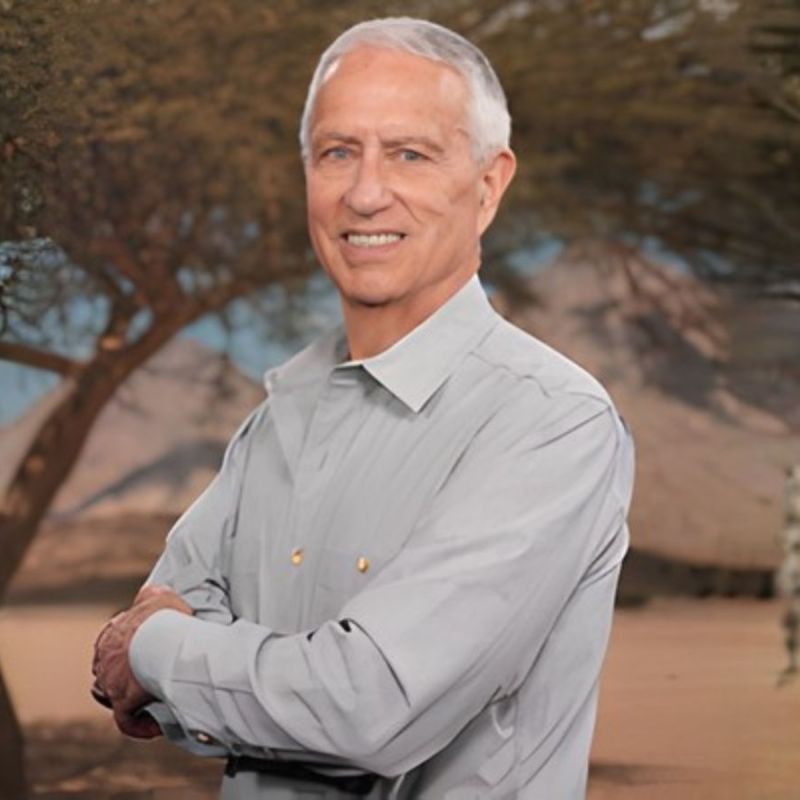
Sara Boltman, the CEO of Butterfly Data, has steered the company’s trajectory for over two decades. Graduating with a master’s degree in physics from Oxford University, Sara’s journey into data science began at Detica, where she honed her expertise in secure government consultancy. In 2003, she founded Butterfly Data, which has since made its mark in providing data science and management services to large government organisations.
Under Sara’s stewardship, Butterfly Data has undergone significant growth, which resulted into its transition to an employee-owned company in 2021 and earning B-Corp certification in 2023. Her leadership is also focused on her expressed commitment to listening to clients’ needs and proposing tailored solutions that align with best practices and cost-effectiveness.
Butterfly Data’s commitment to the UN Sustainable Development Goals of Gender Equity and Clean Energy is reflective of Boltman’s values-driven leadership. For instance, Sara herself is a member of the investment association called Women Angels of Wales, which provides financial support, guidance, mentorship, and connections to prospective partners and clients for female founders. She has also helped various charities, including the Friends of Westonbirt Arboretum, EdUKais in Tanzania, and the Nelson Trust. Anchored on Sara’s own values, Butterfly Data is dedicated to making a positive impact on society. The company’s initiatives, such as its 1% charity pledge, pro-bono ventures, and volunteering, exemplify its drive towards social responsibility.
Beyond data science, Sara’s involvement in projects like Car-y-Mor, a seaweed farming venture, underscores her passion for exploring other innovative solutions. This is not to mention that she also relishes weekend DIY projects with her architect husband Rob and going on boating and biking adventures with their two teenaged children.
Join us as we explore the insights shared by Sara Boltman, which shed light on the intersection of data science and leadership in today’s dynamic landscape.
TWB: Could you share with us the inspiration behind founding Butterfly Data and your journey since its inception in 2003?
SB: When I founded Butterfly in 2003, I was only 26 years old, a woman working in a man’s world and knowing the maternity leave offered by my organisation was the legal minimum I felt I could support myself better and avoid being consigned to the ‘mummy track’ as I was still ambitious. Short term contracts, 3 months for a bank, 6 months for an insurance company, fitted in well between property renovations and childcare. It was only when my youngest child started primary school that I resumed working 5 days a week and began actively growing the company, taking on employees and renting office space. While unconventional, this career path has enabled me to retain control and do the work I love.
TWB: How do you approach the challenges of handling data models and meeting stakeholder expectations in your role as the founder of Butterfly Data?
SB: We have a fantastic team, from really diverse backgrounds – there are creative people, empathetic communicative people who are great with the stakeholders and data geeks like me who prefer the facts and figures. We really are more than the sum of our parts when we work together.
Some stakeholders want to leap straight into AI and create machine learning models, without really understanding whether the quality of the data they are feeding the model with is good enough. We always tackle each obstacle as we find it, coming up with some innovative solutions along the way.
TWB: With your background in physics and a master’s degree from Oxford University, how has your education shaped your approach to data science and management consultancy?
SB: I had completed a physics master’s degree at Oxford University just as the dot com bubble was at its height, so moved into IT consultancy and quickly found my niche in analysing data, uncovering insights and trends. I have always been fascinated by patterns, whether that is in how galaxies collide and swirl to form black holes or how patterns in consumer spending can show advanced signs of impending recessions.
TWB: What are some key trends or advancements you’ve observed in the field of data science over the past few years, and how do you see these influencing the future of the industry?
SB: Last year (2023) saw the public embrace AI in a way I wouldn’t have anticipated 5 years ago. Bloggers began writing Shakespearean sonnets using chat GPT, artists created ‘photographs’ of people and places that have never quite existed, YouTubers created scripts and used them – sometimes even generating their own voice using text to speech tools, to save them the effort of reading it. I’ve recently been doing some Google cloud training and some of the audio has been generated this way (you can occasionally tell, as the emphasis is sometimes in the wrong place, though interestingly the Machine learning training has been read by a real human!) so I imagine the time and effort required to produce this kind of thing has just drastically reduced. I think we will see a deluge of autogenerated content which will just be a bit ‘meh’ without any personality.
Real in person consulting and creative problem solving will still be valued – people need to feel heard and understood, and co-located working is helpful for building that trust. Biological instinct still plays a part in who we choose to buy from.
TWB: As a leader in data science and intelligence analysis, what strategies do you employ to ensure your team stays at the forefront of innovation and remains adaptable to change?
SB: We try to allow the team to pursue professional development, taking regular courses to stay abreast of technology. We have busy times and quiet times, and we have just been through a couple of months where we broke all our own previous records. Now it’s time to scan the horizon and decide what strategy to pursue, to ensure we are equipped for it. A lot of customers want to make use of generative AI but with guardrails, I have contributed to a couple of white papers on bias and safety in AI, particularly with medical data. That’s where we are putting in the groundwork at the moment because it’s not the kind of thing that can be bolted on as an afterthought. Rather like security and sustainability these things need to be baked in from the design stage.
TWB: How do you balance the technical aspects of data science with the softer skills required for effective leadership and stakeholder management?
SB: We cross train our people, taking someone who was a teacher, poet or in the Army and teach them some data science. Similarly, we take our maths graduates or data science masters placement students and teach them how to present, network or give an elevator pitch. Working in cross- functional teams helps. Everyone can contribute what they are best at, but also learn from each other.
In terms of leadership, we have an annual strategy meeting where the whole team get together for a full day and an evening meal together – good bonding time as we are scattered all over the UK with a couple of hubs in Cardiff and Manchester. As an employee-owned company it’s great to get everyone involved, for example we became a B-Corp last year and although we had been doing a lot of social value work it was not in one coherent direction. Now the team have chosen two of the Un sustainable development goals – gender equality and clean energy. Our charitable giving (pledge 1%) pro bono work and R&D investment can now all be guided by those goals.
TWB: Can you share a memorable success story or project from your experience at Butterfly Data that highlights the impact of data science on driving business outcomes?
SB: We’ve been working with a government department to improve their data quality for a long time. Only 60% of the data from some sources was usable when we started, partly due to the way it has been submitted but also due to the way it was validated and processed. This meant the compliance and risking processes built on top of that data didn’t have the full picture. Our improvements have saved the customer time and money and resulted in a much more accurate (and therefore fairer) process for everyone. When securing funding for follow on work, the business case from our improvements was so clear, it has led to repeated referrals for new project work with the same customer. During Covid our team worked with their team to rapidly put in place a number of crucial systems, which led to a Civil Service co-creation award and a personal handwritten note of thanks from Rishi Sunak.
TWB: In your opinion, what are some common misconceptions or challenges that organisations face when implementing data science solutions, and how do you address them?
SB: Some customers can’t or won’t provide us with real data and we have to generate synthetic data (to their requirements) to build our models. Then when they try to deploy our models on their real data they don’t work as well, and we need to tune them to cope with the dirty or missing data. At this point they realise it IS worth going through the necessary procedures to get us cleared to look at the real data, or to create us user accounts in their systems, which is what we ideally need in the first place. Often by then we have built up the trust required, or they have realised that their own data is far from the VB perfect examples they asked us to synthesise. It’s always an illuminating learning experience – the anomalies in the real data often reveal things even the customer didn’t know, about who their best customers really are and how things have changed over time.
TWB: With 15+ years of experience in SAS, what advice would you give to aspiring data scientists looking to build a successful career in this field?
SB: Practice is more valuable than theory. Get stuck in, with some real data as soon as you can. Try to explore and visualise it to make sense of what you are seeing. Always try to understand the mechanism by which one feature affects another. A great example of this in real life is ice cream sales and drownings both go up in summer. There is no cause-and-effect relationship between the two, rather, both are affected by warmer weather, but if you don’t have a temperature variable in your dataset you won’t see it in the data – common sense and incorporating open data like weather or historic data helps you see the pattern.
TWB: Looking ahead, what are your goals and aspirations for Butterfly Data, and how do you envision the company’s role in shaping the future of data science and intelligence analysis?
SB: We want to help tackle the challenge of switching over to renewable energy. The necessary predictive models, supply and demand management and consumer behaviour ‘nudges’ will all require data analysis and data science. ⭐
“Practice is more valuable than theory. Get stuck in, with some real data as soon as you can. Try to explore and visualize it to make sense of what you are seeing.”
– Sara Boltman
Know more and connect with Sara Boltman through the following links:
Learn more about Sara Boltman on LinkedIn
Discover Butterfly Data’s innovative solutions
We’d love to know what you think.
What aspect of Sara Boltman’s journey resonated with you the most? How do you envision the future of data science and leadership based on Sara’s insights? What questions would you like to ask Sara about her experiences and perspectives?
Join the conversation and share your thoughts on the comments below!
Other Highlights

Looking for something?
Type in your keyword(s) below and click the “Search” button.
Helpful Shortcuts
More Stories





















Print and Digital Magazine

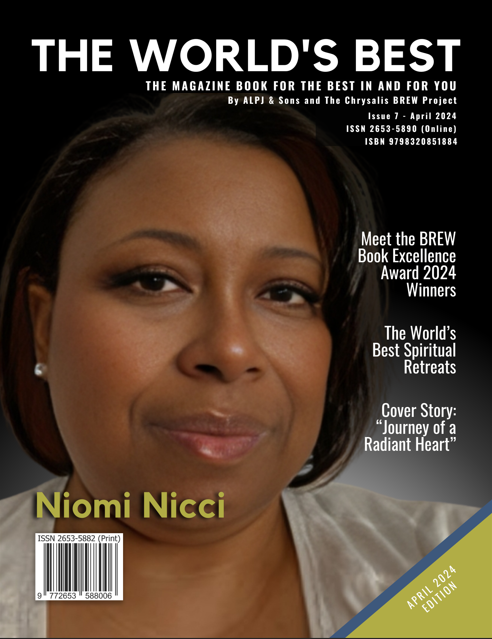

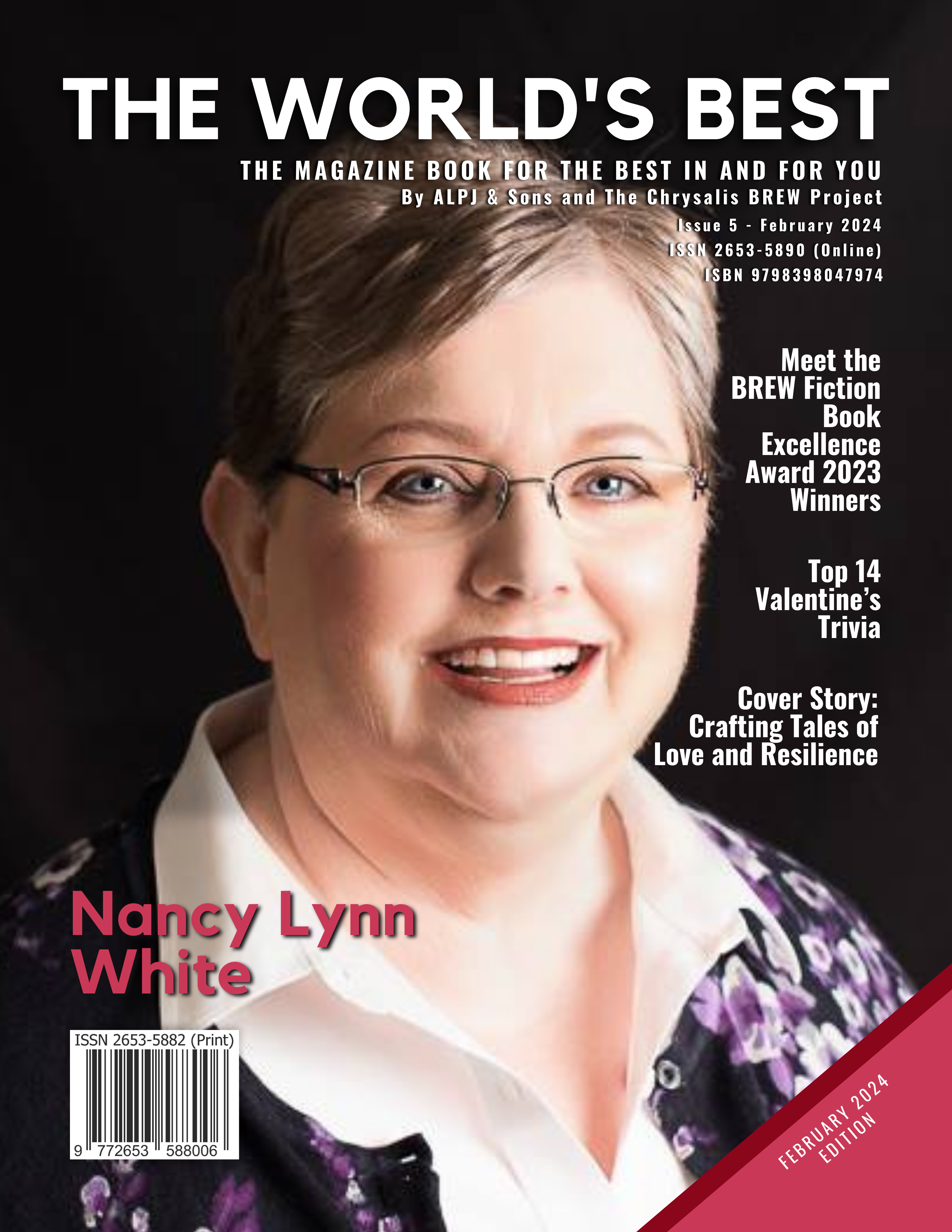
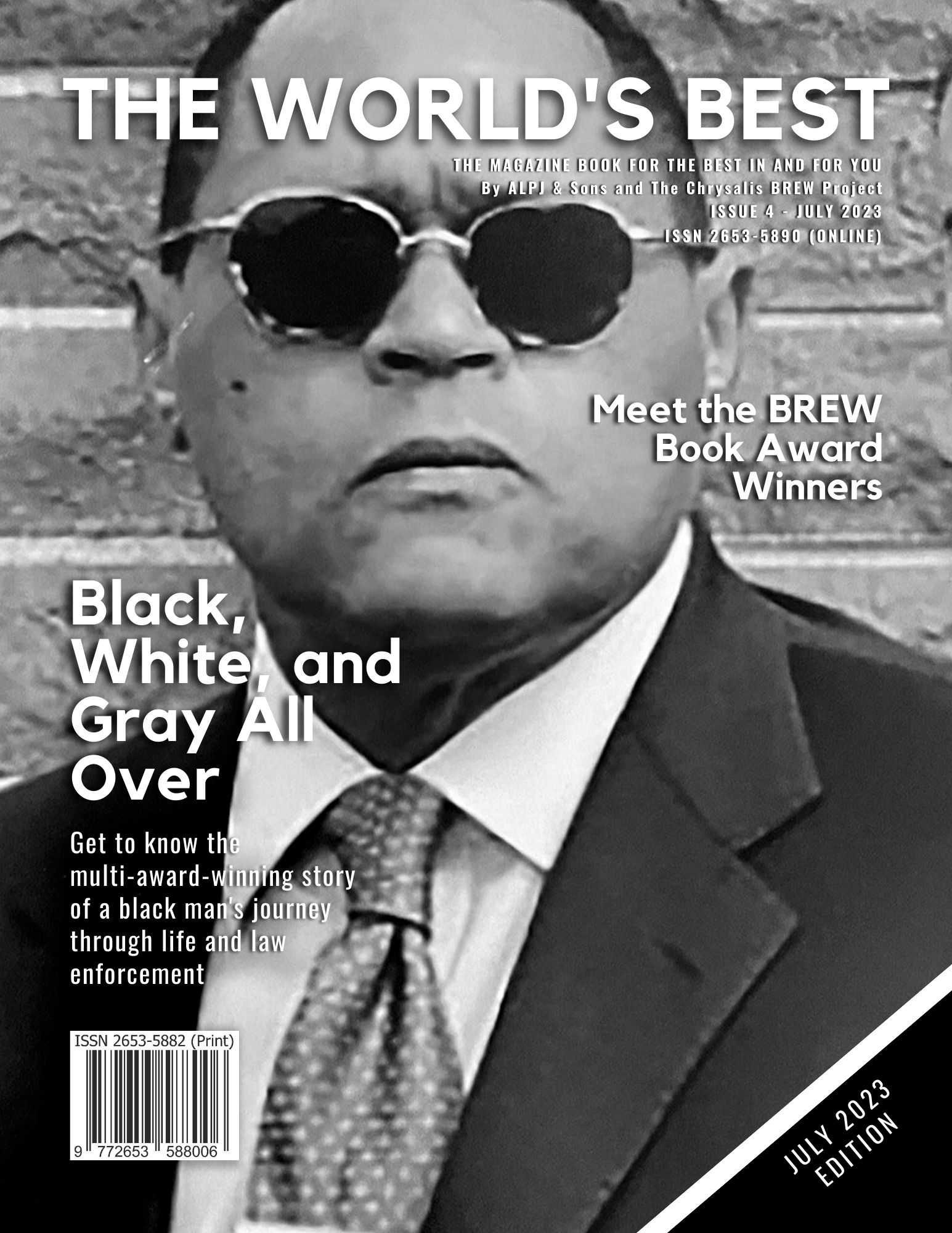
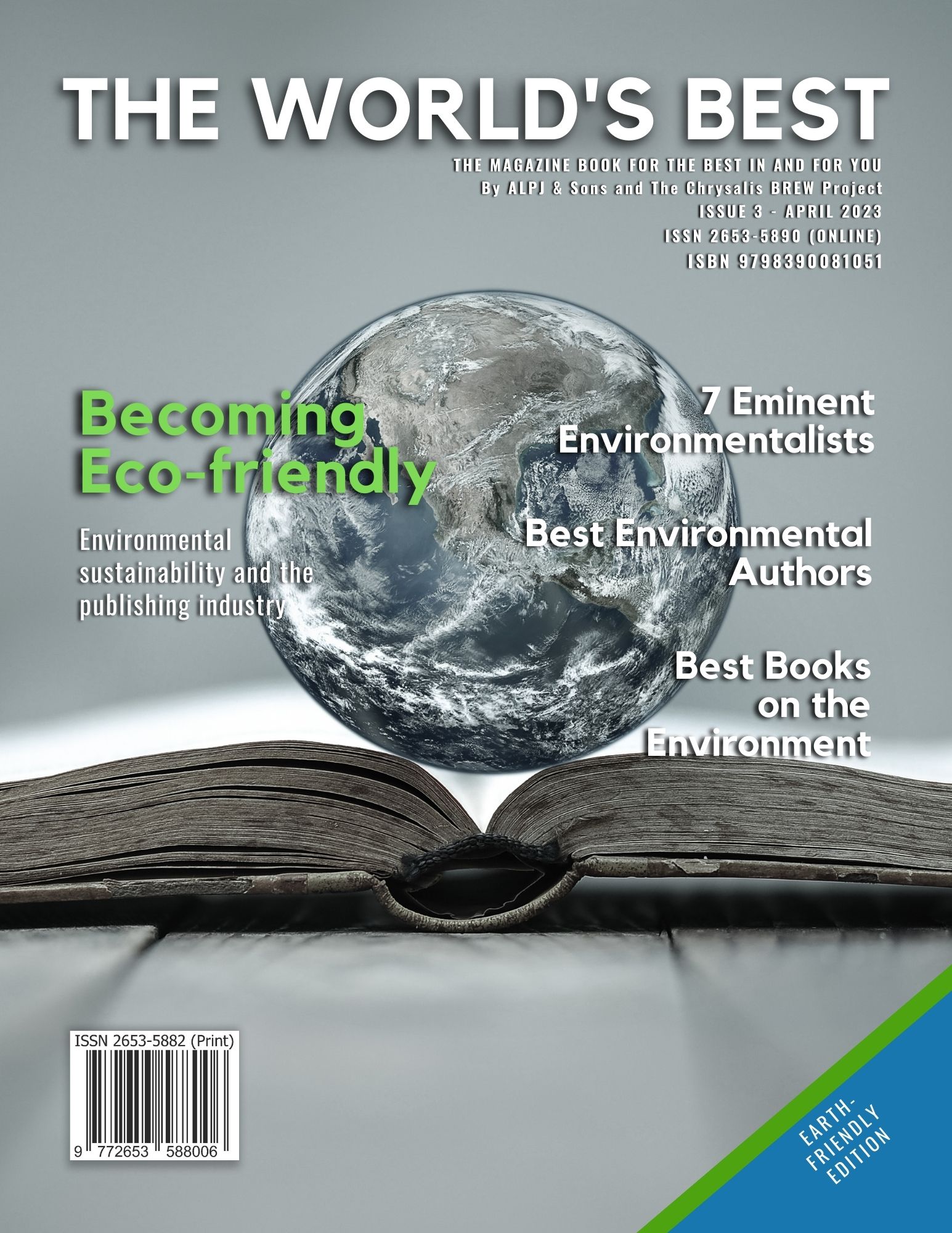

Don’t just read about greatness. Own it!

About Us
The World’s Best Magazine is a print and online publication that highlights the extraordinary. It is your passport to a universe where brilliance knows no bounds. Celebrating outstanding achievements in various fields and industries, we curate and showcase the exceptional, groundbreaking, and culturally significant. Our premier laurels, The World’s Best Awards, commend excellence through a unique process involving subject matter experts and a worldwide audience vote. Explore with us the pinnacle of human achievement and its intersection with diversity, innovation, creativity, and sustainability.
We recognise and honour the Traditional Owners of the land upon which our main office is situated. We extend our deepest respects to Elders past, present, and emerging. We celebrate the stories, culture, and traditions of Aboriginal and Torres Strait Islander Elders from all communities who also reside and work on this land.
Disclaimer: The World’s Best does not provide any form of professional advice. All views and opinions expressed in each post are the contributor’s own. Whereas we implement editorial policies and aim for content accuracy, the details shared on our platforms are intended for informational purposes only. We recommend evaluating each third-party link or site independently, as we cannot be held responsible for any results from their use. In all cases and with no exceptions, you are expected to conduct your own research and seek professional assistance as necessary prior to making any financial, medical, personal, business, or life-changing decisions arising from any content published on this site. All brands and trademarks mentioned belong to their respective owners. Your continued use of our site means you agree with all of these and our other site policies, terms, and conditions. For more details, please refer to the links below.
About | Advertise | Awards | Blogs | Contact | Disclaimer | Submissions | Subscribe | Privacy | Publications | Terms | Winners
The World’s Best: A Magazine That’s All About What’s Great | theworldsbestmagazine.com | Copyright ⓒ 2022-2026
Let’s connect
Discover more from The World's Best
Subscribe to get the latest posts sent to your email.


It seems like AI took us all by surprise. I don’t understand much about data science but I’m glad they’re focusing on renewable energy 🙂
LikeLiked by 2 people
I agree. Thank you for sharing your thoughts.
LikeLiked by 1 person
Thank you for this post.
LikeLike