“I am 84 years old and began being a poet full time when I retired at 77.”
– John Maynard
John, thank you for joining us. To begin, could you introduce yourself in your own words, describe what you do, and share what you are currently working toward as a writer?
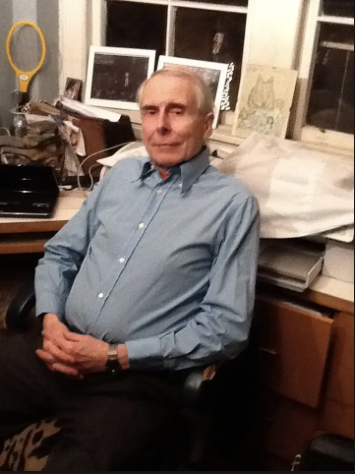
I am 84 years old and began being a poet full time when I retired at 77. Before that, my duties as a professor at NYU and my academic writing took up most of my energies. I have completed six books of poetry and have had five of them accepted for publication so far. I have maybe four or five left to edit and pull together. The poetry is written already.
One of your recent poetry projects unfolds through repeated encounters over time rather than a single event. How did that structure emerge, and what did it allow you to explore that a shorter or more isolated poem might not?
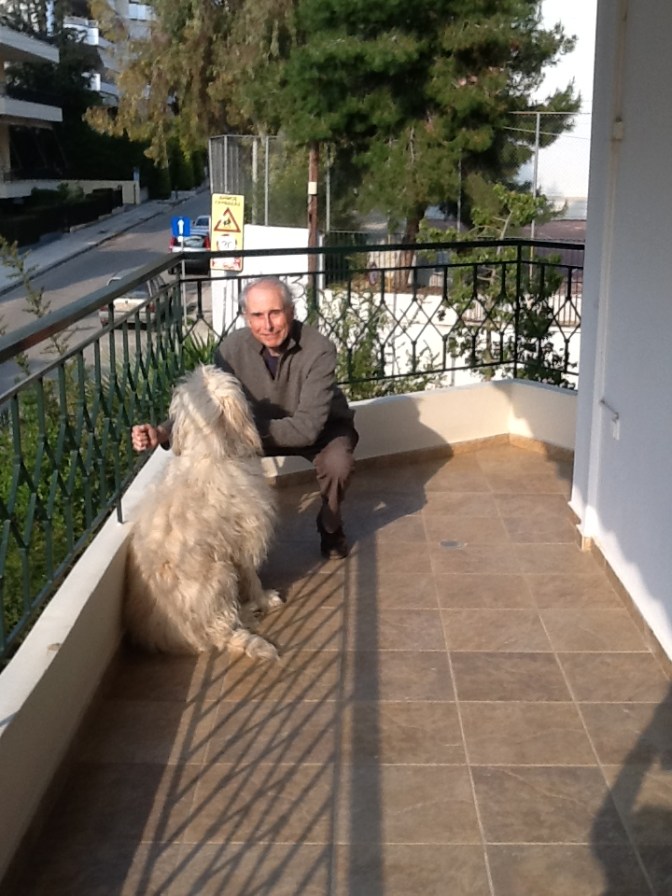
The work, Armando and Maisie, now published with Kelsay, developed out of my daily dog-walk routine in Central Park. As I came to know Armando, who lives in the park, I started capturing his observations and my perceptions soon after we talked. Eventually, I saw the succession of poems that emerged would work well as a longer poem.
The poems focus on everyday meetings in a shared public space. What drew you to treat those moments as material worthy of sustained poetic attention?
I really liked the discussions Armando and I had and wanted to capture them along with his relationship to my dog Maisie, a golden doodle.
Without summarizing the book, how would you describe what holds its poems together from beginning to end?
There is the progressive unfolding of my relationship with Armando and understanding of his unique life choices. Overall, there is a plot of his relationship to Maisie and her eventual death.
The work observes relationships between people, animals, and place. How do you approach writing about connection without turning it into explanation or sentiment?
A good question: in these poems, I was able to locate observations about connections in details of my visits and specifics said and seen, so they seemed to emerge naturally.
The work observes relationships between people, animals, and place. How do you approach writing about connection without turning it into explanation or sentiment?
Here, I think the element of time was a discovery I made, as I indeed worked in time. The flow of time comes easily from my successive positioning with Armando and Maisie over quite a number of years—a kind of diary of a connection.
Your background includes long experience as a teacher and editor. How did those roles influence the discipline, pacing, or restraint visible in this poetry collection?
From many, many years teaching wonderful poems to students, I have been aware in my own writing that readers should be given clear enough language to take in the poem; and then they should be given freedom to work with the language in developing their own readings. (I wrote a book on readers.)
The book reflects a phase of writing that came later in your career. What changed—internally or practically—that allowed this work to take shape when it did?
Practically, I had the time to work out my poems as I wanted them. Internally, I was increasingly open to the wisdom in other people of all walks of life, perhaps from enjoying the complexity of my students and their very diverse talents.
When writing poems grounded in real encounters, how do you decide what belongs on the page and what should remain private or unspoken?
In these poems, there was always something salient in our discussions or my observation that day that formed itself into a poem, so other concerns were then subordinated to it.
What do you hope readers take away from spending time with this book, not as a message, but as an experience?
Certainly as an experience: I lead them into the complexities of human and animal relations in a deep and obscure wood of Central Park’s natural Ramble. I hope they find their own individual way through what I give them, not as directed by me but as they explore for themselves in the spirit of my own explorations.
If you were to write your bio in your own words, what would you say? Looking ahead, what kind of long-term impact would you like your work to have?
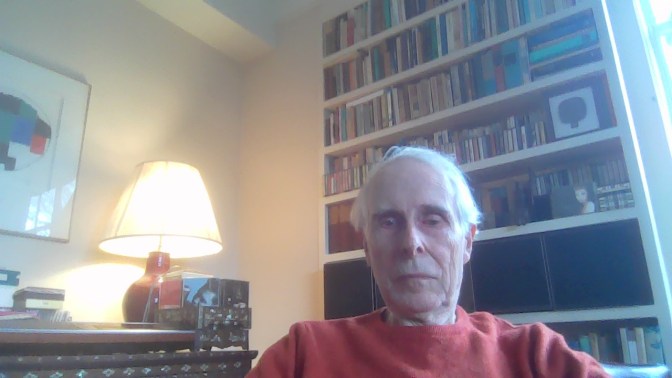
My story is as follows: I am Professor of English Emeritus at NYU. I have published five nonfiction books, including three with Harvard and Cambridge, and many articles, and I have done a great deal of editing, including co-editing a journal with Cambridge for 26 years. I won the Thomas J. Wilson Prize of Harvard University Press for a biography. I was awarded a Guggenheim and also an NEH Grant; recently I was given an Albert Nelson Marquis Lifetime Achievement Award by Marquis Who’s Who. I am listed on Wikipedia (John R. Maynard). I am a member of PEN. My website is johnrmaynard.com.
During most of my adult life, I wrote some poems and planned to write more. As I neared retirement, I found time to write many more poems. I have been editing them for book publications for the past three years and now have six completed books, of which five have been accepted for publication—two out and one or two more to come this year.
Quite simply, I believe in poetry as the finest way of communicating in written form, still connected to its oral origins. I hope to bring this old media back most vigorously in the lives of people, now and later. I believe my poems have something to say worth others reading and hearing.
⭐⭐⭐⭐⭐
“Quite simply, I believe in poetry as the finest way of communicating in written form, still connected to its oral origins.”
– John Maynard
Links
- Know more about the BREW Book, Blog, and Poetry Awards here
Share Your Insights
We’d love to hear your thoughts:
- What everyday moments feel most meaningful to you?
- How does time change the way you reflect on relationships?
- Can poetry help you notice things you might otherwise miss?
Alignment with the UN SDGs
- SDG 4: Quality Education – literary reflection and learning
- SDG 3: Good Health and Well-Being – emotional awareness
- SDG 11: Sustainable Communities – shared public spaces
Other Highlights

Looking for something?
Type in your keyword(s) below and click the “Search” button.
Helpful Shortcuts
More Stories


Print and Digital Magazine
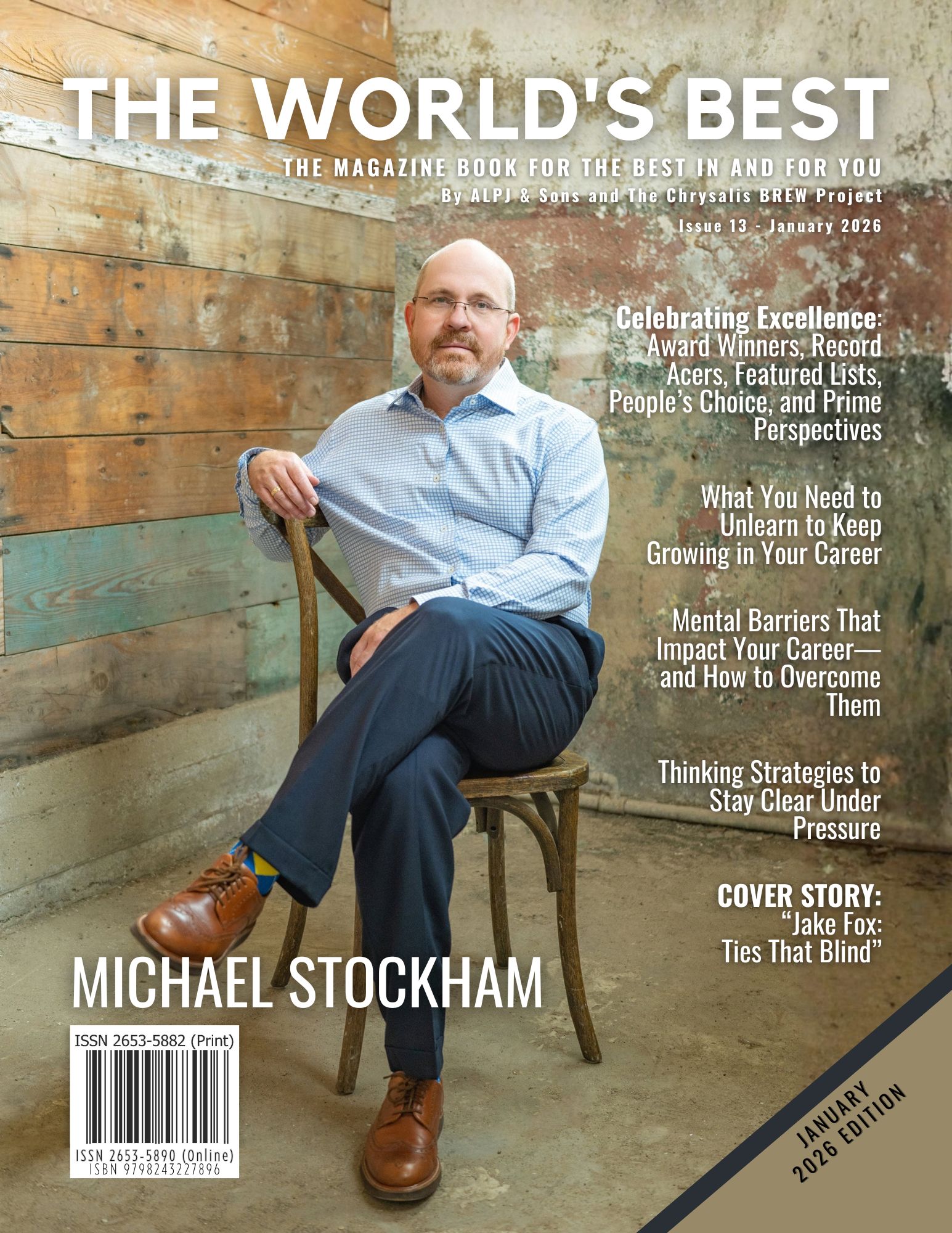
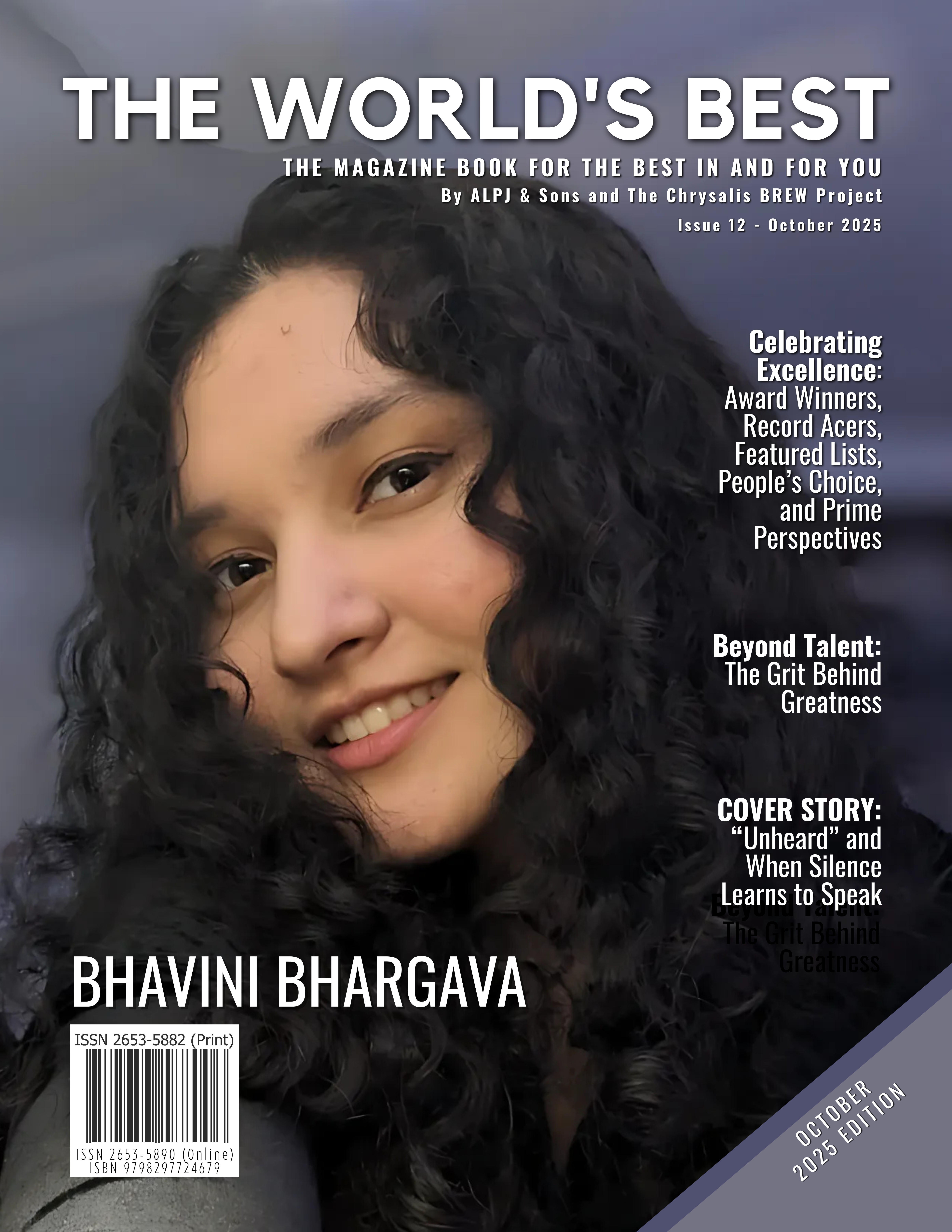
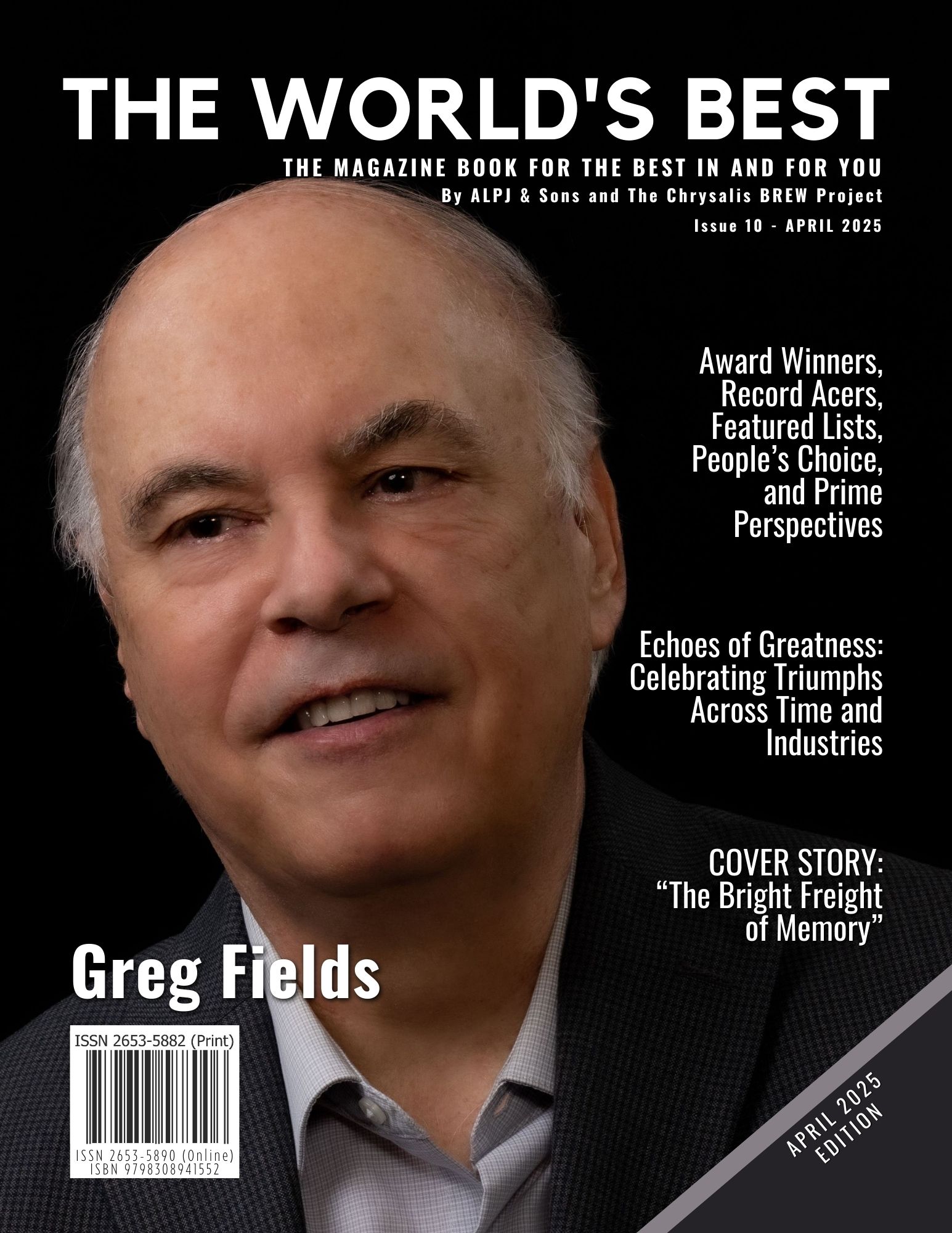

Don’t just read about greatness. Own it!

About Us
The World’s Best Magazine is a print and online publication that highlights the extraordinary. It is your passport to a universe where brilliance knows no bounds. Celebrating outstanding achievements in various fields and industries, we curate and showcase the exceptional, groundbreaking, and culturally significant. Our premier laurels, The World’s Best Awards, commend excellence through a unique process involving subject matter experts and a worldwide audience vote. Explore with us the pinnacle of human achievement and its intersection with diversity, innovation, creativity, and sustainability.
We recognise and honour the Traditional Owners of the land upon which our main office is situated. We extend our deepest respects to Elders past, present, and emerging. We celebrate the stories, culture, and traditions of Aboriginal and Torres Strait Islander Elders from all communities who also reside and work on this land.
Disclaimer: The World’s Best does not provide any form of professional advice. All views and opinions expressed in each post are the contributor’s own. Whereas we implement editorial policies and aim for content accuracy, the details shared on our platforms are intended for informational purposes only. We recommend evaluating each third-party link or site independently, as we cannot be held responsible for any results from their use. In all cases and with no exceptions, you are expected to conduct your own research and seek professional assistance as necessary prior to making any financial, medical, personal, business, or life-changing decisions arising from any content published on this site. All brands and trademarks mentioned belong to their respective owners. Your continued use of our site means you agree with all of these and our other site policies, terms, and conditions. For more details, please refer to the links below.
About | Advertise | Awards | Blogs | Contact | Disclaimer | Submissions | Subscribe | Privacy | Publications | Terms | Winners
The World’s Best: A Magazine That’s All About What’s Great | theworldsbestmagazine.com | Copyright ⓒ 2022-2026
Let’s connect
Discover more from The World's Best
Subscribe to get the latest posts sent to your email.

 The World's Best