
Progress rarely comes from adding more effort; it often comes from letting go of ideas that once felt unquestionable. Psychologists call this “unlearning,” a process shown in cognitive science to be essential for adapting to change, improving decision-making, and avoiding rigid thinking. History offers countless reminders that what worked in one era—or one stage of life—can quietly limit growth in the next. From leadership research to organizational studies, evidence consistently shows that flexibility, trust, and reflection outperform control and habit over time. Why do smart, capable people still cling to outdated assumptions? And how do we recognize which beliefs are helping versus holding us back? This roundup explores those questions through practical reflections on growth, leadership, and sustained progress in an ever-changing world.
New Ideas Beat Tradition, Question Assumptions First
I used to think experience was everything. Then I worked in animation and advertising, where a fresh creative perspective could actually make things happen. So when I started Colorful Sunday, I ignored the old rules. New ideas combined with an obsession for detail connected people more than tradition ever did. Now I question my own assumptions first.
Vasco Lourenço, Owner, Colorful Sunday
——————————————-
Cut Layers, Trust People To Deliver
I had to unlearn the idea that you need a boss for every three people to get things done.
Most founders think growth requires a complex hierarchy to keep people on track. We found the opposite is true because every manager you add just creates another meeting that could have been a five minute chat. We got rid of the layers and let our developers talk directly to our creators. It turns out that when you stop making people ask for permission to be smart they actually start doing the work that moves the needle.
Mateusz Mucha, Founder, CEO, Omni Calculator
——————————————-
Spanish Service Transforms Client Experience
I used to think English legal services were the standard and everything else was an add-on. I was wrong. Offering services in Spanish changed everything, especially for clients who often felt overlooked. They could finally participate fully. My advice? Never underestimate the power of serving people in their own language. It makes a real difference.
Ramiro Lluis, Managing Attorney, Lluis Law
——————————————-
Vulnerability Builds Trust And Better Decisions
A belief I had to unlearn was about what it meant to be a strong leader. At first, I equated credibility with certainty; therefore, if I hesitated or said “I don’t know” to someone, I feared it would reduce their confidence in my ability to lead. Over time, I have learned that uncertainty or vulnerability is often the foundation for building trust.
Building Legacy Online School was my first exposure to true leadership; I realized that real leaders don’t always have to act confident. Education is complicated, students learn differently, and families have different needs. Additionally, no system or process can exist very long in a static state, so by trying to project a fully developed plan and process I limited open and honest conversation and the potential for continued growth.
My biggest pivot point was when I began being comfortable saying, “I don’t know at this moment, but we will figure this out together.” This style of thinking created an environment that fosters better collaboration, faster learning, and more thoughtful decision-making. It also changed how the members of my team behaved towards each other. When a leader exemplifies vulnerability and desire to learn from each other, members of the team will be more likely to share their thoughts, ideas, and experiences, and feel a greater sense of ownership for the project’s success or failure.
I also needed to unlearn the idea that being under constant stress would eventually lead to favourable results. Sustained progress, not pressure, will occur if there is clarity, trust, and freedom to reflect. Once I differentiated “intensity” from “efficiency,” the culture within my organization thrived and is more consistent in producing positive results.
Today, I see leadership as creating the conditions for others to do meaningful work. Letting go of the need to always be right allowed something more durable to take its place: trust, learning, and long-term progress built with intention.
Vasilii Kiselev, CEO & Co-Founder, Legacy Online School
——————————————-
Move Fast, Learn, Ignore The Playbook
I used to think getting big things done meant following a rigid corporate playbook. At Tutorbase, it was the opposite. We just tried stuff fast, saw what worked, and pivoted. We learned more that way. If you want to make something happen, forget the old rules. Just figure it out as you go.
Sandro Kratz, Founder, Tutorbase
——————————————-
Let Dissent Surface Better Answers
I used to think you needed a thick rulebook and a clear chain of command to scale. Then I led some projects and noticed the best results didn’t come from following the plan, but from someone daring to say “this isn’t working” and us actually listening. When you let people challenge the old way of doing things, you find answers you didn’t even know you were looking for.
Tashlien Nunn, CEO, Apps Plus
——————————————-
Measure Mentorship, Prove Impact With Data
I used to think mentoring was just, you know, nice. Something you couldn’t really measure. But we started looking at the data last year and it turns out you can. We see which mentors are helping people grow and stay with the company. It’s not just a gut feeling anymore. If you can show the value with simple numbers, it changes everything.
Matthew Reeves, CEO & Co-founder, Together Software
——————————————-
Lead People, Not Just Systems Or Specs
I used to think leadership was being the most technical person in the room. Then I got a management role at Bell Fire and Security and realized it had nothing to do with our systems. The real challenge was getting a bunch of different people to pull together through a tough project. So if you’re in tech, listen to me: learn how to work with people. That’s what actually gets things done.
Lisa Clark, Director, Bell Fire and Security
——————————————-
Standardize First, Customize For Real Results
I used to build every client’s SEO from scratch. Waste of time. It finally hit me that using a solid foundation and adapting it works way better. This saved me from doing the same work over and over, so I could actually focus on what matters getting clients real results.
Justin Herring, Founder and CEO, YEAH! Local
——————————————-
Solve Real Problems, Forget The Exit
I used to think SaaS success was about building a company just to sell it. But at ShipTheDeal, focusing on solving actual problems made my burnout disappear and the team happier. If you’re starting out, don’t fixate on an exit. The best part is in the daily work, not the final deal.
Cyrus Partow, CEO, ShipTheDeal
——————————————-
Quit The Hero Role; Let Teams Own
I used to be the manager who had a solution for everything. It was exhausting and my team stopped trying. I had to learn that my job wasn’t to be the smartest person in the room. Now I trust my remote people to own their work. They bring solutions to me now, not just problems. It’s a complete switch and we’re moving faster.
Karl Threadgold, Managing Director, Threadgold Consulting
——————————————-
Scale With Systems, Not Personal Control
I was no longer working under the assumption that the more I did the more I succeeded. I believed it was the quality from my control that produced success, but this approach did not support my scaling efforts, made me more indecisive, and took valuable time and energy away from high-level, high-impact endeavors and instead, shifted it towards low-level, unimportant tasks. I learned that with sustainable change came release and expectations communicated to empowered agents. It wasn’t that I succeeded in the first place based on what I did; I succeeded based on the replicable system I could employ through others.
Rubens Basso, Chief Technology Officer, FieldRoutes
——————————————-
Stay Flexible Or Fall Behind Fast
I used to think if something worked, you could just keep doing it. I learned that in the fitness industry, that’s the fastest way to get left behind. We had to constantly tweak our services to match what customers actually wanted, sometimes changing things up every month. Staying flexible and willing to change was the only thing that kept us in the game.
Paul Healey, Managing Director, Hire Fitness
Have Your Say
- What assumption are you questioning right now?
- Which belief did you have to unlearn to grow?
- What mindset shift made the biggest difference for you?
Alignment with the UN SDGs
- SDG 4: Lifelong learning and adaptive thinking
- SDG 8: Sustainable, inclusive economic growth
- SDG 9: Innovation through flexible systems
- SDG 12: Efficient use of time and resources
Note: The views and opinions expressed in the content provided on this page are those of the individual authors and do not necessarily reflect the official policy or position of any organizations mentioned. The information provided is for educational and informational purposes only and should not be interpreted as professional advice. Readers should consult with relevant experts or professionals for guidance specific to their circumstances. The examples used are for illustrative purposes and results may vary depending on various factors. Any external links provided are for convenience, and we do not endorse or take responsibility for the content, products, or services available through these links.
⭐⭐⭐⭐⭐
Related

Verses That Transform Leadership
What poem or line quietly changes how you face big decisions or challenges? Explore this expert roundup to see how literary insights guide real-life choices and personal resilience.

Written Works That Shaped Thinking
What single insight can quietly reshape how you approach challenges, relationships, or career decisions? Explore this expert roundup to see how reflective reading can transform everyday thinking and choices.
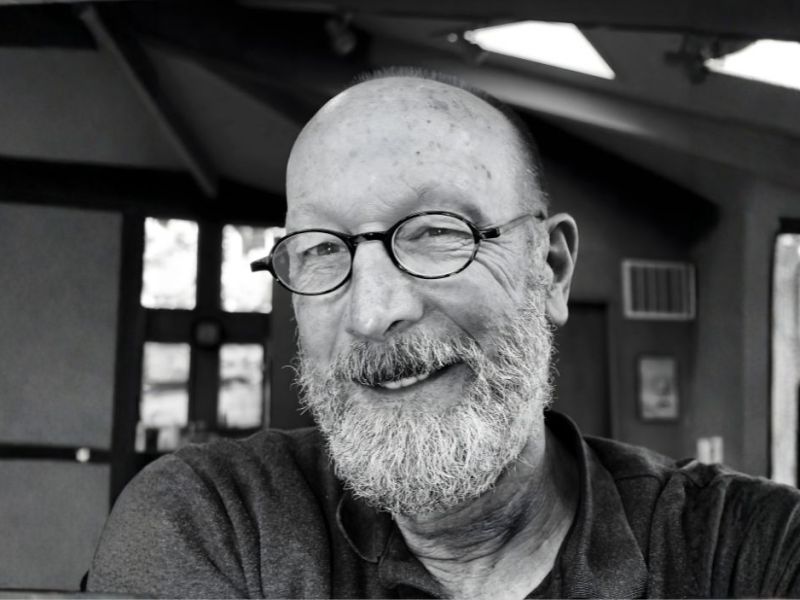
Exploring Narrative, Healing, and the Human Mind with Verlin Darrow
Ever wondered how surviving earthquakes, outrunning tornadoes, and dodging a gun shaped a mystery writer’s mind? Discover Verlin’s extraordinary life experiences and how they feed the thrilling stories on every page.
Continue reading Exploring Narrative, Healing, and the Human Mind with Verlin Darrow
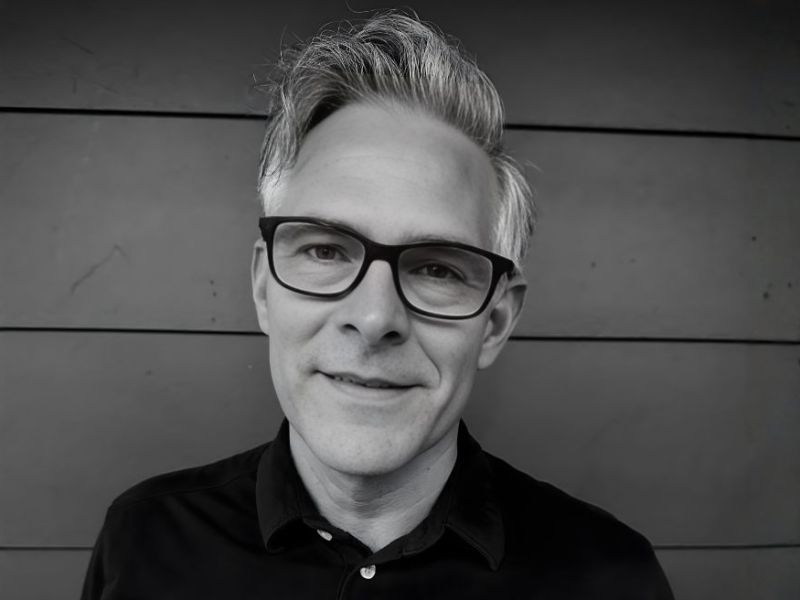
Exploring Story, Place, and Imagination with Dust Kunkel
Ever wondered how a childhood across continents and rivers becomes the fuel for storytelling? Discover how Dust Kunkel’s life shaped his novel and worldview — read the full interview to explore it.
Continue reading Exploring Story, Place, and Imagination with Dust Kunkel
Something went wrong. Please refresh the page and/or try again.
Other Highlights

Looking for something?
Type in your keyword(s) below and click the “Search” button.
Helpful Shortcuts
More Stories















Print and Digital Magazine

Don’t just read about greatness. Own it!

About Us
The World’s Best Magazine is a print and online publication that highlights the extraordinary. It is your passport to a universe where brilliance knows no bounds. Celebrating outstanding achievements in various fields and industries, we curate and showcase the exceptional, groundbreaking, and culturally significant. Our premier laurels, The World’s Best Awards, commend excellence through a unique process involving subject matter experts and a worldwide audience vote. Explore with us the pinnacle of human achievement and its intersection with diversity, innovation, creativity, and sustainability.
We recognise and honour the Traditional Owners of the land upon which our main office is situated. We extend our deepest respects to Elders past, present, and emerging. We celebrate the stories, culture, and traditions of Aboriginal and Torres Strait Islander Elders from all communities who also reside and work on this land.
Disclaimer: The World’s Best does not provide any form of professional advice. All views and opinions expressed in each post are the contributor’s own. Whereas we implement editorial policies and aim for content accuracy, the details shared on our platforms are intended for informational purposes only. We recommend evaluating each third-party link or site independently, as we cannot be held responsible for any results from their use. In all cases and with no exceptions, you are expected to conduct your own research and seek professional assistance as necessary prior to making any financial, medical, personal, business, or life-changing decisions arising from any content published on this site. All brands and trademarks mentioned belong to their respective owners. Your continued use of our site means you agree with all of these and our other site policies, terms, and conditions. For more details, please refer to the links below.
About | Advertise | Awards | Blogs | Contact | Disclaimer | Submissions | Subscribe | Privacy | Publications | Terms | Winners
The World’s Best: A Magazine That’s All About What’s Great | theworldsbestmagazine.com | Copyright ⓒ 2022-2026
Let’s connect
Discover more from The World's Best
Subscribe to get the latest posts sent to your email.

 The World's Best