
“I believe that every reader should be able to find themselves in a book.”
– Alisse Lee Goldenberg
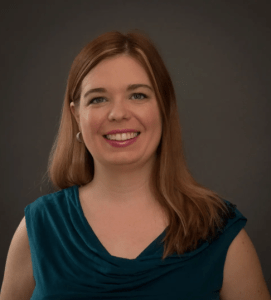
Alisse, thank you for joining us. Could you start by introducing yourself, sharing your professional background, and what drives your work as a writer?
Thank you for having me. I am a writer of YA Fantasy and Middle Grade Fiction. I am also a mother of triplets. My kids are now fourteen, and they are the primary driving force behind what I do. I also grew up as an avid reader, and having a longstanding interest in the genres in which I write has helped me along the way as well.
How did the concept for your current book come to you, and what inspired the central story and characters?
I grew up in a multigenerational home. My grandmother was like a second mother to me. She was a Holocaust survivor, and I grew up on stories of her childhood and on the folklore and fairy tales from her homeland.
These stories were always so rich in magic and the fantastic that they never left me. I never found books like them, and so I decided to create my own. YA Fantasy can be so much more than wizards and elves. I love those stories, but I also want everyone to find themselves in a book. So I wrote some for my own community.
Could you walk us through your process of integrating folklore and cultural heritage into a modern young adult narrative?
I believe that every reader should be able to find themselves in a book. One of my favourite novels growing up was The Hunter’s Moon by O.R. Melling, as well as The Newford Series by Charles De Lint. Those authors are so adept at interweaving folklore into a modern narrative, but as much as I love the stories they tell, they aren’t mine. And so telling a faerie story or one featuring Indigenous folklore felt disingenuous. But from growing up with my grandmother’s stories, I realised that I came from a culture that was just as rich in magic—all I had to do was tell the stories. So, I picked some of my favourite characters and ideas from the stories I grew up with and I began to write. What would people from our world do when encountering dybbuks and giants? As I started, the ideas just flowed from there.
How do you approach creating characters that are relatable to readers while tackling magical or fantastical settings?
For me, any character—no matter who or what they are—is always a person first. I also watch my kids, I listen to them, and sometimes the question becomes, “What would my daughter do if she met a talking fox?” When writing a fantasy story like this, where the protagonists are from our world, it’s always a matter of balancing their scepticism with an attitude of accepting adventure. At the same time, remember that these are teenagers, and the conversations must always come from there.
Your book has received recognition and awards. Could you share which accomplishments or milestones you consider most meaningful, and what those recognitions represent to you?
I am honestly most excited about the fact that a stage adaptation of this book is being presented in March by The Riversong Players in Almonte, Ontario. (Info is on my website.) This play tells this story, but as if it’s being told by family members I only got to meet through my grandmother’s stories. It’s a bit of family history, as well as folklore. The original script was written as a screenplay and was a semi-finalist in The Art of Brooklyn Film Festival, so I am both nervous and excited to see how this all turns out!
What are some of the central themes in your book, and how do you hope they resonate with readers?
This book looks at the importance of making choices. All through the main characters’ journeys, they are tested and given hard choices to make. Carrie, Rebecca, and Lindsay are all navigating this magical world on a quest that they chose to take on. They have to choose whether or not to be selfless or selfish, choose who to trust, who to fight, and choose friendship wherever possible. It’s very much a coming-of-age story and looks at the importance of being a helper when someone is in trouble, even if that someone is a stranger.
How do you balance adventure, moral decision-making, and emotional growth in your storytelling?
I think all these things go hand in hand. Every adventure leads to hard decisions being made, and the act of making these decisions leads to a character’s emotional growth. Even the wrong decisions have important impacts on a character. Sometimes, especially the wrong decisions, have important ramifications.
Can you describe how your personal studies or experiences with folklore have influenced your narrative choices?
For me, folklore is and was a very oral thing. This is partly why I’ve also written a play—to put all this on its feet and make it active. Throughout this series, the characters refer to these stories as ones they “were told” or “heard.” These stories have been passed down through generations. Characters like Asmodeus were first written about in the Talmud and in The Book of Tobit. These all started out orally. So, the act of storytelling and emphasising that this was how the characters have their information was very important to me.
When constructing your story worlds, what methods do you use to ensure the setting feels immersive without overshadowing the characters or plot?
I write a lot of the description through the characters’ reactions to it. It’s largely told through their eyes. Carrie, Rebecca, and Lindsay are very much strangers in a strange land, and as such, their perceptions of it become how we experience it as readers. This is all so foreign to them, even though they have the knowledge of the stories.
How do you view the role of young adult fantasy literature in helping readers navigate questions of identity, responsibility, or cultural understanding?
I think these books are a gateway into new worlds and new cultures. I learned so much when I was a reader at this age, and I know my kids have learned about so many different people and cultures from the books they’ve read. My boys loved reading Rick Riordan’s Magnus Chase series; my daughter loves everything by Holly Jackson (not fantasy, I know). These books both show kids they aren’t alone and also expose them to all types of people. It’s very true that ignorance can breed contempt, so I definitely am opposed to gatekeeping people’s stories and to banning books outright. Books open our eyes and minds to different worlds and different people. This can only lead to more understanding and compassion—both things we sorely need a lot more of in this world.
⭐⭐⭐⭐⭐
“Books open our eyes and minds to different worlds, and different people.”
– Alisse Lee Goldenberg
Links
Share Your Insights
We’d love to hear your thoughts! Share your reflections in the comments below:
- What part of the interview resonated with you most?
- Which stories or folklore shaped your imagination growing up?
- How do you think fantasy can help readers understand themselves better?
Alignment with the UN SDGs
- SDG 4 – Quality Education: Promotes cultural literacy and storytelling.
- SDG 10 – Reduced Inequalities: Encourages inclusive representation in literature.
Other Highlights

Looking for something?
Type in your keyword(s) below and click the “Search” button.
Helpful Shortcuts
More Stories


Print and Digital Magazine
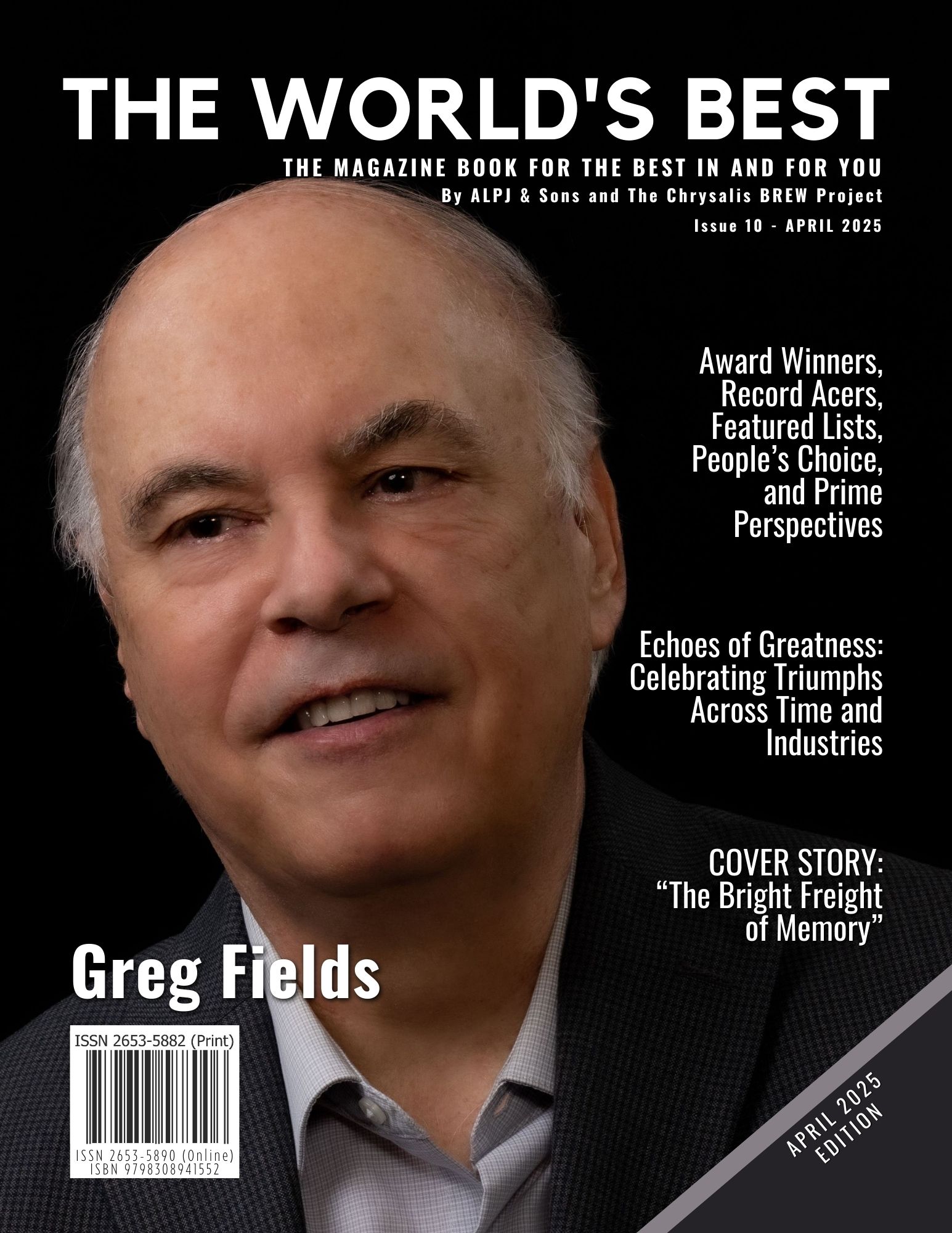
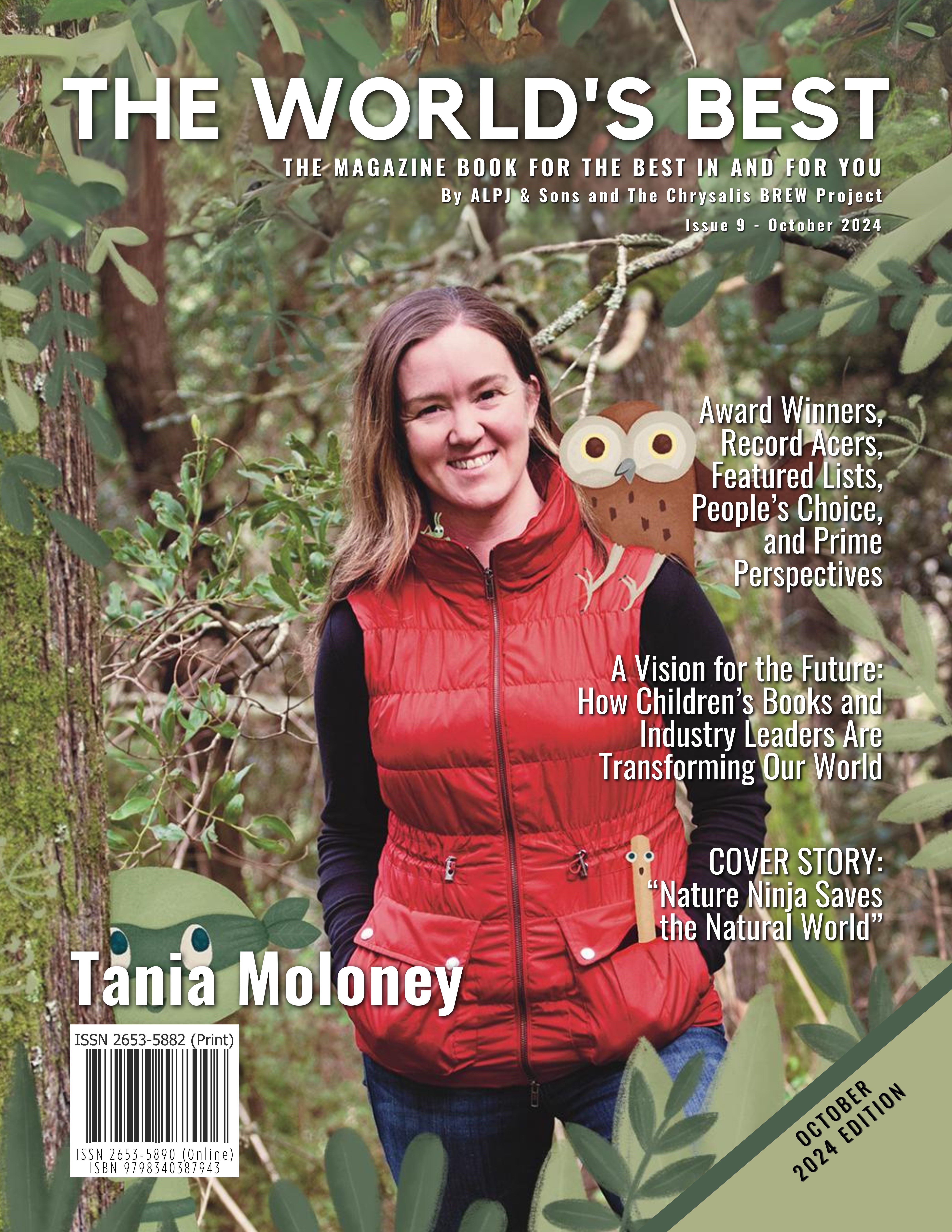
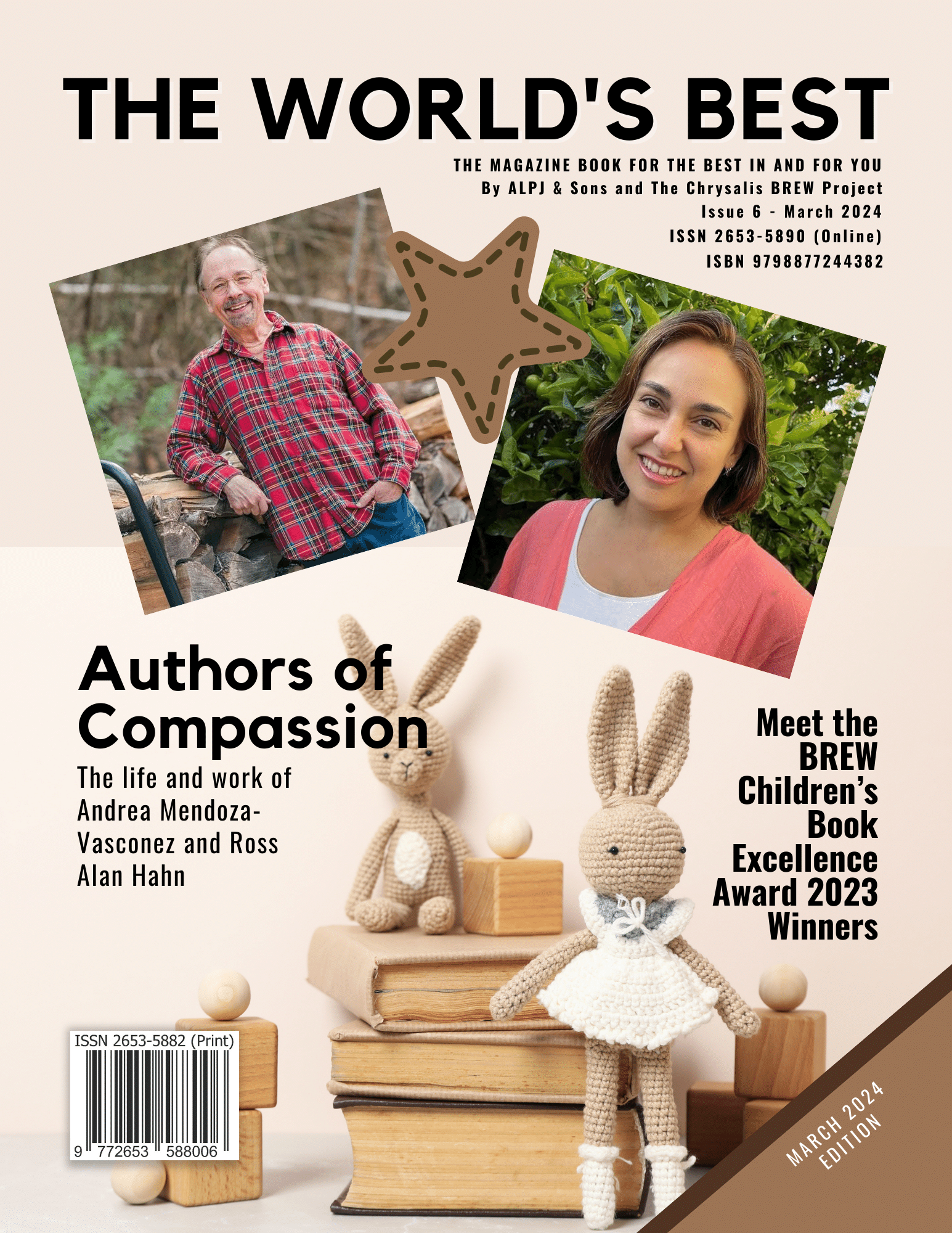
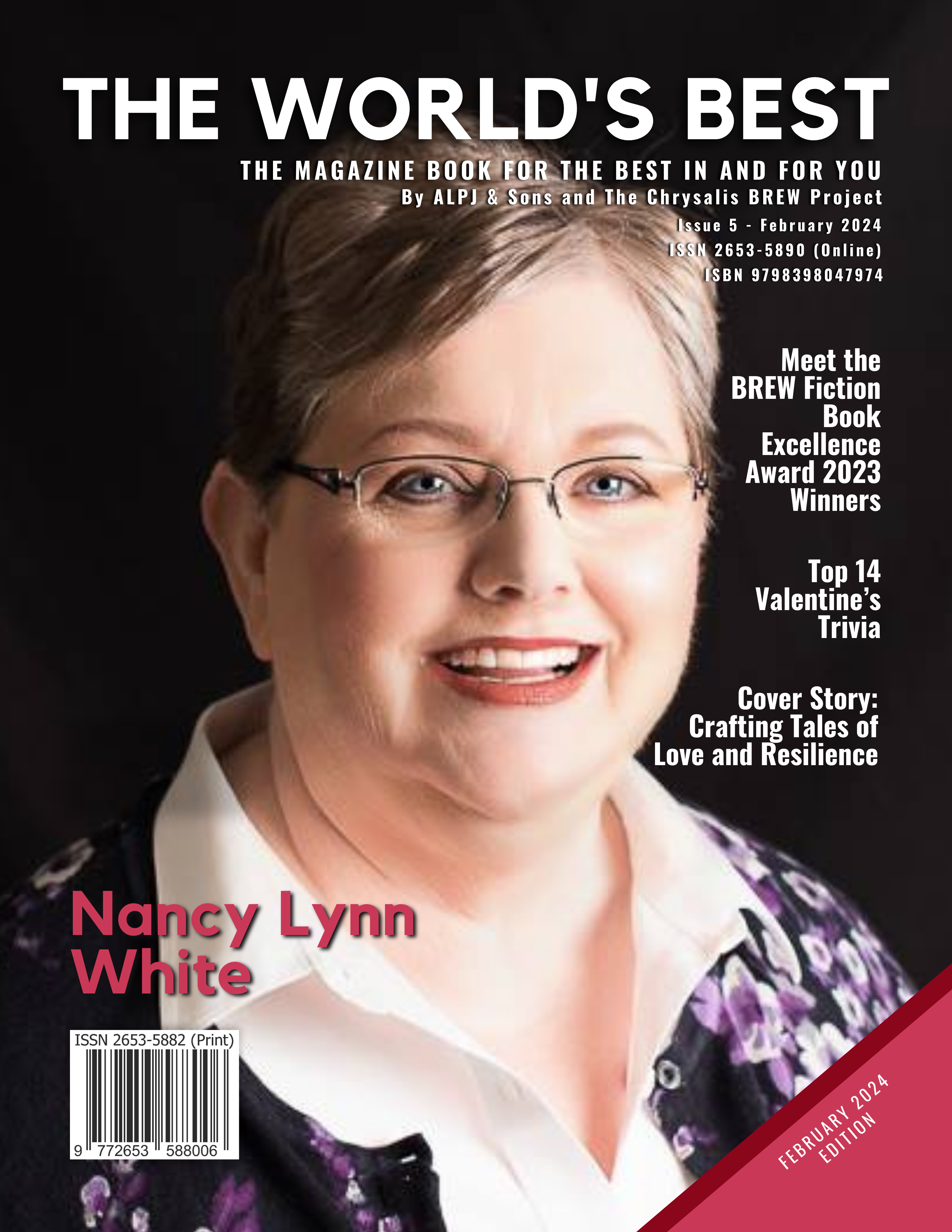
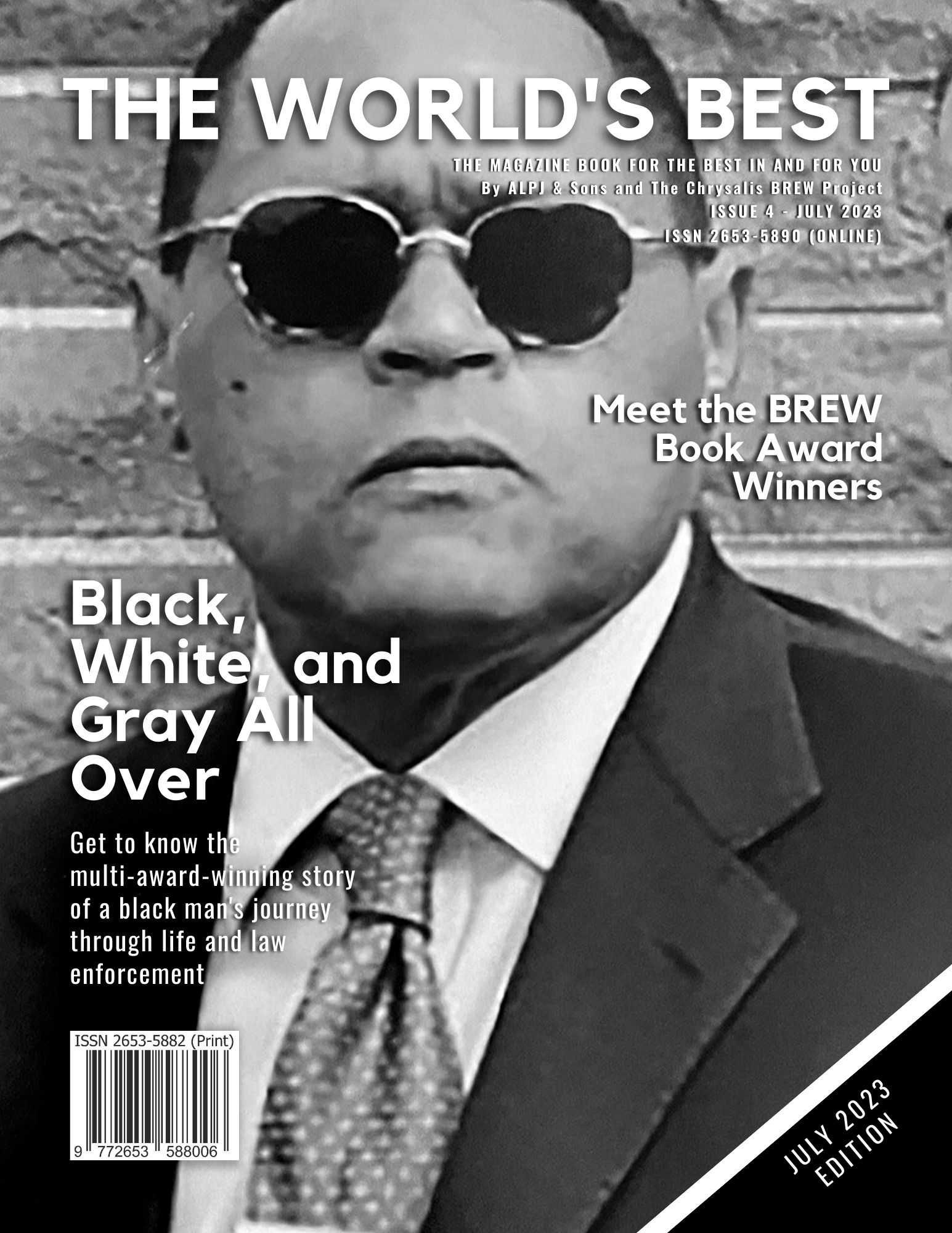
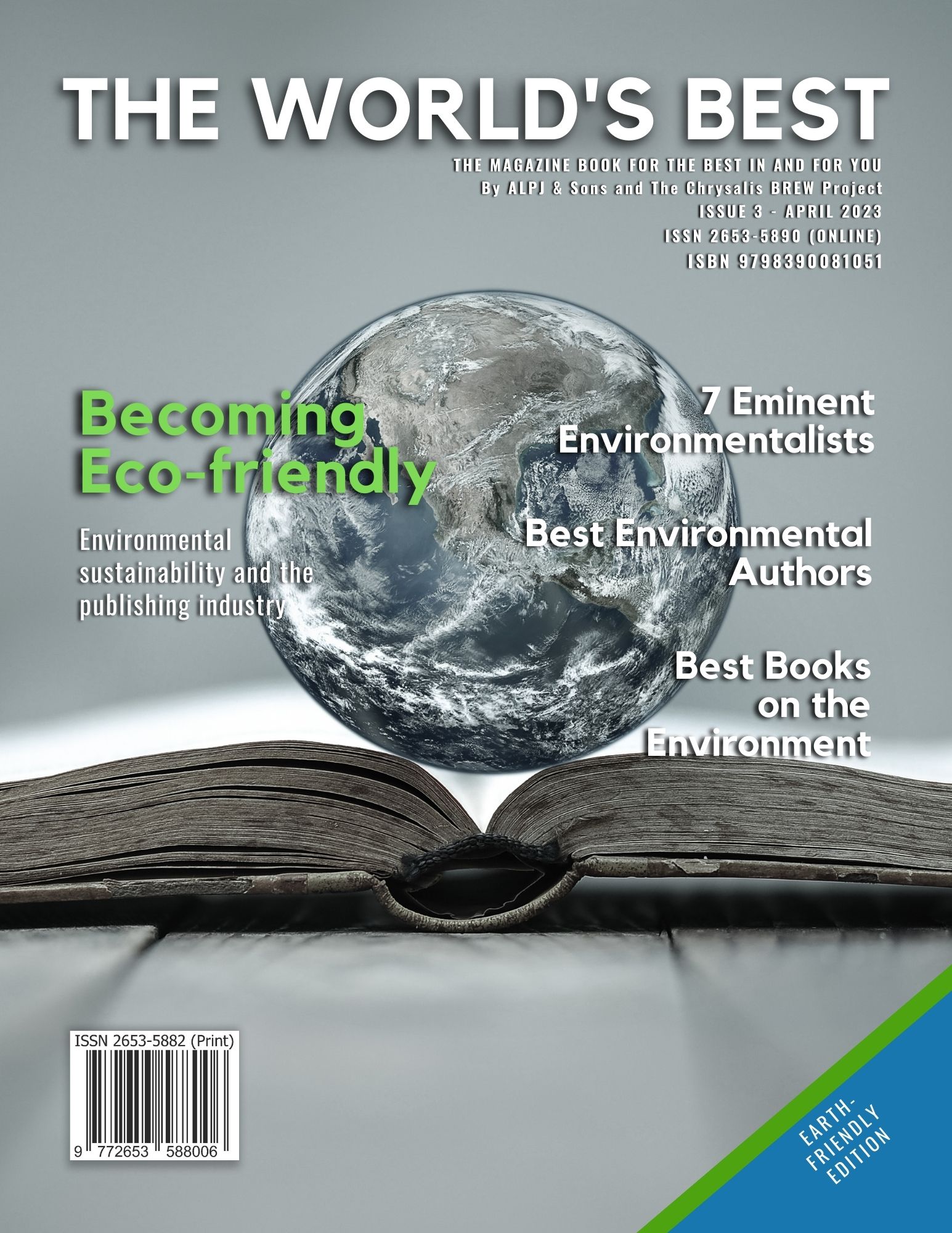

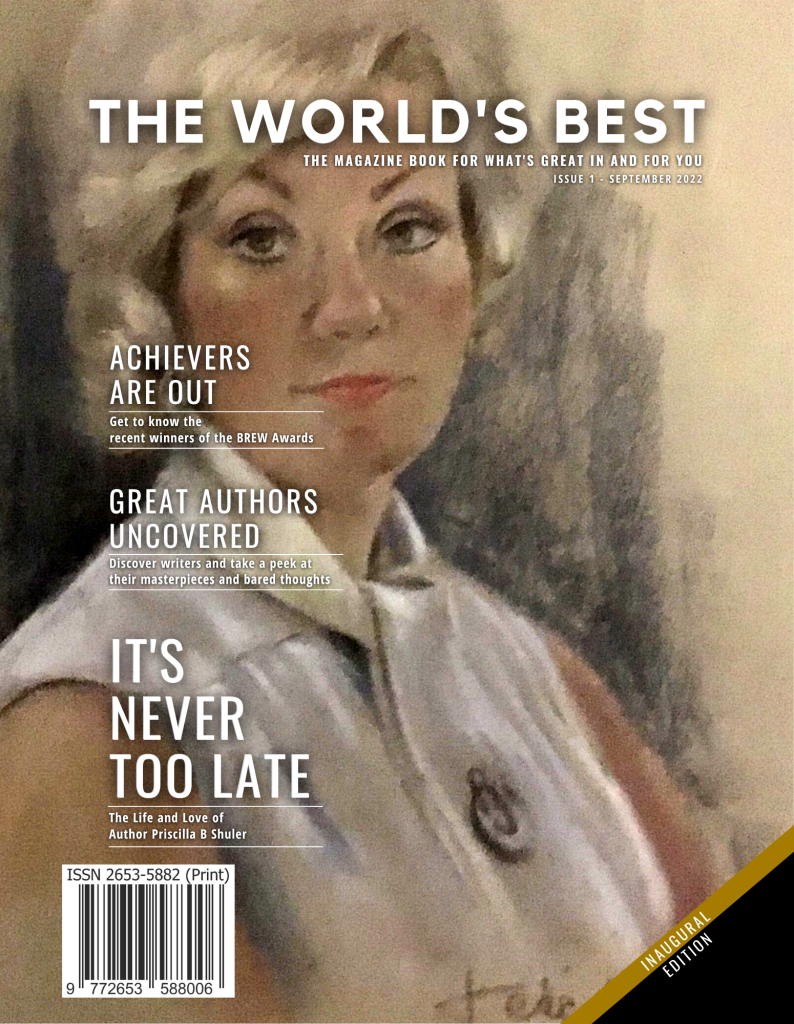
Don’t just read about greatness. Own it!

About Us
The World’s Best Magazine is a print and online publication that highlights the extraordinary. It is your passport to a universe where brilliance knows no bounds. Celebrating outstanding achievements in various fields and industries, we curate and showcase the exceptional, groundbreaking, and culturally significant. Our premier laurels, The World’s Best Awards, commend excellence through a unique process involving subject matter experts and a worldwide audience vote. Explore with us the pinnacle of human achievement and its intersection with diversity, innovation, creativity, and sustainability.
We recognise and honour the Traditional Owners of the land upon which our main office is situated. We extend our deepest respects to Elders past, present, and emerging. We celebrate the stories, culture, and traditions of Aboriginal and Torres Strait Islander Elders from all communities who also reside and work on this land.
Disclaimer: The World’s Best does not provide any form of professional advice. All views and opinions expressed in each post are the contributor’s own. Whereas we implement editorial policies and aim for content accuracy, the details shared on our platforms are intended for informational purposes only. We recommend evaluating each third-party link or site independently, as we cannot be held responsible for any results from their use. In all cases and with no exceptions, you are expected to conduct your own research and seek professional assistance as necessary prior to making any financial, medical, personal, business, or life-changing decisions arising from any content published on this site. All brands and trademarks mentioned belong to their respective owners. Your continued use of our site means you agree with all of these and our other site policies, terms, and conditions. For more details, please refer to the links below.
About | Advertise | Awards | Blogs | Contact | Disclaimer | Submissions | Subscribe | Privacy | Publications | Terms | Winners
The World’s Best: A Magazine That’s All About What’s Great | theworldsbestmagazine.com | Copyright ⓒ 2022-2026
Let’s connect
Discover more from The World's Best
Subscribe to get the latest posts sent to your email.

 The World's Best