
“Poetry came to me when I needed it most, during times of grief, change, and searching for hope.”
– Melba Morel
Melba, thank you for joining this conversation. To start, could you introduce yourself, share a bit about your background, and what first drew you to writing poetry?
My name is Melba Morel and I’m the author of Unplanted Yet Flourishing: A Poetic Journey Through Infertility, Loss & Healing. I’ve always turned to words to make sense of life’s most difficult seasons. Poetry came to me when I needed it most, during times of grief, change, and searching for hope. Writing became a practice of healing and a way to transform pain into something that could connect me with others.
Your poem The Fire Beneath the Garden was recognized with a BREW Poetry Award. What does this acknowledgment mean to you personally and creatively?
This recognition means so much because it affirms that something born from a very personal place can resonate with others. Personally, it feels like a reminder that my voice belongs in the larger conversation of poetry. Creatively, it encourages me to keep going, to trust the way words can transform grief into something that might comfort or inspire someone else.
The poem explores grief, growth, and transformation. How do you approach turning difficult emotions into poetic expression?
I let myself sit with the emotions until they start to take shape. Sometimes they arrive as images, sometimes as a rhythm or a single line. Poetry gives me a safe place to allow the rawness to exist without judgment. By giving those emotions form, they often begin to shift into something new, something that teaches me or offers hope.
Imagery of gardens, roots, and fire is central to this poem. How do you choose the natural or symbolic elements that carry emotional weight in your work?
Nature has always been a mirror for me. Roots, soil, fire, and water naturally appear when I am writing because they carry so much meaning. I don’t usually force them into a poem. They tend to come as I reflect on my own life and the cycles of growth and loss. Those elements feel like the truest language I have for what I experience.
There’s a sense of resilience and hope threaded through the poem. How do you balance vulnerability with strength when writing about loss?
For me vulnerability and strength are not opposites. They belong together. When I write about loss I don’t try to hide how raw it feels, but I also pay attention to what survives it. Hope may be quiet, but it is always there in the background. The balance comes from letting both truths exist side by side.
What milestones—whether publications, recognitions, or personal breakthroughs—stand out as especially meaningful in your creative journey?
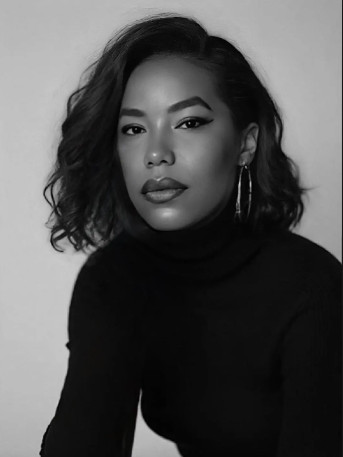
Publishing my book Unplanted Yet Flourishing was a milestone that changed me. Holding it in my hands felt like reclaiming my own story. Receiving the BREW Poetry Award was another moment that stands out. It reminded me that my work matters and that it can reach further than I imagined.
Poetry often allows for reflection and contemplation. How do you approach shaping emotion, metaphor, and narrative into a cohesive poem?
I usually begin with an image or a strong feeling and then follow where it leads. After the first draft, I step back and listen for rhythm, clarity, and flow. Editing feels like tending a garden, shaping it so that the poem holds together while still allowing space for what wants to grow naturally.
Many readers find solace and insight in poetry. What do you hope someone experiences or takes away when reading your work?
I hope they feel seen and less alone. I hope my poems give language to emotions they may not have found words for. Most of all, I hope they carry away a sense that even from pain, something tender and beautiful can bloom.
Are there recurring themes, images, or questions that you find yourself revisiting across your poems, and if so, why do they continue to resonate with you?
Yes, I return often to nature, grief, healing, and renewal. These themes continue to call to me because they reflect my own journey. Each time I write into them, I discover something new about resilience and about the ways life begins again after loss.
Looking ahead, what projects, themes, or experiments are you most excited to explore in your poetry?
I am excited to keep exploring the connections between nature and spirituality in my writing. I am also interested in blending poetry with ritual, giving people not just words but small practices that they can carry into their daily lives, much like the Plant Your Words kits I’ve been creating.
If you were to write your bio in your own words, what would you say? What legacy do you hope to leave?
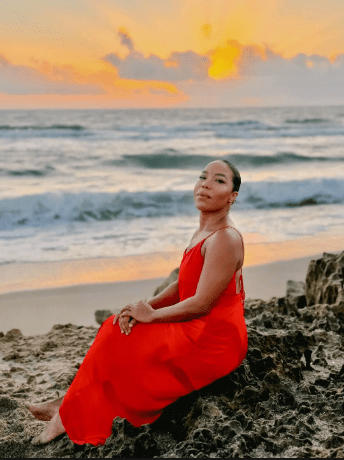
I am a poet who writes from the intersections of grief, healing, and nature. My book Unplanted Yet Flourishing and my poems are rooted in the belief that beauty can grow even in broken ground. I hope my legacy is one of compassion, showing others that their pain is not the end of their story but the beginning of something that can still bloom.
⭐⭐⭐⭐⭐
“I hope my legacy is one of compassion, showing others that their pain is not the end of their story but the beginning of something that can still bloom.”
– Melba Morel
Links
Share Your Insights
We’d love to hear your thoughts—share them in the comments below:
- What role has poetry or art played in your own seasons of change or healing?
- Which themes from Melba’s journey resonate most with you?
- How do you personally find hope or resilience in difficult times?
Alignment with the UN SDGs
- SDG 3: Promotes mental health through healing and resilience in poetry.
- SDG 4: Encourages lifelong learning via creative expression.
- SDG 16: Fosters inclusive dialogue through shared personal narratives.
Other Highlights

Looking for something?
Type in your keyword(s) below and click the “Search” button.
Helpful Shortcuts
More Stories




Print and Digital Magazine
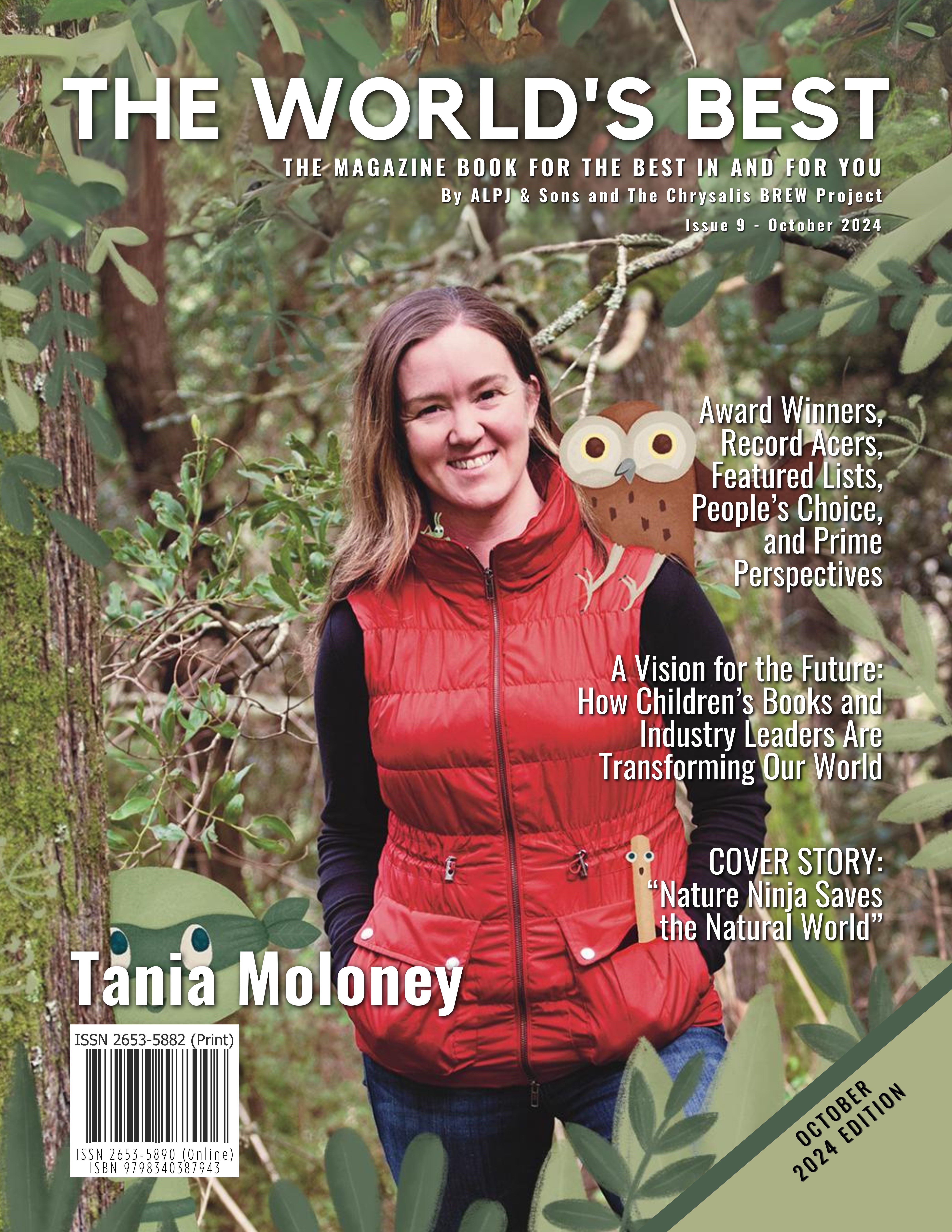
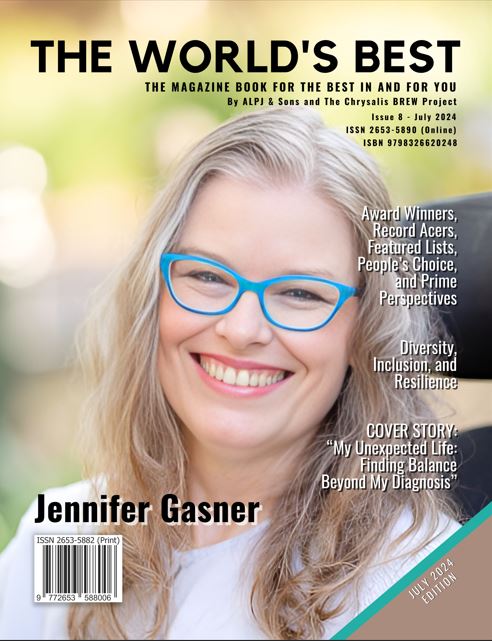
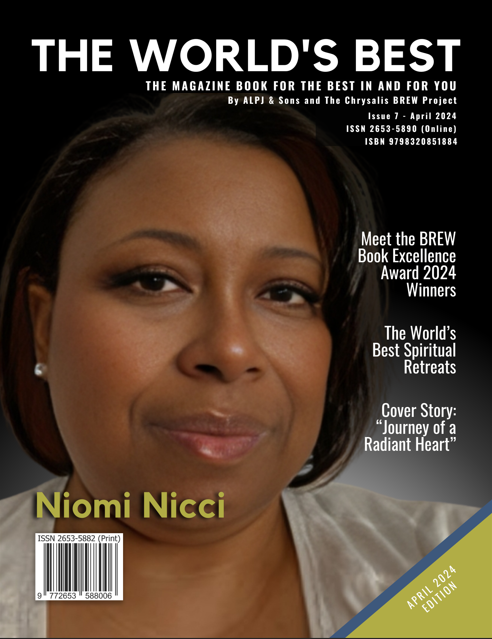
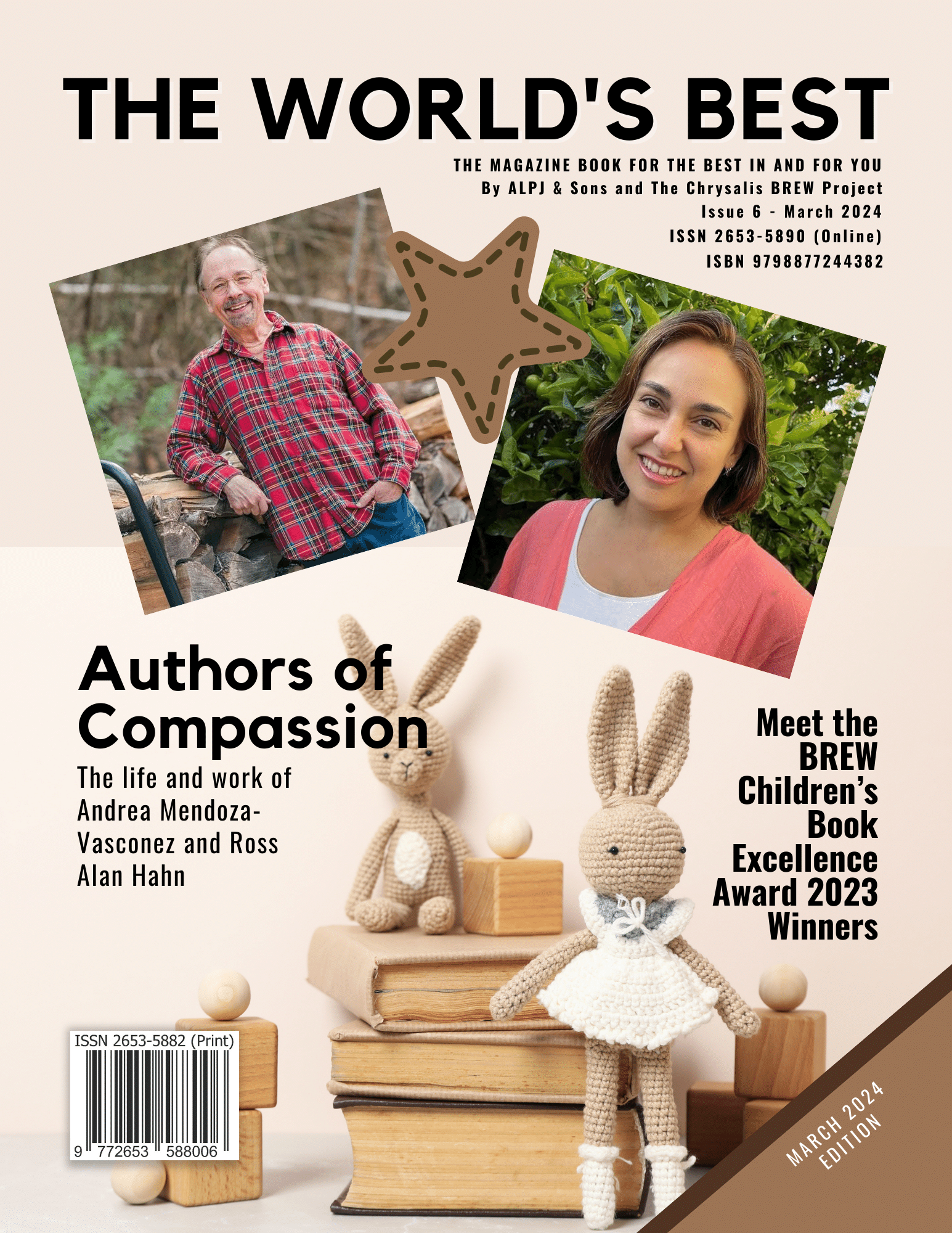

Don’t just read about greatness. Own it!

About Us
The World’s Best Magazine is a print and online publication that highlights the extraordinary. It is your passport to a universe where brilliance knows no bounds. Celebrating outstanding achievements in various fields and industries, we curate and showcase the exceptional, groundbreaking, and culturally significant. Our premier laurels, The World’s Best Awards, commend excellence through a unique process involving subject matter experts and a worldwide audience vote. Explore with us the pinnacle of human achievement and its intersection with diversity, innovation, creativity, and sustainability.
We recognise and honour the Traditional Owners of the land upon which our main office is situated. We extend our deepest respects to Elders past, present, and emerging. We celebrate the stories, culture, and traditions of Aboriginal and Torres Strait Islander Elders from all communities who also reside and work on this land.
Disclaimer: The World’s Best does not provide any form of professional advice. All views and opinions expressed in each post are the contributor’s own. Whereas we implement editorial policies and aim for content accuracy, the details shared on our platforms are intended for informational purposes only. We recommend evaluating each third-party link or site independently, as we cannot be held responsible for any results from their use. In all cases and with no exceptions, you are expected to conduct your own research and seek professional assistance as necessary prior to making any financial, medical, personal, business, or life-changing decisions arising from any content published on this site. All brands and trademarks mentioned belong to their respective owners. Your continued use of our site means you agree with all of these and our other site policies, terms, and conditions. For more details, please refer to the links below.
About | Advertise | Awards | Blogs | Contact | Disclaimer | Submissions | Subscribe | Privacy | Publications | Terms | Winners
The World’s Best: A Magazine That’s All About What’s Great | theworldsbestmagazine.com | Copyright ⓒ 2022-2026
Let’s connect
Discover more from The World's Best
Subscribe to get the latest posts sent to your email.

 The World's Best