
“Oddly enough, I’ve never been much of a poetry reader, but that inspired me to write poems that fit me better.”
– Joshua Kepfer
Editor’s Note: This interview contains personal reflections from the author, including perspectives on faith, shared as part of their individual creative and life journey.
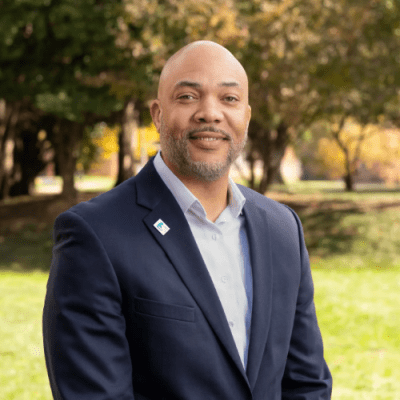
Joshua, thank you for joining this conversation. To begin, could you introduce yourself, share a bit about your background, and what first drew you to poetry?
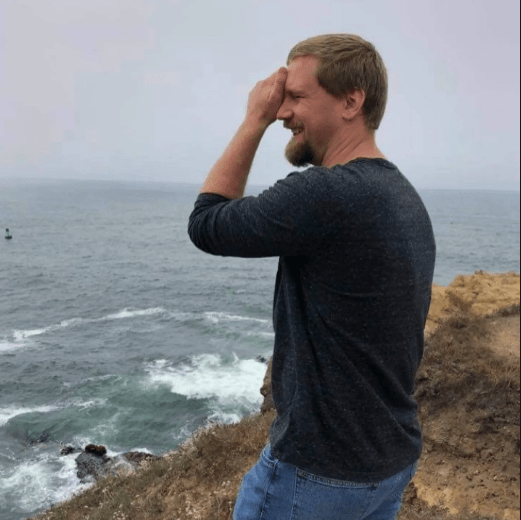
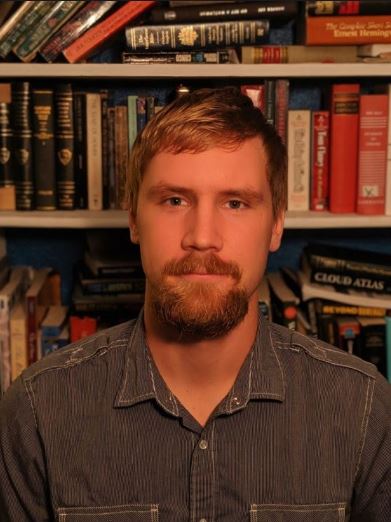
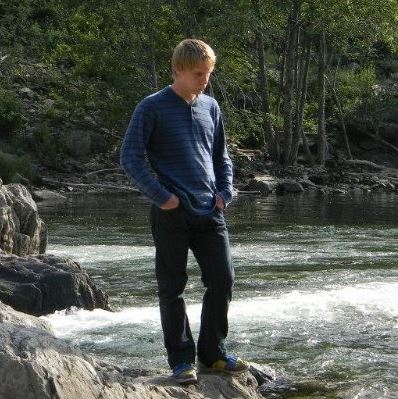
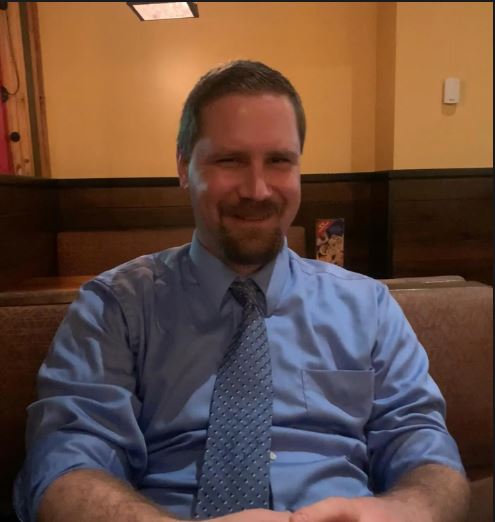
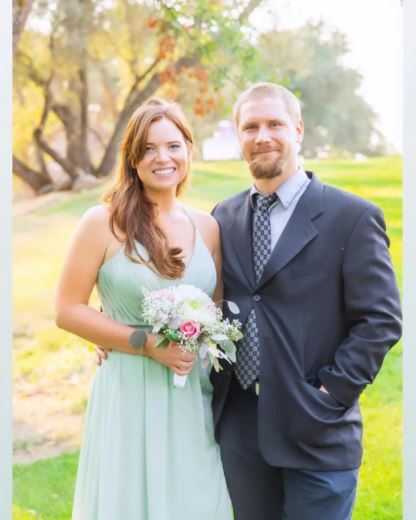
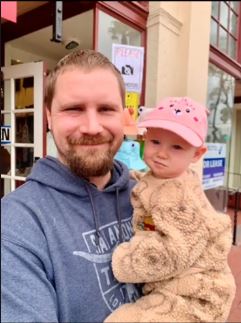
Oddly enough, I’ve never been much of a poetry reader. There are only a few poems that I genuinely love and keep coming back to. Maybe that’s what drew me to write my own that fit me better. I grew up in Auburn, California near the confluence of the North and South forks of the American River. We didn’t have a lot of money growing up, so I spent a lot of time exploring the outdoors. I think those experiences are what inspire a lot of my poems. I am married and have 2 daughters now as well, so some of my poems are about marriage and parenthood.
Your poem Being Human was recognized with a BREW Poetry Award. What does this recognition mean to you personally and creatively?
The award is a good indicator that my work is resonating with people. When you work hard at something, it’s nice to see it pay off. Many brilliant writers were only recognized after they died, so I consider it a huge privilege when any of my work gets published before then.
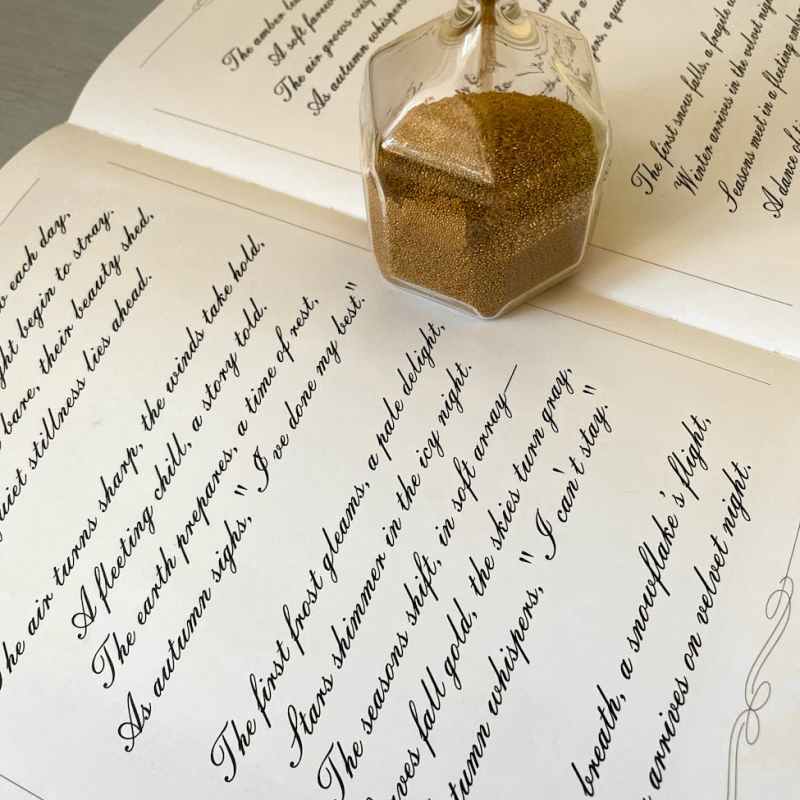
The poem employs a mirrored structure, readable forward and backward. How do you approach experimenting with form and structure in your poetry?
I wanted to write poems that no one else was writing, and the best way to do that was to make up my own forms. I honestly didn’t know if it would even be possible at first, and there was a lot of trial and error. It’s like writing two poems at once, a mental juggling act that I’ve gotten gradually better at with practice.
Your work often invites reflection on human experience and perception. How do you choose the ideas and patterns you want to explore in a poem?
Sometimes, a beautiful, provoking idea comes to me that I feel inspired to put into a poem. Most of the time, though, the specific words I want to say don’t fit together in these symmetrical styles. If the idea is too important to ignore, I’ll turn it into a song, story, essay, or free verse poem. If I’m lucky, the idea fits well into the symmetrical structure, like it did with Being Human.
Being Human balances clarity, rhythm, and philosophical reflection. How do you navigate tone, pacing, and structure when writing contemplative poetry?
Usually, the structure comes first. I sit down to write a symmetrical poem which necessarily takes more mental focus than creative inspiration. The theme of the poem often comes secondary, which means that sometimes I’ve written from perspectives that are not my own, about ideas I wouldn’t normally choose. This has turned out to be a blessing as well as a curse. It hinders the emotional impact of certain poems, but that’s the price I pay for sticking to my own invented forms. Other times, wonderful, unexpected ideas come from the rigid structure that I would have never discovered otherwise.
What milestones—whether in publication, recognition, or personal creative breakthroughs—stand out as significant in your journey?
The most recent milestone was something I discovered this year. Some of the forms of poetry I invented cannot be replicated by AI writing tools. I’ve tried many prompts with many different AI models, and none of them have produced a poem that can be read forward and backward from start to finish. This may turn out to be an important distinction in the future of literary publishing.
Poetry often allows for both intellectual and emotional engagement. How do you approach creating work that resonates on multiple levels for readers?
When I use symmetrical forms, the structure is usually my priority because it’s the hardest part. Some poems manage to do both, and that’s when they really come alive for me. It’s extremely difficult and rare. That’s why I decided to write one hundred symmetrical poems before I seriously tried to publish any of them. It is practically impossible to write one hundred bad poems. Some of them are bound to resonate with people.
Many readers find inspiration in poetry that illuminates the ordinary and the profound. What do you hope someone takes away when reading Being Human or your other work?
I think the best poems make the ordinary profound and the profound accessible. Life is at once easier and harder than we think it is. The simple act of being alive is such an unimaginably precious, fragile, and important thing in our universe that we take for granted. We, as well as nature, are created by God with inherent value. That also comes with inherent responsibilities to our world and to each other. I hope every poem I write expresses one or both of those themes or is at least motivated by them.
Are there recurring themes, ideas, or motifs you revisit in your writing, and what draws you back to them?
Because of the nature of how I write, my poetry often explores unintended themes and ideas. There do seem to be some common denominators, though. Describing the wonder and beauty of nature and questioning what our place is in it. Sometimes I pray that God would give me a poem or story, and He does. Those are always the best ones.
Looking ahead, what themes, projects, or experiments are you most excited to explore in your poetry?
I self-published a collection of short stories and poetry in 2020. I’m looking to get a publishing deal for my novels as well as poetry soon.
If you were to write your bio in your own words, what would you say? What legacy would you like to leave?
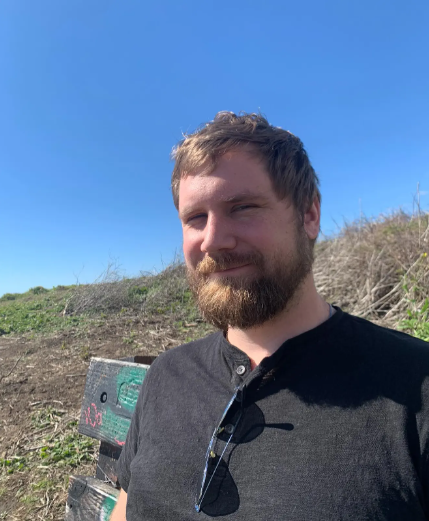
I’m not good at autobiographical writing. But as far as my legacy goes, I want to keep writing what no one else is writing. I want to fill in the gaps of the literary world wherever I see them. More importantly, though, I want to let everyone in the world know that God loves you and can’t wait for you to come back to Him. Jesus Christ saved my life, and He can save yours, too. I hope the undercurrent of this truth runs beneath all of my writing, whether it’s directly stated or not.
⭐⭐⭐⭐⭐
“I want to keep writing what no one else is writing and fill in the gaps of the literary world, guided by the values I hold.”
– Joshua Kepfer
Links
- Visit Joshua’s Goodreads profile
- Connect with Joshua via LinkedIn
- Know more about the BREW Book, Blog, and Poetry Awards here
Share Your Insights
- Which part of Joshua K.’s approach to poetry resonated most with you?
- How do you explore creativity in your own daily life or writing?
- What themes or ideas in poetry inspire you to reflect on your surroundings and experiences?
Alignment with the UN SDGs
- Promotes quality education and lifelong learning through literary exploration (SDG 4)
- Encourages responsible consumption of creativity and knowledge sharing (SDG 12)
- Highlights the value of nature and human responsibility toward the environment (SDG 15)
Other Highlights

Looking for something?
Type in your keyword(s) below and click the “Search” button.
Helpful Shortcuts
More Stories



Print and Digital Magazine

Don’t just read about greatness. Own it!

About Us
The World’s Best Magazine is a print and online publication that highlights the extraordinary. It is your passport to a universe where brilliance knows no bounds. Celebrating outstanding achievements in various fields and industries, we curate and showcase the exceptional, groundbreaking, and culturally significant. Our premier laurels, The World’s Best Awards, commend excellence through a unique process involving subject matter experts and a worldwide audience vote. Explore with us the pinnacle of human achievement and its intersection with diversity, innovation, creativity, and sustainability.
We recognise and honour the Traditional Owners of the land upon which our main office is situated. We extend our deepest respects to Elders past, present, and emerging. We celebrate the stories, culture, and traditions of Aboriginal and Torres Strait Islander Elders from all communities who also reside and work on this land.
Disclaimer: The World’s Best does not provide any form of professional advice. All views and opinions expressed in each post are the contributor’s own. Whereas we implement editorial policies and aim for content accuracy, the details shared on our platforms are intended for informational purposes only. We recommend evaluating each third-party link or site independently, as we cannot be held responsible for any results from their use. In all cases and with no exceptions, you are expected to conduct your own research and seek professional assistance as necessary prior to making any financial, medical, personal, business, or life-changing decisions arising from any content published on this site. All brands and trademarks mentioned belong to their respective owners. Your continued use of our site means you agree with all of these and our other site policies, terms, and conditions. For more details, please refer to the links below.
About | Advertise | Awards | Blogs | Contact | Disclaimer | Submissions | Subscribe | Privacy | Publications | Terms | Winners
The World’s Best: A Magazine That’s All About What’s Great | theworldsbestmagazine.com | Copyright ⓒ 2022-2026
Let’s connect
Discover more from The World's Best
Subscribe to get the latest posts sent to your email.

 The World's Best