
More often than we realize, mental resilience plays a greater role than physical ability in demanding situations. According to recent research, psychological toughness can lessen burnout, increase pain tolerance, and improve performance under duress. “The body achieves what the mind believes,” as the phrase goes, but what does that actually mean in real life? People encounter situations when tenacity surpasses muscle in everything from marathons to medicine. When inspiration wanes and fatigue sets in, what keeps one going? Professionals from various fields share examples of how mental toughness influenced the capacity to perform, endure, and persevere in high-pressure situations in this compilation.
Editor’s Note: The following personal stories reference experiences with intense physical and mental challenges, including postpartum recovery, high-performance athletics, and chronic pain. Readers should be aware that these anecdotes reflect individual journeys and are not a substitute for medical, therapeutic, or training advice. Please consult a professional before applying similar approaches to your own circumstances.
Mental Resilience Conquers Marathon Wall at Mile 20
I remember distinctly during a marathon, hitting the infamous ‘wall’ around the 20-mile mark. Physically, I was prepared; I followed my training plan to the letter. But it ain’t just about the legs and lungs; your mind’s gotta be in it too. While every fiber in my body screamed to stop, it was my mental resilience that kept my feet moving. I kept repeating positive mantras, and visualized crossing the finish line which really helped me push through the fatigue.
In sports, it’s often your head game that gets you through the toughest parts. This was a vivid reminder that while physical training is crucial, mental toughness can make or break your performance when you’re under pressure. So, remember to train your mind as hard as your body; it truly can make all the difference when you’re out there challenging yourself to the max.
Alex Cornici, Marketing & PR Coordinator, Pork Chop Recipes
——————————————-
Discipline Beats Motivation in Postpartum Powerlifting Success
As both a powerlifter and therapist working with anxious overachievers, I’ve learned that discipline trumps motivation every single time when it matters most. My biggest competition last year proved this—I was dealing with postpartum recovery after having twins, zero motivation, but pure discipline kept me training.
The day of competition, I wasn’t excited or pumped up like other athletes. I was exhausted, doubting myself, and my body felt foreign after pregnancy. But those months of showing up when I didn’t want to had built something stronger than motivation—automatic behavior patterns that kicked in under pressure.
I ended up hitting a personal record that day, not because I felt great, but because discipline had rewired my nervous system to perform regardless of how I felt. The other competitors who relied on “getting pumped up” crumbled when their adrenaline turned to anxiety.
What I tell my entrepreneur and law enforcement spouse clients applies here too: motivation is emotion-dependent and unreliable. Discipline is behavior-dependent and consistent. The athletes who dominate their sports have trained their minds to execute when motivation fails them.
Audrey Schoen, Licensed Marriage and Family Therapist, Audrey Schoen, LMFT
——————————————-
Mental Fortitude Carries Runner Through Marathon Challenge
One time when my mental strength mattered more than physical skill was during a marathon I ran last year. About halfway through, I started feeling physically exhausted, and my legs were cramping. My pace slowed down, and it felt like my body was telling me to quit. But instead of focusing on the pain, I reminded myself of the months of training I’d put in, the people supporting me, and why I started in the first place. I focused on my breathing, set small, manageable goals—like making it to the next water station—and kept pushing forward, one step at a time. It was a mental battle, more than a physical one. In the end, I crossed the finish line, not because I was in peak physical condition, but because I refused to give up mentally. That experience reinforced the power of mental resilience in overcoming challenges, especially when the body wants to quit.
Nikita Sherbina, Co-Founder & CEO, AIScreen
——————————————-
Mind Triumphs Over Body in Brutal Ocean Swim
I remember doing a 5K open water swim where the conditions were brutal. The water was choppy, the current kept pulling me off course, and every stroke felt like a fight. I had trained for it physically, but halfway through, my body started to break down. My arms were burning, my breathing got heavier, and the finish line was still nowhere in sight.
That was the moment it became all mental.
I stopped thinking about the full distance and just focused on the next small goal. Make it to the next buoy. Count a set number of strokes. Control my breathing. Every time my body said it was done, I told myself to keep going just a little more.
By the time I made it to the finish, I had nothing left physically, but mentally I was locked in. I finished that swim not because I was the strongest, but because I refused to quit. That kind of mental toughness makes all the difference in open water. The ocean will test you in every way, but the real battle happens in your head.
Christopher Farley, Owner, Flippin’ Awesome Adventures
——————————————-
Boxing Coach: Mental Shift Unlocks Athletic Performance
As National Head Coach at Legends Boxing, I’ve seen thousands of people find that boxing success comes down to mental toughness more than physical ability. The most dramatic example was during my own amateur fight preparation.
I was physically ready – conditioning was solid, technique was sharp. But I kept hitting mental barriers that made me shut down during training. My coaches had to work with me on staying calm under pressure and learning to be my own biggest supporter instead of harshest critic.
The turning point came when I realized I was treating every mistake as failure instead of learning. Once I shifted to being “comfortable with being uncomfortable,” my performance jumped dramatically. I went from second-guessing every move to making split-second decisions with confidence.
This mental shift is why we see a 45% membership increase when people understand boxing as mental training, not just physical punishment. The members who stick around long-term aren’t the naturally athletic ones – they’re the ones who learn to push through discomfort and trust their preparation when it counts.
Robby Welch, National Head Coach, Legends Boxing
——————————————-
Physician Applies Mental Strength to Medicine and Surfing
As a pain management physician who surfs regularly, I learned this lesson the hard way when I was transitioning from college athletics to medical training. During my residency at University of Pittsburgh, the physical demands weren’t the issue—it was the mental endurance needed for 80-hour weeks while making life-or-death decisions.
The breakthrough came when I had to perform a complex spinal injection on a patient who’d had multiple failed procedures. My hands were steady and technique was solid, but I kept second-guessing myself because of the pressure. I had to shift from focusing on potential failure to trusting my preparation and staying present in the moment.
This mental approach now defines how I help patients overcome chronic pain. I had one former college athlete with severe back pain who was physically capable of recovery, but kept hitting mental barriers during rehabilitation. We worked on reframing his relationship with discomfort—viewing it as progress rather than setback.
Within three months of changing his mental approach to pain management, his physical improvements followed. He went from avoiding movement to resuming light training. The physical capability was always there, but the mental strength to push through discomfort made the difference between staying stuck and getting his life back.
Dr. Zach Cohen, CEO, California Pain Consultants
Have Your Say
- Do you believe mental resilience can be developed, or is it innate?
- What’s a moment when mental toughness helped you push through a challenge?
- How do you train your mind to stay strong under pressure?
Alignment with the UN SDGs
- Supports SDG 3: Promotes mental health and well-being
- Advances SDG 4: Encourages lifelong learning through resilience training
- Aligns with SDG 8: Enhances performance and productivity through mental strength
Note: The views and opinions expressed in the content provided on this page are those of the individual authors and do not necessarily reflect the official policy or position of any organizations mentioned. The information provided is for educational and informational purposes only and should not be interpreted as professional advice. Readers should consult with relevant experts or professionals for guidance specific to their circumstances. The examples used are for illustrative purposes and results may vary depending on various factors. Any external links provided are for convenience, and we do not endorse or take responsibility for the content, products, or services available through these links.
⭐⭐⭐⭐⭐
Related
Verses That Transform Leadership
What poem or line quietly changes how you face big decisions or challenges? Explore this expert roundup to see how literary insights guide real-life choices and personal resilience.

Written Works That Shaped Thinking
What single insight can quietly reshape how you approach challenges, relationships, or career decisions? Explore this expert roundup to see how reflective reading can transform everyday thinking and choices.
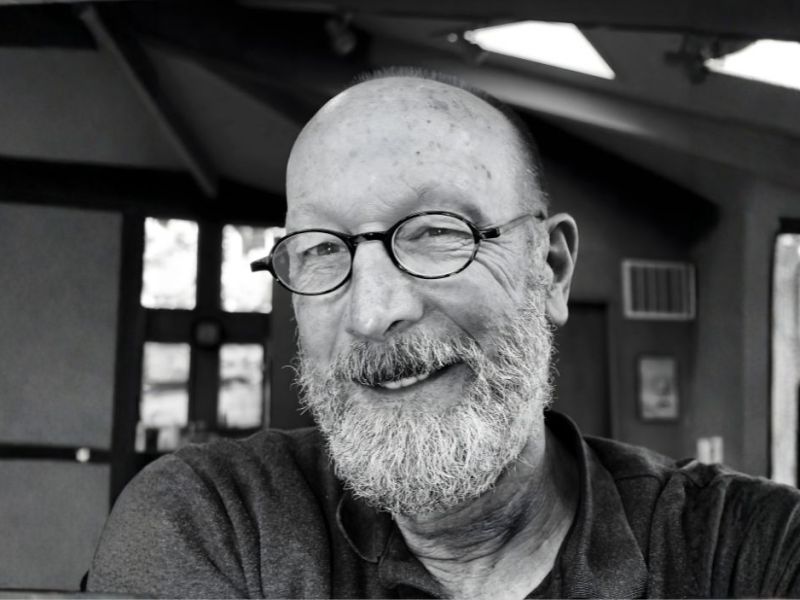
Exploring Narrative, Healing, and the Human Mind with Verlin Darrow
Ever wondered how surviving earthquakes, outrunning tornadoes, and dodging a gun shaped a mystery writer’s mind? Discover Verlin’s extraordinary life experiences and how they feed the thrilling stories on every page.
Continue reading Exploring Narrative, Healing, and the Human Mind with Verlin Darrow
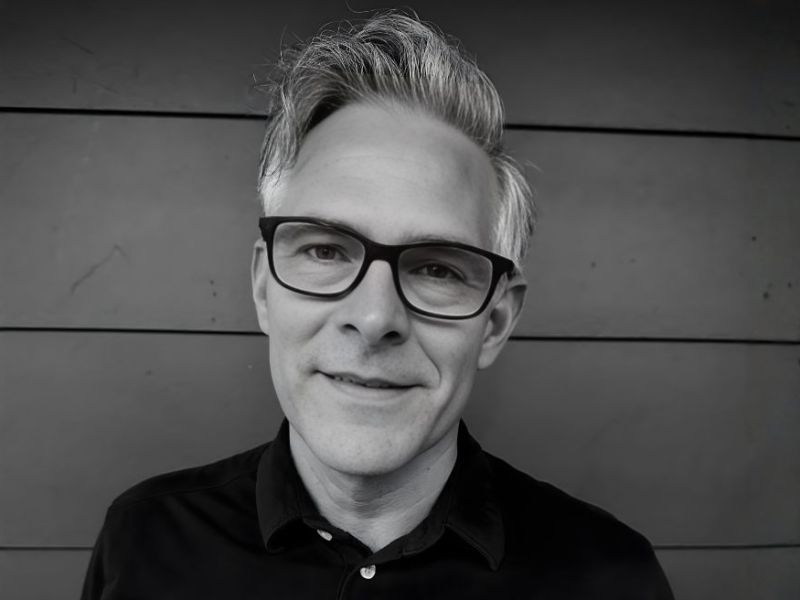
Exploring Story, Place, and Imagination with Dust Kunkel
Ever wondered how a childhood across continents and rivers becomes the fuel for storytelling? Discover how Dust Kunkel’s life shaped his novel and worldview — read the full interview to explore it.
Continue reading Exploring Story, Place, and Imagination with Dust Kunkel
Something went wrong. Please refresh the page and/or try again.
Other Highlights

Looking for something?
Type in your keyword(s) below and click the “Search” button.
Helpful Shortcuts
More Stories
























Print and Digital Magazine


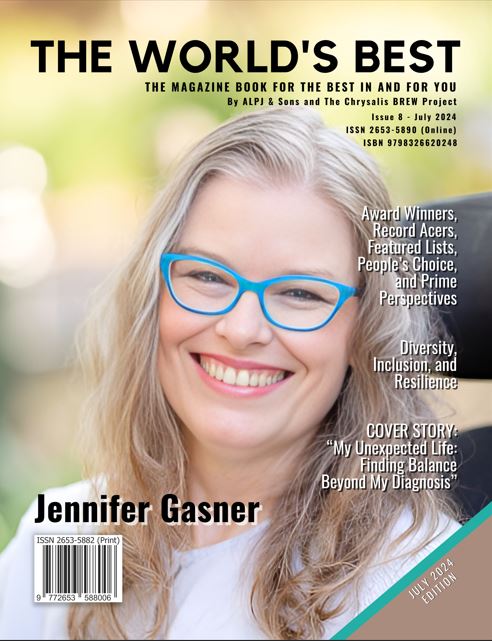
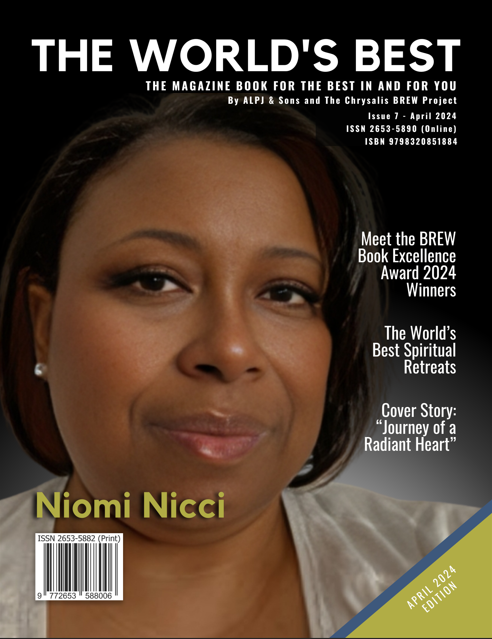

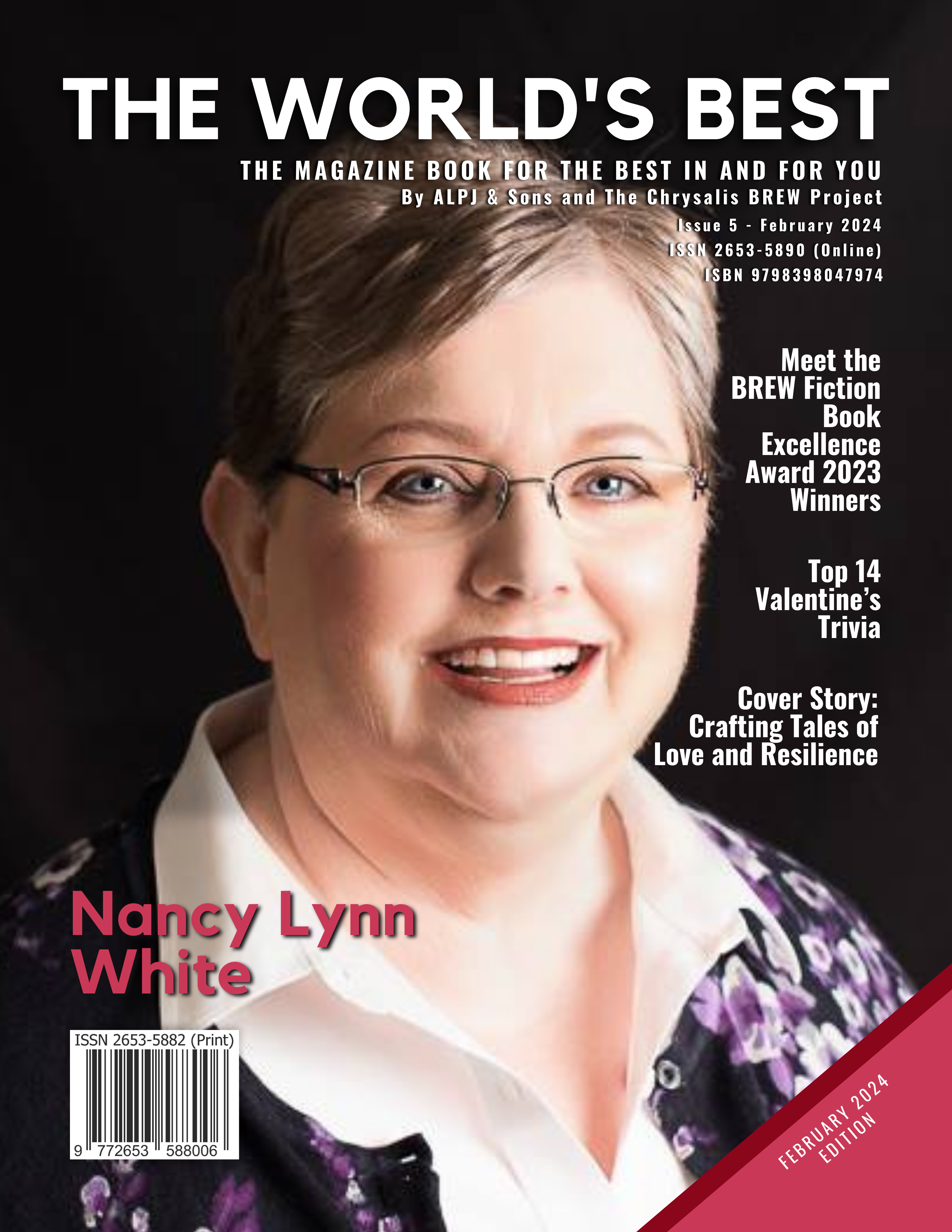
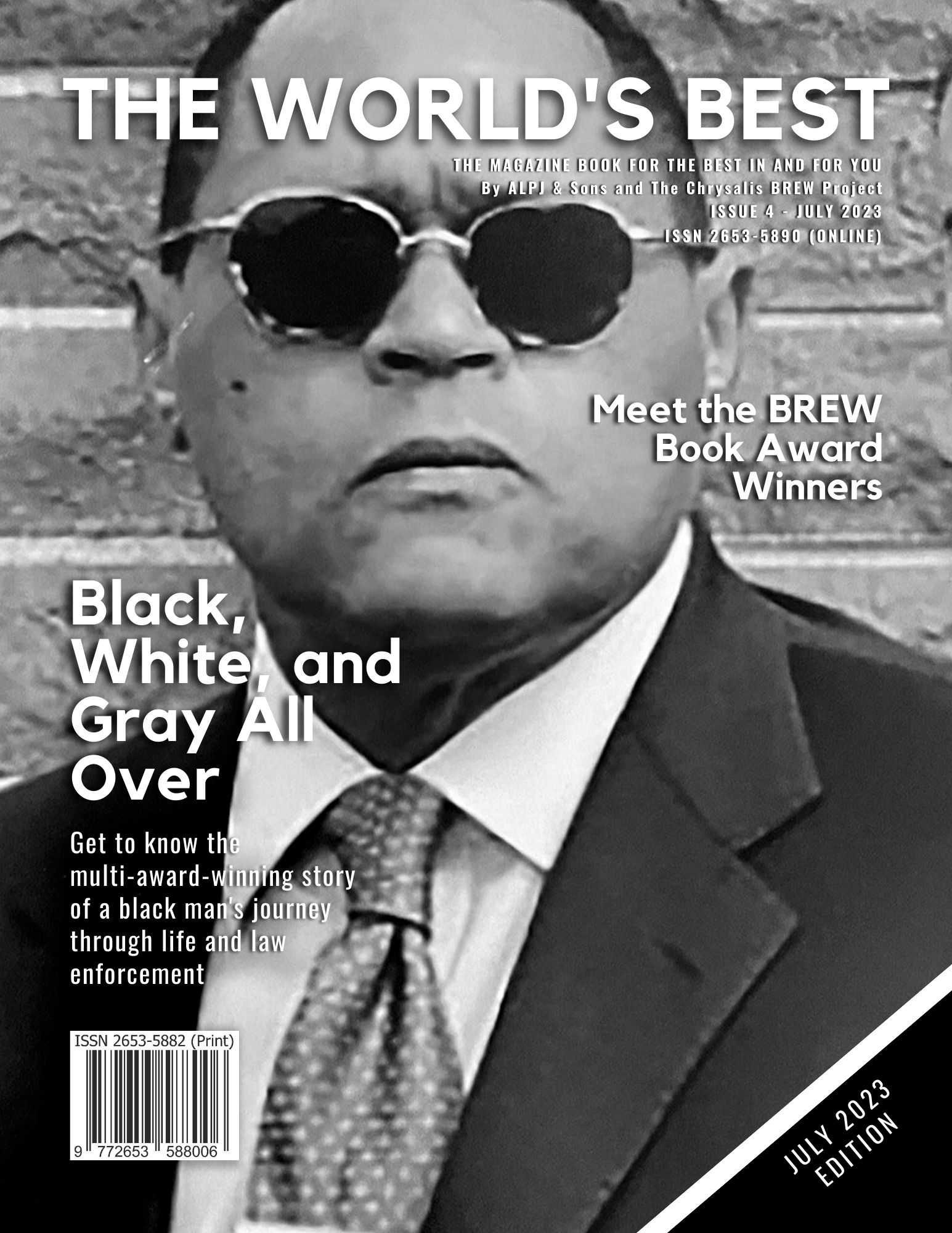



Don’t just read about greatness. Own it!

About Us
The World’s Best Magazine is a print and online publication that highlights the extraordinary. It is your passport to a universe where brilliance knows no bounds. Celebrating outstanding achievements in various fields and industries, we curate and showcase the exceptional, groundbreaking, and culturally significant. Our premier laurels, The World’s Best Awards, commend excellence through a unique process involving subject matter experts and a worldwide audience vote. Explore with us the pinnacle of human achievement and its intersection with diversity, innovation, creativity, and sustainability.
We recognise and honour the Traditional Owners of the land upon which our main office is situated. We extend our deepest respects to Elders past, present, and emerging. We celebrate the stories, culture, and traditions of Aboriginal and Torres Strait Islander Elders from all communities who also reside and work on this land.
Disclaimer: The World’s Best does not provide any form of professional advice. All views and opinions expressed in each post are the contributor’s own. Whereas we implement editorial policies and aim for content accuracy, the details shared on our platforms are intended for informational purposes only. We recommend evaluating each third-party link or site independently, as we cannot be held responsible for any results from their use. In all cases and with no exceptions, you are expected to conduct your own research and seek professional assistance as necessary prior to making any financial, medical, personal, business, or life-changing decisions arising from any content published on this site. All brands and trademarks mentioned belong to their respective owners. Your continued use of our site means you agree with all of these and our other site policies, terms, and conditions. For more details, please refer to the links below.
About | Advertise | Awards | Blogs | Contact | Disclaimer | Submissions | Subscribe | Privacy | Publications | Terms | Winners
The World’s Best: A Magazine That’s All About What’s Great | theworldsbestmagazine.com | Copyright ⓒ 2022-2026
Let’s connect
Discover more from The World's Best
Subscribe to get the latest posts sent to your email.

 The World's Best