
“Survivors have a right to fight back against abusers and the organizations who enable abuse.”
-Jeffrey Nadrich
Editor’s Note: This interview contains discussions of sexual abuse, including references to institutional abuse and survivor experiences. Reader discretion is advised. The content is intended to inform and raise awareness about legal advocacy for survivors and does not constitute legal advice.
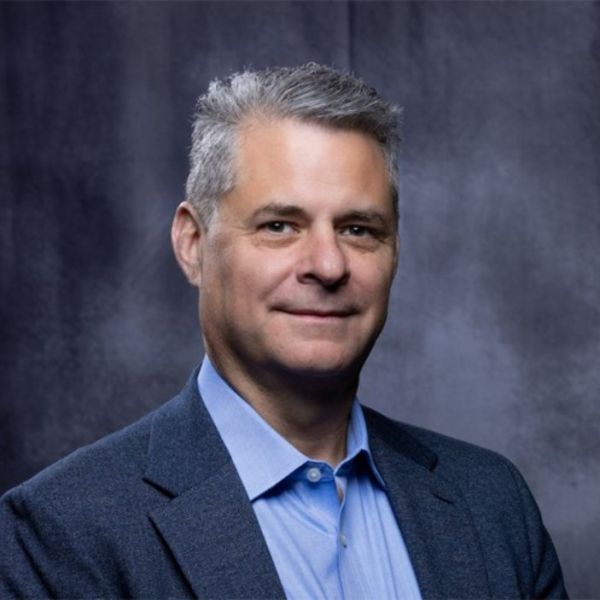
Jeffrey, thank you for joining us today. To start off, could you introduce yourself to our readers? We’d love to hear about your background, your path into law, and what you aim to achieve through your work.
I wanted to be a lawyer as a child. I grew up in a working-class family, and I wanted to be able to help people and change regular people’s lives in a positive way. So, after I graduated from U.C. Berkeley, I attended University of California, Hastings College of the Law, where I got my law degree.
In 1990, I formed my own personal injury law firm, which I still run today. We’ve helped people with all sorts of cases, including cases involving auto accidents, dog bites, slip and fall accidents, dangerous products, wildfires, and sexual abuse.
What I aim to achieve through my work is helping people have a better life. I do the best I can to help others ethically, with integrity and honesty. I’m especially committed to helping everyday people win David versus Goliath situations—helping everyday folks win legal battles against huge insurance companies, Fortune 500 companies, and powerful institutions. I love to help the little guy.

Your legal work spans some of the most sensitive and difficult types of cases. What first led you to focus on representing survivors of abuse, particularly in institutional, rideshare, and aviation settings?
Abuse survivors are often everyday folks facing seemingly insurmountable odds by trying to take on big, powerful organizations like the Catholic Church, Boy Scouts of America, Uber and Lyft, huge airline companies, etc. They’re often trying to hold these huge organizations accountable for allowing sexual abuse to occur. People deserve to feel safe without worrying about being sexually assaulted on a flight, at church, or in any other scenario.
Some of the organizations these survivors are fighting just aren’t doing enough to prevent sexual abuse. Even worse, though, is that sometimes survivors are fighting organizations who have actively covered up sexual abuse.
So, representing abuse survivors is a way for me to help everyday people fight back against big, powerful entities who are committing injustices.
Over more than three decades in law, what shifts have you seen in how the legal system addresses sexual assault and abuse cases—especially those involving powerful organizations?
There’s definitely been an increased focus on not just going after abusers, but going after the powerful organizations who enable abuse as well. This has led to a lot of lawsuits being filed against the Catholic Church, the Mormon Church, Boy Scouts of America, Uber, Lyft, and airlines such as American Airlines.
There are a lot of patterns in these lawsuits. A lot of the lawsuits illuminate evidence that organizations have known about abusers in their organizations for years, yet haven’t done nearly enough to prevent abuse. A lot of evidence has come out that organizations have done everything they can to not help survivors, but rather protect abusers to preserve their reputations or profits.
The states have also recognized a need to hold abusers and organizations accountable for abuse, so they’ve extended or eliminated time limits for survivors to file lawsuits. For example, California has extended the time limit for a lot of survivors to file sexual abuse lawsuits, and has outright eliminated the time limit regarding abuse that happened on or after January 1, 2024.

You’ve been recognized with several notable honors. Can you walk us through what those awards represent to you, and how they reflect your approach to trial law?
The honors I have accumulated throughout my career, to me, represent proof that I’ve helped a lot of people and made their lives better.
When people come to my law firm for help, it’s because something really bad has happened to them. Maybe they’ve been hurt so bad in a car accident that they can’t work anymore and are having trouble paying the bills. Maybe they’re a sexual abuse survivor whose trauma is severely impacting their personal and professional lives. Maybe they’ve taken a drug that some drug company knew was defective, and now they’re very sick and can’t afford the treatment they need.
My job as a lawyer is to help all of those people get their lives back on track. My job is to help them return to as normal and enjoyable of a life as possible after something really bad happened to them.
So, those awards are really an acknowledgment to me of how I’ve been able to help people throughout my career.
What are some of the most meaningful or transformative moments in your career—cases, outcomes, or client stories that shaped how you practice law today?
The most meaningful and transformative moments in my career have been when I have won cases for my clients against the biggest, most wealthy, and powerful entities imaginable. Against companies like Walmart, who is #1 on the Fortune 500, or Amazon, who is #2 on the Fortune 500. I take great pride in helping clients take on the vast resources of companies who are in the top 100 of the Fortune 500, like Uber, Delta Air Lines, United Airlines, and American Airlines, and helping them win.
It’s a drop in the bucket for these companies to pay the best defense lawyers to protect them from everyday folks who are trying to hold them accountable for something they’ve done wrong. Somebody has to stand up for the little guy against these companies when they do wrong. So, it’s always been meaningful and transformative for me when I’ve been able to help everyday people win fights they’d have no chance of winning without my help.

Representing survivors often involves navigating emotional and psychological complexities. How do you approach client relationships in a way that balances legal advocacy with empathy and resilience?
I don’t think of it as a challenge to balance legal advocacy with empathy and resilience. I believe that effective advocacy is, by definition, empathetic and resilient.
When it comes to representing survivors, what I really try to do is help them get their lives back on track and help them return to normalcy. This involves having the empathy to listen to and understand their stories. I can’t identify the help they need without listening to and understanding their stories, and approaching their cases with empathy provides me with the motivation and resilience to fight relentlessly to make sure they get the help they need.
I advocate for my clients’ rights. Survivors have a right to fight back against abusers and the organizations who enable abuse. Survivors have a right to have their story heard. They have a right to fight to prevent others from going through what they went through. They have a right to guidance and support. Advocating for these rights simply requires empathy and resilience. There’s no juggling between empathy, resilience, and legal advocacy involved. Empathy and resilience are simply an integral part of legal advocacy.
Given the growing awareness around accountability in institutional abuse, how do you see your work contributing to broader legal and societal change?
When huge organizations get held liable for enabling abuse, to the tune of millions of dollars, this obviously gets publicized all over the media. I think that sends a pretty clear message to all sorts of huge organizations that they’re not going to be able to get away with enabling or covering up abuse.
So, I really don’t think there’s a more effective way of deterring big organizations from enabling or covering up abuse than to financially punish them, severely, for their misconduct.
The Boy Scouts of America had to file for bankruptcy because of lawsuits accusing them of enabling and covering up sexual abuse. I’m pretty sure that sent a loud, clear message to all kinds of organizations that they won’t be able to get away with not taking abuse seriously.
In what ways have creativity or innovation played a role in how you build cases or present survivor narratives in the courtroom?
Building the best cases requires a lot of creativity. This often means looking at unexpected sources for evidence.
Take the cases against Boy Scouts of America, for example. Obvious sources of evidence include survivor testimony as well as the secret internal documents which got leaked and showed that the organization knew abuse was occurring and wasn’t doing enough to prevent it.
A less obvious source, however, would be the Boy Scout Handbook itself. The Handbook, at one point, encouraged Scouts to tell Scoutmasters about themselves during one-on-one meetings to help build relationships between Scouts and Scoutmasters.
In this case, the Handbook itself became evidence that Boy Scouts of America was encouraging Scouts to spend time alone with adult Scoutmasters despite knowing that abuse was occurring.
Building cases involves leaving no stone unturned when collecting evidence, and this means using creative thinking to think of unexpected places to look for evidence.

Many of your cases involve vulnerable individuals up against well-funded, high-powered institutions. What are some practical strategies or mindsets you rely on to level that playing field?
Juries are usually composed of everyday people. I think a lot of juries are very sympathetic to everyday plaintiffs who are taking on huge, powerful defendants. So, I think it helps a lot to really emphasize that these huge, powerful defendants have more than enough resources to fix problems, yet choose not to in order to maximize their profits or reputations.
In addition, the bigger and more powerful a defendant is, the more likely it is that they have put a lot of advertising out there. That advertising can be used against them in a lawsuit.
For example, Uber has put quite a lot of advertising and promotion out there, claiming that Uber rides are safe. They’ve marketed their services as being safe for women. Yet, now they’re facing tons of lawsuits accusing them of not doing enough to prevent women from being sexually assaulted by Uber drivers.
I think it really hurts a defendant in the eyes of a jury when a plaintiff can demonstrate that a defendant’s actual conduct was exactly contrary to what they advertised. So, I think using powerful defendants’ advertising against them can be a very powerful legal tactic.
Looking ahead, what advice would you give to young legal professionals who want to build a career rooted in impact, especially in areas of law that require deep conviction and compassion?
Work hard. Work smart. Always do what is best for the client. Listen closely to the client’s story, empathize with the client, then help the client in any way you can.
Approach your job as if it is a privilege to do what you do and you will always give 100 percent effort. You can easily do your job when you love your job.
Never give up. Never give in. Always move forward. There is never a problem—there is only a solution.
If you were to write your bio in your own words, what would you say? What legacy do you hope to leave?
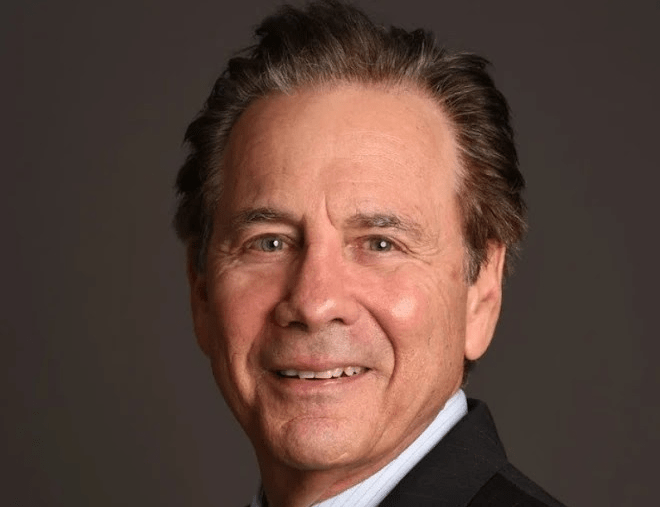
Jeffrey Nadrich is the managing partner of Nadrich Accident Injury Lawyers, a California-based personal injury law firm known for taking on powerful defendants in high-stakes litigation. With over 30 years of experience, he has helped clients in complex injury, abuse, product liability, and wildfire cases. Learn more at: https://personalinjurylawcal.com
⭐⭐⭐⭐⭐
“Never give up. Never give in. Always move forward.”
-Jeffrey Nadrich
Share Your Insights
We’d love to hear your thoughts on this interview and the broader issues it raises. Join the conversation in the comments:
- What role do you think empathy plays in legal advocacy?
- How can institutions be held more accountable for preventing abuse?
- What inspires trust between a lawyer and a client?
Alignment with the UN SDGs
- SDG 5: Promotes gender equality through advocacy for sexual abuse survivors.
- SDG 10: Supports reduced inequalities by representing marginalized individuals.
- SDG 16: Advances justice and accountability in institutions.
Other Highlights

Looking for something?
Type in your keyword(s) below and click the “Search” button.
Helpful Shortcuts
More Stories
















Print and Digital Magazine

Don’t just read about greatness. Own it!

About Us
The World’s Best Magazine is a print and online publication that highlights the extraordinary. It is your passport to a universe where brilliance knows no bounds. Celebrating outstanding achievements in various fields and industries, we curate and showcase the exceptional, groundbreaking, and culturally significant. Our premier laurels, The World’s Best Awards, commend excellence through a unique process involving subject matter experts and a worldwide audience vote. Explore with us the pinnacle of human achievement and its intersection with diversity, innovation, creativity, and sustainability.
We recognise and honour the Traditional Owners of the land upon which our main office is situated. We extend our deepest respects to Elders past, present, and emerging. We celebrate the stories, culture, and traditions of Aboriginal and Torres Strait Islander Elders from all communities who also reside and work on this land.
Disclaimer: The World’s Best does not provide any form of professional advice. All views and opinions expressed in each post are the contributor’s own. Whereas we implement editorial policies and aim for content accuracy, the details shared on our platforms are intended for informational purposes only. We recommend evaluating each third-party link or site independently, as we cannot be held responsible for any results from their use. In all cases and with no exceptions, you are expected to conduct your own research and seek professional assistance as necessary prior to making any financial, medical, personal, business, or life-changing decisions arising from any content published on this site. All brands and trademarks mentioned belong to their respective owners. Your continued use of our site means you agree with all of these and our other site policies, terms, and conditions. For more details, please refer to the links below.
About | Advertise | Awards | Blogs | Contact | Disclaimer | Submissions | Subscribe | Privacy | Publications | Terms | Winners
The World’s Best: A Magazine That’s All About What’s Great | theworldsbestmagazine.com | Copyright ⓒ 2022-2026
Let’s connect
Discover more from The World's Best
Subscribe to get the latest posts sent to your email.

 The World's Best
2 thoughts on “Pushing the Boundaries of Justice: A Conversation with Jeffrey Nadrich”