
“At its heart, my journey has been about building something that reflects my values while supporting others in building theirs.”
-Tamara Pow
Tamara, thank you for taking the time to speak with us. To begin, could you share your journey in your own words—who you are, what you do, and what you’ve built so far?
I’m the founder of a law firm built on a core set of values that include accountability, respect (no jerks), integrity, team orientation, achievement, and work/family/fun balance. Those principles shape everything we do and how we show up for our clients, colleagues, and community.
Over the years, I’ve grown the firm into a practice that focuses on business and real estate law. My practice emphasizes transactional work and partnership structures. Much of my client base includes family-owned businesses, real estate investors, and professional partnerships—especially law firms—who come to us for help structuring entities such as LLPs, LLCs, LPs, and closely held corporations. We take pride in not just forming businesses, but helping them with legal strategies.
I hold both a real estate license and an MBA, and I started my career with a foundation in tax at Price Waterhouse. That blend of legal, financial, and transactional experience allows me to approach deals from a businessperson’s perspective—understanding not just the legal mechanics, but the broader goals and risks involved.
At its heart, my journey has been about building something that reflects my values while supporting others in building theirs. It has been incredibly rewarding to help colleagues and clients navigate challenges, grow with confidence, and make smart decisions that stand the test of time.
Could you walk us through some of the honors you’ve received—and what these recognitions have meant to you personally and professionally?
Being an attorney can sometimes feel like a thankless job. These recognitions are meaningful because they are rooted in peer evaluation. Knowing that my colleagues in the legal community have recognized my work is an affirmation that I’m contributing to the field in a way that upholds its integrity and values.
I believe that success should not be about winning at the expense of others; rather, it should be about cultivating civility, collaboration, and mutual respect. I believe in the importance of working closely and constructively with other attorneys, even those on the opposite side of a matter. When we operate from a mindset of collaboration and professionalism, everyone benefits: clients, courts, and the broader community.
Ultimately, these honors motivate me to continue being the kind of lawyer who prioritizes ethics, civility, and collaboration. Gaining the respect of my peers isn’t just rewarding—it reinforces the core belief that law should be about doing the right thing. It is a reminder to keep building a practice that reflects those ideals.
You said you started your own law firm after being denied partnership because of your pregnancy—an origin story that many will find both challenging and inspiring. What did that moment teach you about the legal profession, and how did it shape your leadership values moving forward?
That experience taught me a great deal about the realities and demands of the legal profession, which can push out talented individuals—especially parents and new mothers. It was a stark reminder that lawyers, despite our education and credentials, are not exempt from discrimination.
What stood out most in that moment was the pervasive talent gap in the profession. Too often, firms overlook or undervalue individuals who are balancing major life transitions, like parenthood. Rather than supporting them through these periods, they are sidelined—leading to a loss of long-term potential.
When I launched my own practice, I made a deliberate choice to prioritize long-term investment in people. I believe that supporting team members through challenges not only helps them grow—it also fosters loyalty, stability, and deeper trust. Whether it’s providing flexibility, mentorship, or simply making space for life’s complexities, I see leadership as an opportunity to build an environment where people feel seen, supported, and valued for the long term.
In many ways, that early setback became the foundation for how I lead today: with empathy, equity, and an unwavering belief in the importance of creating space for all voices.
Managing a growing law firm while raising a family and staying active in the community is no small feat. How have you approached work-life balance—or work-life integration—throughout your career?
I’ve never viewed work-life balance as a static or perfectly even scale—it’s not about being balanced at every moment. There are periods when work demands more, and others when family or personal life takes priority. The key is staying adaptable and intentional.
One of the most important strategies I’ve embraced is building a strong, reliable team. I’ve learned to lean on them to manage the day-to-day operations of the firm, which frees me to focus on high-level decision-making and the strategic direction of our practice. That trust and collaboration have been essential—not just for me, but for creating a workplace culture where others can also pursue meaningful work and meaningful lives.
Personally, I carve out time most mornings to go for a run. It’s my reset—before the demands of the day begin. I also make sure to involve my family in volunteer work as a way of reminding us to keep our priorities straight.
What were some of the key decisions, strategies, or turning points that contributed most to that scale and success?
Growing the firm has been the result of a series of intentional decisions—guided by a clear vision, a strong team culture, and a commitment to long-term relationships. At the core, I consider myself a maximizer: someone who sees something good and strives to build on that to make it even better.
One of the earliest and most important decisions was to cultivate a strong, values-aligned team. From the beginning, I focused on bringing in like-minded individuals who shared a commitment to collaboration, client service, and ethical practice.
We also prioritize long-term relationships over transactional work, both with our clients and among our attorneys. That mindset has allowed us to build a loyal client base and a team of professionals that compete as a team, not with each other.
Embracing technology and efficient workflows has also played a vital role in our growth. Whether it’s adopting legal tech tools, streamlining processes, or enabling remote collaboration, we’ve consistently invested in ways to support smart, scalable growth. As we expand, we’re always looking to add attorneys with specialized expertise who can enhance what we offer and deepen our value to clients.
Ultimately, it’s been about building something that’s both dynamic and enduring—rooted in people, vision, and the willingness to evolve.
What makes law firms such a unique client—and what are the most misunderstood aspects of running one successfully?
I take pride in helping other attorneys with their partnership agreements and law firm structuring. Law firms are truly unique clients because their members wear three very different hats: they are service providers, salespeople, and business owners. These roles create a dynamic where time and attention are constantly pulled in multiple directions simultaneously.
One of the biggest challenges I see is simply getting lawyers to carve out the time to think strategically about their own firms. They are incredibly smart and capable, but often so immersed in practicing law that the business side becomes an afterthought. That’s where things like governance, succession planning, compensation systems, and firm culture can suffer—not due to lack of intelligence or care, but due to lack of time and intentional focus.
A major misunderstanding is the belief that being a great lawyer is enough to run a successful firm. The truth is, no matter how skilled you are in the courtroom or at the negotiating table, if you aren’t also good at dealing with your partners, business development, financial management, and leadership, your practice will struggle to thrive.
What are the most critical legal or operational elements that lawyers tend to overlook when structuring their own firms or partnerships?
Despite their legal acumen, many attorneys overlook the critical business and operational elements that can make—or break—a firm over time.
One of the biggest issues is the failure to plan ahead. Too often, lawyers form firms with minimal discussion about long-term strategy, and without building in flexibility to adjust over time. For example, partner compensation structures should be designed to evolve based on performance and contribution—not locked into rigid percentages that can lead to resentment or imbalance. Yet many firms never revisit their compensation models, even as the business and individual roles change.
Another common blind spot is the partnership agreement itself. Too many firms operate with vague, outdated, or poorly drafted agreements that don’t clearly address capital contributions, distributions, dispute resolution, or—most critically—exit strategies. Every agreement should anticipate how partners may leave or retire, how buyouts are handled, and what happens in the event of disagreement. Avoiding these conversations early on only creates more difficulties later.
Lawyers also frequently underestimate the need for adequate capitalization. Starting lean is common, but undercapitalization and borrowing (especially to take partner draws) can create cash flow problems, limit growth, and cause tension when partners are expected to contribute funds later. Similarly, failing to limit liability—through proper entity structure, insurance, or governance—can expose everyone to unnecessary risk.
Ultimately, running a law firm requires more than legal knowledge. It demands strategic thinking, regular reassessment, and a willingness to treat the firm as a business. The firms that thrive are the ones that build in flexibility and revisit their structures regularly.
How do you view leadership within law firms today—especially when it comes to mentorship, equity, and long-term sustainability?
My goal has always been to create a firm where leadership is shared, so every team member feels they have a stake in our success. That’s not just a management style—it’s a reflection of how I believe sustainable, values-aligned firms thrive.
As a leader, I focus on identifying and leveraging each person’s strengths. When people are seen, trusted, and used for what they do best, they’re not only more engaged—they feel valued. That approach also fosters mentorship in a natural, organic way: when people are empowered and supported, they tend to pass that support on to others. It creates a ripple effect of growth, confidence, and leadership at all levels.
Our core values serve as our foundation and daily guideposts:
• Accountability – Owning our work and our outcomes.
• Respect (No Jerks) – Maintaining professionalism and mutual respect at every level.
• Integrity – Doing the right thing, even when no one is watching.
• Team Oriented – Working together with humility and shared purpose.
• Achievement – Striving for excellence and celebrating success.
• Work/Family/Fun Balance – Valuing a full life beyond the office.
Ultimately, I believe that law firm leadership today—and tomorrow—should be about building people up, not just building the business. When values and vision align, long-term sustainability becomes the natural outcome.
What are the most meaningful ways the legal field can better support women and working parents—not just at the associate level, but in leadership?
Being recognized as a Woman of Influence and a Tribute to Women honoree is a reminder of how far we’ve come—and how much further we have to go—in supporting women and working parents in the legal profession.
One of the most impactful ways the field has improved is by normalizing flexible work arrangements. This isn’t just about remote work or flexible hours—it’s about creating a culture that respects people’s lives outside of work and supports them through the various seasons of their careers and families. We need to recognize that work-life balance isn’t something you achieve in a single week or year—it plays out over the course of a career.
That long-term perspective is key.
Mentorship is also essential—but not just at the associate level. We need to mentor and elevate women into leadership roles, while building a culture of inclusivity and strength-based collaboration. My leadership philosophy has always been about using people for their strengths and making sure everyone feels seen and valued. That approach not only improves retention, it transforms how teams function.
One of the hardest lessons I’ve had to learn came when women partners at previous firms refused to support my promotion because they hadn’t had the flexibility or support I was asking for. That mindset—of “if I didn’t get it, you shouldn’t either”—has to change. We need to break that cycle and instead focus on making it easier for each generation that follows. True progress happens when we lift each other up, not hold each other back.
Looking ahead, what still excites you about your work? And what advice would you give to younger attorneys—especially women—who are thinking about starting something of their own but unsure if they’re “ready”?
What continues to excite me most about my work is the opportunity to watch businesses grow and to help guide them through the legal challenges that come with that growth. There’s something incredibly rewarding about knowing that the legal advice we provide doesn’t just resolve problems—it contributes meaningfully to our clients’ long-term success. Being part of their journey, especially from early stages to stability and expansion, never gets old.
For younger attorneys—especially women—who are thinking about starting something of their own, my biggest advice is this: don’t wait for the perfect moment. It won’t come. The timing will never feel ideal, the path will never be perfectly clear, and the doubts will always try to creep in. But that’s not a reason to hold back.
Starting your own firm is a lot like becoming a parent: it’s difficult, there’s no manual, and there’s definitely no “right time” to do it. But like parenting, it gets easier with experience, and the rewards are deeply meaningful. You grow alongside what you’ve built. It’s not an easy journey—but if you’re all in, it can be one of the most fulfilling paths you’ll take.
My final piece of advice? Don’t do it halfway. If you’re going to take the leap, commit to it fully. Surround yourself with people who share your values, seek out mentors who’ve walked the path before you, and trust in your ability to learn and lead as you go. You don’t have to be “ready.” You just have to begin.
If you were to write your bio in your own words, what would you say?
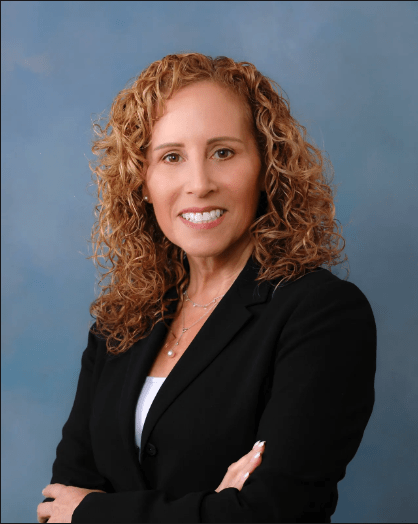
I was the first American in my family, born in Los Angeles, California to a family of Canadians. I was the middle child of three siblings. I started UCLA during my senior year of high school and graduated three years (and three seasons of UCLA Marching Band) later.
I moved to Davis, California for law school and stayed an extra year to do a joint JD/MBA. I met my husband during my second year in Davis. After graduation, I was recruited by Price Waterhouse as a tax consultant and moved to the San Francisco Bay Area.
After 1.5 years at Price Waterhouse, I realized I think like a lawyer and moved to a downtown San Jose law firm in their business and tax department. After two babies and eight years of doing LLC formations but not being able to do the real estate portion of those deals, I decided I would start my own firm. This enabled me to work less than full-time to be with my kids and also broaden my practice area.
I went on to have a third child and to get my real estate broker’s license. In April 2014, I formed Strategy Law, LLP in downtown San Jose with two partners I had been collaborating with since I started practicing law in San Jose. Our firm has expanded to 10 partners.
My husband and I live in Cupertino, California, where we raised our three sons. I enjoy running, local wine tasting, gardening, reading, backyard chickens, and fostering kittens.
⭐⭐⭐⭐⭐
“You don’t have to be ‘ready’—you just have to begin.”
-Tamara Pow
Link
Share Your Insights
We’d love to hear your thoughts. Join the conversation by sharing your insights in the comments:
- What values shape how you lead or work today?
- How do you approach long-term growth in your profession?
- What does starting before you’re “ready” look like in your field?
Alignment with the UN SDGs
- Promotes gender equity in leadership (SDG 5)
- Encourages decent work environments (SDG 8)
- Supports inclusive decision-making and governance (SDG 16)
Other Highlights

Looking for something?
Type in your keyword(s) below and click the “Search” button.
Helpful Shortcuts
More Stories



























Print and Digital Magazine








Don’t just read about greatness. Own it!

About Us
The World’s Best Magazine is a print and online publication that highlights the extraordinary. It is your passport to a universe where brilliance knows no bounds. Celebrating outstanding achievements in various fields and industries, we curate and showcase the exceptional, groundbreaking, and culturally significant. Our premier laurels, The World’s Best Awards, commend excellence through a unique process involving subject matter experts and a worldwide audience vote. Explore with us the pinnacle of human achievement and its intersection with diversity, innovation, creativity, and sustainability.
We recognise and honour the Traditional Owners of the land upon which our main office is situated. We extend our deepest respects to Elders past, present, and emerging. We celebrate the stories, culture, and traditions of Aboriginal and Torres Strait Islander Elders from all communities who also reside and work on this land.
Disclaimer: The World’s Best does not provide any form of professional advice. All views and opinions expressed in each post are the contributor’s own. Whereas we implement editorial policies and aim for content accuracy, the details shared on our platforms are intended for informational purposes only. We recommend evaluating each third-party link or site independently, as we cannot be held responsible for any results from their use. In all cases and with no exceptions, you are expected to conduct your own research and seek professional assistance as necessary prior to making any financial, medical, personal, business, or life-changing decisions arising from any content published on this site. All brands and trademarks mentioned belong to their respective owners. Your continued use of our site means you agree with all of these and our other site policies, terms, and conditions. For more details, please refer to the links below.
About | Advertise | Awards | Blogs | Contact | Disclaimer | Submissions | Subscribe | Privacy | Publications | Terms | Winners
The World’s Best: A Magazine That’s All About What’s Great | theworldsbestmagazine.com | Copyright ⓒ 2022-2026
Let’s connect
Discover more from The World's Best
Subscribe to get the latest posts sent to your email.

 The World's Best
One thought on “Tamara Pow on Breaking Barriers: Building a Law Firm, a Family, and a New Standard for Success”