
Why do some stories fade while others fuel movements, shift policies, or change the course of entire communities? Research in neuroscience shows that stories activate multiple areas of the brain, enhancing both memory retention and empathy. As author Jonathan Gottschall once noted, “We are, as a species, addicted to story.” From ancient cave paintings to viral social campaigns, storytelling has always been more than entertainment—it’s how we interpret the world and influence each other. But how exactly does narrative shape public opinion or spark real-world impact? In this roundup, we explore perspectives that reveal storytelling’s quiet but enduring power to effect change.
Editor’s Note: The insights shared in this piece are for informational purposes and reflect the experiences and perspectives of the contributors. They are not intended as professional advice or definitive conclusions. Readers are encouraged to think critically, explore further, and consider the broader context when applying these ideas.
Stories Connect Hearts When Facts Fall Short
Facts inform people, but stories move them. During lockdown, one customer sent a message saying our small care box helped her feel seen. We asked to share it, and the post reached more people than weeks of paid campaigns. That moment reminded us that stories are not just about what happened; they are also about what they mean. They are about how it felt. In business, media, and even courtrooms, a strong narrative builds an emotional connection. Logic helps people understand, but emotion helps them remember. Public opinion often shifts not through data but through relatable stories. People need to feel before they can care. That is what drives lasting change. The key is not to tell a perfect story but to tell a true one. If it feels real, people will carry it forward and make it their own.
Faizan Khan, Public Relations and Content Marketing Specialist, Ubuy Singapore
——————————————-
Beyond Numbers: How Client Stories Transform Business
Running a business is already hard enough without the pressure of financial uncertainty weighing on your shoulders. I see it every day clients walking in stressed out, unsure of where their money is going, and overwhelmed by tax deadlines they didn’t see coming. But one thing I’ve learned in this line of work is that storytelling real, grounded storytelling can cut through that confusion and connect us in ways spreadsheets never could. Whether in court, business, or media, storytelling shapes how we understand the world, and more importantly, how we decide to act within it. One of my clients, a local bakery owner here in Boston, came to me after receiving a penalty notice from the IRS. She felt completely defeated. But as she told her story how she started her business after being laid off, how she tried to manage her books between 4 a.m. baking shifts it reframed her situation. It wasn’t about negligence; it was about trying to keep a dream alive without the right support. Sharing her experience helped other small business owners realize they weren’t alone in their struggles. It also opened the door to a broader conversation about the importance of real time, monthly bookkeeping to avoid surprises down the line. That’s why storytelling matters. When you share not just what’s happening in your business but *why*, it creates empathy and trust. It turns financial services into something human accessible, relevant, and powerful. And in a time when small businesses are facing rapid changes in tax codes, labor costs, and digital payment systems, the stories we tell about our challenges and wins can shift community norms. When you need understanding, you’ll find clarity through the honest exchange of real life experiences and practical support. At my firm, we don’t just crunch numbers. We get to know your story so we can help shape the next chapter. One startup client said, “I used to think I had to know everything about taxes to run my business. Taryn helped me realize I just needed someone who *does*.” That’s the transformation we aim for replacing fear with confidence, and chaos with structure. With modern tools like cloud based bookkeeping and same day tax categorization, we help businesses not just survive, but grow with purpose.
Taryn Pumphrey, President, Ledger Lift
——————————————-
Personal Stories Stick When Statistics Fade Away
Storytelling shapes public opinion because it makes facts feel personal. You can throw stats at people all day, but one clear story about a real person sticks in their memory and moves them emotionally. In business, I’ve seen this play out when brands stop talking about features and start showing how their product changed someone’s life. In court, it’s not just about evidence; it’s how you frame the facts to show intention or impact. The same applies in media where a powerful narrative can change how people see an issue or a group overnight. Lasting change happens when the story becomes something people repeat and connect with because it reflects their values or fears. It’s not about making things up, it’s about framing the truth in a way people feel compelled to act on.
Georgi Petrov, CMO, Entrepreneur, and Content Creator, AIG MARKETER
——————————————-
Strategic Storytelling: The Bridge to Trust
Storytelling is one of the most powerful tools we have to shape public opinion and catalyze lasting change—because it bypasses logic and speaks directly to emotion, identity, and belief. In business, media, and even legal settings, facts alone rarely move people; it’s the framing of those facts—through narrative, tension, and resonance—that creates alignment, urgency, and trust. A well-crafted story can humanize a brand, elevate a leader into a symbol, or turn a movement into a cultural shift.
As a publicist and founder, I’ve seen how personal origin stories, founder challenges, or breakthrough moments can transform visibility campaigns. The key is authenticity with intention: when storytelling is rooted in truth but strategically aligned with audience values, it doesn’t just capture attention—it builds loyalty and momentum. Whether you’re pitching to the press or launching a campaign, the story is what sticks.
Kristin Marquet, Founder & Creative Director, Marquet Media
——————————————-
Clutter-Free Narratives Transform Spaces and Lives
Storytelling shapes public opinion and drives lasting change by connecting facts to feelings, making complex ideas accessible and memorable. In any setting whether courtrooms, business meetings, or media outlets stories help audiences see the human impact behind the facts. When people relate emotionally, they’re more likely to shift their mindset and behavior. For example, cluttered homes often reflect deeper struggles, like feeling overwhelmed or lacking control. Sharing real stories from homeowners who transformed their spaces not only highlights practical solutions but also inspires hope and motivation. This blend of technical expertise and authentic experience builds trust and encourages others to take action. Stories frame challenges in ways that resonate personally, turning abstract problems into tangible realities. When a cluttered home becomes a narrative of reclaiming peace and order, audiences connect on a deeper level than through statistics alone. This emotional bond influences public opinion by fostering empathy, while practical solutions show that change is achievable. At Revive My Spaces, we’ve seen how sharing our clients’ journeys transforms not just their homes but their confidence and quality of life. Storytelling empowers people to envision their own clutter free bliss, making organization not just a task but a meaningful lifestyle change.
Lauren Hammer, Founder & Lead Organizer, Revive My Spaces
——————————————-
Stories Outweigh Data in Changing Minds
Storytelling drives decisions. It simplifies complex topics, shifts perceptions, and makes people care. In healthcare, we’ve seen stories change laws. A parent describing how medical cannabis stopped their child’s seizures does more than data. It forces lawmakers to look past policy and think about people. That’s influence.
In business, stories help people see value. At Elevate Holistics, we don’t just talk about access to medical marijuana. We highlight the experience of a patient who couldn’t sleep for months, got their card, and found relief. That story means more than any sales pitch. It shows outcomes. It earns trust. Media uses the same tactic. When a headline reads “Veteran uses cannabis to manage PTSD,” it reframes the conversation from abstract drug policy to human impact.
In court, personal testimony can outweigh technical evidence. A victim’s story changes the tone of a trial. Jurors remember feelings more than facts. That’s why storytelling works across every platform. You’re not just presenting information. You’re guiding what people remember and what they act on. Stories drive law, change policy, and create demand. You need accuracy, but without connection, facts fall flat. You influence culture by making people see themselves in the story.
Aspen Noonan, CEO, Elevate Holistics
——————————————-
Trust Builds Through Stories, Not Credentials
Storytelling builds trust faster than credentials. I’ve seen it over and over.
When someone faces a personal problem, facts alone don’t reach them. A shared experience does. A simple story about what it felt like, what changed, and what worked speaks louder than statistics. That connection moves people. It shows them they’re not the only ones going through it.
This works across industries. A business pitch without a story gets ignored. A legal argument without emotion gets dismissed. A message in the media without feeling gets forgotten. People need something to hold onto. Not data, but meaning.
Stories add structure to facts. They show the impact, not just the process and when people hear a real result, told plainly, they pay attention. They remember. They tell others. That’s how ideas spread. That’s how trust is built. Not through claims, but through proof that sounds human.
Public opinion shifts when enough people feel something is true. Storytelling makes that possible. Facts inform, but stories stay with you. And when stories stay, they start to shape what people believe and how they act.
Paul DiMuzio, Co-Founder, Locklab
——————————————-
Authentic Stories Drive Action Through Connection
Storytelling helps people connect with information. In court it makes evidence relatable. In business it shows why products matter, building trust. In media it shapes opinions by sharing diverse voices. Good stories motivate action and lasting change. Authenticity is key because people can spot fake stories fast.
Chris Brewer, Managing Director, Best Retreats
——————————————-
Meaningful Stories Create Powerful Cultural Ecosystems
The world is flooded with information, not meaning. Stories distill chaos into something people can carry. They remember the lamb born in spring rains. They recall the wildflower that became a balm. These details bring our values into their daily lives. That presence shapes culture in quiet but powerful ways.
If you want to inspire action, tell better stories. Don’t just present solutions, paint the journey clearly. Show your struggles, your growth, your why. That vulnerability invites shared ownership of outcomes. At our estate, this approach built an ecosystem of believers. That ecosystem now drives change we never imagined alone.
Lord Robert Newborough, Owner, Rhug Organic Farm & Rhug Ltd
——————————————-
Stories Break Barriers Facts Cannot Penetrate
Stories frame reality in ways facts can not. They provide context and meaning which shapes how audiences perceive events or policies. In court, media or business that framing can change public opinion dramatically.
Effective storytelling highlights common humanity, breaking down barriers and fostering empathy. This emotional resonance makes stories a catalyst for cultural and systemic change that facts alone often fail to achieve.
Lord Robert Newborough, Founder/Owner, Rhug Wild Beauty
——————————————-
Thoughtful Narratives Spark Empathy and Action
Storytelling carries immense potential to shape perspectives and drive significant transformation. Whether presented in a courtroom, during a business proposal, or through media outlets, a thoughtfully constructed tale can tap into emotions, simplify intricate concepts, and inspire meaningful action. It offers context and relatability, transforming abstract topics into personal drivers. When narratives strike a chord on a human level, they ignite empathy and understanding, both of which are crucial for influencing opinions and creating a lasting difference.
Corina Tham, Sales, Marketing and Business Development Director, CheapForexVPS
——————————————-
Experience Beats Information in Building Loyalty
Stories move people faster than numbers ever will. In real estate, I’ve watched properties gain attention the moment we shared a meaningful backstory. Not about price or features, but about life lived inside the walls. People connect with emotion before logic. That’s what drives action.
In business and media, stories shape perception and trust. A short, honest account of struggle or resilience spreads faster than any marketing pitch. It brings people together. It fuels support. It shifts belief. Leaders who understand this build stronger brands, tighter teams, and deeper impact. They don’t push information, they share experience.
Influence grows when stories feel real and relatable. Facts alone don’t create loyalty or change. Stories do. When people hear something that reflects their own life or values, they lean in. That response doesn’t fade. It builds momentum.
Stories don’t need to be perfect. They need to be human. That’s how you move opinion. That’s how you create change that lasts.
Betsy Pepine, Owner and Real Estate Broker, Pepine Realty
——————————————-
Gardens Tell Stories That Transform Lives
Storytelling is one of the most powerful tools we have to connect with people on a deeper level, and in my experience, it’s just as important in gardening as it is in courtrooms, boardrooms, or newsrooms. When I speak with clients about transforming their garden, I don’t just talk about plants or soil types. I tell the story of what their garden could become. I take the time to understand their lifestyle, the memories they want to create, and how the space can reflect who they are. This approach doesn’t just win jobs, it builds trust and long term relationships. A great example of this was when I worked with a local aged care facility. The original brief was simple: make the space easier to maintain. But after speaking with the staff and some of the residents, I learned that many of them had grown up with gardens of their own and missed that connection to the earth.
So I created a concept that told the story of their past and brought it into the present. I designed sensory gardens filled with familiar herbs and flowers, built raised beds for easy access, and added spaces where residents could sit and reflect. It became more than just a job. It was a living, breathing story of their lives told through plants and space. The project gained attention in local media and became a case study in how thoughtful, narrative driven garden design can improve mental health and wellbeing. My background in horticulture, paired with my years of hands on experience and customer focused service, helped me interpret what was really needed and bring it to life. That’s the lasting power of storytelling, it moves people to care, and when people care, change happens.
Andrew Osborne, Owner, Ozzie Mowing & Gardening
——————————————-
Human-Centered Narratives Catalyze Societal Change
Storytelling possesses a profound ability to shape public opinion and drive lasting change by connecting with audiences on an emotional and intellectual level. When narratives are thoughtfully crafted, they transcend facts and figures, offering relatable and compelling perspectives that inspire empathy and understanding. Whether in courtrooms, where stories resonate with jurors to frame justice; in business, where brand narratives build trust and loyalty; or in media, where stories highlight social issues and inspire collective action, storytelling serves as a catalyst for influence.
By communicating complex ideas through engaging, human-centered accounts, storytelling fosters deeper connections, challenges prevailing norms, and paves the way for meaningful transformations in society.
Ketie Zhang, Founder, Ketie Story
——————————————-
Clear Stories Create Connections Facts Cannot
Storytelling changes how people see and remember information. When you share a simple, clear story, it creates a connection that facts alone cannot. That connection builds trust and makes your message stay with people longer.
In business and public life, stories show why something matters. When you explain what you do through real experiences, it turns numbers and facts into something people understand and care about. People respond to stories with characters and feelings, not just cold data. A good story helps others follow your message and relate to it on a personal level.
You make your story powerful by focusing on what matters most and speaking directly to your audience. When you share your story well, you change minds and encourage action. Storytelling becomes a way to connect with others and leave a real impression.
Joe Horan, Owner & CEO, Jumper Bee
——————————————-
Emotional Narratives Simplify Complex Ideas Effectively
Storytelling is a powerful tool across various fields, including courtrooms, business, and media. This is because it steps into human emotions and creates effective connections.
Take a look at how storytelling can shape public opinion and lead to lasting change.
Stories always engage the audience on an emotional level, making complicated ideas more simplified. For example, a personal story can evoke empathy.
Simplification of complex topics into multiple understandable chunks is what makes storytelling a game-changer. For example, In courts, a lawyer can frame a story to help the jurors understand the implications.
Authentic stories build credibility and trust by creating a human connection between the storyteller and the audience. For business brands, personal stories can do that.
Stories can ignite motivation to achieve specific goals. For example, a media campaign featuring narratives for climate change can help drive public opinion and initiate collective action towards sustainability.
Fahad Khan, Digital Marketing Manager, Ubuy Sweden
——————————————-
Real Stories Build Trust Beyond Clinical Facts
A parent once told me they chose our office after hearing another mom’s story; not a review, not a statistic, but a simple story about how her son finally sat through a cleaning without tears. That story built trust. It changed hesitation into action.
In pediatric care, trust matters more than information. Parents worry about pain, safety, and long-term effects. When I explain a procedure, I pair it with a real example. A child who overcame the same fear. A family who saw better sleep after a tongue-tie release. Stories help families feel understood. They see proof through someone else’s experience.
Public opinion shifts in the same way. Misinformation about fluoride gained traction not because of science, but because of emotional, personal stories; many exaggerated, some genuine. Facts alone don’t move people. Stories do. The right story, told by someone people trust, reshapes beliefs.
Media, business, and healthcare all rely on trust. Storytelling builds it. Not through scripts or exaggeration, but through clear, honest accounts of what others experienced and overcame. When the story reflects someone’s struggle, they remember it. When it shows a real change, they act on it.
Dr. Jasveen Singh, Pediatric Dentist & Owner, Pediatric Dentistry And Beyond
——————————————-
Stories Shape Minds Beyond Facts Alone
Storytelling holds a powerful role in shaping public opinion and driving lasting change, whether in courtrooms, businesses, or the media. Research shows that people remember stories much better than dry facts. In real life, parents know that telling a child a story can help teach lessons far more effectively than simply giving instructions. When stories tap into emotions and personal experiences, they create stronger connections, which then influence attitudes and behaviors over time. As children grow, their ability to understand stories develops along with their language and thinking skills. Just like in parenting, where clear, relatable examples help kids learn, storytelling in public settings helps audiences grasp complex ideas by making them concrete and relevant. Traditional approaches might rely on statistics or expert testimony alone, but modern storytelling adds characters and situations people can relate to. If a story shows how a law affects a family or a business impacts a community, then listeners are more likely to care and support change. For example, in a courtroom, a lawyer who shares a vivid story about a child’s struggle can make the jury feel empathy and understand the real impact of a case. In business, leaders who tell stories about customer experiences can inspire teams to improve products or service. Media stories that highlight individual voices during social movements can shift public opinion more effectively than headlines filled with numbers. These stories stick with people and motivate action because they appeal to both logic and emotion. For parents, this means storytelling isn’t just for bedtime it’s a tool to help children develop empathy, communication, and problem solving skills. Sharing stories about real life situations helps kids connect lessons to their own lives and encourages curiosity. Just like good oral health habits build a strong foundation for lifelong wellness, good storytelling habits build a foundation for understanding and change. As children grow, parents can adapt stories to challenge their thinking and support their social growth. Use stories to guide and teach your children daily. Whether you share a tale from your day or a story about kindness, you’re helping them make sense of the world and their place in it. Storytelling builds lasting connections between parent and child, and between ideas and actions shaping attitudes that grow stronger over time.
Mona Hovaizi, Founder & CEO, Gaux
Have Your Say
- What makes a message truly memorable for you?
- What’s a story that changed how you see the world?
- How do you think narratives influence your everyday decisions?
Alignment with the UN SDGs
- Promotes inclusive communication (SDG 10)
- Supports quality education through storytelling (SDG 4)
- Encourages peaceful, informed societies (SDG 16)
- Empowers diverse voices (SDG 5)
Note: The views and opinions expressed in the content provided on this page are those of the individual authors and do not necessarily reflect the official policy or position of any organizations mentioned. The information provided is for educational and informational purposes only and should not be interpreted as professional advice. Readers should consult with relevant experts or professionals for guidance specific to their circumstances. The examples used are for illustrative purposes and results may vary depending on various factors. Any external links provided are for convenience, and we do not endorse or take responsibility for the content, products, or services available through these links.
⭐⭐⭐⭐⭐
Related

Verses That Transform Leadership
What poem or line quietly changes how you face big decisions or challenges? Explore this expert roundup to see how literary insights guide real-life choices and personal resilience.

Written Works That Shaped Thinking
What single insight can quietly reshape how you approach challenges, relationships, or career decisions? Explore this expert roundup to see how reflective reading can transform everyday thinking and choices.

Exploring Narrative, Healing, and the Human Mind with Verlin Darrow
Ever wondered how surviving earthquakes, outrunning tornadoes, and dodging a gun shaped a mystery writer’s mind? Discover Verlin’s extraordinary life experiences and how they feed the thrilling stories on every page.
Continue reading Exploring Narrative, Healing, and the Human Mind with Verlin Darrow

Exploring Story, Place, and Imagination with Dust Kunkel
Ever wondered how a childhood across continents and rivers becomes the fuel for storytelling? Discover how Dust Kunkel’s life shaped his novel and worldview — read the full interview to explore it.
Continue reading Exploring Story, Place, and Imagination with Dust Kunkel
Something went wrong. Please refresh the page and/or try again.
Other Highlights

Looking for something?
Type in your keyword(s) below and click the “Search” button.
Helpful Shortcuts
More Stories







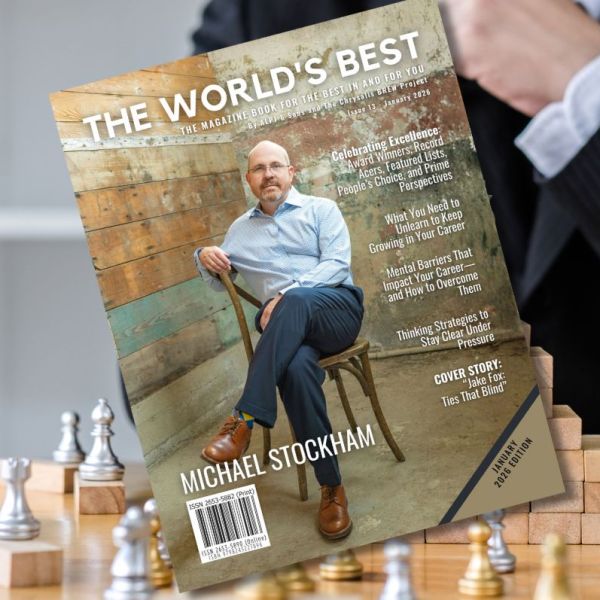




















Print and Digital Magazine
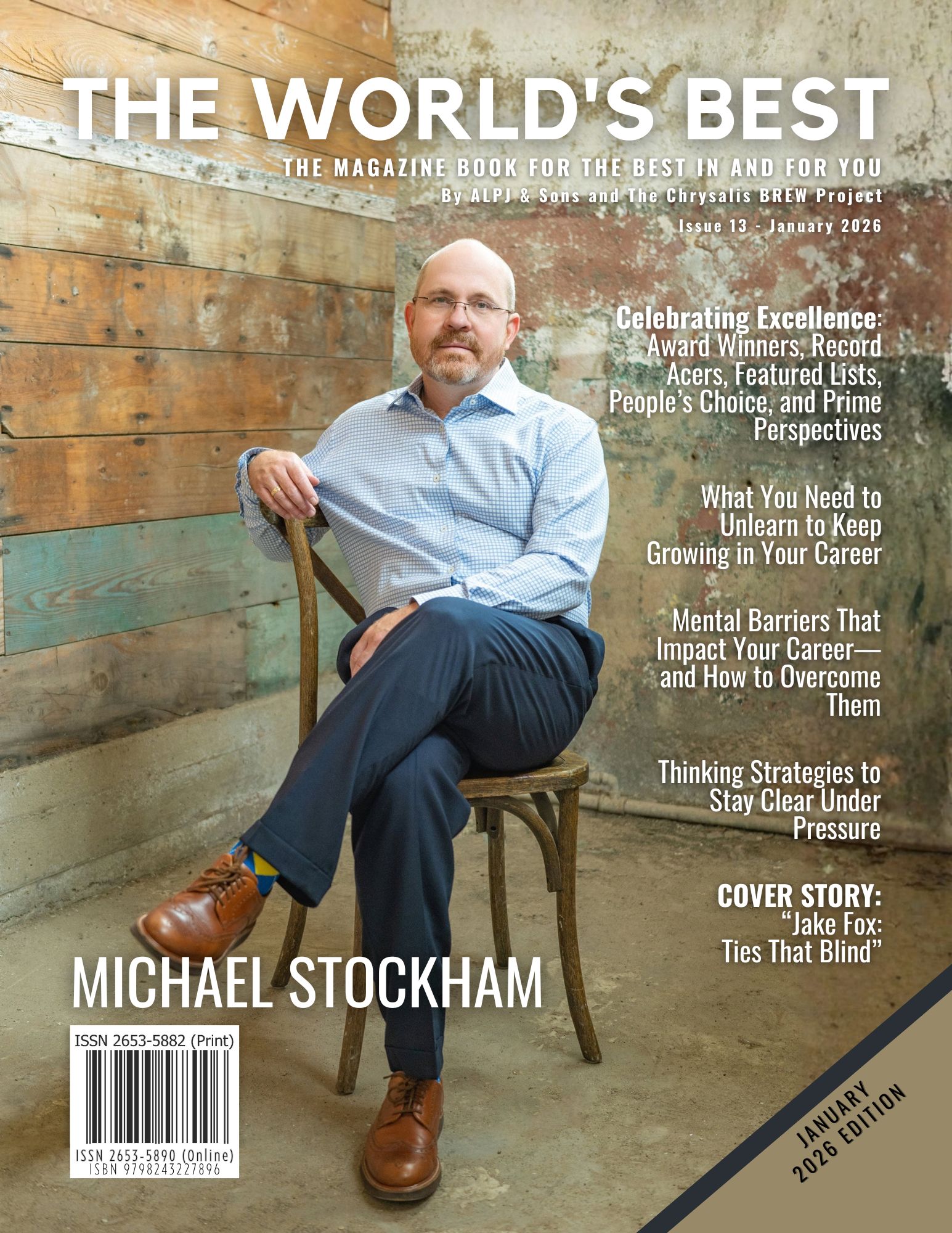
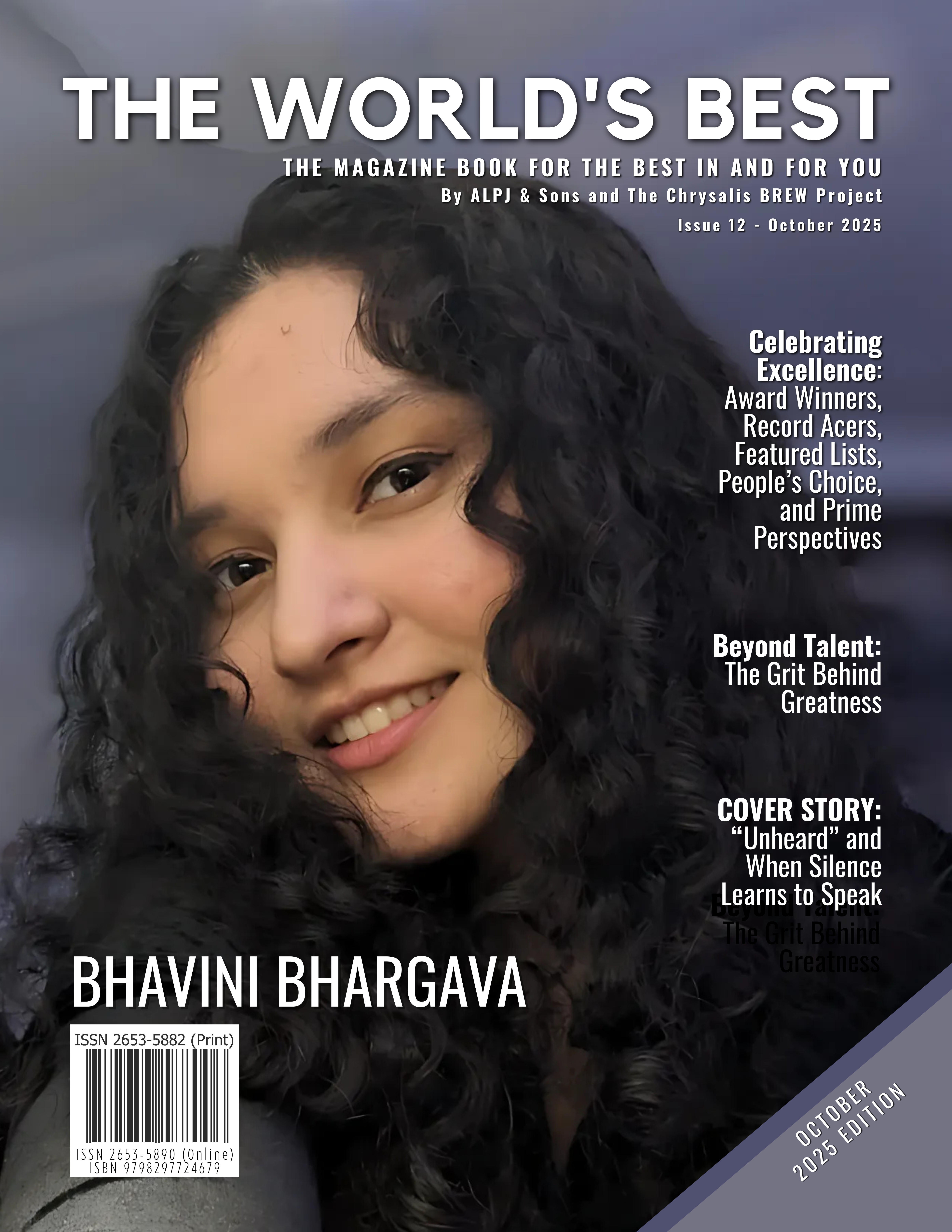
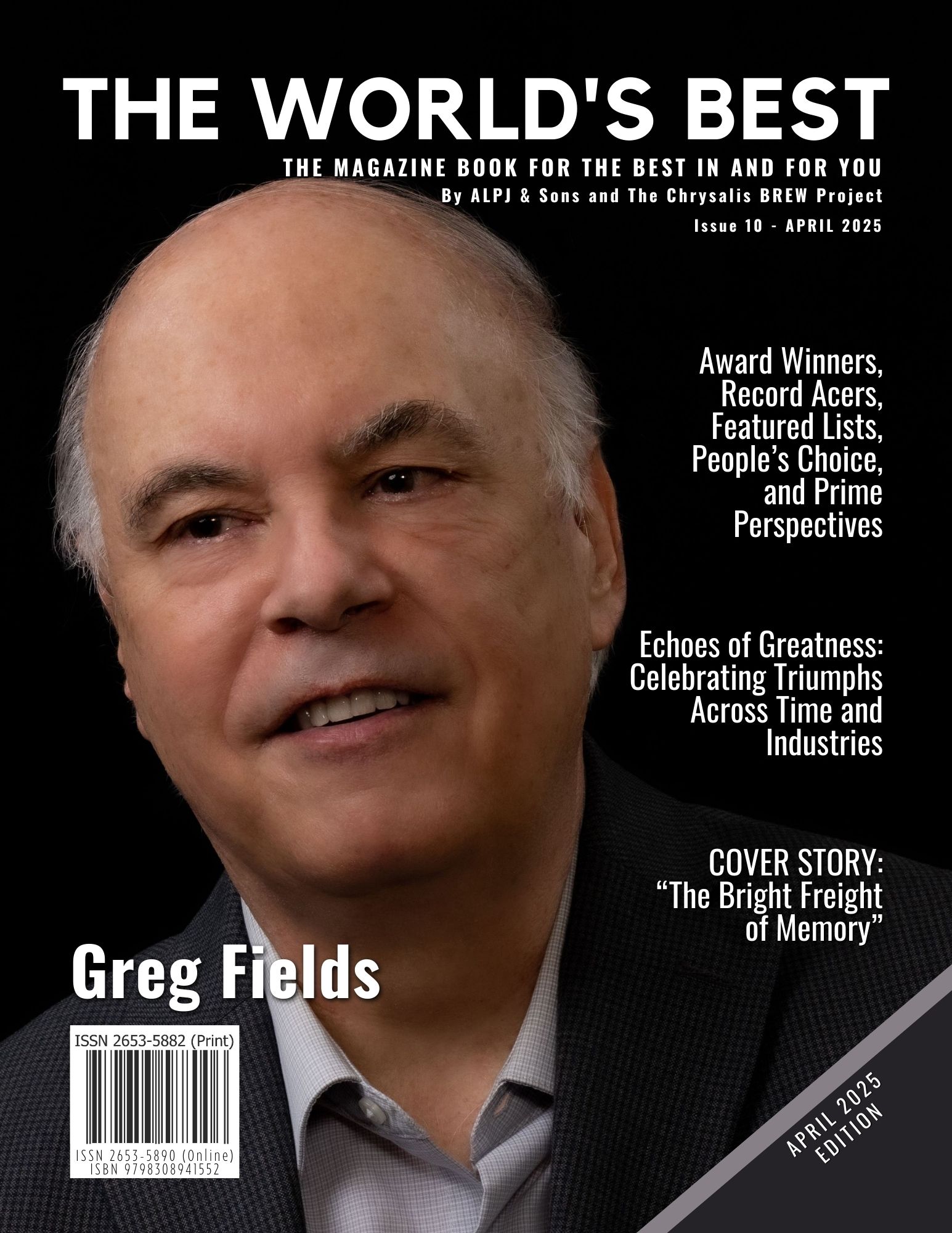
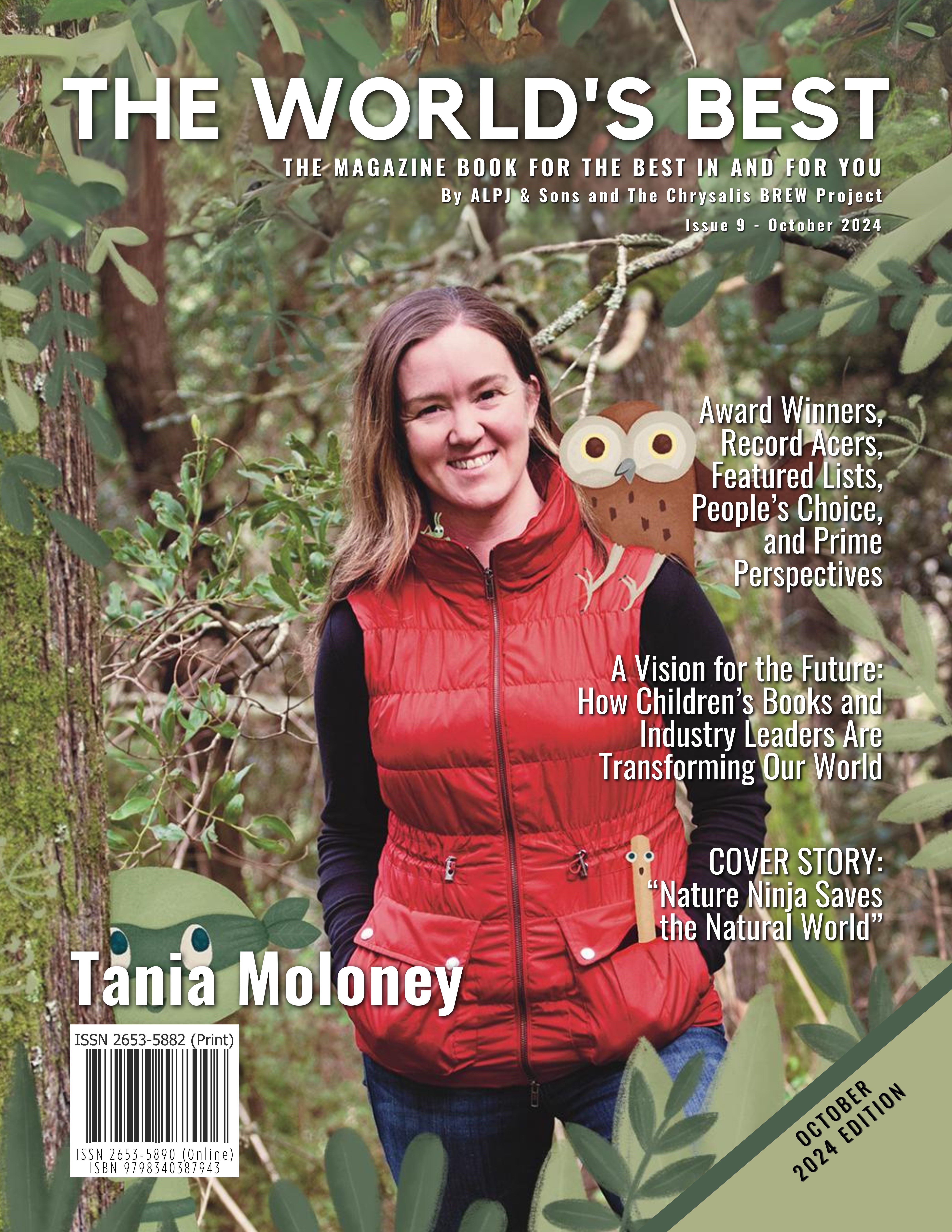




Don’t just read about greatness. Own it!

About Us
The World’s Best Magazine is a print and online publication that highlights the extraordinary. It is your passport to a universe where brilliance knows no bounds. Celebrating outstanding achievements in various fields and industries, we curate and showcase the exceptional, groundbreaking, and culturally significant. Our premier laurels, The World’s Best Awards, commend excellence through a unique process involving subject matter experts and a worldwide audience vote. Explore with us the pinnacle of human achievement and its intersection with diversity, innovation, creativity, and sustainability.
We recognise and honour the Traditional Owners of the land upon which our main office is situated. We extend our deepest respects to Elders past, present, and emerging. We celebrate the stories, culture, and traditions of Aboriginal and Torres Strait Islander Elders from all communities who also reside and work on this land.
Disclaimer: The World’s Best does not provide any form of professional advice. All views and opinions expressed in each post are the contributor’s own. Whereas we implement editorial policies and aim for content accuracy, the details shared on our platforms are intended for informational purposes only. We recommend evaluating each third-party link or site independently, as we cannot be held responsible for any results from their use. In all cases and with no exceptions, you are expected to conduct your own research and seek professional assistance as necessary prior to making any financial, medical, personal, business, or life-changing decisions arising from any content published on this site. All brands and trademarks mentioned belong to their respective owners. Your continued use of our site means you agree with all of these and our other site policies, terms, and conditions. For more details, please refer to the links below.
About | Advertise | Awards | Blogs | Contact | Disclaimer | Submissions | Subscribe | Privacy | Publications | Terms | Winners
The World’s Best: A Magazine That’s All About What’s Great | theworldsbestmagazine.com | Copyright ⓒ 2022-2026
Let’s connect
Discover more from The World's Best
Subscribe to get the latest posts sent to your email.

 The World's Best