
“Legal foresight means anticipating challenges before they become problems, turning compliance into a competitive edge.”
-Charles Gallaer
Charles, thank you for joining us today. To start, can you share a bit about your professional background, what you currently do, and the mission that drives your work in the dealership and franchise space?
Thank you for having me. My career started in the automotive world, rooted in my family’s dealership business. When I graduated from college, I went to work for Ford Motor Company. From there, I learned the manufacturer’s perspective on automotive retail business. As a Zone Manager, I was the dealer’s point of contact at Ford for vehicle sales and distribution questions and sold the dealers their new vehicle inventory. I left Ford to return home to Virginia and run one of my father’s dealerships.
This foundation, built on perspectives of both manufacturers and dealers, led me to fulfill a lifelong dream of becoming a lawyer. I wanted to advocate for dealers, who often navigate complex legal and operational landscapes without the resources of larger manufacturers. I transitioned to legal practice, earned my law degree, and built a practice focused on representing car dealers. Today, as a dealership attorney licensed in New York, New Jersey, and Florida, I help clients with everything from regulatory compliance and litigation to navigating mergers and acquisitions and incorporating emerging technologies like AI into their businesses.
Your career bridges two complex worlds—legal advocacy and dealership operations. How did your early experience working within your family’s dealership and at an automaker shape your perspective as a dealership attorney today?
My time in my family’s dealership and at an automaker was like earning a master’s degree in the auto industry. At the dealership, I learned the nuts and bolts: how to close a sale, manage inventory, and deal with customer complaints. Those experiences taught me the pressures dealers face: tight margins, demanding customers, and constant regulatory scrutiny.
Working at an automaker, I saw the other side—how manufacturers set standards, enforce franchise agreements, and navigate global supply chains. It gave me insight into the power dynamics between dealers and OEMs, which can sometimes feel like David versus Goliath.
Your multi-state licensure (NY, NJ, and FL) gives you a broader view of regional business challenges. Are there any key regulatory or operational trends you’re seeing across these states that dealers and franchise operators should be more prepared for?
Practicing in New York, New Jersey, and Florida gives me a unique lens on the diverse regulatory landscapes dealers face. Each state has its own flavor of challenges, but there are common trends emerging.
First, data privacy is becoming a major issue. States are tightening rules on how customer data is handled, especially with the rise of online sales and connected vehicles. Existing consumer protection laws like New Jersey’s Consumer Fraud Act are also a hotspot. While they’ve been around for a while, regulators and plaintiffs’ attorneys are looking for ways to bring claims under them for modern-day practices including online sales and advertising.
Another trend is the push for electric vehicle (EV) infrastructure. Different states have different approaches, with New York and New Jersey following California’s EV mandates while Florida takes a different approach. Dealers need to navigate the changing marketplace for EVs while grappling with new requirements by OEMs related to selling and servicing EVs. Beyond infrastructure, some EV manufacturers are looking for ways to implement direct sales models like Tesla and Rivian have. These direct sales models are receiving scrutiny from dealers and regulators alike.
You’ve likely seen dealerships evolve significantly over the years. What would you say are the most critical legal issues dealership owners overlook—and what should they prioritize to protect their businesses long term?
Dealerships have transformed from single franchise businesses to dealership groups that span cities, states, or even countries. Regardless of these changes, dealers large and small still overlook critical legal issues that can make or break them.
One big blind spot is data privacy and cybersecurity. With online sales platforms and connected cars, dealers are collecting massive amounts of customer data, but many don’t have robust systems to protect it or comply with laws like the CCPA in California. A single breach can lead to lawsuits, fines, and reputational damage.
Another overlooked issue is vendor contracts. Dealers often sign agreements with vendors for advertising or data management without scrutinizing terms like data ownership or liability clauses. Vague agreements can leave dealers on the hook for vendor mistakes.
A critical issue is AI integration. Whether dealers acknowledge it or not, AI usage is growing exponentially, including “shadow” AI where employees are using AI platforms without the dealer’s knowledge or consent. This is a huge issue because there is little to no transparency regarding the AI’s data security policies or how its algorithms work.
To protect their businesses long term, dealers should prioritize three things:
Invest in developing processes for data privacy and AI usage and monitor those processes for compliance.
Review all vendor contracts with a fine-tooth comb, ensuring they retain control over their data and limit liability.
Stay proactive about regulatory changes, especially around EVs, AI, and data privacy.
Building a relationship with a trusted legal advisor who understands the industry and the law is key. It’s about seeing compliance as a competitive advantage, not just a box to check.
In your journey so far, have you received any awards, formal recognitions, or notable milestones you can share with us? What did these achievements mean to you personally and professionally?
I’ve been fortunate to have the opportunity to give presentations to attorneys, dealers, and other industry professionals on the automotive industry and aspects of the law affecting it. I’ve also had the opportunity to first and second chair cases where our clients obtained favorable results.
Personally, one of my most rewarding experiences is providing pro bono services to those in need. It’s my way to give thanks for the incredible opportunities I have been given and pay it forward. Each time I get to help someone in need is a reminder that my work isn’t just about winning cases or closing deals. It’s about helping those who need help the most.
Your background suggests a commitment not only to business viability but also to ethical practice and modernization. How do you see issues like diversity in leadership, sustainability in operations, or digital innovation taking shape in the dealership world—and how are you advising your clients in these areas?
The dealership world is at a turning point, and issues like diversity, sustainability, and digital innovation are factors dealers have to address.
On diversity, dealer owners have always come from diverse backgrounds, from individuals who started with nothing to those who inherited multigenerational businesses. The dealer body has become more diverse over the years as more and more people see the automotive industry as a great opportunity for a rewarding career. As dealers’ workforces become more diverse, I advise clients on implementing training programs and hiring practices that comply with the law—not just for ethics but for business success.
Sustainability is another big focus, especially with the growth of EVs. Dealerships are under pressure to adopt green practices by local governments and OEMs alike. From retrofitting buildings to become more sustainable to installing charging stations required by manufacturers, I help clients navigate these regulations while ensuring their operations align with consumer demand for eco-friendly businesses.
Digital innovation is reshaping everything. Companies are using AI to analyze dealers’ databases to target specific customers with specific offers. These tools can increase sales, but they raise legal questions around data privacy, ownership of data, and who is responsible if a breach occurs. I help clients adopt these tools while staying compliant. My advice boils down to this: embrace modernization thoughtfully.
Many professionals talk about compliance as a checklist, but you’ve described it more as a long-term strategy. Can you elaborate on how legal foresight can drive business success in dealership environments?
Compliance is often seen as a burden and only a list of boxes to check to avoid trouble. But I see it as a strategic asset that can set dealers apart. Legal foresight means anticipating challenges before they become problems, turning compliance into a competitive edge.
For example, a dealer who proactively audits their data privacy practices isn’t just avoiding fines—they’re building customer trust in an era where data breaches make headlines, as well as keeping their data up to date for effective marketing. Similarly, staying ahead of EV regulations can position a dealership as a leader in the green transition, attracting environmentally conscious buyers.
The automotive and powersport sectors are increasingly intersecting with emerging technologies—from electric vehicles to online purchasing platforms. How do legal frameworks need to evolve to support this transformation, and how are you helping clients navigate it?
Emerging technologies like EVs and online purchasing platforms are reshaping the auto and powersport industries, but legal frameworks are struggling to keep up.
For EVs, regulations around adoption, safety, emissions, and infrastructure (like charging stations) are evolving rapidly. Online platforms, meanwhile, raise issues under consumer protection laws, which demand clear disclosures and robust data security. Manufacturers are also challenging franchise laws, creating tension with dealers.
Legal frameworks need to evolve in a few ways:
First, they should clarify compliance paths for new technologies.
Second, consumer protection laws need to balance innovation with accountability. Online platforms must be transparent without stifling growth.
Third, franchise laws need to be updated to address modern business practices and strengthen the regulatory framework that has protected consumers for years.
I help clients navigate this by translating complex regulations into actionable steps. For EV adoption, I assist with compliance for facility upgrades. For online platforms, I review vendor contracts to secure data ownership and limit liability. I also advise dealers on franchise disputes, helping them protect their rights in the face of increasing challenges by manufacturers. My goal is to keep clients compliant while embracing technologies that drive growth, ensuring they’re not just reacting to change but leading it.
Working across franchises and businesses beyond auto, what universal legal principles or operational insights have you found apply broadly, regardless of industry?
Regardless of the industry, certain legal principles and operational insights hold true.
First, clarity in contracts is critical. Whether it’s a dealer agreement with an automaker or a franchisee’s lease, vague terms breed disputes. I always push for precise language in contracts, and precise language on things like data ownership, liability, or termination rights helps avoid future headaches.
Second, compliance is a proactive strategy, not a reaction. Businesses that audit their practices—whether for labor laws or data privacy—avoid costly lawsuits and build trust.
Third, relationships matter. Strong communication with vendors, employees, or regulators can prevent conflicts before they start.
Operationally, I’ve learned that adaptability is key. Industries face similar disruptions—think EVs in auto or e-commerce in retail—so businesses must embrace change while managing risks.
Another insight is the power of data. Every industry is becoming data-driven, and protecting it while leveraging it legally is critical.
Finally, ethical leadership drives lasting success. Whether it’s a car dealership or a local restaurant, fostering transparency and fairness with stakeholders builds resilience.
Looking ahead, what’s next for you professionally? Are there any upcoming projects, goals, or industry shifts you’re particularly excited—or concerned—about? And how do you hope your work will continue making a difference for dealership and franchise owners?
I’m excited about where the industry is headed, but I’m also mindful of the challenges. Professionally, I’m working on a few projects that blend my passion for law and innovation.
One is a series of webinars for dealers on navigating the growth of AI, covering everything from implementation to compliance. Another is a YouTube channel where I provide information to businesses in an easy-to-understand, entertaining format. I’m also preparing to speak at a conference on navigating family and partner buyouts. I’m seeing an uptick in interest in buyouts caused by rapid changes to the auto industry and historically strong valuations for dealerships.
I’m excited about the potential of AI to transform the industry, making it more accessible and efficient. But I’m concerned about the growing tension between dealers and manufacturers over direct-to-consumer models and increasing requirements on dealers. States like New York, New Jersey, and Florida are seeing battles over franchise laws, and dealers need strong advocacy to protect their investments.
Data privacy is another worry. Dealers are often unprepared for the liability of breaches, especially in cases where the breach occurs on the vendor’s side, compromising the dealer’s data.
My goal is to keep empowering dealers and franchise owners to navigate these shifts with confidence.
If you were to write your bio in your own words, what would you say?

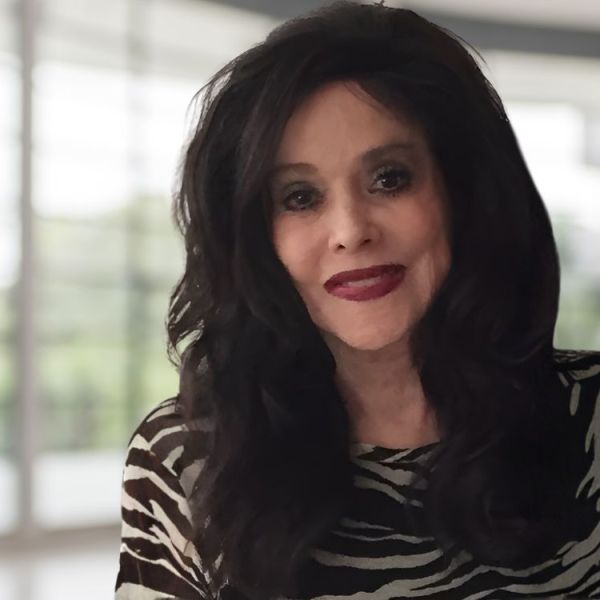
Charles Gallaer is a leading dealership attorney. Based in New York and licensed to practice in New York, New Jersey, and Florida, Charles has an extensive background in the automobile industry—including hands-on experience working for Ford Motor Company and running his family’s dealership. Offering a blend of real-world experience and understanding of complex legal issues, Charles is dedicated to this field and is available for interviews, quotes, and speaking engagements on all matters related to auto, powersport, and marine dealerships, as well as other franchises and businesses.
⭐⭐⭐⭐⭐
“My goal is to keep empowering dealers and franchise owners to navigate these shifts with confidence.”
-Charles Gallaer
Link
Share Your Insights
What’s your perspective?
Join the discussion and share your thoughts in the comments:
- How do you see legal strategy shaping business success?
- What challenges do you think dealers face today?
- How should businesses approach innovation and compliance together?
Alignment with the UN SDGs
- ⚖️ SDG 8: Decent Work and Economic Growth – Supports sustainable business practices
- 🧑💼 SDG 9: Industry, Innovation and Infrastructure – Encourages responsible tech adoption
- 🧑🤝🧑 SDG 10: Reduced Inequalities – Promotes inclusive hiring and leadership
Other Highlights

Looking for something?
Type in your keyword(s) below and click the “Search” button.
Helpful Shortcuts
More Stories





















Print and Digital Magazine
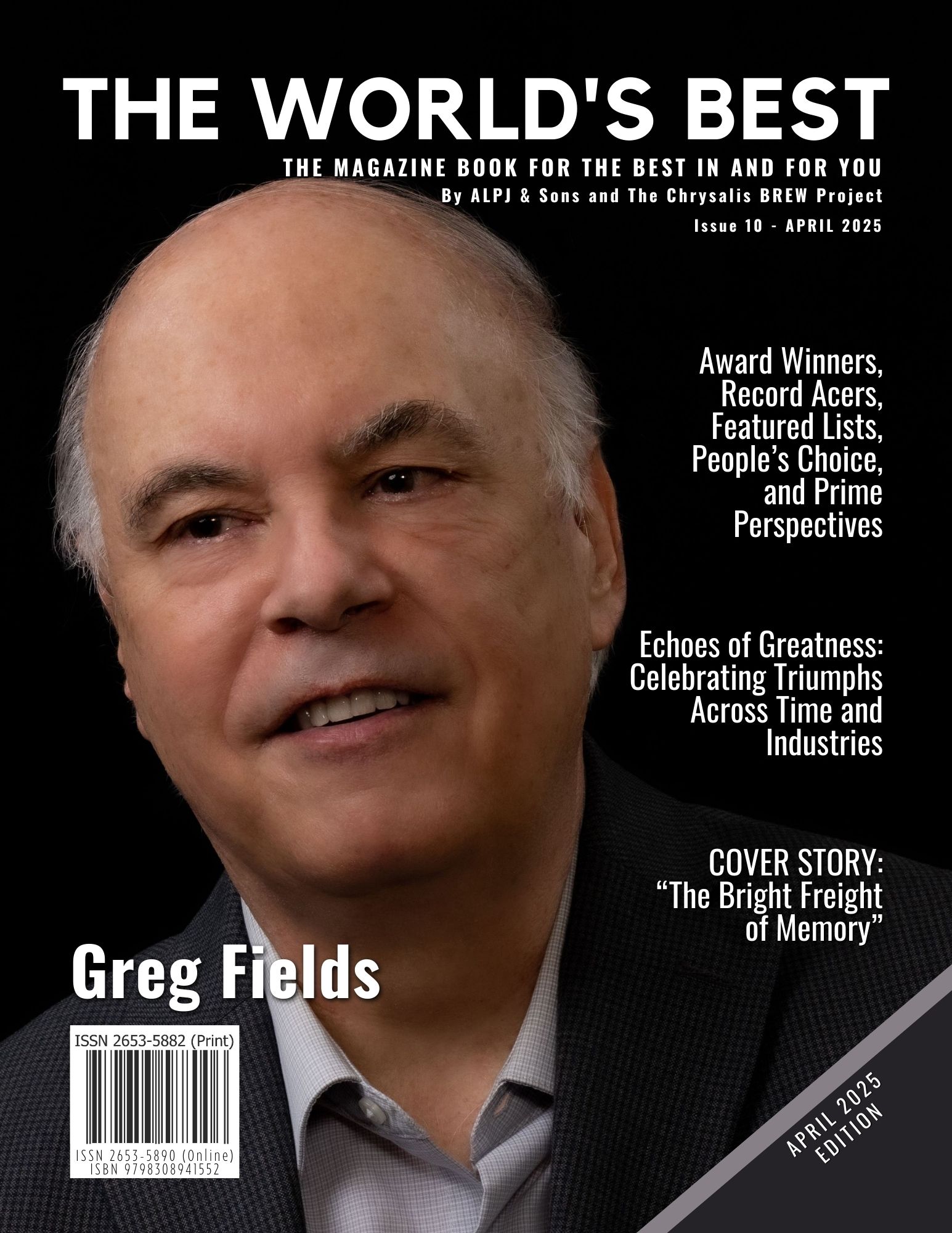
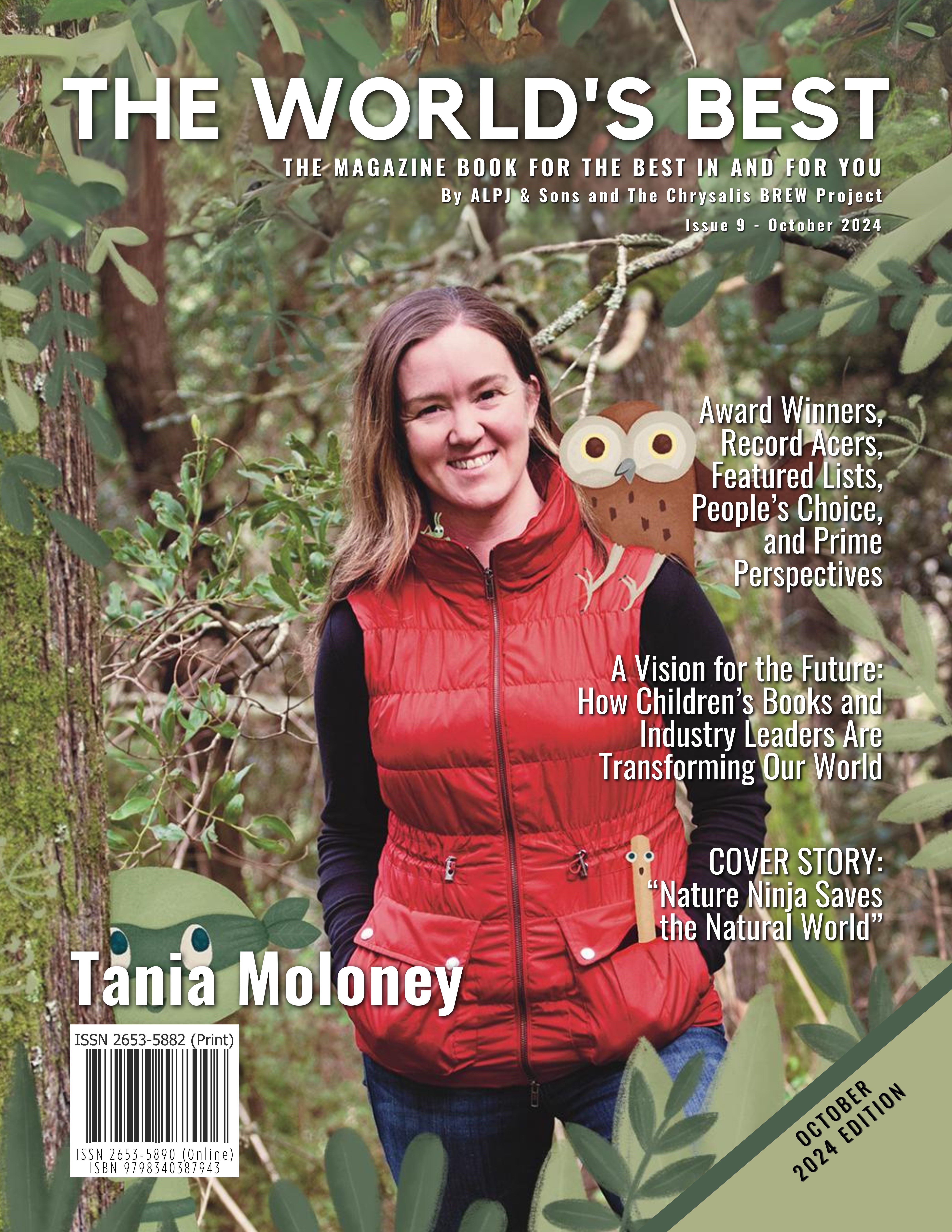

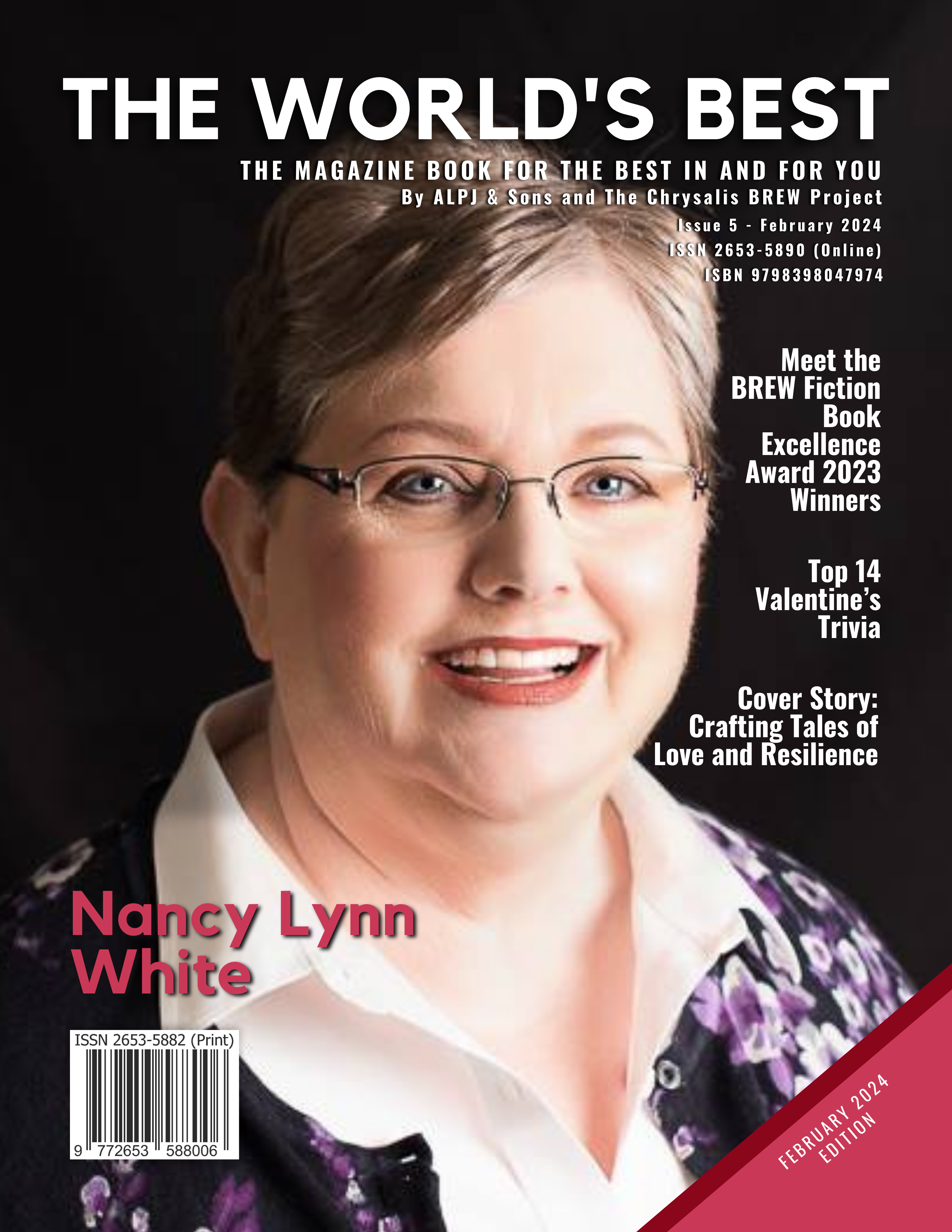
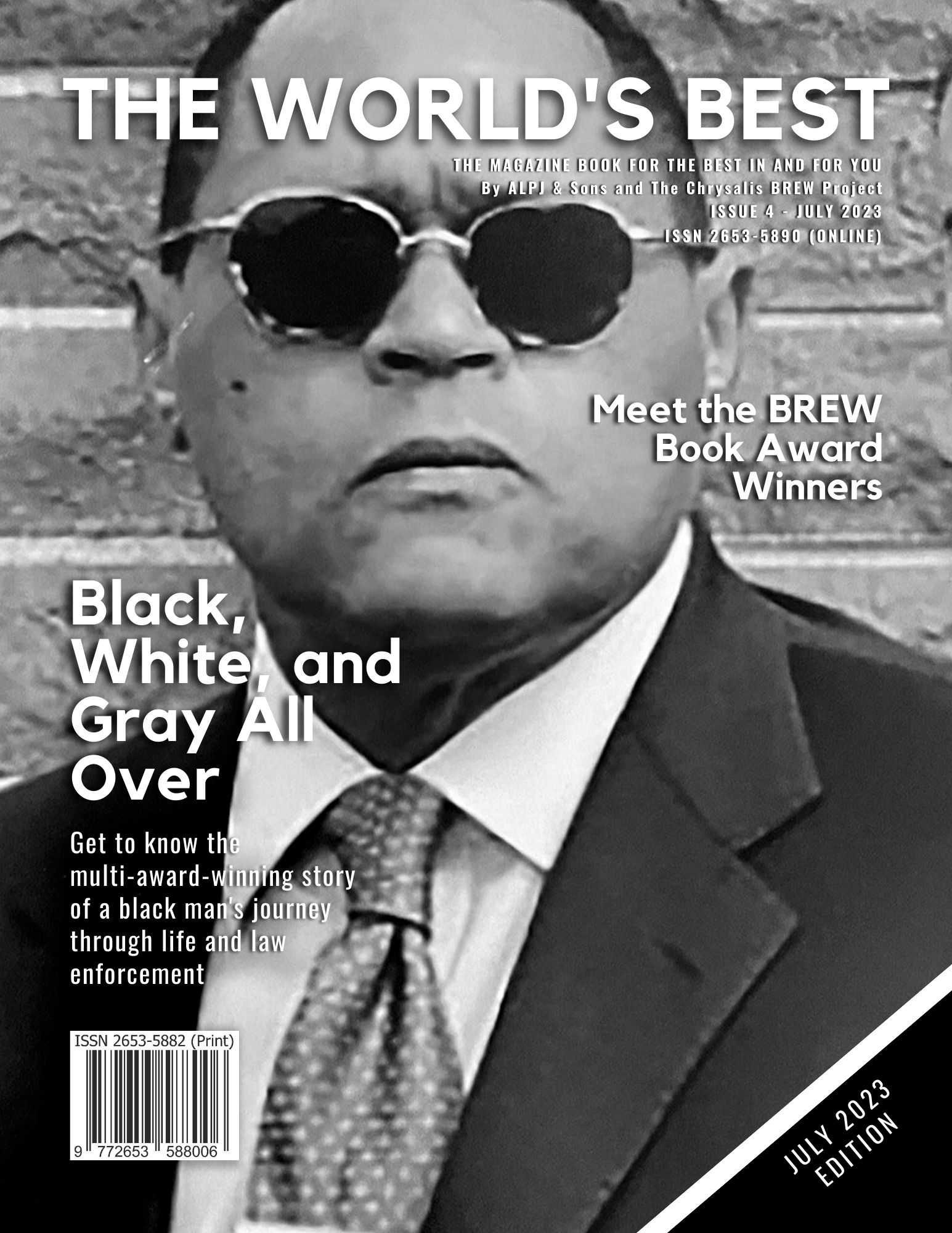
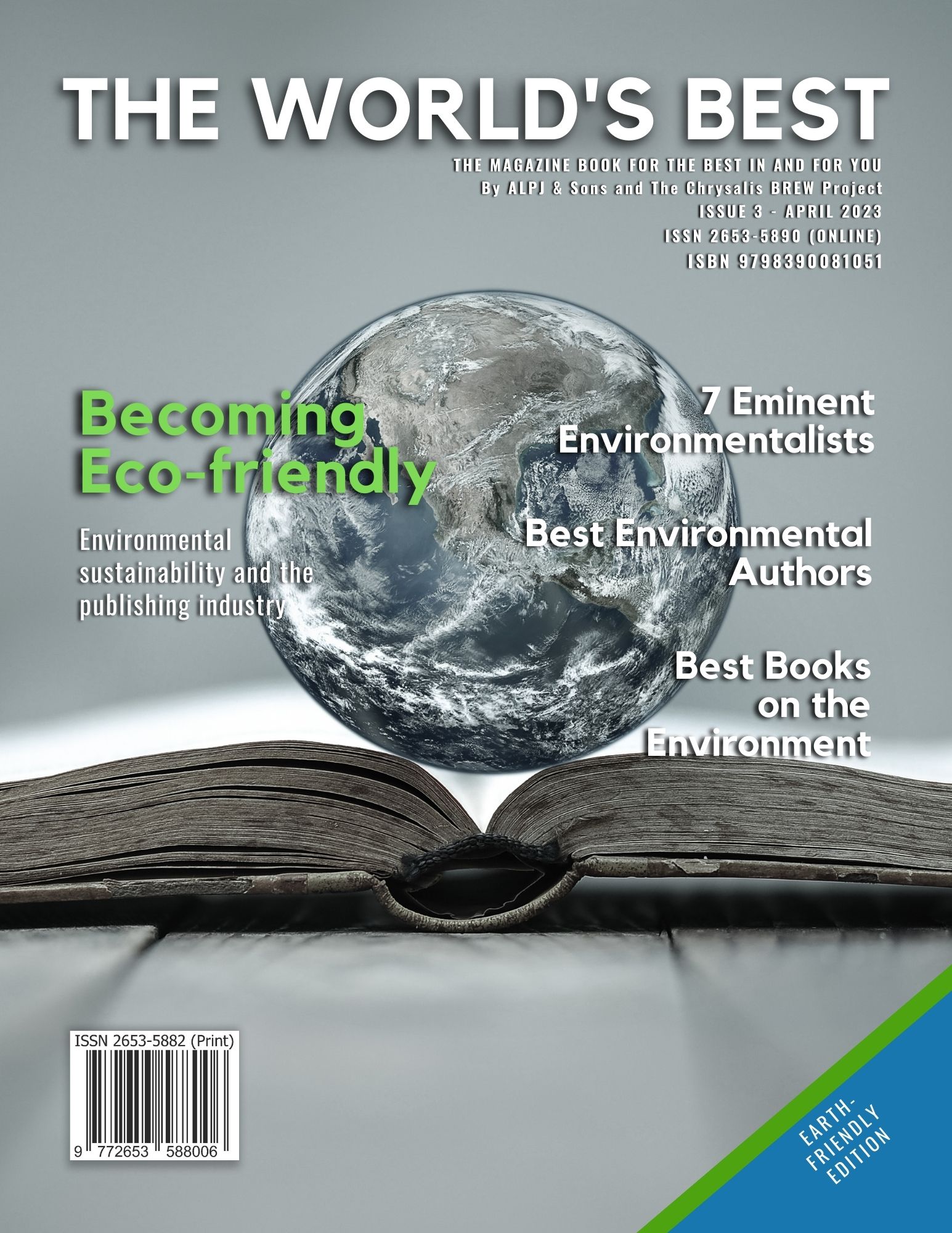

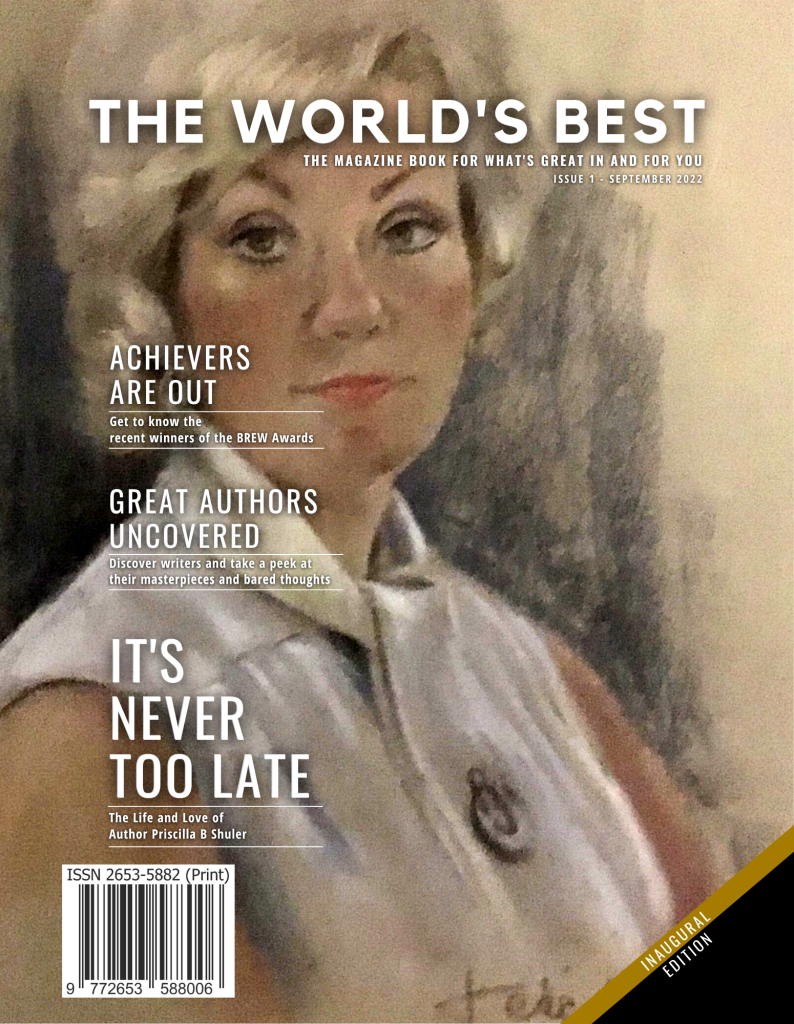
Don’t just read about greatness. Own it!

About Us
The World’s Best Magazine is a print and online publication that highlights the extraordinary. It is your passport to a universe where brilliance knows no bounds. Celebrating outstanding achievements in various fields and industries, we curate and showcase the exceptional, groundbreaking, and culturally significant. Our premier laurels, The World’s Best Awards, commend excellence through a unique process involving subject matter experts and a worldwide audience vote. Explore with us the pinnacle of human achievement and its intersection with diversity, innovation, creativity, and sustainability.
We recognise and honour the Traditional Owners of the land upon which our main office is situated. We extend our deepest respects to Elders past, present, and emerging. We celebrate the stories, culture, and traditions of Aboriginal and Torres Strait Islander Elders from all communities who also reside and work on this land.
Disclaimer: The World’s Best does not provide any form of professional advice. All views and opinions expressed in each post are the contributor’s own. Whereas we implement editorial policies and aim for content accuracy, the details shared on our platforms are intended for informational purposes only. We recommend evaluating each third-party link or site independently, as we cannot be held responsible for any results from their use. In all cases and with no exceptions, you are expected to conduct your own research and seek professional assistance as necessary prior to making any financial, medical, personal, business, or life-changing decisions arising from any content published on this site. All brands and trademarks mentioned belong to their respective owners. Your continued use of our site means you agree with all of these and our other site policies, terms, and conditions. For more details, please refer to the links below.
About | Advertise | Awards | Blogs | Contact | Disclaimer | Submissions | Subscribe | Privacy | Publications | Terms | Winners
The World’s Best: A Magazine That’s All About What’s Great | theworldsbestmagazine.com | Copyright ⓒ 2022-2026
Let’s connect
Discover more from The World's Best
Subscribe to get the latest posts sent to your email.

 The World's Best
One thought on “Driving Business Forward: Charles Gallaer on the Intersection of Law and Dealership Operations”