
It has been said that a careful balancing act between the heart and the mind frequently results in great decisions. “Educating the mind without educating the heart is no education at all,” as Aristotle once said. According to neuroscience, effective leaders use both emotional intelligence and logical reasoning, triggering several brain areas to make morally right decisions. But in times of real importance, how can we combine icy facts with compassionate understanding? This roundup examines the methods for combining empathy and reasoning in high-impact decision-making, which not only enhances results but also strengthens an organization’s resilience and trust.
Editor’s Note: This article shares professional opinions on decision-making strategies. Readers are encouraged to consider these perspectives as part of a broader conversation and apply them contextually to their own situations.
Start With Effect, Trust Method Will Follow
When I speak to teams, I teach them to Think Like A Magician—to start with the effect. In magic, the effect is the moment the audience experiences. The method is the hidden process that makes it happen. Great magicians don’t begin with what they know how to do. They begin with the reaction they want, then trust they’ll figure out the method. The same applies to decision-making. Empathy defines the effect. Logic builds the method. Start with what people need to feel. Then use logic to make it real.
Kostya Kimlat, Founder, Mentalists.net by See Magic Live
——————————————-
Data Drives Decisions, Empathy Ensures Their Success
Balancing logic and empathy in high-impact decision-making is crucial, especially in my role as COO. I always start with the data and facts at hand, analyzing the numbers and trends to understand the potential outcomes. However, I know that behind every decision, there are real people affected by those choices. Therefore, I make it a priority to engage with my team and stakeholders, listening to their perspectives and concerns. This helps me gauge the emotional impact of my decisions.
I find that the best approach is to integrate both aspects: using logic to outline the best options while applying empathy to consider how each choice will resonate with the team and our customers. This dual focus enables me to make informed decisions that drive business results and foster a positive culture. When people feel valued and understood, it leads to better collaboration and a stronger commitment to our shared goals.
Josh Qian, COO and Co-Founder, Best Online Cabinets
——————————————-
Logic Builds Sustainability, Empathy Creates Trust
A balance of logic and empathy is necessary for high-impact decisions to be made. On one side, I make evidence-based decisions (customer feedback, financials, performance metrics). This keeps our decisions fact-based and focused on moving the business forward. When we are deciding on a price for a brand new service we are to offer, for example, we look at the market trends, and we compare with the prices our competitors are offering, to ensure we remain competitive.
And yet I understand the power of empathy, especially when decisions affect our employees or customers. I always consider the human angle: how would a decision impact the morale of the team or the happiness of the customers? For instance, during the pandemic, when we had to make difficult financial decisions, I made sure to keep the lines of communication open to our team, and it felt good to be able to provide support where needed, such as through flexibility in schedules or additional health benefits.
I’ve found that the right approach to decision-making actually is a mixture of the two. Logic is what builds sustainability and moves forward, while empathy is what creates trust and loyalty. By balancing both, I can grow LAXcar not only sustainably but in a manner that is healthy for our team, our customer base, and our long-term business goals.
Arsen Misakyan, CEO and Founder, LAXcar
——————————————-
Find the Sweet Spot Between Data and Values
Balancing logic and empathy in high-impact decisions is something I’ve refined throughout my journey in the 3PL industry. When we’re helping eCommerce brands find the right fulfillment partner, it’s never just about the numbers.
The logistics side of me naturally gravitates toward data-driven decision making. I look at order volumes, geographic distribution, SKU complexity, and historical performance metrics. These quantitative factors create the foundation for sound business decisions. Without this logical framework, we’d be building castles in the sand.
But I’ve learned—sometimes the hard way—that empathy is equally crucial. Every eCommerce founder we work with has unique concerns, dreams, and pain points that spreadsheets can’t capture. A decision that looks perfect on paper might completely miss what keeps them up at night.
I remember working with a beauty brand founder who, according to our algorithm, should have partnered with a large, established 3PL. But through conversation, I discovered their deep commitment to sustainability and need for a partner who truly understood their mission. The logical choice wouldn’t have aligned with their values. By balancing both perspectives, we found a perfect match with a specialized 3PL.
My approach centers on a three-step process: First, establish the data foundation—what do the metrics tell us? Second, identify the human elements at stake—who’s affected and what matters to them? Finally, find the sweet spot where logical optimization meets human needs.
The magic happens when we recognize that empathy isn’t just a “nice-to-have” but actually improves outcomes. In the 3PL world, the most successful partnerships balance operational excellence with alignment on values, communication styles, and growth vision.
Every decision carries trade-offs. The art is in recognizing when to let data lead and when the human element should take precedence—and being transparent about those choices with all stakeholders involved.
Joe Spisak, CEO, Fulfill.com
——————————————-
Hold Both Head and Heart in Decision-Making
Balancing logic and empathy when making big decisions is tough—but it’s what separates good leaders from great ones.
I’ve worked with many executives who struggle with this because, on one hand, you want to be clear-headed and data-driven. On the other hand, you want to make sure you’re not leaving people behind or causing unnecessary pain.
Here’s how I think about it:
Logic is your compass. It keeps you grounded in facts, numbers, and the bigger picture. When you’re making high-impact decisions, you need that solid foundation to avoid impulsive moves that might look good emotionally but don’t hold up in reality.
Empathy is your map. It helps you understand how your decisions affect the people involved—employees, customers, and partners. It’s about seeing things from their perspective and anticipating how they might feel or react. That human layer is what turns a good decision into a wise one.
The tricky part is when logic and empathy pull you in different directions. For example, a cost-cutting move might make financial sense but hurt morale. Here’s what I advise:
Know your “why.” Get crystal clear on your purpose and values. When you have that as your foundation, it’s easier to balance the numbers with people’s feelings.
Ask around. Talk to different voices before deciding. This doesn’t just give you more facts—it opens your eyes to human realities you might miss alone.
Break it down. First, look at the hard data and options. Then, step back and ask, “How will this land emotionally?” “What support will people need?”
Communicate openly. Share the reasons behind your decision with honesty and kindness. People accept tough calls better when they feel seen and heard.
Be flexible. Keep an eye on how things unfold. If the impact isn’t what you expected, don’t be afraid to adjust.
At the end of the day, balancing logic and empathy is about holding both head and heart in your hands at once. It’s not easy, but it’s essential if you want your decisions to be smart and human.
Nancy Capistran, CEO Strategist, Peer Advisory Group Chair, Executive & Leadership Coach, Crisis Advisor, Board Director (IBDC.D), Best-Selling Author, Capistran Leadership
——————————————-
Law Serves People, Not Just Legal Rules
In the legal field, balancing logic and empathy when making high-impact decisions is essential, both for maintaining professional integrity and for serving clients effectively. When a complex issue arises, such as deciding whether to pursue litigation, settle a dispute, or negotiate a challenging contract, I start by grounding myself in the facts and legal principles that apply. This ensures that any decision aligns with the law, ethical obligations, and the best interests of the client.
However, the human side cannot be overlooked. Clients often come to us during some of the most stressful times of their lives, such as after a death in the family or the midst of a contentious business dispute. While legal analysis is crucial, understanding the emotional and financial impact on the client is equally important. To balance these perspectives, I make a conscious effort to ask clients how a proposed course of action would affect them personally. Would they be comfortable with the time commitment, the cost, and the potential stress? Do they have other concerns that might influence their choice?
This blend of logic and empathy helps me provide advice that is both legally sound and truly helpful. For example, a client may have a strong legal case but prefer a quicker, less contentious resolution. By taking the time to listen and understand, I can recommend a strategy that meets their needs while still protecting their rights. The key is to remember that the law is about people, not just rules, and the most impactful decisions come from balancing both sides thoughtfully.
Michael Merhar, Attorney/Owner, Merhar Law
——————————————-
Logic Keeps Decisions Sharp, Empathy Keeps Them Human
I start with logic to map the facts, then run it through an empathy filter to gut-check the impact on real people. It’s easy to make a decision that looks great on paper but leaves your team blindsided or burned out. One trick I use: imagine explaining the decision to the person most affected. If it still feels fair and reasonable, I move forward. Logic keeps things sharp, empathy keeps them human—and high-impact decisions need both or they fall apart fast.
Justin Belmont, Founder & CEO, Prose
——————————————-
Empathy Creates Trust That Makes Logic Work
In psychiatry, balancing logic and empathy isn’t a zero-sum game; it’s a necessary integration. Logic provides the clinical map—diagnostic criteria, evidence-based treatments, risk analysis—but empathy is the compass that directs how we use that map. Without empathy, logic becomes sterile and can lead to clinically correct but humanly wrong decisions.
A common scenario in our field involves treating patients, both adults and teenagers, in severe crisis who logically require immediate intervention. A purely data-driven approach would be to simply state the need for hospitalization based on a risk assessment. However, this often feels abrupt and alienating to individuals and families who are already overwhelmed by fear and distress.
The process must begin with empathy. The crucial first step is to listen, creating a space where the patient and their family feel heard and understood. Exploring their fears and the reality of the situation together builds the trust necessary to introduce the logical framework for what needs to happen next.
This foundation of trust allows a clinician to explain why a higher level of care is the safest and most effective path forward, framing it not as a directive, but as a collaborative strategy. This is the balance: Empathy gathers the essential human context that makes the logical plan workable, leading to decisions that are not only effective but also humane and empowering.
Ishdeep Narang, Child, Adolescent & Adult Psychiatrist | Founder, ACES Psychiatry
——————————————-
Merge Data With Empathy for Strategic Success
Juggling logic with empathy in high-impact decisions is critical to being an effective leader at EVhype. When I have major decisions to make, I begin with the rational, data-driven side, whether it’s trends in the market, user behavior, or projections based on financing. For example, as we were sitting down to consider the expansion of our EV charging network, we used data to find out where the highest demand and future growth would be.
But I always have to remember to take human elements into account. Whether it’s empathizing with the plight of our users, hunting down a charging station, or understanding the needs of our employees, I put myself in the shoes of those who are affected by our decisions. I ask myself how our decisions will affect the lives of our customers, the convenience of our services, and the journey of adopting EV technology.
The lesson that I would offer is to merge data with empathy. When you can blend the two, you make decisions that are not only strategically sound, but you also serve your customers and your team well. This type of strategy keeps long-term loyalty and trust in play, which is exactly what you’ll need when making those decisions that will continue to mould your business in the future.
Rob Dillan, Founder, EVhype.com
——————————————-
Analysis Plus Understanding Drives Meaningful Business Solutions
Balancing analysis and understanding when making critical choices is a skill I’ve honed throughout my career. As a seasoned Sales and Marketing Director, now leading as CEO at TradingFXVPS, I’ve discovered that effective decisions arise from blending analytical insights with a deep awareness of the human elements in business. Analysis allows me to evaluate market behaviors, measure risks, and devise strategic initiatives. Meanwhile, understanding enables me to engage with clients, employees, and collaborators, ensuring that decisions align with their preferences and goals. For example, when rolling out creative marketing campaigns at TradingFXVPS, I always take into account how these efforts impact our customers and team morale, not just the prospective financial gains. This integrated approach has empowered me to deliver meaningful solutions in the forex and trading industry. By staying rooted in data while cultivating empathy and approachability, I’ve consistently earned trust and driven long-term success. Ultimately, striking this balance has been key to achieving both business excellence and valuable connections.
Ace Zhuo, CEO | Sales and Marketing, Tech & Finance Expert, TradingFXVPS
——————————————-
See the People Behind the Numbers
Working in the recruiting industry, every decision we make affects the livelihoods of the candidates we support, the trust of our clients, and the morale of our own team. Striking the right balance between logic and empathy helps us make decisions that serve the well-being of everyone involved.
My process starts with a foundation of logic, strategy, and data. I gather information about costs, timelines, and risks, and evaluate how the decision aligns with specific business goals. I also factor in any legal or contractual obligations, and look for relevant metrics that can guide us toward the best possible outcome.
Once those fact-based constraints are clear, I step back and consider the human impact. I think carefully about how this decision might affect our team, clients, and candidates, both in the short term and over time. That includes immediate emotional responses, as well as long-term consequences for trust, reputation, and relationships. This reflection often shapes not just the decision itself, but how I communicate it. When people understand the reasoning behind a tough call and feel supported through it, the outcome is almost always better received.
In recruitment, relationships aren’t an “extra”—they’re central to everything we do. Empathy ensures we see the people behind the numbers, and that’s what allows us to build and maintain meaningful, lasting connections in our work.
Steve Faulkner, Founder & Chief Recruiter, Spencer James Group
——————————————-
Use Logic as Foundation, Empathy as Bridge
I always start by collecting all the relevant facts and data to get a clear, objective view of the situation—that’s the logical part. But I also make sure to keep the people involved in mind. No matter if they’re my team, clients, or partners. I often ask myself, “How will this decision affect them both emotionally and practically?”
At Estorytellers, when we needed to restructure a team, I focused on being transparent while also relying on data-driven strategies. I made sure to clearly explain the reasons behind the changes and took the time to listen to everyone’s concerns, ensuring that all voices were heard, even during challenging times.
My tip is to use logic as your solid foundation and empathy as the bridge that connects your decisions to the real people they impact. When you combine both, your decisions not only become smart but also resonate on a human level, leading to sustainable outcomes. That’s the key to building trust and achieving long-term success in any business.
Kritika Kanodia, CEO, Estorytellers
Have Your Say
- What do you think is more important in decision-making: logic or empathy?
- How do you personally balance head and heart when making tough calls?
- Have you seen a decision succeed or fail because of too much focus on one over the other?
Share your thoughts and experiences in the comments below!
Alignment with the UN SDGs
- Promotes inclusive decision-making (SDG 10)
- Encourages sustainable business practices (SDG 12)
- Supports decent work and well-being (SDG 8)
- Fosters partnerships and trust (SDG 17)
Note: The views and opinions expressed in the content provided on this page are those of the individual authors and do not necessarily reflect the official policy or position of any organizations mentioned. The information provided is for educational and informational purposes only and should not be interpreted as professional advice. Readers should consult with relevant experts or professionals for guidance specific to their circumstances. The examples used are for illustrative purposes and results may vary depending on various factors. Any external links provided are for convenience, and we do not endorse or take responsibility for the content, products, or services available through these links.
⭐⭐⭐⭐⭐
Related

Verses That Transform Leadership
What poem or line quietly changes how you face big decisions or challenges? Explore this expert roundup to see how literary insights guide real-life choices and personal resilience.

Written Works That Shaped Thinking
What single insight can quietly reshape how you approach challenges, relationships, or career decisions? Explore this expert roundup to see how reflective reading can transform everyday thinking and choices.

Exploring Narrative, Healing, and the Human Mind with Verlin Darrow
Ever wondered how surviving earthquakes, outrunning tornadoes, and dodging a gun shaped a mystery writer’s mind? Discover Verlin’s extraordinary life experiences and how they feed the thrilling stories on every page.
Continue reading Exploring Narrative, Healing, and the Human Mind with Verlin Darrow

Exploring Story, Place, and Imagination with Dust Kunkel
Ever wondered how a childhood across continents and rivers becomes the fuel for storytelling? Discover how Dust Kunkel’s life shaped his novel and worldview — read the full interview to explore it.
Continue reading Exploring Story, Place, and Imagination with Dust Kunkel
Something went wrong. Please refresh the page and/or try again.
Other Highlights

Looking for something?
Type in your keyword(s) below and click the “Search” button.
Helpful Shortcuts
More Stories







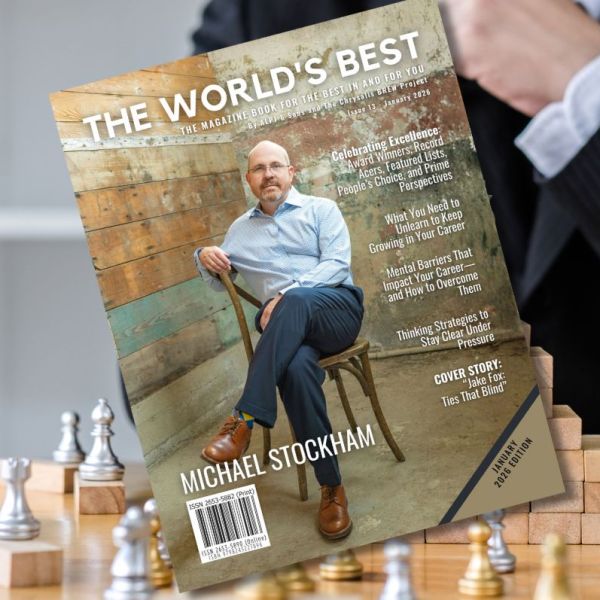




















Print and Digital Magazine
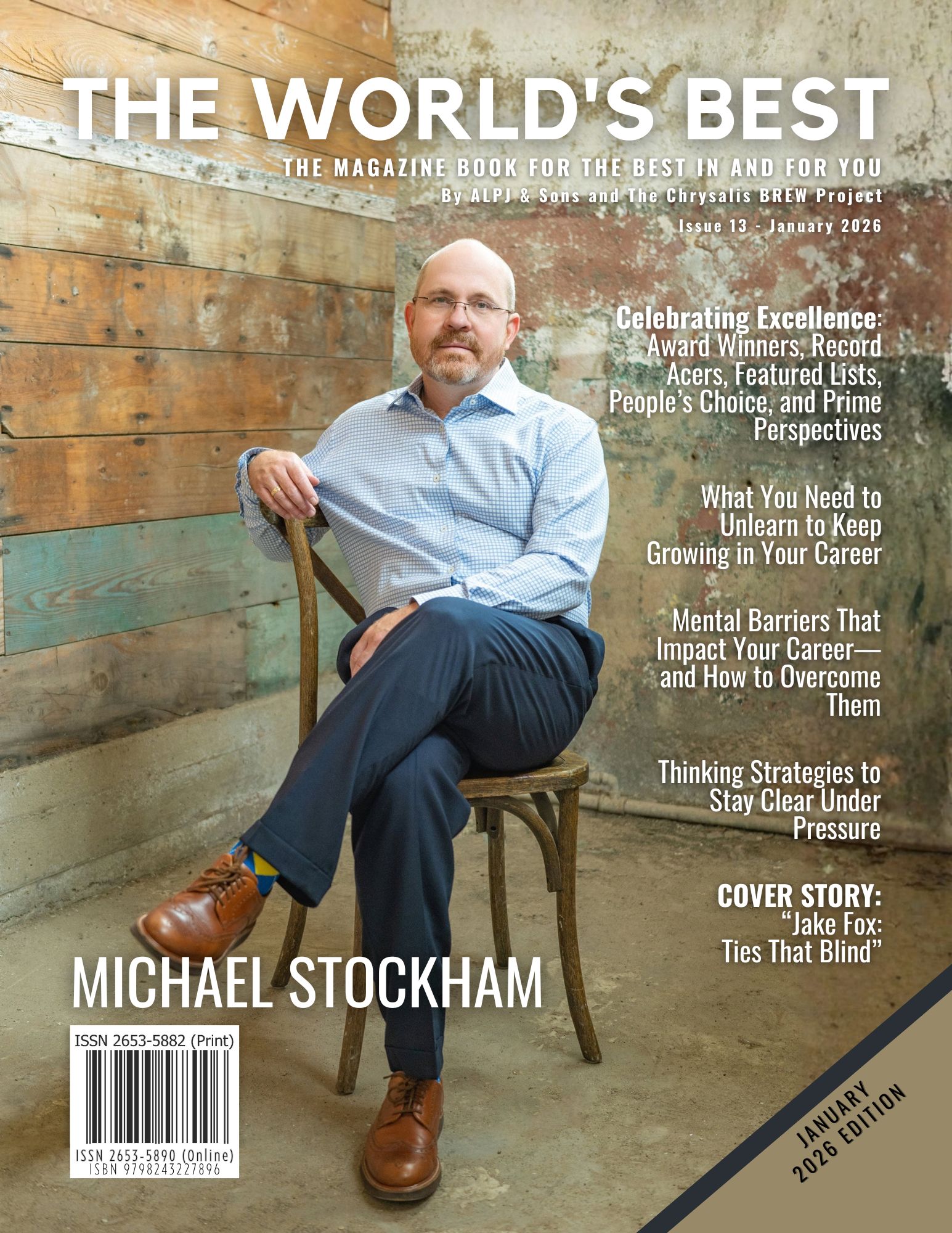






Don’t just read about greatness. Own it!

About Us
The World’s Best Magazine is a print and online publication that highlights the extraordinary. It is your passport to a universe where brilliance knows no bounds. Celebrating outstanding achievements in various fields and industries, we curate and showcase the exceptional, groundbreaking, and culturally significant. Our premier laurels, The World’s Best Awards, commend excellence through a unique process involving subject matter experts and a worldwide audience vote. Explore with us the pinnacle of human achievement and its intersection with diversity, innovation, creativity, and sustainability.
We recognise and honour the Traditional Owners of the land upon which our main office is situated. We extend our deepest respects to Elders past, present, and emerging. We celebrate the stories, culture, and traditions of Aboriginal and Torres Strait Islander Elders from all communities who also reside and work on this land.
Disclaimer: The World’s Best does not provide any form of professional advice. All views and opinions expressed in each post are the contributor’s own. Whereas we implement editorial policies and aim for content accuracy, the details shared on our platforms are intended for informational purposes only. We recommend evaluating each third-party link or site independently, as we cannot be held responsible for any results from their use. In all cases and with no exceptions, you are expected to conduct your own research and seek professional assistance as necessary prior to making any financial, medical, personal, business, or life-changing decisions arising from any content published on this site. All brands and trademarks mentioned belong to their respective owners. Your continued use of our site means you agree with all of these and our other site policies, terms, and conditions. For more details, please refer to the links below.
About | Advertise | Awards | Blogs | Contact | Disclaimer | Submissions | Subscribe | Privacy | Publications | Terms | Winners
The World’s Best: A Magazine That’s All About What’s Great | theworldsbestmagazine.com | Copyright ⓒ 2022-2026
Let’s connect
Discover more from The World's Best
Subscribe to get the latest posts sent to your email.

 The World's Best