
“Making decisions in combat taught me that clarity in chaos is not just a skill—it’s a necessity.”
-Robert Christensen
Editor’s Note: This interview includes references to combat experiences, injury sustained in service, and emotionally complex legal matters such as elder abuse, probate disputes, and veterans’ legal challenges. Reader discretion is advised. For general legal guidance, please consult a licensed attorney. This interview reflects personal experiences and opinions of the subject, and does not constitute legal advice.
Thank you for joining us. Could you introduce yourself to our readers—your background, legal focus, and how your military service has influenced your work in the legal field?
My father served in the Navy and both of my grandfathers are Army veterans. My maternal grandfather served in World War II and attended law school at Marquette University in Milwaukee, Wisconsin, after the war. My parents received their undergraduate degrees from Marquette University, and my father was commissioned through the Naval Reserve Officer Training Corps (NROTC) program. My family’s legacy of military service had a major impact on me, and I also was commissioned through Marquette University’s NROTC program. I met the other Founding Partner of Mueller Christensen LLP – Carl Mueller – while attending Marquette, which is also where we both became interested in practicing law.
After finishing my active-duty commitment, I was accepted to Loyola Law School, Los Angeles, where I founded the Lynn D. “Buck” Compton Veterans Law Association. I began working as a law clerk at Rehmani & Associates, which is where I was first exposed to probate litigation matters. I found the cases interesting and saw how competent litigators can really help clients and families move past what are often extremely emotional issues to focus on the things that can be resolved.
My current practice centers on civil and probate litigation, with a concentration in trust, estate, and conservatorship matters. These cases are highly factually dependent and require me to ask a lot of questions to obtain very specific information. I think my military experience enables me to cut through some of the noise to get to the core of the dispute.
Your journey from Marine Corps Infantry Officer to founding partner of a law firm is truly unique. What were some of the defining lessons you took from your military service that now shape how you lead and practice law?
As a junior officer in the Marine Corps, I encountered problems that needed to be solved every day. Whether in training or forward deployed, I learned the importance of asking questions. Asking the right questions yields information that enables the problem to be solved. Bad questions or inaccurate assumptions result in bad decisions. This is also true when practicing law.
Related to this is adaptability. In both military operations and legal disputes, conditions can change quickly. Whether in the middle of a contentious probate litigation or a sensitive conservatorship issue, I’ve learned to stay composed, reassess the situation in real time, and act decisively. That flexibility often makes the difference between a good outcome and a great one.
You’ve received numerous honors, including being named a Super Lawyers Rising Star and the Purple Heart for wounds sustained in combat. Would you be willing to share how these recognitions reflect your journey—and what they personally mean to you?
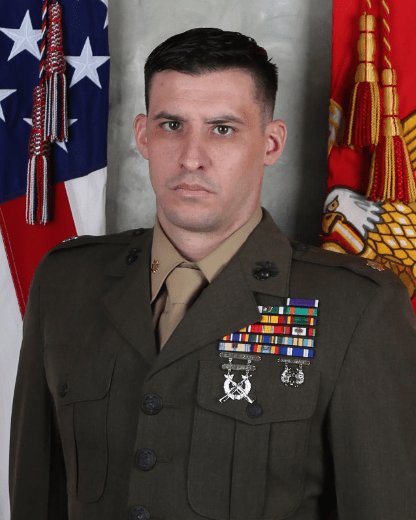
The members of my platoon did a lot of heroic things on that deployment, so my feelings about the Purple Heart are complicated. I am proud to have served with the Marines and Sailors I deployed with to Afghanistan and that we were willing to defend our country. That experience gave me a perspective on perseverance and courage that I now bring into my legal practice, especially when advocating for clients who are going through their own battles.
Being named a Super Lawyers Rising Star is humbling in a different way. It reflects the long hours, the complexity of the cases I handle—especially in probate and trust litigation—and the trust my peers place in my work. It’s an affirmation that the same values I learned in the military—discipline, preparation, and integrity—translate into the legal profession.
Through the Lynn D. “Buck” Compton Veterans Law Association and the Veterans Justice Center, you’ve shown a strong commitment to veterans’ advocacy. What gaps or challenges do veterans face in the legal system today that you believe need more attention?
Veterans face unique obstacles when they encounter legal issues. The nature of military life—frequent relocations, long deployments, and the effects of reintegration—often complicates divorce, custody, and support proceedings. These cases demand a nuanced understanding of military culture, which is often lacking in the legal system. Similarly, when veterans or members of their family pass away, their survivors must navigate a confusing web of legal issues involving benefits, probate, and dependency claims, frequently without sufficient legal guidance.
Your firm’s involvement in Camp Lejeune water contamination litigation is a powerful example of law being used for accountability. What drew you to that issue, and how do you approach such emotionally and legally complex cases?
What drew me to the Camp Lejeune water contamination litigation was, first and foremost, a sense of duty. As someone with a military background and a family deeply rooted in service, I felt a personal connection to the people affected—many of whom dedicated their lives to serving our country and were unknowingly exposed to toxic conditions. This is a clear case where the legal system has the power to deliver long-overdue accountability and dignity to veterans and their families. I am proud to assist in righting this injustice.
How does your experience making high-stakes decisions in combat inform the way you handle intense or high-pressure legal matters—whether in trial, negotiation, or strategy?
Making decisions in combat taught me that clarity in chaos is not just a skill—it’s a necessity. You’re often forced to make critical calls with limited information, high stakes, and no room for second-guessing. That experience reshaped how I handle pressure in the legal world.
In intense legal situations—whether I’m mid-trial, negotiating a high-value settlement, or navigating the dispute over an estate—I don’t let urgency rattle me. Instead, I prioritize what’s essential, stay mission-focused, and rely on preparation and sound judgment. It’s about knowing when to push, when to pause, and always keeping your client’s long-term outcome in view.
Combat also instills humility. You learn quickly that outcomes are rarely perfect, but you do everything in your power to put your team—and in my legal practice, my clients—in the best possible position. That sense of responsibility, and the ability to act decisively under stress, drives how I lead and advocate today.
Beyond your professional accomplishments, you’re still serving in the Marine Corps Reserve. How do you balance ongoing military service with a demanding legal career, and what does continued service mean to you at this stage in your life?
Serving in the Marine Corps Reserve while running a full-time legal practice definitely requires balance and time management, but it’s something I choose intentionally. Both roles reinforce each other in meaningful ways. The discipline, structure, and leadership I maintain through the Reserves directly strengthen how I show up for my clients and manage complex legal work.
Practicing law—especially in probate and trust litigation—requires a high level of strategic thinking, composure, and a steady hand during difficult situations. Those are the same qualities the military instills and demands. Staying active in the Reserves helps me stay focused, adaptable, and connected to a mission-driven mindset.
At this point in my life, continuing to serve means staying true to the values I grew up with and honoring those who came before me and the many I’ve served alongside. It keeps me grounded, gives me perspective, and reminds me why service—in any form—matters.
As someone who bridges military and civilian life, what do you think law schools and the broader legal profession can do to better integrate, support, and learn from veterans entering the legal field?
Veterans bring a unique mindset to the legal profession: discipline, leadership under pressure, a deep sense of accountability, and a mission-first approach. But transitioning from military to civilian life—especially into something as specialized and nuanced as law—can be daunting. I think both law schools and the broader legal community have a real opportunity to not only support veterans better but also to learn from them.
Employers must understand that veterans transitioning to the civilian sector are going to have limited experience in the area they are seeking employment. Many veterans will do a great job, but employers do need to invest time and energy to train them. Ultimately, employers will benefit from this because veterans will become valuable, productive members of their team. The more the legal world understands that, the stronger and more resilient the profession will become.
You’ve been a strong advocate for community engagement and pro bono work (this is referencing your work with the Legal Aid Foundation). Why is public service still central to your mission, and how can more firms embed this ethic into their practice?
Public service remains central to my mission because it reflects the broader purpose of why I chose this profession: to create impact beyond individual cases. The law is a powerful tool, but it means very little if it’s disconnected from the people and communities it’s meant to serve. Staying actively engaged with the community ensures I stay grounded in the real-world challenges people face.
Community engagement also builds trust. It sends a message that legal professionals are not just advisors during crises, but active participants in the health and progress of the communities we live in. That kind of visibility and consistency makes a difference, and it helps bridge the gap between the legal world and the everyday lives of those we serve.
Firms can foster this mindset by making community involvement part of their identity—not an afterthought. That could mean supporting team-based service initiatives, partnering with local organizations, or simply encouraging attorneys to lead where they’re passionate. When firms empower people to connect their legal skills to real-world needs, it deepens purpose, strengthens relationships, and ultimately builds a more trusted profession.
Looking forward, what’s next for you and for Mueller Christensen, LLP? Are there particular causes or challenges you’re passionate about taking on in the years ahead?
Looking ahead, both for myself and for Mueller Christensen, LLP, the mission is clear: continue growing a practice that stands for integrity, advocacy, and impact—especially in areas where people often feel unheard or unprotected. We’re committed to deepening our work in complex trust, estate, and conservatorship litigation, and continuing to be a firm clients turn to when the stakes are high and the path forward isn’t easy.
One area I’m especially passionate about is expanding our focus on elder justice—particularly financial elder abuse and exploitation, which is sadly on the rise. These are deeply personal cases that require not only legal skill, but empathy and persistence. We want to be at the forefront of protecting vulnerable individuals and holding those in positions of trust accountable.
We’re also continuing to grow our work on behalf of veterans and military families, especially through cases like the Camp Lejeune litigation. It’s an extension of who we are—not just what we do—and we’re committed to making sure those who’ve served are not forgotten in the legal system.
Ultimately, we want Mueller Christensen to be known not just for legal excellence, but for purpose-driven advocacy. The kind that changes outcomes—and sometimes, changes lives.
If you were to write your bio in your own words, what would you say? What legacy do you hope to leave?

Rob is a civil and probate litigation attorney with extensive experience in trust, estate, and conservatorship matters, including will and trust contests, fiduciary disputes, estate plan challenges, and financial elder abuse claims. He also handles appeals and advises clients on trust administration, entity formations, and intellectual property issues. Rob has been recognized as a Super Lawyers Rising Star for his professional excellence.
A third-generation service member, Rob was commissioned through the Naval ROTC program at Marquette University, where he also met Carl Mueller, his future law partner and co-founder of Mueller Christensen LLP. He later served as a Marine Corps Infantry Officer, leading combat deployments to Afghanistan and training missions throughout the Pacific. For his service, Rob was awarded the Purple Heart, the Navy and Marine Corps Commendation Medal with Combat Distinguishing Device and gold star, Navy and Marine Corps Achievement Medal, and Combat Action Ribbon. He continues to serve in the Marine Corps Reserve.
After active duty, Rob attended Loyola Law School in Los Angeles, where he founded the Lynn D. “Buck” Compton Veterans Law Association. He also volunteered with the Legal Aid Foundation of Los Angeles’ Veterans Justice Center.
Rob approaches the law with the same clarity and discipline that defined his military service. Clients trust him to cut through complexity and guide them through emotionally charged disputes with steady, results-driven focus.
⭐⭐⭐⭐⭐
“Ultimately, we want Mueller Christensen to be known not just for legal excellence, but for purpose-driven advocacy—the kind that changes outcomes, and sometimes, changes lives.”
-Robert Christensen
Links
Share Your Insights
We’d love to hear your thoughts on this interview. Join the conversation in the comments:
- How do you think military experience shapes leadership in civilian professions?
- What more can the legal system do to support veterans and their families?
- Why is community engagement important for law firms today?
Alignment with the UN SDGs
- SDG 16: Promotes access to justice and strong institutions through legal advocacy.
- SDG 3: Supports veterans’ mental health and well-being.
- SDG 10: Addresses inequalities faced by vulnerable groups.
Other Highlights

Looking for something?
Type in your keyword(s) below and click the “Search” button.
Helpful Shortcuts
More Stories

























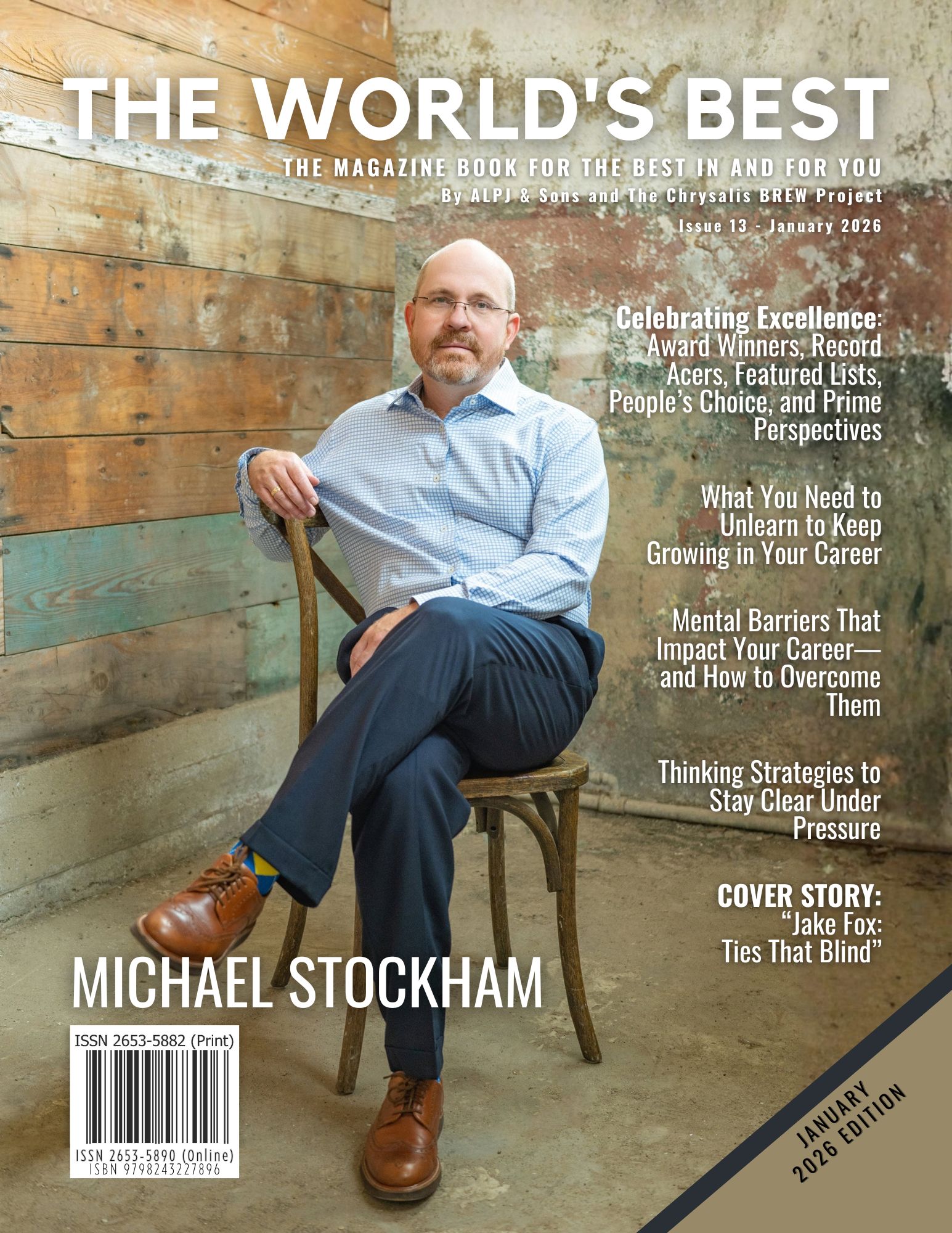
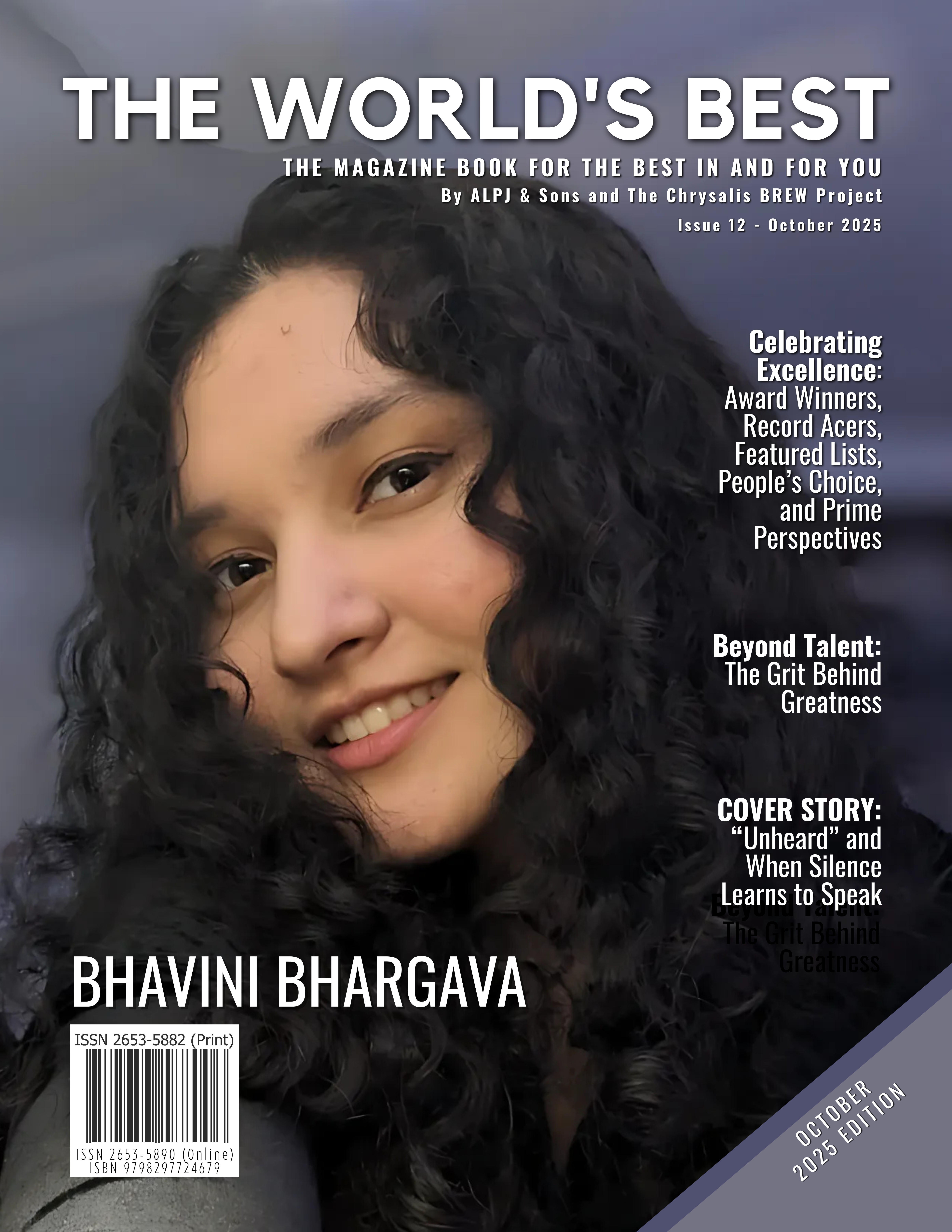
Print and Digital Magazine






Don’t just read about greatness. Own it!

About Us
The World’s Best Magazine is a print and online publication that highlights the extraordinary. It is your passport to a universe where brilliance knows no bounds. Celebrating outstanding achievements in various fields and industries, we curate and showcase the exceptional, groundbreaking, and culturally significant. Our premier laurels, The World’s Best Awards, commend excellence through a unique process involving subject matter experts and a worldwide audience vote. Explore with us the pinnacle of human achievement and its intersection with diversity, innovation, creativity, and sustainability.
We recognise and honour the Traditional Owners of the land upon which our main office is situated. We extend our deepest respects to Elders past, present, and emerging. We celebrate the stories, culture, and traditions of Aboriginal and Torres Strait Islander Elders from all communities who also reside and work on this land.
Disclaimer: The World’s Best does not provide any form of professional advice. All views and opinions expressed in each post are the contributor’s own. Whereas we implement editorial policies and aim for content accuracy, the details shared on our platforms are intended for informational purposes only. We recommend evaluating each third-party link or site independently, as we cannot be held responsible for any results from their use. In all cases and with no exceptions, you are expected to conduct your own research and seek professional assistance as necessary prior to making any financial, medical, personal, business, or life-changing decisions arising from any content published on this site. All brands and trademarks mentioned belong to their respective owners. Your continued use of our site means you agree with all of these and our other site policies, terms, and conditions. For more details, please refer to the links below.
About | Advertise | Awards | Blogs | Contact | Disclaimer | Submissions | Subscribe | Privacy | Publications | Terms | Winners
The World’s Best: A Magazine That’s All About What’s Great | theworldsbestmagazine.com | Copyright ⓒ 2022-2026
Let’s connect
Discover more from The World's Best
Subscribe to get the latest posts sent to your email.

 The World's Best
One thought on “From the Field to the Bar: Robert Christensen on Leadership, Justice, and Advocacy for Veterans”