
Memoirs provide more than just recollections; they also show how individuals interpret their life. According to narrative identity theory in psychology, the stories we make about ourselves help us create meaning. These tales have the power to influence everything, including decision-making and mental health. Memoirs provide readers a close-up look at change, whether it is overcoming hardship, redefining achievement, or examining identity. “You don’t truly understand someone until you’ve walked a mile in their shoes,” as the adage goes. What occurs, then, if we do? This roundup examines how readers found great resonance in personal experiences and what lessons they learned about growth, purpose, and resiliency from those stories.
Editor’s Note: This piece discusses memoirs that include themes such as childhood abuse, terminal illness, mental health, grief, and trauma. Reader discretion is advised. For general guidance, please also refer to our site’s standard disclaimer.
Educated Challenges Identity and Generational Cycles
Do yourself a favor and read “Educated” by Tara Westover. Her journey from an isolated, survivalist household to earning a PhD from Cambridge is both intensely personal and universally resonant. What struck me was the way she wrestled with her sense of identity, education, and belonging—questions nearly everyone grapples with at some point, and ones that resonated with me strongly as someone who does business between the US and Romania. Her story shows how the pursuit of knowledge and self-awareness can break generational cycles. Despite the extreme circumstances, her voice remains reflective rather than resentful, making her journey accessible to anyone navigating change, family dynamics, or self-reinvention.
Dragos Badea, CEO, Yarooms
Frankl’s Memoir Illuminates Meaning in Adversity
Viktor Frankl’s “Man’s Search for Meaning” profoundly resonates with me. As a psychiatrist and Holocaust survivor, Frankl offers a powerful psychological framework for finding meaning amidst profound adversity, not just a chronicle of survival. This book offers wisdom I believe is universal.
Frankl’s core psychiatric insight, central to his logotherapy, is that our primary drive is to find personal meaning. This is crucial in mental health. My experience with patients has often shown that connecting with purpose—be it a passion, relationship, or goal—can ignite resilience, affirming Frankl’s ideas. This suggests that even in great suffering, meaning fuels strength.
For Your Reflection: What truly gives your life meaning? Identifying this—relationships, work, causes, growth—can be a powerful anchor in tough times.
Frankl’s work also asserts our innermost freedom: choosing our attitude in any circumstance. This isn’t denying pain, but recognizing our capacity to respond constructively. This principle is vital for empowerment. I’ve seen in psychiatric settings how patients, feeling overwhelmed, shift when they realize they can influence their response. This grasp of agency is a key step.
For Your Reflection: Notice your responses to daily stressors. Can you find one situation to consciously choose a more empowering attitude, even if circumstances don’t change?
Meaning, Frankl illustrates, can also be found in how we bear unavoidable suffering. Facing hardship with dignity can transform personal tragedy into a triumph. As a physician, I’ve seen individuals facing adversity draw strength by finding significance in their response, aligning their actions with their values. This perspective is invaluable.
For Your Reflection: If facing a challenge, how can you meet it in a way that aligns with your deepest values? Meaning in your response, not just outcome, offers strength.
“Man’s Search for Meaning” is a testament to human resilience. It continuously informs my understanding of the strength inherent in those I work with and reminds us that purpose is a powerful force for well-being.
Ishdeep Narang, Child, Adolescent & Adult Psychiatrist, ACES Psychiatry, Orlando, Florida
Shoe Dog Reveals Raw Entrepreneurial Journey
One of the most impactful memoirs I’ve read is “Shoe Dog” by Phil Knight, the founder of Nike. What makes it stand out isn’t just the business journey—it’s how raw and unpolished the storytelling is. It’s not a highlight reel. It’s a deeply personal, often messy reflection of what it really feels like to build something from scratch while constantly questioning yourself.
What resonated with me most was Knight’s honesty about fear and uncertainty. He didn’t paint himself as a visionary who always knew Nike would succeed. In fact, much of the book is about walking through doubt, leaning on grit, and trusting a vision that no one else could fully see yet. That’s something every entrepreneur can relate to. I certainly could.
It also hits a universal note around purpose. Knight talks about wanting to create something meaningful—more than just shoes—and how that purpose kept him going when the business was struggling. That line between purpose and survival is one that many of us walk, whether we’re in startups, creative work, or leadership.
The book reminded me that behind every iconic brand or leader, there’s usually a story filled with failures, missteps, and quiet perseverance. It strips away the myth of overnight success and replaces it with something far more real—and far more encouraging. It’s not just about building a company; it’s about becoming the kind of person who can lead one through chaos.
That’s why I believe “Shoe Dog” shares a personal journey with universal impact. It gives permission to be human while doing hard things. And that kind of honesty is what sticks.
Max Shak, Founder/CEO, nerDigital
Shop Class as Soulcraft Redefines Work’s Value
Business memoirs are my favorite type of reading material, and I typically read about half a dozen each year. One that has stayed with me for over a decade is Matthew B. Crawford’s “Shop Class as Soulcraft.” It’s a thoughtful reflection on the value of manual labor, written by someone who transitioned from knowledge work to hands-on craftsmanship.
As someone who recruits talent in construction and manufacturing, the book resonated with me on multiple levels. It challenged me to re-examine my own relationship with work and deepened my appreciation for the skilled tradespeople I engage with daily. I often recommend it to those in blue-collar professions, but its insights into the dignity of labor and the meaning of work make it relevant to anyone grappling with how we define value in a digital world.
David Case, President, Advastar
Glass Castle Explores Chaos’s Impact on Life
The most powerful memoir I’ve read is “The Glass Castle” by Jeannette Walls. It’s the kind of book that sticks with you not just because of the extreme conditions she grew up in, but because of how clearly she lays out the emotional cost of a disordered life. As the founder of a home organization company, I’m always thinking about how our physical environments affect our emotional stability. Her story made it clear how a chaotic home can bleed into every part of a person’s life.
When I started my business, I was thinking about more than just clutter. I was thinking about how we reclaim control when our spaces are no longer working for us. Jeannette’s journey from instability to self-empowerment mirrors so much of what I see in my clients: people overwhelmed by their environments but still deeply committed to creating better lives. We’ve worked in over 50 homes now, from bachelor pads to busy family houses to homes buried under years of stuff. Each time, the emotional release is as powerful as the visual transformation.
There’s a moment in the book when Walls talks about creating structure for herself, even as everything around her falls apart. That line hit me hard because it’s exactly what we help people do. Clutter doesn’t just take up space; it chips away at your ability to dream, to rest, to show up fully. When a mom tells me her kids are finally playing in the living room again or a young professional says they finally feel proud to host friends, that’s when I know we’ve done more than tidy up. We’ve restored peace.
Walls’ story reminds me that we all crave safety, beauty, and a sense of control—and we all deserve it. Whether it’s organizing a linen closet or tackling an entire house, the process is deeply personal. But the result is something that resonates far beyond four walls: freedom.
Lauren Hammer, Founder & Lead Organizer, Revive My Spaces
Open Exposes Paradox of Success and Struggle
“Open” by Andre Agassi stands out as the memoir that gripped me in a way few books ever have. I’m not a tennis fan, but Agassi’s honesty pulled me in. He hated tennis—his life’s work—and still became one of the best. That paradox resonated. In business, there are days when you question everything, when your passion flickers. His story reminded me that grit and clarity of purpose often grow from struggle, not enthusiasm.
What made it universal was the vulnerability. Agassi lays it all out—family pressure, identity crises, burnout. It felt like a mirror held up to anyone who’s ever chased something they’re not sure they chose. The key takeaway? You don’t need to love the path to walk it well. What matters is why you keep walking.
James McNally, Managing Director, SDVH [Self Drive Vehicle Hire]
Yogananda’s Autobiography Inspires Self-Discovery Journey
Without question, it’s “Autobiography of a Yogi” by Paramahansa Yogananda. What makes this memoir so special to me is that it’s the only spiritual autobiography actually written by a yogi himself—you’re getting the real deal, straight from someone who lived this extraordinary spiritual journey.
The aspect that struck me most about this book is how Yogananda shares these incredible experiences and profound spiritual insights in such a genuine, humble way. He’s not trying to impress you—he’s just sharing his truth. And somehow, even though his experiences are so far beyond what most of us will ever encounter, the core messages about self-realization and trusting your intuition feel completely relevant to everyday life.
Reading it changed how I think about potential—both my own and what’s possible for humanity. Yogananda shows you that there’s so much more depth to life than what we see on the surface, but he does it in a way that feels inspiring rather than overwhelming. It’s one of those rare books that stays with you long after you’ve finished reading it, quietly influencing how you approach challenges and opportunities.
I think the reason it has such universal impact is because, at its heart, it’s about someone discovering who they really are—and that’s something we’re all trying to figure out.
Pauline Romao, Founder, Bodhi Holistic Hub
When Breath Becomes Air Confronts Life’s Fragility
The most powerful memoir I’ve read is “When Breath Becomes Air” by Dr. Paul Kalanithi. It’s the story of a young neurosurgeon diagnosed with terminal cancer just as he’s reaching the peak of his career. What makes it unforgettable isn’t just the tragedy of his diagnosis; it’s the raw honesty with which he reflects on identity, purpose, and what really matters when time becomes limited.
As someone who helps people protect their lives, families, and businesses every day, this book hit a deeply personal note. It reminded me that at the heart of every policy I write is someone’s future, someone’s peace of mind. Dr. Kalanithi’s journey from physician to patient reveals the shared vulnerability we all carry, no matter our profession or achievements. It’s a stark but beautiful reminder that life is unpredictable, and having the right support can bring comfort in the most difficult moments.
I’ve sat across from new parents making their first life insurance decision, and from small business owners wondering how to protect everything they’ve built. In every case, they’re really asking: “Will my family be okay if something happens to me?” His memoir speaks directly to that universal question.
What sets this book apart is how it turns personal tragedy into a universal call for meaning and preparedness. It doesn’t just tell you to appreciate life; it shows you why. That kind of reflection is what I bring into every consultation. Insurance isn’t just a transaction. It’s a conversation about your life, your dreams, and how to shield them from the unknown.
Every day, I work with people who are planning for tomorrow, even when today feels uncertain. Like the couple I worked with recently, who just bought their first home in Los Angeles. They weren’t sure what their policy actually covered, but they knew they wanted to protect their investment and their growing family. I walked them through it line by line until they felt confident and covered.
That’s what stories like Kalanithi’s reinforce for me: how important it is to make sure people don’t just have a policy, but peace of mind.
Patrick Ono, Insurance Expert, Patrick Ono Agency, a Farmers Insurance agent
Didion’s Year Navigates Grief’s Universal Landscape
One of the most powerful memoirs I’ve ever read is “The Year of Magical Thinking” by Joan Didion. It’s her account of the year following the sudden death of her husband and the simultaneous illness of their daughter. What moved me so deeply is how unflinchingly she explores the strange, disorienting landscape of grief—how the mind tries to make sense of the senseless, how time warps, and how love lingers in the everyday.
As a celebrant and death doula, I see time and again how universal this experience is—grief is part of being human. But Didion gives language to what so often goes unsaid. Her writing offers not just insight, but companionship to anyone who has experienced loss. It’s a deeply personal story that manages to hold space for all of us who are learning to live with the absence of someone we love.
Julie Muir, Celebrant, Mental Health Advocate, Relationship Educator, Julie Muir – Celebrant
Rappers’ Memoirs Unveil Raw Truths Beyond Fame
Two memoirs immediately come to mind: “Hustle Harder, Hustle Smarter” by 50 Cent and “Will” by Will Smith. Though drastically different in tone, both capture deeply personal journeys that resonate far beyond celebrity—because they tell the story of survival, reinvention, and identity through raw, unfiltered lenses.
50 Cent’s memoir isn’t just about success—it’s about strategy born from struggle. He breaks down the mental toughness it takes to survive street trauma, business betrayal, and personal reinvention. What impacted me most is how he frames power—not as domination, but as emotional control and calculated presence. His journey speaks to every man who’s had to make pain profitable without losing their soul in the process.
On the flip side, “Will” by Will Smith dives into performance, perfectionism, and pain. It reveals the cost of being “the man everyone loves” while silently suffocating. Will’s vulnerability in unpacking his childhood wounds, his desire to be seen, and his need to control his narrative struck me as a mirror for so many of us who grew up performing strength while privately managing shame. It’s not just a Hollywood memoir—it’s a human one.
Both books share universal impact because they do something rare: they tell the truth after the applause. And that truth invites readers—especially men—to confront their own masks, trauma, and healing. Whether you’re from the boardroom, the block, or the pulpit, you’ll see pieces of yourself in their stories.
Robert Marshall, Coach
Noah’s Born a Crime Triumphs Through Humor
My pick is “Born a Crime” by Trevor Noah. He was a mixed-race child in South Africa when that was illegal. He tells funny and scary stories about growing up poor and feeling like he didn’t belong. His fight to find his voice proves that humor and hope can overcome unfair rules anywhere.
Jorge Argota, Co Founder, Grease Connections
Have Your Say
- How did it change your perspective?
- Which memoir has stayed with you the longest?
- What did it teach you about yourself?
Alignment with the UN SDGs
- 📚 SDG 4: Promotes lifelong learning through memoir-inspired personal growth
- 🧠 SDG 3: Supports mental health via reflections on resilience
- 🤝 SDG 10: Encourages empathy, reducing inequality through diverse life stories
Note: The views and opinions expressed in the content provided on this page are those of the individual authors and do not necessarily reflect the official policy or position of any organizations mentioned. The information provided is for educational and informational purposes only and should not be interpreted as professional advice. Readers should consult with relevant experts or professionals for guidance specific to their circumstances. The examples used are for illustrative purposes and results may vary depending on various factors. Any external links provided are for convenience, and we do not endorse or take responsibility for the content, products, or services available through these links.
⭐⭐⭐⭐⭐
Related

The Greatest Authors of All Time—and Why
Which authors quietly shape how we think, decide, and lead? Explore this expert roundup to see how literature continues to guide insight, creativity, and personal growth in everyday life.
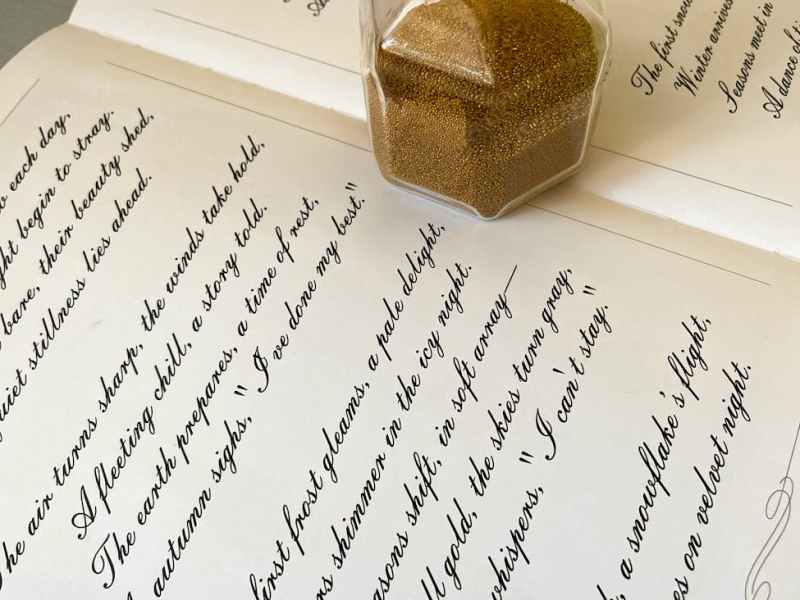
Verses That Transform Leadership
What poem or line quietly changes how you face big decisions or challenges? Explore this expert roundup to see how literary insights guide real-life choices and personal resilience.

Written Works That Shaped Thinking
What single insight can quietly reshape how you approach challenges, relationships, or career decisions? Explore this expert roundup to see how reflective reading can transform everyday thinking and choices.

Exploring Narrative, Healing, and the Human Mind with Verlin Darrow
Ever wondered how surviving earthquakes, outrunning tornadoes, and dodging a gun shaped a mystery writer’s mind? Discover Verlin’s extraordinary life experiences and how they feed the thrilling stories on every page.
Continue reading Exploring Narrative, Healing, and the Human Mind with Verlin Darrow
Something went wrong. Please refresh the page and/or try again.
Other Highlights

Looking for something?
Type in your keyword(s) below and click the “Search” button.
Helpful Shortcuts
More Stories


















Print and Digital Magazine


Don’t just read about greatness. Own it!

About Us
The World’s Best Magazine is a print and online publication that highlights the extraordinary. It is your passport to a universe where brilliance knows no bounds. Celebrating outstanding achievements in various fields and industries, we curate and showcase the exceptional, groundbreaking, and culturally significant. Our premier laurels, The World’s Best Awards, commend excellence through a unique process involving subject matter experts and a worldwide audience vote. Explore with us the pinnacle of human achievement and its intersection with diversity, innovation, creativity, and sustainability.
We recognise and honour the Traditional Owners of the land upon which our main office is situated. We extend our deepest respects to Elders past, present, and emerging. We celebrate the stories, culture, and traditions of Aboriginal and Torres Strait Islander Elders from all communities who also reside and work on this land.
Disclaimer: The World’s Best does not provide any form of professional advice. All views and opinions expressed in each post are the contributor’s own. Whereas we implement editorial policies and aim for content accuracy, the details shared on our platforms are intended for informational purposes only. We recommend evaluating each third-party link or site independently, as we cannot be held responsible for any results from their use. In all cases and with no exceptions, you are expected to conduct your own research and seek professional assistance as necessary prior to making any financial, medical, personal, business, or life-changing decisions arising from any content published on this site. All brands and trademarks mentioned belong to their respective owners. Your continued use of our site means you agree with all of these and our other site policies, terms, and conditions. For more details, please refer to the links below.
About | Advertise | Awards | Blogs | Contact | Disclaimer | Submissions | Subscribe | Privacy | Publications | Terms | Winners
The World’s Best: A Magazine That’s All About What’s Great | theworldsbestmagazine.com | Copyright ⓒ 2022-2026
Let’s connect
Discover more from The World's Best
Subscribe to get the latest posts sent to your email.

 The World's Best