
“A single memory is never static.”
-Mario Cartaya
Memory is not fixed; it evolves. In Journey Back Into The Vault: In Search of My Faded Cuban Childhood Footprints, architect Mario Cartaya recounts his return to Cuba after decades in the United States. The memoir, which earned the 2025 BREW Nonfiction Book Excellence Award for Autobiography, explores how revisiting one’s past can reshape identity and understanding. In this interview, Cartaya discusses his journey, the process of reclaiming lost memories, and the impact of his experiences on his personal and professional life.
Mario, thank you for joining us today. To start us off, could you kindly introduce yourself to our readers in your own words—who you are, what you do, and what fuels your work, both in architecture and now as an author?
I was born in Havana, Cuba, in 1951 to a family who loved the arts and encouraged me to draw and play with 3-D toys daily — thus setting the foundations of my love for architecture. In 1959, the turbulent winds of political change swept over the land of my birth, leading to a warning from Che Guevara to my accountant father that, as a result of his refusal to cooperate with the government’s American property confiscation efforts, his future safety in Cuba was no longer guaranteed.
In November 1960, my mother, father, brother, and I left Cuba and immigrated to the United States. There, I eventually realized my childhood dream of becoming an architect and founded a 43-year long, highly acclaimed architectural firm in Fort Lauderdale, Florida. My architectural designs always sought to express my humanist concepts, inspire the users, and improve communities.
My new literary career now aims to write non-fiction stories with the same dedication, creative expression, and humanist values that made me an iconic architectural designer. No longer expressing myself in building design, I now seek to enrich and refresh my reader’s emotions by designing with words.
Your book Journey Back Into The Vault won the BREW Nonfiction Book Excellence Award—congratulations! What does this recognition mean to you, especially as someone transitioning from one accomplished career into another?
Winning the 2025 Chrysalis BREW Nonfiction Book Excellence Award is a tremendous honor that affirms my need to write true stories where humanist values and the universal message of love and enlightenment help readers find inner peace.
You’ve had a remarkable career in architecture. Can you walk us through the moment you realized it was time to turn inward and begin exploring memory and personal history through writing?
Two of the most rewarding moments of my life were when my life’s story and architectural achievements were read in the United States Congress in 2019 and an American flag was flown over the United States Capitol building to honor me in 2022. My heart, however, wondered how proud my extended family would have been to witness the affirmations of my parent’s decision to immigrate with my brother and me to the U.S.
I realized that the story of my forced separation from my extended family in Cuba, my adaptation to a new life in the U.S., the realization of my earliest Cuban childhood dream in my adopted country, and my decision to return to Cuba hoping to reclaim the long-lost memories of the first nine years of my life there, had to be told in the voice of the many human elements of its twists and turns — for the benefit of future generations.
In Journey Back Into The Vault, memory plays a central role—not just in recollection, but in reinterpretation. What inspired you to approach memory as a layered, evolving construct rather than a static record of the past?
A single memory is never static. As you age and start to question some of its details (the sound of a voice, colors, names, faces, etc…), you begin bridging memory gaps with your imagination, assumptions, or someone else’s recollection — in desperate subconscious attempts to not lose the memory.
My hasty and terrifying departure from Cuba while fearing for my father’s safety, leaving the loving grandparents, uncles, and aunts I lived with never to see them again, and the loss of my original culture, language, and pre-destined destiny for an unplanned life of exile in the United States — at the tender age of nine — traumatized me. In an effort to keep me from continually reliving my Cuban trauma and help me focus on my American future, my subconscious buried the painful memories of my Cuban childhood in a protective place inside me that I call the vault. In time, I learned to live without my Cuban childhood memories — or so I thought. Now and then, I would wake up in the middle of the night to frustratingly short and fragmented moments from my childhood there. Not sure if they were real memories, black and white photographs from a scrapbook, stories I once heard, or just nocturnal imaginations, I eventually stopped trying to analyze them.
Fifty-six years after leaving my country of birth, I went back to Havana hoping the stimulus of visiting the homes, school, and playgrounds synonymous with my life there would help me recall my missing childhood years. My Cuban memories, uncorrupted during all that time, surprisingly returned as pristine movie reels of the past — rich in texture, story, and childhood emotions as if they had all happened the day before.
In 2016, I visited Cuba hoping to identify the sources of my frustrating nighttime visions. Instead, I relived my Cuban childhood through the returning movie reels of my memories there. I no longer only remember my life in the United States. I now recall and understand the totality of my one life in two different countries and beautiful cultures — empowered to succeed by the love of my deceased extended family in Cuba and immediate family in the United States.
The book does more than share stories—it invites readers to confront their own mental vaults. What personal challenges or breakthroughs did you encounter during the writing process, especially in revisiting your own past?
After my emotional return to my country of birth ended, my journey aimed at unlocking the Cuban childhood memories from my protective subconscious vault continued. A few months after my trip to Cuba ended and thinking my search had reached its end, I started the process of writing the book. Little did I know what would happen next.
I allowed the first few manuscript drafts to be the result of unfiltered connections between my subconscious, my hand, and the papers I wrote on. I paid no attention to paragraph formation, sentence structure, schedule of events, or spelling. I just allowed the words to flow freely. The result was highly therapeutic. Often, I would review my work only to find paragraphs or passages I did not remember thinking or writing. As such, I was simultaneously documenting the release and discovery of memories emerging from my protective subconscious vault. Sometimes the realization of the contents would lead to a cleansing of emotions as I allowed myself to cry — often as I wrote. They would continue until just before my final draft.
Your life journey—from exile to success—reflects resilience and reinvention. How did your cultural background and immigrant experience influence the way you understand memory, identity, and belonging?
I arrived in the United States in 1960 as a nine-year-old. Loving America was easy for me — it was the land of cowboys, Superman, and rock and roll. It was also home to Major League Baseball. With a little luck, I could watch Mickey Mantle, Willie Mays, and Sandy Koufax play on television.
Becoming an American was a little more difficult. During my metamorphosis into an American, I sought out positive role models, including teachers, coaches, and other students to teach me the language, culture, and customs of my new country. In college, I was influenced by those mentors who helped me fulfill my educational journey, Hispanic peers going through their own transformations, and U.S.-born roommates who taught me how to live as an American. Those educators, mentors, peers, and roommates still live within me today and form a major part of whom I became. By the time I graduated from the University of Florida, I had become an American architect — confident in my new persona and eager to continue exploring my American life. I had survived family separation, my metamorphosis into an American, and realized my childhood dreams with a laser-focused approach to adaptation and reinvention.
You’ve earned multiple honors throughout your career. If you were to create a ‘living timeline’ of your recognitions—architectural and literary—what are the key milestones that stand out, and how do they reflect your evolution as a person?
My life can easily be categorized into decades. Each one evolving into the next — continually morphing their accomplishments and rewards into my life’s legacy.
The decade of the 1950s began with my birth in 1951 and early childhood development in Cuba — forging the foundation of my love of family and the arts — until my immediate family’s forced departure to the United States in 1960.
The 1960s were defined by my successful metamorphosis into an American while simultaneously retaining my original self-concept and destiny in a newly adopted country. By the end of 1969, I had achieved my Cuban childhood goals of scholastic and athletic success in school.
The 1970s started with my acceptance into college, earning double degrees from the University of Florida — Bachelor of Architecture in 1974 and Master of Building Construction in 1975 — and successfully passing the State Board of Architecture Exam in 1977. In 1979, I founded Cartaya and Associates, Architects, P.A. in Fort Lauderdale, Fla. The decade ended with the realization of my Cuban childhood dreams of becoming an architect and owning my private architectural firm.
The next four decades saw me become an American architect of note and was honored with dozens of awards. It also saw me give counsel to American Presidents, U.S. Senators, Members of Congress, U.S. Secretaries of State, Governors, and local elected officials.
In 2016, I was asked by the U.S. Secretary of State to participate as an advisor to the incumbent President’s planned rapprochement trip to Cuba. The former President’s speech of hope and redemption in Havana energized me with the courage and determination to finally return to the land of my birth in search of the missing childhood memories from my first nine years living in Cuba. It changed my life. I wrote the book Journey Back Into the Vault: In Search of my Cuban Childhood Footprints to chronicle the series of events that awaited me there and the surprises that reunited my disparate Cuban and American lives.
In 2019, my life’s story and architectural legacy were read into the U.S. House of Representatives, and in 2022 an American flag was flown over the U.S. Capitol building in my honor. I felt fortunate to be an American and moved by the courage, resiliency, determination, and grit of the trajectory of my life — from refugee status to honored American citizen.
The 2020 decade changed the trajectory of my life once more. With the publishing of Journey Back Into The Vault: In Search of my Cuban Childhood Footprints, in 2022, I decided to become a full-time author and retire from my 43-year architectural business. My new and unplanned career as an author has been rewarding. In 2024, my book won an American Writing Award and was a finalist for the Reader’s Choice Award and the Four Seasons Award. In 2025 Journey Back Into The Vault has already won the BREW Nonfiction Book Excellence Award for Autobiography of the Year and finished as a finalist for the Independent Author Award.
My life as an author today is no different than my previous career as an architect. I once designed humanist buildings that inspired their users. Today, I design stories with humanist values that enrich and inspire the readers.
In your view, what role does introspection play in creating a legacy that endures beyond buildings or awards?
Introspection is a derivative of knowing yourself. My journey to Cuba in search of my missing Cuban childhood memories thrust me into a couple of years of introspection as my subconscious vault continuously reunited me with the once-missing Cuban childhood memories previously stored within it. This major event in my life culminated in my disparate Cuban and American stories forever reunited in my one unique life. During this time, I thought much about my legacy and philosophy of life. Here is what I learned:
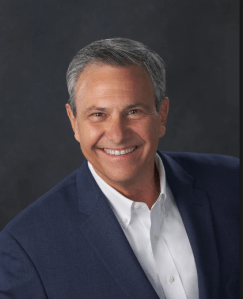
“We all have one life. As such, we should place humanity at the top of our priorities, live with humility, and find our inner peace. We should care about those we meet and strive for nothing short of excellence in all we do — including at work, at home, or in public. People will notice and attest our legacies as persons who cared — and made a difference.” — Mario Cartaya
Do you see Journey Back Into The Vault as contributing to broader cultural or psychological goals?
Journey Back Into The Vault is the story of those psychological forces that define us all; the power of enduring hope; and how by achieving purity of heart, reconciliation, and a soul at rest, we can evolve into better versions of ourselves. It is the timely universal message of unfettered love, humanity, acceptance, and the pursuit of enlightenment that can only begin with each individual’s decision to achieve self-actualization and find inner peace — my heartfelt wish for today’s troubled times.
Finally, what would you say to someone standing at the threshold of their own “vault,” unsure whether to open it? How can confronting the past—flawed, complex, and emotional as it may be—serve as a foundation for growth, healing, or even creativity?
If I told you that it is possible to revisit your past, as you are today, find the source of the irreconcilable, partial memories that still keep you up at night, meet your younger self, feel the innocence of your youth, see your family members as they were years ago, and hear the sounds of home — but, you might have to face the demons who once haunted you — would you go?
I did go and found nine years of my life that were missing, reclaimed my long-lost Cuban childhood memories, felt the love of my now deceased-family members once more, and found an inner peace that for too long eluded me. There were no demons to be found, either. The demons of the past don’t age with you — they just cease to exist. My experience healed and enlightened me into a better, wiser, and more sensitive and enlightened version of myself. I’m glad I went.
⭐⭐⭐⭐⭐
“The demons of the past don’t age with you — they just cease to exist.”
-Mario Cartaya
Links
- Know more about the BREW Book, Blog, and Poetry Awards here
Share Your Insights
We’d love to hear your thoughts! Join the conversation in the comments and share your perspective:
- What part of Mario’s journey resonated most with you?
- Have you ever revisited a memory that changed your understanding of the past?
- How do you define legacy in your own life?
Alignment with the UN SDGs
- Promotes well-being through healing narratives (SDG 3)
- Supports inclusive societies by addressing identity and exile (SDG 16)
- Encourages lifelong learning through personal history (SDG 4)
Other Highlights

Looking for something?
Type in your keyword(s) below and click the “Search” button.
Helpful Shortcuts
More Stories



Print and Digital Magazine

Don’t just read about greatness. Own it!

About Us
The World’s Best Magazine is a print and online publication that highlights the extraordinary. It is your passport to a universe where brilliance knows no bounds. Celebrating outstanding achievements in various fields and industries, we curate and showcase the exceptional, groundbreaking, and culturally significant. Our premier laurels, The World’s Best Awards, commend excellence through a unique process involving subject matter experts and a worldwide audience vote. Explore with us the pinnacle of human achievement and its intersection with diversity, innovation, creativity, and sustainability.
We recognise and honour the Traditional Owners of the land upon which our main office is situated. We extend our deepest respects to Elders past, present, and emerging. We celebrate the stories, culture, and traditions of Aboriginal and Torres Strait Islander Elders from all communities who also reside and work on this land.
Disclaimer: The World’s Best does not provide any form of professional advice. All views and opinions expressed in each post are the contributor’s own. Whereas we implement editorial policies and aim for content accuracy, the details shared on our platforms are intended for informational purposes only. We recommend evaluating each third-party link or site independently, as we cannot be held responsible for any results from their use. In all cases and with no exceptions, you are expected to conduct your own research and seek professional assistance as necessary prior to making any financial, medical, personal, business, or life-changing decisions arising from any content published on this site. All brands and trademarks mentioned belong to their respective owners. Your continued use of our site means you agree with all of these and our other site policies, terms, and conditions. For more details, please refer to the links below.
About | Advertise | Awards | Blogs | Contact | Disclaimer | Submissions | Subscribe | Privacy | Publications | Terms | Winners
The World’s Best: A Magazine That’s All About What’s Great | theworldsbestmagazine.com | Copyright ⓒ 2022-2026
Let’s connect
Discover more from The World's Best
Subscribe to get the latest posts sent to your email.

 The World's Best
One thought on “Mario Cartaya on Unlocking the Vault: Memory, Meaning, and the Architecture of the Mind”