
“That day, I reclaimed my freedom.”
-Brenda K. Uekert
Editor’s Note: This interview contains candid reflections on personal transformation, aging, and emotional challenges, including brief mentions of grief, fear, and identity loss. Readers may encounter themes related to mental health, lifestyle reinvention, and societal expectations. While these topics are discussed with hope and insight, we encourage readers to engage at their own pace. The views expressed are those of the author and do not constitute professional advice.
Brenda K. Uekert, PhD, transitioned from a two-decade career in justice system reform to a 1,000-mile solo hike across the American West, documented in her memoir The Woman on the Ferry. In this interview, Uekert discusses her journey from professional burnout to personal renewal.
Brenda, thank you for being here. To start off, can you tell us a bit about yourself—your background, your journey so far, and what you’re currently focused on?
Writing saved my life. I followed the script—earned a PhD in sociology, worked hard, and chased success—but the career I dreamed of never quite materialized. At my lowest point, I was broke and living in a cockroach-infested basement in Atlanta, scribbling in a notebook just to stay sane. That’s when I created Kate Winston, a fearless detective who helped me rediscover my own strength. Soon after, I landed a job as a Crime Analyst, which launched a 20-year career in justice system reform focused on domestic violence, elder abuse, and adult guardianship.
From the outside, I had made it. But inside, I was burned out. One day, I threw it all away. With every box I carried out of the office, I felt lighter. I still smile when I think about that drive down the Colonial Parkway—spring in the air, Tracy Chapman’s Fast Car on the speakers. That day, I reclaimed my freedom.
That freedom led me down a new path: I became a Financial Coach, focused on helping others achieve financial independence. But after 18 months of online work and staring at the same suburban street, I knew I needed more. So, in 2020, I sold my house in Virginia, moved into an RV with my cats, and hit the road. It was terrifying—and exhilarating.
Since then, I’ve explored the American landscape, built (and pivoted from) a financial coaching business, and embraced nature as my compass. In 2024, I hiked 1,000 miles on the trails of the western United States, rediscovering joy and writing my book, The Woman on the Ferry. That journey reminded me that success isn’t a title or paycheck—it’s feeling fully alive.
This summer, I’m an ATV guide at Bryce Canyon and working on my next book, The Woman in the Canyon, based on 100 trail hikes and lessons in resilience. I also lead Nature Writing Workshops, helping others deepen their connection to the Earth. I’m still writing, still wandering, and always asking: What if the best chapter is the one we haven’t written yet?
You’ve received both the BREW Seal of Excellence and the Book Excellence Award for your memoir. Could you walk us through what those recognitions mean to you—and what it felt like to see your work acknowledged in that way?
Vulnerability is at the heart of writing. In The Woman on the Ferry, I cracked open my soul—sharing deeply personal stories and trusting readers to meet me there. I believed in the book and the message: that success isn’t about titles or bank accounts, but about joy, freedom, and redefining life on your own terms. Still, when you release something so personal into the world, there’s always that whisper of doubt—Will anyone care? Will it matter?
So when The Woman on the Ferry received the BREW Seal of Excellence and the Book Excellence Award, it felt like a powerful affirmation—not just of my work, but of the hunger for real, human stories. It reminded me that authenticity resonates, that there’s value in being raw and honest. One reviewer called it “a quietly luminous, soul-stirring odyssey about finding freedom through nature, failure, and fiercely intentional reinvention.” That line alone makes me feel seen as a writer. I’m honored and grateful the book is finding its way into readers’ hearts.
Your book shares a deeply personal journey that blends travel, reflection, and transformation. What prompted you to document this experience, and how did it evolve into The Woman on the Ferry?
I’ve written nonfiction before—mostly how-to guides with tidy outlines, clear beginnings, and predictable endings. The Woman on the Ferry was different. Just before I began, I worked through Julia Cameron’s The Artist’s Way, and it felt like receiving a permission slip to write from the heart, to let go of structure and trust that the universe—and the story—would lead me where I needed to go.
At the same time, I launched my Substack, Nature Listening Points, as a way to share my voice and stay accountable. I committed to posting a new draft chapter every Wednesday and a trail log every Sunday. That rhythm helped me shape the book, one step and one story at a time.
But the deeper “why” behind the book? I wanted to challenge the narrow script society hands us about what it means to be successful. I wanted to invite readers to question those expectations and imagine a life that feels true—one that aligns with who they really are beneath all the roles they’ve been told to play.
The act of walking is central in your story. In what ways has hiking shaped your thinking, writing, or personal decisions since you began this journey?
Sometimes when I’m hiking, my mind feels like an old View-Master—clicking through scenes from the past, offering glimpses of people and moments I’ve tucked away. There’s something profoundly therapeutic about being surrounded by living things—the deserts, mountains, prairies, lakes, and oceans—all reminding me that I’m just one small part of a much bigger rhythm. In nature, my mind is free to wander without judgment, and I feel connected to the universe in a way that’s both humbling and magical.
Every now and then, I slip into a state of coherence—my breath syncing with my heartbeat and the rhythm of my trekking poles. It’s a kind of “hiker’s high” that carries joy through the rest of the day. But coherence, to me, isn’t just a physiological experience. It’s a way of being. It’s what happens when your values align with your actions—when who you are on the inside matches how you show up in the world. That’s the real bliss of hiking. That’s the freedom I keep walking toward.
You mentioned spreadsheet tracking, gear logs, and miles walked as part of your process. How did those structured methods support you emotionally and creatively during such an unstructured phase of life?
I’m a planner and organizer—that’s my geeky sweet spot. I love structure, but I rebel against rigid schedules. So tracking my miles gave me just enough scaffolding to feel grounded. Every mile I logged was a little breadcrumb leading me toward that 1,000-mile goal. But the hikes themselves? They were wonderfully unpredictable—guided by the weather, the terrain, and my mood. It was the perfect mix of planning and spontaneity, and it kept me moving forward.
Let’s talk about Celeste—the symbolic figure who became a voice in the form of imagined postcards. How did her presence help you process change, and what would you say she represents for readers?
Celeste was a woman who glowed. I noticed it the moment I saw her on the ferry—that quiet serenity in her face as she absorbed the world around her. While I looked at the scenery, she felt it. She soaked it in like sunlight, straight into her pores. It was as if she held the secret of life.
When fate nudged us together on a snuba adventure, I was eager to learn her story. And it turned out to be one of beautiful defiance—against age, expectations, and the lure of comfort. She had traded security, and a husband, for curiosity. And what struck me most was her confidence—her deep trust that life would unfold as it should, her delight in the moment, her radiant joy. I only spent one afternoon with her, but I’ve been chasing that glow ever since.
In the book, Celeste became something more—a mentor, a muse, a voice of wisdom sent via postcards when I needed it most. She’s the friend who shows up just when you’re questioning everything, the one who sees your light even when you’ve forgotten it’s there. For readers, Celeste represents possibility. She’s a symbol of what it means to step into your own radiance—to choose growth over safety, and wonder over resignation.
You’ve taken a non-traditional path by choosing full-time RV living. What have been the most challenging and meaningful aspects of that lifestyle, especially as a solo female traveller?
When I first hit the road in my RV, I told someone it was “85% fear and 15% excitement.” Over time, that ratio flipped. Those early months were tough. I made a vow to sit with whatever emotions showed up—fear, joy, anger, loneliness. No need to mask or perform. It was just me and the cats, and for the first time, I could truly feel it all. That space gave me the clarity to figure out who I really was underneath the noise.
These days, I sometimes feel like I’m reverse aging—like a five-year-old racing down the stairs of our old farmhouse on Christmas morning, breathless with curiosity. There’s a sense of magic in everyday discoveries, and I’ve started speaking aloud to the world around me, just to keep the wonder going.
And here’s the biggest shocker: I trust people more than I ever did. As a solo female traveler, you’re taught to be afraid of everything and everyone. But I’ve found the opposite. On the trails, I meet kindred spirits. In campgrounds, strangers become friends and helpers. I’m still cautious and safety-minded—but I live with trust now. That’s been the most meaningful lesson: that the world, more often than not, wants to meet us with kindness.
You come from a background in sociology. How has your academic training influenced how you observe the world or tell stories—particularly this one?
I think I was a sociologist by the age of twelve. I called out a teacher for telling “dumb blonde” jokes to a group of boys and tried to join the boys’ basketball team—because there wasn’t one for girls. Even then, I understood that what people called “individual choices” were often shaped by bigger forces. While others judged the person, I saw the system pushing labels, roles, and expectations.
That lens led me into a career in justice reform, where I focused on giving voice to our most vulnerable. Sociology is, at its core, the study of society—and the stories we’re told about what makes a life worthwhile. In our culture, success is often reduced to job titles, bank accounts, square footage. Those are social constructs, not truths. And like many people, I bought into them. So when my traditional career ended, I felt untethered. Who was I without the title, without the status, without the wealth?
That identity crisis became the soil from which The Woman on the Ferry grew. At its heart, the book is about redefining success on gentler, more personal terms—ones that change with us, instead of against us. In a society that glorifies hustle and productivity, that’s a radical act. And that’s where sociology meets storytelling: in the tension between who we’re told to be and who we actually are.
Resilience, creativity, and personal reinvention all run through your story. How do you think stories like yours can contribute to conversations around ageing, self-worth, or even sustainable living choices?
I believe personal stories have the power to shift culture—and we need a cultural shift. As I write this, I find myself in an America I barely recognize. The values I was raised on—democracy, equality, justice, opportunity, freedom—are under attack. But I also believe in the power of people to rise up and reclaim those values. That’s where storytelling comes in. It’s how we reconnect with what matters.
Our society glorifies youth and sidelines the voices of older people, especially older women. We become invisible—dismissed, underestimated, or simply ignored. And yet, with age comes insight. Experience. Resilience. We’ve been through things. We know things. I hope The Woman on the Ferry reminds people—especially women—that reinvention is always possible. That it’s not only okay to defy expectations—it’s necessary.
And there’s another piece to this: sustainable living. Reinvention doesn’t mean acquiring more; often, it means learning to live more lightly, more consciously. I chose full-time RV life, not just for freedom, but to live closer to nature and reduce my footprint. I want people to see that aging can be an awakening—not a decline. It’s a time to reclaim your worth, speak your truth, and create a life that reflects your deepest values.
Finally, what advice would you give to someone who feels they’re at a turning point in life—but doesn’t know where to start or what step to take first?
Give yourself the gift of feeling everything. The fear. The grief. The joy. The confusion. Don’t fake bravery, and don’t rush the process. Let your most vulnerable self step forward—because that’s where the real transformation begins.
Turning points are rarely tidy. They’re messy, emotional, and often uncomfortable. But they also hold incredible power. Start by letting go of what no longer serves you, and slowly, piece by piece, build a core of strength rooted in your truth. You don’t need to see the whole path—just trust the pull. Trust yourself. Trust your gut. Trust the timing. That first brave step will lead to the next, and then the next. Eventually, you’ll look back and realize you’ve already begun.
Tell us more about you.
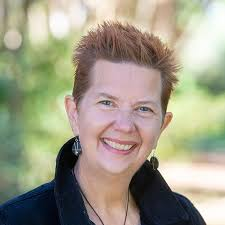
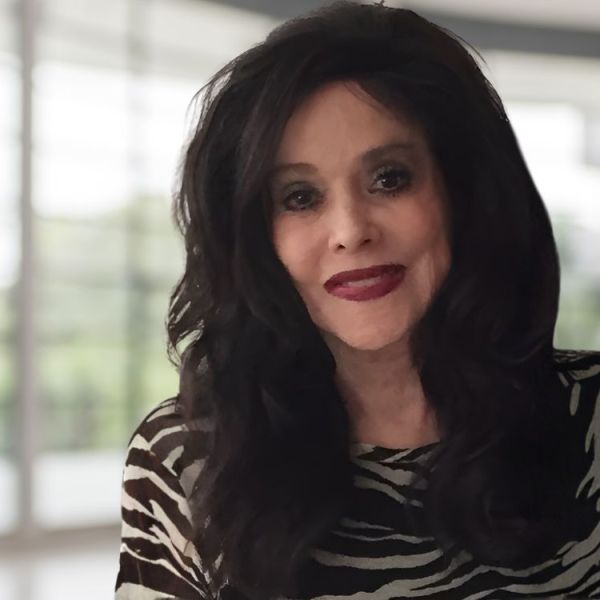
I’m Brenda K. Uekert, PhD, a sociologist, writer, and full-time RVer passionate about redefining success and embracing personal reinvention. After decades working in justice system reform, with a focus on domestic violence, elder abuse, and adult guardianships, I achieved professional success—but it came at the cost of burnout. In a bold move, I walked away from my career to embrace the unknown.
In 2020, I traded my house in Virginia for life on the road as a full-time RVer, with my cats as companions. I explored the natural wonders of the American landscape and dove into solo entrepreneurship. But after four years, with my business facing challenges, I found myself searching for a new direction. In May 2024, I made a life-changing decision: to hike 1,000 miles in five months while traveling through the western U.S. This wasn’t just an adventure—it was a profound shift in how I viewed my purpose and life’s journey.
In my book The Woman on the Ferry: A Journey of 1,000 Miles to Redefine Success and Discover Joy, I share my personal transformation. Along the way, I was inspired by Celeste, a wise and radiant woman I met on a ferry years before, whose story taught me the power of defying expectations and living authentically, at any age.
Through my writing, nature writing workshops, and volunteer work, I aim to inspire others to step into their own light and challenge the societal narratives and limiting beliefs that hold them back.
I’m currently working on my next book, The Woman in the Canyon, while guiding ATV tours to the rim of Bryce Canyon National Park, Utah. You can peek inside my writing process and read about my adventures on my Substack, Nature Listening Points.
⭐⭐⭐⭐⭐
What if the best chapter is the one we haven’t written yet?
-Brenda K. Uekert
Links
- More details about our interviewee are here.
- Know more about the BREW Book, Blog, and Poetry Awards here
Share Your Insights
We’d love to hear your thoughts on Brenda K. Uekert’s journey. Join the conversation in the comments:
- Have you ever taken a bold step to start over?
- What does personal freedom look like for you?
- How has nature influenced your own path or decisions?
Alignment with the UN SDGs
- SDG 5: Gender Equality
- SDG 12: Responsible Consumption and Production
- SDG 3: Good Health and Well-being
- SDG 4: Quality Education
Other Highlights

Looking for something?
Type in your keyword(s) below and click the “Search” button.
Helpful Shortcuts
More Stories


Print and Digital Magazine
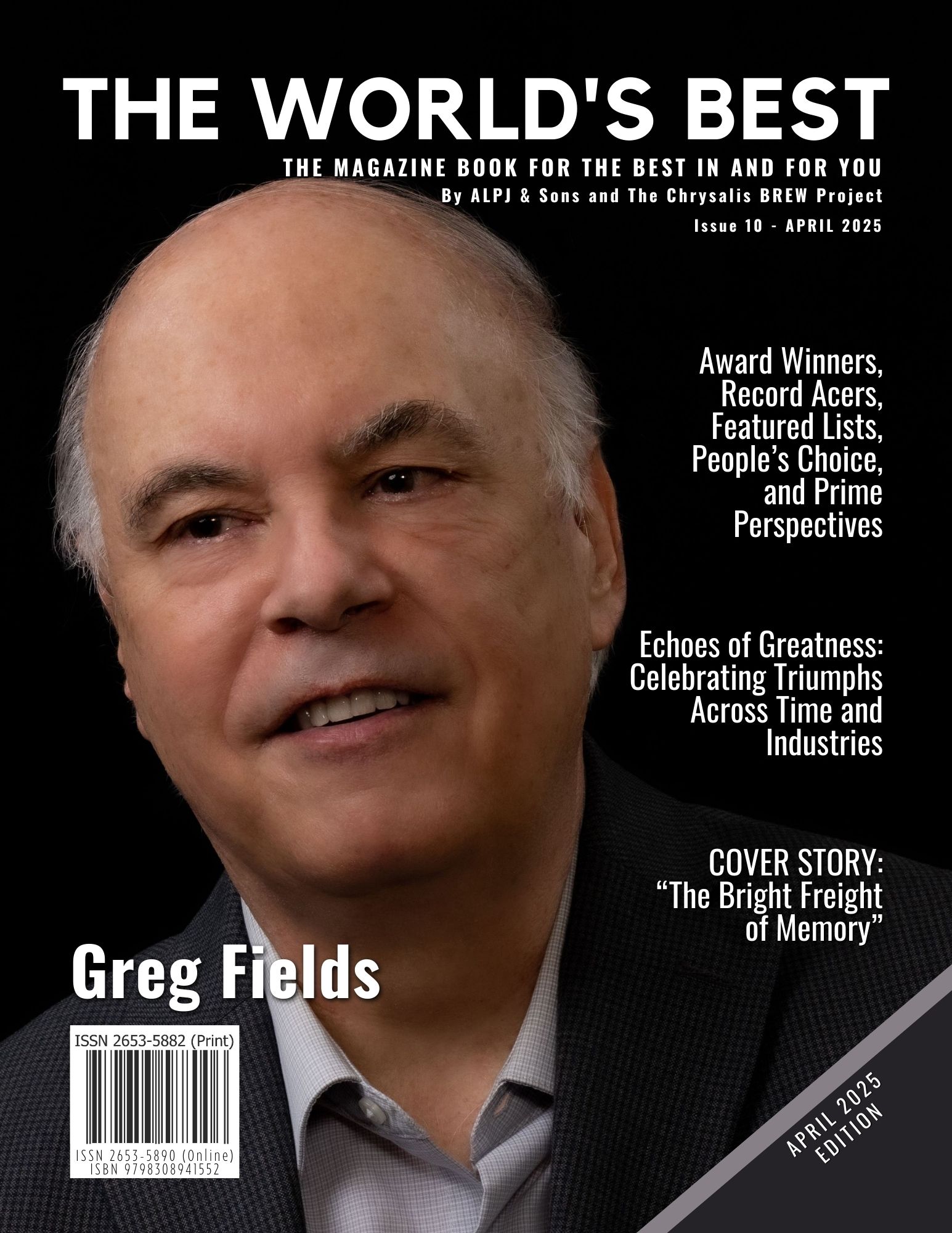
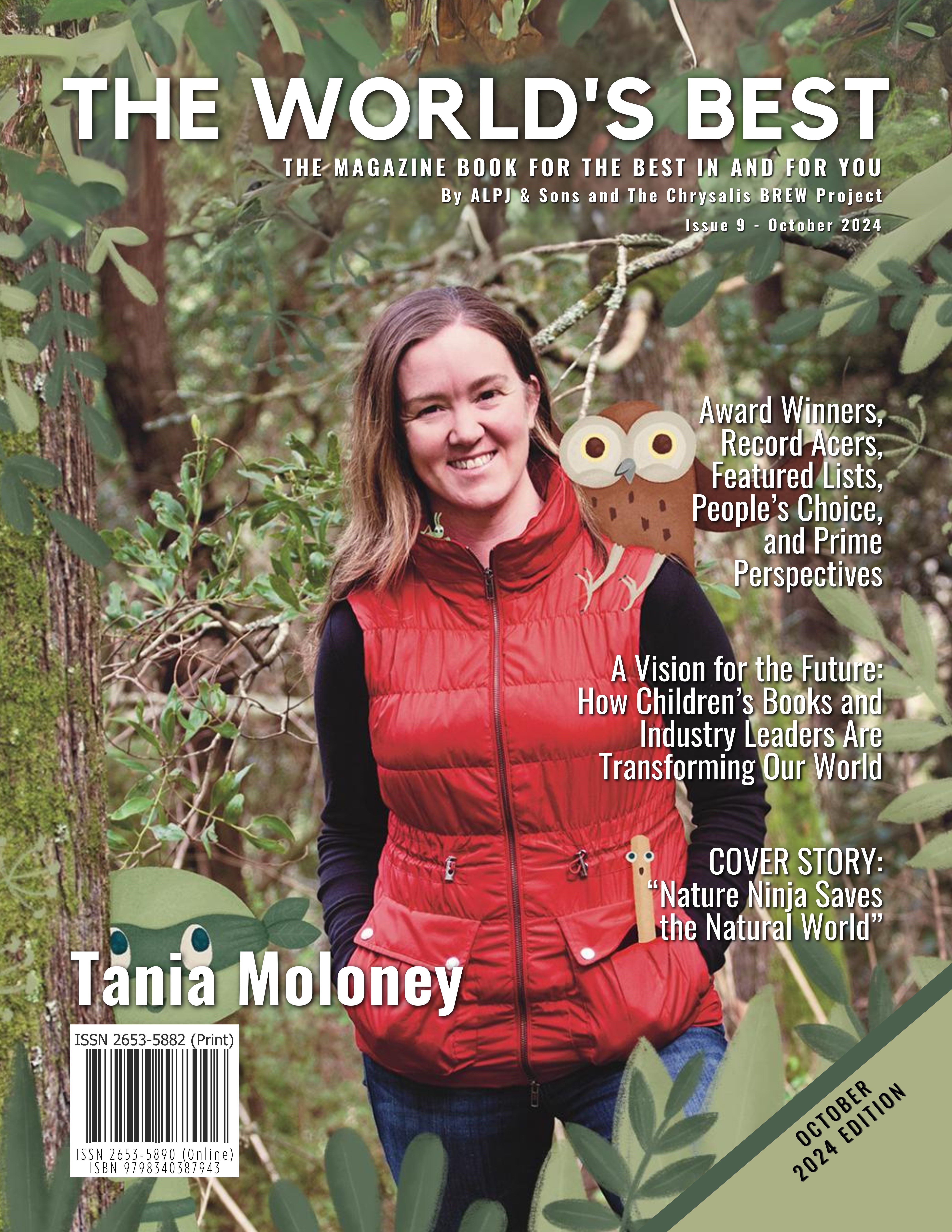

Don’t just read about greatness. Own it!

About Us
The World’s Best Magazine is a print and online publication that highlights the extraordinary. It is your passport to a universe where brilliance knows no bounds. Celebrating outstanding achievements in various fields and industries, we curate and showcase the exceptional, groundbreaking, and culturally significant. Our premier laurels, The World’s Best Awards, commend excellence through a unique process involving subject matter experts and a worldwide audience vote. Explore with us the pinnacle of human achievement and its intersection with diversity, innovation, creativity, and sustainability.
We recognise and honour the Traditional Owners of the land upon which our main office is situated. We extend our deepest respects to Elders past, present, and emerging. We celebrate the stories, culture, and traditions of Aboriginal and Torres Strait Islander Elders from all communities who also reside and work on this land.
Disclaimer: The World’s Best does not provide any form of professional advice. All views and opinions expressed in each post are the contributor’s own. Whereas we implement editorial policies and aim for content accuracy, the details shared on our platforms are intended for informational purposes only. We recommend evaluating each third-party link or site independently, as we cannot be held responsible for any results from their use. In all cases and with no exceptions, you are expected to conduct your own research and seek professional assistance as necessary prior to making any financial, medical, personal, business, or life-changing decisions arising from any content published on this site. All brands and trademarks mentioned belong to their respective owners. Your continued use of our site means you agree with all of these and our other site policies, terms, and conditions. For more details, please refer to the links below.
About | Advertise | Awards | Blogs | Contact | Disclaimer | Submissions | Subscribe | Privacy | Publications | Terms | Winners
The World’s Best: A Magazine That’s All About What’s Great | theworldsbestmagazine.com | Copyright ⓒ 2022-2026
Let’s connect
Discover more from The World's Best
Subscribe to get the latest posts sent to your email.

 The World's Best
One thought on “From Breakdown to Breakthrough: Brenda K. Uekert’s Journey”