
“A picture is worth a thousand words”—but what if it tells them too? Visual books blend images and text to elevate storytelling, tap into how we process information, and spark emotion across ages and cultures. Studies show that visuals are processed 60,000 times faster than text, making illustrated narratives especially powerful in learning, memory retention, and empathy-building. From wordless tales to interactive formats, these books often transcend language barriers. Why do some visuals stay with us long after we’ve turned the last page? In this expert roundup, we explore what makes a book visually unforgettable—and why that matters.
Illustrations Propel Narrative in Hugo Cabret

Naming the world’s best visual book is a subjective task, as preferences vary widely, but “The Invention of Hugo Cabret” by Brian Selznick stands out as a remarkable example. This book uniquely combines the written word with nearly 300 pages of detailed illustrations that help tell the story. Imagine a novel merging with a silent film, and you get “The Invention of Hugo Cabret,” where the illustrations do more than decorate; they propel the narrative forward, making it a revolutionary approach in children’s literature.
Another strong contender is “S.,” created by J.J. Abrams and written by Doug Dorst. This novel is a fascinating artifact in itself, packed with margin notes, loose letters, postcards, and other ephemeral items tucked between its pages. It’s designed to mimic a library book called “Ship of Theseus” by a fictional author, and the visual elements and layered story compel the reader to become a part of the mysterious world within its covers. The engagement with this book goes beyond typical reading; it becomes an immersive explorative experience. The way both these books blend visual elements with text not only enhances their stories but also creates a more interactive experience for the reader.
Alex Cornici, Marketing & PR Coordinator, Insuranks
Shaun Tan’s Wordless Immigrant Tale Captivates

One book that stands out to me for its visual storytelling is “The Arrival” by Shaun Tan. It tells the story of an immigrant father starting over in a foreign land, but here’s the twist—there’s not a single word in the entire book. Every emotion, every challenge, every cultural difference is told purely through detailed, surreal illustrations that hit you harder than text ever could.
What makes it the best in my eyes is how universal it feels. You don’t need to speak any language to understand it. The artwork pulls you in, and somehow you feel everything the character is going through. It’s beautifully designed and emotionally rich, which is rare to pull off with visuals alone.
If you care about storytelling, design, or just want to see what’s possible without words, this book is a masterclass. It doesn’t just show you a story; it makes you feel it.
Georgi Petrov, CMO, Entrepreneur, and Content Creator, AIG MARKETER
Little People Big Dreams Simplifies Biographies
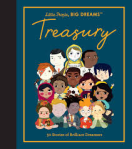
“Little People, Big Dreams”—any of them. The visuals pull you in before you even read a word. Clean, bold, and full of personality. Each book feels like a mini-gallery for kids, but adults get hooked too. It’s not flashy; it’s intentional. Every color, every face, every layout helps tell the story in a way words alone can’t.
For visual storytelling, that’s the win. You learn through feeling, not just facts. No clutter. No design that tries too hard. It’s all heart, and it works across languages and ages. That’s rare. If I had to pick one for teaching content creators what “less is more” actually looks like, this would be it.
Natalia Lavrenenko, UGC manager/Marketing manager, Rathly
Palette Perfect Showcases Color Theory Visually

“Palette Perfect” by Sara Caldas.
In my opinion, it’s not just a book about color theory. Every page is full of striking visuals, smart layouts, and real-world design examples that immediately catch your eye. And if you’re into illustration, branding, or product design, this book speaks your language visually.
Alex Safavinia, CEO & Creative Director, Kasra Design®
Codex Seraphinianus Challenges Visual Perception

If I had to pick one, I would say “Codex Seraphinianus” still holds its ground. It’s not just a book—it’s a system. Designed by Luigi Serafini, it reads like an alien encyclopedia. No translation exists because the script itself is fictional, yet the logic flows visually. Every page feels deliberate, irrational on the surface but eerily structured below. It’s visual storytelling without narrative. It tricks your brain into searching for patterns it knows won’t resolve, and that tension becomes the story itself.
What sets it apart isn’t just the surreal art or bizarre biology; it’s how the layout, sequencing, and typography follow the rules of a readable reference book. That conflict between structure and nonsense forces a kind of visual fluency. You don’t read it; you decode it. And you feel like you’re understanding something you can’t explain. For me, that’s design at its most intimate. It doesn’t show. It draws you in.
Dhari Alabdulhadi, CTO and Founder, Ubuy Netherlands
Where the Wild Things Are Sparks Imagination
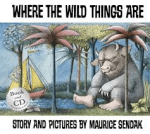
As an avid reader and lover of beautiful books, I would have to say that “Where the Wild Things Are” by Maurice Sendak stands out as the world’s best visual book in my mind. The imaginative illustrations are incredibly captivating. Sendak crafts a fantastical world that sweeps you away on Max’s adventure to the land of the Wild Things. The designs are striking in their simplicity, yet they evoke such a wonderful sense of adventure and imagination. The use of white space allows the Wild Things to really pop off the page. And the way the visuals and sparse text work together to tell the story is brilliant.
As a child, I was mesmerized by the journey into Max’s imagination. And as an adult, I’m still impressed by Sendak’s ability to create something so magical with just a few words and captivating pictures. For its timeless illustrations that spark imagination in readers of all ages, “Where the Wild Things Are” will always be a visual masterpiece in my eyes. The visual storytelling is unparalleled.
Gauri Manglik, CEO and Co-Founder, Instrumentl
The Walking Dead Masterfully Conveys Atmosphere
I’d go with “The Walking Dead.” It’s gritty, intense, and a masterclass in visual storytelling. The black-and-white artwork strips everything down to the essentials, letting mood and emotion take center stage. You feel the tension in every frame. It’s not just the horror elements that land—it’s the quiet, human moments too.
What makes it stand out is how the illustrations carry so much weight. The pacing, the expressions, the way scenes bleed from one into the next. It’s cinematic without trying to be flashy. You’re not just reading a story; you’re in it. For sheer atmosphere and raw visual power, it’s hard to beat.
Jm Littman, CEO, Webheads
Humans of New York Captures Authentic Stories
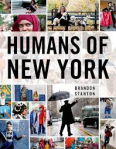
One book that really stands out to me as the world’s best visual book is “Humans of New York” by Brandon Stanton. It’s not just about the photos, though those are incredibly powerful. It’s how the visuals and the short stories come together to tell something real and deeply human. Each image feels like a window into someone’s soul, and the book’s design focuses exactly where it should be: on the people.
As someone who runs a wellness brand, I connect with storytelling that brings out emotion and makes you pause. That’s what this book does. You can flip to any page and immediately feel compassion, joy, sadness, and inspiration. It reminds me that behind every face is a unique story, which I carry into my daily work.
Whether it’s helping a customer on their wellness journey or developing a new natural product, it all comes back to understanding people and connecting with them in a real, human way. That’s why “Humans of New York” is more than a book of pictures to me. It’s visual storytelling at its best.
Daisy Cabral, Dynamic CEO, Bella All Natural
The Incal Blends Symbolism and Graphic Art
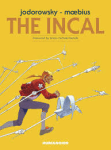
For me, the world’s best visual book will always be “The Incal” by Alejandro Jodorowsky and Jean Giraud. The book is illustrated by my favorite graphic artist ever, Moebius (Jean Giraud), and written by the all-round amazing Jodorowsky, which should be enough to get you excited to read it.
“The Incal” is a tale of symbolism, nested universes, philosophy, and wit. It is not a typical book, nor would it want to be one. If you really want to see some of the most distinct visual storytelling available, you cannot miss with this. Moebius dominated the scene, and this was one of my favorite pieces of his work (though nearly everything he made was excellent). Moebius had initially worked with Jodorowsky on a Dune film that never got made, which obviously left both with a melding of minds that almost needed to produce a piece like “The Incal.”
I enjoy a lot of the contemporary graphic novel artists, but for me, this rarity stands out by a mile, still.
Woody Hayday, AI Business Automation Specialist, ProfitSwarm.ai
Live Beautiful Elevates Interior Design Storytelling
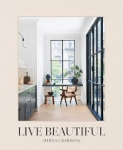
Oh, if I had to name one design book that truly stops you in your tracks visually, it would be “Live Beautiful” by Athena Calderone. It’s more than just a coffee table stunner—it’s a masterclass in visual storytelling. Every page feels intentional, not just showcasing beautifully curated interiors but also the personalities behind them. The photography is lush and immersive, the styling feels effortless yet elevated, and the homes featured span a range of aesthetics while still feeling warm and lived-in.
What makes it stand out is that it doesn’t just inspire—you can feel the thought behind every vignette, color palette, and composition. It speaks the language of design fluently and invites you in. It’s one of those books you revisit over and over because it always offers something new to discover with each turn of the page.
Melody Stevens, Owner, Design On A Dime Interiors
Rainbow Fish Engages Young Readers Visually

“The Rainbow Fish” is an outstanding visual book. The design and illustrations add so much depth to the plot without being too distracting. Not to mention, it does a great job of capturing the attention of younger children.
Scott Clyburn, Founder and Director, North Avenue Education
The Little Prince Conveys Essence Through Simplicity

“The Little Prince” is my favorite visual book. The Deluxe Pop-Up book is particularly special. It tells the story with simple, memorable illustrations that appeal to both children and adults. It’s particularly powerful that this visual story conveys the message so well that “what is essential is invisible to the eye.”
Mia Kazanjian, Physician
Have Your Say
- Which book made you feel something—without many words?
- What’s the most visually stunning book you’ve ever read?
- How do illustrations change your reading experience?
Alignment with the UN SDGs
- Promotes quality education through visual literacy
- Encourages reduced inequalities via universal storytelling
- Supports innovation in publishing and design
- Fosters cultural appreciation and inclusivity
Note: The views and opinions expressed in the content provided on this page are those of the individual authors and do not necessarily reflect the official policy or position of any organizations mentioned. The information provided is for educational and informational purposes only and should not be interpreted as professional advice. Readers should consult with relevant experts or professionals for guidance specific to their circumstances. The examples used are for illustrative purposes and results may vary depending on various factors. Any external links provided are for convenience, and we do not endorse or take responsibility for the content, products, or services available through these links.
⭐⭐⭐⭐⭐
Related

Exploring Story, Place, and Imagination with Dust Kunkel
Ever wondered how a childhood across continents and rivers becomes the fuel for storytelling? Discover how Dust Kunkel’s life shaped his novel and worldview — read the full interview to explore it.
Continue reading Exploring Story, Place, and Imagination with Dust Kunkel

Imagining Humanity and Technology with Donald Firesmith
Can engineering precision and handcrafted magic wands coexist in one imagination? Discover how a futurist blends hard science fiction, AI insight, and human emotion—read the full interview to explore his journey.
Continue reading Imagining Humanity and Technology with Donald Firesmith

Charting Tomorrow’s Medicine: A Conversation with Dr Pietro Emanuele Garbelli
What happens when a doctor decides medicine needs a blueprint as much as a stethoscope? This interview explores that question—revealed through experience, ethics, and the future of care.
Continue reading Charting Tomorrow’s Medicine: A Conversation with Dr Pietro Emanuele Garbelli

Richard Scott Sacks on Travel, Language, and Writing Fiction from Global Encounters
Have you ever wondered how encountering global upheaval can shape a novel? This interview explores one writer’s real journeys and the questions that inspired his fiction—read on to discover how it unfolded.
Continue reading Richard Scott Sacks on Travel, Language, and Writing Fiction from Global Encounters
Something went wrong. Please refresh the page and/or try again.
Other Highlights

Looking for something?
Type in your keyword(s) below and click the “Search” button.
Helpful Shortcuts
More Stories






















Print and Digital Magazine
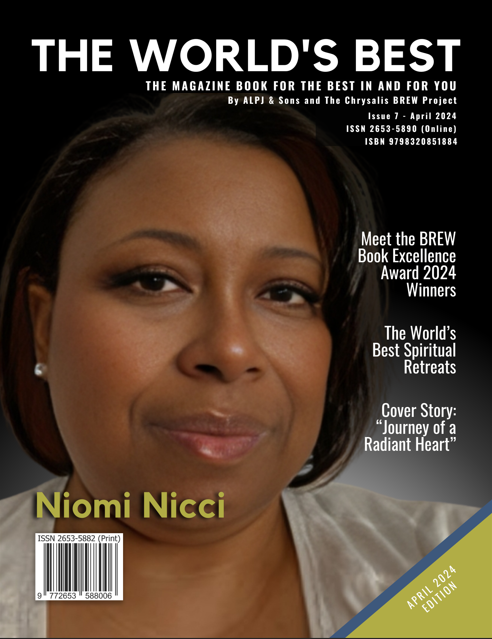
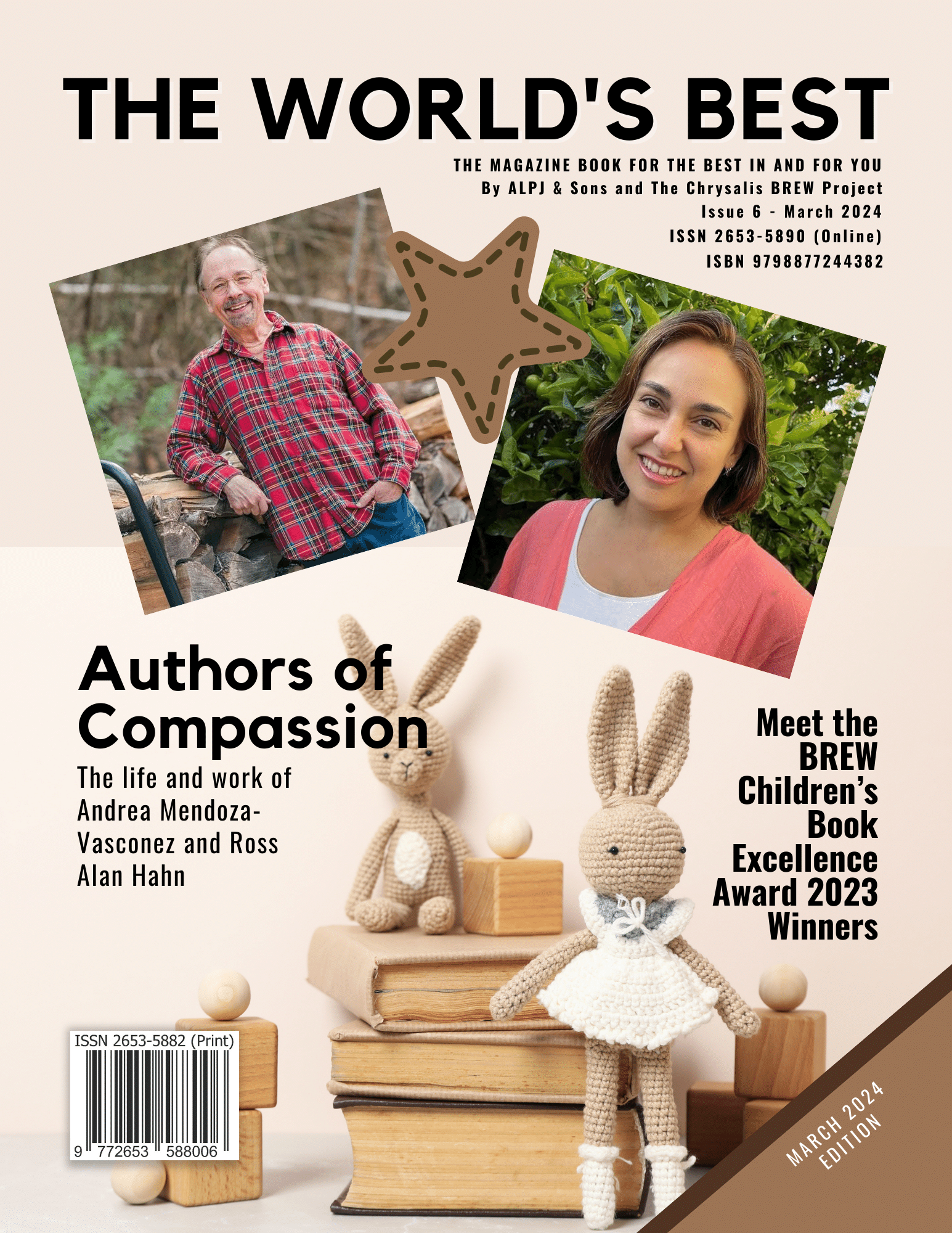
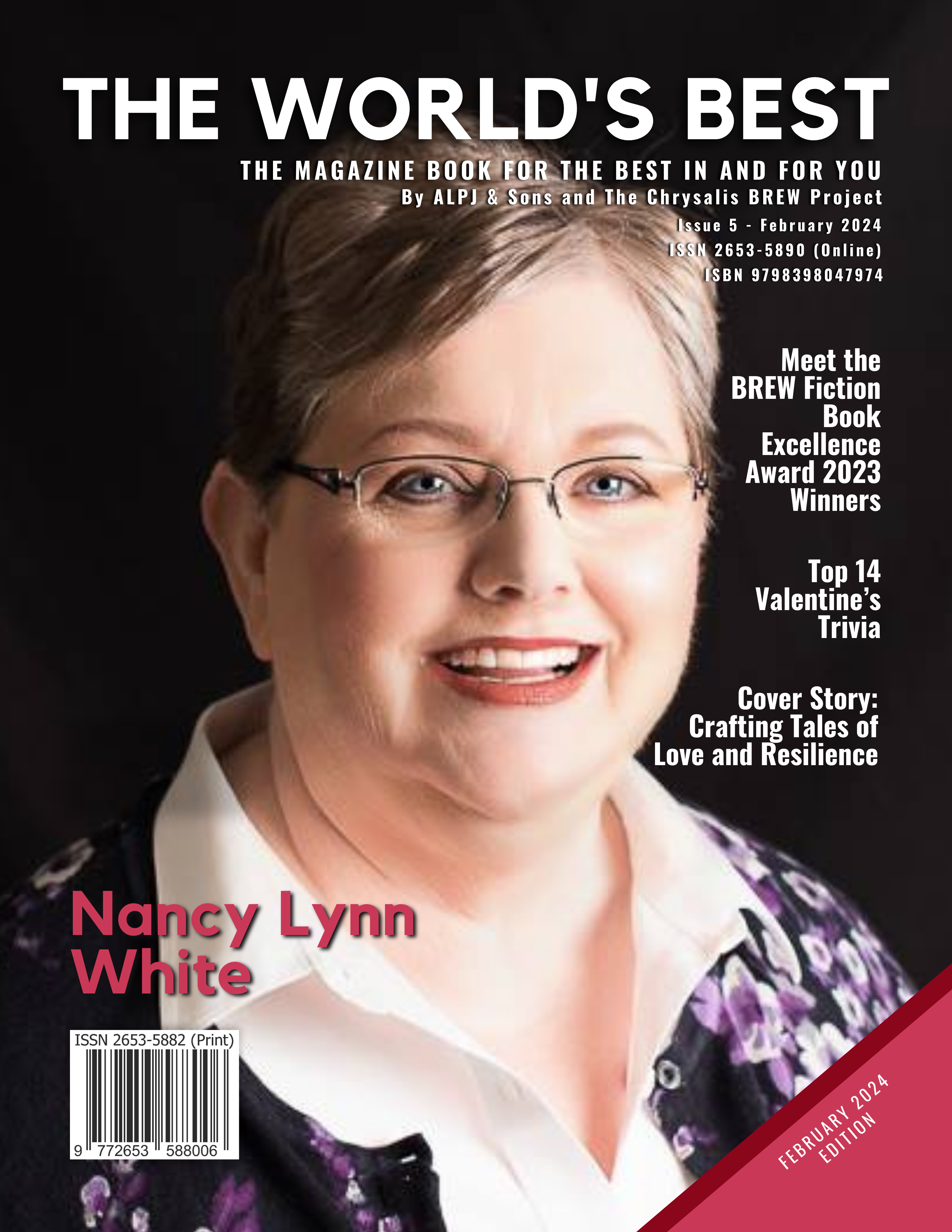
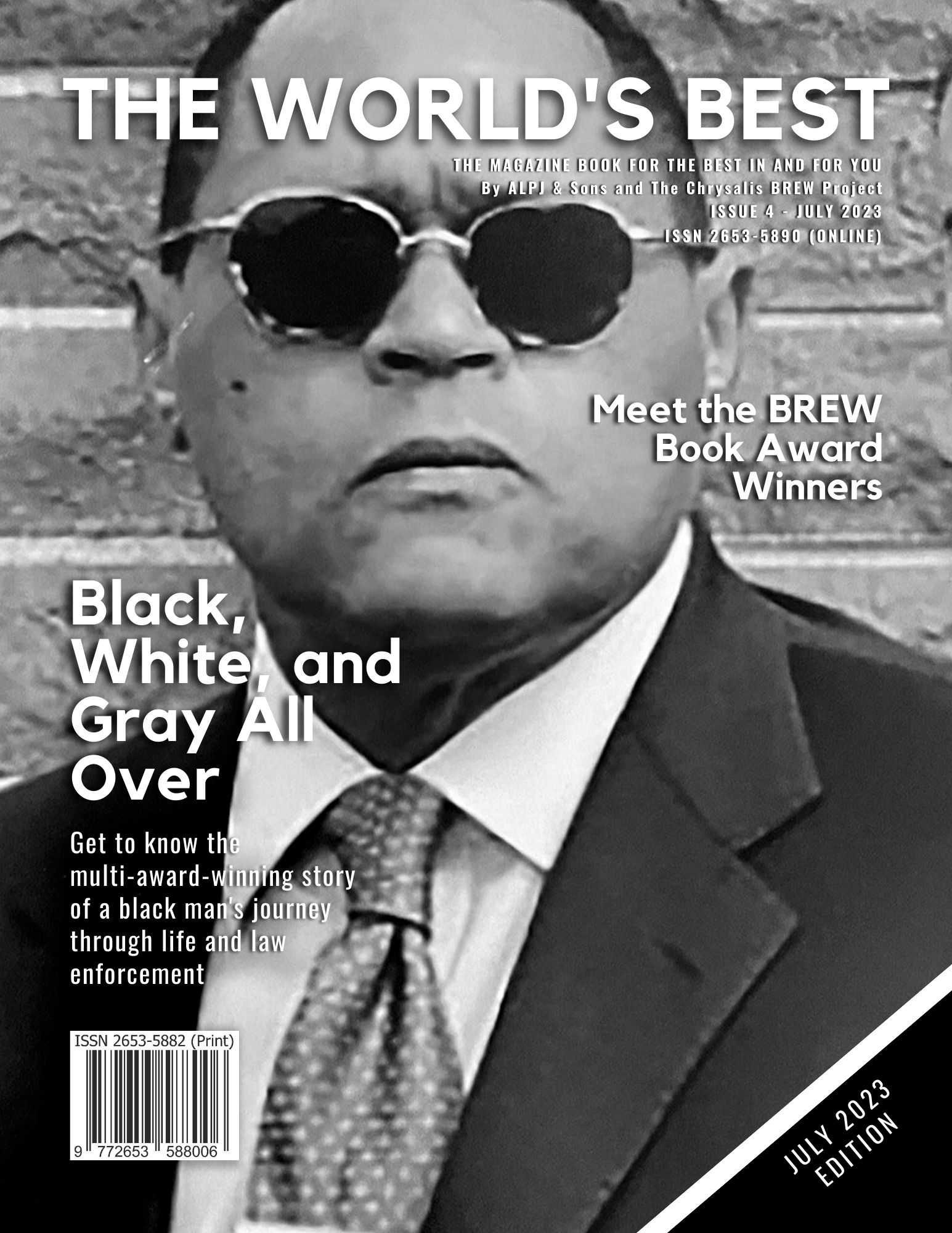

Don’t just read about greatness. Own it!

About Us
The World’s Best Magazine is a print and online publication that highlights the extraordinary. It is your passport to a universe where brilliance knows no bounds. Celebrating outstanding achievements in various fields and industries, we curate and showcase the exceptional, groundbreaking, and culturally significant. Our premier laurels, The World’s Best Awards, commend excellence through a unique process involving subject matter experts and a worldwide audience vote. Explore with us the pinnacle of human achievement and its intersection with diversity, innovation, creativity, and sustainability.
We recognise and honour the Traditional Owners of the land upon which our main office is situated. We extend our deepest respects to Elders past, present, and emerging. We celebrate the stories, culture, and traditions of Aboriginal and Torres Strait Islander Elders from all communities who also reside and work on this land.
Disclaimer: The World’s Best does not provide any form of professional advice. All views and opinions expressed in each post are the contributor’s own. Whereas we implement editorial policies and aim for content accuracy, the details shared on our platforms are intended for informational purposes only. We recommend evaluating each third-party link or site independently, as we cannot be held responsible for any results from their use. In all cases and with no exceptions, you are expected to conduct your own research and seek professional assistance as necessary prior to making any financial, medical, personal, business, or life-changing decisions arising from any content published on this site. All brands and trademarks mentioned belong to their respective owners. Your continued use of our site means you agree with all of these and our other site policies, terms, and conditions. For more details, please refer to the links below.
About | Advertise | Awards | Blogs | Contact | Disclaimer | Submissions | Subscribe | Privacy | Publications | Terms | Winners
The World’s Best: A Magazine That’s All About What’s Great | theworldsbestmagazine.com | Copyright ⓒ 2022-2026
Let’s connect
Discover more from The World's Best
Subscribe to get the latest posts sent to your email.

 The World's Best