
“People don’t buy what you do; they buy why you do it,” said Simon Sinek—and this resonates deeply when it comes to books that explore culture. Stories rooted in heritage and diversity do more than entertain; they shape our understanding of the world and each other. Research shows that reading literature from different cultures can increase empathy and reduce bias. From oral traditions to contemporary narratives, cultural books are vessels of identity, memory, and change. But which ones truly stand out in illuminating the richness of our shared human experience? This expert roundup explores books that celebrate where we’ve been—and where we’re going.
The Alchemist: Universal Language of Personal Ambition
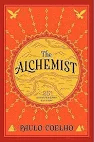
I’ve read plenty of business books, but the one cultural book that still punches me in the gut with relevance is “The Alchemist” by Paulo Coelho. Not because of its popularity, but because it reframes personal ambition as a universal language. The real gem is how it celebrates cultural exploration through simplicity. A shepherd chasing treasure becomes a metaphor for the pursuit of meaning that transcends background, borders, and beliefs. It’s not flashy. It’s deeply human. And that quiet humility is what makes it so powerful in reflecting global connection.
What makes it stick with me is that it doesn’t try to dazzle with complexity or wave flags of ideology. It teaches through parable, through listening, and through missteps. It reminds us that culture isn’t just history or heritage—it’s the stories we tell ourselves to move forward. It shaped how I lead. I run teams spread across time zones, across languages, and across beliefs. That book reminded me that common ground is always there if you listen long enough.
Patrick Beltran, Marketing Director, Ardoz Digital
Caribbean Identity Explored in Lamming’s Literary Masterpiece
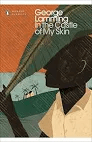
As a first-generation American with roots in Guyana, I often think about how powerful it is when stories come from voices that feel close to home. One book that stands out to me for its celebration of heritage and societal truth is “In the Castle of My Skin” by George Lamming.
Though Lamming was Barbadian by birth, his work resonates deeply with the wider Caribbean experience, including Guyana. The themes of post-colonial identity, growing up under British rule, and the slow awakening of self and society feel familiar to anyone raised on the stories, rhythms, and ruptures of Caribbean life. His words carry this quiet power of reflection brought by displacement, and this rich cultural memory.
For me, this book took on even more meaning as I reflected on my own family’s journey, witnessing their integration into American life while listening to stories of their time in Guyana. There was always this duality: the pride of where they came from, and the quiet ache of what had been left behind. Lamming’s portrayal of a community in transition mirrored the emotional undercurrent I saw in my own relatives—the strength it took to adapt. Theirs was a complexity of holding two cultures at once, and the strength passed down in every small detail, from storytelling to food to faith.
Doreen Nunez, Founder & Creative Director, Mommy Rheum
Henrietta Lacks: Ethical Dilemmas in Medical Progress

One book that stands out to me for its celebration of heritage, diversity, and societal progress is “The Immortal Life of Henrietta Lacks” by Rebecca Skloot. This book highlights the story of Henrietta Lacks, whose cells revolutionized medical research without her knowledge or consent. It serves as a powerful reminder of how history, race, and ethics intersect, particularly in the context of scientific progress. In my experience working in wellness and healthcare, it reinforces the importance of respecting individuals’ rights while also celebrating the immense impact that diverse stories and backgrounds can have on society and progress.
Dr. Chad Walding, Chief Culture Officer and Co-Founder, NativePath
The Namesake: Navigating Cultural Identity Across Generations
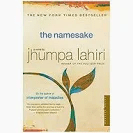
One book that stands out to me is “The Namesake” by Jhumpa Lahiri. It beautifully explores identity, migration, and the tension between honoring one’s roots and finding one’s place in a new culture. It’s subtle but powerful, showing how heritage shapes us even when we try to escape or redefine it.
What I love most is how it doesn’t romanticize or simplify the immigrant experience. It’s layered, messy, and deeply human. The story follows a Bengali family in the US, and through generations, you see how culture evolves and gets passed down in unexpected ways.
It celebrates diversity not through big declarations, but through the quiet moments of belonging, conflict, and growth. It made me reflect on my heritage more deeply, and that’s why it still resonates with me.
Georgi Petrov, CMO, Entrepreneur, and Content Creator, AIG MARKETER
Sapiens: Unraveling Human Culture Through Time

I think one of the most powerful cultural books I’ve ever read is “Sapiens: A Brief History of Humankind” by Yuval Noah Harari.
While it’s not a typical cultural book in the traditional sense, for me, it stands out because it doesn’t just celebrate one heritage—it dives deep into how human culture evolved across time, continents, and belief systems.
I was genuinely blown away by how it connected everything—from ancient tribes to modern capitalism, from religious traditions to tech revolutions.
What really struck me was how Harari explains that many things we see as permanent—like nations, money, or human rights—are built on shared beliefs.
That idea completely changed how I view culture. I think it helps us appreciate diversity more because it shows how adaptable and creative humans are.
I always recommend it to anyone who wants to understand where we’ve come from and where we might be going. It celebrates progress, questions norms, and opens your mind in the best way.
Anatolii Ulitovskyi, Founder, Unmiss
Things Fall Apart: Nuanced Portrait of Changing Society

I’ve come to appreciate how lighting, like a good book, can illuminate our understanding and appreciation of culture. When considering the world’s best cultural book in celebrating heritage, diversity, or societal progress, one immediately springs to mind: “Things Fall Apart” by Chinua Achebe.
Achebe’s masterpiece intricately presents pre-colonial Igbo society, its traditions, and its values. What makes it exceptional is its ability to offer a nuanced view of a culture on the brink of change. Rather than glorifying or demonizing either the traditional ways or the encroaching colonial influence, Achebe paints a portrait of a society wrestling with its identity.
This book champions diversity by showcasing the complexity and richness of a culture often misrepresented. It examines societal progress by inviting readers to reflect on the consequences of cultural disruption and the importance of preserving heritage in the face of change.
“Things Fall Apart” is more than just a story. It’s a cultural artifact that encourages empathy, understanding, and a deeper respect for the diverse tapestry of human experience. Its impact remains profound, reminding us of the power of literature to bridge divides and foster a more inclusive world.
Matt Little, Owner & Managing Director, Festoon House
Pachinko: Quiet Resilience Across Generations
The most powerful cultural books don’t preach—they invite you into lives you might never live, and by the end, you carry those lives with you. They make identity, history, and struggle feel deeply human—not abstract.
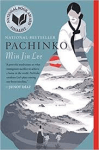
For me, that book is “Pachinko” by Min Jin Lee. It follows four generations of a Korean family living in Japan, navigating identity, discrimination, and belonging. I read it during a week when I felt disconnected from my own heritage, and it hit differently. The quiet resilience of the characters, especially the women, stayed with me. Their survival wasn’t loud—it was steady. That emotional undercurrent still shapes how I think about legacy and strength. The takeaway? True progress is felt in stories that linger—not because they shout, but because they whisper truth.
Alexei Schaller, Founder & CEO, Bloom
Bible: Unifying Diverse Voices in Human Story

The Bible stands out to me as the world’s most profound cultural book for its celebration of heritage, diversity, and the long arc of societal progress. Spanning thousands of years, dozens of authors, and multiple continents, it brings together voices from different classes, cultures, and life experiences to tell a unified story about humanity’s search for meaning, justice, and reconciliation.
What’s remarkable is how deeply it honors cultural identity while pointing toward unity. From the tribal histories of Israel to the diverse early Christian communities scattered across the Roman Empire, the Bible weaves together stories that reflect real-world complexity. It doesn’t erase difference—it highlights it, showing how people of different languages, customs, and generations contribute to a larger story of faith and redemption.
The Bible also radically reshaped ideas of human dignity and social responsibility. Its calls to care for the stranger, the orphan, and the oppressed were revolutionary in their time and still challenge societal norms today. Across the centuries, its teachings have fueled movements for justice, abolition, civil rights, and humanitarian work around the world.
In a divided world, the Bible offers both a deep respect for heritage and a bold vision for unity rooted in compassion, humility, and grace. Its cultural power lies not just in what it preserves, but in how it transforms.
Joe Benson, Cofounder, Eversite
The Inconvenient Indian: Reframing Indigenous Cultural Narratives

“The Inconvenient Indian” by Thomas King is a powerful read when it comes to celebrating heritage, especially in terms of Indigenous cultures. King blends history and humor to explore the colonial past and its ongoing impact on Native Americans. The book provides profound insights into how cultural heritage and societal progress intersect, making it an essential read for anyone wanting to understand the diversity of perspectives that shape the modern world. It brings a critical understanding of how heritage shapes both legal systems and societal norms.
Marcus Denning, Principal & Senior Lawyer, MK Law
The Warmth of Other Suns: Migration Reshaping America

When I think about a book that truly stands out in celebrating heritage, diversity, and societal progress, “The Warmth of Other Suns” by Isabel Wilkerson comes to mind. It traces the Great Migration of African Americans from the rural South to the urban North and West, giving voice to those whose stories often go untold. What makes this book unique is its personal and historical depth—Wilkerson doesn’t just focus on the broad social and political forces at play. She zooms in on individuals, capturing their personal journeys and struggles. It’s not just about migration; it’s about redefining what home means and exploring the long-lasting impact of that migration on American society.
What’s remarkable about “The Warmth of Other Suns” is how it celebrates cultural identity while showing how far we’ve come—and how much further we still have to go. The way Wilkerson weaves in these personal stories makes the book not only a historical account but also a deep reflection on how heritage and societal shifts intersect. It’s a powerful reminder of the resilience of the human spirit, and how that resilience helps shape the future. It’s a beautiful example of how literature can celebrate both the challenges and triumphs of diverse communities, making it a book that truly honors progress.
Roy L. Kaufmann, President, Attorney & Civil Litigator, Servicemembers Civil Relief Act Centralized Verification Service
Alexie’s Fistfight: Modern Native American Life Unveiled

“The Lone Ranger and Tonto Fistfight in Heaven” by Sherman Alexie is my pick for a groundbreaking cultural book. Alexie uses humor and wit to paint a vivid picture of contemporary Native American life, focusing on issues of identity, community, and survival. What stands out is how he tackles tough topics, such as alcoholism, systemic racism, and displacement, while maintaining an engaging, accessible narrative. The storytelling in this book bridges the gap between heritage and modern societal challenges, making it a powerful tool for understanding the diverse cultural landscapes we live in today.
Bennett Barrier, Chief Executive Officer, DFW Turf Solutions
Braiding Sweetgrass: Merging Science with Indigenous Wisdom
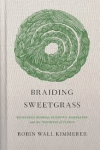
“Braiding Sweetgrass” by Robin Wall Kimmerer stands as the book that transformed my perspective entirely. Robin Wall Kimmerer combines her scientific expertise with Indigenous knowledge from the Citizen Potawatomi Nation to reveal a missing element in my health and environmental approach. While attending a nutrition retreat, I deeply connected with “Braiding Sweetgrass” by Robin Wall Kimmerer and highlighted entire sections that discussed reciprocity and respect for nature.
Cultural traditions demonstrate their potential to enhance modern knowledge instead of conflicting with it. Her gentle yet firm voice convinces you that reconnecting with the land represents cultural healing. The key takeaway? Heritage and progress aren’t opposites. Together, they produce knowledge which is both profound and nourishing in nature.
Renato Fernandes, Clinical Nutritionist, Saude Pulso
The Book of Tea: Culture in Everyday Rituals
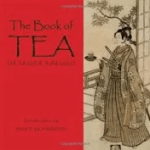
One book that continues to resonate with me is “The Book of Tea” by Kakuzo Okakura. While it may appear small and poetic, it is quietly radical in its presentation of culture. Okakura masterfully weaves aesthetics, philosophy, and ritual into a single practice—tea—revealing how deep heritage can live in everyday gestures. I first read it while designing a product collection rooted in tradition, and it transformed my understanding of simplicity and beauty as forms of resistance and pride.
The book doesn’t merely describe Japanese heritage; it invites the reader into a slower, more intentional mindset that respects craftsmanship and imperfection. The key takeaway? Culture isn’t always loud. Sometimes, it’s the quiet rituals that carry the most meaning, and honoring them is a powerful way to celebrate diversity.
Danilo Miranda, Managing Director, Presenteverso
The Book of Negroes: Journey Through Identity

“The Book of Negroes” by Lawrence Hill stands out to me as a powerful celebration of heritage and societal progress. It is a compelling, multi-generational narrative that follows the journey of an African woman from slavery to freedom, as she navigates different cultures and identities along the way. This novel does more than just tell a story; it serves as an educational journey through history, shedding light on the complexities of race, identity, and heritage in a way that resonates even today. The way it weaves personal stories into broader societal themes makes it a timeless exploration of progress and change.
Reilly James Renwick, Chief Marketing Officer, Pragmatic Mortgage Lending
The God of Small Things: Kerala’s Social Tapestry
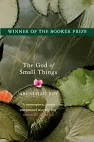
In “The God of Small Things,” Arundhati Roy delivers a significant cultural piece that preserves historical facts and social advancement while showcasing diverse elements, so I find deep pleasure in reading it. Throughout the novel, the author integrates various social traditions with caste rules and familial relationships in the culturally vibrant region of Kerala, India. From a childlike perspective, the moving account of societal pressures on personal life that Roy presents becomes deeply meaningful.
The story demonstrates how deeply embedded beliefs, together with past events, constrain human freedom throughout people’s lives. In my role of building consumer-business relationships, I recognize that stories demonstrate cultural differences, which create better understanding between people. Roy explores social problems in society through her unrestrained writing style, which presents both advantageous and unfavorable historical elements.
Spencer Romenco, Chief Growth Strategist, Growth Spurt
Have Your Say
- Why do you think stories about heritage and progress matter today?
- What’s one cultural book that left a lasting impression on you?
- How do you discover books that reflect diverse perspectives?
Alignment with the UN SDGs
- Promotes inclusive education and cultural awareness (SDG 4)
- Encourages reduced inequalities through diverse voices (SDG 10)
- Supports peace, justice, and strong institutions via storytelling (SDG 16)
Note: The views and opinions expressed in the content provided on this page are those of the individual authors and do not necessarily reflect the official policy or position of any organizations mentioned. The information provided is for educational and informational purposes only and should not be interpreted as professional advice. Readers should consult with relevant experts or professionals for guidance specific to their circumstances. The examples used are for illustrative purposes and results may vary depending on various factors. Any external links provided are for convenience, and we do not endorse or take responsibility for the content, products, or services available through these links.
⭐⭐⭐⭐⭐
Related

Verses That Transform Leadership
What poem or line quietly changes how you face big decisions or challenges? Explore this expert roundup to see how literary insights guide real-life choices and personal resilience.
Written Works That Shaped Thinking
What single insight can quietly reshape how you approach challenges, relationships, or career decisions? Explore this expert roundup to see how reflective reading can transform everyday thinking and choices.

Exploring Narrative, Healing, and the Human Mind with Verlin Darrow
Ever wondered how surviving earthquakes, outrunning tornadoes, and dodging a gun shaped a mystery writer’s mind? Discover Verlin’s extraordinary life experiences and how they feed the thrilling stories on every page.
Continue reading Exploring Narrative, Healing, and the Human Mind with Verlin Darrow
Exploring Story, Place, and Imagination with Dust Kunkel
Ever wondered how a childhood across continents and rivers becomes the fuel for storytelling? Discover how Dust Kunkel’s life shaped his novel and worldview — read the full interview to explore it.
Continue reading Exploring Story, Place, and Imagination with Dust Kunkel
Something went wrong. Please refresh the page and/or try again.
Other Highlights

Looking for something?
Type in your keyword(s) below and click the “Search” button.
Helpful Shortcuts
More Stories
























Print and Digital Magazine
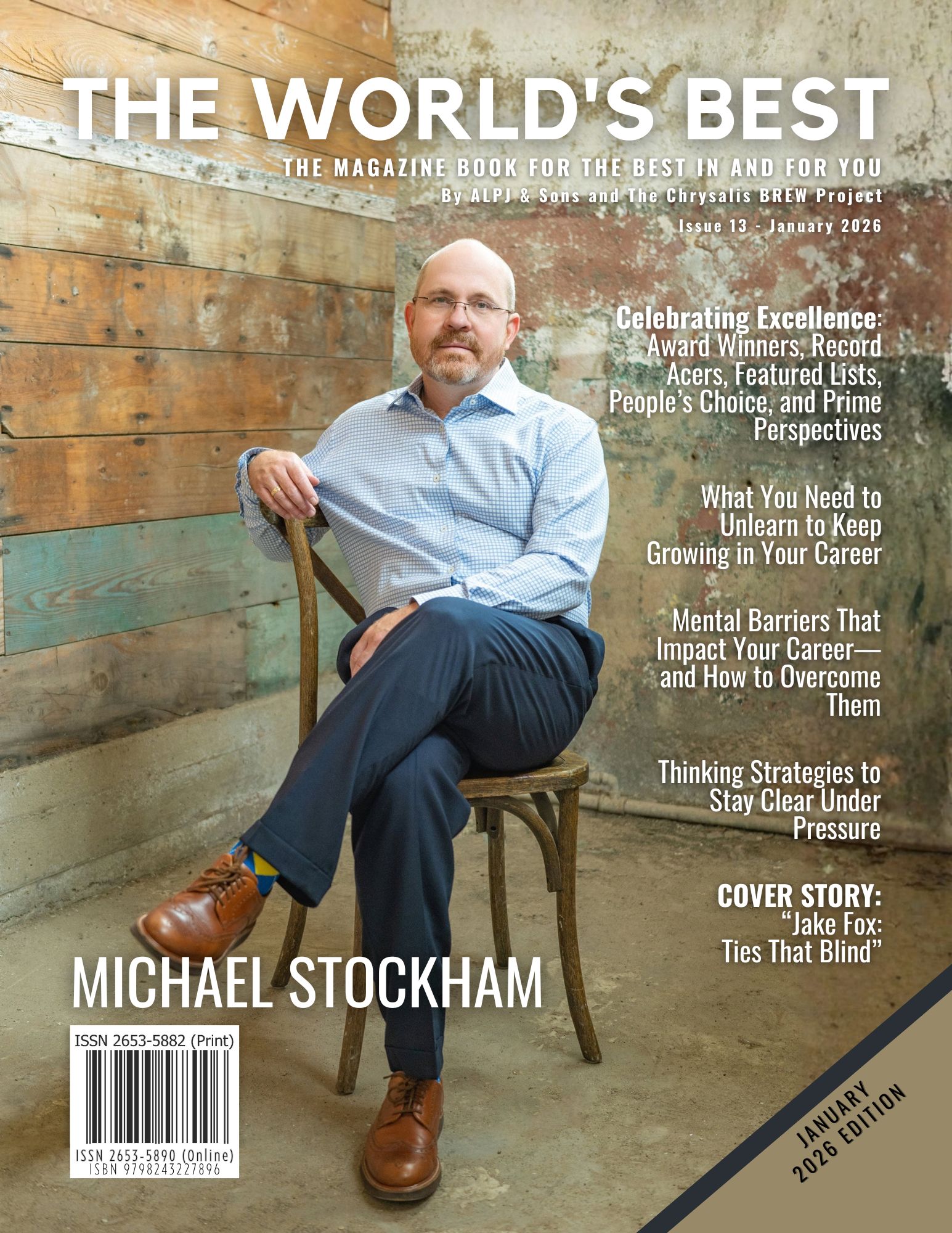
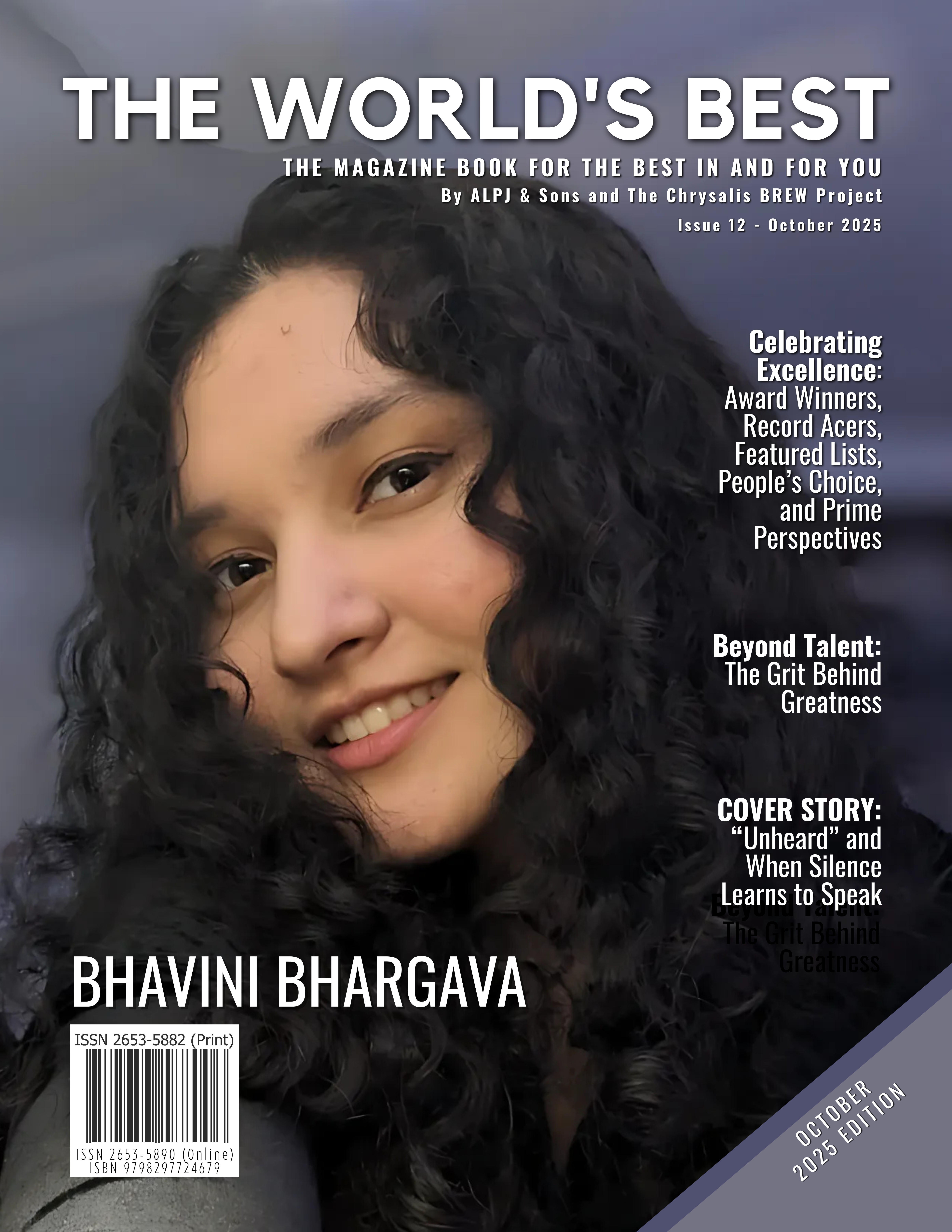
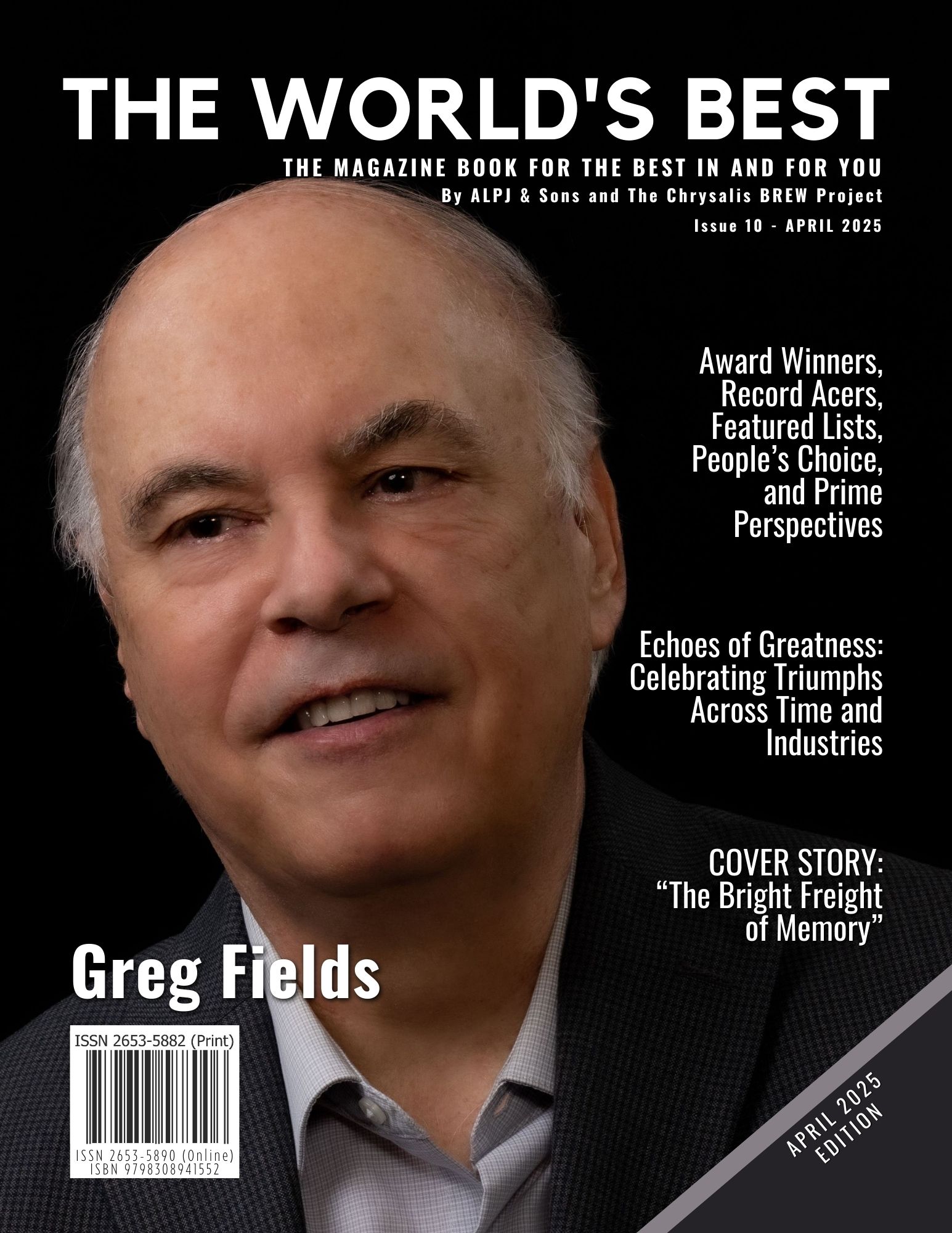
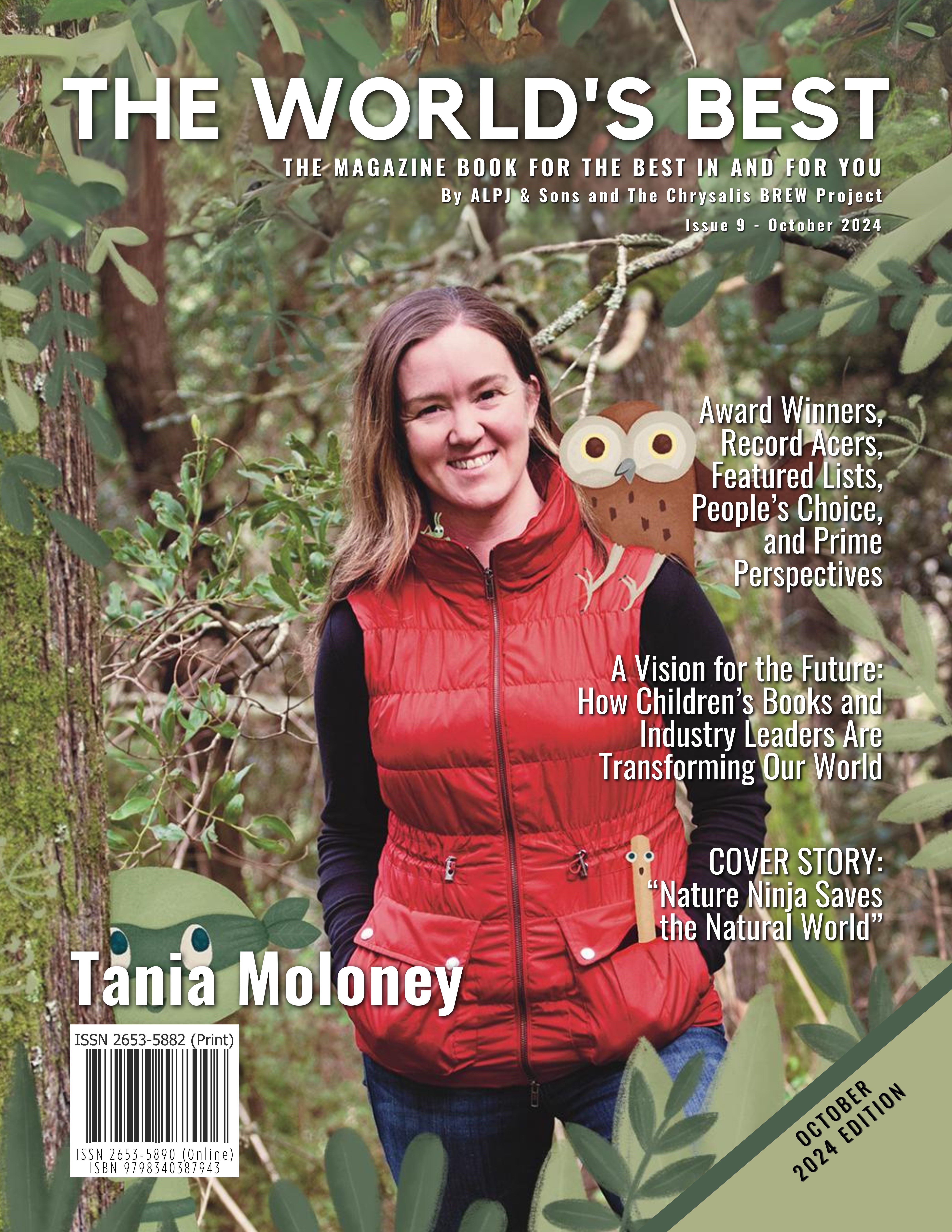
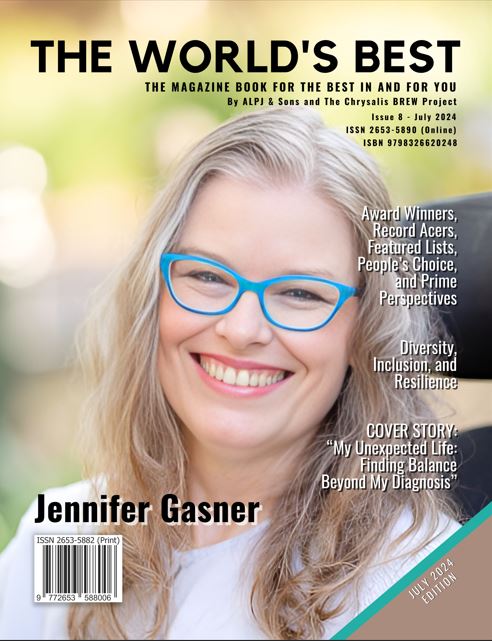
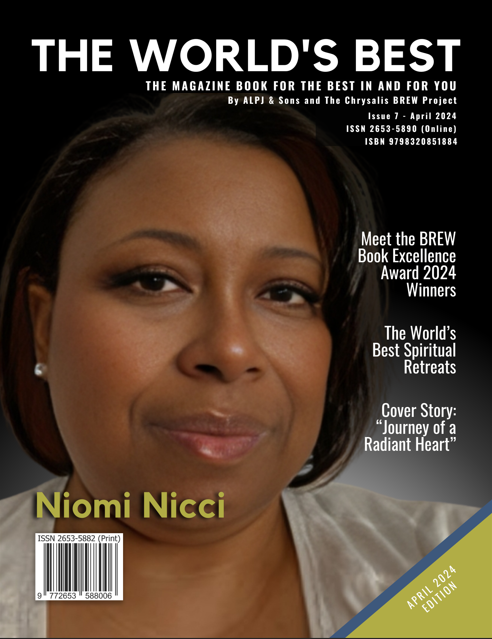
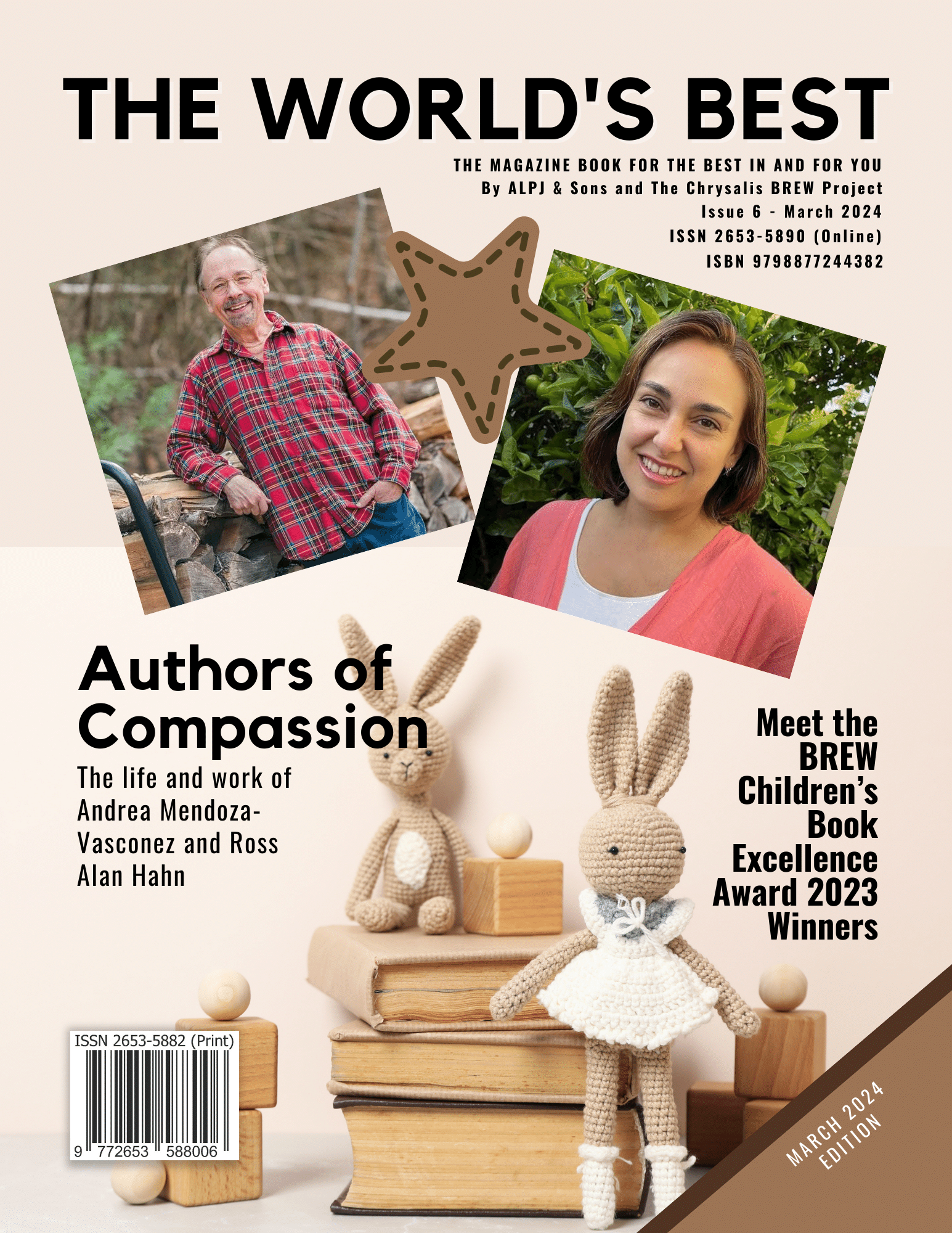
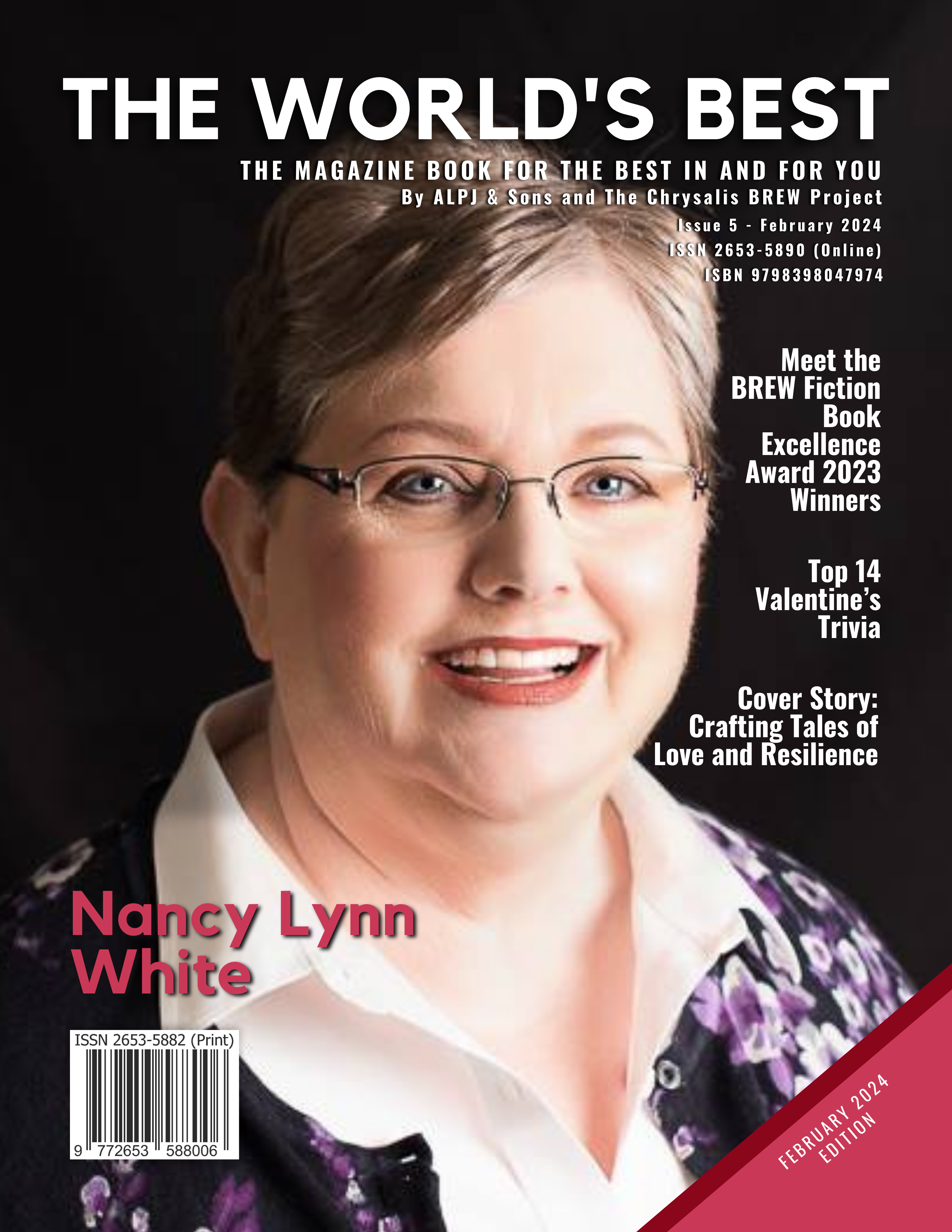


Don’t just read about greatness. Own it!

About Us
The World’s Best Magazine is a print and online publication that highlights the extraordinary. It is your passport to a universe where brilliance knows no bounds. Celebrating outstanding achievements in various fields and industries, we curate and showcase the exceptional, groundbreaking, and culturally significant. Our premier laurels, The World’s Best Awards, commend excellence through a unique process involving subject matter experts and a worldwide audience vote. Explore with us the pinnacle of human achievement and its intersection with diversity, innovation, creativity, and sustainability.
We recognise and honour the Traditional Owners of the land upon which our main office is situated. We extend our deepest respects to Elders past, present, and emerging. We celebrate the stories, culture, and traditions of Aboriginal and Torres Strait Islander Elders from all communities who also reside and work on this land.
Disclaimer: The World’s Best does not provide any form of professional advice. All views and opinions expressed in each post are the contributor’s own. Whereas we implement editorial policies and aim for content accuracy, the details shared on our platforms are intended for informational purposes only. We recommend evaluating each third-party link or site independently, as we cannot be held responsible for any results from their use. In all cases and with no exceptions, you are expected to conduct your own research and seek professional assistance as necessary prior to making any financial, medical, personal, business, or life-changing decisions arising from any content published on this site. All brands and trademarks mentioned belong to their respective owners. Your continued use of our site means you agree with all of these and our other site policies, terms, and conditions. For more details, please refer to the links below.
About | Advertise | Awards | Blogs | Contact | Disclaimer | Submissions | Subscribe | Privacy | Publications | Terms | Winners
The World’s Best: A Magazine That’s All About What’s Great | theworldsbestmagazine.com | Copyright ⓒ 2022-2026
Let’s connect
Discover more from The World's Best
Subscribe to get the latest posts sent to your email.

 The World's Best