
Throughout history, storytelling has been an essential tool for preserving culture, resilience, and identity. From ancient oral traditions to modern digital platforms, stories shape how we understand ourselves and the world around us. They bridge generations, passing down lessons of survival, grit, and reinvention. Research shows that intergenerational storytelling fosters a sense of belonging and continuity, helping individuals navigate the complexities of life. As the pace of change accelerates, the value of these stories becomes even more crucial, reminding us that while the world may change, our core values and identities remain deeply rooted in the past.
Preserve Culture and Resilience Through Storytelling
We don’t always have control over the circumstances we’re born into or the hardships we face, but we do have control over how we respond to them. Often, the stories we inherit—whether spoken or unspoken—shape that response.
Intergenerational storytelling is how we preserve not just culture, but resilience. The stories passed down through generations help us make sense of our place in the world and show us what is possible.
In my life, I grew up in an environment marked by instability, neglect, and trauma—circumstances that could have dictated my future. But the stories of survival, grit, and reinvention I inherited, even indirectly, helped me rewrite my narrative. I didn’t just endure those challenges; I used them as fuel for transformation, continually choosing growth over stagnation.
One powerful example of this comes from a woman who attended one of our storytelling events. She had spent years in a career that didn’t fulfill her, feeling stuck in a role that wasn’t aligned with who she truly was. But hearing the stories of others—including my own pivot from management to storytelling and coaching—gave her permission to imagine a different path. She left her job at a doggy daycare and stepped into a lifelong dream of becoming a florist.
This is the power of storytelling. It bridges generations and reminds us that we are not bound by the past—the stories we choose to believe shape us. My goal in sharing my story is to ensure that future generations know their beginnings do not limit them. They can rewrite the script.
By embracing both the light and dark parts of our stories, we empower ourselves—and those who come after us—to not just survive, but to thrive.

Danielle Dahl, Co-Founder, Resilient Stories
Stories Pass On Survival Skills and Values
Intergenerational storytelling is not merely about holding on to the past—it’s about what makes us, us in a world that goes too fast to recall. In our current digital culture, where trends supplant traditions overnight, personal identity tends to be influenced by ephemeral online moments rather than rooted history.
But the thing is, traditions can be reclaimed–but lost stories are forever lost.
I experienced this directly with my grandmother. She grew up in an era and place that no longer exists, a tiny village where people lived by the rhythms of the seasons, not by notifications from smartphones. She shared with me a story about how, when she was a youngster, she once walked several miles with a single loaf of bread to barter for medicine—a trip which, in today’s world, would be taken in ten minutes by car.
At first, I thought of it as just another “back in my day” tale. But the more I considered it, the more I realized that story contained more than just history—it contained values. It wasn’t merely about adversity; it was about camaraderie, responsibility, and grit. It made me consider my own daily hardships differently, knowing that the generations who came before me had endured greater challenges with fewer tools—and still persevered.
That’s the magic of intergenerational storytelling. It doesn’t only preserve culture—it passes on survival skills. It shows us how our people coped, how they survived turbulent times, and how their attitude influenced the world we live in today. During a time of shifting sands, when humans feel more and more disconnected from their heritage, these stories serve as a compass, giving us direction about where we came from—and why that still holds significance.
We won’t lose our heritage because we’ve stopped doing traditions—we’ll lose it when we forget to share the stories that come with them.
So simply ask the elder in your life a simple question: “What’s something from your past that no one mentions anymore?” You might be surprised by what you discover—and by how much of yourself you discover there.

Derek Pankaew, CEO & Founder, Listening.com
Blueprints Shaping Identity and Belonging
Stories passed down through generations are not memories frozen in time. They are living, breathing blueprints shaping who we are and where we belong. They ground us in something bigger, something older than the fleeting noise of modern life. My grandfather used to tell me about our family’s early days in business, not as history lessons, but as conversations over tea, full of laughter, struggle, and wisdom. Those stories molded my work ethic and the way I view perseverance. In a world racing toward the digital future, intergenerational storytelling is a tether to identity, reminding us that we are not navigating life alone. This is not nostalgia. It is continuity, the echo of voices past guiding the next step forward.

Hugh Dixon, Marketing Manager, PSS International Removals
Language Preservation Through Storytelling
Intergenerational storytelling is the thread that connects personal identity to cultural heritage. Growing up, my grandmother would tell stories about our ancestors—where they came from, the struggles they overcame, and the values they lived by. At the time, they felt like bedtime tales, but as I got older, I realized they shaped how I saw myself, my roots, and my responsibilities.
One of the most profound ways storytelling influences identity is through language preservation. I once met a Maori elder who explained how their oral traditions, known as whakapapa, were at risk as younger generations moved away from their native language. To combat this, their community embraced AI-powered language tools, allowing youth to learn endangered dialects interactively. Seeing a teenager use an app to understand words their great-grandparents spoke was a powerful reminder that technology can bridge generational gaps rather than widen them.
The lesson? Stories are more than memories—they are survival tools for culture. If you want to keep your own cultural heritage alive, start by recording family stories, learning traditional languages, or passing down customs in a way that resonates with younger generations. Whether through oral traditions, digital preservation, or personal storytelling, keeping history alive ensures that identity isn’t just remembered—it’s lived.

Ahmed Yousuf, Financial Author & SEO Expert Manager, CoinTime
Connecting Identity to Cultural Heritage
Intergenerational storytelling is one of the strongest ways we connect with who we are, where we’ve come from, and what we carry forward. It’s more than just passing down stories—it’s about preserving values, shaping identity, and keeping culture alive in a world that’s constantly evolving. In a time where technology moves faster than tradition, these stories serve as anchors, reminding us of the depth and meaning behind our experiences.
A great example is the way indigenous communities use oral storytelling to pass down history, knowledge, and customs. In many Native American cultures, elders share stories that aren’t just about the past—they offer guidance on how to live today. These narratives help younger generations navigate the modern world while staying rooted in their heritage. It’s the same reason family stories resonate so much—whether it’s a grandparent’s war stories or the tale of how a family business started, they shape how we see ourselves and what we aspire to.
In a world obsessed with the next big thing, intergenerational storytelling reminds us that some things are timeless.

Jm Littman, CEO, Webheads
Storytelling Grounds Identity Amid Rapid Change
While I’m in a different industry, I have noticed how storytelling plays an important role in shaping personal identity and preserving culture, especially as we face rapid changes in the world.
Intergenerational storytelling is powerful because it connects younger generations to their history, values, and cultural roots. It allows families and communities to pass down wisdom, traditions, and experiences that might otherwise be forgotten. This storytelling creates a shared sense of identity, grounding people in their past while helping them navigate the future.
For example, my own family shares stories of our immigrant ancestors and their experiences in building a life in a new country. These stories have helped me understand the challenges they faced, and it’s something I’ve carried with me into my own business. These personal stories are more than just memories—they form part of my identity and influence how I run my business. I’ve seen similar stories impact my employees and their connection to our mission. One employee, for example, mentioned how hearing about the struggles and successes of past generations in her family helped her stay focused and resilient during challenging times at work.
When people hear these stories, they feel a greater connection to their heritage and their own place within the world. This type of storytelling can also help preserve cultural practices and encourage a sense of belonging. It’s a reminder that while the world may change rapidly, the core of who we are and where we come from remains steady.

Jason Rowe, Founder & Electrician, Hello Electrical
Stories Keep Traditions and Rituals Alive
Intergenerational storytelling keeps rituals and traditions alive in a way that books and documentaries never can. These stories carry the emotions, experiences, and personal connections that keep cultural traditions relevant instead of distant history. When older generations share stories about how things were done in their time, younger generations not only learn the steps of a ritual but understand why it matters. Without these stories being told, traditions start to lose meaning and eventually disappear.
The best example of intergenerational storytelling preserving rituals and traditions is the way families in Greece pass down the tradition of Easter celebrations. Greek Easter brings generations together to prepare food, dye eggs red, and roast lamb over an open fire. If you ask an older Greek why the eggs are red, they will tell you it represents the blood of Christ. But the meaning goes beyond the explanation. The stories shared during these moments keep the tradition alive. Elders talk about how their parents and grandparents did it, how the entire village would gather, and how children used to compete to see whose egg would crack first in the tsougrisma game.

Matt Little, Owner & Managing Director, Festoon House
Holocaust Survivor Stories Instill Resilience
In my part of the world, the easiest example to reach for is the Jewish tradition of passing down Holocaust survivor stories to younger generations. There are many international organizations focused on connecting past and present generations, especially ones like the USC Shoah Foundation that record survivor testimonies, ensuring that history is preserved even as the firsthand witnesses grow older. These stories instill resilience, empathy, and historical awareness, reminding younger generations of their heritage while fostering a deeper understanding of social responsibility.

Kate Kandefer, CEO, SEOwind
Haida Stories Reconnect Younger Generations
Well, in Canada, for instance, the Haida people have long preserved their history through narratives, songs, and totem pole carvings. These stories not only strengthen individual and collective identity but also help younger generations reconnect with their heritage, even as globalization and technology reshape modern life.
But to bottom-line it, age and maturity are the two leading factors. Culture, at its earliest definition, is simply human expression. And nobody in their 30s would say they are the same person they were in their 20s or teens. So how storytelling can influence one person versus another relies heavily on their age and sense of self. This is what I’ve learned through my 8 years of co-leading students in yoga teacher training programs who are not just learning how to become teachers of yoga, but they commit to the journey of discovering who they are.
What I’m pointing to is that intergenerational storytelling can be more impactful on a younger person than someone who has grown older and feels more rooted in who they are as a person. Personal identity is, of course, one of the most difficult things to work through during high school or any teen years. Then in the mid-20s, we often find another life-changing event or moment of clarity that can have us feeling insecure, vulnerable, or even excited about the stories of previous generations.
This depends highly on the individual’s emotional and intellectual maturity.

Andrew Fredericks, Yoga Teacher Trainer, Karma Teachers
Have Your Say
- In what ways can storytelling help preserve culture in today’s world?
- How has storytelling shaped your personal identity?
- What’s a story from your past that influenced your life?
Alignment with the UN SDGs
- SDG 4 (Quality Education): Promotes knowledge sharing through storytelling.
- SDG 10 (Reduced Inequalities): Highlights diverse cultural experiences and values.
- SDG 16 (Peace, Justice, and Strong Institutions): Fosters resilience and understanding through storytelling.
Note: The views and opinions expressed in the content provided on this page are those of the individual authors and do not necessarily reflect the official policy or position of any organizations mentioned. The information provided is for educational and informational purposes only and should not be interpreted as professional advice. Readers should consult with relevant experts or professionals for guidance specific to their circumstances. The examples used are for illustrative purposes and results may vary depending on various factors. Any external links provided are for convenience, and we do not endorse or take responsibility for the content, products, or services available through these links.
⭐⭐⭐⭐⭐
Related

Verses That Transform Leadership
What poem or line quietly changes how you face big decisions or challenges? Explore this expert roundup to see how literary insights guide real-life choices and personal resilience.

Written Works That Shaped Thinking
What single insight can quietly reshape how you approach challenges, relationships, or career decisions? Explore this expert roundup to see how reflective reading can transform everyday thinking and choices.

Exploring Narrative, Healing, and the Human Mind with Verlin Darrow
Ever wondered how surviving earthquakes, outrunning tornadoes, and dodging a gun shaped a mystery writer’s mind? Discover Verlin’s extraordinary life experiences and how they feed the thrilling stories on every page.
Continue reading Exploring Narrative, Healing, and the Human Mind with Verlin Darrow

Exploring Story, Place, and Imagination with Dust Kunkel
Ever wondered how a childhood across continents and rivers becomes the fuel for storytelling? Discover how Dust Kunkel’s life shaped his novel and worldview — read the full interview to explore it.
Continue reading Exploring Story, Place, and Imagination with Dust Kunkel
Something went wrong. Please refresh the page and/or try again.
Other Highlights

Looking for something?
Type in your keyword(s) below and click the “Search” button.
Helpful Shortcuts
More Stories




















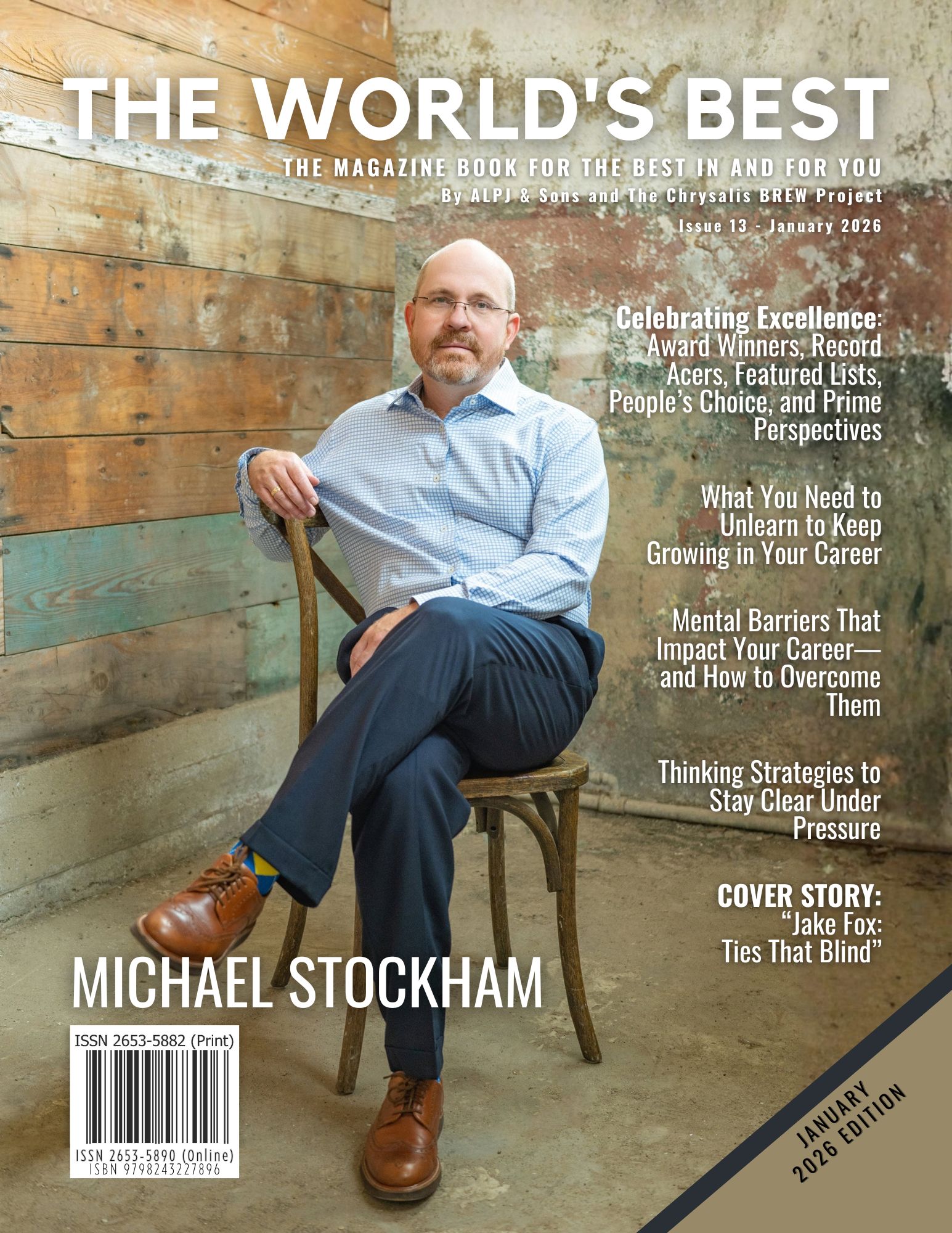
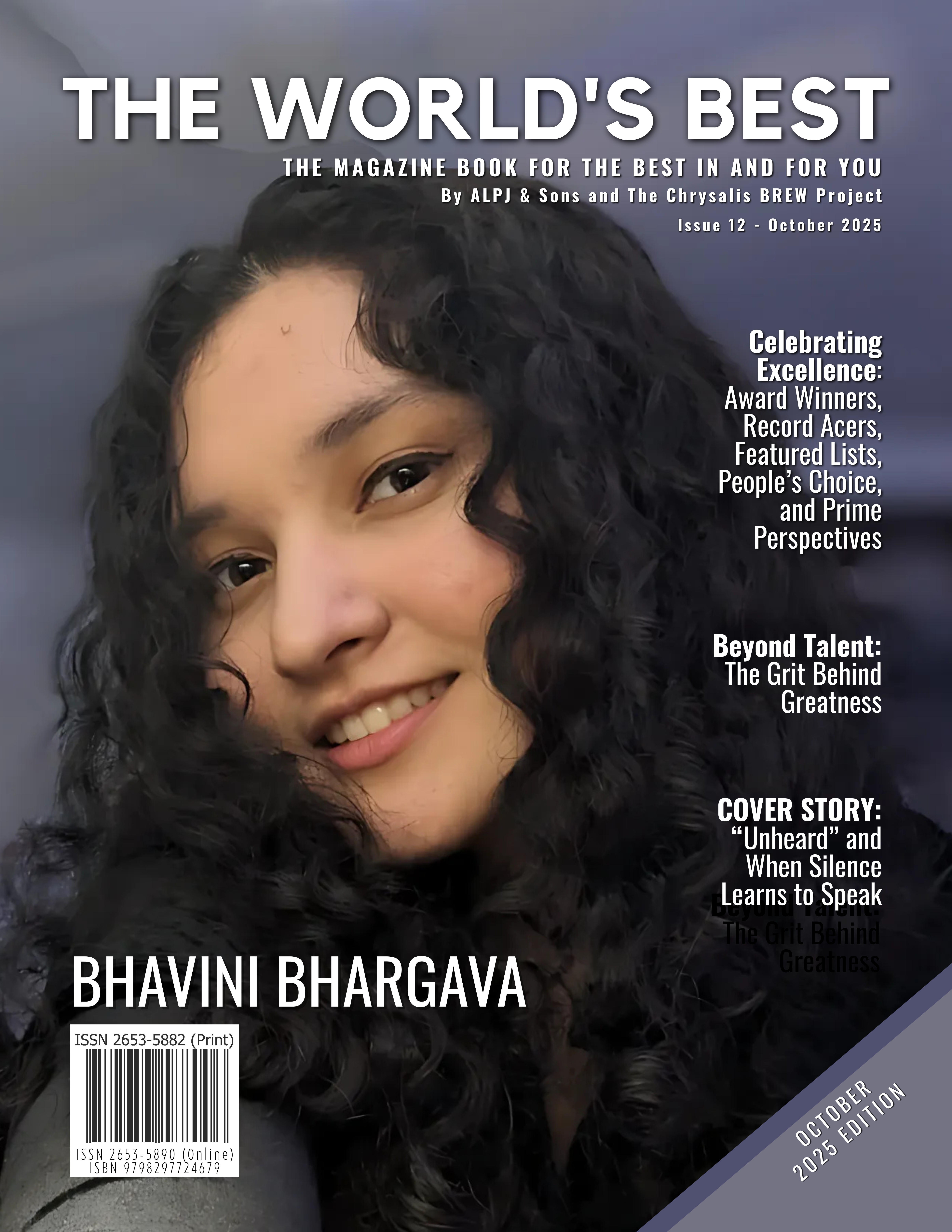
Print and Digital Magazine

Don’t just read about greatness. Own it!

About Us
The World’s Best Magazine is a print and online publication that highlights the extraordinary. It is your passport to a universe where brilliance knows no bounds. Celebrating outstanding achievements in various fields and industries, we curate and showcase the exceptional, groundbreaking, and culturally significant. Our premier laurels, The World’s Best Awards, commend excellence through a unique process involving subject matter experts and a worldwide audience vote. Explore with us the pinnacle of human achievement and its intersection with diversity, innovation, creativity, and sustainability.
We recognise and honour the Traditional Owners of the land upon which our main office is situated. We extend our deepest respects to Elders past, present, and emerging. We celebrate the stories, culture, and traditions of Aboriginal and Torres Strait Islander Elders from all communities who also reside and work on this land.
Disclaimer: The World’s Best does not provide any form of professional advice. All views and opinions expressed in each post are the contributor’s own. Whereas we implement editorial policies and aim for content accuracy, the details shared on our platforms are intended for informational purposes only. We recommend evaluating each third-party link or site independently, as we cannot be held responsible for any results from their use. In all cases and with no exceptions, you are expected to conduct your own research and seek professional assistance as necessary prior to making any financial, medical, personal, business, or life-changing decisions arising from any content published on this site. All brands and trademarks mentioned belong to their respective owners. Your continued use of our site means you agree with all of these and our other site policies, terms, and conditions. For more details, please refer to the links below.
About | Advertise | Awards | Blogs | Contact | Disclaimer | Submissions | Subscribe | Privacy | Publications | Terms | Winners
The World’s Best: A Magazine That’s All About What’s Great | theworldsbestmagazine.com | Copyright ⓒ 2022-2026
Let’s connect
Discover more from The World's Best
Subscribe to get the latest posts sent to your email.

 The World's Best