
Mozart, Shakespeare, and Einstein—what do they have in common? Mastery. Each spent years refining their craft, proving that excellence isn’t an accident but a symphony of dedication, creativity, and structured learning. Studies show that top performers engage in deliberate practice, pushing past comfort zones to achieve greatness. Just as a musician perfects a composition, a writer polishes prose, and a scientist refines theories, mastery unfolds through persistence and adaptation. But what can we learn from these disciplines? In this expert roundup, we explore the rhythms of success and the lessons music, literature, and science offer in the pursuit of mastery.
Structured Iteration Enhances Professional Growth
The principle I’ve found most essential across disciplines is what I call “structured iteration”—deliberate practice within constraints that gradually expands boundaries.
In financial operations, our most successful professionals don’t just accumulate experience; they systematically revisit fundamentals while incrementally tackling more complex challenges. This mirrors how musicians practice scales daily while gradually attempting more difficult pieces, or how scientists run controlled experiments before developing broader theories.
We implemented this by creating a skills matrix where team members regularly return to core accounting principles while taking on increasingly complex client situations. Those who follow this structured approach consistently outperform peers who simply accumulate years of experience without deliberate skill-building.
My advice: Build regular returns to fundamentals into your work rhythm. The most sustainable growth comes not from constant forward motion but from spiraling upward—repeatedly circling back to basics while climbing to new heights.
I’ve observed that mastery in any field requires both the humility to revisit foundations and the courage to stretch beyond current capabilities.

John Frazier, CEO, indinero
Deliberate Practice Drives Long-Term Success
One fundamental principle that drives long-term success across any discipline—whether it’s music, literature, science, or business—is deliberate practice. It’s not just about putting in the hours; it’s about pushing yourself outside of your comfort zone, analyzing your weaknesses, and refining your craft with intention.
When I founded my company, I quickly realized that mastery in digital marketing wasn’t just about staying on top of trends—it required testing, failing, and iterating with purpose. Just like a musician hones a difficult passage or a scientist refines an experiment, we had to consistently challenge our strategies, measure the outcomes, and refine our approach.
Early on, we struggled to scale a content strategy for a client in a highly competitive industry. Instead of just churning out more content, we studied what worked, what didn’t, and why—analyzing engagement data, revising our SEO tactics, and testing new storytelling formats. It took months of fine-tuning, but when the breakthrough came—a 300% increase in organic traffic—it was because we practiced with purpose, not just repetition.
Whether you’re writing a novel, composing a symphony, conducting research, or building a business, success isn’t about talent alone—it’s about the willingness to refine, adapt, and persist with intention.

Max Shak, Founder/CEO, nerDigital
Commit to Continuous Learning and Adaptability
I believe continuous learning while staying adaptable is key to mastering any discipline, be it music, literature, or science. As a bariatric surgeon, my field is constantly evolving with new technologies and research findings. Just as a musician must refine their skills and adapt to new genres or an author must stay in tune with changing literary trends, I’ve found it important to prioritize ongoing learning to stay ahead.
Every patient teaches me something new, whether it’s about the nuances of their individual health journeys or the psychological aspects of weight loss. I’m also a regular participant in conferences, workshops, and peer collaborations in my efforts to keep pace with advancements, improving my technical skills as well as my understanding of patient care in pursuit of mastery.
I’ve seen multiple cases in my field when big names lost their credibility just because they insisted their methods were the best, refusing to broaden their perspectives or try out modern techniques. From my observation of pioneers in my field and from my own experience, a curious mindset and a willingness to adapt promotes growth and enables mastery, allowing us to push boundaries, innovate, and provide the best possible outcomes for those we serve. This principle transcends disciplines and serves as a reminder that the pursuit of knowledge is an endless journey, not a destination.

Dr. Hector Perez, Bariatric Surgeon, Renew Bariatrics
Balance Effort and Renewal for Mastery
Success in any field isn’t just about working hard—it’s about finding balance. From my experience in work-life balance and holistic health, I’ve seen that people who push themselves nonstop often burn out before they reach their full potential. Mastery takes time, and real growth happens when we take care of both our work and our well-being. Rest, reflection, and even small moments of joy keep us going and help us stay creative. If we only focus on doing more, we lose the energy and passion that make long-term success possible. The people who truly thrive are the ones who make space for both effort and renewal.
I believe taking care of ourselves is just as important as the work we do. Just like a musician needs pauses between notes to make a song beautiful, we need moments of rest to do our best work. A tired mind struggles to focus, and an exhausted body can’t keep up. When we listen to what we need—whether it’s a break, movement, or time with loved ones—we come back stronger. Mastery isn’t just about pushing forward; it’s about knowing when to slow down. The people who succeed for the long haul aren’t the ones who never stop—they’re the ones who understand that balance helps them keep going.

Aspen Noonan, CEO, Elevate Holistics
Iteration Over Perfection Leads to Success
One fundamental principle that ties music, literature, and science together—and is essential for long-term success in any discipline—is iteration over perfection.
In music, composers don’t sit down and craft a masterpiece in one take. Beethoven’s notebooks are filled with scratched-out ideas and rewrites. In literature, even the greatest authors go through endless drafts before their work is ready. And in science, breakthroughs don’t happen on the first experiment—each failure refines the process.
I apply this principle in business and life constantly. When launching my print-on-demand Etsy shop, I wasted time trying to make my first product “perfect.” The real growth happened when I focused on testing, learning, and refining—putting ideas out there and adjusting based on feedback.
Success isn’t about getting it right the first time—it’s about getting started, improving with every iteration, and staying adaptable. The willingness to refine, adjust, and evolve is what separates long-term mastery from fleeting talent.

Tansha Casarez, Founder & Lead Visionary, HER BALANCED WORLD
Iterative Mastery Through Disciplined Practice
One fundamental principle that transcends music, literature, and science, and even web design, is the commitment to iterative mastery through disciplined practice and continuous improvement.
In music, mastery is achieved by relentlessly practicing scales, refining techniques, and learning from each performance. Musicians understand that perfection isn’t a one-time accomplishment but a journey of countless rehearsals, corrections, and innovations. Similarly, literature demands that writers draft, revise, and reimagine their work over and over again until the narrative resonates on every level. Science, on its part, teaches that breakthroughs come from methodical experimentation and the willingness to learn from both failures and successes.
For a budding web designer, this same principle is invaluable. The digital landscape is ever-changing, and staying ahead means embracing an iterative process in your work. Each website project is like a musical composition: it starts with a rough draft, which then evolves through feedback, testing, and multiple rounds of refinement. Whether you’re learning a new coding language, mastering responsive design, or fine-tuning your site’s SEO, every project becomes an opportunity to hone your craft.
Drawing inspiration from literature, a web designer should aim to tell a story with every design. Just as a writer engages an audience through compelling narrative and structure, a website must guide visitors intuitively through its content, creating an experience that is both meaningful and memorable.
Likewise, the scientific method’s focus on hypothesis, experimentation, and analysis is directly applicable. Use data and user analytics to understand how visitors interact with your site. Then, experiment with different design elements, measure the outcomes, and refine your approach accordingly. This data-driven iteration not only improves usability but also reinforces the effectiveness of your design in meeting business goals.
In essence, the journey toward excellence in web design is a harmonious blend of discipline, creativity, and analytical rigor. Embracing iterative mastery means recognizing that each project is a step toward becoming a more skilled, innovative designer. Over time, this commitment to continuous improvement will empower you to create digital experiences that are as functional as they are beautiful, and as forward-thinking as they are enduring.

Joe Benson, Cofounder, Eversite
Discomfort Indicates Growth and Progress
Whether it’s learning an instrument, writing a book, or experimenting with new ideas, discomfort is unavoidable. The best musicians push through awkward practice sessions. Writers struggle with drafts that don’t work. Scientists face failure before reaching breakthroughs. The discomfort isn’t a sign of failure—it’s proof that growth is happening.
Most people quit when things feel difficult, but those who understand that struggle is part of mastery push through. Business owners who experiment with new strategies, creatives who embrace trial and error, and professionals who challenge themselves all share one thing: they don’t let short-term frustration stop them. If something feels uncomfortable, it’s often a sign that progress is just around the corner.

Shane McEvoy, MD, Flycast Media
Embrace Failure as a Path to Mastery
Mastery, whether in music, writing, or science, seems to hinge on talent, dedication, and maybe a bit of luck. But looking deeper, especially in the realm of science and technology, reveals a less glamorous but more fundamental principle: embracing failure.
We often picture scientific breakthroughs as “eureka!” moments. But the reality is far messier. Every successful experiment is built on a mountain of failed attempts, incorrect hypotheses, and unexpected results. Think of Thomas Edison’s thousands of attempts to create a light bulb. Each “failure” wasn’t a setback, but a crucial data point, refining his understanding and ultimately leading to success.
This principle translates directly to IT. We face complex challenges daily. System migrations can hit unexpected snags, cybersecurity defenses require constant adaptation, and new technologies demand creative problem-solving. If we viewed every roadblock as a defeat, we’d be paralyzed. Instead, we embrace the iterative process. We analyze what went wrong, adjust our approach, and try again. This “fail fast, learn faster” mentality allows us to deliver innovative solutions for our clients.
Think about your own work. Do you shy away from challenges for fear of failure? Or do you see them as opportunities to learn and grow? Embracing failure isn’t about celebrating mistakes, but about shifting your perspective. It’s about seeing setbacks not as endpoints, but as essential stepping stones on the path to mastery. It’s about cultivating resilience and the ability to adapt in a constantly evolving technological landscape. Because in the world of IT, just like in science, the most valuable lessons are often learned from what didn’t work. Embrace the process, learn from your mistakes, and watch your expertise grow.

Steve Fleurant, CEO, Clair Services
Precision in Details Ensures Mastery
Precision separates those who dabble from those who truly master a field. In music, a single note played off-rhythm shifts an entire composition. In science, a miscalculated variable throws off an entire experiment. Nutrition follows the same rule. Small imbalances—excess sugar, nutrient deficiencies, poor hydration—gradually impact energy, digestion, and long-term health.
I apply this mindset when guiding clients. A diet overhaul isn’t always necessary, but refining the details makes a massive difference. One client struggled with fatigue despite “eating healthy.” We tracked micronutrient intake and found low magnesium levels. A minor adjustment—incorporating more leafy greens and nuts—transformed his energy levels in weeks. Mastery isn’t about radical change; it’s about refining, recalibrating, and getting the details right every time.

Renato Fernandes, Clinical Nutritionist, Saude Pulso
Curiosity Fuels Lifelong Learning and Growth
Curiosity. It’s the spark that drives questions, fuels ideas, and keeps us learning. Whether creating music, writing stories, or exploring the universe, curiosity leads to breakthroughs. By staying curious, we never stop pushing boundaries and uncovering what’s possible.
It’s not just about asking questions but about maintaining an insatiable desire to understand, explore, and refine. For musicians, curiosity opens pathways to experiment with new sounds, breaking conventions to create something unique. Writers channel curiosity into their characters and worlds, weaving narratives that push the limits of human experience. Scientists, driven by curiosity, approach problems with fresh perspectives, uncovering truths that reshape our understanding of existence. This enduring principle ensures that we don’t become complacent; instead, it fosters resilience against failure and nurtures a lifelong pursuit of growth. With curiosity as our guide, we can continue to evolve and innovate in any discipline.

Kristie Tse, Psychotherapist | Mental Health Expert | Founder, Uncover Mental Health Counseling
Patience Builds Sustainable Growth and Mastery
Patience is the foundation for sustainable growth and true mastery. Anything genuinely worth achieving always takes time and steady effort. There’s often pressure to chase quick wins or measure yourself against others’ timelines, but real progress usually happens slowly and quietly. Having the ability to calmly commit to daily practice without immediate reward creates a depth of skill and understanding that shortcuts simply can’t provide.
Learning to appreciate small wins and gradual improvements helps you stay grounded and avoid frustration when you inevitably face plateaus or setbacks. Over time, cultivating patience also builds resilience, making you less likely to give up when quick results don’t materialize. It’s all about developing lasting skills and deeper insights that steadily carry you toward excellence and long-term success.

Bayu Prihandito, Psychology Consultant, Life Coach, Founder, Life Architekture
Three P’s for Long-Term Success
Success in any field—whether it’s music, speaking, or business—comes down to three key elements: Preparation, Practice, and Persistence. These three P’s are the foundation of mastering your craft and achieving long-term success.
- Preparation – Success doesn’t happen by accident. It starts with preparation—studying, refining, and getting ready for the opportunities that will come your way. Part of preparation is also saying yes to opportunities when they arise. If you stay ready, you won’t have to get ready.
- Practice – Do the reps. Just like musicians rehearse their pieces and speakers refine their message, you need to continuously show up and do the thing. Every chance you get to perform, speak, or work on your craft is a chance to improve. The more you do it, the better you become.
- Persistence – The real key to long-term success is sticking with it. Keep showing up, keep learning, and keep pushing through challenges. Growth happens through consistent effort over time. It’s not about talent alone—it’s about the work you put in, day after day.
Pick up the microphone. Say yes to opportunities. Success comes to those who step up and do the work.

Julie Riga, Executive Coach, Stay on Course
Deliberate Practice with Continuous Feedback
One fundamental principle essential for long-term success across any discipline is deliberate practice with continuous feedback. In music, mastering an instrument requires not just repetition but intentional refinement, breaking down techniques, analyzing weaknesses, and making incremental improvements. The same applies in business and digital marketing, where success comes from testing strategies, assessing results, and adapting based on data. Whether in art, science, or entrepreneurship, those who embrace structured learning and constant iteration ultimately achieve mastery.

Alan Senejani, Co-founder, Digital Marketing Director, Violin Luthier, LVL Music Academy
Have Your Say
- What’s one lesson you’ve learned from embracing iteration over perfection?
- How do you incorporate deliberate practice into your work or daily life?
- Have you ever experienced a breakthrough after revisiting the fundamentals?
Alignment with the UN SDGs
- Quality Education (SDG 4): Highlights lifelong learning, discipline, and mastery across fields.
- Decent Work & Economic Growth (SDG 8): Emphasises skill development for success.
- Industry, Innovation & Infrastructure (SDG 9): Showcases innovation through science, literature, and music.
- Reduced Inequalities (SDG 10): Encourages accessible learning across disciplines.
- Partnerships for the Goals (SDG 17): Unites insights from diverse experts.
Note: The views and opinions expressed in the content provided on this page are those of the individual authors and do not necessarily reflect the official policy or position of any organizations mentioned. The information provided is for educational and informational purposes only and should not be interpreted as professional advice. Readers should consult with relevant experts or professionals for guidance specific to their circumstances. The examples used are for illustrative purposes and results may vary depending on various factors. Any external links provided are for convenience, and we do not endorse or take responsibility for the content, products, or services available through these links.
⭐⭐⭐⭐⭐
Related

The Greatest Authors of All Time—and Why
Which authors quietly shape how we think, decide, and lead? Explore this expert roundup to see how literature continues to guide insight, creativity, and personal growth in everyday life.

Verses That Transform Leadership
What poem or line quietly changes how you face big decisions or challenges? Explore this expert roundup to see how literary insights guide real-life choices and personal resilience.

Written Works That Shaped Thinking
What single insight can quietly reshape how you approach challenges, relationships, or career decisions? Explore this expert roundup to see how reflective reading can transform everyday thinking and choices.

Exploring Narrative, Healing, and the Human Mind with Verlin Darrow
Ever wondered how surviving earthquakes, outrunning tornadoes, and dodging a gun shaped a mystery writer’s mind? Discover Verlin’s extraordinary life experiences and how they feed the thrilling stories on every page.
Continue reading Exploring Narrative, Healing, and the Human Mind with Verlin Darrow
Something went wrong. Please refresh the page and/or try again.
Other Highlights

Looking for something?
Type in your keyword(s) below and click the “Search” button.
Helpful Shortcuts
More Stories



























Print and Digital Magazine

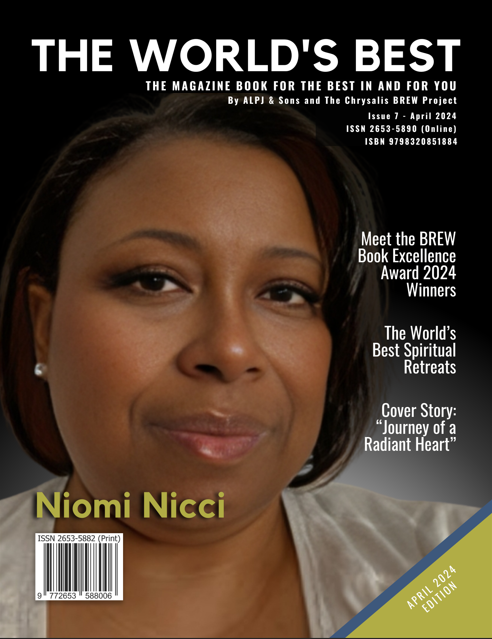

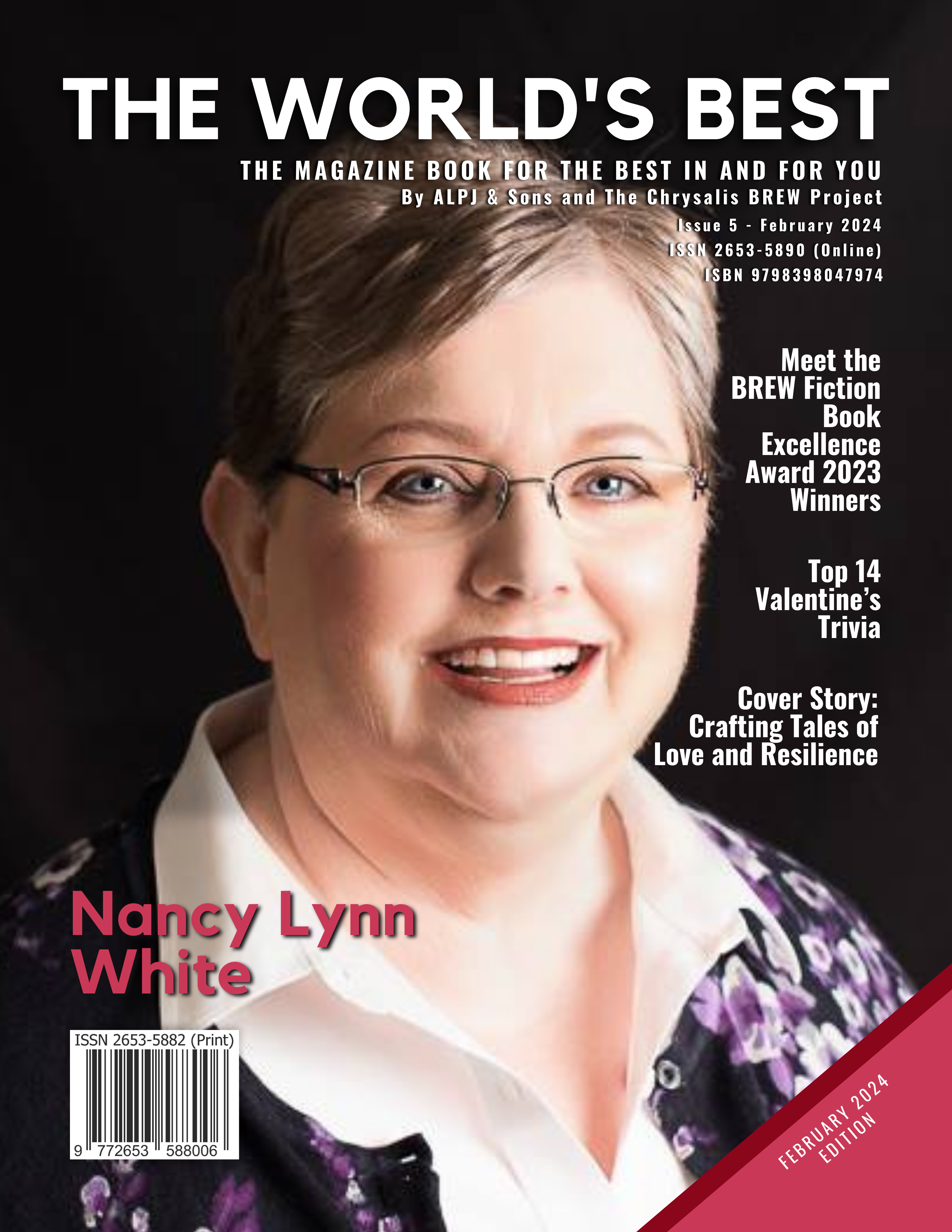
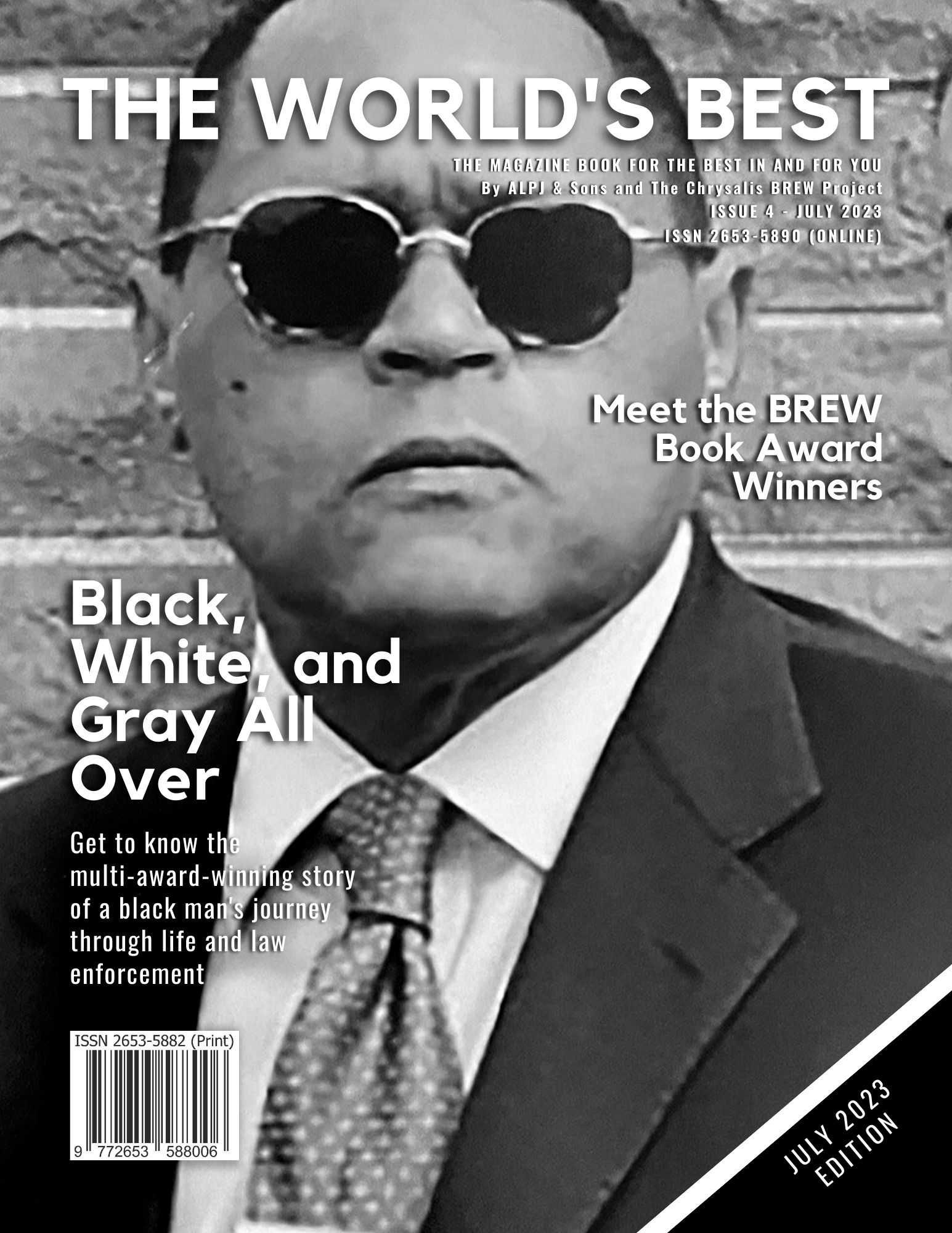
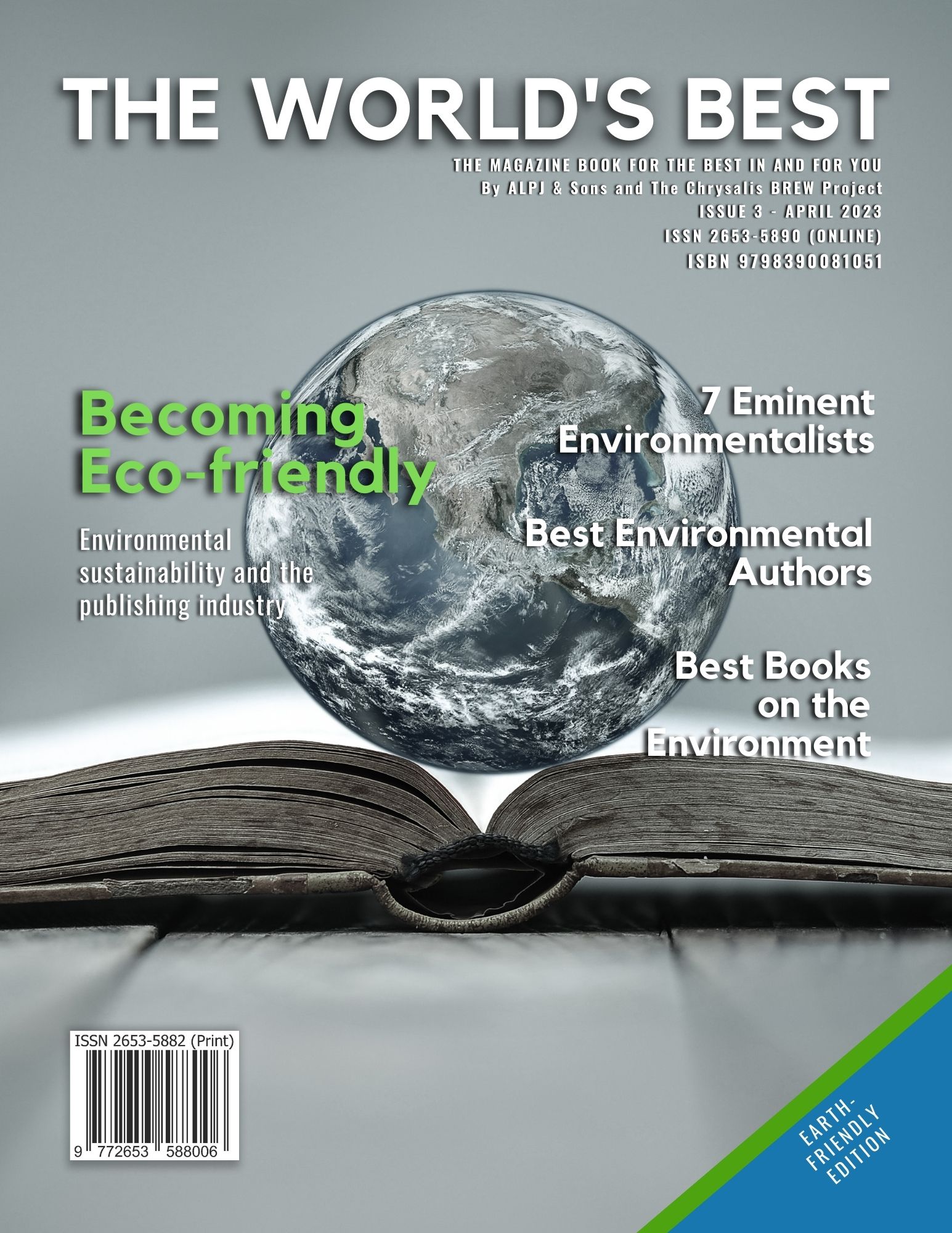

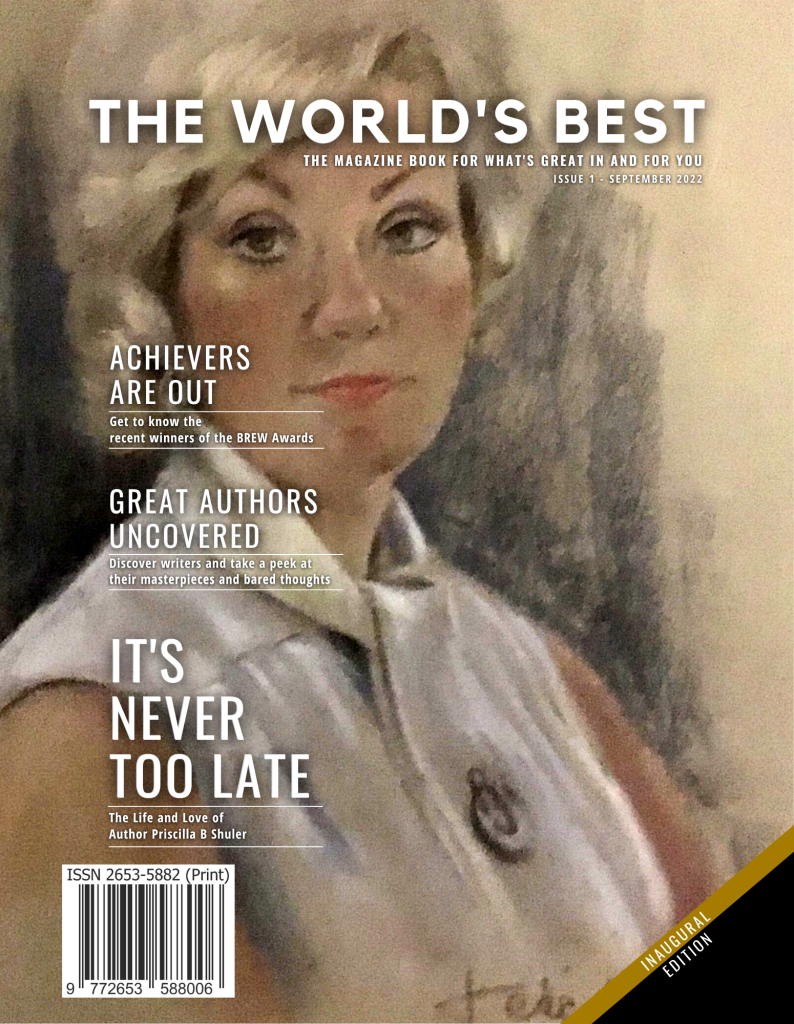
Don’t just read about greatness. Own it!

About Us
The World’s Best Magazine is a print and online publication that highlights the extraordinary. It is your passport to a universe where brilliance knows no bounds. Celebrating outstanding achievements in various fields and industries, we curate and showcase the exceptional, groundbreaking, and culturally significant. Our premier laurels, The World’s Best Awards, commend excellence through a unique process involving subject matter experts and a worldwide audience vote. Explore with us the pinnacle of human achievement and its intersection with diversity, innovation, creativity, and sustainability.
We recognise and honour the Traditional Owners of the land upon which our main office is situated. We extend our deepest respects to Elders past, present, and emerging. We celebrate the stories, culture, and traditions of Aboriginal and Torres Strait Islander Elders from all communities who also reside and work on this land.
Disclaimer: The World’s Best does not provide any form of professional advice. All views and opinions expressed in each post are the contributor’s own. Whereas we implement editorial policies and aim for content accuracy, the details shared on our platforms are intended for informational purposes only. We recommend evaluating each third-party link or site independently, as we cannot be held responsible for any results from their use. In all cases and with no exceptions, you are expected to conduct your own research and seek professional assistance as necessary prior to making any financial, medical, personal, business, or life-changing decisions arising from any content published on this site. All brands and trademarks mentioned belong to their respective owners. Your continued use of our site means you agree with all of these and our other site policies, terms, and conditions. For more details, please refer to the links below.
About | Advertise | Awards | Blogs | Contact | Disclaimer | Submissions | Subscribe | Privacy | Publications | Terms | Winners
The World’s Best: A Magazine That’s All About What’s Great | theworldsbestmagazine.com | Copyright ⓒ 2022-2026
Let’s connect
Discover more from The World's Best
Subscribe to get the latest posts sent to your email.

 The World's Best
Very inspiring post.
LikeLike