
The journey towards a more sustainable world is not just a series of actions, but a narrative that continues to unfold. Behind the movement are visionary individuals and organizations whose innovative solutions are shaping the future. Sustainability, once a distant goal, has become a central theme across industries, with leaders embracing new ways to balance progress with environmental responsibility. These change-makers are weaving a story of hope, resilience, and transformation, proving that the path to a greener tomorrow is driven not only by necessity but by a commitment to leaving a lasting, positive impact on the planet.
Regenerative Supply Chains Powered by Blockchain and AI
One of the most cutting-edge innovations making a significant impact in sustainability today is the development of regenerative supply chains powered by blockchain and AI. Unlike traditional sustainability efforts that focus on minimizing harm, regenerative supply chains aim to restore ecosystems, enhance biodiversity, and create net-positive environmental and social impacts. Companies leverage blockchain for radical transparency—tracking materials from origin to final product while verifying ethical sourcing, carbon sequestration efforts, and fair labor practices. Meanwhile, AI-driven analytics optimize resource use, predict supply chain disruptions, and ensure sustainability efforts create measurable, long-term benefits.
This approach redefines how businesses interact with nature, shifting from extractive to regenerative models. Agriculture, fashion, and consumer goods industries lead the way, integrating practices such as carbon farming, bio-based materials, and AI-enhanced waste reduction. For example, companies investing in regenerative agriculture can now track soil health improvements through blockchain while using AI to analyze crop yield data and optimize reforestation. This level of precision enhances sustainability efforts and builds credibility in an era where greenwashing is under scrutiny.
For regenerative supply chains to gain widespread adoption, storytelling is essential. The complexity of these innovations can make them difficult to grasp, but compelling narratives help translate technical advancements into relatable, inspiring stories. Companies showcasing how their supply chains restore degraded land, empower communities, or remove carbon can engage consumers and investors on a deeper level. Instead of vague sustainability claims, businesses can use blockchain-verified stories to demonstrate real impact—whether a fashion brand proving its textiles support regenerative cotton farming or a food company showing its sourcing improves soil biodiversity.
Effective storytelling makes sustainability a movement rather than just a corporate initiative. People connect with brands that offer a vision of a better future, and regenerative supply chains position businesses as stewards of environmental renewal rather than just compliance. By blending technological innovation with human-centered storytelling, companies can drive demand for regenerative products, accelerate adoption, and redefine how businesses contribute to a healthier planet.

Tyler Butler, Founder, Collaboration for Good
Local, Traceable Alpaca Fleece for Fashion
We’ve got 2 innovative solutions to sustainability:
Solution 1: Local, Traceable Alpaca Fleece for Fashion
One innovative way we’re driving sustainability is by producing alpaca yarn and apparel directly from our herd, all within our local community. By raising the animals ourselves, spinning the fleece locally, and selling to people nearby, we minimize transportation and create a transparent “farm-to-product” chain. Visitors can even meet the exact alpaca who contributed to their scarf or hat, forging a personal connection that makes them more invested in eco-friendly choices.
Storytelling is key to encouraging adoption. When people hear about the individual alpaca, its name, quirks, and how it’s cared for, they develop an emotional bond. This narrative reminds them that each garment represents a living, breathing creature, not just a commodity. As a result, buyers are more likely to support ethical, local fashion and spread the word to others.
Solution 2: Targeted Deworming and Sustainable Manure Practices
Another impactful innovation is our targeted approach to deworming. Rather than medicating the entire herd on a set schedule, we send off manure samples to a lab several times a year, testing specifically for worms and parasites. We only treat the animals who truly need it, so our alpacas avoid unnecessary chemicals and we reduce our land’s exposure to them. This strategy also boosts the value of our alpaca manure, which is already highly sought after by gardeners for its rich nutrient content. Our refusal to use pesticides or herbicides further enhances its natural appeal as a responsible alternative to petroleum-based fertilizers.
Storytelling here shifts the conversation from “just another farm or manure” to a transparent, science-based approach that respects both animals and soil. By sharing these details: How often we test, why we avoid blanket treatments, and how our manure nurtures gardens, people see the direct environmental and health benefits. That deeper narrative inspires them to choose safer, greener solutions and to support farming and growing methods that prioritize well-being over quick fixes.

Sander Van Oorschot, Alpaca business owner, London Alpacas
Agrivoltaics: Solar Panels and Agriculture Combined
One of the most impactful innovations in sustainability today is the rise of agrivoltaics—combining solar panels with agriculture. It’s a simple yet powerful concept: solar panels are installed over crops, providing shade that reduces water evaporation, while farmers benefit from the extra revenue generated by selling clean energy. At the same time, the panels perform better because the crops help keep temperatures lower underneath them. It’s a win-win, making land use more efficient and helping two crucial industries—renewable energy and agriculture—work together.
But technology alone isn’t enough to drive adoption. That’s where storytelling comes in. People connect with real-world examples, not just numbers and efficiency metrics. When we highlight how agrivoltaics helps a struggling farmer increase crop yields while cutting energy costs, it becomes more than just a technical solution—it’s a story of resilience and opportunity. When we show communities reducing their dependence on fossil fuels while creating new jobs, sustainability becomes personal and tangible.
The key is making these stories relatable. Showcasing the people behind the innovation—the farmers, the engineers, the local businesses thriving because of it—makes sustainability feel achievable rather than abstract. Media, influencers, and advocates play a huge role in bringing these stories to life, making it clear that solutions like agrivoltaics aren’t just ideas for the future but real, working models transforming lives today.

Phill Stevens, Founder & CEO, Avail Solar
AI-Driven Carbon Capture and Sequestration
One of the most promising innovations in sustainability today is AI-driven carbon capture and sequestration (CCS). Unlike traditional methods that struggle with high costs and inefficiencies, AI is making carbon removal scalable, precise, and economically viable.
Instead of relying on static processes, AI enhances CCS in three critical ways:
- Efficiency Boost – Machine learning optimizes sorbents and catalysts, increasing the rate at which CO2 is trapped and reducing energy consumption.
- Smart Targeting – AI pinpoints CO2 hotspots in real time, allowing for more effective deployment of capture technology.
- Material Innovation – Captured carbon isn’t just stored—it’s repurposed into concrete, biofuels, and other sustainable materials, creating a circular economy.
A compelling example? CO2-infused concrete, which permanently stores carbon while strengthening buildings. A single high-rise constructed with this material can offset emissions equal to removing thousands of cars from the road.
Carbon capture is invisible to most people—without compelling narratives, it risks being seen as just another abstract climate solution.
- Make it Tangible – Instead of discussing chemistry, highlight the real-world impact. “This bridge was built with captured CO2, preventing 5,000 tons of emissions from entering the atmosphere.”
- Reframe AI’s Role – AI often sparks fear, but positioning it as a tool for climate action builds trust. Showing how it optimizes sustainability efforts makes the technology more relatable.
- Use Visual Storytelling – Videos, before-and-after data visualizations, and case studies help people understand that carbon capture isn’t futuristic—it’s happening now.
AI-powered carbon capture has the potential to redefine how we fight climate change—but mass adoption depends on effective storytelling that makes the impact visible and relatable. By connecting the science to everyday life, we turn innovation into action.

Murray Seaton, Founder and CEO / Health & Fitness Entrepreneur, Hypervibe (Vibration Plates)
Urban Food Forests: Unsung Sustainability Heroes
I see urban food forests as today’s unsung sustainability heroes. These community gardens transform empty city spaces into productive mini-ecosystems that cool neighborhoods, provide local food, and bring people together.
The real impact comes when we share stories about these spaces—like kids picking their first homegrown strawberries or neighbors trading recipes using forgotten vegetables. These personal connections turn abstract “green initiatives” into meaningful community experiences.
I’ve found that when we highlight these human stories rather than just environmental benefits, more neighborhoods want their own food forests. Sustainability isn’t always about flashy new technology—sometimes it’s about reimagining our relationship with the spaces around us and telling stories that help others see the possibilities.

Unmesh Gujrati, Strategic media innovator, Sprouts News
Regenerative Agriculture Restores Land and Ecosystems
One of the most exciting innovations in sustainability right now is regenerative agriculture. Unlike traditional farming, which often depletes soil and harms ecosystems, regenerative agriculture restores land by improving soil health, increasing biodiversity, and capturing carbon. It makes food production more sustainable and actively reverses environmental damage. Farmers using these methods see healthier crops, better water retention, and even financial benefits from improved yields and reduced input costs.
But technology and science alone won’t drive widespread adoption—storytelling will. People connect with narratives, not just data. When consumers hear about a farm that transformed barren land into a thriving ecosystem, they see the impact in a way that statistics never could. When business leaders learn how regenerative practices increase a company’s profits while reducing emissions, it becomes a compelling case for change. Stories make abstract concepts tangible, emotional, and relatable.
We always see this—people learn best through engaging, real-world examples. The same applies to sustainability. By crafting compelling stories around innovation, we don’t just inform—we inspire action. And that’s how big ideas become movements.

Bradford Glaser, President & CEO, HRDQ
Digital Twins Revolutionize IT Infrastructure Sustainability
One of the most innovative solutions quietly revolutionizing sustainability efforts today is the rise of “digital twins” within IT infrastructure. Most people associate digital twins with product design or simulations, but their impact extends far beyond that. Think of a digital twin as a virtual replica of a physical system, in this case, the entire IT infrastructure of an organization—from servers and networks to the energy consumption of individual devices. This virtual representation isn’t static; it’s constantly updated with real-time data. This data is fed by sensors, operational logs, and even external factors like weather patterns, allowing IT professionals to see exactly how their systems perform and interact. This information opens the door to unprecedented levels of optimization.
Digital twins can predict, not just react. While monitoring energy usage is valuable, digital twins use advanced analytics and machine learning to forecast future energy needs, identify potential inefficiencies, and even simulate the impact of changes before they’re implemented. For example, a data center could use a digital twin to model the effect of shifting workloads to different servers based on time of day or renewable energy availability. This capability allows them to strategically minimize their carbon footprint and reduce energy costs without impacting service delivery. This predictive capacity empowers proactive sustainability, rather than just reacting to problems after they arise.
Storytelling plays a crucial role in accelerating the adoption of this technology. Abstract data points about energy savings can be quickly forgotten. However, sharing compelling narratives about how specific organizations use digital twins to achieve their sustainability goals brings the concept to life. Imagine a story about a nonprofit that could significantly reduce operational costs and carbon emissions by optimizing its data center using a digital twin and reinvesting those savings into its core mission. Or a small business that used a digital twin to make informed decisions about upgrading its infrastructure to more energy-efficient equipment, creating a compelling case for long-term sustainability.
These kinds of stories communicate the tangible benefits of digital twins in a way that resonates with a broader audience, making it a much more relatable and understandable solution.

Steve Fleurant, CEO, Clair Services
AI-Powered Recycling Boosts Efficiency and Reduces Waste
AI-powered recycling is reshaping sustainability. Businesses sort waste more quickly and correctly than humans by using machine learning. This lowers expenses, boosts recycling rates, and lessens contamination. For instance, AMP Robotics uses AI to instantly recognize goods on conveyor belts. The result: cleaner recyclables, less landfill waste, and higher profit margins for recyclers. Governments and corporations see the financial upside, but mass adoption requires public buy-in.
Storytelling bridges that gap. People act when they see a clear, personal benefit. Tesla didn’t sell electric cars by talking about emissions; they sold speed, design, and savings. Sustainability must do the same. A brand must shift from facts to emotional impact. Show a family reducing waste with AI-driven sorting at home. Highlight businesses saving millions by improving recycling efficiency. People connect with stories, not statistics.
We apply this strategy. Instead of focusing on tons of e-waste diverted, we highlight the ease of trading in a device for instant cash. That’s what moves consumers. The same applies to AI-powered recycling or any green innovation. Data matters, but emotions drive action.
Companies should invest in real user stories. Show how technology makes recycling effortless. Use social proof—testimonials, videos, case studies—to create trust. People don’t change habits because of regulations or corporate mandates. They change when they see someone like them benefiting. The best innovations fail without adoption. Strong storytelling turns sustainability from an obligation into an opportunity.

Alec Loeb, VP of Growth Marketing, EcoATM
Cool Roofs Transform Green Architecture
Cool roofs are changing the face of green architecture. Cool roofs apply reflective technology that deflects sunlight from buildings and homes, reducing indoor temperatures and energy consumption. Dark roofs once absorbed solar radiation, warming houses and buildings, while cool roofs keep them considerably cooler. This reduces the need for air conditioning, prolongs the life of the roofing material, and is less environmentally taxing. Cities benefit, too—cool roofs reduce the urban heat island effect, making whole neighborhoods more livable.
Adoption depends on awareness, and narrative is key. A Texas homeowner who installed a cool roof noticed immediately cooler interior temperatures and reduced stress on the air conditioning unit. A manager of a commercial building avoided costly HVAC upgrades by investing in reflective roofing. These concrete examples depict immediate benefits, so sustainability becomes an obvious decision and not some far-off goal.
People connect with results, not numbers. When home and business owners hear directly that a simple upgrade increases comfort, saves them money, and extends roof life, they value worth over initial cost. The more human the communication, the faster sustainable breakthroughs gain traction.

Shantell Moya, Business Owner, Roof Republic
Solar-Powered EV Charging Stations Reduce Grid Demand
One of the biggest sustainability innovations we see today is the development of solar-powered EV charging stations that reduce demand on the grid and make zero-emission transport possible. Meanwhile, companies such as Tesla and Electrify America are scaling off-grid solar charging networks for EVs to pull renewable energy—instead of fossil-fuel-based electricity—from the grid to power their rides. This alleviates one of the biggest criticisms of EVs, which is that their power often comes from non-renewables.
Technology alone isn’t enough to drive adoption, however, storytelling is a critical ingredient. Data and stories connect people, not just data. Instead of focusing solely on carbon reduction percentages, successful brands tell real-world stories—of a business owner who saved thousands in energy costs by switching to four-wheeled solar charging or a coast-to-coaster who drove from one side of the country to another without visiting a single fossil-fuel station.
We now know that personal stories help drive adoption—firsthand. Inspiration is one of the best weapons against range anxiety, and when EV owners talk about how they overcame their fears of running out of power or avoiding high-priced charging stations by installing solar panels in their homes, it ripples out, making the transition seem easier and more exciting. For sustainability solutions to scale, this won’t come from innovation alone: To make them mainstream requires human narratives, backed by experience and data, that drive compelling stories that can transform minds and hearts.

Rob Dillan, Founder, EVhype.com
Recycled Polyester Transforms Branded Uniforms
Sustainability in workwear comes down to materials. Recycled polyester has changed how we produce branded uniforms. A single high-visibility vest made from recycled bottles keeps 15 plastic bottles out of landfills. We manufacture over 500,000 vests a year, which means we repurpose more than 7.5 million bottles annually. That reduces waste without compromising durability. Customers care about sustainability, but they need to know it works.
Storytelling is the difference between an empty eco-promise and something people believe in. If I say, “This vest is sustainable,” that means nothing. If I tell the story of a client who switched to recycled workwear and saved 12 metric tons of plastic waste, that makes it real. Numbers help, but people remember stories.

Louis Georgiou, Managing Director, Essential Workwear
Smart Electrical Panels Cut Energy Waste
Sustainability is a growing focus in our industry, especially as more homeowners look for energy-efficient solutions. One of the biggest game-changers has been smart electrical panels. These let homeowners track and control energy use in real time, cutting waste and lowering bills.
The challenge is that most people don’t think about their electrical panel until something goes wrong. That’s where storytelling comes in. Instead of just listing features, we share real stories. Last year, we installed a smart panel for a customer whose energy bill was creeping up. Within a month, he realized his pool pump was running far longer than needed. Just adjusting the timer saved him about $48 per month, over $570 a year. That kind of story makes people pay attention.
Sustainability tech needs to feel personal. Facts alone won’t get people on board, but showing how small changes can save money and make life easier? That gets them interested.

Jason Rowe, Founder & Electrician, Hello Electrical
Circular Economies Extend Product Lifecycles
One innovative solution making a significant impact in sustainability today is the rise of circular economies. Instead of the traditional “take, make, dispose” model, circular economies focus on reusing, recycling, and regenerating materials to extend the lifecycle of products. Companies are now designing products with their entire life cycle in mind, reducing waste and conserving resources. This is seen in industries like fashion, where brands are using recycled materials, or in tech, where companies design devices that can be easily repaired or upgraded.
Storytelling plays a huge role in driving the adoption of circular economies. It humanizes the process and connects consumers to the bigger picture. By telling compelling stories about how these practices are making a real difference, whether it’s a company saving thousands of tons of waste or a community benefiting from a closed-loop system, you can inspire people to see the value in supporting sustainable businesses. When people feel personally connected to the story behind a product, they’re more likely to make choices that align with those values.

Katie Breaker, Sales Director, BirdieBall
AI-Driven Efficiency in Software Development
Today, an innovative solution that creates a major impact on stability is AI-driven efficiency in software development and cloud use. Many businesses unknowingly disable server load, fruitless processes, and energy waste through poor cloud resource management. They do not see the effects—high cost and a large carbon footprint.
We also faced this challenge. By applying the AI-operated load balance in our development environment, we adapted to the use of the server, reducing the cloud energy cost by about 30%. Instead of running resources at full capacity, our system now increases dynamically, adjusting on the basis of real-time demand.
But most companies don’t realize they’re overspending and over-consuming. This is where storytelling makes the difference. Instead of just stating the benefits, we share real examples—how simple optimizations saved us money while reducing waste. Business leaders relate to cost savings, and when they see the environmental benefits as a bonus, they’re more likely to take action.
Key? Make sustainability a smart business decision, not only a moral one. When companies look at the financial upside, real change occurs.

Vikrant Bhalodia, Head of Marketing & People Ops, WeblineIndia
AI-Powered Route Optimization Cuts Emissions
One solution making a real impact in sustainability is AI-powered route optimization for freight and logistics. We see firsthand how cutting unnecessary mileage cuts fuel consumption and emissions. AI analyzes weather, traffic, and customs delays in real time, rerouting shipments to reduce waste. It’s not just theory—it’s saving tons of CO2 every year.
Storytelling makes this relatable. Instead of vague promises about sustainability, show a family moving overseas. Their belongings take an optimized route, cutting emissions while arriving on time. Or tell the story of a driver who no longer sits in border queues for hours, burning fuel. People connect with real impact, not corporate jargon. Sustainability needs numbers, yes, but it also needs faces, moments, and proof that these solutions actually work.

Hugh Dixon, Marketing Manager, PSS International Removals
Vertical Farming Techniques Revolutionize Urban Agriculture
One innovative solution that’s making waves in the sustainability arena is the adoption of vertical farming techniques. This method allows for crops to be grown in stacked layers in a controlled environment, using significantly less water and land than traditional agriculture. Urban areas, in particular, benefit from this innovation as it reduces the need for long-distance transportation of food items, cutting down on fossil fuel usage and associated emissions.
Storytelling plays a critical role in the adoption of vertical farming by highlighting its benefits in vivid, relatable ways. For instance, sharing stories of urban communities that have transformed empty buildings into bustling vertical farms can inspire other cities to follow suit. These narratives can showcase the positive impact on food security, urban blight, and environmental sustainability, creating a powerful emotional connection that motivates change. Ultimately, well-crafted stories not only inform but also engage people, driving the momentum needed to embrace and expand innovative practices like vertical farming.

Alex Cornici, Writer, Cheap Places To Go
Retrofitting Old Buildings Reduces Global Emissions
Sustainability conversations often focus on new technologies, but here’s a surprising fact: retrofitting old buildings is one of the most impactful things we can do for the climate. Buildings account for nearly 40% of global emissions, and most of the ones standing today will still be here in 2050. Instead of just building new green structures, we need to upgrade the old ones, with better insulation, energy-efficient windows, and smarter heating and cooling systems.
Retrofitting isn’t flashy. That’s where storytelling comes in. People connect with human stories, not just data. Instead of talking about energy savings, tell the story of an old apartment building that cut energy costs in half, making life better for tenants while reducing carbon emissions. Make sustainability personal, and people will actually care.

Robbin Schuchmann, Co-founder, EOR Overview
Have Your Say
Alignment with the UN SDGs
- Promotes responsible consumption and production (SDG 12)
- Supports climate action (SDG 13)
- Encourages innovation and infrastructure (SDG 9)
- Advocates for sustainable cities (SDG 11)
Note: The views and opinions expressed in the content provided on this page are those of the individual authors and do not necessarily reflect the official policy or position of any organizations mentioned. The information provided is for educational and informational purposes only and should not be interpreted as professional advice. Readers should consult with relevant experts or professionals for guidance specific to their circumstances. The examples used are for illustrative purposes and results may vary depending on various factors. Any external links provided are for convenience, and we do not endorse or take responsibility for the content, products, or services available through these links.
⭐⭐⭐⭐⭐
Related

Exploring Story, Place, and Imagination with Dust Kunkel
Ever wondered how a childhood across continents and rivers becomes the fuel for storytelling? Discover how Dust Kunkel’s life shaped his novel and worldview — read the full interview to explore it.
Continue reading Exploring Story, Place, and Imagination with Dust Kunkel

Imagining Humanity and Technology with Donald Firesmith
Can engineering precision and handcrafted magic wands coexist in one imagination? Discover how a futurist blends hard science fiction, AI insight, and human emotion—read the full interview to explore his journey.
Continue reading Imagining Humanity and Technology with Donald Firesmith

Charting Tomorrow’s Medicine: A Conversation with Dr Pietro Emanuele Garbelli
What happens when a doctor decides medicine needs a blueprint as much as a stethoscope? This interview explores that question—revealed through experience, ethics, and the future of care.
Continue reading Charting Tomorrow’s Medicine: A Conversation with Dr Pietro Emanuele Garbelli

Richard Scott Sacks on Travel, Language, and Writing Fiction from Global Encounters
Have you ever wondered how encountering global upheaval can shape a novel? This interview explores one writer’s real journeys and the questions that inspired his fiction—read on to discover how it unfolded.
Continue reading Richard Scott Sacks on Travel, Language, and Writing Fiction from Global Encounters
Something went wrong. Please refresh the page and/or try again.
Other Highlights

Looking for something?
Type in your keyword(s) below and click the “Search” button.
Helpful Shortcuts
More Stories





























Print and Digital Magazine




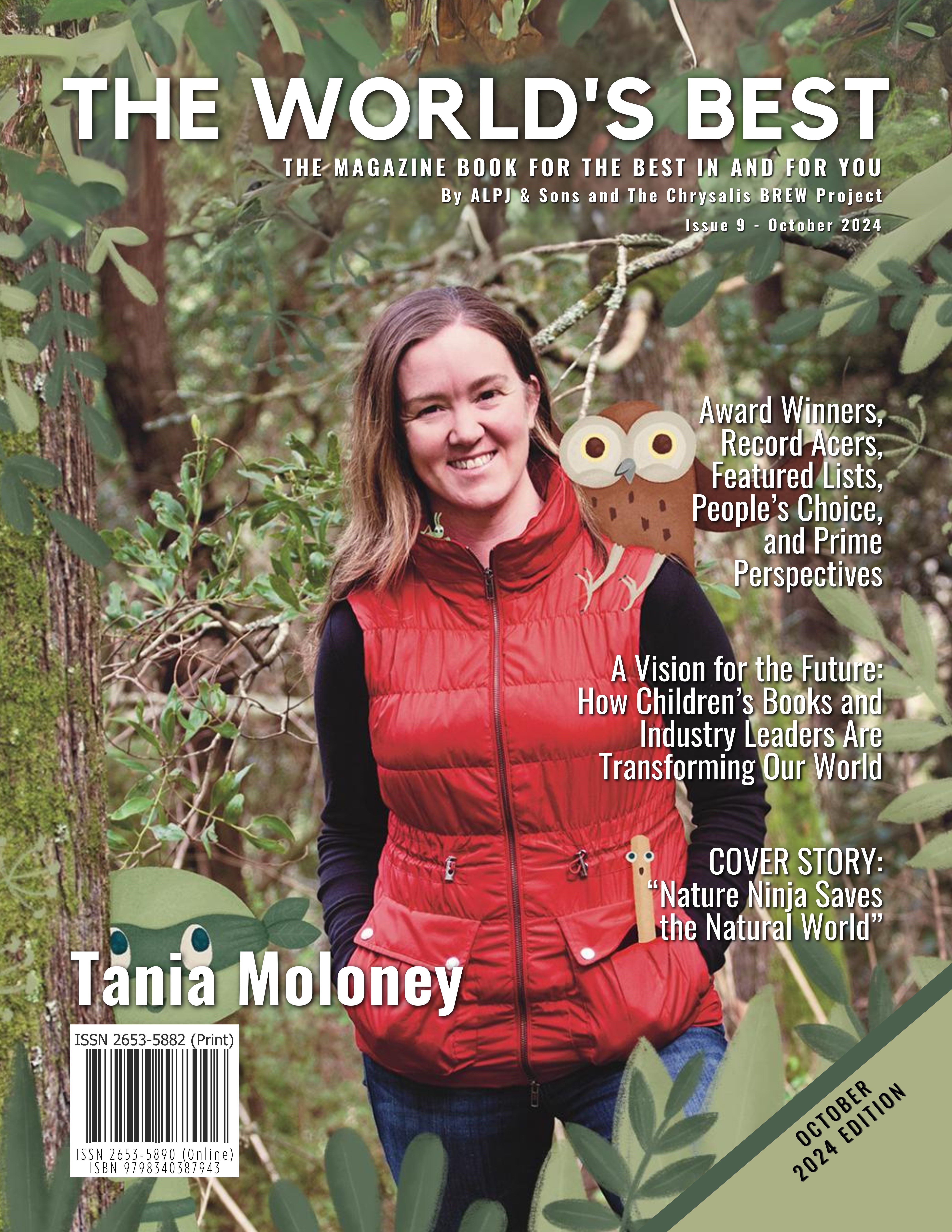








Don’t just read about greatness. Own it!

About Us
The World’s Best Magazine is a print and online publication that highlights the extraordinary. It is your passport to a universe where brilliance knows no bounds. Celebrating outstanding achievements in various fields and industries, we curate and showcase the exceptional, groundbreaking, and culturally significant. Our premier laurels, The World’s Best Awards, commend excellence through a unique process involving subject matter experts and a worldwide audience vote. Explore with us the pinnacle of human achievement and its intersection with diversity, innovation, creativity, and sustainability.
We recognise and honour the Traditional Owners of the land upon which our main office is situated. We extend our deepest respects to Elders past, present, and emerging. We celebrate the stories, culture, and traditions of Aboriginal and Torres Strait Islander Elders from all communities who also reside and work on this land.
Disclaimer: The World’s Best does not provide any form of professional advice. All views and opinions expressed in each post are the contributor’s own. Whereas we implement editorial policies and aim for content accuracy, the details shared on our platforms are intended for informational purposes only. We recommend evaluating each third-party link or site independently, as we cannot be held responsible for any results from their use. In all cases and with no exceptions, you are expected to conduct your own research and seek professional assistance as necessary prior to making any financial, medical, personal, business, or life-changing decisions arising from any content published on this site. All brands and trademarks mentioned belong to their respective owners. Your continued use of our site means you agree with all of these and our other site policies, terms, and conditions. For more details, please refer to the links below.
About | Advertise | Awards | Blogs | Contact | Disclaimer | Submissions | Subscribe | Privacy | Publications | Terms | Winners
The World’s Best: A Magazine That’s All About What’s Great | theworldsbestmagazine.com | Copyright ⓒ 2022-2026
Let’s connect
Discover more from The World's Best
Subscribe to get the latest posts sent to your email.

 The World's Best