
“Rapport in itself is yet a mutual state of pure goodness.”
– Stig Ernsund
Human connection is a shared experience with lasting effects. In this interview, Ernsund shares insights from years of experience as a lawyer, coach, and NLP Master Practitioner, exploring how understanding rapport can improve communication and relationships in all areas of life.
Stig, thank you for joining us! To start, could you introduce yourself in your own words? Tell us about your background, what led you to explore the science of rapport, and what you aim to achieve with your work.
My name is Stig Ernsund. I have university degrees in law and worked for many years as a lawyer, which gave me valuable experience in talking with all kinds of people. For several years, I was also a coach in youth football/soccer in my spare time. This area of communication and personal development was a long-time hobby of mine, which eventually grew into a passion and career.
Over the years, I’ve pursued extensive formal training in coaching and communication:
- Practitioner Certification (ECNLP – European Community for Neuro-Linguistic Programming)
- Licensed Master Practitioner of Neuro-Linguistic Programming (Society of Neuro-Linguistic Programming)
- Meta-States Practitioner (The International Society of Neuro-Semantics)
- Associated Certified Meta-Coach (The International Society of Neuro-Semantics)
- Reframing Genius using the Neuro-Semantic Model Mind-Lines (The International Society of Neuro-Semantics)
- Certified Coach Practitioner (INLPTA – International NLP Trainers Association)
- Body Language Diploma (IANLPC – International Association of Neuro Linguistic Programming and Coaching)
- Using NLP Skills to Become More Conscious of Your Thinking (ANLP Accredited NLP Trainer Fiona Campbell)
I also want to mention my informal training in New Code of NLP by a certified trainer, which further deepened my understanding of human connection and communication.
In recognition of my work, I’ve been honoured as a winner of the Voyages of Verses Book Award and named a finalist in the BREW Readers’ Choice Award 2024–2025.
All these experiences have shaped my approach to understanding and teaching rapport, with the goal of helping people build stronger, more meaningful relationships in every aspect of life.
Your book has won the Voyages of Verses Book Award—congratulations! Can you share what this recognition means to you and how it reflects your vision for helping people enhance their communication?
Thanks so much! I became very glad when the award was announced. It really means a lot to me. It is a recognition of my knowledge and experience. I’m able to show that through a link or the seal. The text indeed reflects my vision for helping people to enhance their communications and relationships. This is the overall goal for my book as seen in the subtitle.
In The Ultimate Guide to Rapport, you highlight the evolutionary basis of human connection. Can you elaborate on how our survival instincts still influence the way we form bonds today?
In prehistoric times survival was crucial because of predators and other hostile tribes, and also lack of resources. In my opinion, and according to the theory, rapport originated then to cope with all these factors. The natural selection in evolution would have worked in this regard, too. That’s the reason rapport exists even today. We have the capacity in our genes. Despite that, we normally don’t have to fight for our survival in the same way. However, the attachment theory thus tells us that our childhood still filters who can utilize it.
One of the most fascinating aspects of your book is the role of mirror neurons in rapport-building. How can understanding this science help people create deeper connections in their everyday interactions?
Yes, the discovery of mirror neurons and their role in rapport-building is very fascinating. I’ve included this subject in my book not only to make it complete. It should be very interesting to all the readers. It also motivates them to train when they know that rapport is not only a subjective experience. The methods and measures in the book function primarily because of mirror neurons.
You’ve studied and earned certifications in NLP, coaching, and communication. How have these disciplines shaped your approach to teaching rapport, and what misconceptions do people often have about these methods?
Without these disciplines, and especially NLP, I may not have heard about rapport or just a little. They luckily inspired me to teach the magical concept, to make life a much better place to live both privately and professionally. So far, I haven’t heard any misconceptions or negativity from beginners, rather their excellent reviews and comments indicate that I have succeeded in presenting the material.
You emphasize ethical rapport-building, warning against manipulation. In a world where persuasion is a key skill in sales, leadership, and even personal relationships, how can one strike a balance between influence and integrity?

Yes, I warn against using the psychological effects in rapport to lead the other unethically. Rapport in itself is yet a mutual state of pure goodness. So, it is what comes next that could be problematic. All depends on the following goal of the rapport-builder. Persuasion is an important skill, which can surely be used in the best interest for everybody. The simple rule to have in mind is that it should benefit at least the persuaded person. They may not understand that a decision or action will improve their situation. Then persuasion could be needed to make them aware of it. If also the persuader earns from it, it’s a win-win situation and therefore nothing wrong.
Your book discusses active listening, matching, and commonalities as key rapport techniques. If someone wants to improve their ability to connect with others but doesn’t know where to start, what’s the first practical step they should take?
Of course, I would recommend reading my book in its entirety. If someone isn’t ready to do that right now, reading the introduction is a good start to get a grasp of rapport as a subject. Thereafter, they can directly jump to part II and read chapter 1. Regarding separate methods, I think that matching in chapter 2 can be appropriate to start with. For many, it may be the easiest to do. It has a great effect, too. Moreover, it could be said to be the king or queen among the methods, since matching is what unconsciously occurs in rapport regardless of method, or no method, due to first and foremost mirror neurons.
Beyond personal and business interactions, do you see a role for rapport in broader social change? How can better communication skills help foster inclusivity, collaboration, and understanding across cultures?
We should remember that rapport is between two persons. That said, it can be used in all kinds of situations and contexts, and as already has been said, it has long-term effects on all kinds of relationships. Rapport may in my view be applied in all cultures and across cultures as well. This global application adds to the beauty of it. The Evolutionary Bonding Theory supports that standpoint. It would surely be good for humanity if the knowledge of rapport was spread in the world. My book will hopefully contribute to that. Another way to broaden rapport is to educate employees in companies and organizations. That would bring about a fruitful climate there beyond individual interactions, besides the apparent benefits for customers, clients, visitors, etc.
In your journey of studying and teaching rapport, have you come across any surprising discoveries—either in research or in real-life applications—that changed the way you think about human connection?
When I started to apply rapport habitually in my daily life, it was a remarkable experience. The positive reactions from others were astonishing. They couldn’t understand why they almost instantly did get along with me so very well. Mostly, I had no goals with shaping rapport besides harmonious, pleasant meetings. To my surprise, I often attained more than that. For example, I got extra service in shops from a salesperson as a customer myself. In real-life applications, I thus early on noticed the mystery of rapport in enhancing human connection. This discovery inspired me later to start doing research, in which I came across new discoveries. These are related to the theoretical basis for rapport, but also to, for example, more specifically different methods and measures to create rapport.
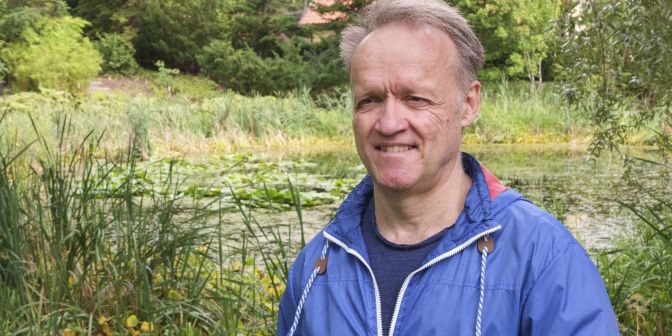
Finally, what’s next for you? Are there any upcoming projects, books, or initiatives that our readers should keep an eye out for?
I’m still promoting the book in question. Simultaneously, I am pondering ideas for a new high-quality one. It’s very important to me that it will be of greatest value to the public, so I take my time. Quality over quantity is an absolutely true expression in my case. I’d like to add that I’m open to suggestions, since I write solely to help the readers to significantly improve their lives.
⭐⭐⭐⭐⭐
“It would surely be good for humanity if the knowledge of rapport was spread in the world.”
– Stig Ernsund
Links
Share Your Insights
Let’s continue the conversation! Share your thoughts in the comments:
- When have you experienced instant rapport with someone?
- Which communication skill do you think makes the biggest impact?
- How do you balance authenticity and influence in your interactions?
Alignment with the UN SDGs
- Promotes inclusive communication (SDG 10: Reduced Inequality)
- Encourages personal development and well-being (SDG 3: Good Health and Well-Being)
- Fosters peaceful, inclusive societies (SDG 16: Peace, Justice, and Strong Institutions)
Other Highlights

Looking for something?
Type in your keyword(s) below and click the “Search” button.
Helpful Shortcuts
More Stories









Print and Digital Magazine
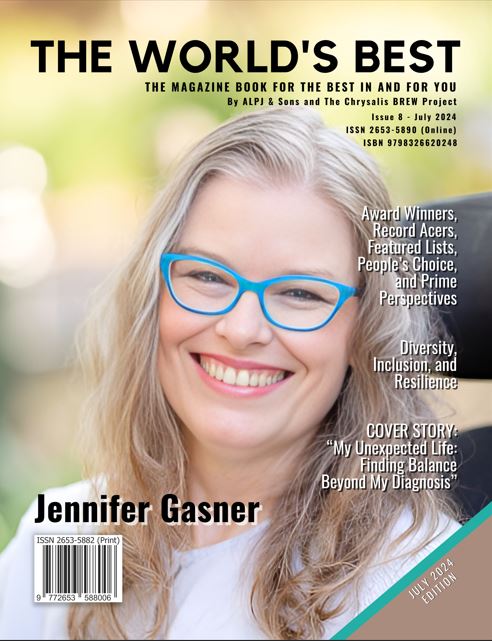
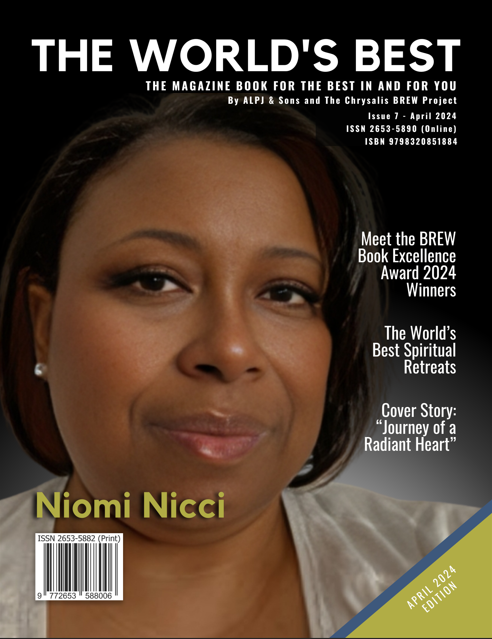
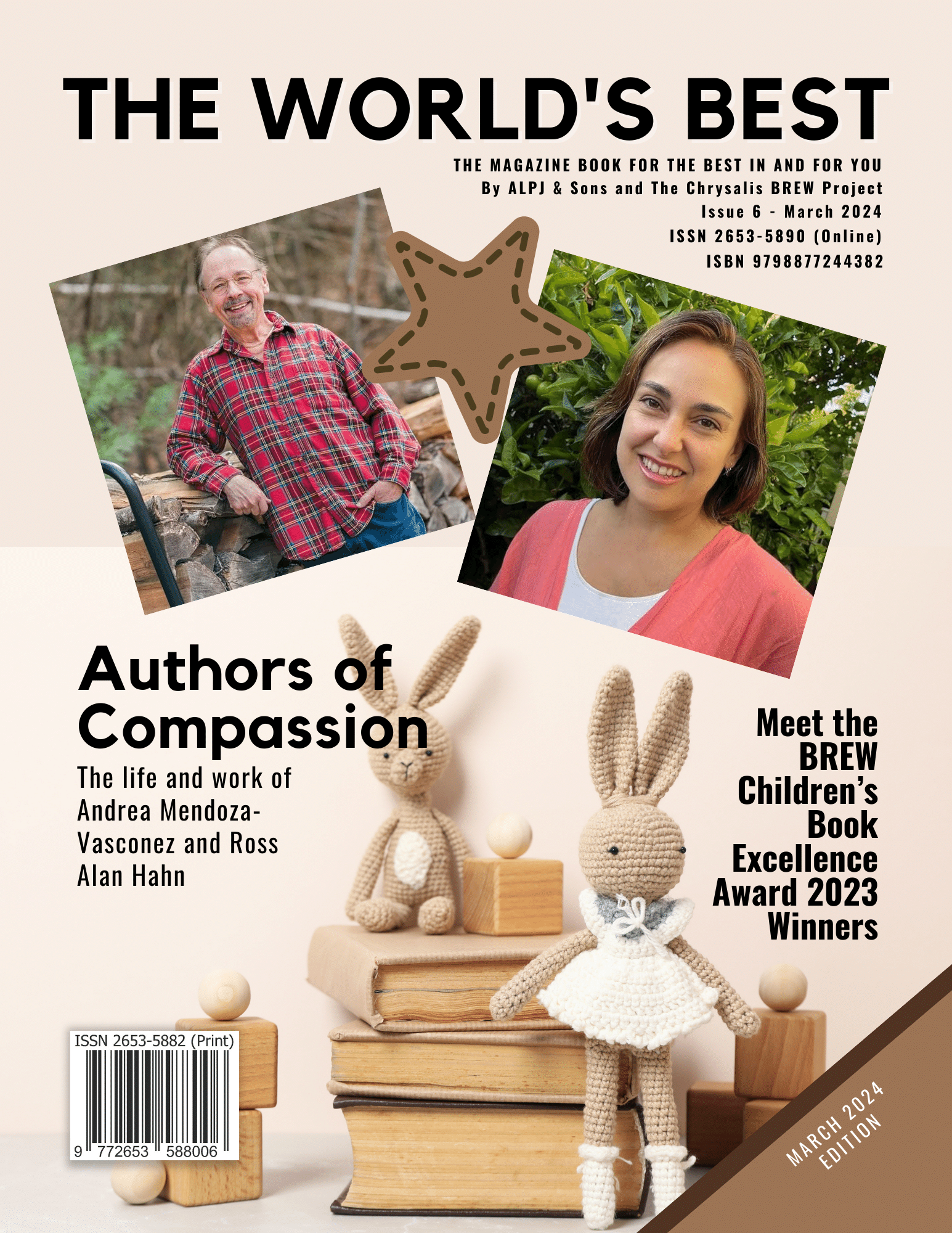
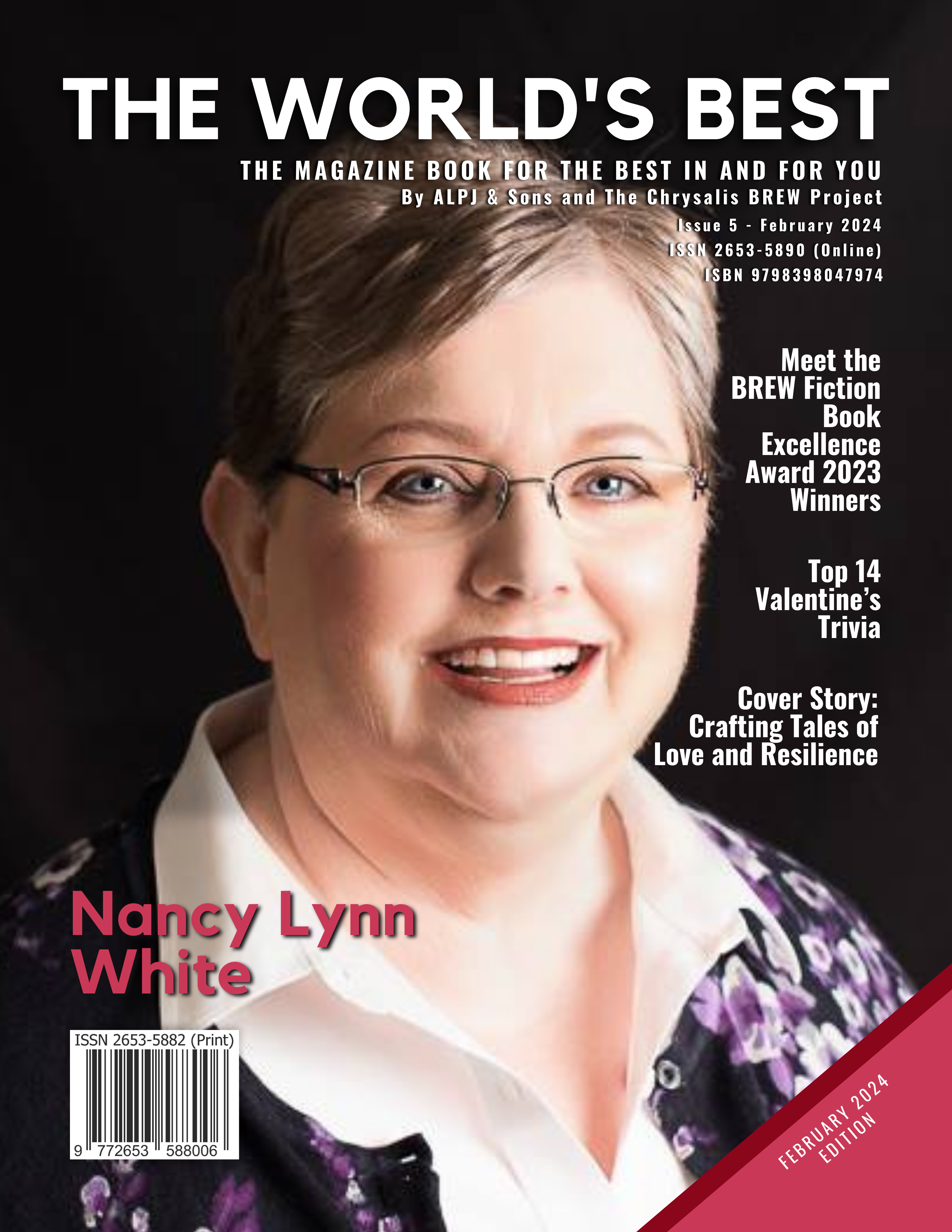

Don’t just read about greatness. Own it!

About Us
The World’s Best Magazine is a print and online publication that highlights the extraordinary. It is your passport to a universe where brilliance knows no bounds. Celebrating outstanding achievements in various fields and industries, we curate and showcase the exceptional, groundbreaking, and culturally significant. Our premier laurels, The World’s Best Awards, commend excellence through a unique process involving subject matter experts and a worldwide audience vote. Explore with us the pinnacle of human achievement and its intersection with diversity, innovation, creativity, and sustainability.
We recognise and honour the Traditional Owners of the land upon which our main office is situated. We extend our deepest respects to Elders past, present, and emerging. We celebrate the stories, culture, and traditions of Aboriginal and Torres Strait Islander Elders from all communities who also reside and work on this land.
Disclaimer: The World’s Best does not provide any form of professional advice. All views and opinions expressed in each post are the contributor’s own. Whereas we implement editorial policies and aim for content accuracy, the details shared on our platforms are intended for informational purposes only. We recommend evaluating each third-party link or site independently, as we cannot be held responsible for any results from their use. In all cases and with no exceptions, you are expected to conduct your own research and seek professional assistance as necessary prior to making any financial, medical, personal, business, or life-changing decisions arising from any content published on this site. All brands and trademarks mentioned belong to their respective owners. Your continued use of our site means you agree with all of these and our other site policies, terms, and conditions. For more details, please refer to the links below.
About | Advertise | Awards | Blogs | Contact | Disclaimer | Submissions | Subscribe | Privacy | Publications | Terms | Winners
The World’s Best: A Magazine That’s All About What’s Great | theworldsbestmagazine.com | Copyright ⓒ 2022-2026
Let’s connect
Discover more from The World's Best
Subscribe to get the latest posts sent to your email.

 The World's Best
Nice post
LikeLike