
In order to feed the world’s expanding population and maintain environmental sustainability, agriculture is experiencing a technological revolution. By 2050, the UN predicts that there will be 9.7 billion people on the planet, putting an unprecedented strain on food production systems. By optimising resource consumption, cutting waste, and increasing crop yields, precision agriculture—powered by AI, sensors, and sustainable agricultural practices—promises to address these issues. In addition to changing farming practices, the businesses and groups spearheading this movement are developing environmentally friendly alternatives. In this roundup, thought leaders share the main figures influencing agricultural innovation and sustainable growth, helping to shape future generations’ access to food.
Cropler Transforms Agriculture with Smart Tech
Honestly, if there’s one name I’d bet on for transforming agriculture and pushing sustainable ag practices, it’s Cropler. They’re not just another tech brand; they’re setting the bar for real-time, hands-on support for farmers and agri-businesses through some seriously smart tech.
Got this genius combination of small but mighty AI-powered agri-cameras and the super-intuitive software—all coming together to really give AgTech the edge. Imagine having a 24/7 digital agronomical assistant keeping watch over crops day and night, come rain or heat, monitoring growth, and spotting any early signs of disease—practically giving you a heads-up before problems pop up. It’s all about helping you get the best out of your fields without piling on unnecessary inputs.
Cropler is the next-generation of agriculture: solar-powered, weather-resistant, and intelligent enough to automatically make perfect multispectral snapshots for comparison of data across fields. It’s almost like having a crop health journal that you can scroll back through and analyze in detail the different phases and field varieties side by side. And with Cropler’s mobile and web platforms, you are always in the know, right from their phones.
But that’s not all: They want to bring global analytics with crop forecasting and yield predictions by 2025. Think crop intelligence that could change entire regions. More than increasing yields—up to 20%, by the way—the technology from Cropler also saves CO2 emissions and ensures that chemicals used on crops are used only when genuinely needed.
So if you’re talking about a brand that’s all-in on sustainability, yields, and food security, Cropler is right there at the top, making agriculture smarter and more eco-friendly, one field at a time.

Phil Kondratenko, Agronomy Adviser, Cropler
Indigo Ag Promotes Regenerative Agriculture
In the agricultural sector, Indigo Ag is widely recognized for its significant contributions to promoting sustainable agriculture, increasing crop yields, and ensuring food security. The company offers a range of ag sustainability programs and biological products designed to reduce emissions, conserve water, and improve farm profitability and resiliency. By partnering with farmers, agribusinesses, and corporations, Indigo Ag delivers proven solutions for regenerative agriculture and carbon markets, effectively addressing environmental challenges while enhancing agricultural productivity.

Bassem Mostafa, Lead Market Analyst and Founder, Globemonitor Market Research Agency
Related Insights
WRI and World Bank Drive Sustainable Agriculture
It’s tough to single out one “best” brand or organization leading sustainable agriculture, increasing crop yields, and ensuring food security. Instead, the focus is more on the technologies and approaches shaping a sustainable food future. However, a few organizations stand out for their significant contributions toward these goals:
The World Resources Institute (WRI) published an in-depth report, “Creating a Sustainable Food Future,” outlining 22 solutions in five major areas: reducing demand growth, boosting food production without expanding farmland, increasing fish supply, cutting greenhouse gas emissions from agriculture, and protecting natural ecosystems. The report highlights innovations like plant-based meat, extended shelf-life produce, and methane-reducing compounds for cattle. WRI also advocates for more research funding in agricultural emissions reduction and encourages flexible regulations to incentivize private-sector innovation.
The World Bank released a report, “What’s Cooking: Digital Transformation of the Agrifood System,” emphasizing the role of digital technologies in agriculture. This report shows how digital agriculture can improve yields, reduce food loss, and secure fair pay for farmers by providing them with timely, accurate information. The World Bank also stresses the importance of tackling issues like data privacy and standardization to ensure equitable access and progress within the agricultural system.
The United Nations Development Programme (UNDP) supports sustainable and digital agriculture through various initiatives. Recognizing the challenges of boosting food production amid climate change, resource constraints, and smallholder farmer needs, the UNDP focuses on emerging digital tools like AI, blockchain, cloud computing, and IoT. One key initiative, the Cultiv@te program, identifies and pilots innovative solutions to agricultural challenges worldwide.
While there isn’t one clear leader, organizations like WRI, the World Bank, and UNDP, along with forward-thinking private companies, are making valuable contributions toward sustainable agriculture, food security, and increased crop yields.

Stefano Lodola, Founder & Course Author, Think Languages
Have Your Say
Alignment with the UN SDGs
With its focus on food security and sustainable agriculture, this article supports a number of UN SDGs. Innovations that boost crop yields while lessening their impact on the environment are highlighted (SDG 2: Zero Hunger, SDG 12: Responsible Consumption and Production). It facilitates effective resource use and climate action by advancing regenerative farming and precision agriculture (SDG 13: Climate Action). Additionally, it promotes waste reduction and productivity enhancement through ethical industrial practices (SDG 9: Industry, Innovation, and Infrastructure). Equitable access to resources and knowledge is also facilitated by the emphasis on international cooperation and technical developments (SDG 10: Reduced Inequalities).
⭐⭐⭐⭐⭐
Related

Exploring Story, Place, and Imagination with Dust Kunkel
Ever wondered how a childhood across continents and rivers becomes the fuel for storytelling? Discover how Dust Kunkel’s life shaped his novel and worldview — read the full interview to explore it.
Continue reading Exploring Story, Place, and Imagination with Dust Kunkel

Imagining Humanity and Technology with Donald Firesmith
Can engineering precision and handcrafted magic wands coexist in one imagination? Discover how a futurist blends hard science fiction, AI insight, and human emotion—read the full interview to explore his journey.
Continue reading Imagining Humanity and Technology with Donald Firesmith

Charting Tomorrow’s Medicine: A Conversation with Dr Pietro Emanuele Garbelli
What happens when a doctor decides medicine needs a blueprint as much as a stethoscope? This interview explores that question—revealed through experience, ethics, and the future of care.
Continue reading Charting Tomorrow’s Medicine: A Conversation with Dr Pietro Emanuele Garbelli

Richard Scott Sacks on Travel, Language, and Writing Fiction from Global Encounters
Have you ever wondered how encountering global upheaval can shape a novel? This interview explores one writer’s real journeys and the questions that inspired his fiction—read on to discover how it unfolded.
Continue reading Richard Scott Sacks on Travel, Language, and Writing Fiction from Global Encounters
Something went wrong. Please refresh the page and/or try again.
Other Highlights

Looking for something?
Type in your keyword(s) below and click the “Search” button.
Helpful Shortcuts
More Stories




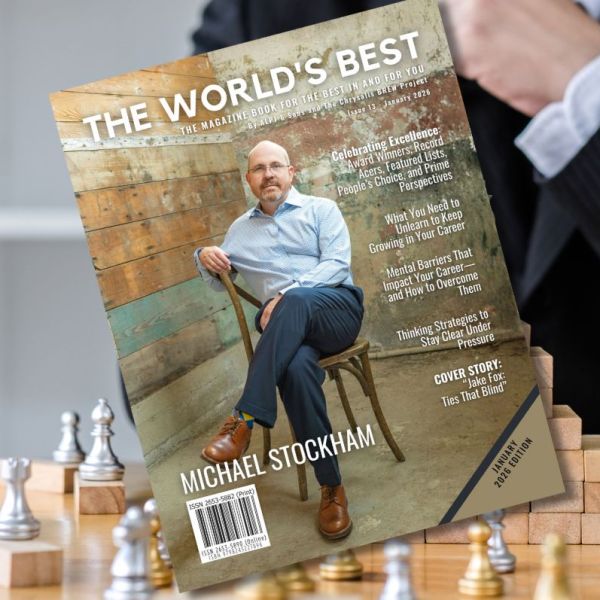























Print and Digital Magazine
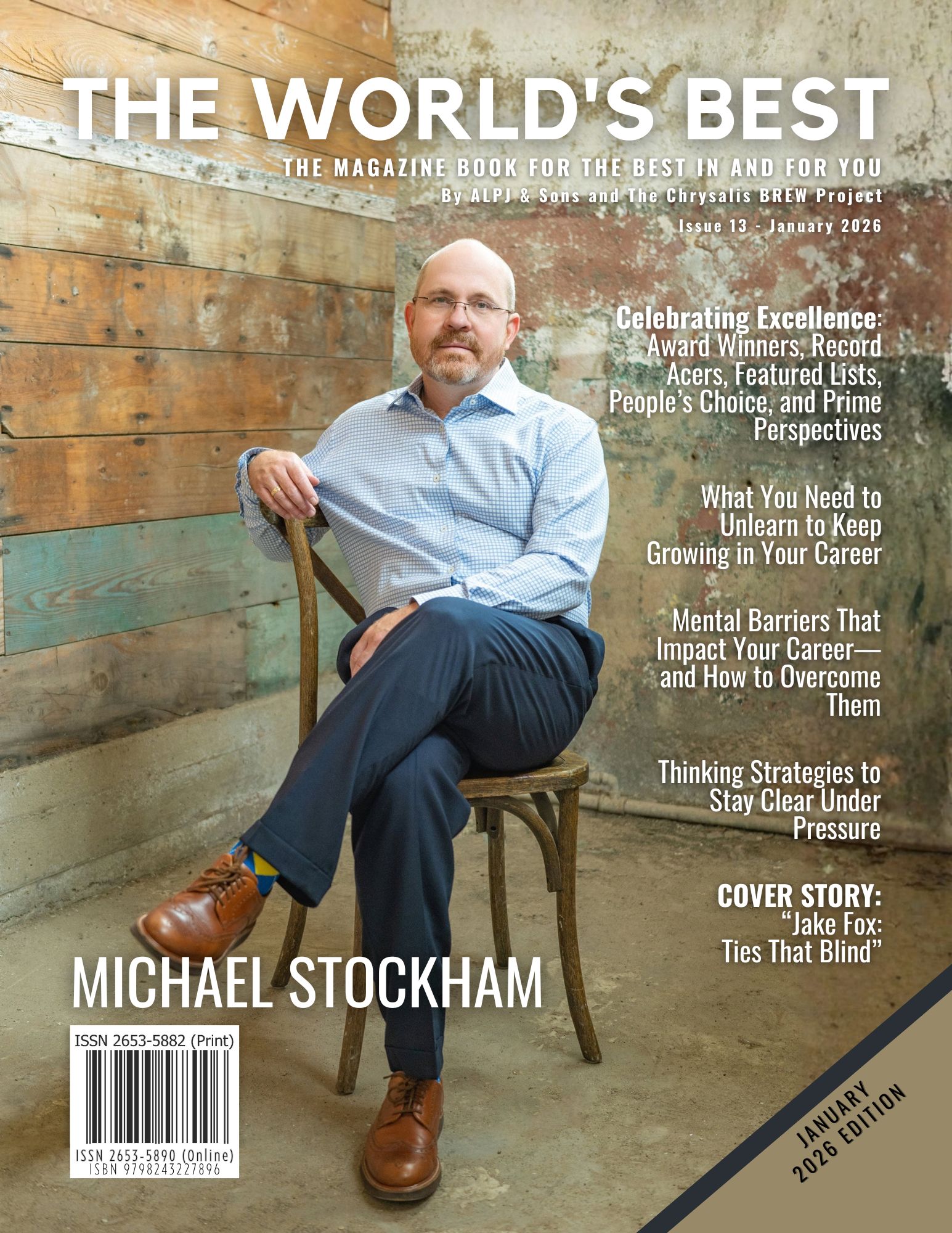





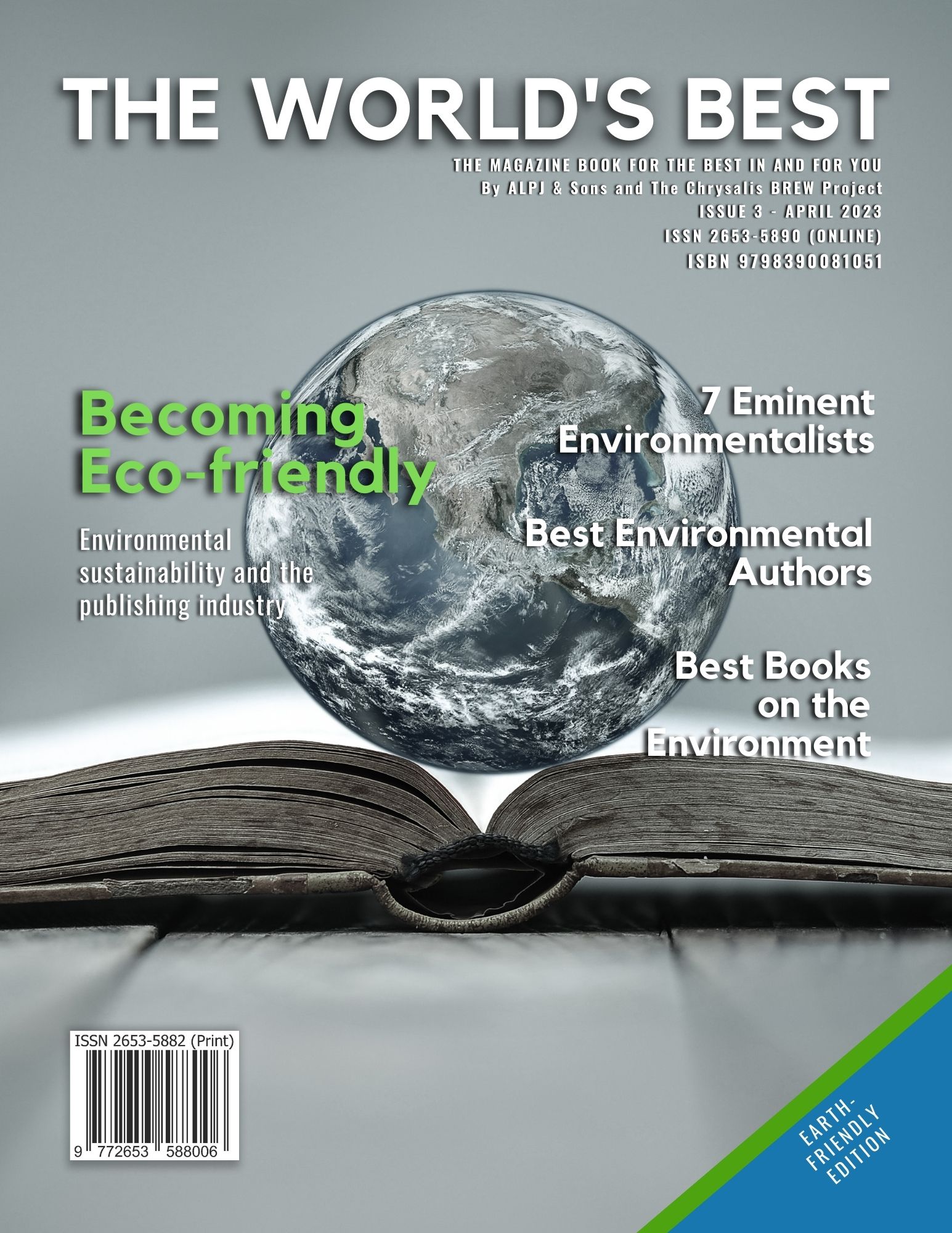


Don’t just read about greatness. Own it!

About Us
The World’s Best Magazine is a print and online publication that highlights the extraordinary. It is your passport to a universe where brilliance knows no bounds. Celebrating outstanding achievements in various fields and industries, we curate and showcase the exceptional, groundbreaking, and culturally significant. Our premier laurels, The World’s Best Awards, commend excellence through a unique process involving subject matter experts and a worldwide audience vote. Explore with us the pinnacle of human achievement and its intersection with diversity, innovation, creativity, and sustainability.
We recognise and honour the Traditional Owners of the land upon which our main office is situated. We extend our deepest respects to Elders past, present, and emerging. We celebrate the stories, culture, and traditions of Aboriginal and Torres Strait Islander Elders from all communities who also reside and work on this land.
Disclaimer: The World’s Best does not provide any form of professional advice. All views and opinions expressed in each post are the contributor’s own. Whereas we implement editorial policies and aim for content accuracy, the details shared on our platforms are intended for informational purposes only. We recommend evaluating each third-party link or site independently, as we cannot be held responsible for any results from their use. In all cases and with no exceptions, you are expected to conduct your own research and seek professional assistance as necessary prior to making any financial, medical, personal, business, or life-changing decisions arising from any content published on this site. All brands and trademarks mentioned belong to their respective owners. Your continued use of our site means you agree with all of these and our other site policies, terms, and conditions. For more details, please refer to the links below.
About | Advertise | Awards | Blogs | Contact | Disclaimer | Submissions | Subscribe | Privacy | Publications | Terms | Winners
The World’s Best: A Magazine That’s All About What’s Great | theworldsbestmagazine.com | Copyright ⓒ 2022-2026
Let’s connect
Discover more from The World's Best
Subscribe to get the latest posts sent to your email.

 The World's Best
One thought on “The World’s Best Agricultural Technology Brands of 2025”