
“Stress is inevitable in all of our daily lives, and stress is not always bad.”
– Dr. D. Terrence Foster
Stress is a constant part of life, but it does not always have negative effects. Dr. D. Terrence Foster, a double board-certified physician and multi-award-winning author of The Stress Book, explores how stress can be managed and even prevented. In this interview, he discusses strategies for improving mental and physical well-being.
Dr. Foster, thank you for joining us. Let’s start with a bit about you—could you introduce yourself in your own words, including your background, what inspired your journey into medicine, and what you aim to achieve through your work?
Thank you for having me. It is indeed my pleasure to do this interview. I always find it difficult though, to talk about myself and my accomplishments. Briefly, I was born in Jamaica West Indies, and migrated to the United States to pursue a graduate degree in chemistry after obtaining a bachelor of science degree from the University of the West Indies. I subsequently decided to make a career change to the study of medicine. This was in part due to a longstanding desire to have a career in medicine.
Throughout my academic life, I was fortunate enough to attend great institutions including The University of the West Indies, the City University of New York, the Albert Einstein College of Medicine, and the New York University Medical Center (Rusk Institute). These institutions help to provide the foundation that allows me to have a successful career as a medical doctor and a successful author.
The inspiration I get I believe came from growing up in a very humble beginning (poverty), and the desire of wanting to help others who are now in similar situations that I was in. I hope that my work as a physician, author, and philanthropist will help others with comparable backgrounds to achieve even greater success than than what I have accomplished.
Your book, The Stress Book, has won numerous awards, including the BREW Nonfiction Book Excellence Award. What does this recognition mean to you, and how do you feel your work has made an impact on readers?
As an author, particularly when you’re not well-known or considered a major celebrity, I believe, literary awards are extremely important. This gives professionals who understand and have an excellent knowledge of literary work and are capable of critically and objectively evaluating authors’ work to help the general public determine quality literary work.
I am truly humbled and honored to know that The Stress Book has won numerous prestigious international literary awards including the BREW Nonfiction Book Excellence Award. This book has won more than one hundred (100 plus) literary awards. I see this as a complete validation of the highest quality of literary work, and the importance of how this book addresses the subject matter.
Those who utilize this book and the actionable principles that are laid out are extremely likely to have significant benefits in reducing their stress as well as finding different ways to reduce or prevent the level of stress they’re experiencing or likely to experience.
You’ve developed the concept of Abstract Kidnapping Disorder (AKD). Can you elaborate on what this term means and how it relates to stress and mental well-being?
Briefly, individuals with this disorder have mentally kidnapped the person they were in a relationship with, although they have no current physical contact with them and are unlikely to have future ones. Signs and symptoms of AKD may begin before there is a complete termination of the relationship in question. In addition, they demonstrate features similar to that of the grieving stages: denial, anger, bargaining, depression, acceptance, and others in no particular order. However, in this case, the subject is alive.
These individuals will also have both positive and negative emotions associated with their exes. There is an associated increased domestic or other violence levels, often resulting in severe injuries or fatalities -murder/suicide.
AKD is often associated with relationships primarily personal toxic ones hence the stress level associated with them is very high. The high-stress level correlates extremely well with poor mental well-being. The importance of this is understanding or having the awareness of the level of toxicity that exists in personal relationships and knowing that if those are not addressed then disorders such as AKD are likely to occur.
One of the key features of The Stress Book is the Foster Stress Action Plan. Could you walk us through the main principles of this plan and how readers can apply it to daily lives?
The Foster Stress Action Plan categorizes the different ways that stress can be reduced. These include Physical Actions, Mental Actions, and Community Actions. Once readers understand these concepts and the components of each action plan they will be better able to identify their stressors or stress factors and then apply the management as well as prevention strategies in much more methodical and practical ways.
In The Stress Book over 40+ ways of managing and/or preventing stress are covered. These are actionable and practical steps that are laid out in simple terms that are easily understood by the average reader. Some of the topics covered include relationships, sex, employment work-related issues, financial issues, self-esteem, religion, race, politics, and many other issues that are major stressors in our lives. Stress in general is related to what I consider to be life issues.
As a double board-certified physician with expertise in pain and rehabilitation medicine, how do you see the link between physical health and stress management? What are some of the most overlooked aspects of this connection?
Physical health and stress management are very closely related. There are so many people today who are struggling with chronic illness and for many reasons, such as lack of medical insurance, lack of appropriate healthcare, finance, social or political problems, whatever their issues are, these often lead to stress.
Now, because stress is an inevitable aspect of life everyone will experience stress. However, those who have to face these ongoing challenges are more likely to suffer more adversely from the impact of chronic stress. This often leads to exacerbation of the condition they have even adding more stress.
What is often overlooked concerning stress and its management is that most treatments today are geared towards managing stress after stress is present. A better approach is a more proactive way in which stress is addressed from a preventative standpoint just as you would with preventative medicine as opposed to waiting until someone is sick then you treating the condition.
You have spent decades working to improve healthcare access, particularly in underserved communities. How does your philanthropic work through the D. Terrence Foster Foundation align with your mission of promoting mental and physical wellness?
The impact of stress particularly negatively is multifactorial and essentially has to do with life issues. What we focus on in part at the D Terrence Foster Foundation is how to positively impact people’s lives particularly those that are most vulnerable as it relates to poverty. Two main pillars of our foundations are healthcare and education, these are two major areas when addressed in ways that empower or uplift those who are struggling will undoubtedly lead to better mental and physical wellness.
Your book discusses stress from multiple angles—physical, mental, and community-based. In today’s world, where digital distractions and social pressures are rampant, what advice would you give to someone struggling to find balance?
Digital distractions and social pressures are indeed extremely rampant. Not only are teens and young adults affected, but also older folks. The key principle that often works for most people is having objectives in your life, goals, and a mission to accomplish some things in life. Once you have established that you can then set boundaries that allow you to focus on the more important things.
This does not mean that you should not carve out some time for social media and all the distractions and social pressures that are around. But you could do it in a way that is controlled where you determine when and how much time is appropriate to spend on these things. This is one of the reasons in part why goal setting is so critical in the lives of those who are successful.
Innovation is a key part of your work, from introducing new medical concepts to developing unique stress management strategies. What drives your approach to innovation, and how do you ensure your insights remain practical and relevant?
I learned long ago that we never stop learning or we should not. It is so important to be curious and to have a boundless mind that is open to new ideas, new ways, or different ways of doing things. I do believe that there is so much we can learn by allowing ourselves and our minds to be open permitting others to teach us, even those that we or society may consider to be less smarter, or less intelligent than others. I believe everyone has something to offer and for that reason, I intend to live a life where I strive for knowledge and allow others to teach me, but not bound by anyone’s teaching or ideology.
I also believe that reading intentionally is the gateway not just for knowledge but also enhances the elevation of mankind to its highest level of existence. So, I encourage people to read more, open their minds, be curious, and watch their lives change.
Given your extensive research and experience, what do you believe are the most effective long-term strategies for individuals looking to reduce chronic stress and improve their overall well-being?
One must take inventory of the factors that cause stress. Once that is established then there needs to be a framework created to address each issues that are present. Without sounding too repetitive it is extremely important to understand that one of the most significant approaches that can be utilized to address stress is prevention strategies.
After a comprehensive assessment is completed then solutions can be better identified. This is paramount, rather than waiting until stress becomes an overwhelming part of your life and then you start to do things to mitigate those conditions. That is the wrong approach, it is better to set in motion what you can do to reduce or prevent stress before stress becomes a major component of your life.
Finally, as an author and physician, what message do you hope readers take away from The Stress Book? If there’s one life-changing piece of advice you’d like to leave with our audience, what would it be?

Stress is inevitable in all of our daily lives and stress is not always bad. Stress can be, if used appropriately a motivating factor of our lives. The challenge that most people have is when stress becomes overwhelming and they are unable to function effectively. One of the single most important aspects that I think differentiates the approach taken in this book from other books or treatment approaches is prevention is the focus of this book. Whereas, most people or professionals have taken the approach of trying to manage stress after it is manifested.
Although that approach can be useful and is commonly seen, it is not the best way to deal with stress. Among the actionable things that are laid out in this book are over 40 different ways that people can take actions leading to solutions that will help them not only when they’re experiencing stress but also provide a framework of how to reduce or prevent stress. So, the key factor here is prevention, prevention, prevention. It will make your life so much better than trying to fix something that you could’ve prevented.
Thank you so much for having me.
⭐⭐⭐⭐⭐
“So, the key factor here is prevention, prevention, prevention—it will make your life so much better than trying to fix something that you could’ve prevented.”
– Dr. D. Terrence Foster
Links
Share Your Insights
Share your thoughts on stress management and prevention. How do you handle daily stress, and what strategies work best for you? Join the conversation in the comments below!
- What are your biggest stress triggers, and how do you manage them?
- Have you tried any stress prevention techniques? What worked for you?
- How do you think stress impacts physical and mental well-being?
Alignment with the UN SDGs
- Good Health and Well-Being (SDG 3): Promotes stress management and mental wellness strategies.
- Quality Education (SDG 4): Encourages learning about stress prevention and well-being.
- Reduced Inequalities (SDG 10): Highlights healthcare access challenges in underserved communities.
- Sustainable Cities and Communities (SDG 11): Discusses community-based approaches to stress reduction.
Other Highlights

Looking for something?
Type in your keyword(s) below and click the “Search” button.
Helpful Shortcuts
More Stories






















Print and Digital Magazine
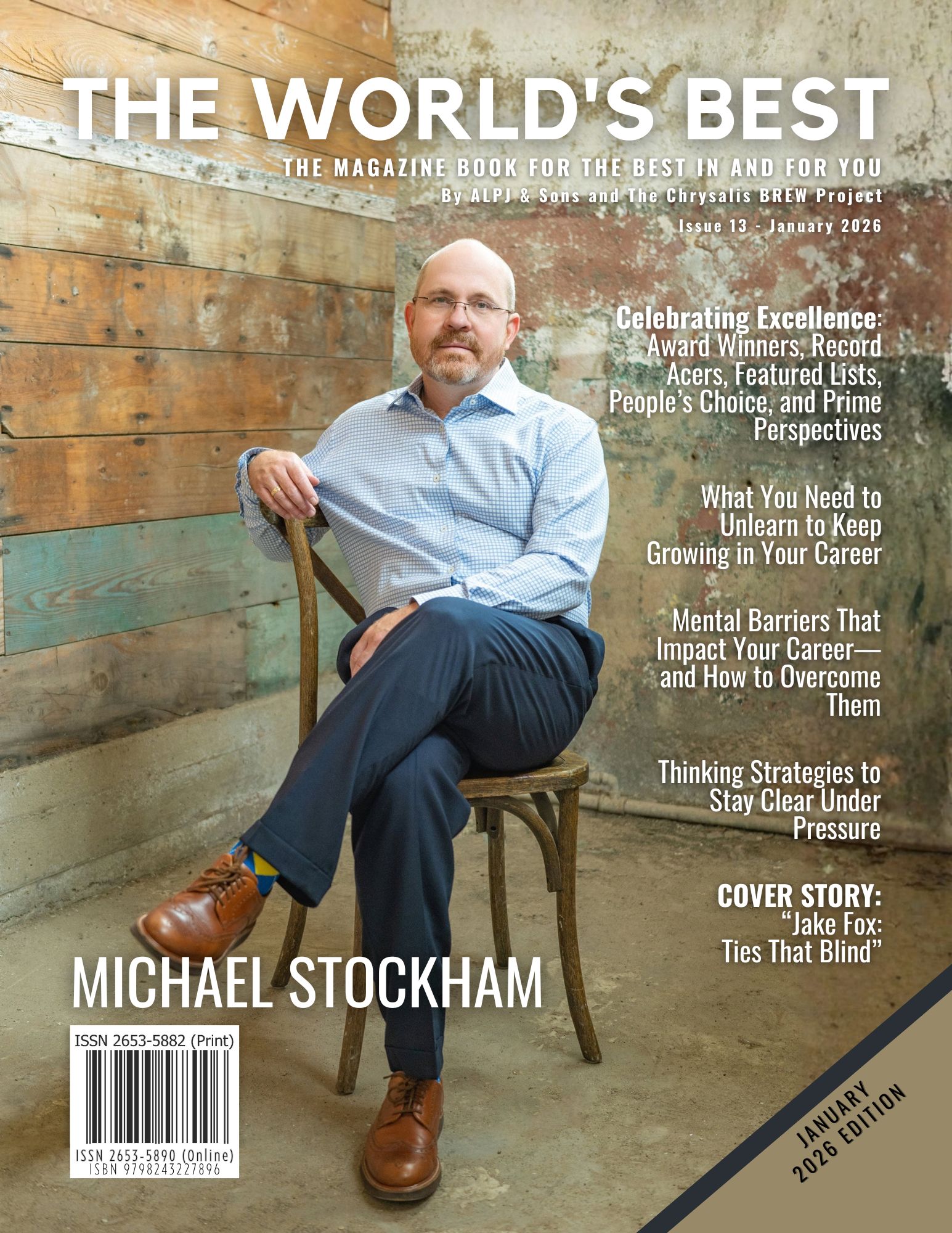
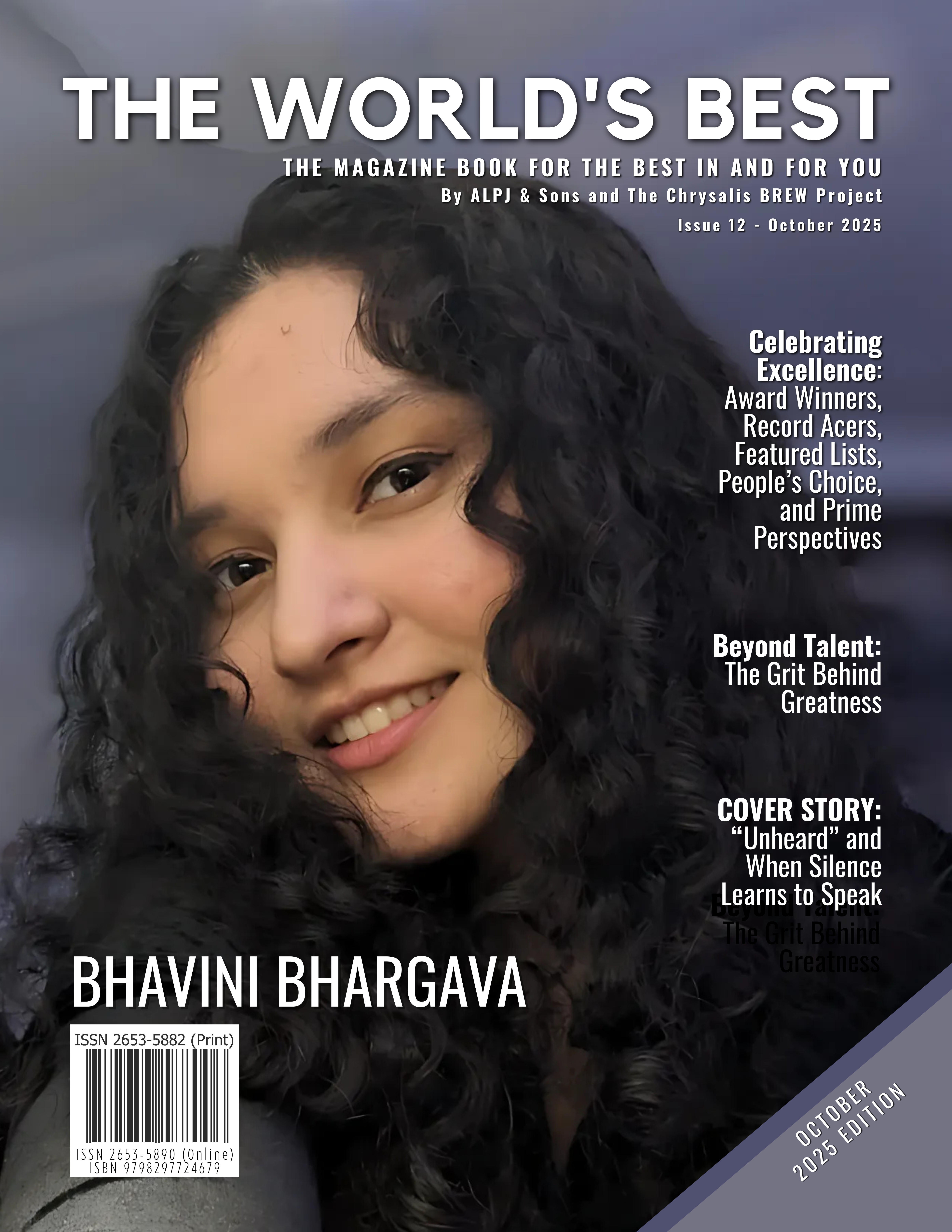

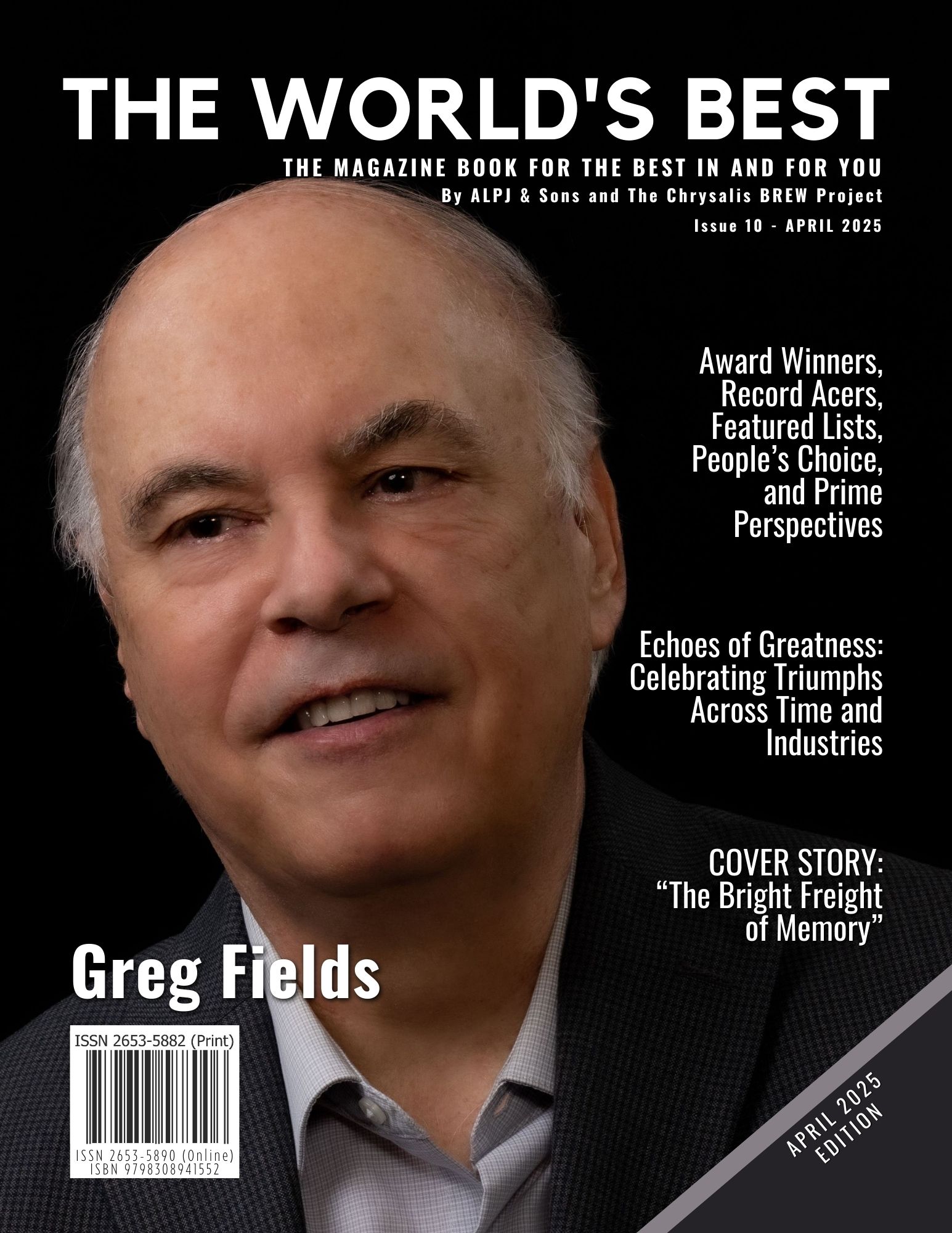









Don’t just read about greatness. Own it!

About Us
The World’s Best Magazine is a print and online publication that highlights the extraordinary. It is your passport to a universe where brilliance knows no bounds. Celebrating outstanding achievements in various fields and industries, we curate and showcase the exceptional, groundbreaking, and culturally significant. Our premier laurels, The World’s Best Awards, commend excellence through a unique process involving subject matter experts and a worldwide audience vote. Explore with us the pinnacle of human achievement and its intersection with diversity, innovation, creativity, and sustainability.
We recognise and honour the Traditional Owners of the land upon which our main office is situated. We extend our deepest respects to Elders past, present, and emerging. We celebrate the stories, culture, and traditions of Aboriginal and Torres Strait Islander Elders from all communities who also reside and work on this land.
Disclaimer: The World’s Best does not provide any form of professional advice. All views and opinions expressed in each post are the contributor’s own. Whereas we implement editorial policies and aim for content accuracy, the details shared on our platforms are intended for informational purposes only. We recommend evaluating each third-party link or site independently, as we cannot be held responsible for any results from their use. In all cases and with no exceptions, you are expected to conduct your own research and seek professional assistance as necessary prior to making any financial, medical, personal, business, or life-changing decisions arising from any content published on this site. All brands and trademarks mentioned belong to their respective owners. Your continued use of our site means you agree with all of these and our other site policies, terms, and conditions. For more details, please refer to the links below.
About | Advertise | Awards | Blogs | Contact | Disclaimer | Submissions | Subscribe | Privacy | Publications | Terms | Winners
The World’s Best: A Magazine That’s All About What’s Great | theworldsbestmagazine.com | Copyright ⓒ 2022-2026
Let’s connect
Discover more from The World's Best
Subscribe to get the latest posts sent to your email.

 The World's Best
One thought on “Mastering Stress with Dr. D. Terrence Foster: Insights from an Award-Winning Physician and Author”