
“I almost forgot just how much I missed—and deserved—a creative outlet.”
– Julie Avis
Disclaimer: This interview explores personal experiences with creativity, work-life balance, and self-expression. While the insights shared may inspire others, individual experiences with creative pursuits vary. If you are struggling with work-life balance or creative burnout, consider seeking support from professionals or trusted mentors.
Julie, your poem Black Swan has resonated deeply with so many people. Could you share what motivated you to return to writing and enter a poetry competition after such a long hiatus?
I’ve always loved both reading and writing poetry. My introduction to poetry came at a young age, thanks to my grandparents. I remember being read illustrated editions of The Owl and the Pussycat (Edward Lear) and Wynken, Blynken, and Nod (Eugene Field) as bedtime stories when I was little and fell in love with rhyme. After completing my schooling, university, and stepping into the ‘adult world,’ opportunities to engage with poetry and other passion projects became scarce. I almost forgot just how much I missed—and deserved—a creative outlet. As I’ve grown older, I’ve realised how important it is to create a work-life balance that allows me to make time for the things I truly love.
You’ve mentioned that writing Black Swan was a personal challenge for yourself. What inspired you to take on that challenge, and how did you feel when your poem received such recognition from both the judges and the community?
After discussing work-life balance with a few friends, I came across the BREW Poetry Competition at work, which was being promoted as an extracurricular opportunity for students. Since the competition was open to adults, and I tend to work better with a deadline, I decided to set myself the challenge of entering. Writing Black Swan turned out to be a cathartic and restful process—it reminded me of the passion I had for poetry in my younger years. It also became a personal challenge, something I was seeking to help balance my professional and personal life.
Honestly, I was very surprised that Black Swan was popular with the readers. The poem was such a personal journey for me, and I never expected it to resonate so deeply with others. Personally, I’ve always gravitated toward poems that tell a story and evoke emotion, and it seems I’m not alone in that! Receiving both the Community’s Pick and Judges’ Pick was an incredible honour. I felt surprised, happy, and overwhelmed all at once.
As a teacher, you have a busy and demanding role. How do you find time to balance your professional responsibilities with pursuing creative passions like writing?
Truthfully, it is a daily struggle.
As other teachers would be aware, the extra work hours with lesson preparation, marking, and administration done at home are both time-consuming and exhausting. We do this to allow more time for student-focused activities during the school day. Often, unwinding at the end of the day feels impossible, as there’s always something else to prepare for the days ahead. Writing Black Swan became a way for me to carve out time for myself, to focus on something creative despite the demands of my teaching role.
What was your creative process like when writing Black Swan? Did you find that the themes in your poem evolved as you worked on it, or did you have a clear vision from the start?
I’ve always been drawn to narrative and lyrical poetry, particularly those with a strong sense of rhythm. Some of my early favourites include The Man from Snowy River by Banjo Paterson, Annabel Lee by Edgar Allan Poe, The Tyger by William Blake, and Tarantella by Hilaire Belloc. More recently, I’ve enjoyed Cynthia Rylant’s short collection God Went to Beauty School.
For Black Swan, I chose a simple rhyming scheme as I felt it was something I could represent well, rather than a more complex form. I also felt that using a rhyming scheme added to the lyrical nature of the poem. Breaking away from the rhyme scheme at certain points allowed me to highlight key ideas and phrases, drawing the reader’s attention to them.
I had a clear vision of the setting for Black Swan. I came across a song by BTS (Bangtan Sonyeondan) titled Black Swan. Although I had to translate the lyrics, I was deeply moved by the theme of artists experiencing two deaths—the first when they lose their creativity. This resonated with me, and after watching the orchestral version on YouTube, which focused on expression through dance, I felt inspired to use the imagery of a dancer to represent the loss of creativity. However, as I began writing the poem, it took on a life of its own.
While you don’t write for publicity, do you hope that your story and Black Swan will inspire others to reconnect with their own passions and creative pursuits?
Although I didn’t write with the aim of seeking publicity, I do hope that my story in Black Swan can inspire others to reconnect with their own passions and creative pursuits. It’s easy to let negative opinions—both from others and from within—shape how you see yourself, which can limit what you believe you’re capable of achieving.
For me, Black Swan was about proving to myself that I could still be creative. If my story encourages others to write their own, explore poetry, or rediscover something they once loved, that would be incredibly meaningful to me.
Your role as a teacher and mentor allows you to inspire others daily. How do you think creative writing and poetry can be used to encourage personal growth, both in the classroom and beyond?
Poetry and storytelling allow us to step outside our own reality and experience something different. They also provide a safe space to explore emotions and social situations. Since poetry and literature are often open to personal interpretation and require analytical thinking, there is no single “right way” to read them. The same poem can be revisited multiple times, offering new insights as we grow and change throughout life.
Encouraging students to go beyond studying poetic forms, structure, and techniques—and instead express themselves through their own writing—gives them the opportunity to better understand themselves and potentially discover a passion for writing or the arts.
As a science teacher, I find that creative processes also serve as a valuable way to assess understanding. It’s one thing to answer an exam-style question, but another to write a poem or short story about the journey of a raindrop in the water cycle or the role of T-cells in the immune system. Creative writing offers students an engaging way to apply and deepen their knowledge across disciplines.
Many people struggle to find the time or confidence to pursue their creative interests. What advice would you give to someone who wants to start writing or return to an old passion but isn’t sure where to begin?
I’m incredibly grateful for my support network throughout this process. Their feedback on my early drafts and encouragement helped me push through self-doubt, meet the deadline, and submit my work.
The best advice I can give—though it may sound like a cliché—is to take that first step and just start writing. Trust yourself and give it a go, even if you’re unsure about the outcome. You can always revisit and refine it later.
Sustainability, diversity, and innovation are key topics in many fields today. How do you think creative writing, particularly poetry, can play a role in addressing or reflecting these important issues?
Poetry and other forms of creative expression can play a powerful role in raising awareness of environmental issues, social inequalities, and the need for innovation. Different genres allow for writing that can be hard-hitting, family-oriented, futuristic, or emotionally resonant, encouraging deeper thought, reflection, and discussion.
Additionally, poetry cultivates empathy and inclusivity by amplifying diverse voices and offering readers a window into experiences, backgrounds, and cultures different from their own. It can challenge biases and stereotypes, inspire compassion, and highlight pressing social issues such as climate change and mental health.
Poetry is a dynamic medium that allows language, form, and style to push boundaries and innovate thinking. It provides a space for reflection on struggles and strengths while delivering messages of hope and resilience—both on a personal level and within communities and the global landscape.
Winning the 2024 BREW Poetry Awards was a major accomplishment. Has this experience changed your approach to future creative projects or inspired you to continue exploring poetry or other forms of writing?
I plan to explore different poetic forms and further develop my skills in free verse. I’m also considering challenging myself by writing a six-word poem. This would be an exciting way to focus on concise language and create something meaningful, as I usually write in multiple stanzas.
Lastly, if there’s one message you hope readers take away from Black Swan and your journey back to poetry, what would it be?
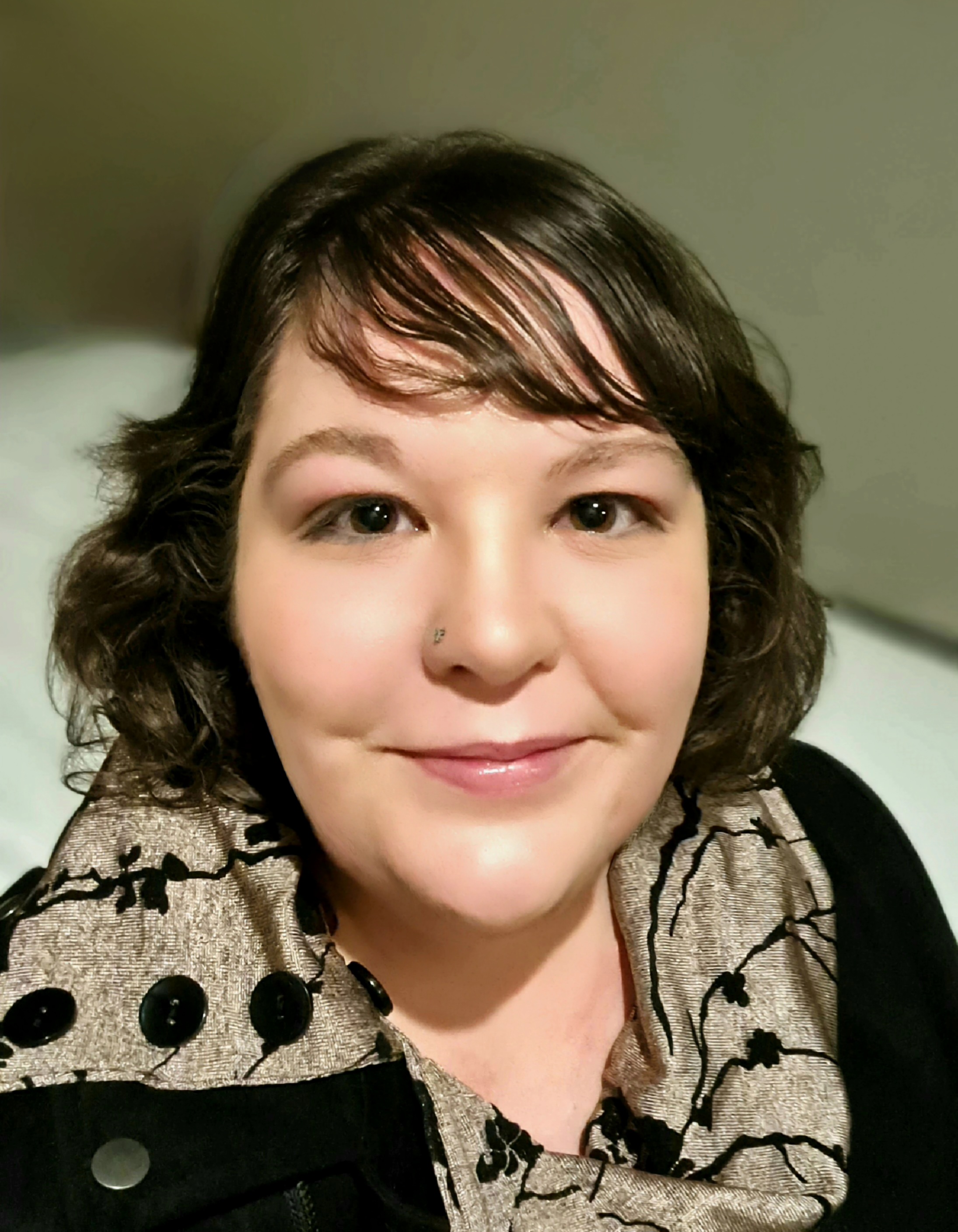
I hope that everyone who reads my poem finds something meaningful in its themes and imagery—something that resonates with their own life experiences. I also hope that at least one person feels inspired to explore a creative pursuit, perhaps by writing their own poem or engaging in another artistic expression. Everyone deserves a space for reflection and creativity, whether through their own work or the poetry of others. That is the true beauty of poetry.
⭐⭐⭐⭐⭐
“Everyone deserves a space for reflection and creativity, whether through their own work or the poetry of others.”
– Julie Avis
Links
- Read The Black Swan by Julie Avis via The Chrysalis BREW Project here
- Know more about the BREW Book, Blog, and Poetry Awards here
Share Your Insights
Julie’s journey back to poetry is a powerful reminder of the importance of creativity in our lives. Whether you’re an artist, writer, or someone rediscovering an old passion, your story matters too! Join the conversation by sharing your thoughts in the comments:
- What creative passion have you reconnected with or would love to revisit?
- How do you make time for creativity in your busy life?
- What inspires you most when reading or writing poetry?
We’d love to hear from you!
Alignment with the UN SDGs
Other Highlights

Looking for something?
Type in your keyword(s) below and click the “Search” button.
Helpful Shortcuts
More Stories




Print and Digital Magazine
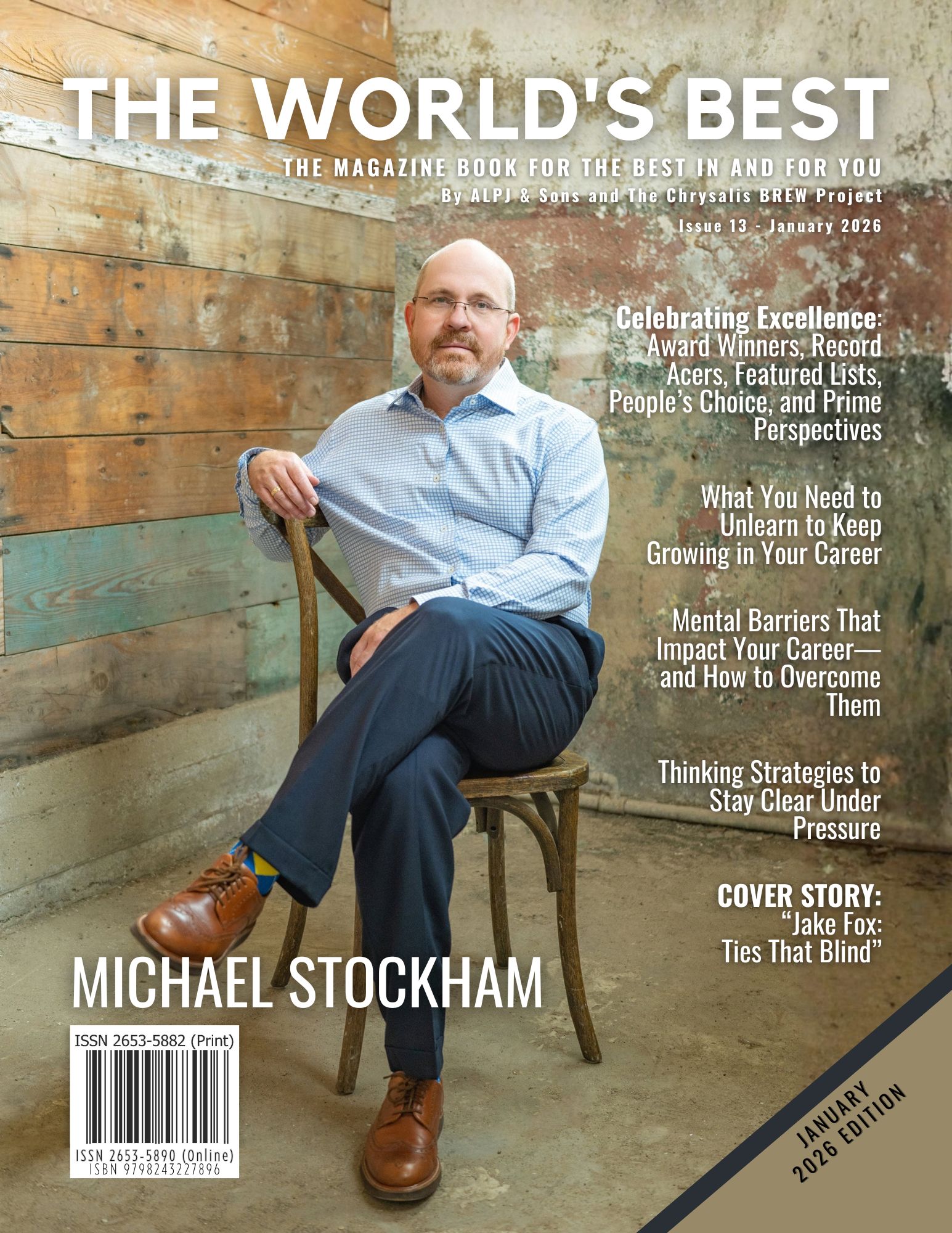

Don’t just read about greatness. Own it!

About Us
The World’s Best Magazine is a print and online publication that highlights the extraordinary. It is your passport to a universe where brilliance knows no bounds. Celebrating outstanding achievements in various fields and industries, we curate and showcase the exceptional, groundbreaking, and culturally significant. Our premier laurels, The World’s Best Awards, commend excellence through a unique process involving subject matter experts and a worldwide audience vote. Explore with us the pinnacle of human achievement and its intersection with diversity, innovation, creativity, and sustainability.
We recognise and honour the Traditional Owners of the land upon which our main office is situated. We extend our deepest respects to Elders past, present, and emerging. We celebrate the stories, culture, and traditions of Aboriginal and Torres Strait Islander Elders from all communities who also reside and work on this land.
Disclaimer: The World’s Best does not provide any form of professional advice. All views and opinions expressed in each post are the contributor’s own. Whereas we implement editorial policies and aim for content accuracy, the details shared on our platforms are intended for informational purposes only. We recommend evaluating each third-party link or site independently, as we cannot be held responsible for any results from their use. In all cases and with no exceptions, you are expected to conduct your own research and seek professional assistance as necessary prior to making any financial, medical, personal, business, or life-changing decisions arising from any content published on this site. All brands and trademarks mentioned belong to their respective owners. Your continued use of our site means you agree with all of these and our other site policies, terms, and conditions. For more details, please refer to the links below.
About | Advertise | Awards | Blogs | Contact | Disclaimer | Submissions | Subscribe | Privacy | Publications | Terms | Winners
The World’s Best: A Magazine That’s All About What’s Great | theworldsbestmagazine.com | Copyright ⓒ 2022-2026
Let’s connect
Discover more from The World's Best
Subscribe to get the latest posts sent to your email.

 The World's Best
2 thoughts on “Rediscovering Passion Through Poetry: An Interview with Julie Avis on Creative Expression and Personal Growth”