
“I am convinced that the secret to creating a calm and nurturing home is to uncover the psychological reasons that lie beneath your clutter.”
– Helen Sanderson
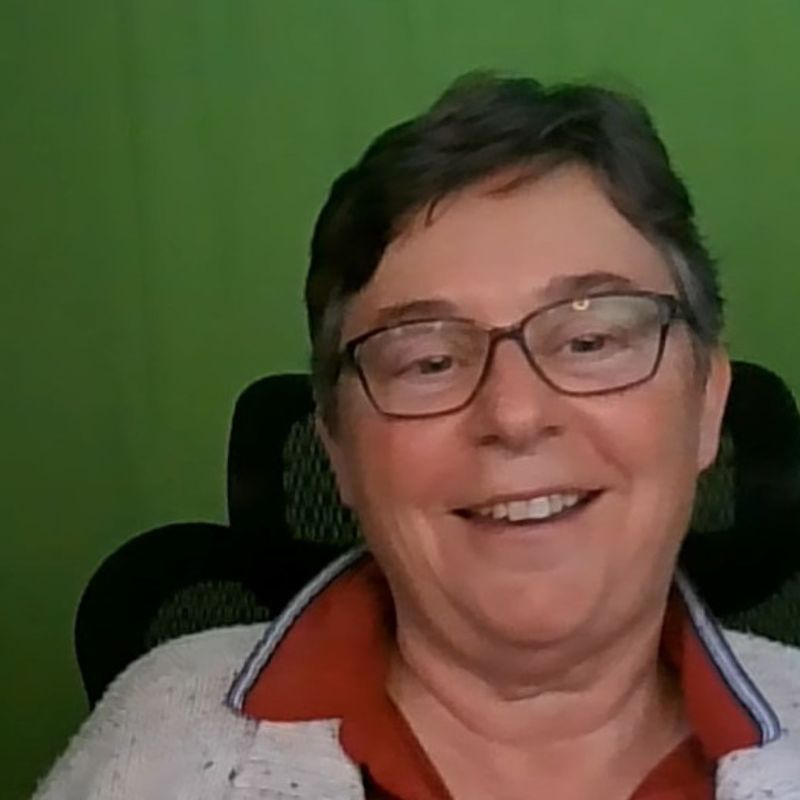
Clutter often reflects deeper psychological patterns and life circumstances, explains Helen Sanderson, a professional organizer, psychotherapist, and interior designer. With over 15 years of experience, she combines practical techniques and therapeutic insights to help individuals create spaces that align with their values and goals. In this interview, Sanderson shares how addressing the causes of clutter can lead to meaningful changes in both home and life.
What inspired you to write The Secret Life of Clutter, and motivated you to become an expert in decluttering and mindful living?
In over 15 years working as a Professional Organiser, Psychotherapist, and Interior Designer, I have become very aware that our homes have fascinating stories to tell. The spaces we inhabit and the objects within them reflect many aspects of our lives and our inner selves. In The Secret Life of Clutter, ten intimate and touching stories take you on a profound journey as people discover what their cluttered homes reveal about their lives, and make life-changing shifts when they start to let go and move on.
I am convinced that the secret to creating a calm and nurturing home is to uncover the psychological reasons that lie beneath your clutter. This also means coming to a realisation that what is blocking you in your home is often the key to moving forwards in your life. Unlocking some of the meaning your possessions may hold can free you to say goodbye to what you no longer need, while keeping your precious memories intact.
My intention was that the insights revealed in my book would help people understand some of the factors that may be sabotaging their efforts to make more space. I want to inspire everyone to take action and create a home that they love, a home that reflects who they are and the life they want to live.
As a Home Organizer, Psychotherapist, and Interior Designer, how do you integrate these diverse disciplines into your approach to decluttering and organising spaces?
I take a very holistic approach, where I combine practical organising techniques with psychological insights to understand the root causes of clutter. I also emphasise the importance of action: it is by tackling into the practical and physical aspects of the problem, integrated with the psychological work, that the real magic of transformation happens. My interior design background then allows me to create aesthetically pleasing and functional spaces that work to support my clients’ individual well-being and lifestyle goals.
What are some common psychological factors or emotional attachments that contribute to clutter, and how do you address them when working with clients?
Common factors contributing to clutter include emotional attachments to objects, fear of letting go, perfectionism, and procrastination. When working with clients, I address these issues through gentle questioning, mindfulness exercises, and helping them understand the emotional significance of their belongings. By exploring these underlying factors, we can work together to create lasting change.
Your holistic approach to decluttering emphasises uncovering what homes reveal about their owners. Could you elaborate on this concept and its significance in your work?
Absolutely, getting to the root of what our homes and our clutter reveal about our inner lives is central to my work. Our living spaces are a physical manifestation of our values, fears, and aspirations. By examining the clutter and organization patterns in a home, I can gain insights into a client’s psychological state and life challenges. This understanding allows me to tailor my approach and provide more effective support. I have learnt that the secret to creating a calm and nurturing home is to uncover the psychological reasons that lie beneath your clutter, and to understand that what is blocking you in your home and your life is often the key to moving forwards. Unlocking some of the meaning your possessions may hold can free you to say goodbye to what you no longer need, while keeping your precious memories intact.
How do you empower your clients to take positive action and make meaningful changes in their lives through decluttering?
My focus is always to guide people to connect with their authentic selves and values. By helping them identify what truly matters in their lives, I encourage them to let go of items that no longer serve them. Once they better understand some of the factors that may be sabotaging their efforts to make more space, it inspires them to take action and create a home that they love, who you they and the life they want to live. I also teach practical organising skills and mindfulness techniques that enable clients to maintain their decluttered spaces and continue their journey of personal growth.
Can you share a transformative experience or success story from your work where decluttering led to significant life changes for a client?
One of my clients, in The Secret Life of Clutter I call her Jan, struggled to live her own life to the full whilst juggling her responsibilities around caring for her elderly mother who had moved in with her. She placed a high value on taking care of and pleasing others, and so found it really tough to acknowledge and voice her own needs. This manifested in giving pride of place in the home to her mother’s things, while hiding her own possessions away. The final realisation for Jan was provoked by her over-anxiety about sorting through delicate ornaments in a glass display case. I encouraged her to notice that in a similar way she was behaving overprotectively towards her mother. In her work with me Jan was finally able to acknowledge the value of her own space and possessions. Ultimately, she and her mother were able to see that the living arrangements didn’t serve either of their best interests. In the end, mum was happier, safer and had more independence when she moved into supported living.
What are some misconceptions or myths about decluttering, and how do you dispel them in your practice?
A common misconception about decluttering is that it’s simply about getting rid of things. In reality, it’s a process of self-discovery and intentional living. Another myth is that decluttering means you have to get rid of everything and live a minimalist lifestyle. I prefer to emphasise that decluttering is about creating a space that reflects and supports one’s authentic self, rather than adhering to any particular aesthetic or standard.
Mindful living sounds like a key aspect of your approach. How do you incorporate this into the decluttering process, and what benefits does it offer?
Mindfulness doesn’t have to mean sitting on a cushion and meditating. To me, it is about being open to, and present with, what is going on in your environment. This encompasses your inner world and the world around you, including your home and possessions. I take a two tier approach during the decluttering process. Firstly, we start by getting really clear about their goals and intention of the work. By deeply connecting to the positive consequences of tackling the clutter and getting organised, people can stay the course if the going gets tough.
When we are actually decluttering, though, my emphasis is very much on taking swift and decisive action. There is not time, and it is not helpful, to spend a long time deliberating over every item. I encourage my clients to trust their gut, in the context of the overall goals and vision we have set. That does not mean ignoring any feelings that come up though, especially when triggered by specific objects. One strategy is to have a ‘Donʼt knowʼ pile, where you can set aside the trickier decisions for later and maintain momentum. If specific things are really emotionally charged, I sometimes suggest that people box them up and return to them at a set date in the future (typically 3-6 months). In psychological language this is known as bracketing.
When coming back to the trickier items, I encourage clients to be fully present and aware as they interact with their belongings. This might involve meditation or other psychotherapeutic exercises. Together, these techniques help clients develop a deeper understanding of their relationship with possessions and make more intentional choices about their living spaces.
What advice would you give to people who are struggling to declutter and create a more organised home?
If you are working alone, and have been struggling for a while, I advise starting small and focusing on one area at a time. It’s important to be compassionate with yourself and recognize that decluttering is a process, not a one-time event. I also recommend setting clear intentions for each space and visualising how you want to feel in your home. Remember that it’s okay to ask for help, whether from friends, family, or a professional organiser. Some people just don’t have the special skillset or capacity to do this alone, especially if they are carrying difficulties from the past.
What are your goals and aspirations for continuing your work and how do you envision shaping the conversation around clutter and mental well-being in the future?
⭐⭐⭐⭐⭐
“My focus is always to guide people in connecting with their authentic selves and values, helping them create a home that reflects who they are and the life they want to live.”
– Helen Sanderson
Links
Share Your Insights
We’d love to hear your thoughts on this insightful conversation with Helen Sanderson. Share your experiences and ideas in the comments:
- What challenges have you faced when decluttering your home?
- How do you think your living space reflects your personal values or goals?
- What strategies have helped you create a space that feels more supportive and organized?
Alignment with the UN SDGs
The interview aligns with several UN Sustainable Development Goals (SDGs):
- SDG 3: Good Health and Well-being – Highlights the mental health benefits of decluttering and creating supportive living environments.
- SDG 12: Responsible Consumption and Production – Encourages mindful living and reducing waste through intentional decisions about possessions.
- SDG 11: Sustainable Cities and Communities – Promotes better use of living spaces to enhance well-being and sustainability in homes.
- SDG 4: Quality Education – Shares knowledge and strategies for personal growth through decluttering and mindful living practices.
Other Highlights

Looking for something?
Type in your keyword(s) below and click the “Search” button.
Helpful Shortcuts
More Stories
























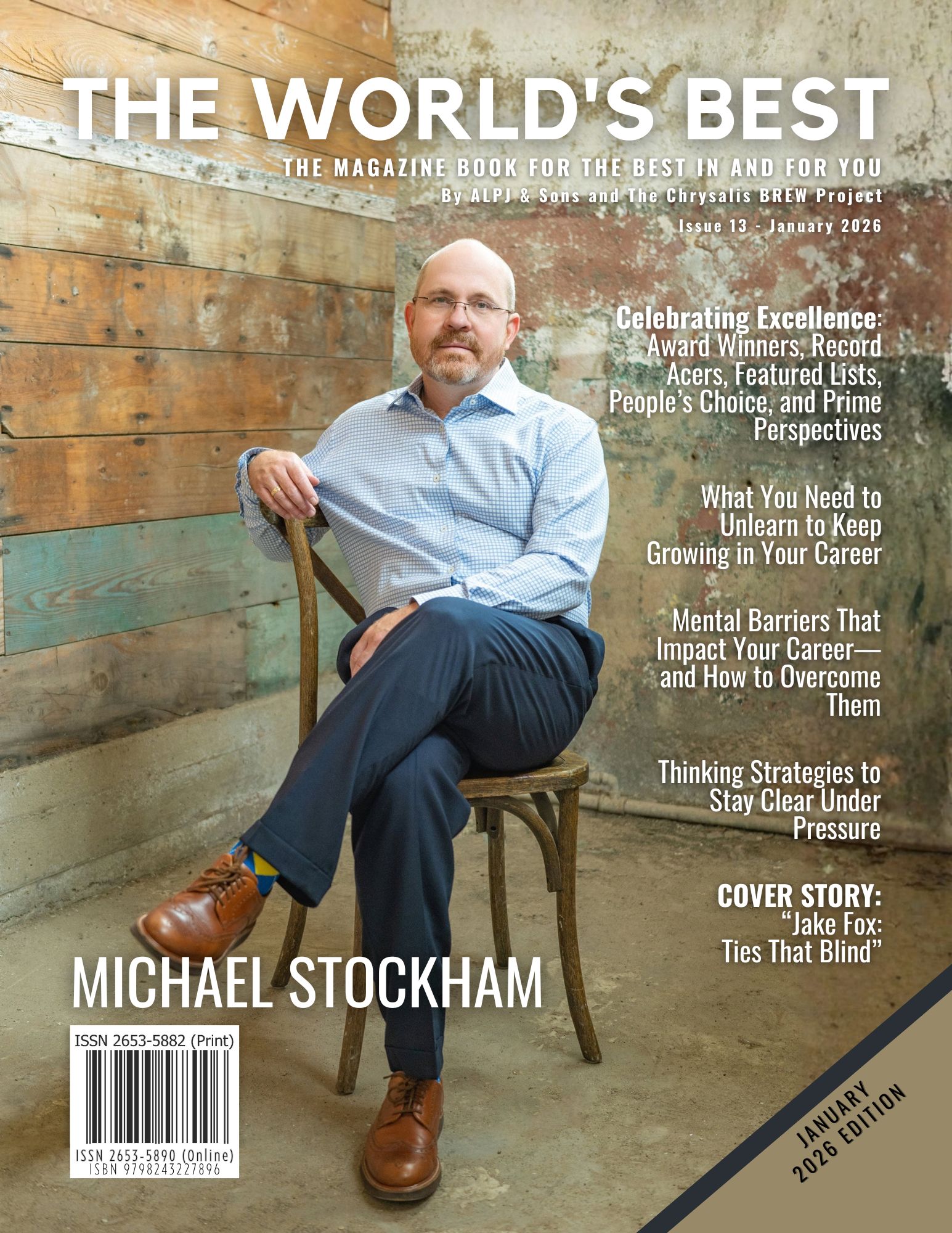
Print and Digital Magazine
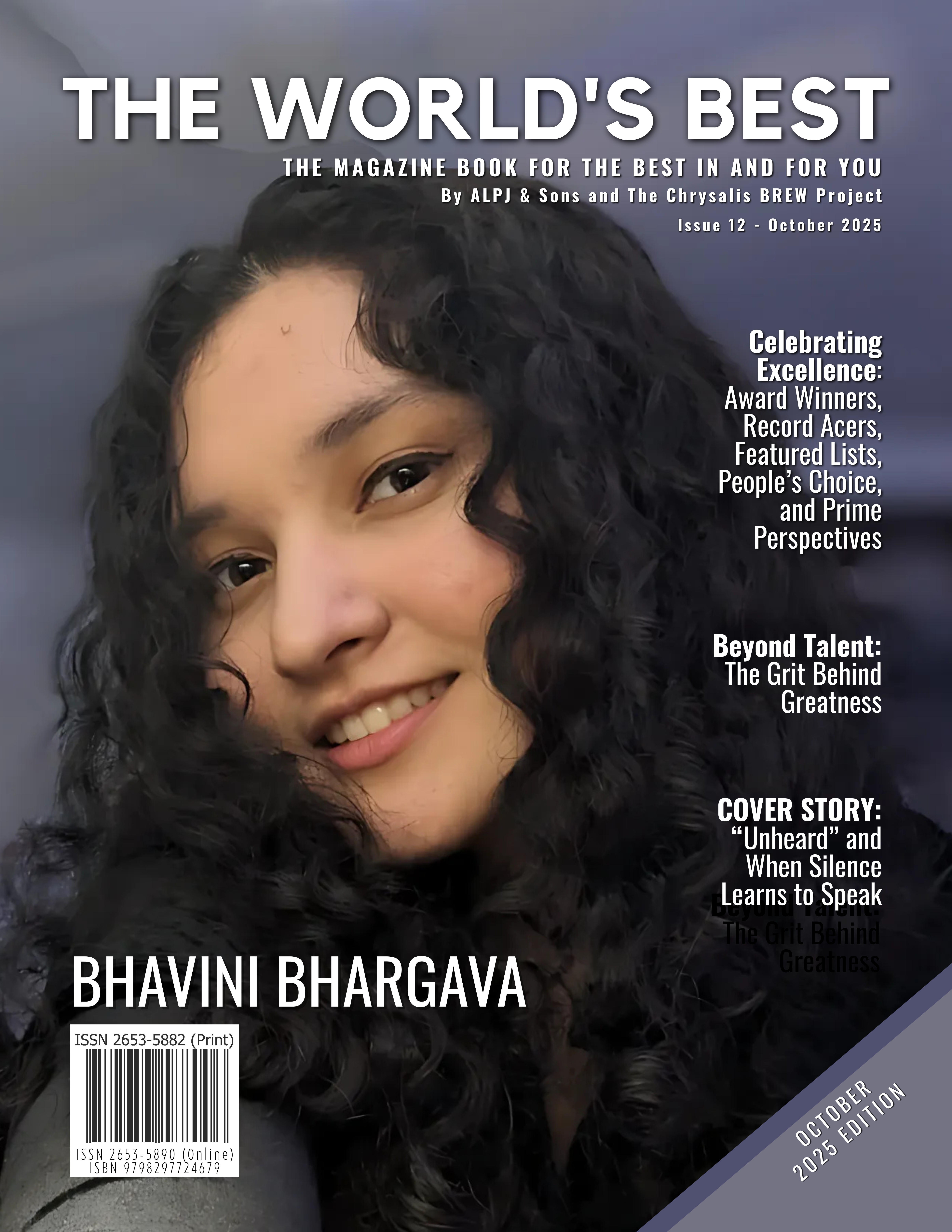




Don’t just read about greatness. Own it!

About Us
The World’s Best Magazine is a print and online publication that highlights the extraordinary. It is your passport to a universe where brilliance knows no bounds. Celebrating outstanding achievements in various fields and industries, we curate and showcase the exceptional, groundbreaking, and culturally significant. Our premier laurels, The World’s Best Awards, commend excellence through a unique process involving subject matter experts and a worldwide audience vote. Explore with us the pinnacle of human achievement and its intersection with diversity, innovation, creativity, and sustainability.
We recognise and honour the Traditional Owners of the land upon which our main office is situated. We extend our deepest respects to Elders past, present, and emerging. We celebrate the stories, culture, and traditions of Aboriginal and Torres Strait Islander Elders from all communities who also reside and work on this land.
Disclaimer: The World’s Best does not provide any form of professional advice. All views and opinions expressed in each post are the contributor’s own. Whereas we implement editorial policies and aim for content accuracy, the details shared on our platforms are intended for informational purposes only. We recommend evaluating each third-party link or site independently, as we cannot be held responsible for any results from their use. In all cases and with no exceptions, you are expected to conduct your own research and seek professional assistance as necessary prior to making any financial, medical, personal, business, or life-changing decisions arising from any content published on this site. All brands and trademarks mentioned belong to their respective owners. Your continued use of our site means you agree with all of these and our other site policies, terms, and conditions. For more details, please refer to the links below.
About | Advertise | Awards | Blogs | Contact | Disclaimer | Submissions | Subscribe | Privacy | Publications | Terms | Winners
The World’s Best: A Magazine That’s All About What’s Great | theworldsbestmagazine.com | Copyright ⓒ 2022-2026
Let’s connect
Discover more from The World's Best
Subscribe to get the latest posts sent to your email.

 The World's Best
2 thoughts on “Unlocking Clarity: A Conversation with Helen Sanderson on Decluttering and Mindful Living”