
“I believe everyone struggles with these issues in their lives and so I hope my book encourages grievers to think deeply about these issues and to think of ways to encourage others who struggle.”
– Kathleen Templeton
Content Warning: This interview discusses themes of grief, loss, and personal trauma, which may be sensitive for some readers. Please proceed with caution if these topics are triggering.
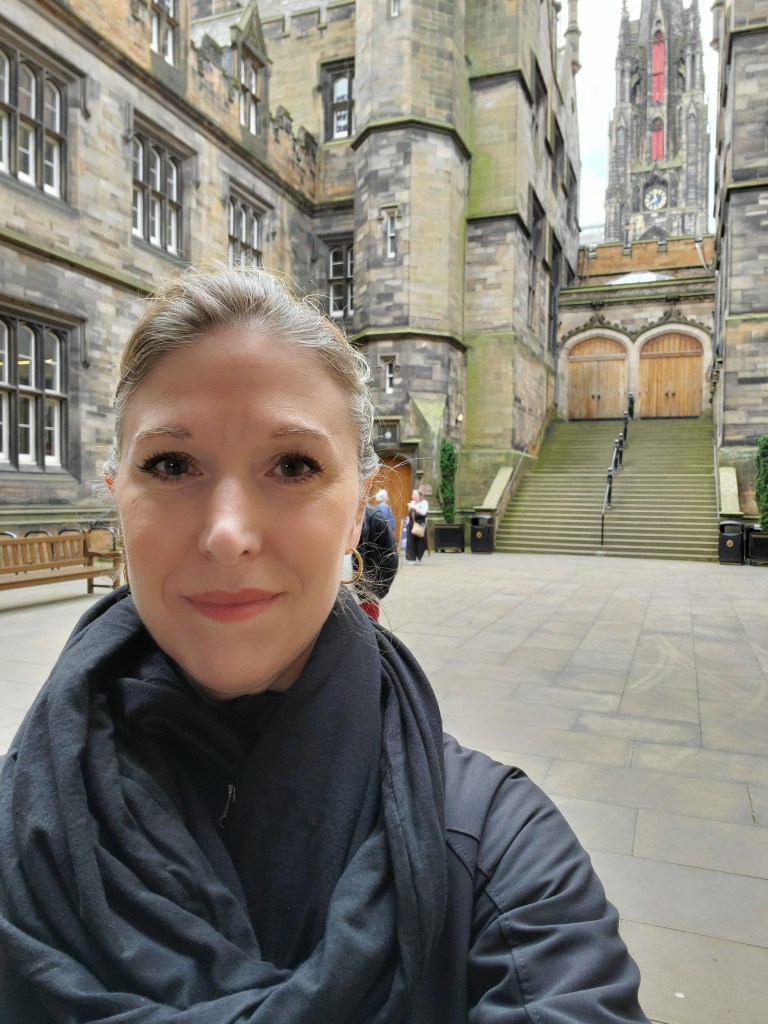
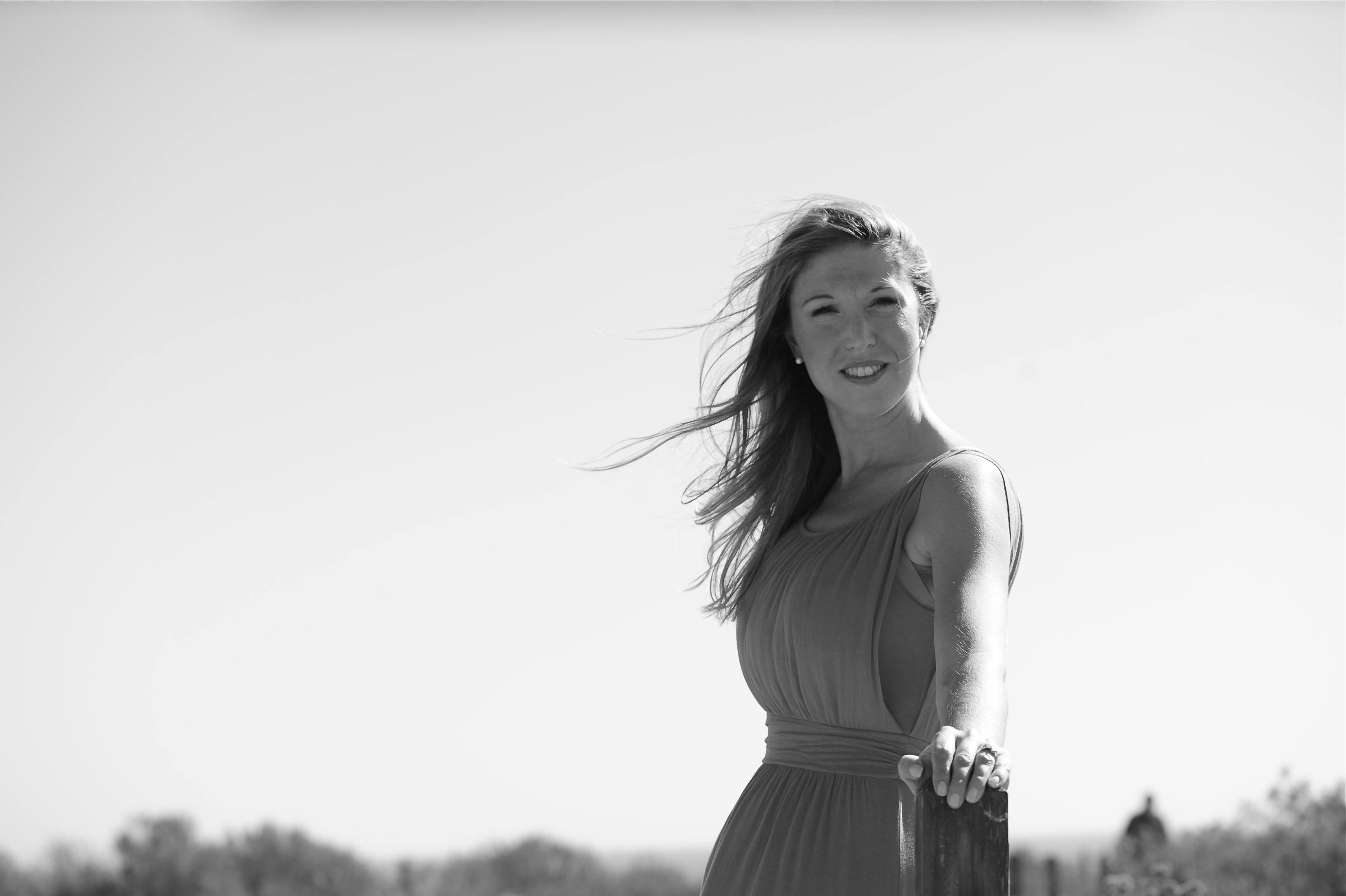
Kathleen Templeton is an elementary teacher and author who lives in Calgary with her husband, Mark, and their two daughters, Reagan and Summer. Her role as a mother has strengthened her faith and deepened her dedication to helping others. Templeton is passionate about genealogy, art, reading, and exploring family history. In addition to her teaching career, she has focused on writing, specifically exploring complex emotional topics through her work. In her book, Jar of Tears, she reflects on grief and healing, offering guidance for those tackling personal loss. Her work is shaped by her life experiences and commitment to supporting others through their struggles.
Now, let’s look into her journey and the inspiration behind her book.
Jar of Tears has been awarded the BREW Seal of Excellence. What does this recognition mean to you, and how has it impacted your journey as an author?
To be awarded the BREW Seal of Excellence is an honour! You write your best book, agonizing over word choice, character development, etc., give it to your Beta readers and brace yourself for oftentimes brutal feedback. You want it to hurt a little. You only improve with brutal honesty. Your editor scrubs and shaves the other parts of your manuscript until it glows. But you pay them to do it. When your work is recognized by an organization that reads many books by many distinguished authors, you humbly submit your book and pray that you won’t be humiliated by feedback. To receive honest, objective recognition for all that work is validation that you do belong to a special group of people called authors.
Your book tackles the delicate subject of grief in a way that resonates with younger readers. How did your personal experience with loss shape the story?
My personal story of grief was a hard, early lesson that bad things can, and do happen. My beautiful mom died when she was only 36 years old and my world crumbled. So much change happened to my foundation within hours of that devastating loss, that I constantly felt like I was treading water and drowning. For 30 years, I pushed my grief aside, but a wise counsellor explained that it’s a hard job you must do. I wrote this book for kids who are drowning in grief and not sure how to process it. They wonder: What’s wrong with me? How do I grieve?
In Jar of Tears, Mira struggles with her faith after her mother’s death. How did you approach writing about the conflicting emotions children face when dealing with loss and faith?
Approaching this struggle was easy for me because I wrote my own journey and struggles in the book. In reality, don’t most people question God when tragedy strikes them in a permanent and personal way? They really want to know how a loving, benevolent God who controls everything allows such misery by removing someone so important to us. Understanding the Will of God may take a lifetime to understand and accept. For me, in adulthood, after my whole life was spent trying to understand why God would take my mother in the prime of her life, I realized I would not understand why in this lifetime and that some mysteries will only be revealed once I get to heaven. I’ve had to learn to be okay with that and trust that God’s ways are higher than my ways. My hope is that other grievers will see their own struggle with faith in God in Mira’s struggle. It’s honest, it’s raw, and it’s necessary.
The character Mira is thrust into a new environment with a stepfamily and a new school. How do these changes mirror the challenges you faced in your own life, and why was it important to include them?
I included these secondary losses in the story because it’s a very normal thing to have your entire life changed drastically in the face of loss. It’s not just Mira’s mother who died, but everything foundational in her life that changed, too. This was another easy decision to include in the book because, within 30 minutes of hearing the dreadful news of my mother, I was in my dad’s car on the way to a new city, a new home, a new neighbourhood and a new school, not to mention a new family. In writing, they say you should always make life incredibly difficult for your protagonist, so again, I wrote what I knew. However, I wanted my book to be a support for children experiencing similar challenges, so I included it. I wanted to show readers how Mira responded to never-ending loss and how she took control over the situation to befriend her stepmother and stepsiblings. Hopefully, it reminds grieving children that they still have the power to control their environment in positive ways.
What role do you think Jar of Tears can play in helping families and children tackle grief together?
I hope and pray that Jar of Tears can give empathy to adults who care for grieving children. Children don’t always have the words to communicate what they’re feeling and what they need. If they can find those emotions in a book, they may feel less alone and less strange for feeling a certain way. I believe adults must take the lead in starting conversations and asking questions to help kids find a new, supportive and responsive foundation.
How has the feedback from Christian youth groups or educators influenced your perspective on the book’s reception and its role in faith-based communities?
That’s a tricky question because grief is very personal. Everyone grieves and finds comfort in different ways. There is no “one size fits all” in grief. And so, this book would not be a great fit for a youth group, per se. The loss of a mother is not something you can share with another person unless they have lost their mother, too. Perhaps in the case of a tragedy that affects an entire youth group, this book is better suited to individual readings and discussions with a youth pastor or parent. Ideally, this book would be a resource that a parent or pastor shares with a grieving child.
In the book, Mira uses her art as an emotional outlet. Why was this creative expression an essential part of her healing journey, and how does it reflect your own experience?
I believe there is something therapeutic about art and creating something that’s beautiful, original, unique, and yours. While I was drawn to art as a child, it was large jigsaw puzzles that I put together in my grieving years that helped me. I didn’t have it in me to draw, paint or sketch, I was too sad. Putting puzzles together would take hours of focus and I thought about my grief and my faith as I completed them. In addition, writing about jigsaw puzzles is not interesting reading if you ask me. (I could be wrong)
The themes in Jar of Tears—grief, faith, and resilience—are universal yet deeply personal. What has been the most rewarding or surprising response you’ve received from readers so far?
I believe everyone struggles with these issues in their lives and so I hope my book encourages grievers to think deeply about these issues and to think of ways to encourage others who struggle. The most rewarding response so far has been the response of an adult, who told me that my book helped them think about their grief in a different way, a more positive way. That blessed me. I know full well what happens if grief is not dealt with when it happens: it waits around the corner, lurking like a schoolyard bully. Grief must be processed and it’s never too late to grieve the loss of someone you loved and lost.
As an author with a background in education, how do you think middle-grade literature can effectively address complex topics like grief, and what responsibility do writers have when dealing with such subjects?
As a teacher, it’s wonderful to see kids reading. There are so many great books out there and it’s important for kids to have choices in what they want to read. Stories are effective vehicles for teaching concepts. Jesus Christ taught new concepts to people using parables. The lessons stay with you longer when you can connect it with a story. I hope my story shows grieving kids that they are surrounded by opportunities to create meaningful ways to remember their loved ones. I believe writers should learn facts about their content and in some cases, have experts go over manuscripts to ensure information is helpful and accurate. I had my therapist and her pastor husband go through my book to check for appropriate voices of the therapist and the pastor.
Finally, you mentioned that you have a passion for genealogical research. Have your personal interests or hobbies outside of writing influenced the way you approach storytelling?
I love learning about my family tree, but have gained a new appreciation for the hardships that previous generations have had to endure. I marvel at the heartaches they had, but they did not have the option of giving up. It reminds me that I am very blessed and can never give up. When I look back to stories in my family tree, I realize that there are wonderful true stories of resilience in every branch.
⭐⭐⭐⭐⭐
“I hope my story shows grieving kids that they are surrounded by opportunities to create meaningful ways to remember their loved ones.”
– Kathleen Templeton
Links
- Kathleen Templeton on LinkedIn
- Goodreads
- Know more about the BREW Book, Blog, and Poetry Awards here
Share Your Insights
We’d love to hear your thoughts on this interview with Kathleen Templeton. Please share your insights in the comments below:
- How has Jar of Tears resonated with you?
- In what ways do you think books can help with grief and healing?
- What other themes do you believe are important for children’s literature on tough topics like loss?
We look forward to your comments!
Alignment with the UN SDGs
Kathleen Templeton’s Jar of Tears aligns with several UN Sustainable Development Goals (SDGs) by addressing grief and healing in a manner that fosters emotional resilience, inclusivity, and community support. Key connections include:
- Good Health and Well-being (SDG 3): The book provides tools for emotional healing, encouraging children and families to process grief healthily, fostering mental wellness.
- Quality Education (SDG 4): Through its storytelling, the book offers insights into emotional intelligence and coping mechanisms, supporting educators and parents in teaching children about grief and resilience.
- Reduced Inequalities (SDG 10): The narrative recognizes the diverse ways individuals experience and process grief, promoting empathy and inclusivity in addressing loss.
- Peace, Justice, and Strong Institutions (SDG 16): By encouraging open discussions about grief, the book strengthens family and community bonds, fostering environments where children feel supported.
Templeton’s background in education and her thoughtful approach to writing reinforce the importance of creating meaningful resources to address universal yet deeply personal experiences. Jar of Tears exemplifies how literature can be a bridge to healing and understanding for individuals and communities alike.
Other Highlights

Looking for something?
Type in your keyword(s) below and click the “Search” button.
Helpful Shortcuts
More Stories



























Print and Digital Magazine









Don’t just read about greatness. Own it!

About Us
The World’s Best Magazine is a print and online publication that highlights the extraordinary. It is your passport to a universe where brilliance knows no bounds. Celebrating outstanding achievements in various fields and industries, we curate and showcase the exceptional, groundbreaking, and culturally significant. Our premier laurels, The World’s Best Awards, commend excellence through a unique process involving subject matter experts and a worldwide audience vote. Explore with us the pinnacle of human achievement and its intersection with diversity, innovation, creativity, and sustainability.
We recognise and honour the Traditional Owners of the land upon which our main office is situated. We extend our deepest respects to Elders past, present, and emerging. We celebrate the stories, culture, and traditions of Aboriginal and Torres Strait Islander Elders from all communities who also reside and work on this land.
Disclaimer: The World’s Best does not provide any form of professional advice. All views and opinions expressed in each post are the contributor’s own. Whereas we implement editorial policies and aim for content accuracy, the details shared on our platforms are intended for informational purposes only. We recommend evaluating each third-party link or site independently, as we cannot be held responsible for any results from their use. In all cases and with no exceptions, you are expected to conduct your own research and seek professional assistance as necessary prior to making any financial, medical, personal, business, or life-changing decisions arising from any content published on this site. All brands and trademarks mentioned belong to their respective owners. Your continued use of our site means you agree with all of these and our other site policies, terms, and conditions. For more details, please refer to the links below.
About | Advertise | Awards | Blogs | Contact | Disclaimer | Submissions | Subscribe | Privacy | Publications | Terms | Winners
The World’s Best: A Magazine That’s All About What’s Great | theworldsbestmagazine.com | Copyright ⓒ 2022-2026
Let’s connect
Discover more from The World's Best
Subscribe to get the latest posts sent to your email.

 The World's Best
One thought on “On Grief and Healing: Kathleen Templeton and the Journey Behind Jar of Tears”