
“Swimming has the power to transform lives.”
– Eduard Mannanov
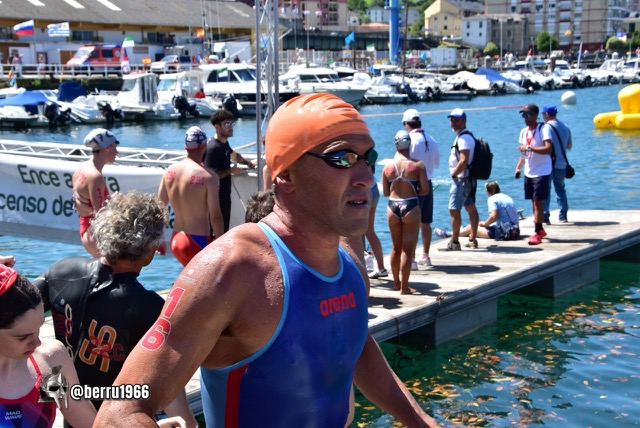
Could you tell us about your background in swimming? What inspired you to pursue the sport, and how did your career evolve over time?
My journey in swimming began at the age of three when my parents introduced me to the water. What started as a childhood activity soon transformed into a deep passion, as I discovered a sense of freedom, discipline, and purpose in the sport. Watching elite swimmers perform with such precision and dedication inspired me to pursue competitive swimming and work relentlessly to push my limits.
By my teenage years, I had earned the prestigious title of Master of Sports in Russia, marking a significant milestone in my career. I competed in various national and international events, gaining valuable experience and honing the skills that would serve as a foundation for future success. However, at the very edge of my sporting career, I faced a pivotal decision—whether to continue pursuing competitive swimming or to focus on my studies and professional growth. This difficult choice led me to step away from the sport, leaving behind a chapter that felt incomplete.
That frustration, born from leaving something unfinished, would resonate with me deeply in the years to come. It planted a seed of determination, pushing me later in life to return to the sport with renewed purpose. After a 13-year hiatus, a pivotal moment reignited my passion: participating in the Moscow Marathon, which reminded me of the physical and mental strength swimming had given me. At 34, I returned to the competitive arena in the Masters category.
My first competition after the break, at the Krylatkoye Rowing Canal in 2018, was both challenging and transformative. I quickly regained my form and began a new chapter in my career, achieving milestones I had once only dreamed of. These included three gold medals at the 2023 World Aquatics Masters Championships in Fukuoka, Japan, and victories at the European Open Water Championships. My journey came full circle as I not only filled the void left by my earlier decision but surpassed my own expectations.
Today, swimming is much more than a sport for me—it’s a lifelong journey of growth, discipline, and self-discovery. Through my platform, MareSwim, I coach swimmers of all levels, sharing both my competitive experiences and the lessons learned from my own struggles and triumphs. I strive to empower others to unlock their potential, not just in the pool but in life.
Swimming has taught me that setbacks often lead to the most meaningful comebacks. My story is a testament to the idea that it’s never too late to return to what you love and to achieve greatness on your own terms.
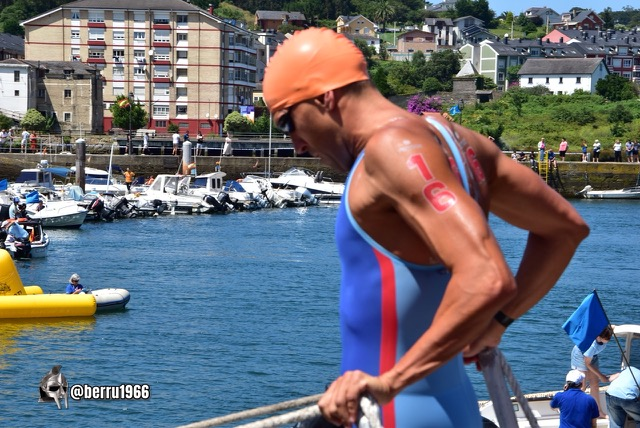
After a long break from swimming, you made an impressive return to competition. How did you tackle the challenges of getting back into peak shape, and what drove you to push through those early obstacles?
After stepping away from the competitive world for over a decade, returning to the sport presented challenges I hadn’t anticipated. Physically, my body was far from its peak condition, and I knew I had to start from the ground up. My approach was methodical: I focused first on regaining my connection to the water, prioritising technique over speed, and building my endurance gradually. Training sessions were structured to avoid burnout or injury, ensuring a sustainable progression.
Mentally, the process was equally demanding. Comparisons to my younger self became an unexpected obstacle, and I quickly realised that nothing I had relied on before—neither the workouts nor the motivations—would work now. The training methods that had once pushed me to peak performance simply didn’t yield the same results anymore. Likewise, the goals that had driven me earlier in my career no longer resonated in the same way. It was as if I had to completely reinvent my approach, cutting ties with old habits and assumptions like cutting an umbilical cord.
This shift forced me to embrace a mindset of adaptability. Instead of dwelling on the past, I turned my focus to understanding what my body and mind needed at this stage of my life. I explored new methodologies, incorporating smarter recovery practices, tailored strength training, and a balanced approach to mental conditioning. I also learned to find motivation in different sources—not in proving myself to others, but in redefining what success meant for me.
What truly fuelled my determination was the lingering sense of unfinished business. Stepping back into the pool wasn’t just about competing again; it was about reclaiming a part of myself that had been left behind. The swimming community played a pivotal role here—especially the Masters swimmers, whose shared passion and camaraderie reminded me of the sport’s deeper value beyond medals and rankings.
When I participated in my first Masters competition, I felt a mix of excitement and apprehension. It was at the Krylatkoye Rowing Canal in 2018, and though the road to that point had been filled with obstacles, the experience reaffirmed why I belonged in the water. Each race became a stepping stone, bringing me closer to the athlete I had been—and even beyond.

You’ve had significant success in competitive swimming, including multiple awards at prestigious events. Could you share more about the awards and milestones you’ve achieved throughout your career and how they’ve shaped your approach to both competition and coaching?
Success in competitive swimming has come to me in different stages of my life, and each milestone carries its own significance. Early in my career, earning the title of Master of Sports in Russia was a pivotal moment. It validated the years of effort I had poured into the sport during my formative years and established me as a serious competitor on national and international stages. These experiences built the foundation for the discipline and resilience that would define my journey.
After returning to competitive swimming in the Masters category, my career reached new heights. One of my most defining milestones came in 2023 when I won three gold medals at the World Aquatics Masters Championships in Fukuoka, Japan. Competing in both pool and open water events, I proved to myself that age and time away from the sport were not limitations but challenges to overcome. These victories reaffirmed the importance of strategic training, adaptability, and mental focus.
In 2022, I achieved another significant milestone by securing three gold medals at the European Masters Championships in Rome. The following year, at the European Masters Short Course Swimming Championships in Madeira, I continued this success with additional gold medals. These back-to-back accomplishments not only underscored my dedication and skill but also served as a testament to the effectiveness of my training methodologies and mental preparation.
In February 2024, at the World Aquatics Masters Championships in Doha, Qatar, I represented Club Natación Metropole and secured two silver medals in the 400-meter and 800-meter freestyle events, as well as a bronze medal in the 3,000-meter open water race. These achievements highlighted my versatility across different swimming disciplines and environments, further reinforcing the importance of comprehensive preparation and adaptability—qualities I emphasize in my coaching.
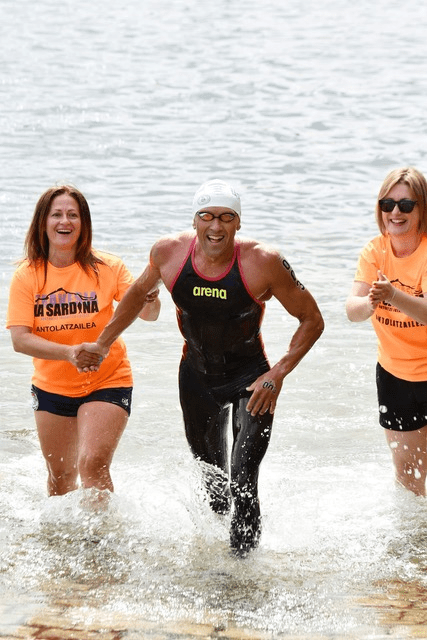
Another remarkable highlight was my victory in the Spanish Open Water Cup in the elite category, a challenging competition consisting of six obligatory legs across diverse conditions. This year, I also had the privilege of winning prominent international events, including the Travesía Port de Barcelona, La Sardina in Bilbao, Lanzarote Open Water, Travesía La Palma, and the final stage of the Copa de España. These events showcased my ability to excel in a variety of open water conditions, demonstrating not only physical endurance but also strategic adaptability.
In addition to these accomplishments, I achieved a Spanish national record in the Masters category. Breaking this record was a deeply gratifying moment that symbolised not just my return to competitive form but also my continuous evolution as an athlete.
Beyond international championships, my success extends to victories at the European Open Water Championships and countless podium finishes in national and regional Masters competitions. Each medal represents not just a race but the culmination of countless hours of preparation, resilience, and the ability to adapt to evolving circumstances.
These accomplishments have profoundly shaped my approach to coaching. Having experienced the highs and lows of competition firsthand, I bring a unique perspective to mentoring swimmers. I understand the mental and physical preparation required to excel under pressure and use this insight to guide athletes in setting and achieving their own goals. My goal is not just to help swimmers win medals but to help them unlock their potential, build confidence, and embrace the journey of personal growth.
Through my experiences, I’ve come to realise that success in swimming is not solely about titles or medals but about the pursuit of excellence and the ability to inspire others. Coaching allows me to share these lessons, helping swimmers not only improve their technique but also develop the resilience and mindset needed to achieve their dreams.

You’ve always balanced competitive swimming with coaching. How do you manage to be both an athlete and a mentor, and how do these roles complement each other in your life?
Balancing the dual roles of athlete and coach has been one of the most rewarding aspects of my journey. At first glance, it might seem that excelling in both simultaneously would be a challenge, but for me, they are deeply interconnected. My experience as an athlete continually informs my coaching, and my work as a coach provides fresh perspectives that enhance my own performance.
As an athlete, I am constantly striving to push my limits and stay at the forefront of competitive swimming. This requires a disciplined training regimen, careful time management, and the ability to prioritise goals. However, being a coach allows me to take a step back and analyse swimming from a broader perspective. The technical insights I gain while mentoring others often help me refine my own techniques, creating a symbiotic relationship between these two roles.
What I find particularly fulfilling is how coaching challenges me to adapt my knowledge to the unique needs of each swimmer. Every athlete I work with brings their own goals, strengths, and challenges, and helping them navigate their journey teaches me the value of flexibility and empathy. These lessons, in turn, enrich my approach to training and competition.
Being a coach also keeps me grounded. While personal achievements in the pool are incredibly rewarding, there is an unparalleled sense of pride in watching one of my swimmers surpass their own expectations. Witnessing their progress reminds me why I started swimming in the first place—the pursuit of growth, both as an individual and as part of a community.
In practice, balancing these roles comes down to careful planning and a commitment to both. I ensure that my own training schedule aligns with my coaching responsibilities, often integrating these worlds. For instance, some of my sessions serve as an opportunity to demonstrate techniques or share insights, blending coaching and personal training seamlessly.
Above all, being both an athlete and a coach allows me to lead by example. I aim to show my swimmers that it’s possible to chase excellence while supporting others along the way. This dynamic not only enhances my own performance but also strengthens the bonds within the swimming community—a place where shared victories and mutual inspiration drive everyone forward.
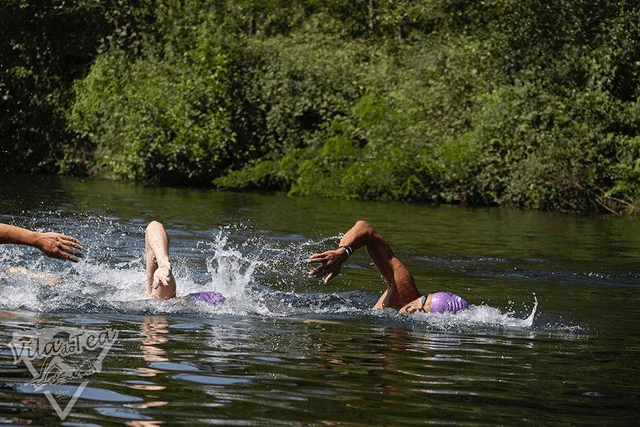
Mentorship seems to play a big role in your philosophy. Can you share a memorable moment where you saw a swimmer under your guidance achieve something they didn’t think was possible?
Coaching has always been about more than technique or physical preparation for me; it’s about helping people unlock their potential and realise that their perceived limits are often self-imposed. One of the most rewarding aspects of being both an athlete and a mentor is witnessing those breakthroughs firsthand.
There’s one swimmer I coached who particularly stands out. She joined my program with the goal of simply improving her technique and gaining confidence in the water. At the time, she didn’t believe she had what it took to compete, let alone excel in an open water race. Her fear of failure held her back, but I saw potential in her determination.
We started with the basics: refining her stroke mechanics, building her endurance, and gradually introducing her to the challenges of open water swimming. As we progressed, it became clear that her limits weren’t physical—they were mental. To address this, I incorporated exercises that focused on visualisation, mental resilience, and staying present in the moment. The goal wasn’t just to prepare her body for the competition but to help her believe in her ability to succeed.
The turning point came when she completed her first open water race. Not only did she finish stronger than she expected, but she placed in the top ten—an achievement she never thought possible when we began. Seeing her expression as she crossed the finish line, realising what she had accomplished, was an unforgettable moment for both of us. It reminded me of why I coach: to help swimmers experience the joy and empowerment that comes from surpassing their own expectations.
Moments like these are why mentorship is such a central part of my philosophy. Helping someone transform their mindset and achieve what they once thought impossible mirrors my own journey as an athlete. It reinforces the idea that the challenges we face in the water often prepare us for those we encounter in life.
As a coach, these experiences aren’t just about the swimmer’s success—they also help me grow. Each athlete’s journey offers lessons that I can bring into my own training and competitions, creating a dynamic cycle where teaching and learning go hand in hand.
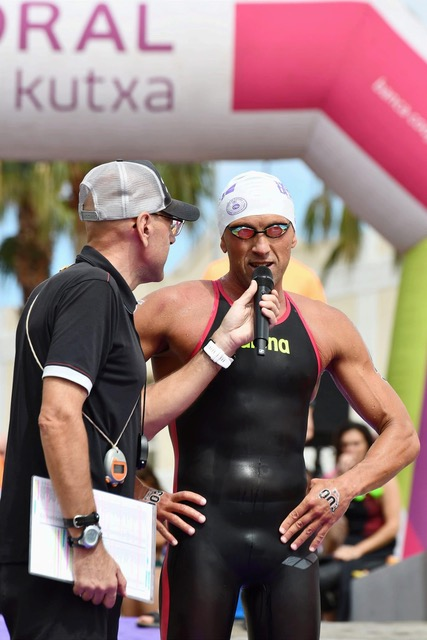
As someone who has excelled in Masters swimming, how would you encourage individuals of different ages to approach swimming in a way that aligns with both their personal goals and long-term health?
The beauty of swimming lies in its adaptability—it’s a sport that evolves with you. Whether you’re starting out as a beginner or returning after years away, swimming offers something for everyone. My own journey in Masters swimming has shown me that age is not a barrier but a lens through which you can discover new dimensions of the sport.
For individuals at different stages in life, I always emphasise the importance of aligning your swimming journey with your personal goals and physical capabilities. For younger swimmers, the focus might be on pushing boundaries, building endurance, and mastering technical skills. For those entering the sport later in life, the priorities often shift toward sustainability, injury prevention, and maintaining overall health. The key is to approach swimming with a mindset that prioritises consistency and adaptability over unrealistic expectations.
One principle I share with swimmers of all ages is the importance of setting achievable goals. Goals provide structure and motivation, whether it’s learning a new stroke, improving lap times, or simply swimming longer distances. It’s also crucial to celebrate progress along the way—every step forward is a victory, no matter how small.
For long-term health, I encourage swimmers to integrate proper recovery practices into their routines. This includes stretching, strength training, and listening to your body to avoid overtraining. Nutrition, hydration, and quality sleep also play critical roles in ensuring that your swimming journey is both productive and sustainable.
Mental health is another area where swimming excels as a tool for well-being. The rhythmic nature of swimming, the connection with water, and the solitude it offers can be incredibly therapeutic. I often encourage swimmers to view their time in the pool as not just a workout but a form of self-care—a way to decompress, refocus, and recharge.
Masters swimming has taught me that the most important competition is with yourself. By focusing on your own growth rather than comparing yourself to others, you can find deeper satisfaction in the sport. I also encourage swimmers to embrace the community aspect of swimming. The camaraderie and support within the Masters swimming community have been invaluable in my own journey, reminding me that the sport is as much about connection as it is about individual achievement.
Ultimately, swimming is a lifelong pursuit that adapts to who you are and where you are in life. It has the power to enhance both physical and mental well-being, and its lessons—discipline, resilience, and self-awareness—extend far beyond the pool. My advice to swimmers of any age is simple: dive in, be patient, and enjoy the process.
Resilience is often mentioned in the context of your success. Could you share some of the mental strategies you use to stay focused and motivated during difficult training sessions or competitions?
Resilience has been a defining factor throughout my swimming journey, and I’ve learned that it’s not something you’re simply born with—it’s a skill you develop through practice and experience. Whether in the middle of a grueling training session or facing the pressures of a high-stakes competition, the ability to stay focused and motivated comes from a combination of mental strategies I’ve honed over the years.
One of the key strategies I rely on is breaking challenges into manageable pieces. Instead of focusing on the enormity of a race or a demanding set, I narrow my attention to the immediate task at hand—whether it’s completing the next lap, hitting a precise stroke rate, or maintaining consistent breathing. This approach not only reduces overwhelm but also keeps me grounded in the present moment, where my energy is most effective.
Visualization is another tool I use extensively. Before a competition, I mentally rehearse every aspect of the race—from the dive to the turn to the final push toward the finish. I imagine how the water will feel, how my body will move, and how I’ll respond to challenges like fatigue or unexpected competition. This practice helps me build confidence and prepares me to stay composed when the race doesn’t go exactly as planned.
Resilience is also about embracing discomfort and reframing it as an opportunity for growth. Difficult training sessions are where breakthroughs happen—not just physically but mentally. When faced with pain or exhaustion, I remind myself of why I’m in the water: the goals I’ve set, the progress I’ve made, and the satisfaction that comes from overcoming the very obstacles that make others stop.
Maintaining focus during competitions often comes down to trusting my preparation. By the time I’m on the starting block, the hard work is already done. My job at that moment is to execute, not overthink. Trusting the process I’ve followed in training allows me to perform with clarity and confidence, even in high-pressure situations.
Lastly, I draw strength from the community around me. Knowing that I have a team of supporters—my coaches, training partners, and even the swimmers I mentor—reminds me that I’m not alone in this journey. Their encouragement and shared passion for the sport often give me the extra motivation I need to push through challenging moments.
Resilience, for me, is the ability to stay committed to the process, regardless of the setbacks or difficulties along the way. It’s a mindset built on small, consistent acts of persistence, and it’s what allows me to continually grow as both an athlete and a coach. Swimming has taught me that resilience isn’t just about enduring tough moments—it’s about transforming them into stepping stones for future success.

The concept of sustainability is important in any athlete’s career. How do you ensure that your approach to training and competition is sustainable, especially as you balance it with other life responsibilities?
Sustainability in swimming, much like in life, is about finding the right balance between ambition and longevity. My approach to training and competition has evolved significantly over the years, driven by the understanding that consistency and adaptability are far more effective than pushing to the limit at the cost of long-term health or well-being.
A cornerstone of sustainability in my career has been learning to listen to my body. Early on, I believed that pushing through pain or exhaustion was a sign of commitment, but experience taught me that it often leads to burnout or injury. Now, I prioritize recovery just as much as training. Rest days, active recovery, and proper sleep are integral parts of my routine, ensuring that I can train and compete effectively without compromising my health.
Another key aspect is tailoring my training to my current stage in life. What worked for me in my twenties doesn’t necessarily suit my body now. I’ve adjusted my workouts to focus on quality over quantity, incorporating smarter techniques and cross-training methods that minimize stress on my body while maximizing results. Strength training, flexibility exercises, and mindfulness practices have become essential components of my regimen.
Balancing swimming with other life responsibilities, such as coaching and personal commitments, requires careful time management. I structure my days to ensure that each area of my life gets the attention it deserves. Sometimes, this means being realistic about my goals for a particular season, focusing on priorities, and accepting that I can’t do everything at once. This mindset has helped me stay motivated without feeling overwhelmed.
Nutrition also plays a vital role in sustaining my performance. As both an athlete and a coach, I emphasize the importance of fueling the body with balanced, nutrient-dense meals that support recovery and energy levels. Proper hydration, in particular, is something I never overlook, especially during intense training periods or competitions.
Sustainability isn’t just about physical health—it’s also about mental well-being. I’ve found that staying connected to the reasons I love swimming helps me maintain a positive outlook. Whether it’s the joy of being in the water, the camaraderie of the swimming community, or the satisfaction of setting and achieving goals, these elements keep me grounded and prevent the sport from becoming a source of stress.
Finally, I view sustainability as an ongoing process. It’s not about finding a perfect formula and sticking to it indefinitely—it’s about regularly reassessing my methods, listening to feedback from my body and mind, and making adjustments as needed. This approach has allowed me to continue excelling in the sport while ensuring that I remain physically and mentally strong for years to come.

You’ve mentioned the role of community in your competitive journey. How has the Masters swimming community influenced your outlook on success, and how do you incorporate community values into your coaching?
The Masters swimming community has been an integral part of my journey, offering a sense of belonging and support that transcends the competitive aspect of the sport. While swimming is often seen as an individual endeavor, it’s within this community that I’ve experienced the true power of shared goals, mutual encouragement, and collective growth.
One of the most inspiring aspects of the Masters community is its inclusivity. Swimmers from all walks of life, with varying levels of experience and goals, come together to pursue their love for the sport. Being surrounded by such a diverse group has reshaped my definition of success. It’s no longer just about podium finishes or records—it’s about celebrating personal milestones, overcoming obstacles, and supporting others in their journeys. This broader perspective has enriched my own competitive experiences and deepened my appreciation for the sport.
The camaraderie within the community is also a significant source of motivation. Training and competing alongside swimmers who share the same passion creates an environment where everyone pushes each other to be better. Whether it’s a friendly word of encouragement during a tough session or the shared joy of post-race celebrations, these connections make the challenges of the sport far more rewarding.
These values of support and inclusivity are central to my coaching philosophy. I strive to create a similar sense of community among the swimmers I mentor, encouraging them to celebrate each other’s progress and work collaboratively toward their goals. For example, I often organize group training sessions or open water swims where athletes can not only learn from each other but also build meaningful connections. This fosters a culture of mutual respect and motivation, which I believe is essential for long-term growth.
I also emphasize the importance of viewing success as a shared achievement. When one swimmer achieves something great, it’s a testament to the collective effort of the entire group—the training partners, the coaches, and the community that supported them. By incorporating this mindset, I aim to help my athletes find fulfillment not just in their individual accomplishments but also in the contributions they make to the success of others.
Ultimately, the Masters swimming community has taught me that the sport is about much more than individual goals. It’s about connection, collaboration, and the shared pursuit of excellence. This understanding continues to shape both my approach to competition and the way I guide others in their swimming journeys.

Looking to the future, what are the new goals or challenges you hope to conquer, both in your personal career as a swimmer and as a coach for your athletes?
As I look to the future, my goals are shaped by a desire to continue growing both as an athlete and as a coach, while contributing to the broader swimming community. For me, the journey in swimming is never truly complete—it’s an evolving pursuit of excellence, self-discovery, and impact.
A significant milestone on the horizon is the World Aquatics Masters Championships in Singapore in 2025. Preparing for this event is at the forefront of my competitive goals. My focus is on defending my world titles, breaking personal records, and showcasing the peak of what Masters athletes can achieve on a global stage. This journey represents not only a test of physical readiness but also a demonstration of the mental resilience and strategic preparation I’ve cultivated over the years.
Beyond this championship, I’m dedicated to continuing to push my limits in both pool and open water events. Open water swimming, with its dynamic and unpredictable nature, remains a particular passion of mine. I’m committed to refining my strategies to tackle diverse conditions and distances. My goal is not only to achieve personal success but also to inspire other athletes to embrace the mindset that age is not a barrier to peak performance.
In my role as a coach, my vision extends beyond individual achievements. I aim to create an environment where swimmers of all levels feel empowered to reach their potential. One of my key objectives is to expand the impact of MareSwim, integrating advanced training methodologies, mental conditioning programs, and community-building initiatives. My holistic coaching approach goes beyond technical skills, focusing on fostering confidence, resilience, and a lifelong passion for the sport.
Additionally, I see immense potential in leveraging technology to enhance training. Tools such as data analytics, performance monitoring devices, and virtual coaching platforms offer athletes deeper insights into their progress and unlock new levels of achievement. I’m eager to explore these innovations and incorporate them into my coaching programs, ensuring that both my athletes and I stay ahead in an ever-evolving field.
Another personal challenge I’m passionate about is giving back to the swimming community. I aspire to mentor the next generation of coaches, sharing the knowledge and experiences I’ve gained over the years. By doing so, I hope to ensure that the values of resilience, adaptability, and community continue to thrive within the sport.
Ultimately, my goals for the future are driven by a simple yet profound belief: swimming has the power to transform lives. Whether I’m competing, coaching, or collaborating with other athletes, my focus is on making a positive and lasting impact. Every race, every training session, and every interaction is an opportunity to learn, grow, and inspire. The road to Singapore 2025—and everything beyond—is a continuation of this mission.
⭐⭐⭐⭐⭐
“Every race, every training session, and every interaction is an opportunity to learn, grow, and inspire.”
– Eduard Mannanov
Links
Share Your Insights
What aspects of Eduard Mannanov’s approach to swimming resonate with you?
- How do you balance personal goals with community support in your own pursuits?
- What mental strategies help you stay focused during tough challenges?
- How can swimming contribute to overall well-being and personal growth?
Share your thoughts in the comments below!
Alignment with the UN SDGs
- SDG 3: Good Health and Well-being: Promotes physical and mental wellness through resilience, self-care, and healthy habits.
- SDG 10: Reduced Inequalities: Encourages inclusivity in swimming, supporting participation from all backgrounds and ages.
- SDG 4: Quality Education: Focuses on lifelong learning, mentoring, and empowering others to reach their potential.
- SDG 12: Responsible Consumption and Production: Advocates for sustainable training practices, balancing ambition with long-term health and recovery.
Other Highlights

Looking for something?
Type in your keyword(s) below and click the “Search” button.
Helpful Shortcuts
More Stories













Print and Digital Magazine

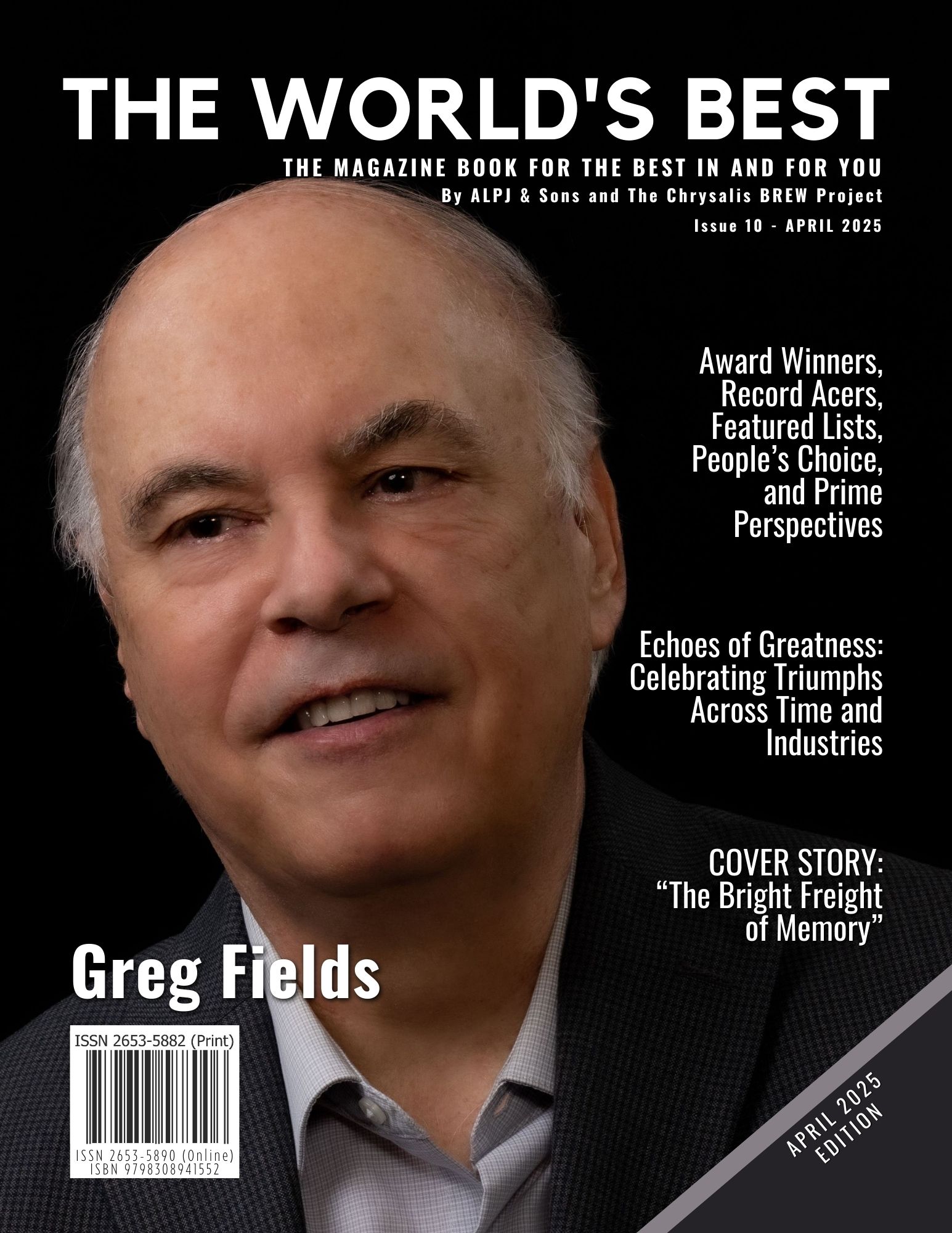
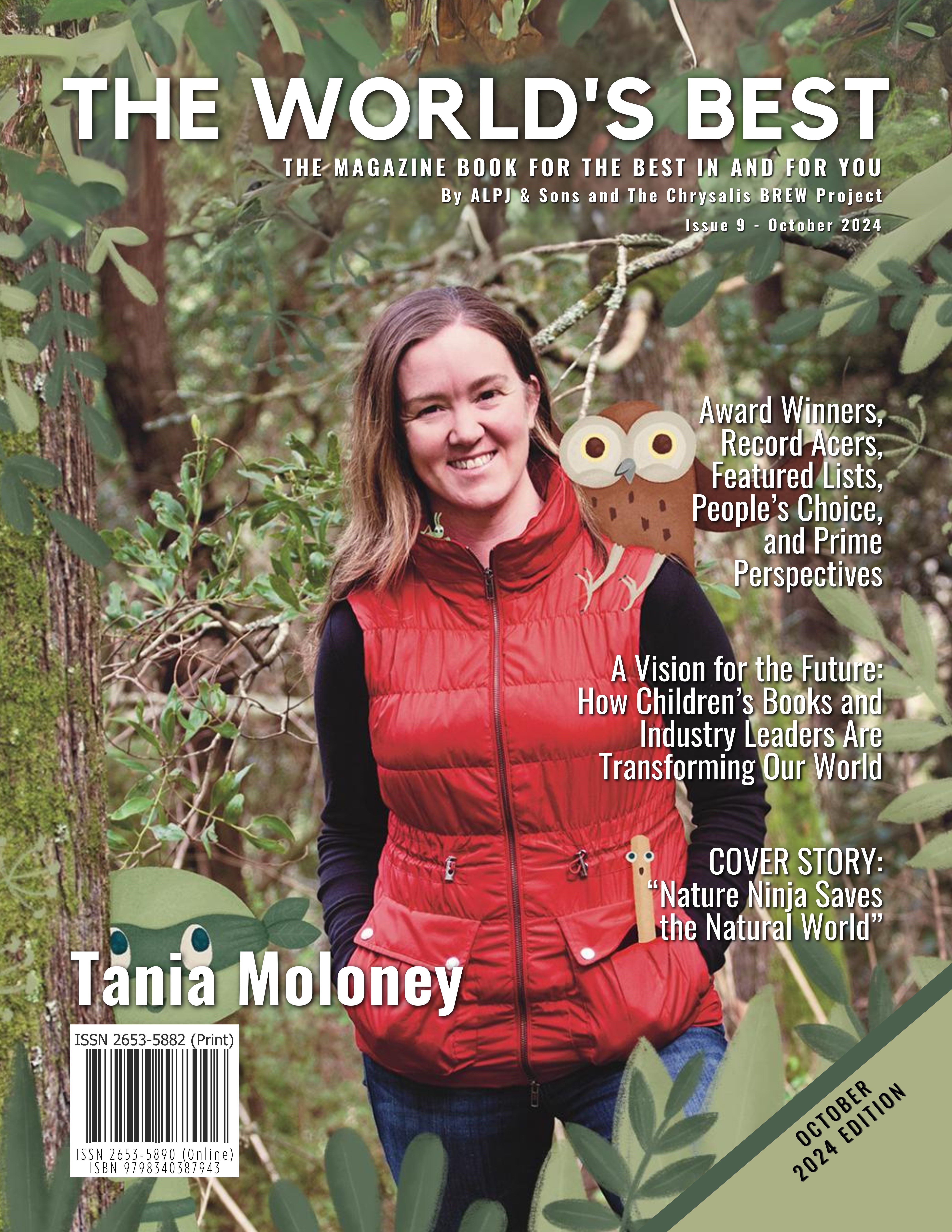




Don’t just read about greatness. Own it!

About Us
The World’s Best Magazine is a print and online publication that highlights the extraordinary. It is your passport to a universe where brilliance knows no bounds. Celebrating outstanding achievements in various fields and industries, we curate and showcase the exceptional, groundbreaking, and culturally significant. Our premier laurels, The World’s Best Awards, commend excellence through a unique process involving subject matter experts and a worldwide audience vote. Explore with us the pinnacle of human achievement and its intersection with diversity, innovation, creativity, and sustainability.
We recognise and honour the Traditional Owners of the land upon which our main office is situated. We extend our deepest respects to Elders past, present, and emerging. We celebrate the stories, culture, and traditions of Aboriginal and Torres Strait Islander Elders from all communities who also reside and work on this land.
Disclaimer: The World’s Best does not provide any form of professional advice. All views and opinions expressed in each post are the contributor’s own. Whereas we implement editorial policies and aim for content accuracy, the details shared on our platforms are intended for informational purposes only. We recommend evaluating each third-party link or site independently, as we cannot be held responsible for any results from their use. In all cases and with no exceptions, you are expected to conduct your own research and seek professional assistance as necessary prior to making any financial, medical, personal, business, or life-changing decisions arising from any content published on this site. All brands and trademarks mentioned belong to their respective owners. Your continued use of our site means you agree with all of these and our other site policies, terms, and conditions. For more details, please refer to the links below.
About | Advertise | Awards | Blogs | Contact | Disclaimer | Submissions | Subscribe | Privacy | Publications | Terms | Winners
The World’s Best: A Magazine That’s All About What’s Great | theworldsbestmagazine.com | Copyright ⓒ 2022-2026
Let’s connect
Discover more from The World's Best
Subscribe to get the latest posts sent to your email.

 The World's Best
One thought on “Eduard Mannanov: Balancing Competition and Coaching for Growth and Excellence”