
“Speculative fiction helps us imagine all sorts of futures.”
-Zoë Routh
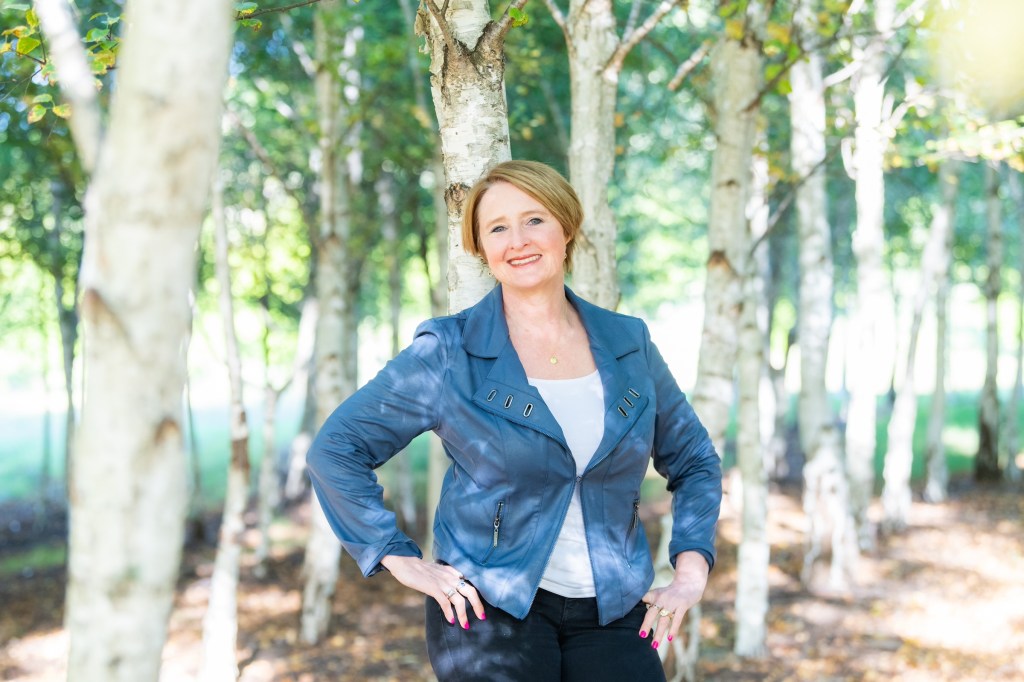
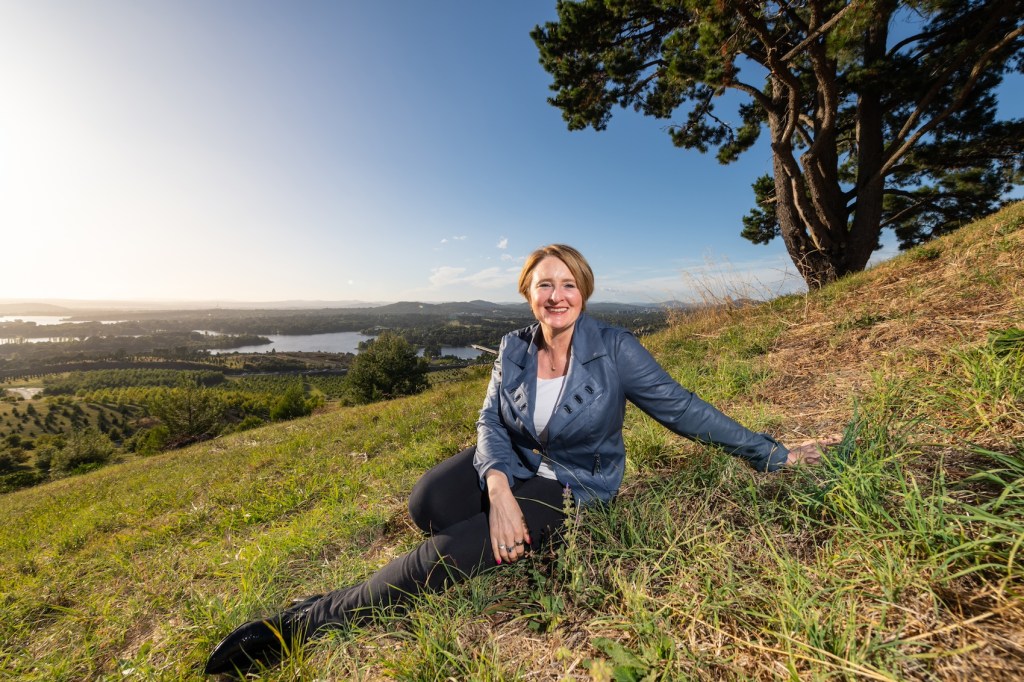
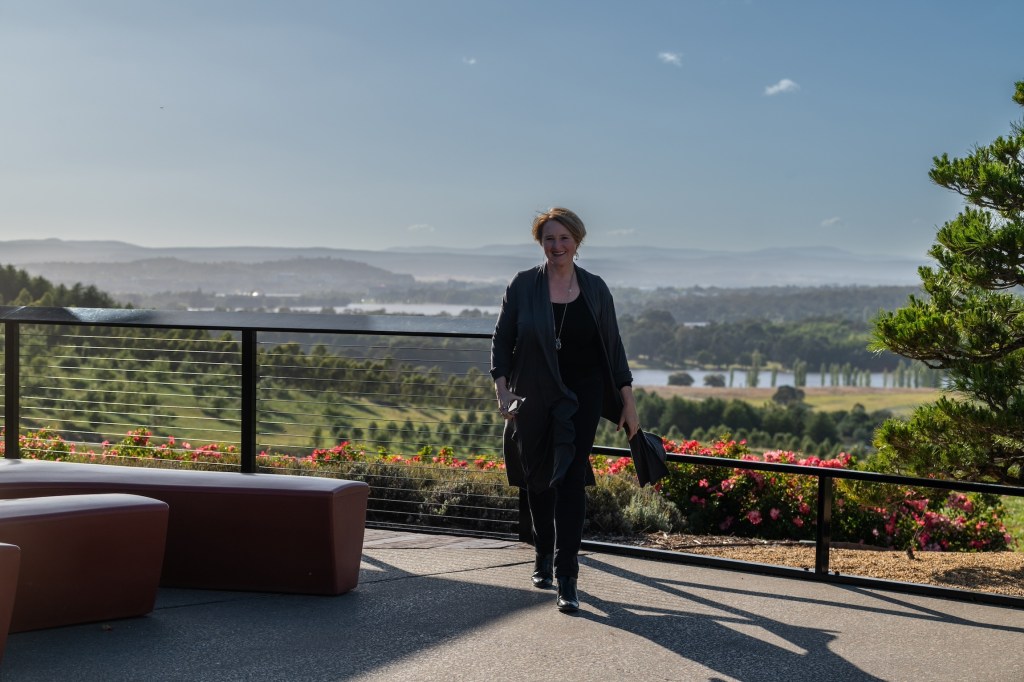
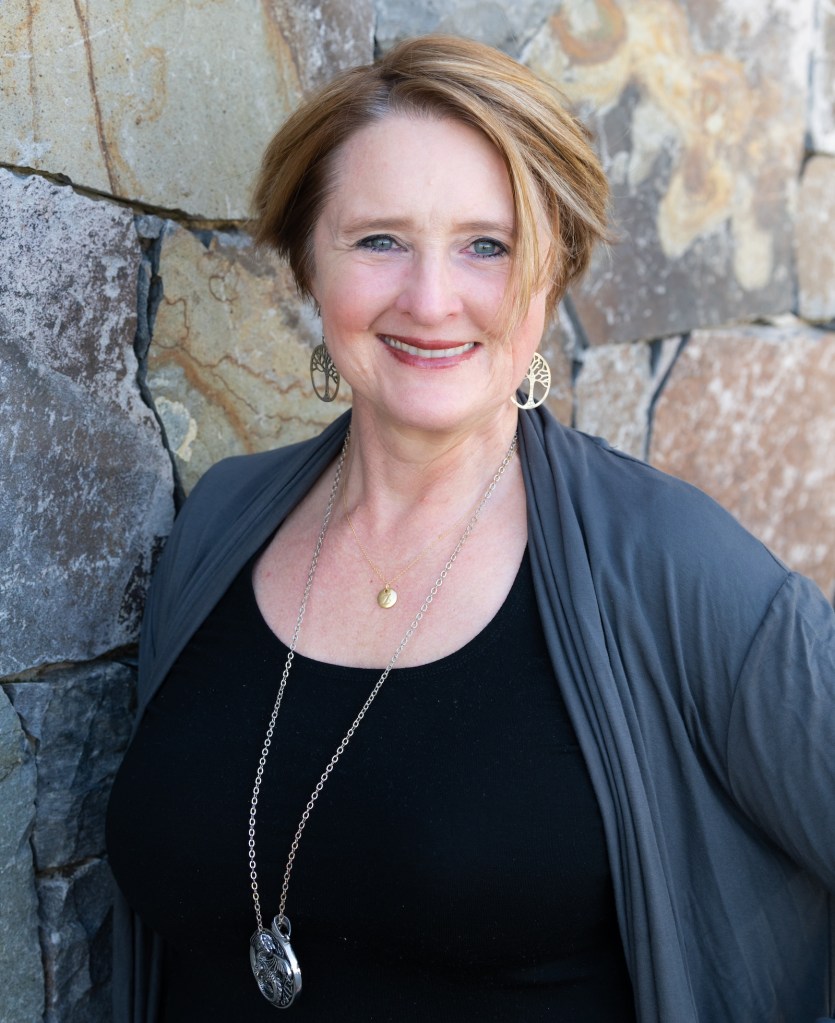
Zoë is a leadership futurist, strategist, and award-winning author of five books, including People Stuff, the dystopian science fiction novel The Olympus Project, and the Book of the Earth Award winner Olympus Bound. She is also the producer of the Zoë Routh Leadership Podcast, where she examines leadership challenges through the lens of “what if” scenarios. Beyond her professional endeavors, Zoë is an avid adventurer who has run marathons, survived cancer, and explored remote landscapes.
Olympus Bound was recently named a Book of the Earth Award winner, among other accolades. What does this recognition mean to you, and how do you think it reflects the themes of your novel?
I’m thrilled, of course! It’s one thing to have your writing recognized, but to know that it supports the ethos of protecting our precious planet and our role as stewards is amazing. I am delighted that my novel is seen as a voice for climate action and concern.
Can you share the inspiration behind Olympus Bound? What drew you to explore the dynamics of leadership and survival in a lunar setting?
It started with questions. The first one was a writing one: could fiction be a powerful vehicle to explore leadership ideas? [Spoiler alert: yes!] The next question was a futurist one: what kind of world might we be heading towards in an intersection of climate change, technology advancements, and space exploration? And the third question was a leadership one: what kind of leadership will we need then that we need to develop now?
Putting the cast on the Moon in a high-stakes environment where life and death depend on effective leadership and teamwork was an exciting story for me to pull together. Then I added a few environmental crises and political power games, and the result was a heady mix of challenges for our crew.
The story focuses on Commander Xanthe Waters and her leadership in extreme conditions. How did you approach writing about leadership challenges in such a unique environment, and what real-world parallels do you see?
Xanthe faces a number of crises, including threats to the Moonbase, team injuries, team dynamics, and international and political pressures. She gets it from all sides! I focused on the deeply personal cost that leadership brings with it, alongside personal ambition.
All leaders carry these twin forces, and I wanted to showcase how a leader needs to wade through their own personal emotions and drives while still remaining focused on the mission. Then I dialed up the stakes a bit more to include ethical dilemmas as well. We don’t need to be on the Moon to experience these very same things as leaders on Earth. The extreme environment simply strips away any distractions and makes the risks and rewards more blatant and stark.
Sustainability and resource management are critical themes in Olympus Bound. How do you weave these themes into your storytelling without compromising the narrative’s pace and tension?
No one wants to read daily reports of food production! And yet, when sustainability and resource management are coupled with crisis, then these topics become a central focus. Just like climate change and a warming planet are simply a theory until we hit record-breaking temperatures and fires consume everything in their path, including homes, crops, and communities. Issue + stakes = intrigue and pace.
The novel paints a vivid picture of a lunar base grappling with its own set of ecological systems. What research did you undertake to create such a realistic depiction of life on the Moon, and how did it influence your portrayal of Earth’s environmental crises?
I read a lot about closed systems, including the International Space System and the things they need to contend with. I also read a lot about the Biosphere project of the 1990s in Arizona and the complex ecosystems they tried to recreate as a proof of concept that we could build enclosed ecosystems for off-planet habitats.
The experiment showed just how little we know and can control in complex natural systems. Creating a diverse ecosystem where things balance is incredibly difficult, and we are but poor apprentices to Mother Nature’s wisdom. Tinkering leads to travesty, whether in the Biosphere or across our planet. I found it a nice irony in the books that our willful ignorance of not considering Earth’s ecosystems might drive us to create domed habitats to protect us from the ravages of unconstrained carbon production.
One of the elements that stand out in your book is the diverse crew of characters. Why was it important for you to include a variety of backgrounds and perspectives, and how did this diversity enhance the narrative?
It really is an international cast. There are characters from Australia, Dubai, USA, France, England, India, China, and Holland. And let’s not forget Betty, the rubber chicken, and Volkov, the Russian Doppelbot!
The future of leadership is collaborative, and collaboration works best with diversity. Maja Garcia, the co-founder of Gaia Enterprises, knows this, and she and her team embed diversity principles in their recruitment and training of world designers, and eventually for the Olympus Project Moonbase expedition. The different perspectives, cultural backgrounds, and experiences of the characters added depth to their interactions as they really needed to explore each other’s ideas and cultural norms to work effectively together for survival and harmonious team living.
As a speculative fiction writer, how do you see the genre contributing to conversations about real-world issues like climate change, resource depletion, and sustainable living?
Speculative fiction helps us imagine all sorts of futures. Dystopian futures dial up the alarm bells, encouraging us to think more deeply about what we are doing now, and hopefully take action to avoid the worst of those future worlds.
I do think there is more room for utopian or protopian literature where things get better. There are still challenges, but the positive elements of progress are encapsulated as well. The last book in the Gaia series will be more along the protopian/utopian lines.
Commander Xanthe Waters faces both external threats and internal conflicts among the crew. How do you think her leadership style evolved throughout the story, and what can readers learn from her journey?
Xanthe carries a lot of baggage! A failed marriage, a lost child, and the responsibility to lead the first community build on the Moon. She doesn’t allow herself much pleasure as she takes her role so seriously. Going to the Moon was a deeply personal choice that cost her marriage and shows how conflicting values and personal ambition can charge a heavy price on a leader.
She simultaneously develops even more steely reserve, as she deals with one issue after another, while also allowing a bit more softness in her relationship with one of the crew and a reconnected family member. And then a bit of naïvety gets eroded too, as Xanthe wrestles with ideals and aspirations that are challenged by more powerful forces on Earth and has her questioning whether their vision would ever succeed. She becomes a bit harder, focused, and determined by the end of the novel. And then she gets a brain-computer interface, and she evolves again.
Your book is part of the “Dystopian science fiction corporate thriller series – Gaia Enterprises.” Can you give us a glimpse of what readers can expect from the series as a whole, and how Olympus Bound fits into the larger narrative?
Olympus Bound is the second full-length novel and sees the fruition of Gaia Enterprises’s audacious world design goals, taking their skills and vision to the Moon. But Gaia operates within a larger global context as members of the Lunar Commission, and the breakthrough in helium-3 mining catapults them into international politics and power plays.
With the world ravaged by the climate crisis, made worse by eco-terrorists, Gaia’s mission shifts to protecting collaborative, fair access to the helium-3 energy source. Books 3 and 4, Olympus Rising and Olympus Dawn, see the characters contend with these high-stakes political challenges while trying to steer the way for better human and ecological relationships on Earth, the Moon, and Mars. Ultimately, they aim to answer the question of ‘which parts of humanity do we take with us to other planets?’
Lastly, what message do you hope readers take away from Olympus Bound? How do you want your work to inspire thought, conversation, or action regarding the future of humanity and our relationship with Earth?
Leadership is a tough gig. It asks a lot from us. We give a lot personally for the greater vision, and though we may gain some personal benefit from our roles, there is a lot sacrificed too. Big thinkers with big hearts will always be called to make a big difference.
Olympus Bound shows what it takes, and how strong bonds and genuine connection can help steer our ship with values as our keel while still contending with the more volatile and base aspects of humanity. And there is a big why to call us to action too: the future of our home planet, in all its wondrous beauty and magic. We must learn how to lead better now so we can protect what’s next, on this marvelous blue marble and beyond in the giant depths of space.
⭐⭐⭐⭐⭐
“We must learn how to lead better now so we can protect what’s next, on this marvelous blue marble and beyond in the giant depths of space.”
-Zoë Routh
Zoë Routh’s Links
Share Your Insights
After reading our interview with Zoë Routh, we’re curious:
- What part of Zoë’s leadership insights resonated most with your experiences?
- How do you approach complex relationships in your own teams or communities?
- What’s one question you’d love to ask Zoë in a future interview?
Join the conversation in the comments!
Alignment with the UN SDGs
Zoë Routh’s work aligns with UN Sustainable Development Goals (SDGs) by combining leadership insights, speculative fiction, and sustainability themes. Her contributions include:
- Quality Education (SDG 4): Promotes leadership development, critical thinking, and problem-solving through storytelling and programs.
- Gender Equality (SDG 5): Features diverse and inclusive characters, highlighting the importance of equitable representation in leadership.
- Clean Energy (SDG 7): Explores helium-3 as a potential clean energy source, emphasizing innovation in renewable energy.
- Innovation and Infrastructure (SDG 9): Depicts sustainable systems like lunar closed-loop ecosystems, showcasing future-ready solutions.
- Sustainable Communities (SDG 11): Reflects on creating balanced, resource-efficient habitats, relevant both on Earth and beyond.
- Climate Action (SDG 13): Raises awareness of environmental crises, encouraging proactive responses to climate change.
- Peace and Strong Institutions (SDG 16): Explores ethical leadership and collaboration in high-stakes scenarios, vital for just societies.
- Global Partnerships (SDG 17): Demonstrates how diverse teams can address complex challenges effectively.
Other Highlights

Looking for something?
Type in your keyword(s) below and click the “Search” button.
Helpful Shortcuts
More Stories













Print and Digital Magazine

Don’t just read about greatness. Own it!

About Us
The World’s Best Magazine is a print and online publication that highlights the extraordinary. It is your passport to a universe where brilliance knows no bounds. Celebrating outstanding achievements in various fields and industries, we curate and showcase the exceptional, groundbreaking, and culturally significant. Our premier laurels, The World’s Best Awards, commend excellence through a unique process involving subject matter experts and a worldwide audience vote. Explore with us the pinnacle of human achievement and its intersection with diversity, innovation, creativity, and sustainability.
We recognise and honour the Traditional Owners of the land upon which our main office is situated. We extend our deepest respects to Elders past, present, and emerging. We celebrate the stories, culture, and traditions of Aboriginal and Torres Strait Islander Elders from all communities who also reside and work on this land.
Disclaimer: The World’s Best does not provide any form of professional advice. All views and opinions expressed in each post are the contributor’s own. Whereas we implement editorial policies and aim for content accuracy, the details shared on our platforms are intended for informational purposes only. We recommend evaluating each third-party link or site independently, as we cannot be held responsible for any results from their use. In all cases and with no exceptions, you are expected to conduct your own research and seek professional assistance as necessary prior to making any financial, medical, personal, business, or life-changing decisions arising from any content published on this site. All brands and trademarks mentioned belong to their respective owners. Your continued use of our site means you agree with all of these and our other site policies, terms, and conditions. For more details, please refer to the links below.
About | Advertise | Awards | Blogs | Contact | Disclaimer | Submissions | Subscribe | Privacy | Publications | Terms | Winners
The World’s Best: A Magazine That’s All About What’s Great | theworldsbestmagazine.com | Copyright ⓒ 2022-2026
Let’s connect
Discover more from The World's Best
Subscribe to get the latest posts sent to your email.

 The World's Best
One thought on “Zoë Routh on Exploring Leadership and Sustainability Beyond Earth Through Fiction”