
“As long as there are stories in my mind and messages I wish to share, I will continue to write.”
– Kathleen J. Shields
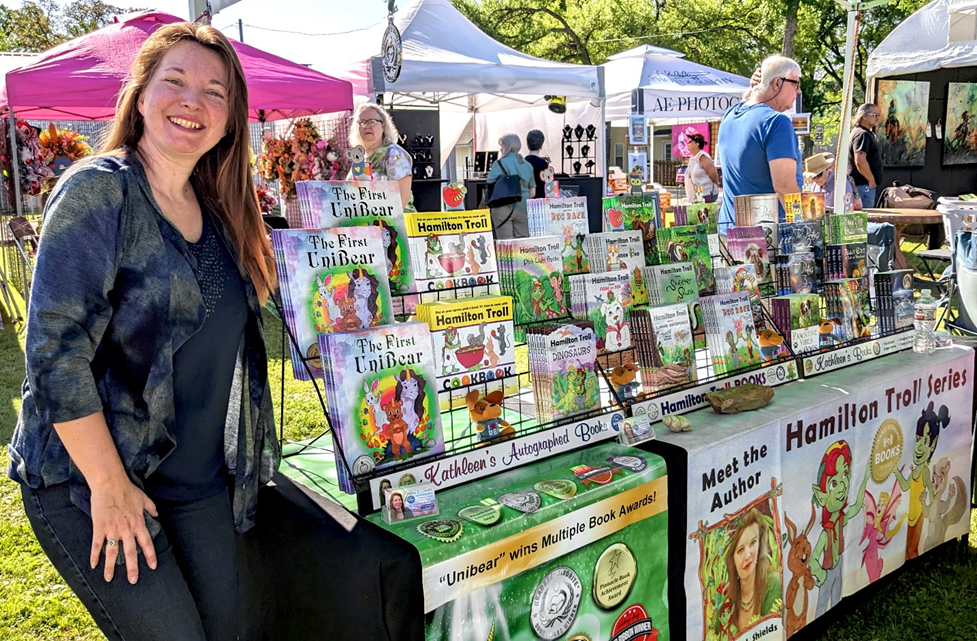
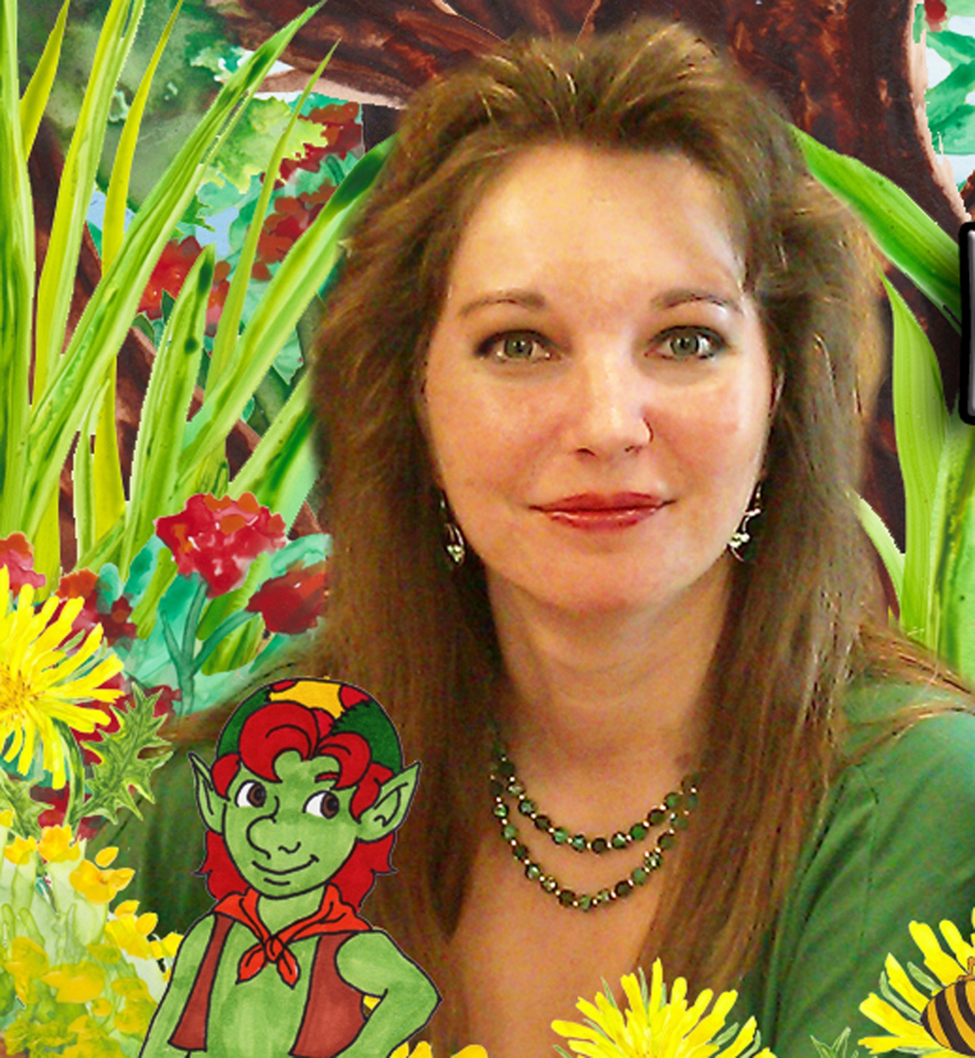
Multi-award-winning author Kathleen J. Shields has written nearly 40 books across various genres, focusing on stories that instill values of kindness, love, and faith. In this interview, she reflects on her journey as an author and her unwavering commitment to storytelling, sharing how her work continues to inspire readers of all ages.
Kathleen, you’ve published nearly 40 books across various genres. What inspired you to start writing, and what has fueled your passion to continue creating new stories?
I began my writing journey shortly after I learned how to write, beginning at the age of eight with “The First Unibear.” I even penned it in rhyme at the time, though it required significant editing before its publication nearly 35 years later. At around ten years of age, I wrote “A Rainbow of Thanks” though it was 30 years after its inception that it debuted on the market. The most challenging part was bridging the gap between the details of the story to contemporary life. One example was, I had to change the use of a cassette tape playing Walkman to an MP3 player.
Growing up as the only child of a single, working mother who couldn’t afford cable, I spent my summers alone at home with a few cherished books and a TV. After countless episodes of Gilligan’s Island, Bewitched reruns, and various PBS children’s shows, I found myself growing restless. To pass the time, I imagined and then wrote down my own adventures, which sparked a lifelong passion.
My drive comes from a love of imagination and a desire for engaging, educational, and wholesome entertainment. I strive to create stories that focus on positive themes rather than villains, and I aim to offer books that captivate without pushing unwanted agendas. I want my readers to have happy, peaceful dreams, free from nightmares that dark or unsettling content within books, TV and movies might provoke.
This passion is why I write for children. It’s not about taking the easy route; rather, it’s about fulfilling a need—both theirs and mine. Children’s books offer clean reads devoid of sex, vulgarity, and violence, and put a greater emphasis on imagination. I believe teaching young minds to think creatively, challenge the norms, think out-of-the-box, and be kind and helpful from an early age can help reduce bullying and negativity in the future.
As long as there are stories in my mind and messages I wish to share, I will continue to write.

Congratulations on “The First Unicorn” winning the BREW Children’s Book Excellence Award 2024! What does receiving this award mean to you, and how do you feel it reflects the impact of your work?
Winning this book award is a huge accomplishment in my eyes because I feel like my inspirational words were precisely what needed to be shared. It not only validates the countless hours of writing and revising but also reaffirms my commitment to create stories that resonate with my readers. It makes me feel as if what God put on my heart, flowed through my fingers, and onto a message that will enlighten and inspire future generations.
It’s deeply rewarding to see my work recognized, especially when my goal has always been to provide engaging, wholesome, and imaginative content for children. This award motivates me to continue pushing the boundaries of my creativity. It also encourages me to explore new ideas and themes that can further inspire young minds.
The themes of love, acceptance, kindness, and faith are central to “The First Unicorn.” How did you approach weaving these values into a story that resonates with young readers?
As a child, I was absolutely enchanted by unicorns. It felt as though I loved them even before I knew they existed, if that makes sense. Back then, unicorn-themed toys, games, and books were scarce. I collected every unicorn sticker book, notebook, and t-shirt I could find, and I built an extensive porcelain unicorn statue collection. I remember watching Peter Beagle’s The Last Unicorn at around eleven years old and falling in love with She-Ra’s flying unicorn, Swiftwind.
As an adult, I discovered the funny song by the Irish Rovers about how unicorns missed Noah’s Ark and thus became extinct. This led me to explore the Bible, specifically the King James Version, where I found references to unicorns. My research revealed that unicorns were mentioned in earlier Bible versions, including the 1599 Greek Bible, and that scholars had documented a 5,300-year history of this mythical creature. I was fascinated to learn about the parallels between unicorns and Jesus—symbols of perfection, beauty, light, miracles, and healing—which reignited my imagination.
Inspired by my childhood love for unicorns and my newfound knowledge, I created The First Unicorn. My goal was to blend this curiosity and historical knowledge with a message of kindness, generosity, and love.
The First Unicorn tells a story that contrasts sharply with The Last Unicorn. It focuses on themes of goodness, kindness, and love, with a message rooted in honesty, purity, and miracles. The unicorn’s horn is a gift from God, symbolizing the rarity and purity of this mythical creature in a world where magic is often confused with miracles, and where false idols can confuse.
In today’s culture, many portrayals of unicorns deviate significantly from their original symbolism. If a unicorn isn’t depicted as beautiful, flawless, and pure—if it lies, plays practical jokes, or farts rainbows—it is not a true unicorn but rather a distorted version. Just as the rainbow represents God’s promise after the flood, the unicorn symbolizes Jesus’ love and serves as a parallel to His life. My hope is that The First Unicorn encourages children to seek Him and His guidance.

Aden, the young horse who becomes the first unicorn, is a character filled with hope and kindness. Can you share how you developed this character and what makes him special for children?
Aden was a character that evolved continuously throughout the story. Starting as a young foal was crucial because children, with their blank slates, approach life with open minds and have yet to develop a jaded outlook. Aden’s inherent kindness and willingness to help others starkly contrasted with the adult horses in his life, who were more self-centered. His good deeds caught the attention of God, who sent an angel to bestow a golden gift upon him, linking this moment to the nativity story. Aden’s life-saving miracle further cemented his connection to Jesus.
The illustration process was key in refining Aden’s character. One of the biggest challenges was choosing the color for his mane. I envisioned a unicorn as always being white, but with hair that could be any color. White, tan, or brown felt too common; black might imply evil; rainbow colors seemed too agenda-driven; pink felt too feminine; and blue, while potentially fitting, might be perceived as too gender-specific or could carry unintended connotations in today’s context.
My illustrator suggested purple, which initially worked because it was a balance between pink and blue, providing contrast against green trees and a blue sky. However, my critique group did not respond favorably to it. That’s when my husband reminded me of our Irish heritage. Red hair, while rare, is natural and occurs in only about 2% of the world’s population. Additionally, the name Aden has Irish roots and means “little fire,” which felt like a perfect fit for a unique and fiery, red-headed unicorn.
With “The First Unicorn” being part of a series, what can readers look forward to in the next installments? Are there any new themes or lessons you’re excited to explore?
The First Unicorn was actually an unintended prequel to The First UniBear. In The First UniBear, the tiny young bear meets a horse who needs help and this bear hurries to save him. To his surprise, the horse turns out to be a unicorn. What follows is a magically inspirational tale of what can happen if you follow your heart, have a pure soul and do good deeds as UniBear soon displays a unicorn horn on his head as well. When the unicorn touched on the history of the horn and the first unicorn, it seemed fitting to write that past story.
Although I’ve been exploring the idea of writing The First Narwhal or even The First UniDog, none of these ideas feel quite right to follow, and the story may get overdone in its messaging.

You’ve written other award-winning books, like “Hamilton Troll’s Adventures” and “The Painting.” How does your writing process differ when tackling various genres or themes?
While I have written over forty books and stories, only a few felt worthy of entering into contests. Like many authors, I love each of my stories more than the last, as they each carry their own unique message. Though I’m proud of every tale I’ve written and the inspiration and enjoyment they offer to children, I knew some might not stand up to the high standards of award-winning books, so I chose not to enter them into contests. While I may have been surprised, I didn’t let that stop me from promoting them. The books that did win awards are those I believe to be my legacy.
The Hamilton Troll Adventures began as a single short story. Written in verse, it featured vocabulary words and definitions, a ‘find Pink Light Sprite’ game, and an inspirational message about overcoming fear. The story resonated with readers, leading to requests for more. I expanded the series, introducing Hamilton Troll to other small characters like a skunk, a squirrel, a woodpecker, and an owl. This allowed me to teach children factual information about these animals while imparting moral lessons. I kept the stories educational, avoiding religious undertones to ensure they were appropriate for public schools. Hamilton Troll Meets Dinosaurs was the first book in the series to win an award, which in turn contributed to the series’ overall recognition.
The Painting was an unexpected journey. What began as a fictional way to process my own life lessons evolved into a spiritual connection to the Book of Genesis. I was moved to tears as the final scenes unfolded, and I take no credit for the story itself, only for being open to a higher inspiration in conveying a creatively insightful perspective on the Holy Trinity. This book felt right to enter into a contest, and its win affirmed my belief in the value of my work.
When I entered The First UniBear into contests, I did so in honor of my late father, who had always encouraged me to “do something with UniBear.” Winning not just one but six book awards felt like a sign that my father was smiling down from Heaven.
And finally, with The First Unicorn, I felt a deep conviction that its blend of historical, ethical, and moral connections to Jesus would resonate strongly, especially in a time when faith is increasingly needed in our country. Unicorns and rainbows once symbolized divine promises and purity—rainbows as God’s covenant and unicorns as embodiments of grace. However, today’s unicorns have often been hijacked by agendas that obscure their original significance. I wanted The First Unicorn to provide children with an understanding of the true essence of unicorns. By learning about the purity and grace that unicorns traditionally represent, children will be better equipped to recognize and question the misleading portrayals that have emerged. My hope is that this book will help them distinguish between the genuine and the distorted, fostering a sense of true value and integrity.
Each book, each step, and each message is a part of my life shared with the world. While the process, planning, and messages of each book may differ, it’s the outcome that helps determine whether it becomes a valuable addition to my portfolio or award-worthy. Regardless of the route each book takes, my focus remains on telling the story.
As both an author and a publisher, you wear multiple hats. How do you balance these roles, and in what ways do they complement your creative process?
First, I should clarify that I wear two additional hats: website and graphic designer. This has always been my primary profession, as I love being creative and designing beautiful works. Writing my stories is something I do in my free time. However, as I developed and published more books through my imprint, my design talents attracted increasing attention from the author community.
Before long, I was designing book covers, laying out interior text, and formatting chapter books. It all started when a non-techy author asked me to publish their book under my imprint. This request marked the beginning of my publishing company and led me to even greater responsibilities, including story development, ghostwriting, and marketing.
Everything has connected beautifully, benefiting both myself and the authors I work with. I absolutely LOVE what I do!
Given your experience, what advice would you offer to aspiring authors who wish to write for children, particularly about the power of storytelling in shaping young minds?
I could go on and on here, but the long and short answer is I wrote a book to answer that. The How to Write, Market and Sell Children’s Books book aims to provide an exhaustive roadmap for aspiring children’s authors, offering critical insights and practical advice for navigating the industry.
When I first tiptoed into the book publishing industry I was as green as a four-leaf clover. I discovered writers’ workshops charge hopeful authors hundreds of dollars with the promise of turning their book into a bestseller but the information was often unhelpful. The information was too broad and didn’t address the unique needs of children’s literature, which prompted me to write my own book. What began as a simple guide on grammar and marketing trends grew into a comprehensive 460-page resource covering every aspect of becoming a successful children’s author. In fact, it was said in the end that this is the “perfect roadmap” offering “critical insights” and “powerful insight” into the industry.
I have an entire section detailing the writing process, specifically to children, including advice on developing your story, creating outlines, and overcoming writer’s block. The next few sections break up the options of picture books, early readers and chapter books by age group while helping to determine appropriate content. I delve deep into the choices of traditional, hybrid or self-publishing along with each step that should be taken during each process, including marketing, getting reviews and public promotion. Plus, the most important section to me, is the dark side of publishing where I detail deterrents, discrimination and challenges an author will face and how to rise above it. I always try to include inspirational messages in all of my books.
In addition to your writing, you also engage in speaking engagements and creating custom greeting cards. How do these activities enhance your connection with your audience and influence your storytelling?
To be honest, Covid in 2020 significantly impacted my writing and public speaking activities. Living in the country without traditional internet access meant I couldn’t join the Zoom bandwagon, and with limited opportunities to venture out, public speaking was put on hold. While some events have resumed, they are not as prevalent as before, with many venues remaining closed.
On top of that the economy hardly had a chance to recover before inflation set in, leading to a decline in public sales opportunities. This is partly why I’ve found myself writing more. I’m using this time to prepare for better days ahead by perfecting my craft, making plans, and building momentum. Although the free time has slowed certain aspects of my work, it has also opened up more space for my imagination to thrive.
What future projects or upcoming releases can your readers look forward to? Are there any new challenges or creative directions you’re eager to explore in your work?
I’m currently working on a tween adventure story that is tentatively planned as a 3-6 book series. The story follows a young, immortal girl who travels through time and space, exploring magical realms and historic moments with her trusty dragon companion.
As I develop that series, I’m writing mini-stories and piecing together a detailed outline, all while weaving in a hidden subplot that may only fully reveal itself towards the end of the series. While the exact way everything will come together remains unclear, I’ve written 180 pages so far and have an outline extending into the second, third and even the fourth book. I’m confident that with time and effort, the series will eventually come together.
I also have a super power picture book that needs to be illustrated, a dog book in the works and an inspirational affirmations book connecting turtle lovers to life’s wonderful moments. “Have a Turtle-ific Day” was published in late 2024. I write when time allows and inspiration strikes. It is the way I have always worked.
I would like to thank #TheChrysalisBREWProject for reviewing my book, choosing The First Unicorn as the inspirational book of the year and for giving me a sounding board to provide my interview answers. Being an author is a dream come true, winning awards is recognition for a job well done, and inspiring future generations of readers is a life-long goal. Thank you for reading and have a blessed day!
⭐⭐⭐⭐⭐
“Being an author is a dream come true, winning awards is recognition for a job well done, and inspiring future generations of readers is a life-long goal.”
– Kathleen J. Shields
Links
Share Your Insights
We’d love to hear your thoughts! Share your perspective in the comments below:
- What role do you think storytelling plays in shaping young minds today?
- How can authors better connect with their readers through meaningful themes?
- Which children’s book has had the greatest impact on your life, and why?
Alignment with the UN SDGs
The interview aligns with the UN Sustainable Development Goals (SDGs) in the following ways:
- Quality Education (SDG 4): Kathleen J. Shields emphasizes the importance of teaching creativity, kindness, and problem-solving through her children’s books, fostering educational growth and values.
- Reduced Inequalities (SDG 10): Her stories promote themes of acceptance, love, and inclusion, encouraging empathy and reducing social biases among young readers.
- Peace, Justice, and Strong Institutions (SDG 16): By focusing on wholesome narratives devoid of violence or negativity, her work nurtures a generation of compassionate and ethical individuals.
- Partnerships for the Goals (SDG 17): Through her publishing efforts and collaborations, she supports other authors and creators, strengthening networks for shared educational and cultural objectives.
Other Highlights

Looking for something?
Type in your keyword(s) below and click the “Search” button.
Helpful Shortcuts
More Stories



















Print and Digital Magazine

Don’t just read about greatness. Own it!

About Us
The World’s Best Magazine is a print and online publication that highlights the extraordinary. It is your passport to a universe where brilliance knows no bounds. Celebrating outstanding achievements in various fields and industries, we curate and showcase the exceptional, groundbreaking, and culturally significant. Our premier laurels, The World’s Best Awards, commend excellence through a unique process involving subject matter experts and a worldwide audience vote. Explore with us the pinnacle of human achievement and its intersection with diversity, innovation, creativity, and sustainability.
We recognise and honour the Traditional Owners of the land upon which our main office is situated. We extend our deepest respects to Elders past, present, and emerging. We celebrate the stories, culture, and traditions of Aboriginal and Torres Strait Islander Elders from all communities who also reside and work on this land.
Disclaimer: The World’s Best does not provide any form of professional advice. All views and opinions expressed in each post are the contributor’s own. Whereas we implement editorial policies and aim for content accuracy, the details shared on our platforms are intended for informational purposes only. We recommend evaluating each third-party link or site independently, as we cannot be held responsible for any results from their use. In all cases and with no exceptions, you are expected to conduct your own research and seek professional assistance as necessary prior to making any financial, medical, personal, business, or life-changing decisions arising from any content published on this site. All brands and trademarks mentioned belong to their respective owners. Your continued use of our site means you agree with all of these and our other site policies, terms, and conditions. For more details, please refer to the links below.
About | Advertise | Awards | Blogs | Contact | Disclaimer | Submissions | Subscribe | Privacy | Publications | Terms | Winners
The World’s Best: A Magazine That’s All About What’s Great | theworldsbestmagazine.com | Copyright ⓒ 2022-2026
Let’s connect
Discover more from The World's Best
Subscribe to get the latest posts sent to your email.

 The World's Best
One thought on “Creating Miracles Through Storytelling: Kathleen J. Shields on Inspiring Love, Kindness, and Faith in Children’s Literature”