
“AI is becoming a tool that students themselves will need to understand, not just as users but as creators.”
– Amber Ivey
Prior to her work at Bloomberg, Ivey contributed significantly to The Pew Charitable Trust, leading a pioneering research study on how all 50 U.S. states and the District of Columbia use data to address complex challenges, improve government services, manage resources, and measure effectiveness. Her earlier work in public service includes her time at Maryland’s StateStat, a performance measurement and management office, where she supported the transition between gubernatorial administrations by showcasing the effectiveness of data-driven decision-making. Ivey also played a crucial role in establishing the Governor’s Office of Performance Improvement.
Before joining the public sector, Ivey worked as a logistics manager for a Fortune 50 company, using data to drive efficiency and profitability. With an MPA and J.D., Ivey remains committed to applying her skills at the intersection of data, technology, law, and public policy. She also created the “AI for Kids” podcast, aimed at simplifying AI concepts for younger audiences, and authored “AI… Meets… AI.”
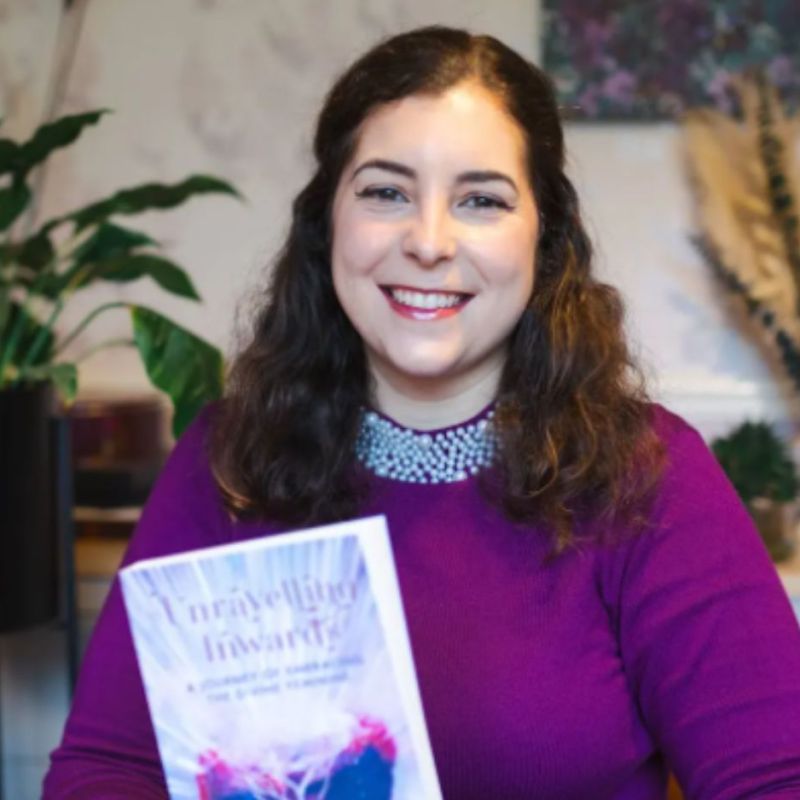
TWB: “AI… Meets… AI” recently won the BREW Children’s Book Excellence Award 2024. How does it feel to receive this recognition, and what do you believe sets this book apart in the world of children’s literature?
AI: It’s honestly a bit surreal to receive this kind of recognition, and it means so much to me personally. “AI… Meets… AI” was a passion project from the start, rooted in a desire to create something that could make a real difference for kids, particularly those from underrepresented communities. Winning this award feels like validation that the message is resonating.
What sets this book apart, I think, is its ability to introduce complex ideas like AI in a way that’s approachable, without losing the heart of the story. It’s not just about technology – it’s about connection, creativity, and curiosity, which are universal themes for kids and adults alike. The blend of storytelling with real-world tech concepts makes it stand out in children’s literature today.

TWB: Your book blends the wonders of technology with valuable life lessons for young readers. What inspired you to write a story that introduces concepts of artificial intelligence to children, and how did you approach making such complex topics accessible?
AI: The inspiration came from my own nieces and nephew. Watching them grow up in a world that’s increasingly shaped by technology, I realized how little material there was that really spoke to them about AI in a way they could grasp. I wanted to create something that would both entertain and educate.
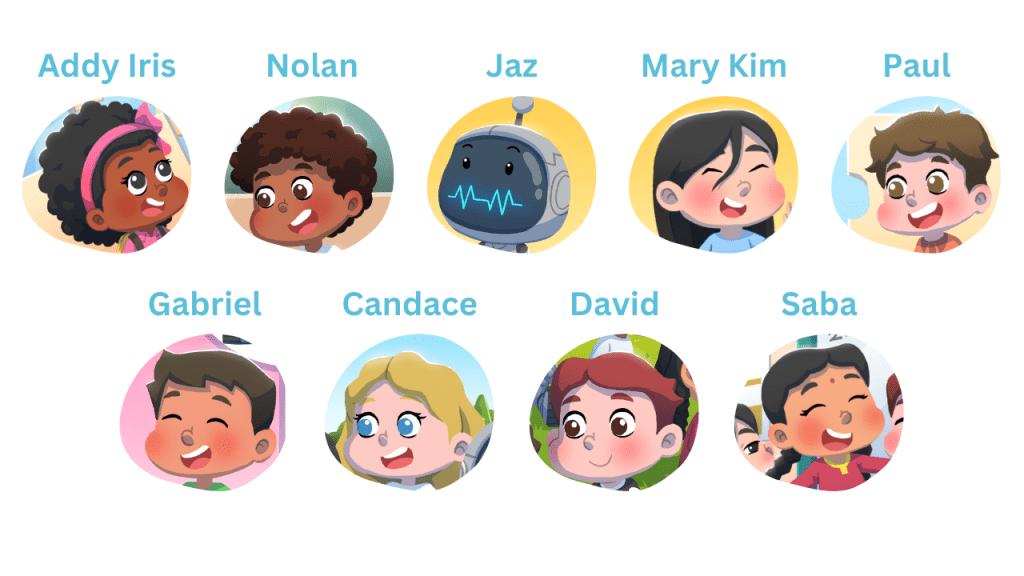
The challenge was in making these complex topics accessible without watering them down. So, I approached it through storytelling. By personifying AI in the character of Jaz, I could introduce AI as something relatable and approachable. The conversations between Jaz and Addy are designed to spark curiosity, and I made sure the explanations were simple but not condescending. It’s about inviting kids into the world of AI, not overwhelming them with facts.
TWB: You’ve had an extensive career in public service and technology. How do you see the role of AI evolving in education, and what potential does it hold for shaping the minds of future generations?
AI: AI has the potential to revolutionize education in ways we’re only beginning to see. It can help personalize learning, making education more tailored to each student’s needs, strengths, and interests. Imagine a classroom where AI helps teachers identify which students need more help in a subject or where an AI-powered tool can make math or science more engaging by adapting lessons in real-time.
But beyond that, AI is becoming a tool that students themselves will need to understand to thrive in the future workforce. We’re moving into a world where understanding how AI works, and more importantly, how to harness it responsibly, is going to be essential. For future generations, learning about AI will be as critical as learning how to read or write.
TWB: “AI… Meets… AI” emphasizes empathy, friendship, and environmental care. Why do you believe these themes are crucial when teaching children about technology and its impact on the world?
AI: When we talk about technology, especially AI, it’s easy to focus on the mechanics – how it works, what it can do. But at its core, technology is about humans. It’s created by people, for people, and it’s meant to solve human problems. That’s why empathy, friendship, and environmental care are central themes in “AI… Meets… AI.” I wanted kids to understand that AI, while powerful, should be used in ways that are thoughtful and responsible.
If we don’t teach kids about the human side of technology – the ethics, the impact on our world – we’re missing a huge part of the conversation. Kids need to understand not just what AI is, but why it matters and how they can use it to make the world better.

TWB: Can you share more about your journey as an author? How does writing for children differ from your other professional work, and what challenges did you face in crafting a story that resonates with both kids and parents?
AI: Writing for children is an entirely different experience from anything I’ve done in my career. My background is in public service and tech, where everything is data-driven and direct. But with kids, you have to be more playful, imaginative, and you have to distill ideas down without losing their complexity.
The biggest challenge was finding that balance – making sure the story was fun and engaging enough for kids while also ensuring it carried important messages that would resonate with parents. I wanted to write something that families could experience together, where kids would get excited about the adventure, and parents could appreciate the underlying lessons.

TWB: As a public sector leader and innovator, you’ve been deeply involved in data-driven decision-making. How do you think data literacy should be integrated into early education, and what impact could it have on students as they grow?
AI: Data literacy is critical, and I believe it should be integrated into early education in the same way we teach reading and math. Kids are surrounded by data from a young age, whether they realize it or not – through the apps they use, the devices they interact with, and even the choices they make online.
Teaching them to understand what data is, how it’s collected, and how it’s used can empower them to make better decisions. As they grow, having that foundation will not only help them in tech careers but also in their everyday lives as citizens of a data-driven world. It’s about giving them the tools to be informed and critical thinkers in a world that’s increasingly shaped by data.
TWB: Your work with non-profits and government organizations has focused on driving impact through technology. What advice would you give to parents and educators looking to encourage an interest in STEM, especially for young girls?
AI: My biggest piece of advice is to make it fun and relatable. Too often, STEM is presented as something difficult or inaccessible, and that’s especially true for young girls who might not see themselves represented in these fields. We need to show them that STEM is about creativity, problem-solving, and making a real impact in the world.
Encourage curiosity, let them tinker, and find ways to connect STEM to things they already love. Whether it’s through robotics, coding, or even storytelling with AI like in “AI… Meets… AI,” we need to make sure they see themselves as creators, not just consumers, of technology.

TWB: In your experience, what are the most significant barriers to fostering a culture of technology-driven learning in schools, and how can we overcome them to ensure equitable access to STEM education?
AI: One of the biggest barriers is access – not just to technology but to the resources and opportunities that allow students to explore it in meaningful ways. In many communities, especially underrepresented ones, there’s a lack of access to the internet, to devices, and even to STEM programs in schools.
To overcome this, we need to invest in infrastructure and create partnerships between schools, governments, and private companies to provide these resources. But it’s also about changing mindsets – we need to show kids, especially those from underserved communities, that they belong in STEM and that these fields are open to them. Representation matters, and we need to make sure kids see people who look like them succeeding in tech.

TWB: Beyond the pages of your book, what initiatives or projects are you currently involved in that aim to bridge the gap between technology and education? How do these efforts contribute to a more inclusive and informed society?
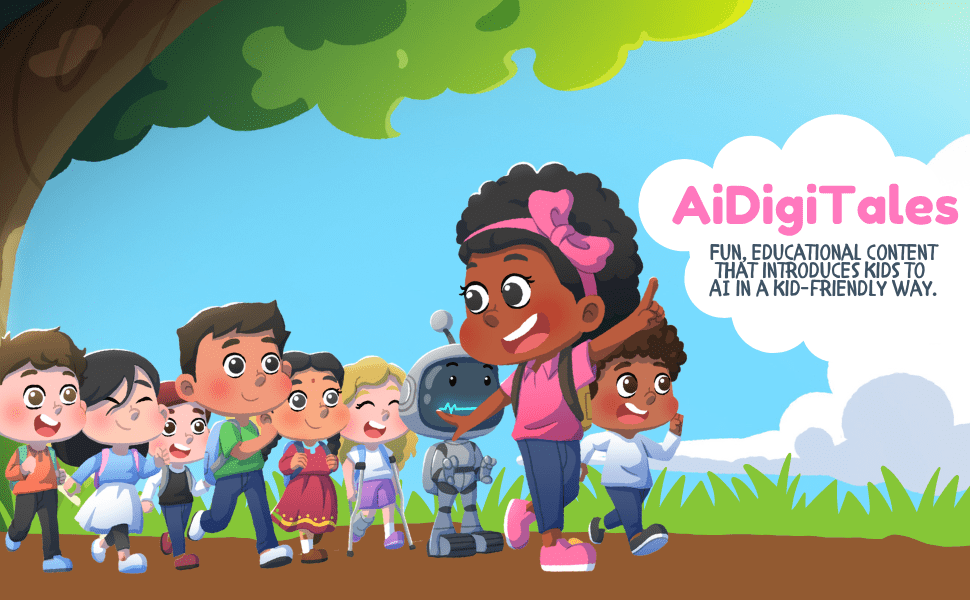
AI: In addition to “AI… Meets… AI,” I’m working on expanding AiDigiTales into an animated series, as well as creating interactive content that helps kids explore AI in a hands-on way. We’re also developing parent-kid learning missions that are designed to spark curiosity and conversations about AI at home.
All of these efforts are focused on making AI education accessible, fun, and inclusive. The goal is to reach kids who might not otherwise have exposure to these topics and give them the tools to succeed in a world shaped by technology. I believe that by making tech education inclusive and engaging, we’re helping build a more informed, empowered society. We also launched the AI for Kids podcast that is meant to be listened to by kids and their parents and teachers.

TWB: Looking ahead, what are your hopes for the future of children’s literature, particularly in the context of integrating themes like artificial intelligence and technology? How do you envision your AI series evolving over time?
AI: I hope children’s literature continues to evolve by integrating more themes that reflect the world we’re living in. Technology is a huge part of our lives, and I think it’s important that kids’ books address that in ways that are both educational and engaging.
For my own AI series, I see it growing into a platform where kids can continue to learn about AI through stories, games, and interactive content. The goal is to create a world where kids feel excited about technology, but also confident in their ability to understand and shape it. And most importantly, I want them to remain creative.
As the series evolves, I want to make sure it remains rooted in accessibility and representation, showing all kids – regardless of background and zip code – that they have a place in the future of tech.
⭐⭐⭐⭐⭐
“When we talk about technology, especially AI, it’s easy to focus on the mechanics – how it works, what it can do. But at its core, technology is about humans. It’s created by people, for people, and it’s meant to solve human problems. That’s why empathy, friendship, and environmental care are central themes in “AI… Meets… AI.” I wanted kids to understand that AI, while powerful, should be used in ways that are thoughtful and responsible.”
– Amber Ivey
Useful Links
Share Your Insights
We’d love to hear your thoughts on Amber Ivey’s insights about AI, education, and the future of STEM. Join the conversation by sharing your opinions in the comments below:
- How do you think AI will impact education and our society in the coming years?
- What role should schools play in preparing students for a future driven by technology?
- Do you believe students should learn to create AI, or focus solely on how to use it?
Your input can help shape the dialogue on these critical issues!
Alignment with the UN SDGs
Amber Ivey’s insights on education and the future of STEM align closely with several of the UN Sustainable Development Goals (SDGs), particularly in the areas of quality education, gender equality, and reduced inequalities. Here’s a breakdown of how her work connects with specific SDGs:
1. Quality Education (SDG 4)
Ivey emphasizes the importance of teaching AI and data literacy from a young age, advocating for personalized learning experiences that cater to individual needs. Her approach to integrating complex technology topics into children’s literature, like her book AI… Meets… AI, aims to make STEM education engaging and accessible. This supports the goal of ensuring inclusive and equitable quality education, as well as promoting lifelong learning opportunities for all.
2. Gender Equality (SDG 5)
Through her advocacy for STEM education, particularly for young girls, Ivey highlights the need to encourage female representation in tech fields. By making STEM relatable and fun, she aims to dismantle barriers that often discourage girls from pursuing careers in these areas. This aligns with the goal of achieving gender equality and empowering all women and girls.
3. Reduced Inequalities (SDG 10)
Ivey addresses the disparities in access to technology and STEM resources, particularly in underrepresented communities. Her focus on inclusivity in tech education aims to bridge the gap, ensuring that all children, regardless of background, have the opportunity to engage with and benefit from advancements in technology. This work contributes to reducing inequalities within and among countries.
4. Decent Work and Economic Growth (SDG 8)
By equipping students with the skills to understand and create AI, Ivey is preparing them for future careers in a rapidly evolving job market. Her initiatives promote a workforce that is not only skilled but also innovative, which is crucial for economic growth and sustainable development.
5. Partnerships for the Goals (SDG 17)
Ivey’s work with non-profits, governments, and educational institutions showcases the importance of collaboration in driving meaningful change. By building partnerships to improve access to technology and STEM education, she embodies the spirit of SDG 17, which emphasizes the role of multi-stakeholder partnerships in achieving sustainable development.
Conclusion
Amber Ivey’s efforts reflect a holistic approach to education that not only focuses on imparting knowledge about technology but also emphasizes the human aspects of its application. By intertwining empathy, creativity, and environmental awareness with STEM education, she champions a future where technology serves as a tool for positive societal impact, aligning closely with the UN SDGs.
Related
Building Connections and Resilience Through Diversity and Inclusion: A Conversation with Jason Sherman
How does a social media influencer with over 10 million followers handle hundreds of thousands of DMs? CEO and co-founder…
Keep reading
The World’s Best Awards Fitness Technology Company of 2024
Every part of our life is being revolutionised by technology, and the fitness sector is no different. People’s perspectives on… Continue reading The World’s Best Awards Fitness Technology Company of 2024
Keep reading
The World’s Best Awards Clean Water Technology Company of 2024
Access to clean water remains a critical global concern. The World’s Best Awards Clean Water Technology Company of 2024 recognizes… Continue reading The World’s Best Awards Clean Water Technology Company of 2024
Keep reading
The World’s Best Awards Health and Wellness App of 2024
Digital solutions have come to play a pivotal role in promoting health and wellness in today’s world. The World’s Best… Continue reading The World’s Best Awards Health and Wellness App of 2024
Keep readingSomething went wrong. Please refresh the page and/or try again.
Other Highlights

Looking for something?
Type in your keyword(s) below and click the “Search” button.
Helpful Shortcuts
More Stories


















Print and Digital Magazine



Don’t just read about greatness. Own it!

About Us
The World’s Best Magazine is a print and online publication that highlights the extraordinary. It is your passport to a universe where brilliance knows no bounds. Celebrating outstanding achievements in various fields and industries, we curate and showcase the exceptional, groundbreaking, and culturally significant. Our premier laurels, The World’s Best Awards, commend excellence through a unique process involving subject matter experts and a worldwide audience vote. Explore with us the pinnacle of human achievement and its intersection with diversity, innovation, creativity, and sustainability.
We recognise and honour the Traditional Owners of the land upon which our main office is situated. We extend our deepest respects to Elders past, present, and emerging. We celebrate the stories, culture, and traditions of Aboriginal and Torres Strait Islander Elders from all communities who also reside and work on this land.
Disclaimer: The World’s Best does not provide any form of professional advice. All views and opinions expressed in each post are the contributor’s own. Whereas we implement editorial policies and aim for content accuracy, the details shared on our platforms are intended for informational purposes only. We recommend evaluating each third-party link or site independently, as we cannot be held responsible for any results from their use. In all cases and with no exceptions, you are expected to conduct your own research and seek professional assistance as necessary prior to making any financial, medical, personal, business, or life-changing decisions arising from any content published on this site. All brands and trademarks mentioned belong to their respective owners. Your continued use of our site means you agree with all of these and our other site policies, terms, and conditions. For more details, please refer to the links below.
About | Advertise | Awards | Blogs | Contact | Disclaimer | Submissions | Subscribe | Privacy | Publications | Terms | Winners
The World’s Best: A Magazine That’s All About What’s Great | theworldsbestmagazine.com | Copyright ⓒ 2022-2026
Let’s connect
Other Highlights
Looking for something?
Type in your keyword(s) below and click the “Search” button.
Helpful Shortcuts
More Stories












Print and Digital Magazine
Don’t just read about greatness. Own it!
About Us
The World’s Best Magazine is a print and online publication that highlights the extraordinary. It is your passport to a universe where brilliance knows no bounds. Celebrating outstanding achievements in various fields and industries, we curate and showcase the exceptional, groundbreaking, and culturally significant. Our premier laurels, The World’s Best Awards, commend excellence through a unique process involving subject matter experts and a worldwide audience vote. Explore with us the pinnacle of human achievement and its intersection with diversity, innovation, creativity, and sustainability.
We recognise and honour the Traditional Owners of the land upon which our main office is situated. We extend our deepest respects to Elders past, present, and emerging. We celebrate the stories, culture, and traditions of Aboriginal and Torres Strait Islander Elders from all communities who also reside and work on this land.
Disclaimer: The World’s Best does not provide any form of professional advice. All views and opinions expressed in each post are the contributor’s own. Whereas we implement editorial policies and aim for content accuracy, the details shared on our platforms are intended for informational purposes only. We recommend evaluating each third-party link or site independently, as we cannot be held responsible for any results from their use. In all cases and with no exceptions, you are expected to conduct your own research and seek professional assistance as necessary prior to making any financial, medical, personal, business, or life-changing decisions arising from any content published on this site. All brands and trademarks mentioned belong to their respective owners. Your continued use of our site means you agree with all of these and our other site policies, terms, and conditions. For more details, please refer to the links below.
About | Advertise | Awards | Blogs | Contact | Disclaimer | Submissions | Subscribe | Privacy | Publications | Terms | Winners
The World’s Best: A Magazine That’s All About What’s Great | theworldsbestmagazine.com | Copyright ⓒ 2022-2026
Let’s connect
Discover more from The World's Best
Subscribe to get the latest posts sent to your email.

 The World's Best
I love seeing people who are science savvy give humanity its crucial place, especially given the latest tech developments. For a long time, science and the humanities were seen as opposing fields, so I commend Amber for giving a more rounded approach, especially for the little ones.
LikeLiked by 3 people