
“The Green Amendment movement was born from the realization that environmental protection cannot be achieved through legislation alone. True change happens when our right to clean air, pure water, and a healthy environment is recognized as a fundamental, inalienable human right – enshrined in the constitution, where it has the power to truly protect present and future generations.”
– Maya van Rossum
Maya received her LL.M. in Corporate Law and Finance from Widener University and graduated from Pace University’s Elisabeth Haub School of Law. Among her professional achievements is the Gold Medal for Nature Conservation that she was awarded by the Living Now Book Awards for her book “The Green Amendment: Securing Our Rights to a Healthy Environment.” She won the River Heroes Award for her efforts to save the environment and was named one of SNL Energy’s “10 Most Influential People of 2015.”
TWB: Maya, could you tell us about the inspiration behind the founding of Green Amendments For The Generations? What motivated you to pursue constitutional environmental protections?
MVR: The Green Amendment movement was inspired by a 2013 landmark legal victory I and my other organization, the Delaware Riverkeeper Network, achieved. Using the long-ignored environmental rights amendment in the Pennsylvania constitution – what I now call a “Green Amendment”, a term I coined – we defeated an industry-written, pro-fracking fossil fuel law. While the legal victory did not end all fracking in the state, it prevented uncontrolled expansion of fracking and laid a foundation allowing for increasing environmental protections related to fracking for fossil fuels, and beyond. Our victory was possible because the State’s constitutional environmental rights provision provided explicit protection for the fundamental environmental rights of all Pennsylvanians, including protection of Pennsylvania’s environment for future generations.
Recognizing the transformative power of that victory — we defeated a law! — I identified all the elements that gave Pennsylvania’s constitutional language undeniable strength. Then, when examining every state constitution across the nation, I found that only Montana had an amendment that gave similar strength and power to environmental rights. I decided that we needed similar environmental rights in every state, and ultimately at the federal level. So, I wrote my award-winning book The Green Amendment, and launched the Green Amendments For The Generations organization and movement.

TWB: You’ve had remarkable success in states like New York, Pennsylvania, and Montana. Could you walk us through the key milestones that have been achieved in these states, and what made those successes possible?
MVR: Since coining and defining the term “Green Amendment” and founding the national movement in 2014, we have secured a Green Amendment in New York and have proposals advancing in about 20 other states, with more on the way. In 2021, we secured passage of the New York Green Amendment – so at this point there are three constitutional provisions meeting my Green Amendment definition. In these three states powerful progress has been achieved in the courtroom and as the result of environmental advocacy that would not otherwise have been achieved.
In Pennsylvania we defeated that devastatingly pro-fossil fuel law I mentioned. We have secured clean-up of a long-ignored, 30+-year toxic site that was being ignored by the PA Department of Environmental Protection because we have the Green Amendment to empower and undergird our legal actions and our advocacy. In Pennsylvania, relying in no small part on Green Amendment constitutional environmental rights, we have secured strong regulations to address Forever Chemical contamination in drinking water and the environment, protected an old growth forest and surrounding woodlands and high-quality streams that are cherished and enjoyed by the community from development , and protected the authority of local governments to advance environmental protections vital to their communities.
The Montana Green Amendment supported a legal victory brought by 16 youth challenging a state law they said was advancing fossil fuels at a devastating rate and as a result was failing to ensure they had a safe and healthful climate in which to live and grow. The Green Amendment has also been used to protect precious natural areas associated with Yellowstone National Park from industrial gold mining operations that would have inflicted devastating and irreparable environmental harm, and was used by the state to protect drinking water supplies from being contaminated by an underground pollution plume of a dangerous toxic chemical.
The New York Green Amendment is only a couple years old but is already being used to seek protection of environmental justice communities from dangerous air pollution and to defend precious natural open space that the public was promised would always be protected.
While 10 years may seem like a long time, constitutional amendments are the seeds that need care and watering over time to grow big and strong. Green Amendments are in their early stages of existence, but already we can see how they are helping communities call for essential environmental protections. While many states have constitutional language focused on environmental protection and rights, because these amendments do not fulfill the criteria of what would make them a “Green Amendment” as per my definition, they have proven themselves to be remarkably weak and do not enhance environmental protection but, in many ways, actually undermine it. In my book, I go through not just the constitutional and legal criteria of a Green Amendment, but I provide real world examples for the reader to see where a Green Amendment could have saved the day, and where it already has in states that have them.
For the three states with a Green Amendment, the court decisions are remarkably consistent in how they are interpreting and applying them. In large part, that consistency comes from the Bill of Rights placement of the amendments, which brings clear guidance on how environmental rights should be interpreted and applied. The strength and clarity of the decisions also come from the plain and clear language of the amendments themselves. And some amendments create a clear trustee obligation to protect natural resources for present and future generations, which brings into effect a well-developed body of law regarding the obligations of trustees and the rights of beneficiaries to a trust. There are very few enforceable protections, if any, that are as forward looking and protective of future generations as the Green Amendment is. Every time a precedent on this kind of language is established, it helps inform how these amendments are interpreted in other Green Amendment states.
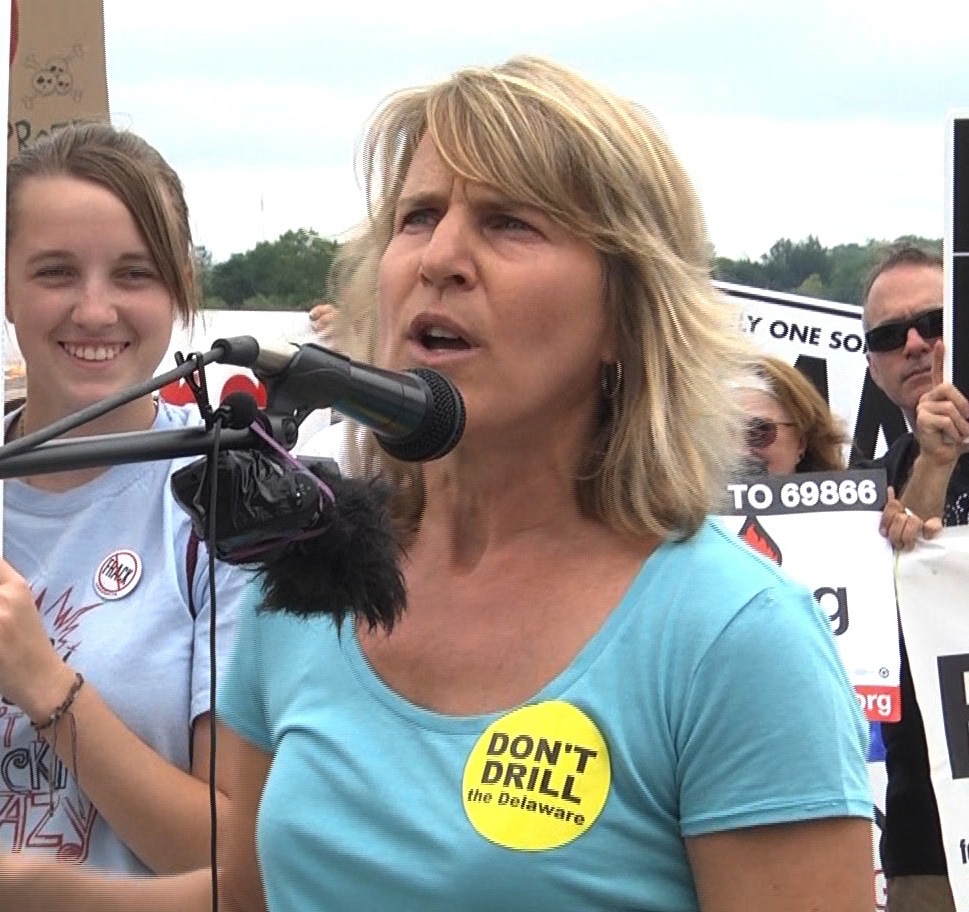
TWB: How does the Green Amendment movement empower local communities to take ownership of environmental protection? Can you share any specific examples of grassroots success stories?
MVR: While clean water and air, a safe climate and healthy environment are recognized as essential, inalienable human rights, without the strongest constitutional protections upholding them, they are generally and legally ignored by our government.
Current environmental laws in the United States are focused on legalizing pollution of our air, water, and environment through a system of permits and reviews. It comes down to monitoring and managing pollution, rather than focusing on preventing it. In this system it is government legislators and regulators who have all the power to decide how, when, where, if or to what degree, environmental damage will be addressed or ignored. When there are laws on the books it is up to these same government officials to decide whether or to what degree they will enforce the laws on the books. Most of the time, these laws do not give people the power to challenge government laws, regulations, actions or decisions that fail to provide essential protections for the environment. Furthermore, these laws advance environmental decision making in a way that foists most of the harm on Communities of Color, Indigenous communities, low-income communities, and the bodies of children or future generations yet to be born.
Green Amendments, with their very clear and simple statement that all the people of a state have an inalienable and enforceable right to clean water and air, a safe climate, healthy soils, ecosystems and environments, disruptor pre-existing legal construct where government—and often their wealthy industry friends with access—has all the power to shift. It is now “We The People” who can use our constitutions to lift up environmental rights, so they are given highest constitutional standing and are enforceable by the people when infringed upon. It is this realization and understanding that quickly resonates with people and gives them a sense of strength where before they felt (and often were) powerless to protect themselves in the face of major environmental pollution, loss and harm. When people talk about their right to free speech, they feel that power to defend it. Now they experience that same empowerment, but for their environmental rights.
In a small, largely blue-collar community in Pennsylvania called East Whiteland, the empowerment provided by that state’s Green Amendment was transformational in both how the community felt about their entitlement to a clean, safe and healthy environment, and their strengthened ability to secure it in the face of a disregarding state environmental agency.
For over 30 years the PA Department of Environmental Protection was aware that a 13-acre site, known as Bishop Tube, was super saturated with dangerous toxins. Throughout that time, the state had multiple environmental laws they could have used – but didn’t – to clean up the site and to protect the neighboring East Whiteland community from dangerous exposures. During these 30 years, families that lived nearby were exposed to the site’s leaking and airborne contaminants. Many in the community experienced health consequences that they now believe were the result of that exposure, including the Stauffers whose daughter grew up experiencing three bouts of brain tumors during her young life. Their family home neighbored Bishop Tube. It was only after her daughter battled and defeated her third bout of brain tumors that Kate and Larry Stauffer learned about the dangerous toxins and chemicals used at the Bishop Tube plant during its operations, many of which now saturated the soils, groundwater, and neighboring streams flowing through the property.
Rather than seek site clean-up, the PA Department of Environmental Protection negotiated a sweetheart deal with a developer that would have allowed him to develop the site with over 220 homes while it remained in its toxic condition – inviting new families to be exposed. It was during this 30-year period that Pennsylvania’s Green Amendment secured legal life (through the 2013 landmark legal victory I and my organization achieved). Since that time, I have worked with this community to understand the power of their environmental rights. And together we have used these rights in advocacy and in litigation. The end result? The sweetheart deal with the developer has been vacated, and the state is now requiring remediation and clean-up of the site by the legally responsible corporations who – by the way – are very, very wealthy and can well afford it.
TWB: Many states now have Green Amendment language proposed. What do you believe has driven this surge in interest, and how do you see the movement evolving in the coming years?
MVR: I think the surge in interest comes from many directions. I do believe that my 10 years of traveling the nation and explaining the fundamental failings of our current environmental laws and the unparalleled and transformational protections a Green Amendment provides, complemented by the two books I have written on the subject, and the many interviews, opinion pieces, and articles I have advanced, have certainly helped.
As people read headline after headline about pollution, environmental degradation, and the growing climate crisis, they have been seeking needed pathways for protection and in so doing come across my Green Amendment message and movement. The stripping away of even minimal water, air, climate and environmental protections by the current U.S. Congress and Supreme Court has similarly sent people seeking solutions. And when reading about the recent spate of youth climate legal actions asking that intriguing question about whether or not a clean and healthy environment is actually an enforceable right – and then witnessing case after case failing until the Held v. Montana case that had as its foundation in the Montana Green Amendment – people began looking into this question about the intersection of environment and constitution.
I have to say, when I began going from community to community talking about a clean, safe and healthy environment as a right worthy of constitutional recognition, most people thought I was crazy. But today, as people are looking for solutions to protect the environment for the benefit of themselves, their families, their communities and future generations, they are quickly intrigued, inspired, and eager to engage.

TWB: You’ve been a key partner in advancing Green Amendments across the country. Could you explain the role you and your organization play in supporting state efforts?
MVR: I am proud to say that I am the person who coined the term, envisioned the power of a national movement and then, against all odds and with very little funding, made it happen. And I am proud to say that the vision I had 10 years ago has flourished into a genuine, transformational, and unstoppable movement for constitutional recognition and protection of our environment and environmental rights that is sweeping the nation and spans into future generations.
The role of Green Amendments For The Generations in advancing a state’s effort takes many forms. In the first instance it is to educate people about how current environmental laws work, why constitutional protection is needed and how it makes a difference. I do a lot of public speaking and have developed and delivered many Green Amendment trainings. I work to help people understand what a Green Amendment actually is, and to be clear that it is not just any language placed anywhere in the constitution – we have lots of state constitutions that speak to the environment, but because they have not used the correct language and placement, they have not secured the protection people want or need. And so, I take people on a journey of learning to the point that they feel empowered to become leaders in their own state advocating for environmental rights. I work to bring my experience and expertise to the table and work with community and political leaders to craft the right Green Amendment language that best resonates with their particular state. I work as a partner helping to organize coalitions focused on advancing Green Amendments within a state, and helping to grow the community of informed and engaged advocates and organizations. I do what I can to help empower and embolden individuals and organizations by joining with them in meetings. When industry or political opposition rears its ugly head, I often take an early leadership role in challenging their very well-funded, and well-imagined, misinformation campaigns. I help environmentally-minded legislators who want to lead the way in securing constitutional reform to understand the power and importance of Green Amendment language and to ensure they do not unwittingly agree to modifications that will strip away a proposed Green Amendment’s strength.
And once a Green Amendment is secured, through advocacy training and legal actions, I work to help ensure the amendments are fully, fairly, and actually enforced so they genuinely are protecting people’s environmental rights and protecting the environment that is essential to every aspect of our lives. Constitutional rights are not just policy statements, and a Green Amendment ensures that for our environment.
TWB: Could you describe the unique challenges you’ve faced when dealing with industries, government bodies, and other entities in your environmental advocacy?
MVR: Our Green Amendment movement – by design – is starting at the state level first. In the U.S., both our states and federal government have a tremendous level of authority when it comes to the environment and so we need Green Amendment constitutional protections at both levels of government. State constitutional amendments are very accessible and happen with regularity, whereas a federal amendment is a much bigger challenge. So in order to advance near-term environmental protections, while at the same time building a foundation of political and community support for a federal amendment, my Green Amendment movement is focused on going state by state to secure amendments, and is on the alert for the moment we reach the tipping point that will signal it is time to pursue a federal amendment. I share this for two reasons, one is that keeping people on the state by state path is important – if we jump to the federal initiative too soon it will result in a diversion of resources for an effort that is unlikely to succeed. So much of my work is helping people understand the importance of the states-first focus and laying that vital foundation. Our Green Amendment house cannot be built on sand. Second, legally a state constitutional amendment would not apply to federal government entities like the U.S. Army, Congress, President, or Supreme Court. To hold these federal entities accountable for better environmental protections, we will need to secure a federal Green Amendment.
The biggest challenge is actually resources. The strength of the Green Amendment movement for securing needed environmental protections resonates quickly and powerfully, and so we have many communities and states vying for our Green Amendments For The Generations assistance. We step up and help every community that wants to advance these essential protections. At the same time, industry also sees the power of Green Amendment protections and are investing significant financial resources in lobbying, lawyers, and misinformation campaigns. Securing resources that will help us meet and beat the industry opposition is a challenge that we are working to achieve.
TWB: The Green Amendment movement is gaining traction amid growing concerns over climate change and environmental justice. How does constitutional protection address these pressing issues?
MVR: Green Amendments ensure that environmental protection, including protection of a safe climate, and environmental justice are always given highest priority when the government is taking action. In circumstances where existing laws and regulations are unable to ensure equitable protection of the rights of all people to clean and healthy water, air, soils, and environment, including a safe climate, constitutional environmental rights provided by Green Amendments give good government, communities, and truly environmentally-minded companies, the legal strength they need to secure these needed protections.
Green Amendments empower environmental justice protections through constitutional mandates that the state’s natural resources and the human right of all its people to clean water and air and healthy environments be protected equitably for all communities regardless of race, ethnicity, wealth, geography, or generation. By placing these constitutional entitlements, using carefully crafted language in the state constitution’s Bill of Rights, Green Amendments assure that the environmental rights of the people are given highest constitutional standing, recognition, protection, and enforceability.
A Green Amendment provides a way to make environmental justice more than just a political buzzword or a hot topic. It provides a means for making environmental justice real, meaningful and enforceable.
Green Amendments constitutionally mandate that all communities have the same rights to clean water and air, and healthy environments, regardless of race, ethnicity, or socioeconomic status. With a Green Amendment all government officials, from the local town council to the legislature and the governor’s office, would be duty-bound to protect the environmental rights of all people and communities. Where communities of color are unjustly and repeatedly targeted for pollution and environmental degradation that harms every aspect of their lives while other more affluent and whiter communities do not face similar harm, the constitution can be brought to bear to find essential protections and solutions.
While adding the right of all people to clean water and air, and a healthful environment, will not be an instant panacea for environmental protection, it will ensure environmental justice is a constitutional priority, that government will need to focus on prevention of pollution and harm rather than simply permitting and managing it, and will ensure the strongest legal tool we have—our constitution—can be used to restore environmental protection, equity, and justice when government fails us.
Green Amendments similarly lift up the right to a safe climate as a constitutional priority that must be considered and addressed when government acts. Government officials who ignore or disregard the implications of their decisions for the climate risk constitutional challenge.
By recognizing and protecting the rights of all people to clean water and air, healthy ecosystems and environment, and a safe climate, particularly when complementing this recognition of individual rights with a trustee obligation to protect the state’s natural resources for present and future generations, Green Amendments incentivize government support of clean and renewable energy projects, and actually prioritize clean energy over the perpetuation and ongoing creation of new dirty energy projects . When legitimate claims arise regarding a proposed clean energy project proposal, the environmental entitlements of the people will help ensure that high quality clean energy projects advance. Given the compelling state interest in addressing the climate crisis, including drought, flooding, wildfires, damage to ecosystems, impacts to human health, environmental injustice and environmental harms caused by climate disruption — and given the scientifically and factually demonstrated harm posed by fossil fuels advancing climate disruption — recognition of constitutional environmental rights using the Green Amendment approach becomes a powerful tool for helping to address the climate crisis.
Among the specific outcomes with regard to the climate that may result from Green Amendment protections:
● Government officials will be able to use their constitutional environmental obligations to support and defend proactive government action to advance clean energy projects that will provide good and healthy jobs;
● Existing laws, regulations, and authorities will now be interpreted, applied, and utilized in ways that are beneficial for addressing climate disruption, to protect the environmental rights of the people, and to help government fulfill its trustee obligation to protect the state’s natural resources; thereby creating new and strengthened opportunities for advancing clean energy projects;
● There can be a pathway to check government action – e.g. legislation, regulation, permitting – if it will unreasonably impair the rights of people to a clean and healthy environment, including climate, thereby helping to keep the playing field level and clear for advancing clean energy rather than the current prioritization of fossil fuel development;
● Government will be incentivized to analyze climate impacts as part of all decision-making, thereby strengthening the obligation and opportunity for supporting clean energy, and disincentivizing climate-disrupting actions and decisions;
● The obligation to protect the right of the people to a healthy environment, including climate, and the duty to protect natural resources equitably for all communities, including future generations, provides not just the framework, but the constitutional duty to prioritize government initiatives and decisions that proactively support and advance well-planned, well-sited, and well-implemented clean energy projects; and
● Recognizing that all energy projects will bring a level of environmental impact – positive and negative – the constitutional obligation to guarantee equity in the implementation of the constitutional right will ensure that the impacts and protections of such projects are equitably advanced across all communities.
If a clean/renewable energy project is sited in a location where water pollution will inflict significant harm individually and/or cumulatively for an environmental justice community; where a species is placed in jeopardy of extinction; where the proposal calls for serious degradation such as massive tree clearing that cannot be defended scientifically, factually or legally; then there is potential for a meaningful constitutional claim to advance. In such situations, rigorous judicial oversight is appropriate and should be embraced by good government officials as helpful to advancing a sound project that protects the environment overall, rather than as a negative because it may require a corporation or government regulators to undertake essential due diligence to ensure a cleaner and more environmentally sensitive project. Impacted communities deserve no less.
TWB: As the Delaware Riverkeeper, you’ve led an advocacy organization for over three decades. How has your work with the Delaware Riverkeeper Network influenced your broader mission with Green Amendments For The Generations?
MVR: It was through my work as the Delaware Riverkeeper that – for the first 20 years of my career – I have experienced and witnessed the myriads of ways our current US system of environmental laws fundamentally fail to protect communities and our environment. It is through my work as the Delaware Riverkeeper pursuing and securing our landmark 2013 victory that I envisioned and founded the Green Amendment movement. And it is as the Delaware Riverkeeper, and leader of Green Amendments For The Generations, that I have experienced and witnessed the transformational change Green Amendments provide for environmental protection and advocacy – both strengthening legal protections but also emboldening and empowering people to view and advocate for a healthy environment as fundamental freedom they are entitled to.
TWB: The idea of environmental rights being on par with other civic freedoms is profound. What do you think the long-term impacts of securing constitutional environmental protections will be, both legally and socially?
MVR: Green Amendments advance the systemic reform necessary to broadly transform and heighten legal protections. Constitutional Green Amendment protections can provide the missing legal entitlement necessary to underpin a successful legal argument and outcome. At the same time, Green Amendments can transform the public discourse and expectations around environmental protection in a way that strengthens environmental advocacy. In conversations with our extensive network of community activists and local representatives, these leaders often reflect on how fighting for Green Amendments has brought a sense of empowerment and dignity that strengthens their advocacy. Green Amendments can reinforce this sense of empowerment by creating an enforceable legal obligation on government to listen respectfully and to meaningfully respond to those advocating for their constitutional rights.
Quite simply, Green Amendments put environmental rights on par with other civil, human, and political rights like speech, due process, and property rights. Once passed, Green Amendments require government officials to prioritize environmental protection in all decision-making – from the passage of legislation to issuing permits to addressing existing environmental harms. Green Amendments require government to focus on prevention of environmental harm from the beginning of the decision-making process when it is most achievable; mandate equitable treatment of all communities regardless of race, ethnicity, religion or income; ensure consideration of cumulative impacts and science as part of the decision-making process; ensure that environmental rights of one community cannot be sacrificed in order to achieve the environmental, economic or political goals of others; and provide a pathway to the courts when government officials fail to fulfill their constitutional duty to protect people’s environmental rights.
The benefits of Green Amendments do not begin and end with the law. As is the case with other constitutional rights, the grant of constitutional protection for environmental rights emotionally and intellectually empowers people to raise the expectations they have of their government officials and to advocate more firmly, actively, and confidently for environmental protection. Green Amendments change the focus of the conversation. Environmental advocates are no longer easily dismissed as tree huggers – they are now recognized constitutional champions. And Green Amendments provide powerful constitutional grounding for the environmentally protective actions, decisions, laws, regulations, and programs that government officials seek to conceive and advance.

TWB: For those who are new to the Green Amendment movement, what steps can they take to support or get involved with advocating for environmental rights in their own states?
MVR: There are many ways for people to engage with the Green Amendment movement. First and foremost, I encourage people to visit our website to see if there Is an effort already advancing in their state. If there is, then the next step is to get in touch with Green Amendments For The Generations so we can help plug you in to what is happening.
Our website is www.GreenAmendment.org . There’s an active states tab, a place to find my book or watch a film about the movement, and action opportunities.
If there is no Green Amendment movement advancing yet in your state, then perhaps you want to be the person to get it started. Some of the most powerful Green Amendment efforts began because one person read my book, heard me on the radio or a podcast, or read an interview I did and then got in touch. I’m easy to find and I love to connect very directly and personally with people who want to help secure a Green Amendment for their state.
⭐⭐⭐⭐⭐
“Our Green Amendment movement is about more than just changing laws; it’s about shifting mindsets. By embedding environmental rights in the constitution, we ensure that protection of our natural resources is no longer an afterthought—it becomes a legal priority. This is a movement for the long-term, for future generations, and for the health of our planet and our communities. Every victory we secure at the state level brings us closer to the ultimate goal of a federal Green Amendment that can hold everyone accountable, including the most powerful institutions.”
– Maya van Rossum
Useful Links
- For The Generations website
- Delaware Riverkeeper website
- The Green Amendment book on Amazon
Share Your Insights
Thank you for reading our interview with Maya van Rossum! We’d love to hear your thoughts. Please share your insights in the comments:
- What resonated most with you from Maya’s journey?
- How do you view the importance of environmental rights in your community?
- What actions do you think individuals can take to support environmental advocacy?
Your voice matters!
Alignment with the UN SDGs
The Green Amendment movement, as described by Maya van Rossum, aligns closely with several of the UN Sustainable Development Goals (SDGs), particularly those focused on environmental sustainability, justice, and community empowerment. Here’s a breakdown of how the movement connects with specific SDGs:
- Goal 6: Clean Water and Sanitation
The Green Amendment emphasizes the right to clean water as a fundamental human right. By advocating for constitutional protections that prevent pollution and ensure access to clean water, the movement directly contributes to achieving this goal.
- Goal 11: Sustainable Cities and Communities
Maya van Rossum’s work highlights the importance of empowering local communities to take ownership of environmental protection. This aligns with the goal of making cities and human settlements inclusive, safe, resilient, and sustainable by ensuring that communities have the rights and tools to protect their environments.
- Goal 13: Climate Action
The movement advocates for a safe climate and the protection of ecosystems, which directly supports efforts to combat climate change and its impacts. By establishing environmental rights, the Green Amendment helps to ensure that future generations inherit a stable climate.
- Goal 15: Life on Land
The Green Amendment’s focus on protecting natural resources and ecosystems, as illustrated by the examples from Pennsylvania and Montana, aligns with the goal of sustainably managing forests, combating desertification, halting and reversing land degradation, and halting biodiversity loss.
- Goal 16: Peace, Justice, and Strong Institutions
By advocating for constitutional protections of environmental rights, the Green Amendment movement seeks to create more just and equitable legal frameworks. This goal emphasizes promoting the rule of law and ensuring equal access to justice for all, including marginalized communities often disproportionately affected by environmental degradation.
- Goal 17: Partnerships for the Goals
The movement encourages collaboration between community members, legal experts, and environmental advocates, fostering partnerships necessary for promoting and achieving sustainable development at local, state, and national levels.
The Green Amendment movement exemplifies how grassroots advocacy can lead to systemic change in environmental protection. By embedding environmental rights into constitutional law, it empowers communities to uphold their rights to clean air, water, and a healthy environment, thereby contributing significantly to multiple UN SDGs aimed at fostering a sustainable and equitable world.
Welcome to The World’s Best Magazine‘s “Discovering Harmony” series, where we look into the intricate relationship between nature and sustainability. This collection of articles is designed to illuminate the pressing environmental challenges and celebrate the innovative solutions shaping our future.
Exclusive Interviews: Voices of Change
In our exclusive interviews, we sit down with leading environmentalists, visionary scientists, and influential policymakers who are driving the sustainability movement. These thought-provoking conversations offer a glimpse into their groundbreaking work and personal journeys, providing insights into how they are making a tangible impact on our world.
Expert Round-Ups: Collective Wisdom
Our expert round-ups bring together diverse perspectives from specialists across various fields. These curated discussions explore the latest research, trends, and strategies in sustainability. Whether it’s advances in renewable energy, the latest in conservation technology, or grassroots initiatives making waves, these articles showcase the collective wisdom of those at the forefront of environmental change.
In-Depth Features: Stories of Innovation
Through compelling features, we highlight groundbreaking projects and success stories from around the globe. Our “Featured Lists” listicle articles will spotlight top innovations, impactful initiatives, and key trends in sustainability. These engaging lists provide a snapshot of the best practices, tools, and ideas driving progress in environmental stewardship.
Interactive Insights: Engaging with the Issue
To further enrich your experience, we include our usual People’s Choice polls where readers can vote for their favorite innovations, solutions, and perspectives. This interactive element not only lets you engage directly with the content but also helps shape the ongoing conversation about sustainability. Your votes and opinions provide valuable feedback and foster a dynamic dialogue around the critical issues we cover.
Join us on this journey as we explore the vital intersection of nature and sustainability. Discovering Harmony is more than just a series—it’s a call to action for a world where human progress and environmental stewardship go hand in hand.
Related









Something went wrong. Please refresh the page and/or try again.
Other Highlights

Looking for something?
Type in your keyword(s) below and click the “Search” button.
Helpful Shortcuts
More Stories





























Print and Digital Magazine










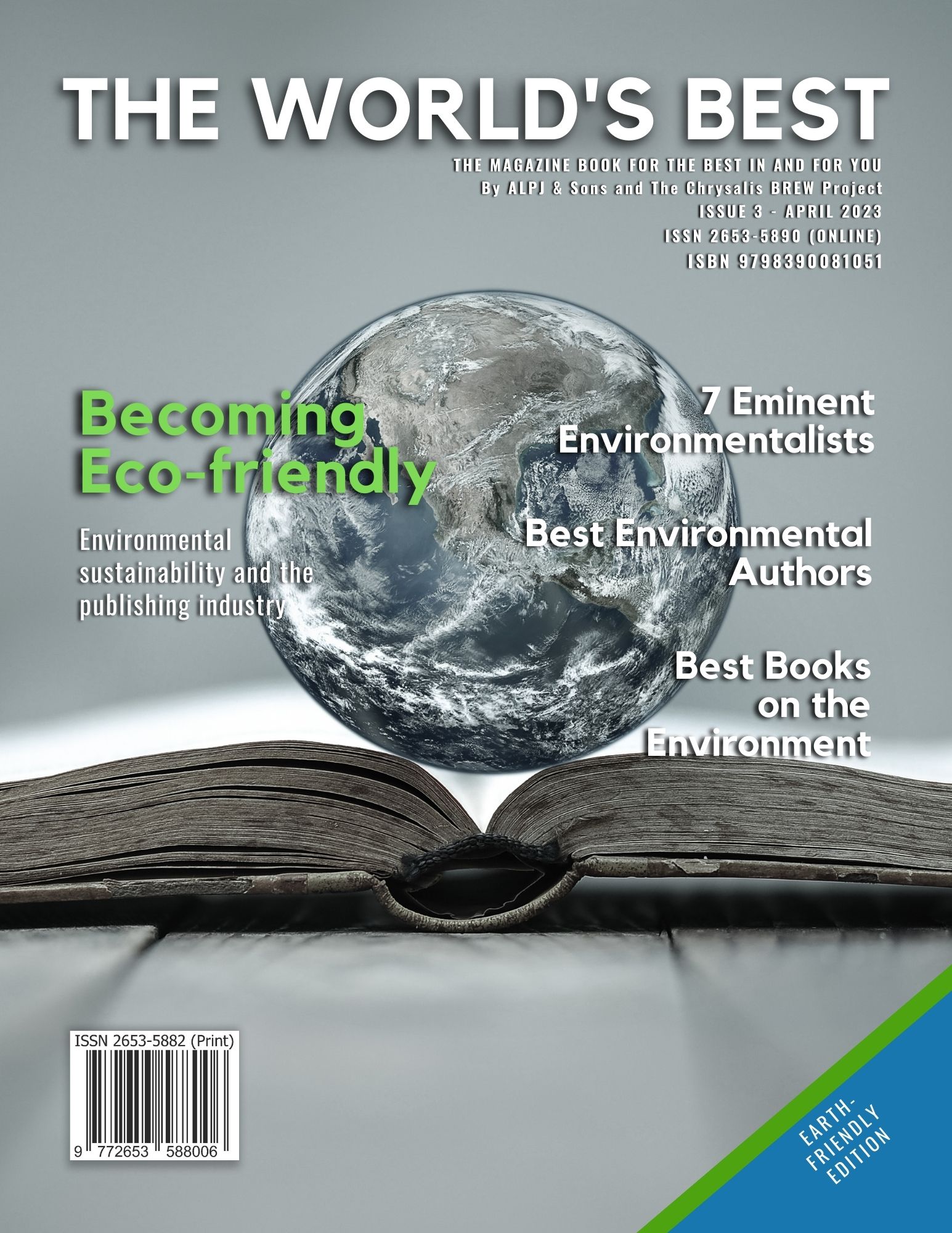


Don’t just read about greatness. Own it!

About Us
The World’s Best Magazine is a print and online publication that highlights the extraordinary. It is your passport to a universe where brilliance knows no bounds. Celebrating outstanding achievements in various fields and industries, we curate and showcase the exceptional, groundbreaking, and culturally significant. Our premier laurels, The World’s Best Awards, commend excellence through a unique process involving subject matter experts and a worldwide audience vote. Explore with us the pinnacle of human achievement and its intersection with diversity, innovation, creativity, and sustainability.
We recognise and honour the Traditional Owners of the land upon which our main office is situated. We extend our deepest respects to Elders past, present, and emerging. We celebrate the stories, culture, and traditions of Aboriginal and Torres Strait Islander Elders from all communities who also reside and work on this land.
Disclaimer: The World’s Best does not provide any form of professional advice. All views and opinions expressed in each post are the contributor’s own. Whereas we implement editorial policies and aim for content accuracy, the details shared on our platforms are intended for informational purposes only. We recommend evaluating each third-party link or site independently, as we cannot be held responsible for any results from their use. In all cases and with no exceptions, you are expected to conduct your own research and seek professional assistance as necessary prior to making any financial, medical, personal, business, or life-changing decisions arising from any content published on this site. All brands and trademarks mentioned belong to their respective owners. Your continued use of our site means you agree with all of these and our other site policies, terms, and conditions. For more details, please refer to the links below.
About | Advertise | Awards | Blogs | Contact | Disclaimer | Submissions | Subscribe | Privacy | Publications | Terms | Winners
The World’s Best: A Magazine That’s All About What’s Great | theworldsbestmagazine.com | Copyright ⓒ 2022-2026
Let’s connect
Discover more from The World's Best
Subscribe to get the latest posts sent to your email.

 The World's Best
This is the best news I’ve read this month. We need this as a human right in every country! Kudos!
LikeLike