
A ceramic urinal with the name Fountain was submitted by an artist to an art exhibition in 1917. The painting, signed “R. Mutt,” was turned down by the judges even though the show had stated that all submissions would be accepted. Marcel Duchamp, one of the founders of the Dada movement, is the artist. With that piece, he aimed to question accepted ideas about what constitutes art and pose the question, who gets to judge what is and isn’t?
Not just in the art world but also in other areas of culture, that one act of defiance ignited discussions. Numerous art movements and cultural phenomena have since arisen with the aim of questioning established conventions, providing novel viewpoints, and promoting intercultural communication. These movements challenge artistic norms as well.
Art, as science confirms, has profound effects on human psychology and society. It enhances empathy, fosters understanding, and breaks down barriers. A 2013 study by the University of Arkansas found that exposure to visual art increased tolerance and critical thinking among students. This capacity for art to shape minds and challenge societal structures has led to some of the most revolutionary art movements and cultural phenomena the world has ever seen. Let’s explore some of the most impactful ones that continue to defy conventions and bring cultures together.
What Thought Leaders Think
Dada Movement’s Anti-Establishment Impact
The Dada movement’s acceptance of absurdity and anti-establishment feeling greatly questioned creative standards and promoted intercultural communication. It emerged as a reaction to the atrocities of World War I and, by challenging the meaning and purpose of art, destroyed conventional ideas of what it was.
As a Business Development Director, I am aware of Dada’s influence on modern art because he helped to establish a number of distinct groups, such as Conceptual Art and Surrealism, which still motivate artists to experiment and push limits. The incorporation of diverse cultural influences has enhanced the artistic landscape and promoted cross-societal and cross-geographic dialogues.

Ace Zhuo, Business Development Director (Sales and Marketing), Tech & Finance Expert, TradingFXVPS
Contemporary Art’s Cultural Reflections
It is contemporary art that differs from traditional art. It disrupts traditional methods of doing things and helps individuals appreciate diverse cultures. Artists often use new ways of making art and question how society functions. It also includes elements from different cultures to help people understand them.
Very often, many contemporary pieces communicate social and political issues. An example is Ai Weiwei’s ‘Sunflower Seeds’ installation, which has challenged traditional art and reflected Chinese culture.
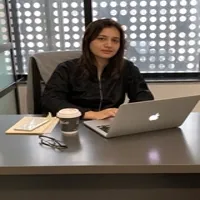
Aqsa Tabassam, PR & Brand Manager, RevenueGeeks
Surrealism’s Defiance of Traditional Artistic Boundaries
Surrealism stands out as a significant art movement that challenged conventions and fostered cross-cultural dialogue. Emerging in the early 20th century, it sought to unlock the unconscious mind, blending dream-like imagery with reality, which defied traditional artistic boundaries. Surrealism drew from diverse cultures and philosophies, incorporating elements from African, Indigenous, and Eastern art, thereby creating a rich tapestry of global influences.
Its impact on contemporary art is profound. By questioning reality and embracing the irrational, Surrealism paved the way for modern artists to explore deeper psychological and cultural themes. This movement encouraged the breaking of cultural barriers and opened up new avenues for expressing universal human experiences through art. The result is a contemporary art landscape that is more experimental, inclusive, and reflective of a globalized world.

Jeremy Resmer, CEO, Value Land Buyers
Afrofuturism’s Narrative on Identity
One notable cultural phenomenon that defies expectations and promotes intercultural communication is Afrofuturism. Afrofuturism is a distinctive narrative that intertwines African culture with future ideas to examine identity, technology, and history. Its impact on modern art has been enormous, stretching the boundaries of visual arts, music, and fashion while giving underrepresented voices a stage on which to reinterpret their history and future for a worldwide audience.

John Jones, Owner, Sell My House Fast Now
Street Art’s Provocative Messages in Public Spaces
In the quest for transformative artistic movements, street art stands out as a profound force. Street art, with its roots in urban rebellion, defies traditional boundaries and brings art directly to the public sphere.
By injecting bold, provocative messages into everyday spaces, it challenges conventional norms and ignites global conversations. This movement helps people from different cultures talk to each other by turning walls into art that shows various viewpoints and experiences. Street art has made art available to everyone, changing how we see and understand artistic expression today. It’s not just graffiti; it’s a radical, global dialogue that shapes contemporary creativity.

Carla Niña Pornelos, General Manager, Wardnasse
Mindfulness Movement’s Artistic Integration
I believe the rise of contemporary mindfulness and holistic wellness movements, particularly through practices like Reiki, stands out as a significant cultural phenomenon that challenges conventions and fosters cross-cultural dialogue. My journey with Reiki began several years ago, and it has profoundly reshaped not only my personal well-being but also my approach to art and expression.
Reiki, a Japanese healing technique that promotes relaxation and stress reduction, emphasizes the interconnectedness of mind, body, and spirit. This philosophy resonates with many artists today, encouraging them to explore themes of healing, energy, and the human experience. In 2024, I see artists increasingly integrating holistic practices into their creative processes, using modalities like Reiki to clear their minds and tap into deeper sources of inspiration.
For example, I recently collaborated on a multimedia installation that combined visual art with guided Reiki sessions. This immersive experience allowed participants to engage with art on a sensory level, promoting a dialogue about healing and collective consciousness. It was incredible to see how the energy shifted in the room, breaking down barriers and fostering connections among diverse individuals.

Hajnalka Nagy, Business Owner | Reiki Healer, Cosmic Self
Vaporwave’s Commentary on Consumer Culture
As a marketing technologist and brand strategist, I believe the rise of techno-artistic movements like Vaporwave and its offshoots is most significant. These genres appropriate commercial artifacts and pop culture debris, then remix and mash them up in disorienting ways. The result is a surreal commentary on consumer culture, globalization, and techno-capitalism.
Vaporwave pioneered a lo-fi, nostalgic aesthetic that subverted commercial tropes through ironic rebranding and recontextualization. This “post-internet” sensibility spread to multimedia art, fashion, and music far beyond vaporwave itself. The vaporwave spirit of creating meaning from the meaningless inspires artists to turn the mundane materials of modern life into poetic artifacts.
Vaporwave arose from early internet communities, demonstrating the power of niche online cultures to spread new ideas. Vaporwave’s appropriation of East Asian cultural elements also fostered cross-cultural dialogue, though not without controversy.
Overall, vaporwave’s disruptive bricolage has given us a method for understanding and navigating the surreal excesses of consumer culture. By repurposing the familiar to create the uncanny, vaporwave points to new ways of finding meaning in a world oversaturated with commercial images and products.

Jay Owen, CEO, Business Builders
Internet Breaks Geographic Artistic Barriers
From a digital artist’s and AI researcher’s perspective, the internet has been the most significant cultural phenomenon in challenging conventions and fostering cross-cultural dialogue. It has broken down geographical barriers, allowing artists from diverse backgrounds to connect and collaborate globally. This is especially impactful for creators outside Western societies, who previously had limited access to global artistic discourses.
For instance, the Singaporean artist group Tsunamii.net’s “Alpha 3.4” was a performance piece that physically traced the internet’s infrastructure, challenging the notion of cyberspace as a placeless realm. By walking from an art exhibition to a server hosting its website, the artists highlighted the material reality and geographical specificity of digital networks.

Yuqian Sun, AI Research Artist, Computer Science Research Centre, Royal College of Art
Hip-Hop’s Global Cultural Influence
One of the best examples of a musical movement that has broken down barriers and promoted intercultural communication is hip-hop. Hip-hop, which combined poetry, rhythm, and social commentary, originated as a mode of expression for underprivileged groups in the Bronx, New York, in the 1970s. It swiftly spread over the world, impacting not just music but also fashion, language, and culture.
Hip-hop’s ability to blend a wide range of influences, from reggae and electronic music to jazz and funk, is what gives it its powerful impact. By tackling topics like racial inequity, poverty, and identity, this genre has consistently pushed limits and given a voice to people who are frequently ignored in mainstream culture. Additionally, it crosses ethnic divides since musicians from many origins collaborate and infuse their own cultural elements into the music.
Today, hip-hop’s influence is evident across nearly all genres of popular music, from pop to rock to EDM. Its emphasis on innovation and self-expression has redefined what music can be, making it a powerful tool for social change and a testament to the strength of cross-cultural collaboration. Beyond music, hip-hop’s impact extends to fashion, where its bold and expressive style has shaped mainstream trends, from streetwear to luxury collaborations. In visual arts, graffiti, an integral part of hip-hop culture, has evolved into a respected art form with global recognition. Hip-hop’s influence on dance is seen in the rise of breakdancing, now a competitive sport with worldwide appeal. Even language and everyday culture have been shaped by hip-hop, with its slang and phrases becoming part of the global lexicon.
In essence, hip-hop has not only redefined music but has also influenced the broader cultural landscape, inspiring creativity, innovation, and cross-cultural exchange across various artistic disciplines.

Greg Turner, Pianist and Educator, Greg Turner Piano Studio
Postmodernism’s Diverse Artistic Exploration
The art movement I believe has had the most significant impact in challenging conventions and fostering cross-cultural dialogue is Postmodernism.
By rejecting the rigid structures of Modernism, Postmodernism embraces diversity, fragmentation, and the blending of various cultural elements. This movement has allowed contemporary artists to explore identity, globalization, and cultural exchange in ways that challenge traditional narratives. For instance, artists like Jean-Michel Basquiat used elements of street art and African culture to create works that speak across cultural boundaries, profoundly influencing how contemporary art is created and perceived.

George Suarez, Founder & CEO, Opnbx.ai
Have Your Say
⭐⭐⭐⭐⭐
Alignment with the UN SDGs
The discussion on “The World’s Best Art Movements and Cultural Phenomena that Challenge Conventions and Foster Cross-Cultural Dialogue” aligns with several UN Sustainable Development Goals (SDGs). Here’s how these art movements contribute to specific SDGs:
1. Quality Education (SDG 4)
Art movements like Dadaism and Surrealism challenge traditional ideas and provoke critical thinking, thereby enhancing educational experiences. They foster an environment where learners can explore complex themes, promoting creativity and a deeper understanding of cultural narratives. Exposure to diverse art forms can increase tolerance and empathy, as highlighted by the University of Arkansas study.
2. Reduced Inequalities (SDG 10)
Cultural phenomena such as Hip-Hop and Afrofuturism give voice to marginalized communities, allowing for expressions of identity and history that challenge mainstream narratives. These movements promote inclusivity and diversity, addressing social inequalities through art and fostering dialogues about race, identity, and culture.
3. Sustainable Cities and Communities (SDG 11)
Street art transforms public spaces into platforms for social commentary and cultural expression. It challenges norms and brings art directly to communities, encouraging civic engagement and collective identity. This democratization of art helps foster a sense of belonging and pride within urban environments.
4. Responsible Consumption and Production (SDG 12)
Movements like Vaporwave critique consumer culture, encouraging a reflective approach to the mass production and consumption of art. By repurposing commercial artifacts and questioning the excesses of capitalism, artists promote sustainability and awareness around responsible consumption.
5. Partnerships for the Goals (SDG 17)
The global nature of contemporary art, especially through digital platforms, emphasizes the importance of collaboration across cultures. The internet has enabled artists worldwide to connect, exchange ideas, and collaborate, breaking down geographic barriers and fostering partnerships that enrich cultural dialogue.
6. Decent Work and Economic Growth (SDG 8)
Emerging art movements can drive economic growth by creating new markets for artists and fostering creative industries. This is evident in how contemporary art influences various sectors, from fashion to technology, promoting job creation and economic development.
7. Gender Equality (SDG 5)
Art movements that challenge conventions often include diverse perspectives that highlight gender issues. By featuring voices from underrepresented genders, these movements foster dialogue about equality and inclusivity in the arts.
In summary, the exploration of these art movements not only showcases their cultural significance but also emphasizes their role in promoting the UN Sustainable Development Goals. By fostering creativity, inclusivity, and dialogue, art serves as a powerful tool for social change and cultural understanding.
Related
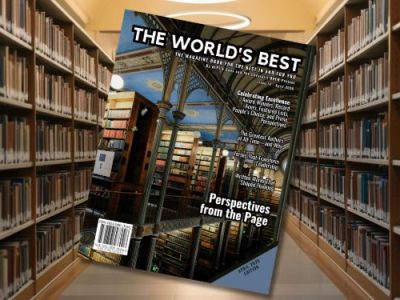
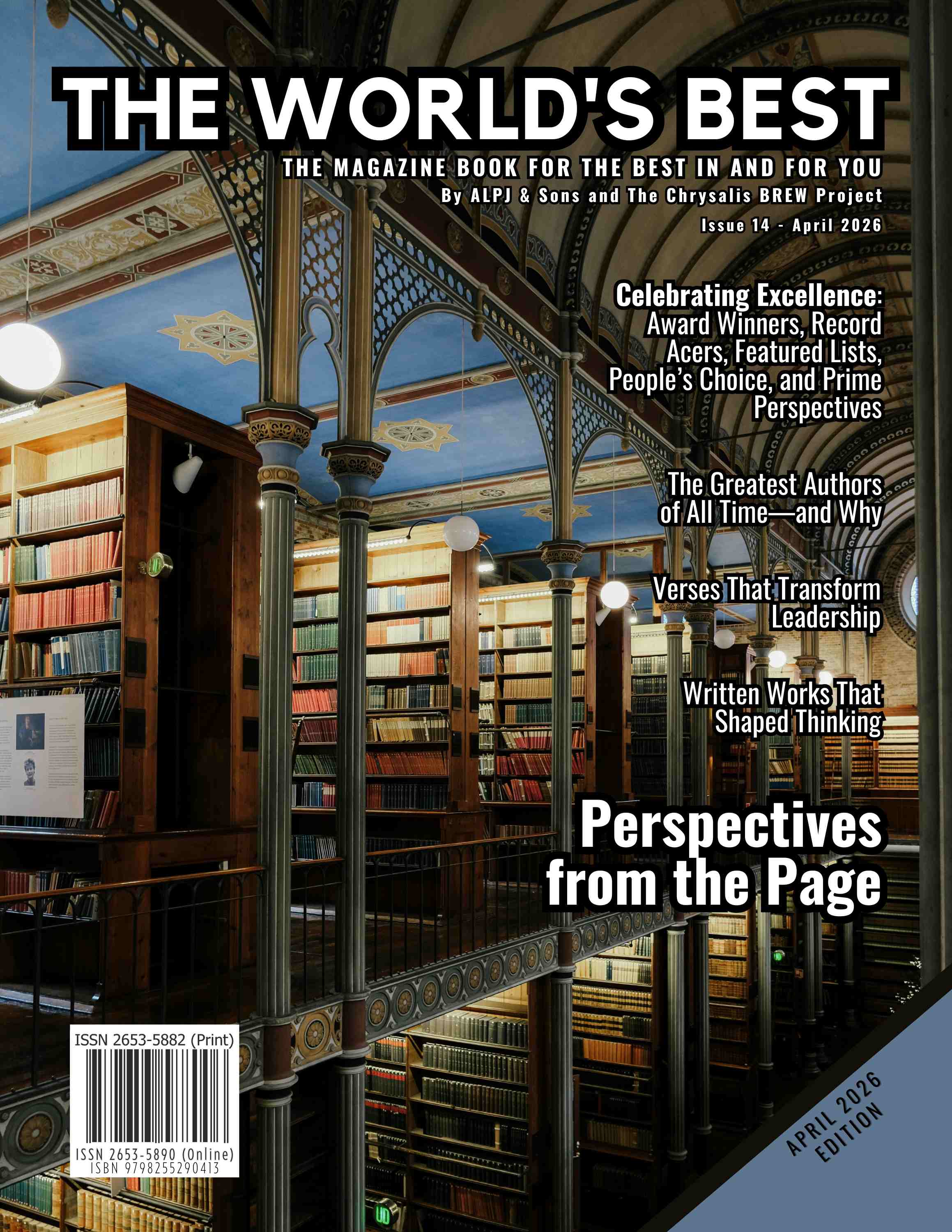
Introducing Perspectives from the Page: The World’s Best Magazine Issue 14 (April 2026 Edition)
Here’s to announce the launch of our latest magazine release, Issue 14 (April 2026 Edition), with the theme Perspectives from the Page—a collection of conversations that brings together award-winning authors, poets, and thought leaders from across disciplines.

The Greatest Authors of All Time—and Why
Which authors quietly shape how we think, decide, and lead? Explore this expert roundup to see how literature continues to guide insight, creativity, and personal growth in everyday life.

Verses That Transform Leadership
What poem or line quietly changes how you face big decisions or challenges? Explore this expert roundup to see how literary insights guide real-life choices and personal resilience.

Written Works That Shaped Thinking
What single insight can quietly reshape how you approach challenges, relationships, or career decisions? Explore this expert roundup to see how reflective reading can transform everyday thinking and choices.
Something went wrong. Please refresh the page and/or try again.
Other Highlights

Looking for something?
Type in your keyword(s) below and click the “Search” button.
Helpful Shortcuts
More Stories












Print and Digital Magazine
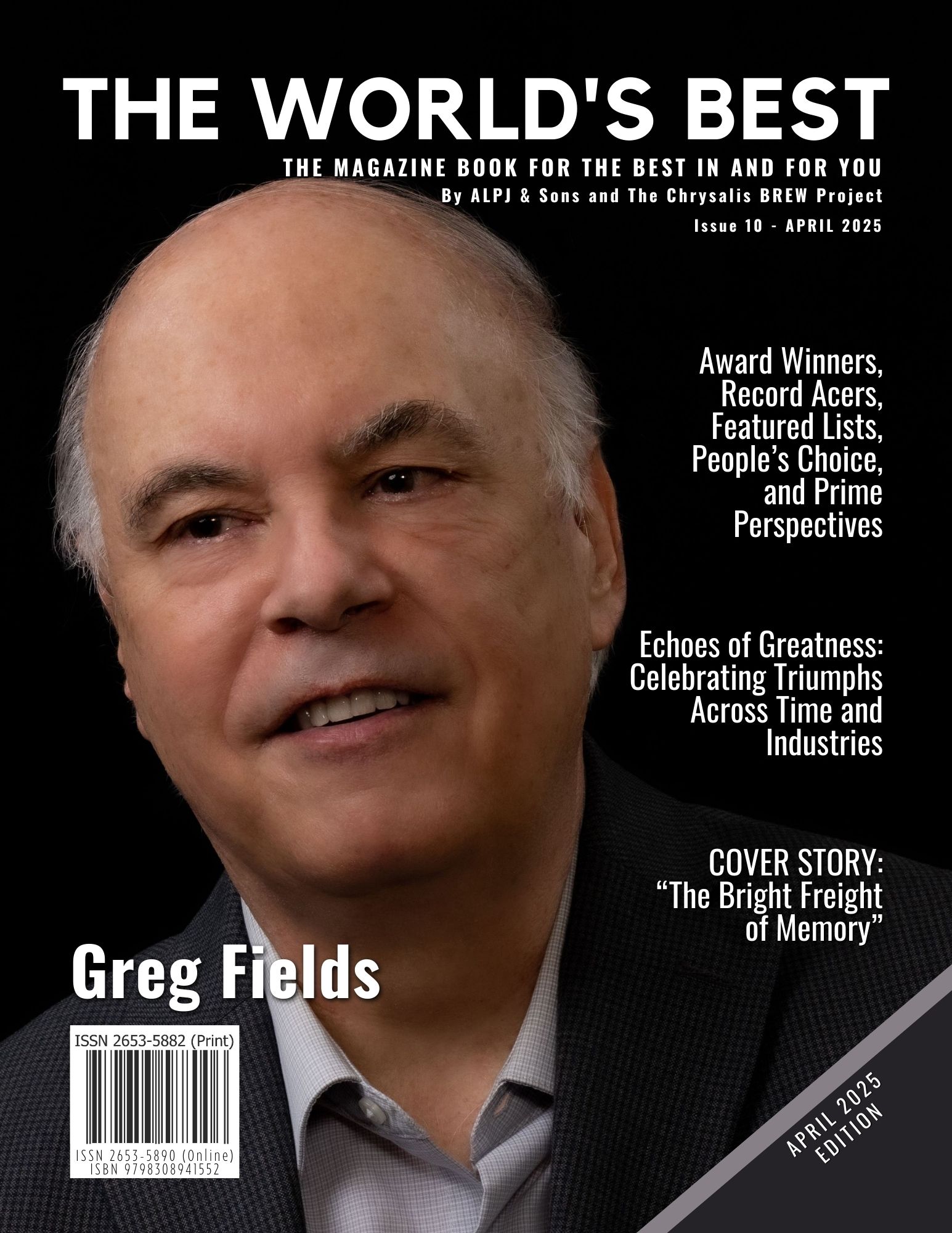
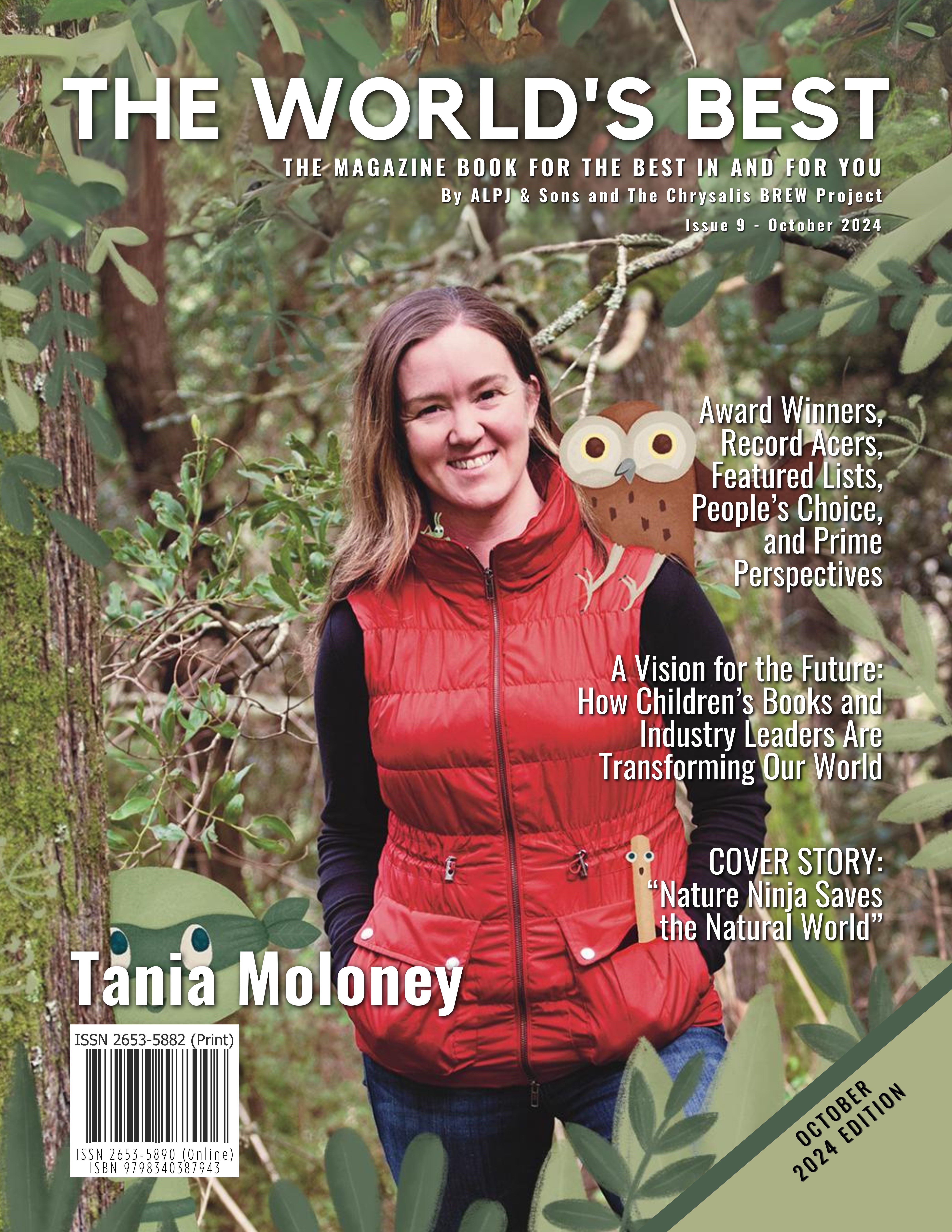

Don’t just read about greatness. Own it!

About Us
The World’s Best Magazine is a print and online publication that highlights the extraordinary. It is your passport to a universe where brilliance knows no bounds. Celebrating outstanding achievements in various fields and industries, we curate and showcase the exceptional, groundbreaking, and culturally significant. Our premier laurels, The World’s Best Awards, commend excellence through a unique process involving subject matter experts and a worldwide audience vote. Explore with us the pinnacle of human achievement and its intersection with diversity, innovation, creativity, and sustainability.
We recognise and honour the Traditional Owners of the land upon which our main office is situated. We extend our deepest respects to Elders past, present, and emerging. We celebrate the stories, culture, and traditions of Aboriginal and Torres Strait Islander Elders from all communities who also reside and work on this land.
Disclaimer: The World’s Best does not provide any form of professional advice. All views and opinions expressed in each post are the contributor’s own. Whereas we implement editorial policies and aim for content accuracy, the details shared on our platforms are intended for informational purposes only. We recommend evaluating each third-party link or site independently, as we cannot be held responsible for any results from their use. In all cases and with no exceptions, you are expected to conduct your own research and seek professional assistance as necessary prior to making any financial, medical, personal, business, or life-changing decisions arising from any content published on this site. All brands and trademarks mentioned belong to their respective owners. Your continued use of our site means you agree with all of these and our other site policies, terms, and conditions. For more details, please refer to the links below.
About | Advertise | Awards | Blogs | Contact | Disclaimer | Submissions | Subscribe | Privacy | Publications | Terms | Winners
The World’s Best: A Magazine That’s All About What’s Great | theworldsbestmagazine.com | Copyright ⓒ 2022-2026
Let’s connect
Discover more from The World's Best
Subscribe to get the latest posts sent to your email.

 The World's Best
I voted for surrealism because I love Remedios Varo and Leonora Carrington, but I find Hajnalka Nagy’s comment super interesting. I’ll look into that!
LikeLike