
The search for sustainable and useful living environments has become a major inspiration for interior and architectural design in the modern world. Space-efficient design and environmental responsibility are becoming more and more important priorities for both homeowners and interior designers. The most cutting-edge architectural and interior design trends in the world today combine sustainability, creativity, and utility. These are a few of the most interesting methods that are influencing modern dwellings.
What Thought Leaders Think
Japandi for Minimalism and Sustainability
In my opinion, Japandi is one of the most functional yet aesthetically pleasing design trends, with elements of sustainability.
The minimalist nature makes it very functional because you only have what you need. There are no unnecessary pieces of furniture or decoration—everything has a purpose. This also gives it points toward sustainability because it helps reduce needless consumerism and potential waste. Opting for a single multipurpose piece of furniture versus many single-use pieces reduces both the clutter of a room and the total carbon footprint of the home.
Another sustainability element is the use of natural materials. Wood furniture and plant-based decorations are replenishable (i.e., you can regrow trees and plants) as opposed to materials made from plastic or synthetic fabrics.
And of course, Japandi is very aesthetically pleasing because it’s essentially a warm, more natural form of minimalism. The color palettes are soft and inviting, the spaces are open and promote flow, and all the natural elements create a unique sense of peace.

David Silva, Interior Designer, HomRem LLC
Biophilic Design Merges Nature with Comfort
One trend that speaks to this entirely, and also one of my personal favorites, is biophilic design. The approach brings the outdoors in by incorporating natural elements like plants, sunlight, and organic materials. For instance, a living room filled with natural light, lush greenery, and reclaimed-wood accents—it’s not just beautiful but also incredibly inviting. Biophilic design improves air quality and reduces stress. It’s a perfect example of how you can create a stunning, eco-friendly space that feels like a breath of fresh air.

Samantha Tannehill, Principal & Founder, Tannehill Interiors
Industrial Conversion Fuses History with Modernity
Industrial conversion stands out as a remarkable approach to creating functional and aesthetically pleasing living spaces while embracing sustainability. This style’s genius lies in its ability to weave together disparate elements—from Persian rugs and crystal chandeliers to distressed shabby-chic and modern innovations—in a harmonious tapestry of design.
The generous volumes and soaring ceilings characteristic of converted industrial spaces provide a luxurious canvas for personal expression, where historical artifacts and contemporary pieces coexist in captivating juxtaposition, each amplifying the other’s beauty.
Perhaps most importantly, this style embodies sustainability at its core by breathing new life into existing architectural structures and repurposing materials, proving that eco-consciousness and striking design are not mutually exclusive but rather perfect partners in creating truly inspired living spaces.

Alla Delion, Design Director, Studiomint Design Group
Modern Farmhouse Reflects Sustainable Craftsmanship
As a design/build contractor focusing on sustainable craftsmanship, I find eco-friendly, modern farmhouse style creates highly functional and livable spaces. Natural, reclaimed materials like wood beams, stone accents, and open floor plans incorporating ample natural light reflect a simplicity fostering well-being.
Kitchens are the heart of the home, so we design them to be highly efficient, low-impact workspaces. Examples include ENERGY STAR appliances, water-saving fixtures, renewable bamboo cabinetry, and quartz countertops containing recycled content. Our tile installers creatively upcycle materials into mosaic backsplashes.
Bathrooms emphasize mindfulness. Walk-in showers with low-flow rainheads, dual-flush toilets, and LED lighting invite rejuvenation. We source organic cotton towels and non-toxic cleaners to support health.
A home embracing nature connects one to what really matters. By crafting highly functional, sustainable spaces reflecting simple pleasures, my team helps clients achieve this. Our dedication to sourcing local, eco-friendly materials and educating homeowners on best practices enables their vision of a greener lifestyle within a modern oasis.

Ryan Norman, Founder, Norman Builders
Minimalism Prioritizes Quality and Sustainability
We would certainly point our clients and readers toward minimalism, where quality takes precedence over quantity, ensuring there is enough room for sustainable design solutions.
In our opinion, minimalism is the most straightforward trend leading to the fastest carbon reduction in our industry.
Our clients seem to be exhausted by being overloaded with design details. They seek home interiors offering widespread relaxation without the need to look for cozy corners in their own homes.
Minimalism not only offers this throughout the property but also plays gently with our imagination.

Michal Piasecki, Project Manager & Surveyor, Rose Line Premier
Scandinavian Style Blends Function with Eco-Friendly Materials
One interior design trend that excels in creating functional yet aesthetically pleasing living spaces is the Scandinavian style. Renowned for its simplicity and functionality, this design ethos seamlessly integrates sustainability principles. Scandinavian design prioritizes clean lines, neutral palettes, and an uncluttered environment, which translates to highly functional spaces.
Natural, sustainable materials such as wooden furniture, wool textiles, and stone accents add warmth and texture while reducing reliance on synthetic materials. Large windows and light-colored interiors maximize natural light, enhancing energy efficiency. Additionally, incorporating plants improves air quality and adds a touch of nature indoors.

Ricards Ramonausks, Interior Designer, Aesthete
Innovative Rooftop Gardens Enhance Urban Living
We recently created a living-garden space on the finished, flat rooftop of a new-construction home. This allows for functionality as well as an aesthetically pleasing aspect to a rooftop that most ignore. Perfect sunlight, a natural drainage system, and an environmentally friendly option for an ENERGY STAR-certified home in our local market. We’d never included this before, but it significantly changes the rooftop living space and provides an environmentally friendly complement to the new home in an urban environment.

Casey Marks, Chief Operating Officer, Marks Building Co.
Have Your Say
⭐⭐⭐⭐⭐
Alignment with the UN SDGs
This focus on sustainable and functional interior design trends aligns strongly with several United Nations Sustainable Development Goals (SDGs), promoting responsible living and eco-conscious practices that impact both individual well-being and global sustainability. Here’s how each of these design approaches supports specific SDGs:
- SDG 3: Good Health and Well-being
- Biophilic Design enhances mental and physical health by reducing stress and improving air quality through natural light, greenery, and organic materials. Research indicates that such environments positively impact mood and stress levels, contributing to a healthier indoor lifestyle.
- SDG 7: Affordable and Clean Energy
- Scandinavian and Modern Farmhouse Styles maximize natural light, reducing the need for artificial lighting during the day. Additionally, these styles often incorporate energy-efficient appliances and fixtures, contributing to energy conservation and encouraging sustainable energy practices in homes.
- SDG 11: Sustainable Cities and Communities
- Industrial Conversion repurposes existing buildings and materials, supporting sustainable urban development by minimizing demolition waste and conserving historic structures. This practice preserves cultural heritage while adapting spaces for modern needs, aligning with sustainable urbanization goals.
- SDG 12: Responsible Consumption and Production
- Japandi and Minimalist Styles both focus on reducing unnecessary consumerism. By emphasizing quality over quantity and encouraging multipurpose, durable furniture, these styles promote thoughtful consumption and reduce waste, moving toward more responsible production and consumption patterns.
- SDG 13: Climate Action
- Use of Natural and Reclaimed Materials in designs like Modern Farmhouse and Japandi reduces the demand for new materials and lowers carbon footprints. Materials like reclaimed wood, bamboo, and organic textiles are more eco-friendly alternatives to synthetics, supporting efforts to mitigate climate change by reducing emissions and resource extraction impacts.
- SDG 15: Life on Land
- Rooftop Gardens and Biophilic Design directly support biodiversity in urban environments by creating green spaces that attract pollinators and increase greenery. These trends promote a more balanced ecosystem within cities, contributing to healthier and more biodiverse urban areas.
These interior design and architectural trends support the UN SDGs by emphasizing sustainable materials, energy efficiency, and health benefits. They foster a holistic approach to sustainable living that not only elevates personal spaces but also contributes positively to global environmental and social objectives.
Welcome to The World’s Best Magazine‘s “Discovering Harmony” series, where we look into the intricate relationship between nature and sustainability. This collection of articles is designed to illuminate the pressing environmental challenges and celebrate the innovative solutions shaping our future.
Exclusive Interviews: Voices of Change
In our exclusive interviews, we sit down with leading environmentalists, visionary scientists, and influential policymakers who are driving the sustainability movement. These thought-provoking conversations offer a glimpse into their groundbreaking work and personal journeys, providing insights into how they are making a tangible impact on our world.
Expert Round-Ups: Collective Wisdom
Our expert round-ups bring together diverse perspectives from specialists across various fields. These curated discussions explore the latest research, trends, and strategies in sustainability. Whether it’s advances in renewable energy, the latest in conservation technology, or grassroots initiatives making waves, these articles showcase the collective wisdom of those at the forefront of environmental change.
In-Depth Features: Stories of Innovation
Through compelling features, we highlight groundbreaking projects and success stories from around the globe. Our “Featured Lists” listicle articles will spotlight top innovations, impactful initiatives, and key trends in sustainability. These engaging lists provide a snapshot of the best practices, tools, and ideas driving progress in environmental stewardship.
Interactive Insights: Engaging with the Issue
To further enrich your experience, we include our usual People’s Choice polls where readers can vote for their favorite innovations, solutions, and perspectives. This interactive element not only lets you engage directly with the content but also helps shape the ongoing conversation about sustainability. Your votes and opinions provide valuable feedback and foster a dynamic dialogue around the critical issues we cover.
Join us on this journey as we explore the vital intersection of nature and sustainability. Discovering Harmony is more than just a series—it’s a call to action for a world where human progress and environmental stewardship go hand in hand.
Related










Something went wrong. Please refresh the page and/or try again.
Other Highlights

Looking for something?
Type in your keyword(s) below and click the “Search” button.
Helpful Shortcuts
More Stories












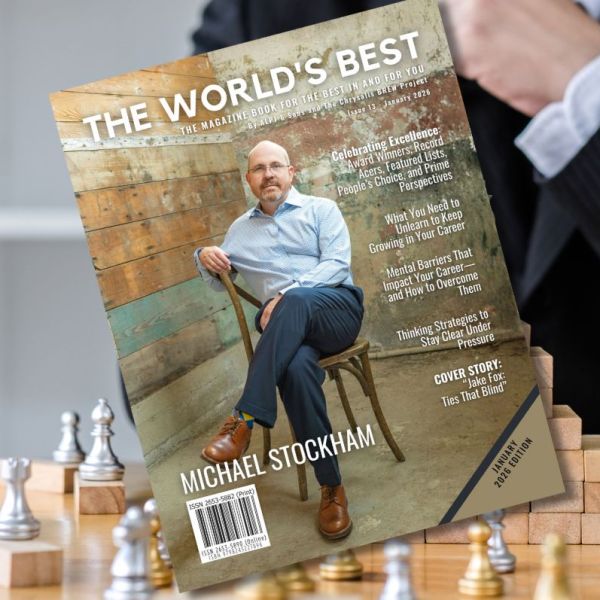

















Print and Digital Magazine
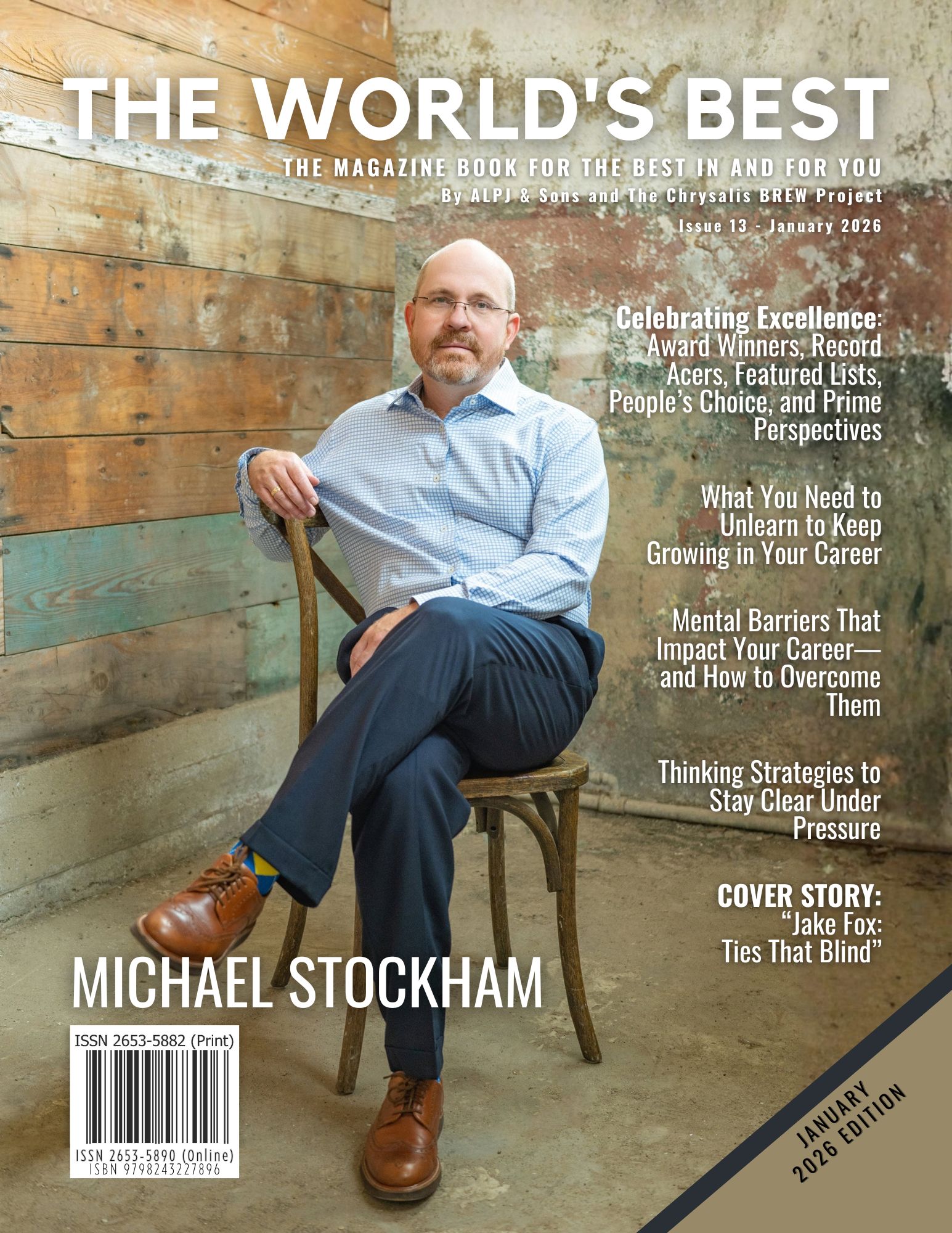
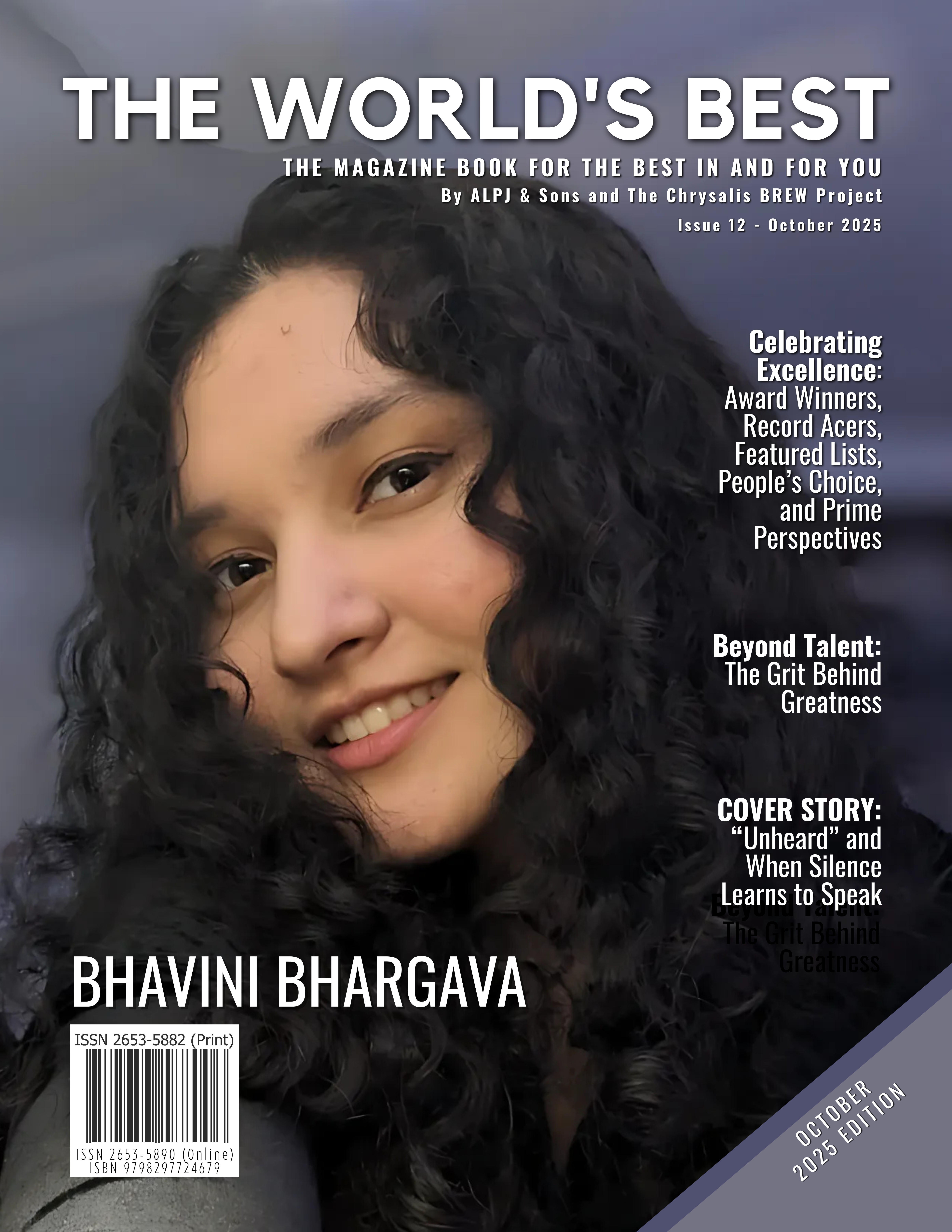

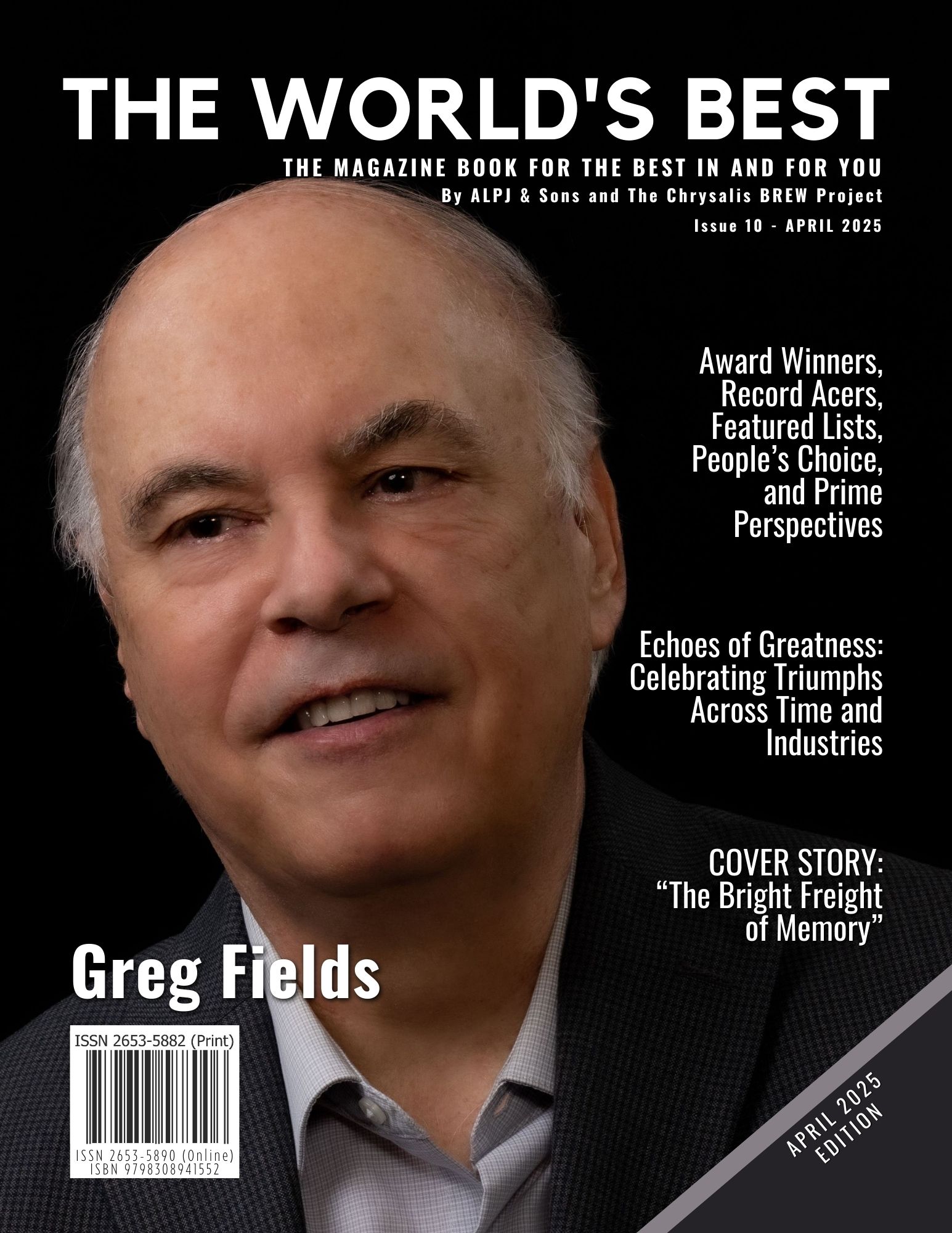





Don’t just read about greatness. Own it!

About Us
The World’s Best Magazine is a print and online publication that highlights the extraordinary. It is your passport to a universe where brilliance knows no bounds. Celebrating outstanding achievements in various fields and industries, we curate and showcase the exceptional, groundbreaking, and culturally significant. Our premier laurels, The World’s Best Awards, commend excellence through a unique process involving subject matter experts and a worldwide audience vote. Explore with us the pinnacle of human achievement and its intersection with diversity, innovation, creativity, and sustainability.
We recognise and honour the Traditional Owners of the land upon which our main office is situated. We extend our deepest respects to Elders past, present, and emerging. We celebrate the stories, culture, and traditions of Aboriginal and Torres Strait Islander Elders from all communities who also reside and work on this land.
Disclaimer: The World’s Best does not provide any form of professional advice. All views and opinions expressed in each post are the contributor’s own. Whereas we implement editorial policies and aim for content accuracy, the details shared on our platforms are intended for informational purposes only. We recommend evaluating each third-party link or site independently, as we cannot be held responsible for any results from their use. In all cases and with no exceptions, you are expected to conduct your own research and seek professional assistance as necessary prior to making any financial, medical, personal, business, or life-changing decisions arising from any content published on this site. All brands and trademarks mentioned belong to their respective owners. Your continued use of our site means you agree with all of these and our other site policies, terms, and conditions. For more details, please refer to the links below.
About | Advertise | Awards | Blogs | Contact | Disclaimer | Submissions | Subscribe | Privacy | Publications | Terms | Winners
The World’s Best: A Magazine That’s All About What’s Great | theworldsbestmagazine.com | Copyright ⓒ 2022-2026
Let’s connect
Discover more from The World's Best
Subscribe to get the latest posts sent to your email.

 The World's Best
I love the idea of everything having a purpose, and minimalism can be very soothing, but it has become more of an aesthetic idea, and it was a bit hijacked by consumerism, which is why I voted for biophilic design. I also think nature’s great for our mental health, so it’s awesome to incorporate it in our living spaces.
LikeLiked by 1 person